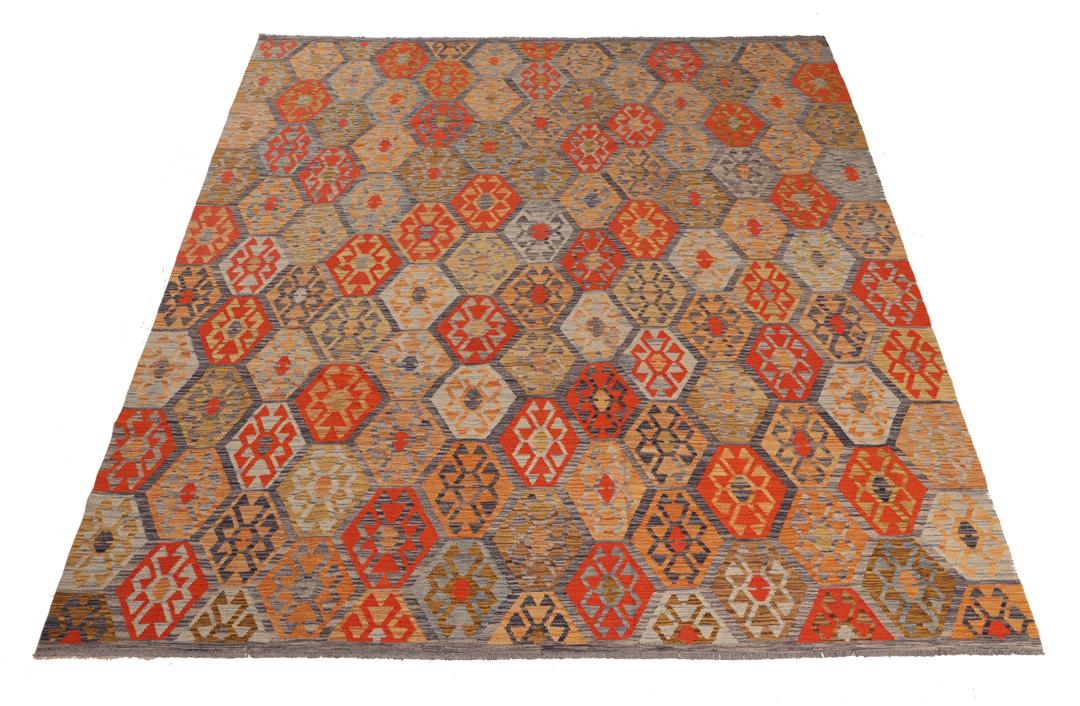
The Kelim tradition in Afghanistan is deeply rooted in the nomadic and semi-nomadic lifestyles of the region. For centuries, these flat-woven rugs have been essential to the daily lives of tribal weavers, serving as versatile floor coverings, wall hangings, and even storage sacks. The evolution of these designs reflects the cross-pollination of cultures along the ancient trade routes that crisscross Central Asia.
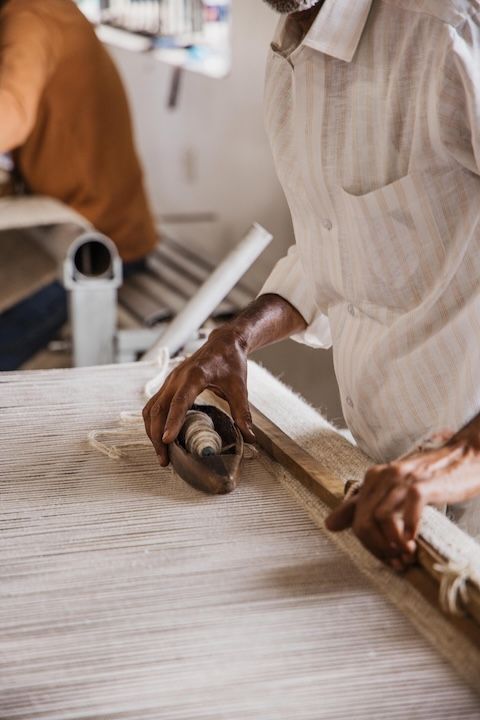
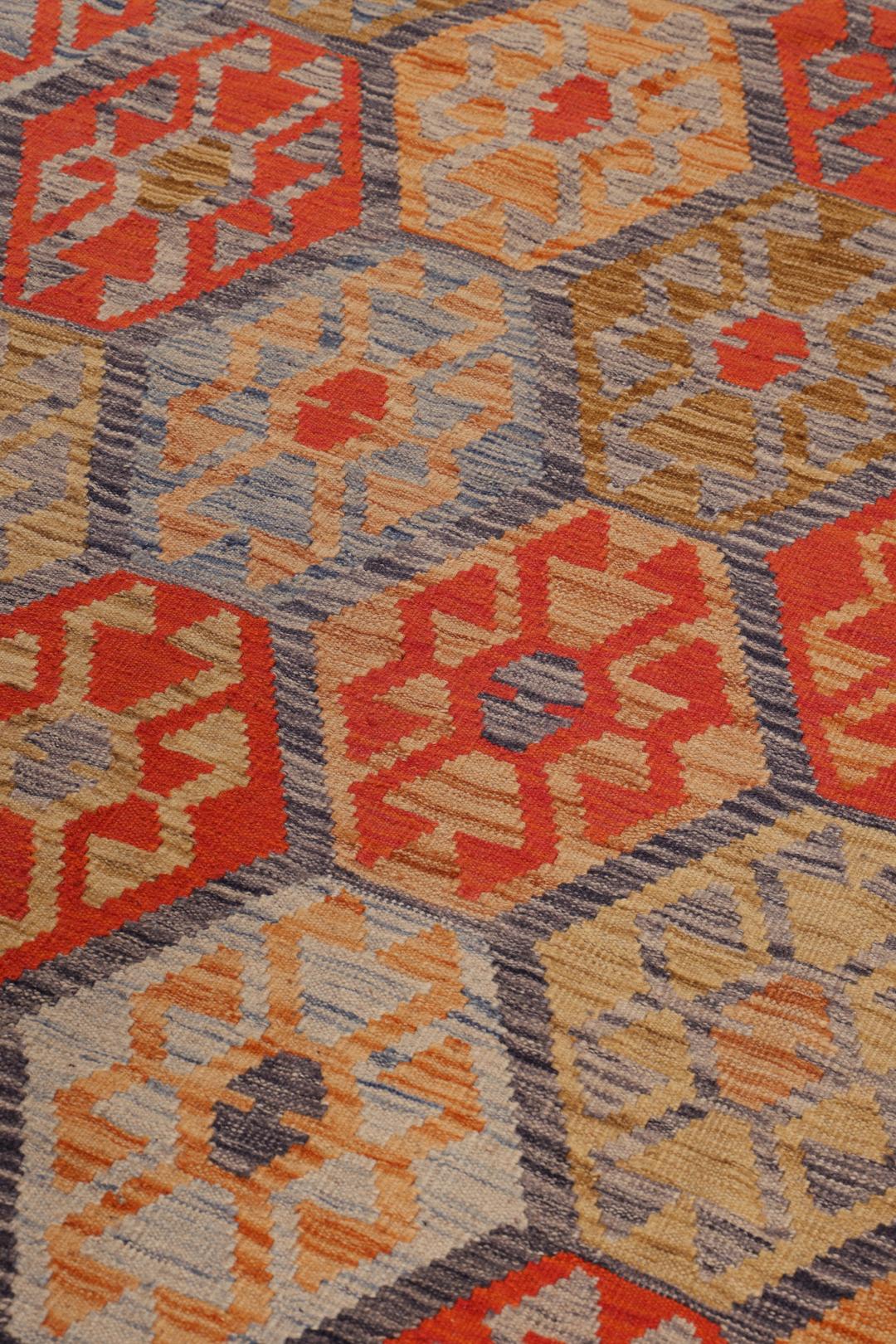
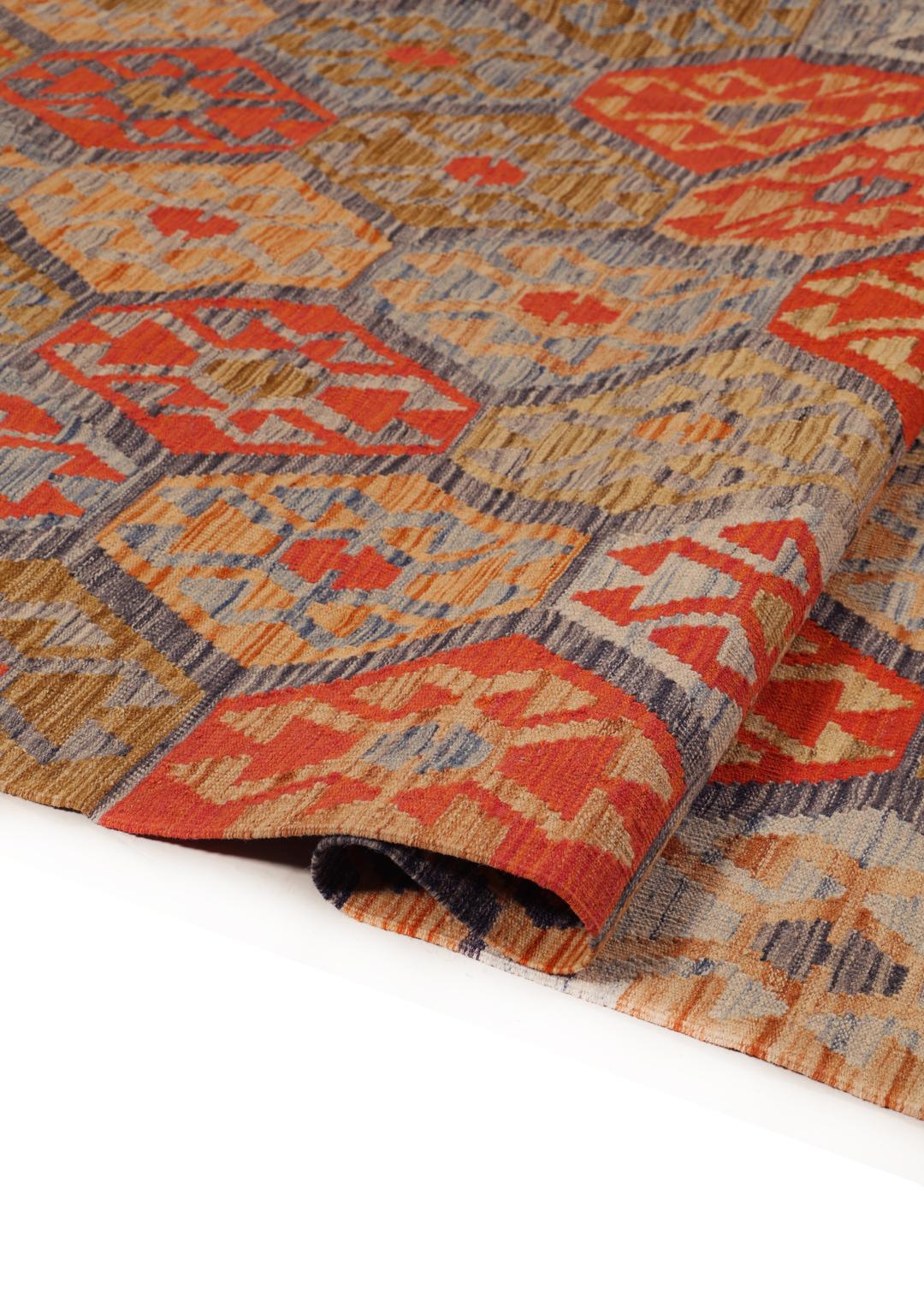
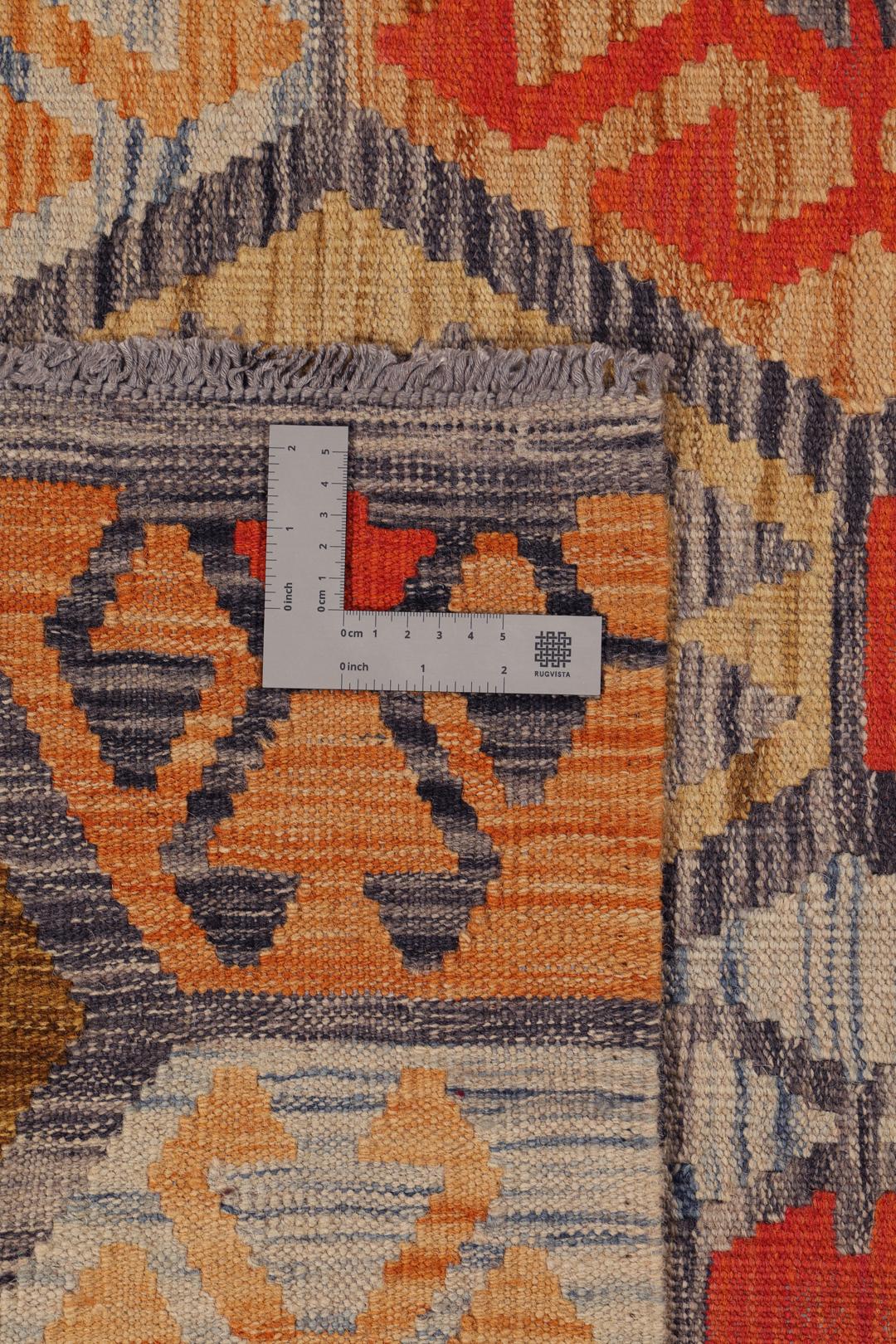
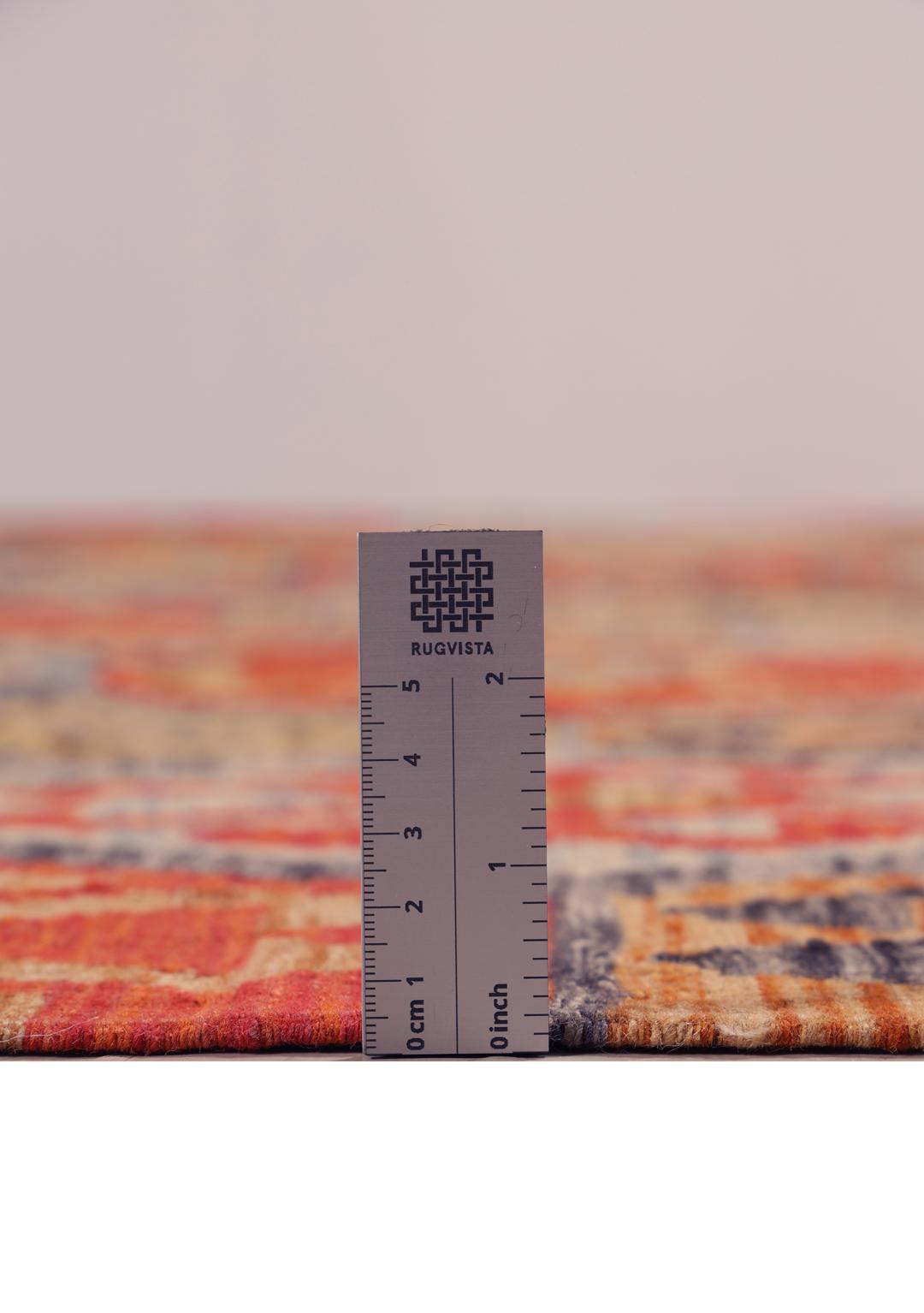
The term 'Kelim' refers to a specific type of tapestry weave where no pile exists. This method creates a thin, lightweight, and incredibly strong fabric. In Afghan traditions, the weaver creates patterns by alternating the coloured threads of the weft. This requires a profound understanding of tension and geometry, as the design is built directly into the structure of the rug rather than added as a surface layer.
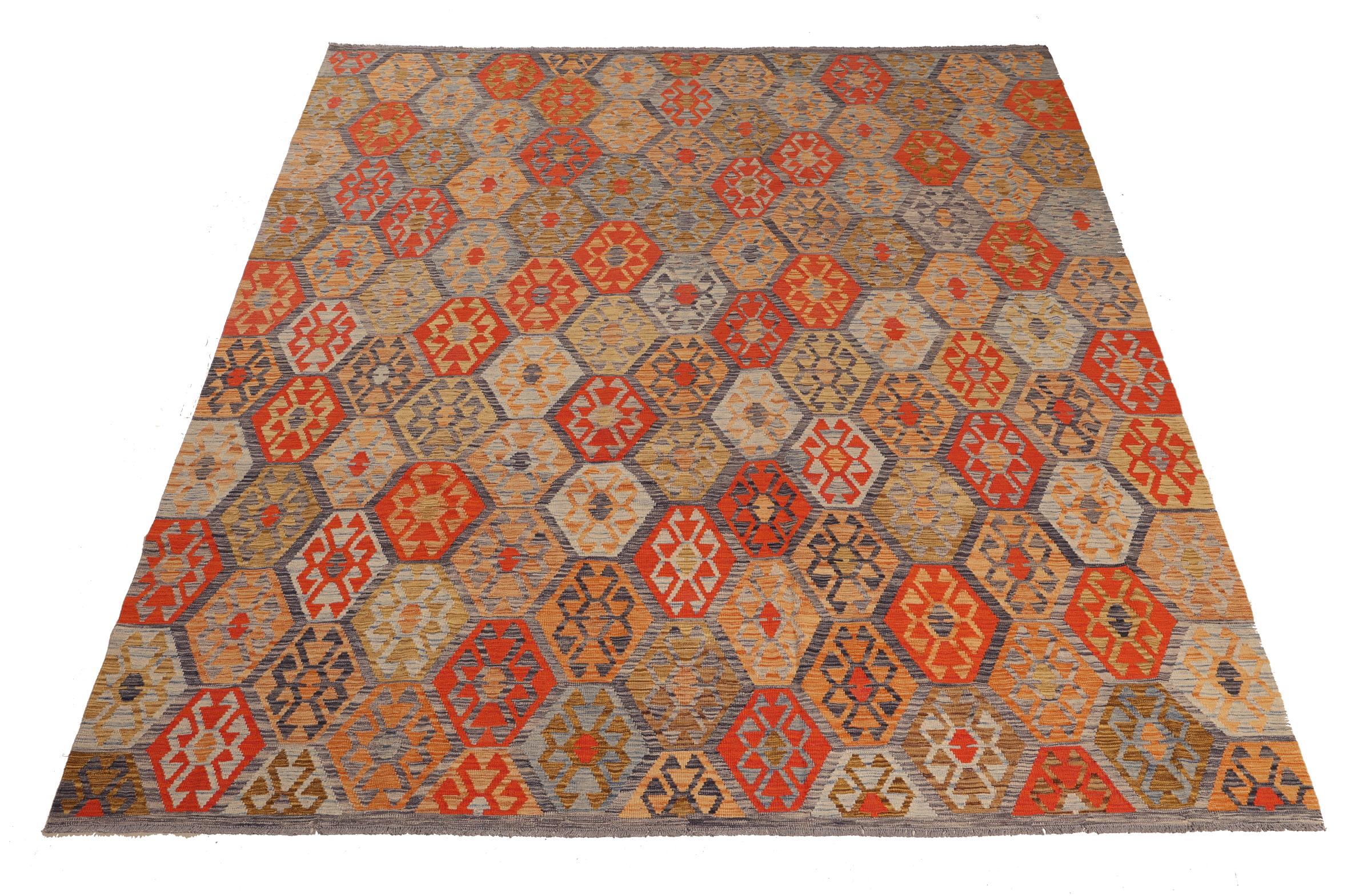
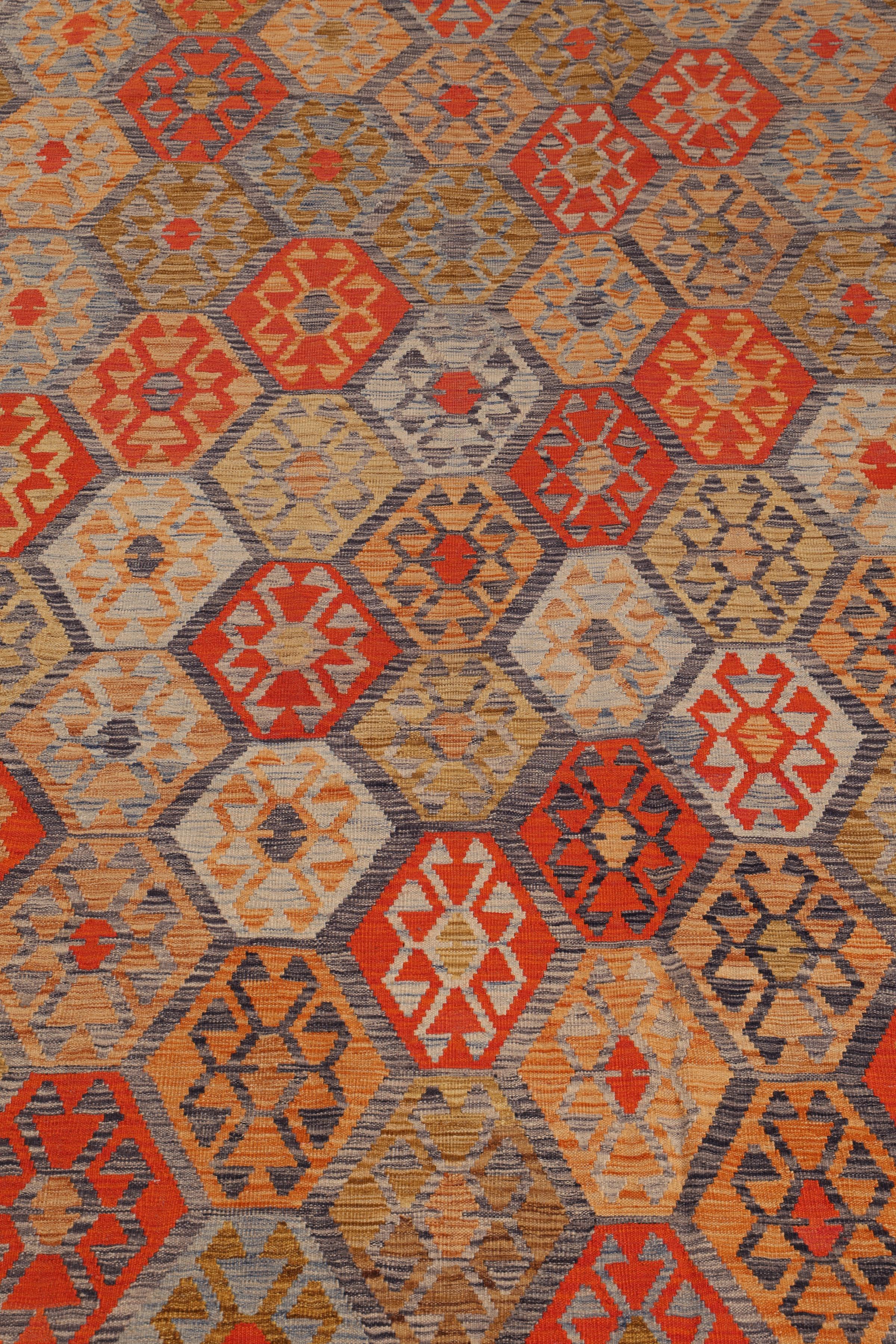
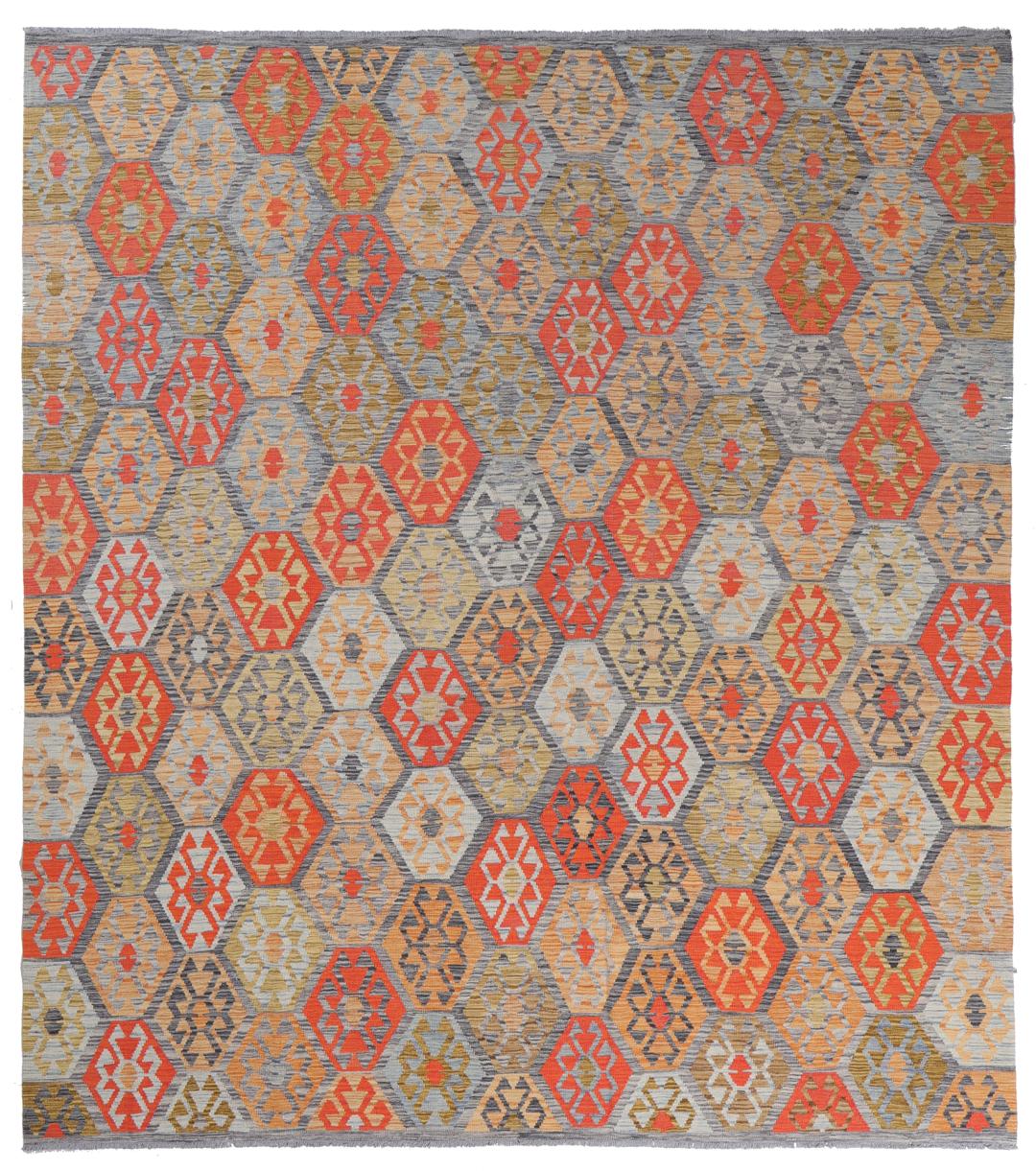
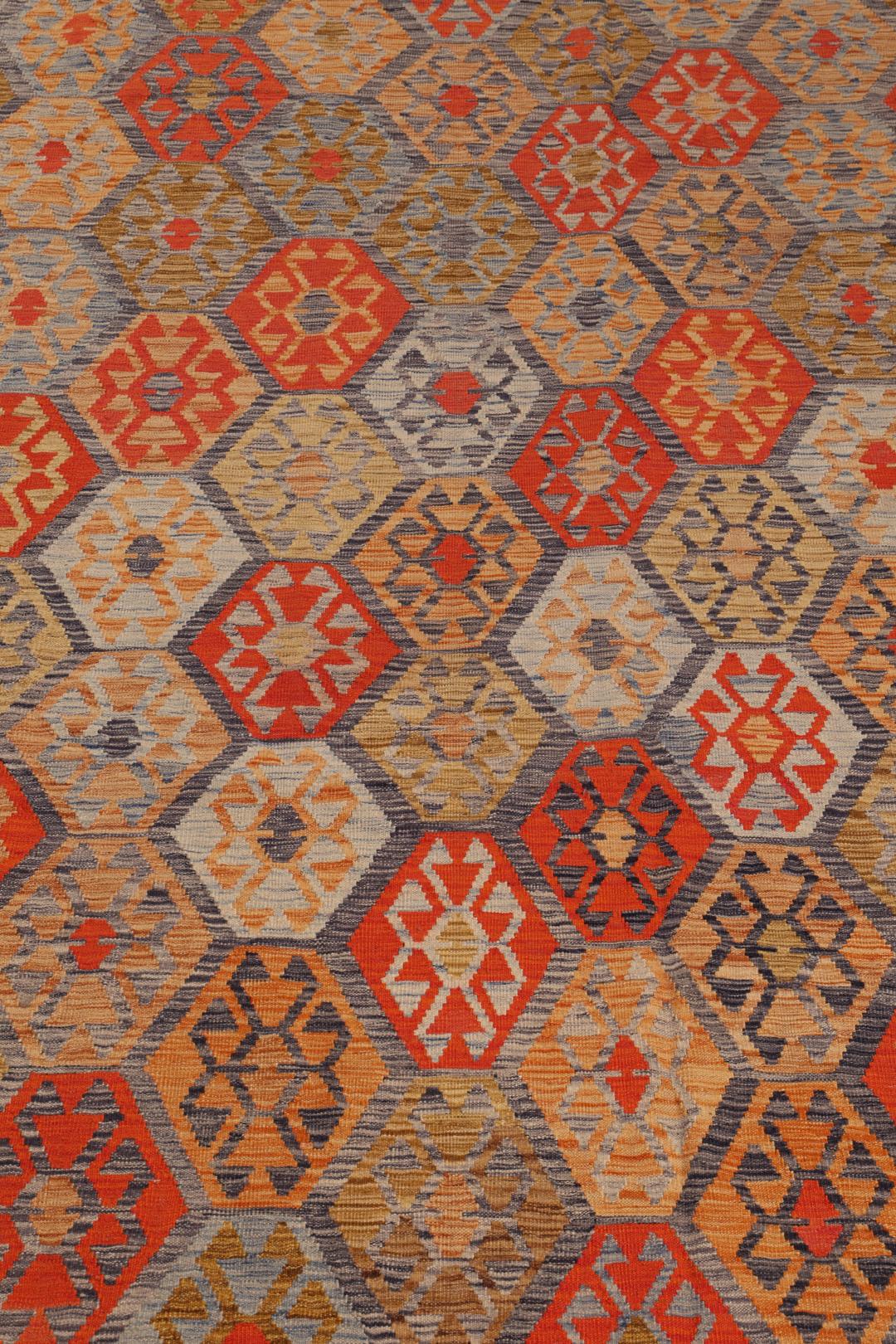
Visually, these rugs are defined by their bold geometric motifs, often featuring diamonds, triangles, and stylised medallions. The patterns are not merely decorative but often carry symbolic meanings passed down through generations of weaving families. The vibrant colour palettes are traditionally derived from natural dyes found in the local landscape, giving each piece an earthy, organic quality that feels at once primitive and sophisticated.
Collecting an Afghan Kelim is an investment in cultural heritage and human skill. These rugs are valued not only for their aesthetic beauty but for the stories they tell about the people and the environment that created them. By bringing one into your home, you are preserving a centuries-old craft tradition and celebrating the patience and precision that go into every single thread.