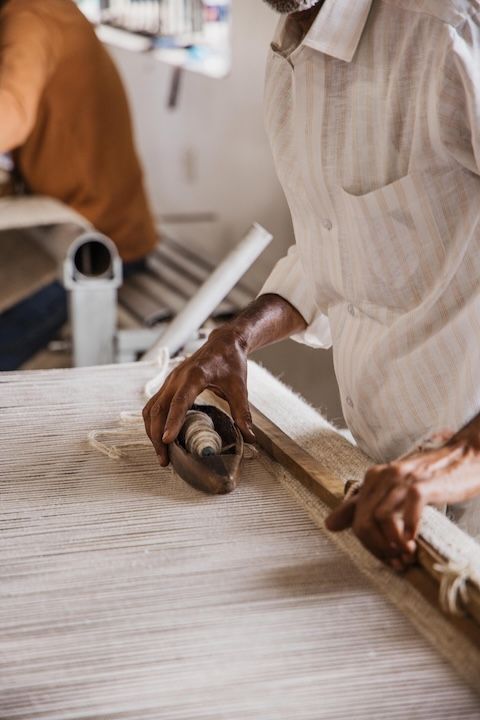
The tradition of weaving Kelims in Afghanistan is deeply rooted in the nomadic and village cultures of the Middle East. These rugs are historically significant, representing a functional art form that has been passed down through generations of families. They were originally designed for both utility and beauty, serving as floor coverings, wall hangings, or even saddlebags for travelling tribes.
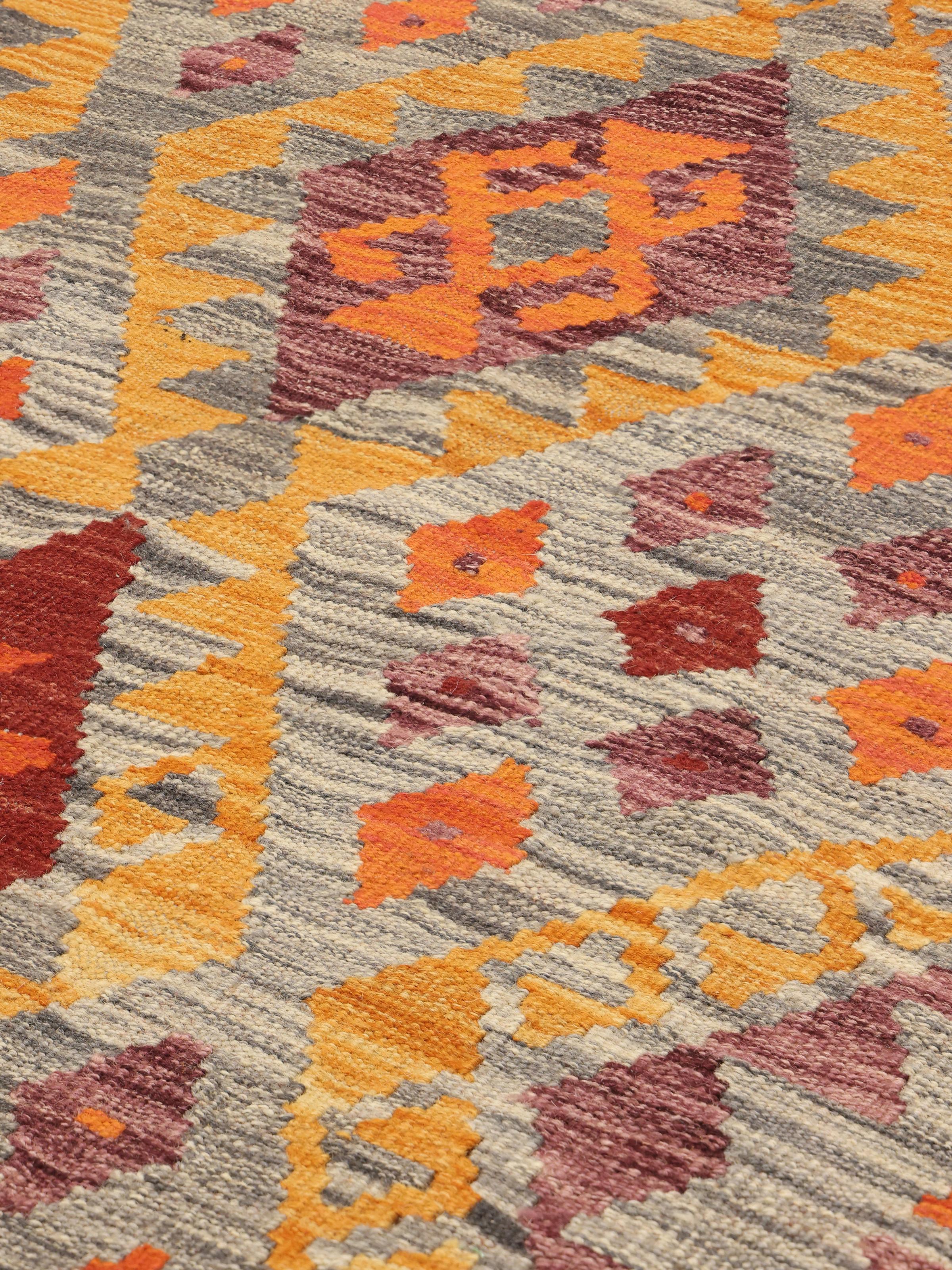
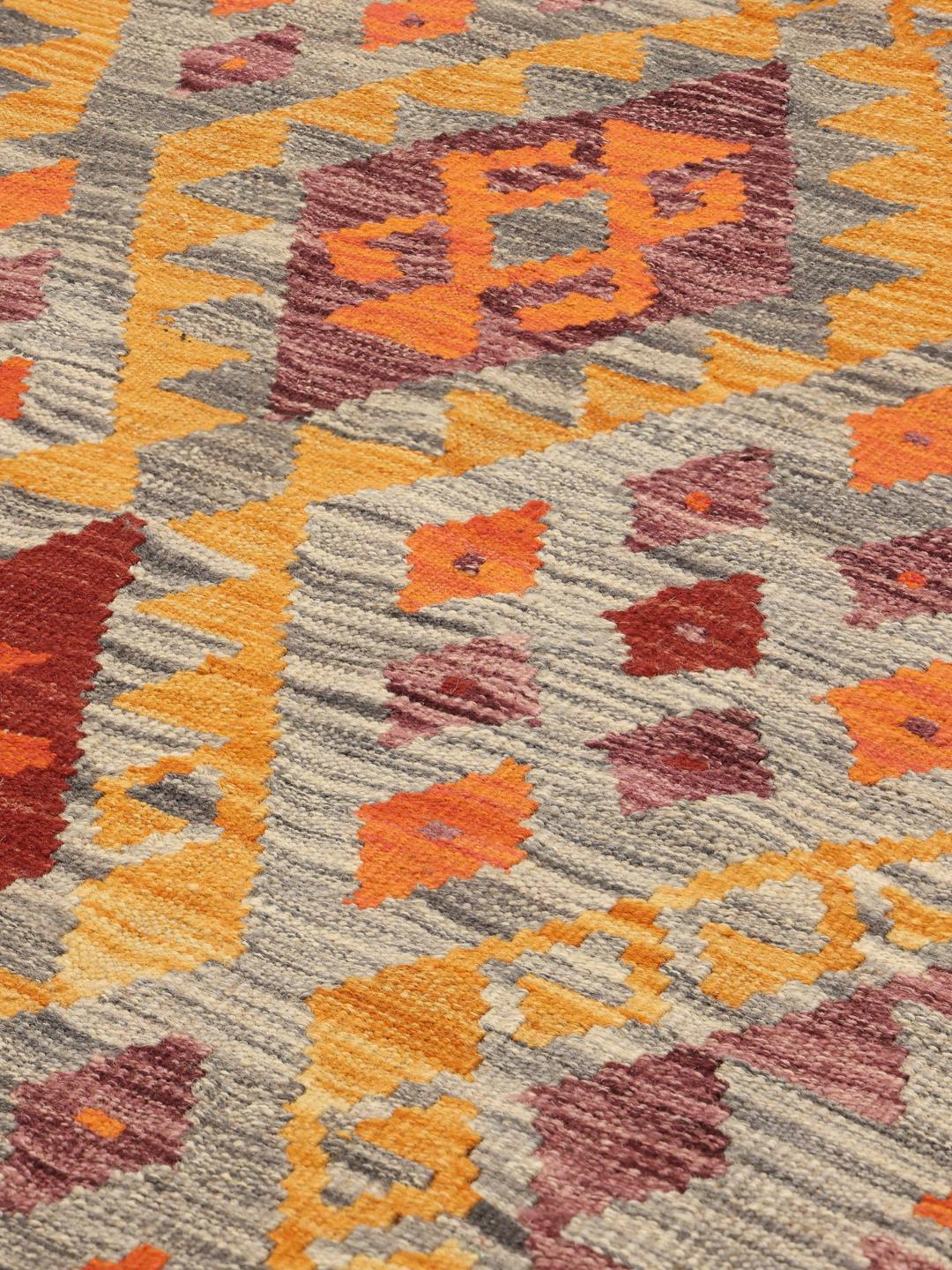
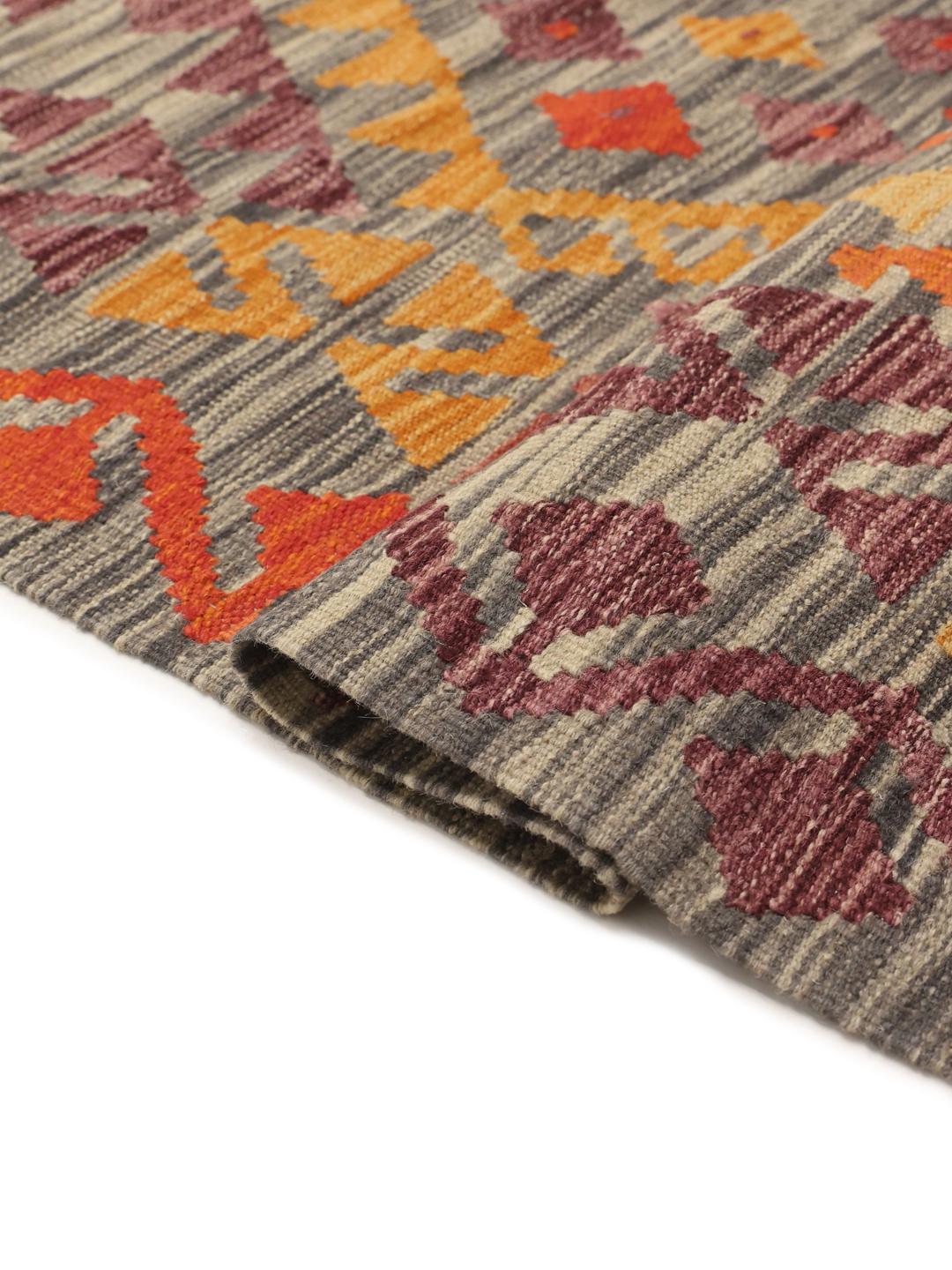
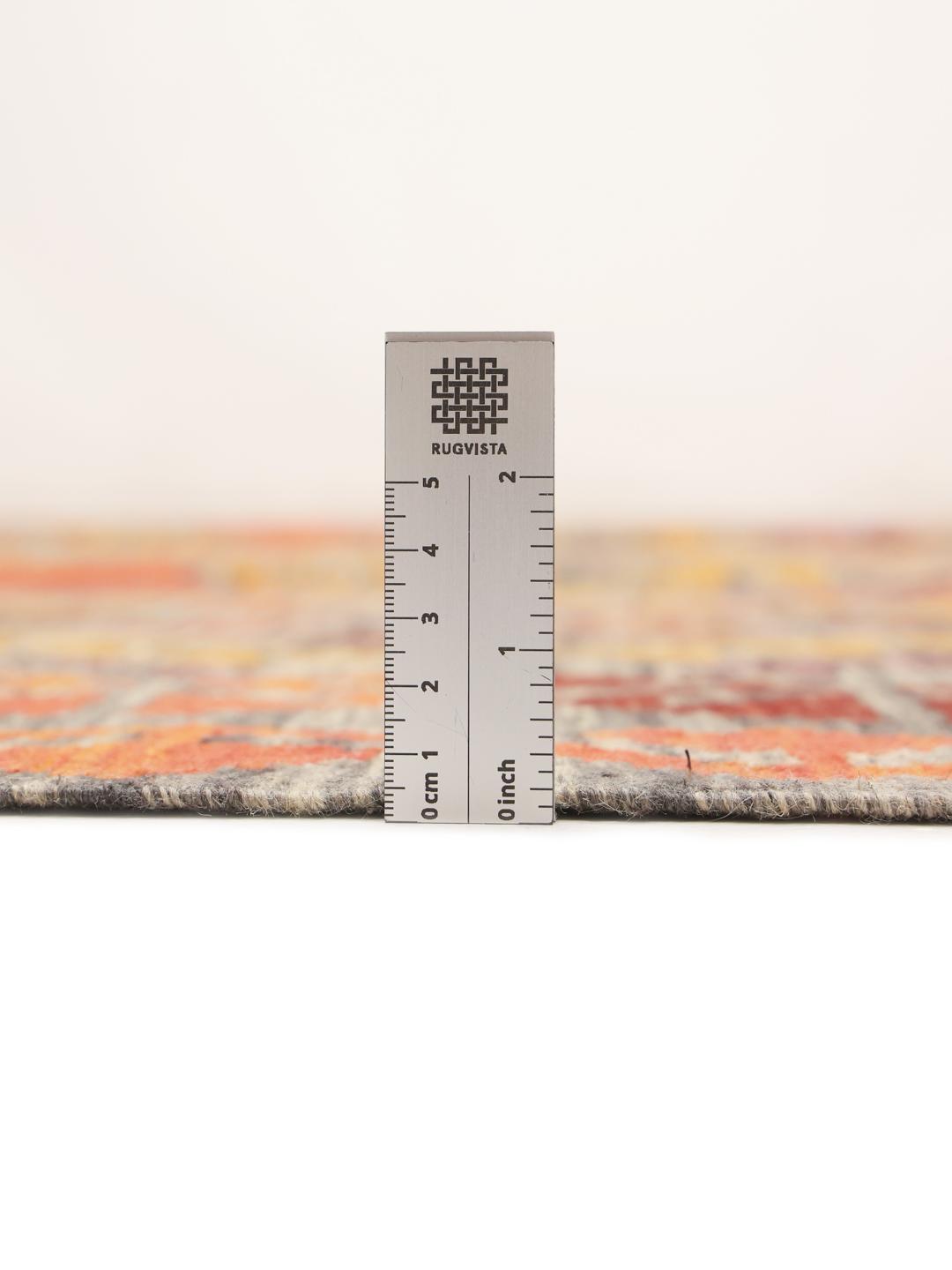
Technically, a Kelim is a flat-weave rug, which means it lacks a pile. This distinct method involves interweaving the warp and weft strands to create the pattern, resulting in a rug that is lightweight yet remarkably strong. The absence of a pile gives these rugs a unique, crisp aesthetic where the design is visible on both sides, showcasing the precision of the artisan's work.
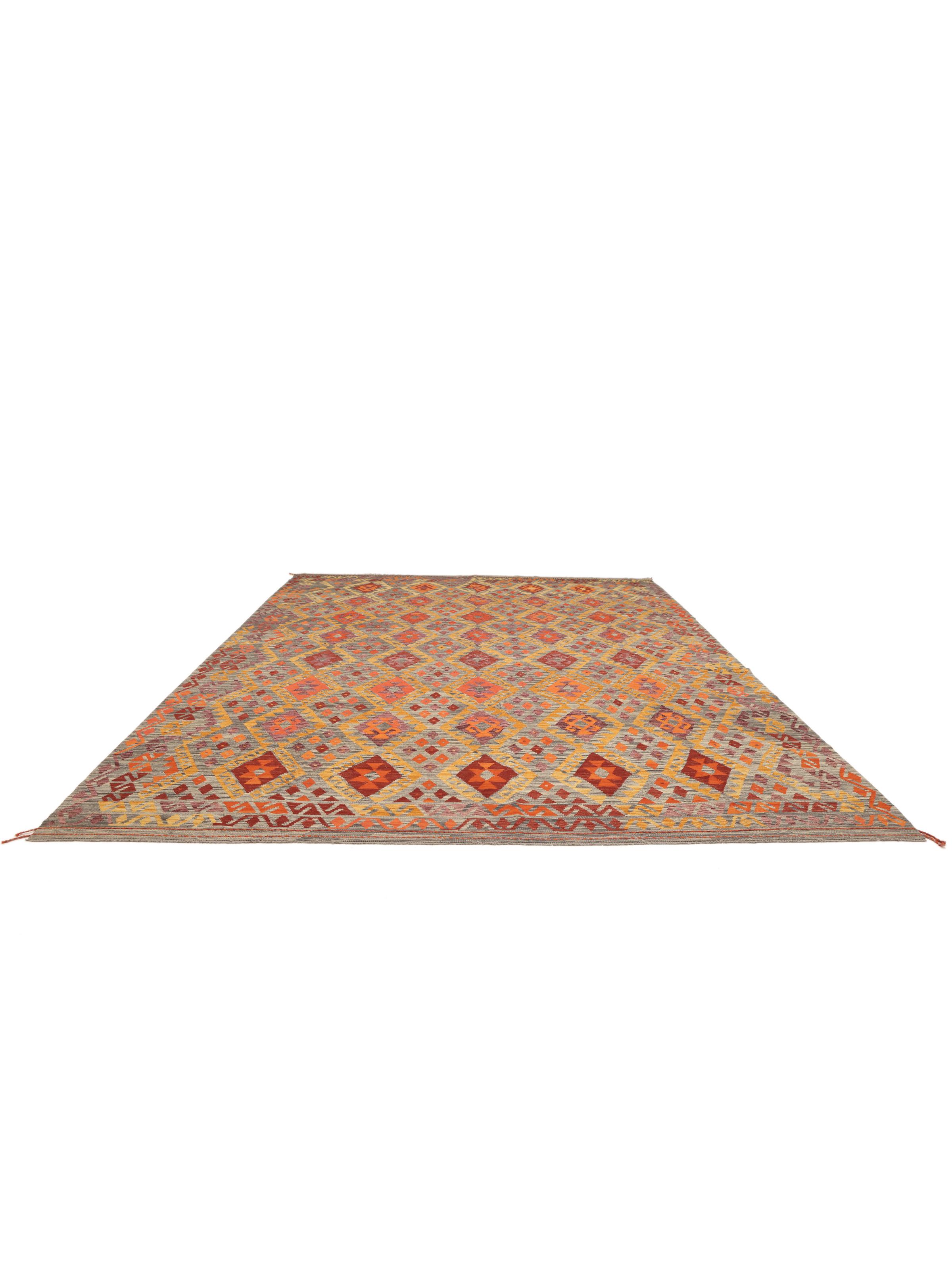
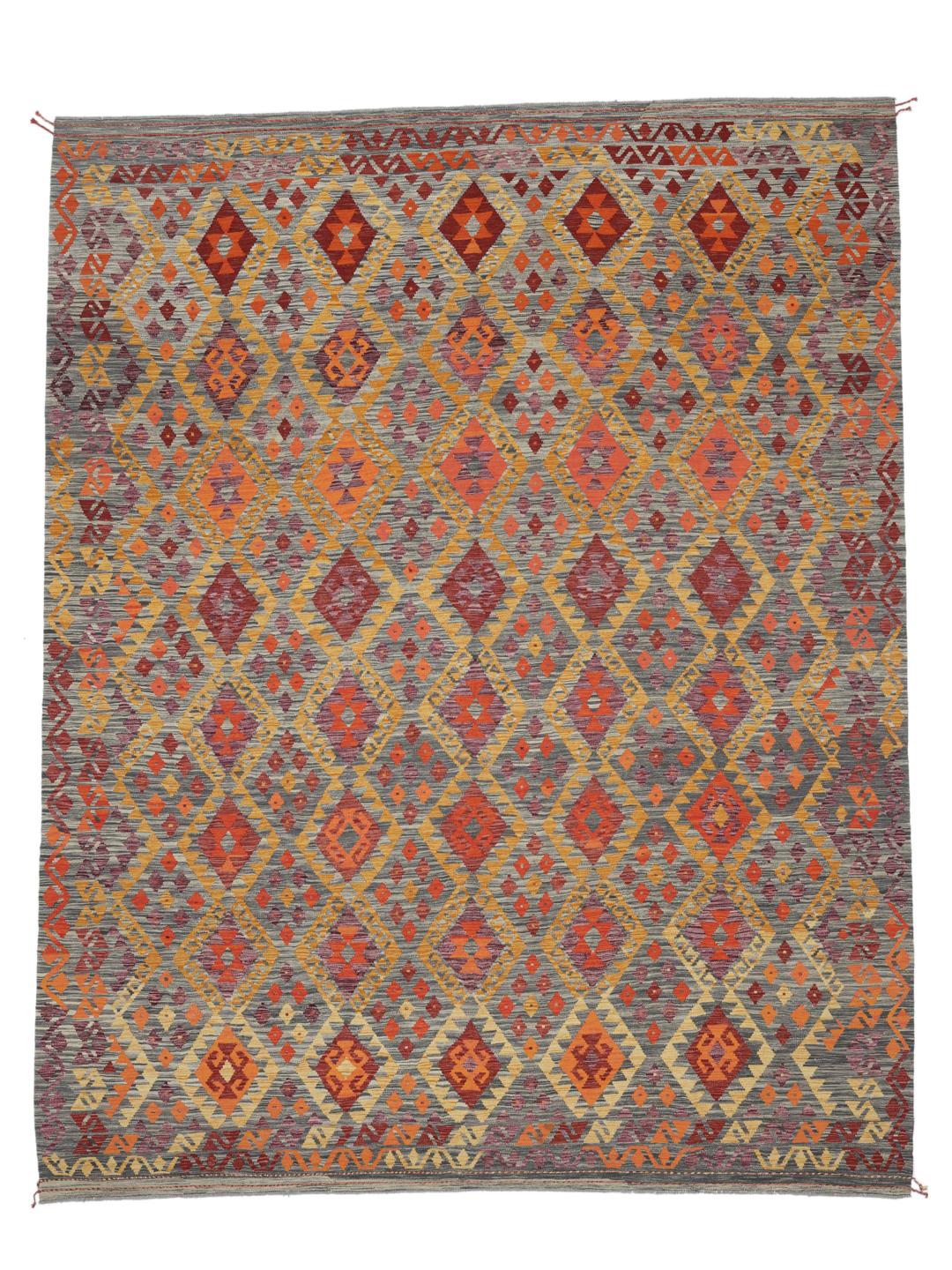
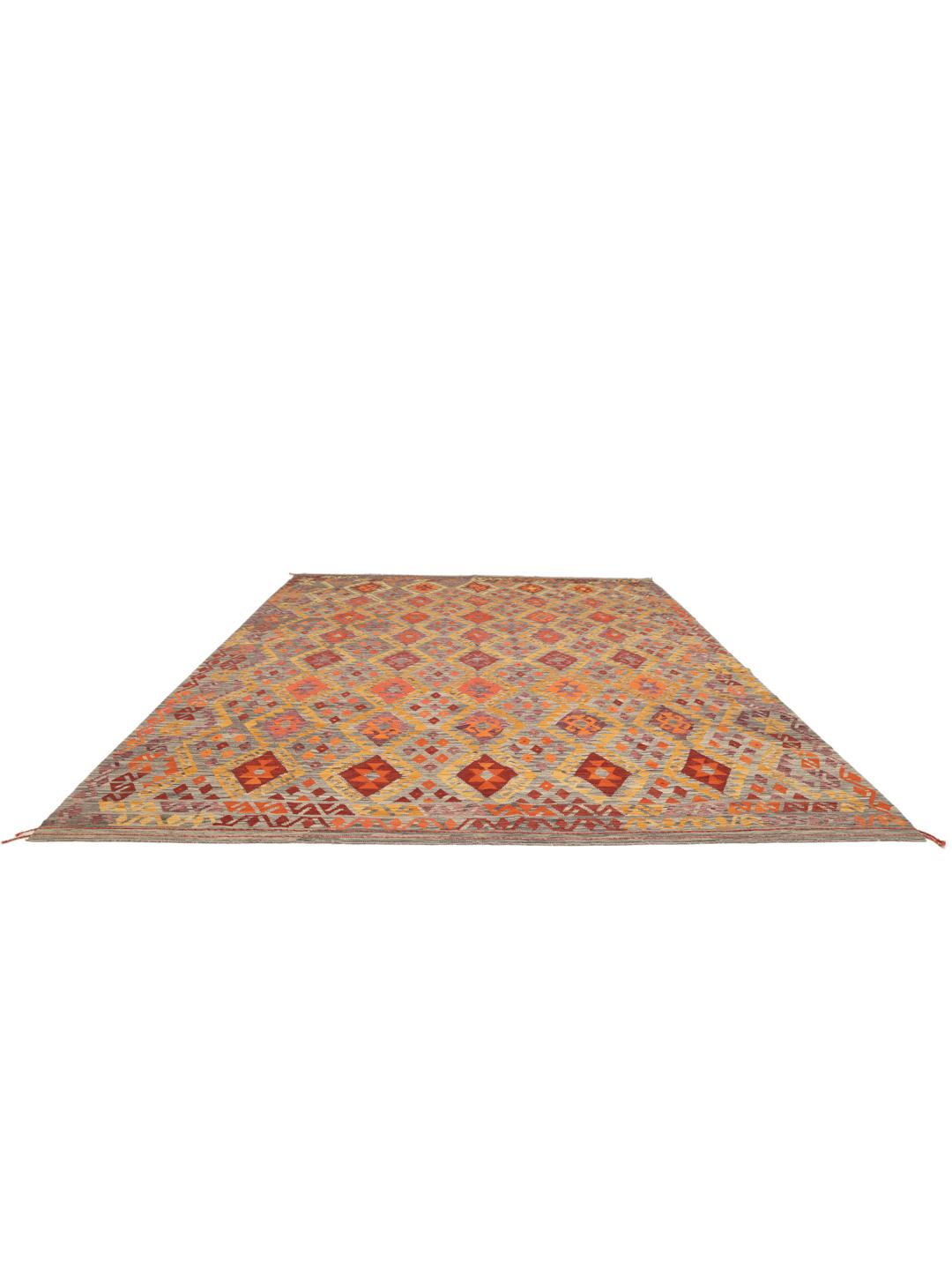
The signature design elements of Afghan Kelims often feature bold geometric shapes, such as diamonds and triangles, filled with rich, earthy, and vibrant colours. These motifs are not just decorative; they are a visual language that can tell stories of the weaver's environment and tribal heritage. The symmetry and repeating patterns seen here are classic examples of the disciplined yet creative approach traditional weavers bring to their craft.
Owning an Afghan Kelim is more than just a decor choice; it is an act of preserving a cultural legacy. These rugs are highly valued by collectors for their authenticity and the human story behind every thread. By bringing this piece into your home, you are supporting a tradition of craftsmanship that has survived for centuries, ensuring that this meaningful art form continues to thrive.