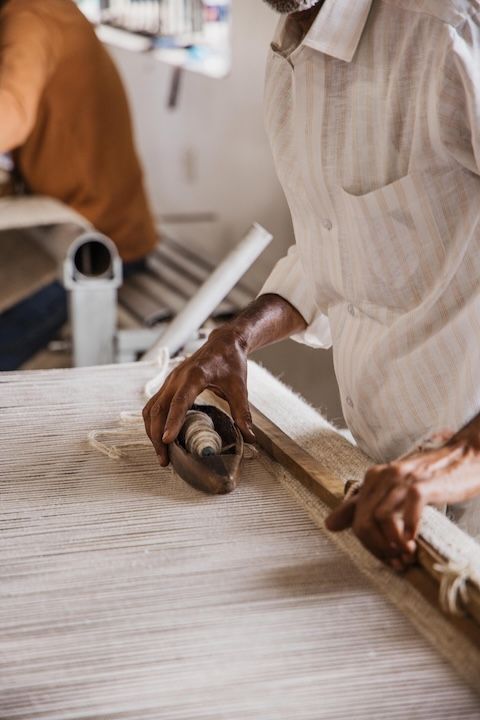
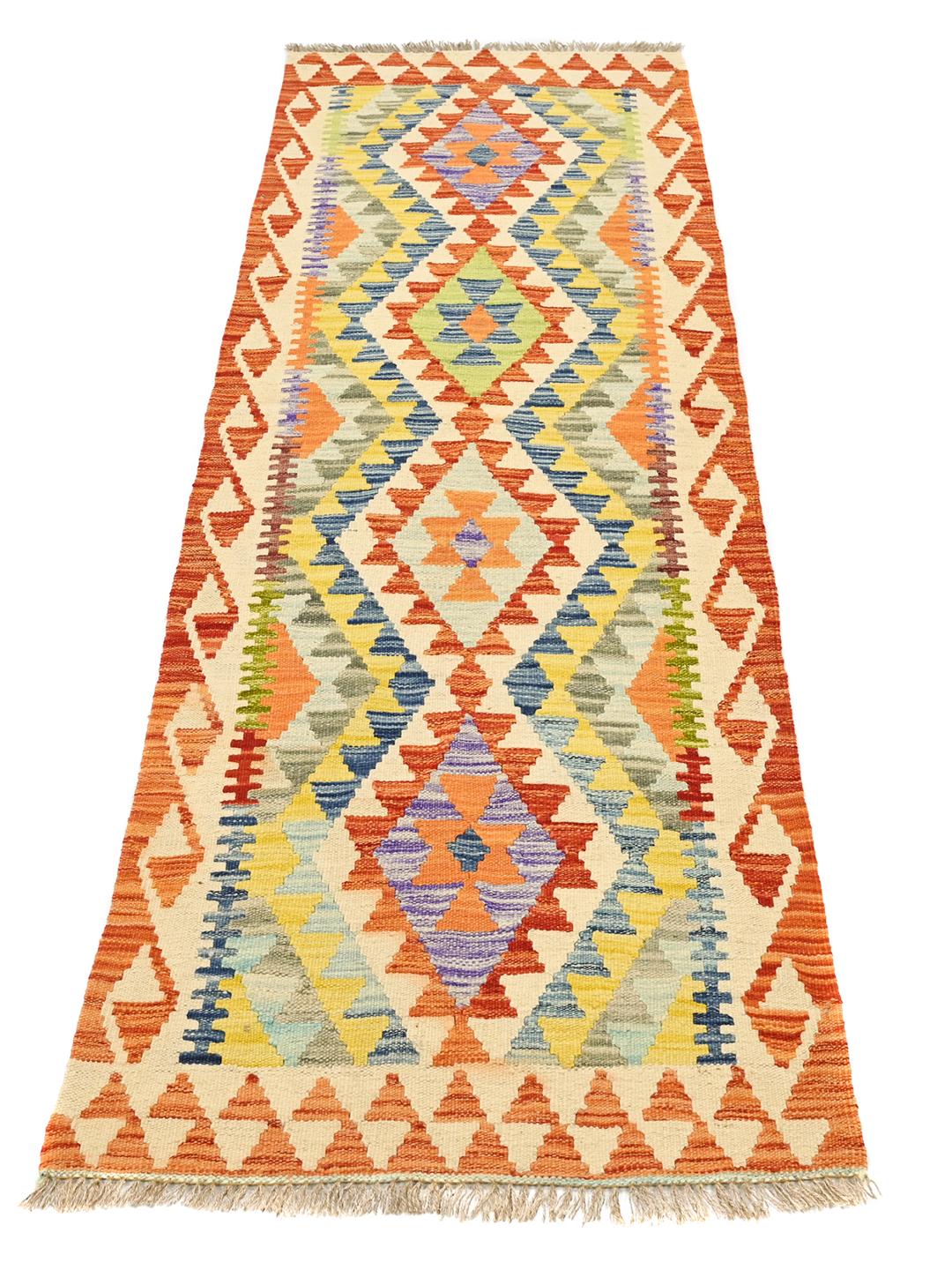
The Kelim tradition in Afghanistan is deeply rooted in the nomadic and village cultures of the region, where weaving has served as both a practical necessity and a form of artistic expression for centuries. These rugs are traditionally made by interweaving the warp and weft threads, a technique that creates a flat-weave surface without a pile. This style, known as a kilim, is one of the most iconic textile traditions from the Middle East, reflecting a history of migration and cultural exchange along ancient trade routes.
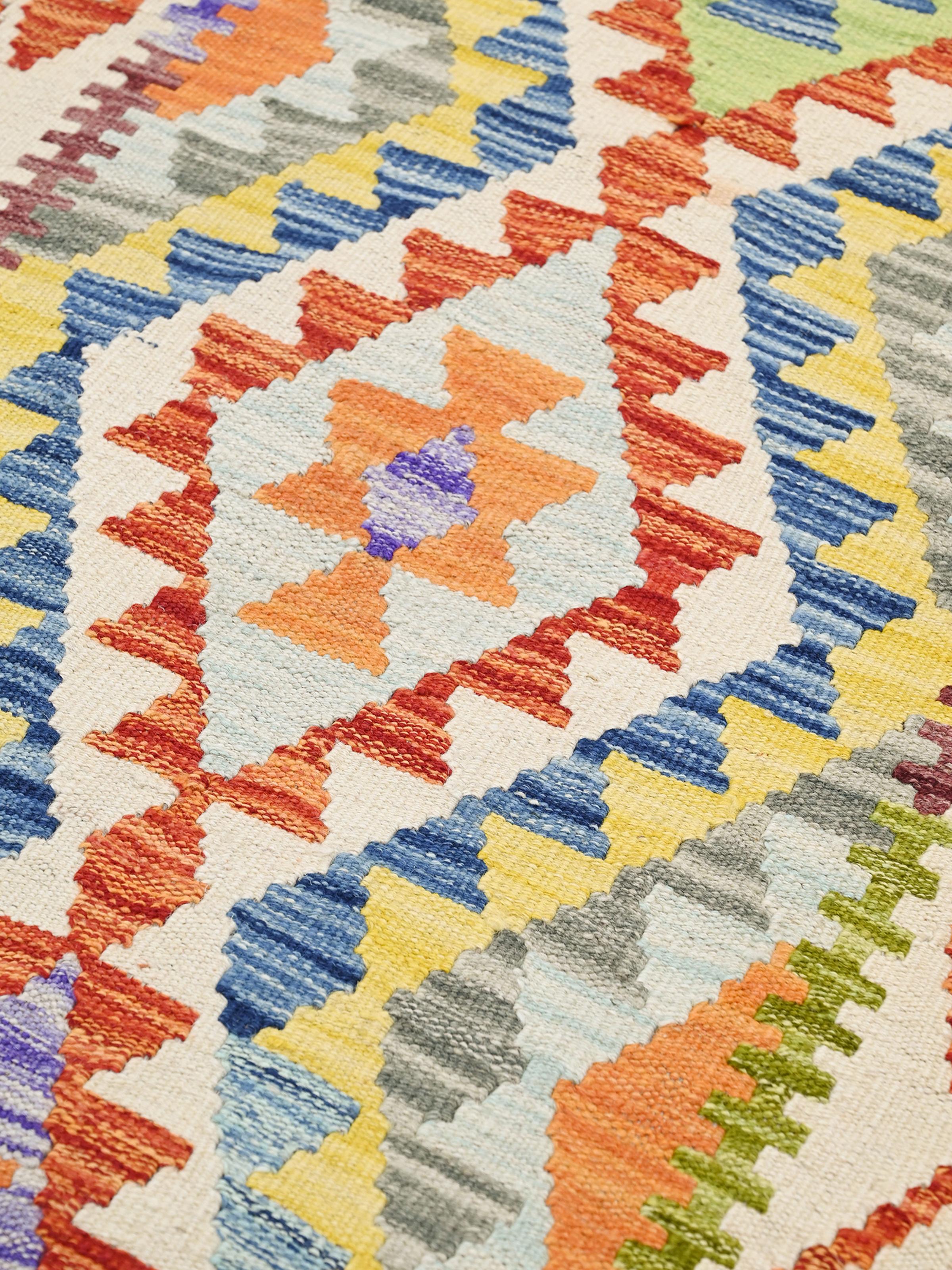
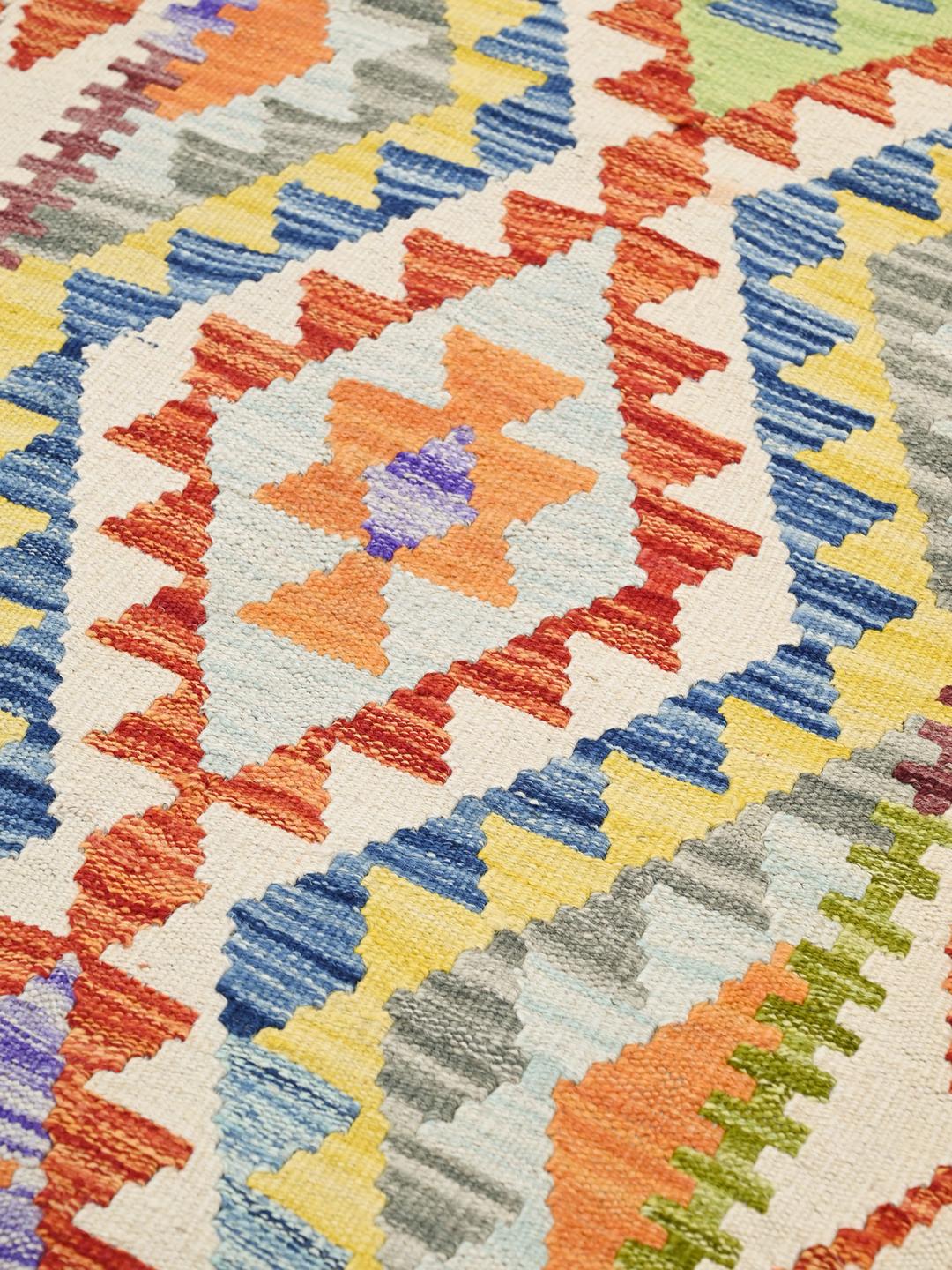
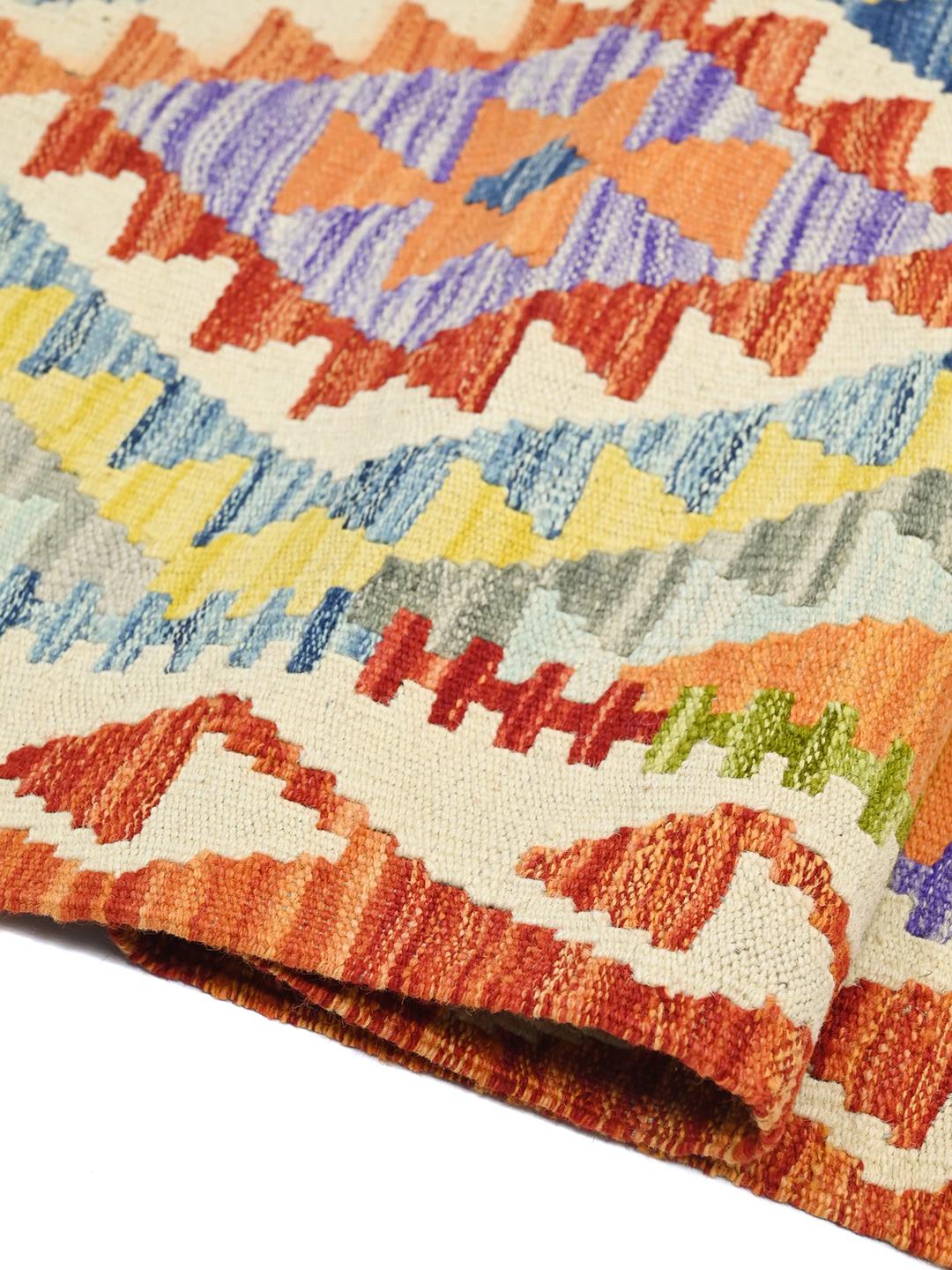
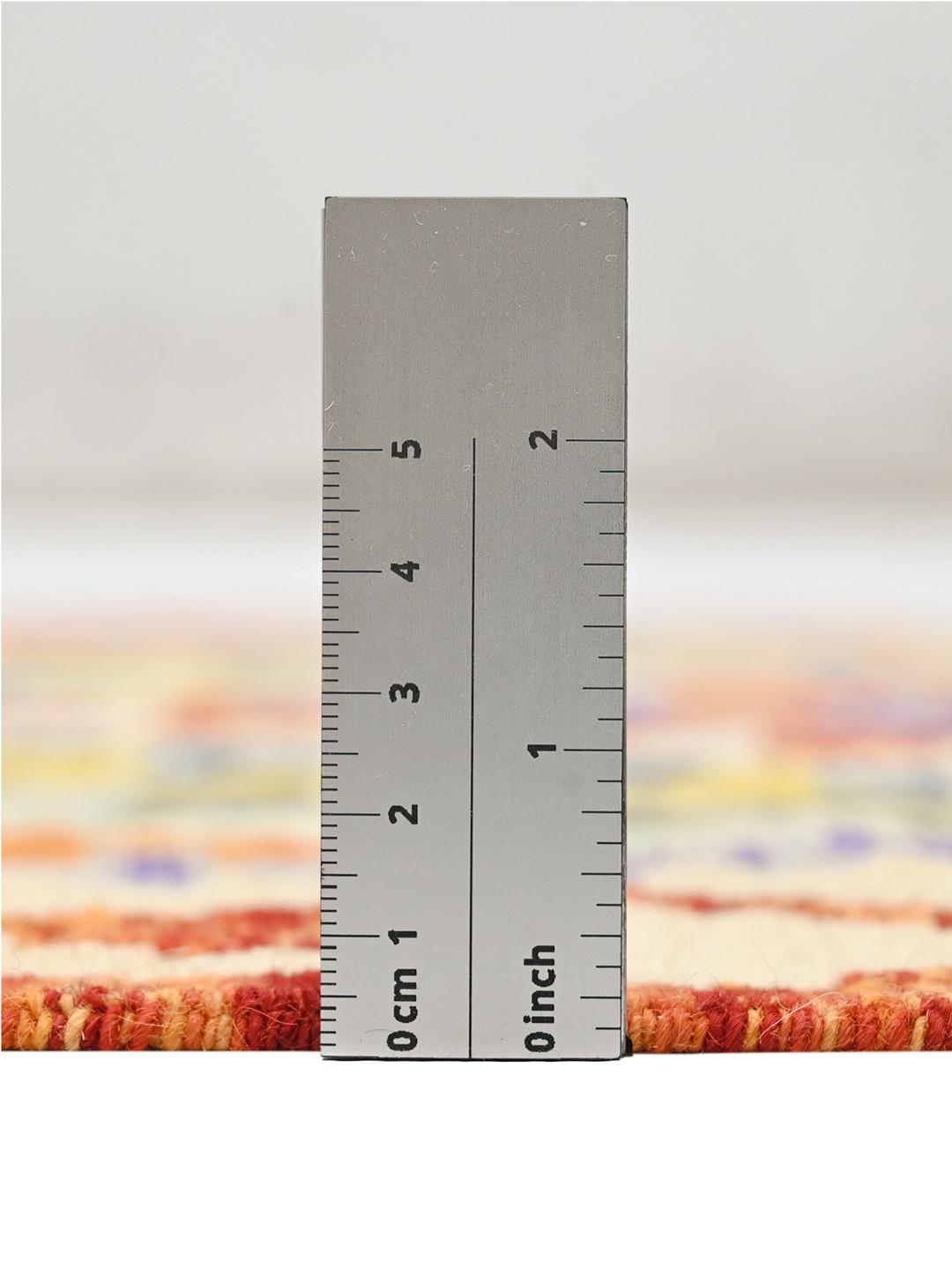
The term 'Kelim' refers to this specific flat-weave construction, which is prized for its versatility and strength. Because the rug has no pile, it is inherently lightweight yet incredibly durable, making it ideal for the needs of traditional life. This type of construction allows for crisp, sharp geometric designs, as the pattern is built directly into the structure of the weave rather than being added to the surface.
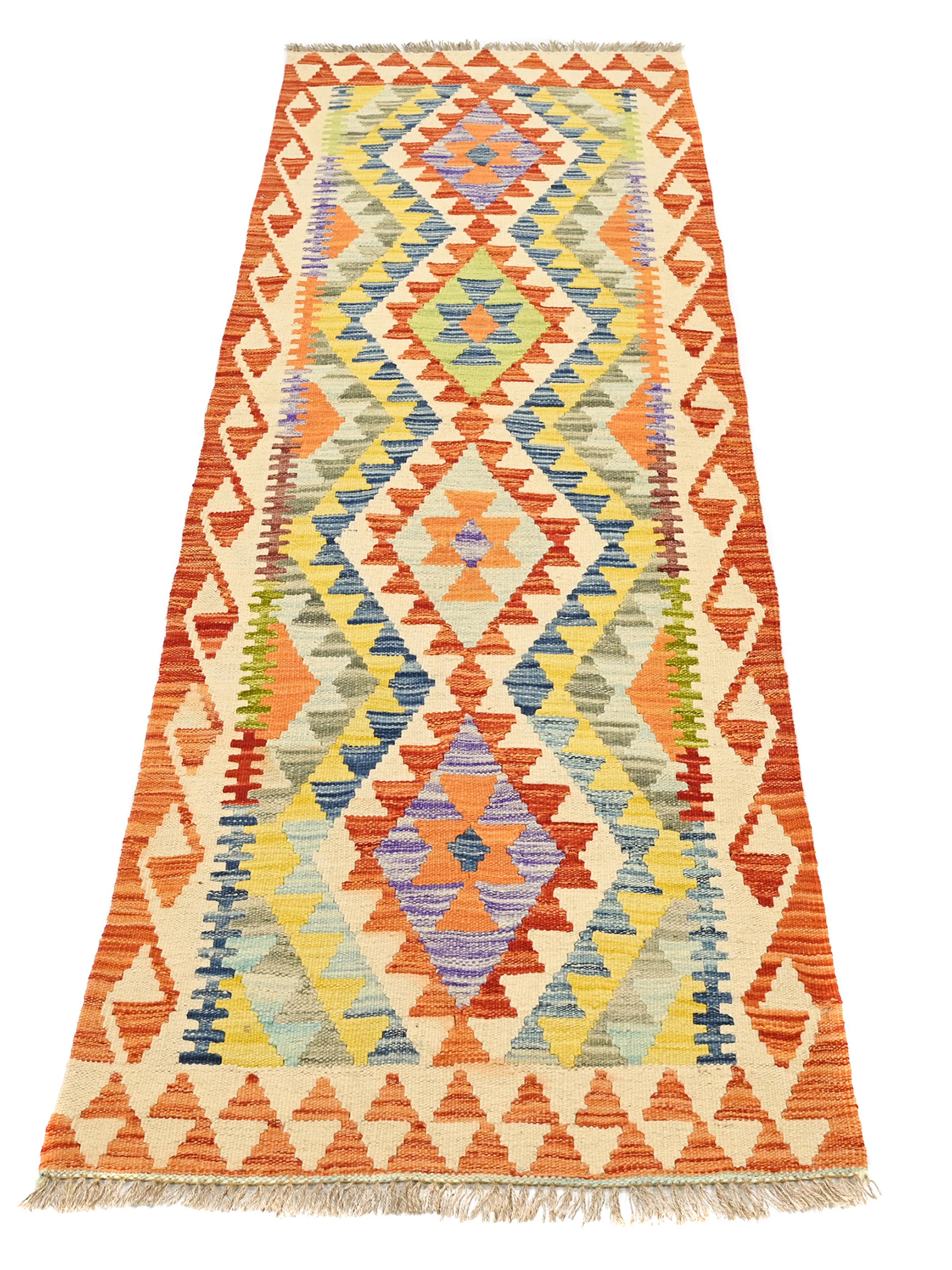
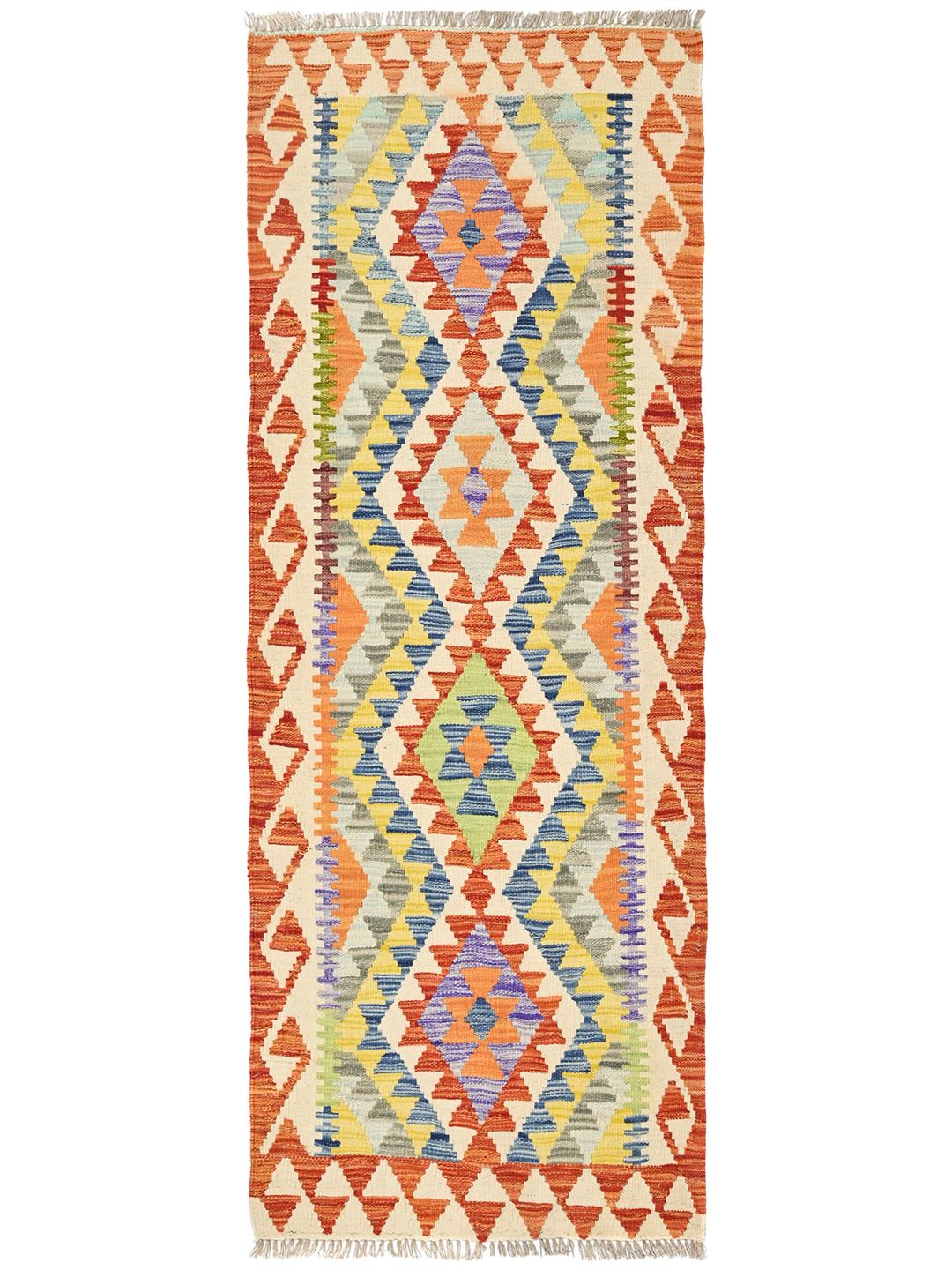
Signature design elements of these rugs often include bold geometric motifs such as diamonds, triangles, and repetitive decorative borders. These patterns are not merely decorative but often carry symbolic meanings related to protection, fertility, and the weaver’s surroundings. The vibrant colour palette, derived from traditional dyes, is used to delineate these shapes, resulting in a striking, rhythmic visual language that is instantly recognisable as Afghan in origin.
Owning an Afghan Kelim is more than just purchasing a home accessory; it is an act of preserving a rich cultural legacy. Collectors value these pieces for their authenticity, the skill required to maintain complex patterns through a flat-weave, and the historical depth they bring to a room. Each piece serves as a link to a long-standing tradition of craftsmanship, offering a sense of heritage and connection to the artisans who have perfected this art form over generations.