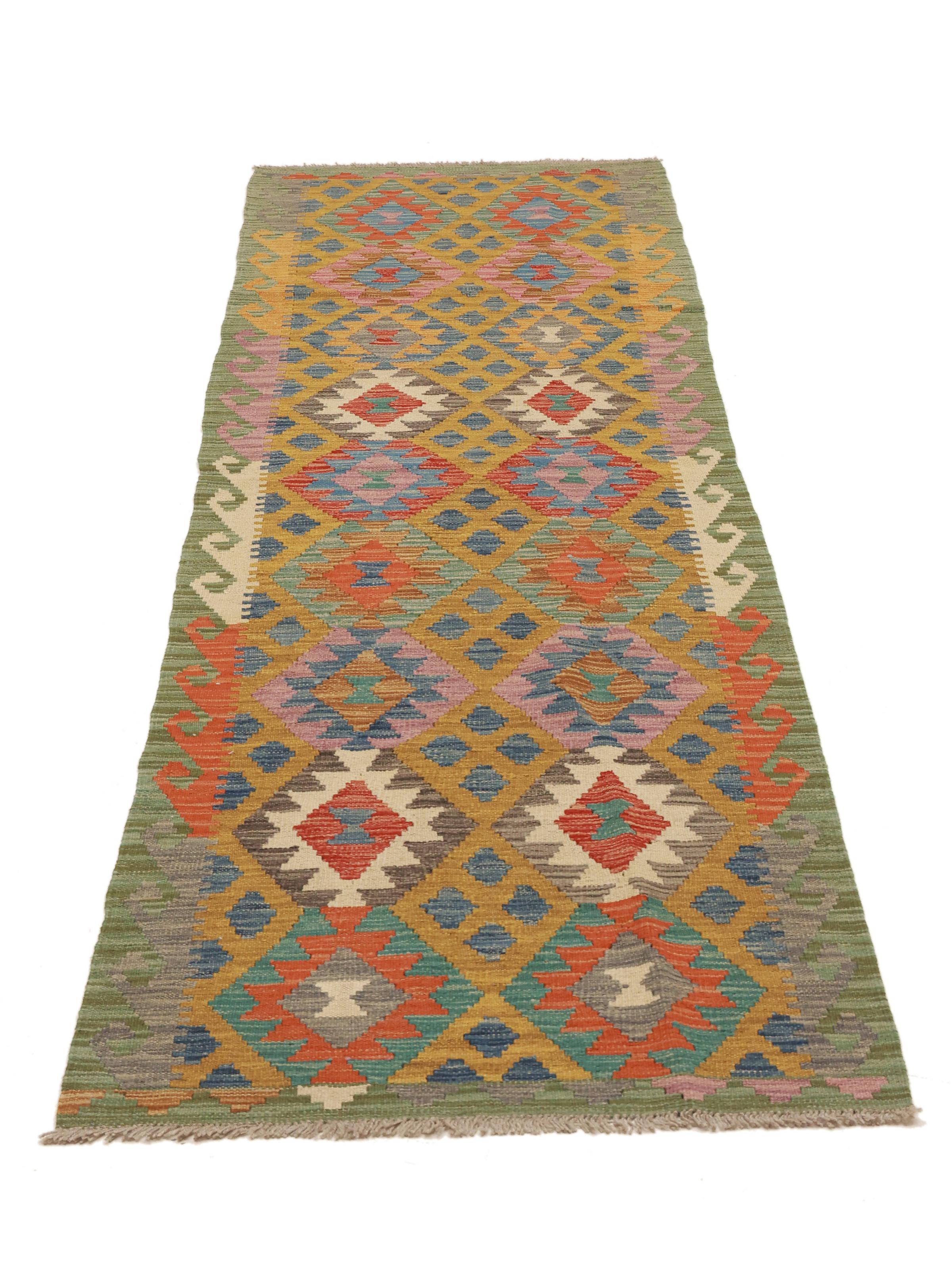
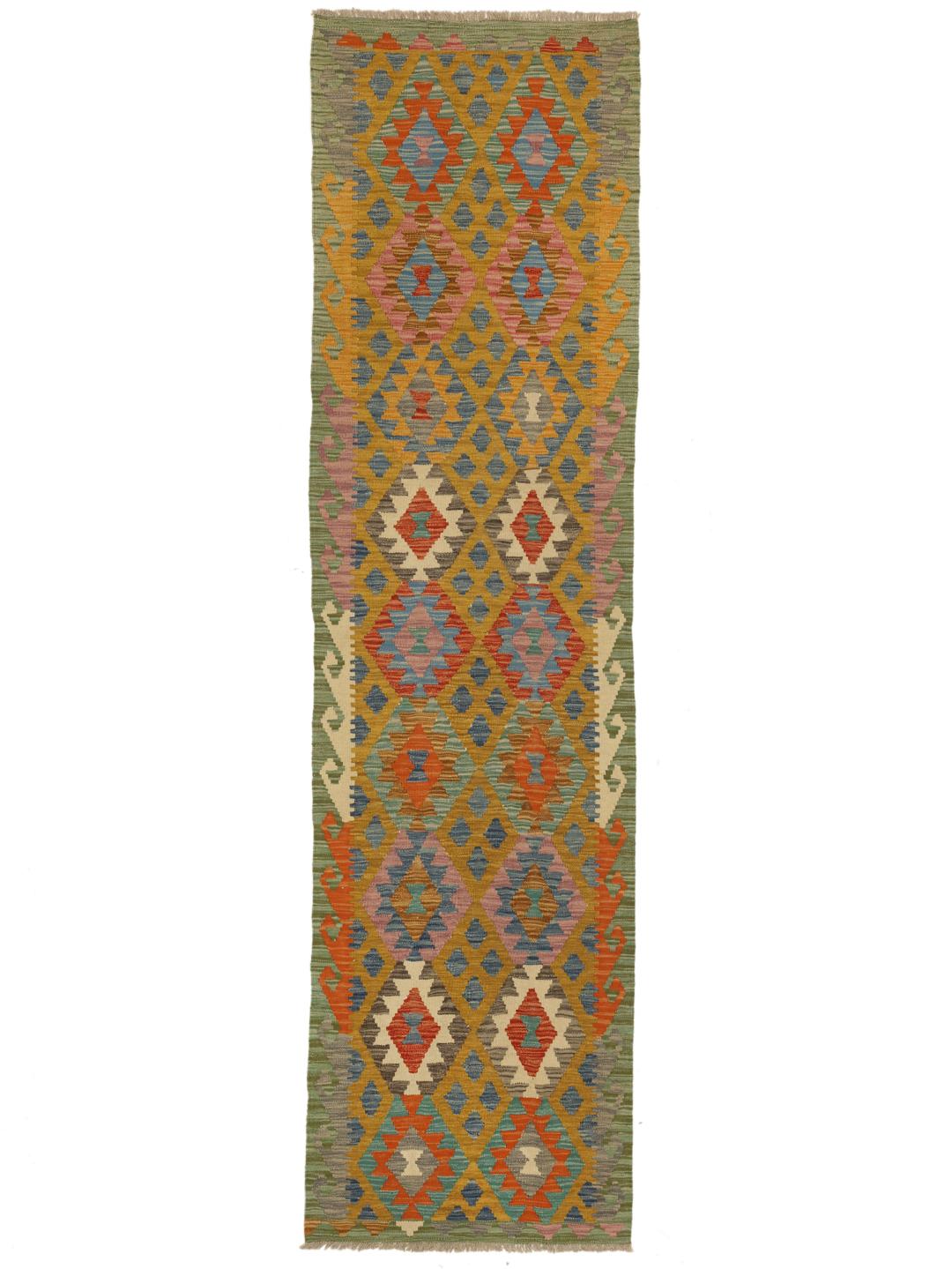
Kelim rugs from Afghanistan are deeply rooted in the nomadic and semi-nomadic traditions of the region. Historically, these flat-woven textiles were crafted by tribal groups for practical use in their homes, serving as floor coverings, wall hangings, or even decorative storage bags, and they remain a vital part of the cultural landscape.
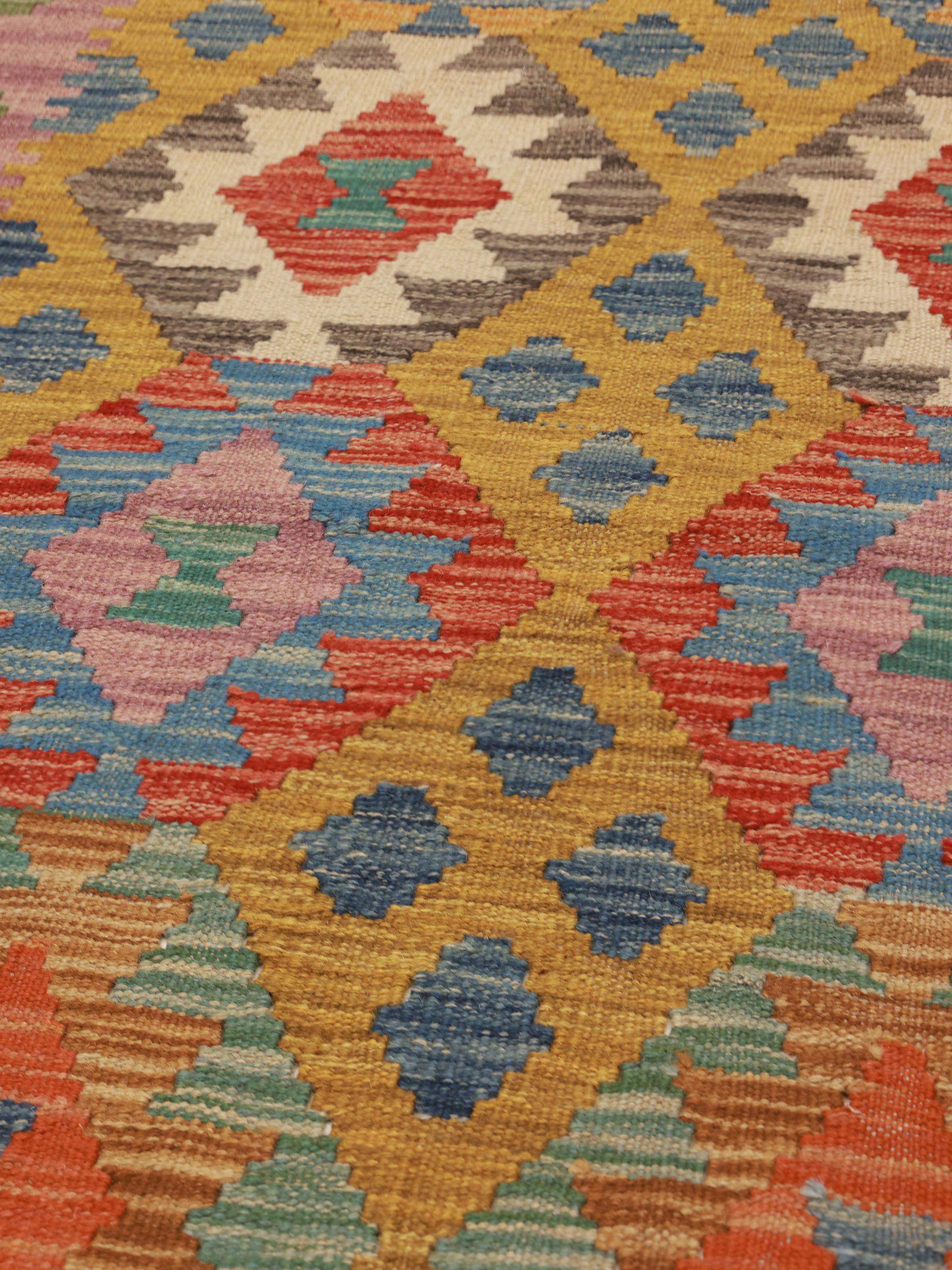
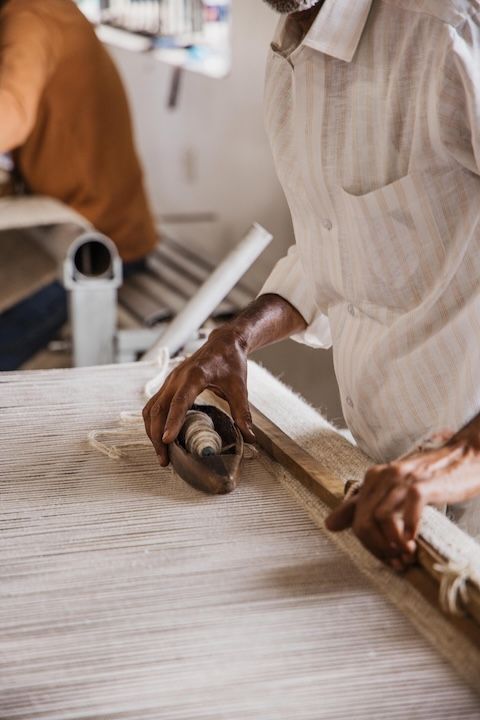
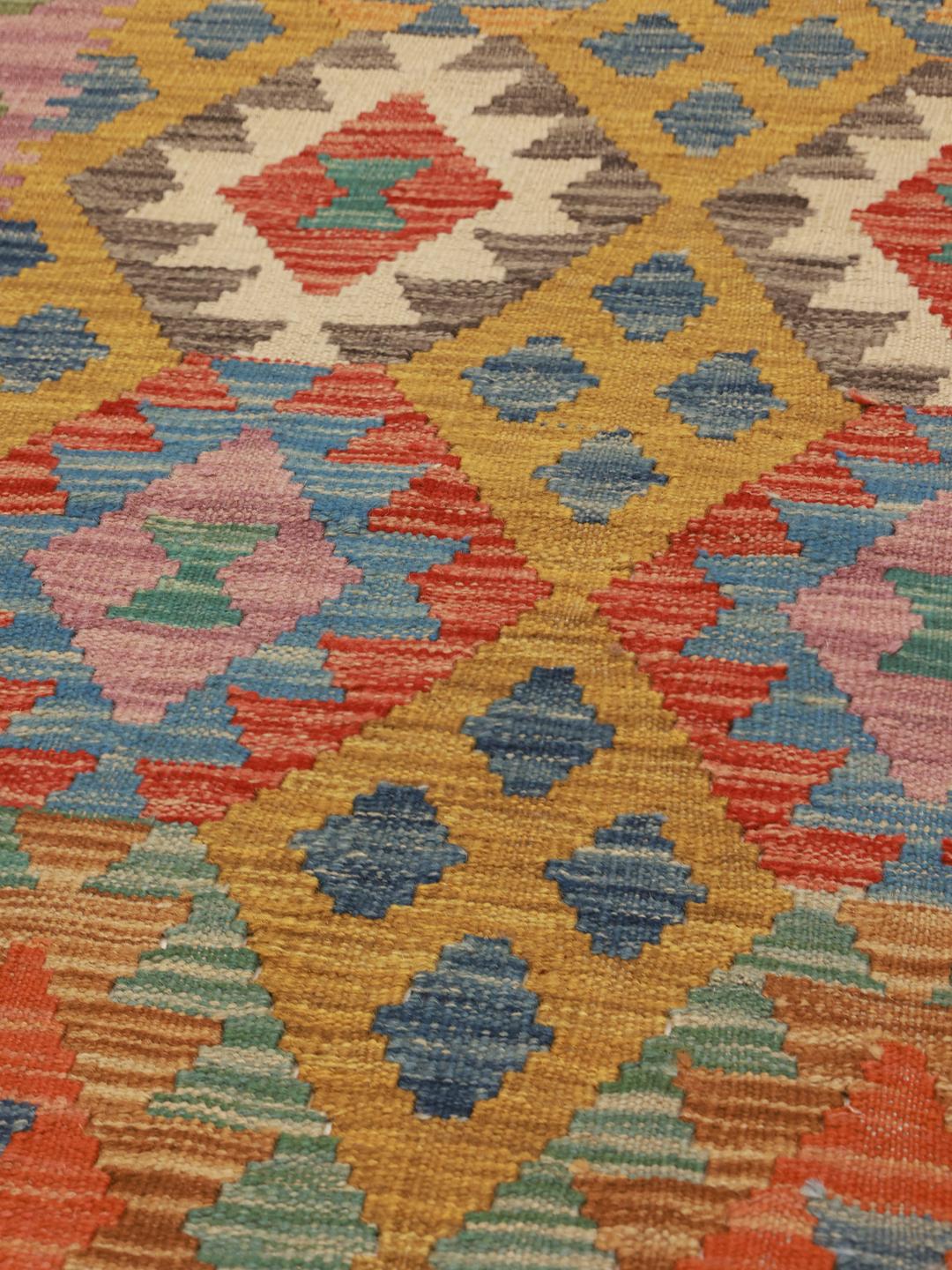
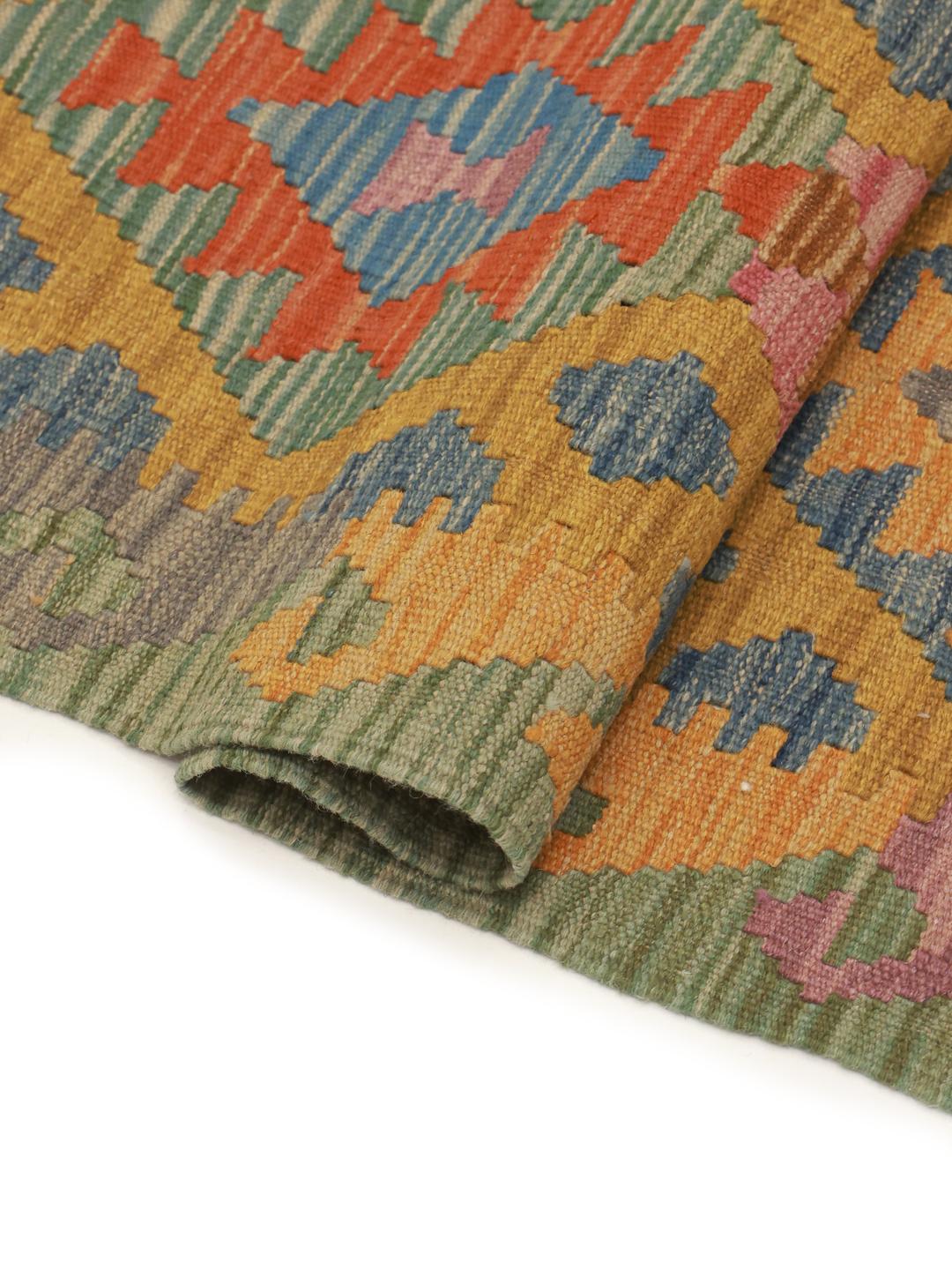
The term Kelim refers to the specific flat-weaving technique used, where the weft threads are pulled tightly over the warp threads to create a durable, reversible fabric with no pile. This technique produces a clean, sharp pattern definition, as the design is created entirely through the interplay of coloured threads rather than through the knotting of individual strands.
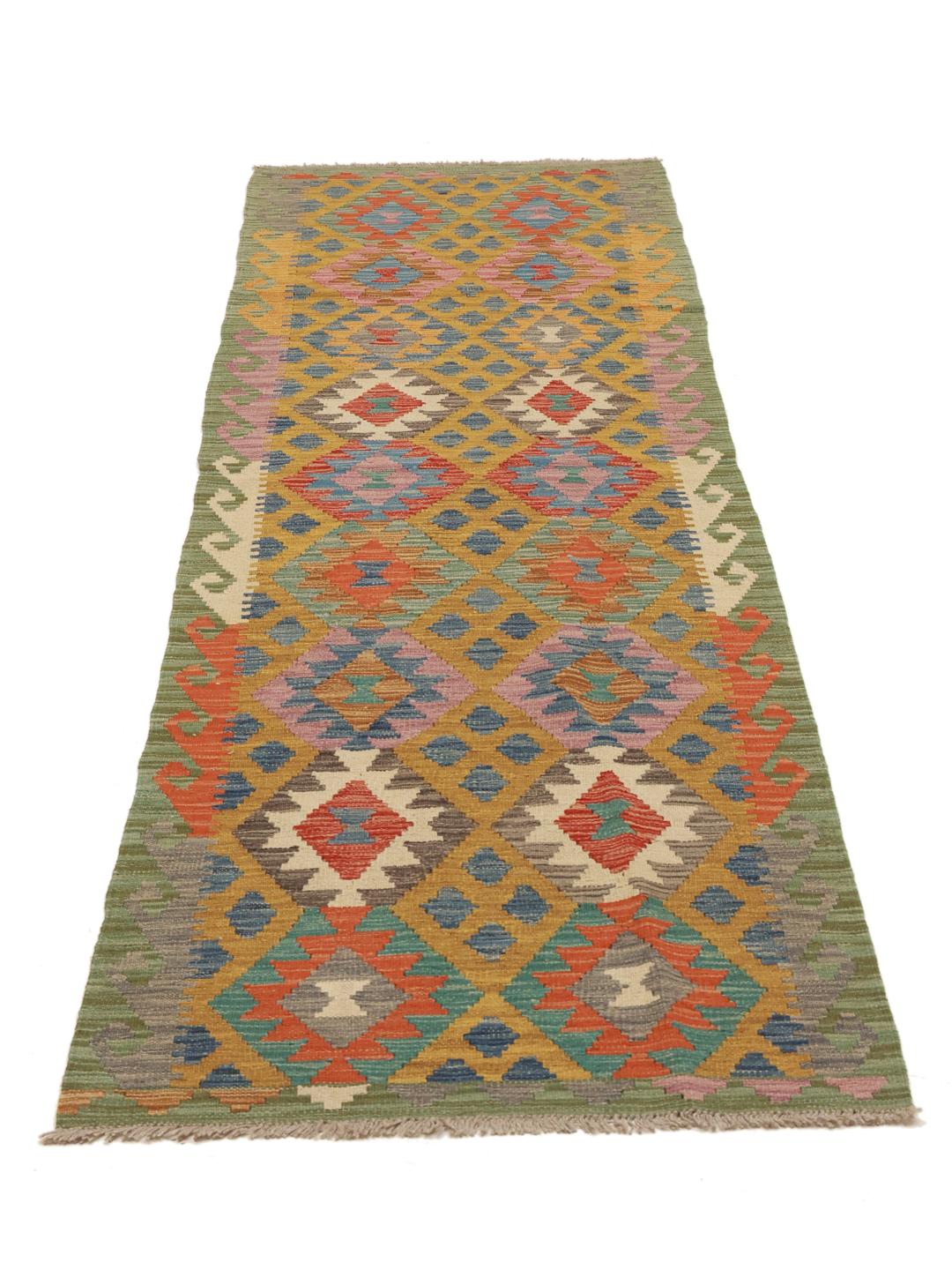
These rugs are characterised by their bold, geometric motifs, such as the repeated diamond patterns seen here. The colours are often sourced from natural dyes, reflecting the landscape and aesthetic preferences of the weavers, while the borders typically feature protective symbols or intricate geometric bands that frame the central field.
Collectors value these pieces for their authenticity and the human story woven into every thread. Owning an Afghan Kelim is an opportunity to appreciate the skill required to translate complex geometric patterns into a functional textile, representing a legacy of artistry that continues to be celebrated by interior enthusiasts worldwide.