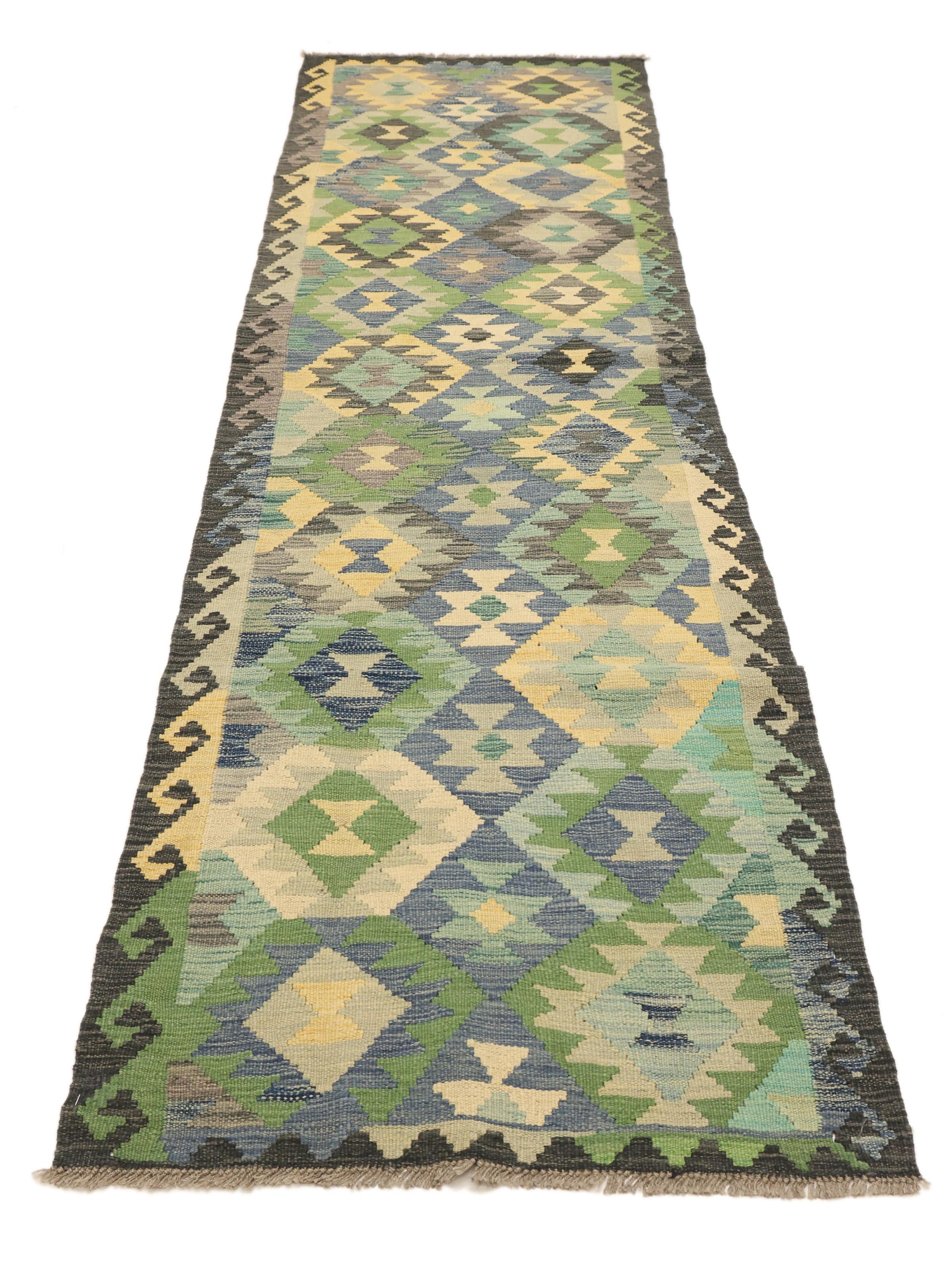
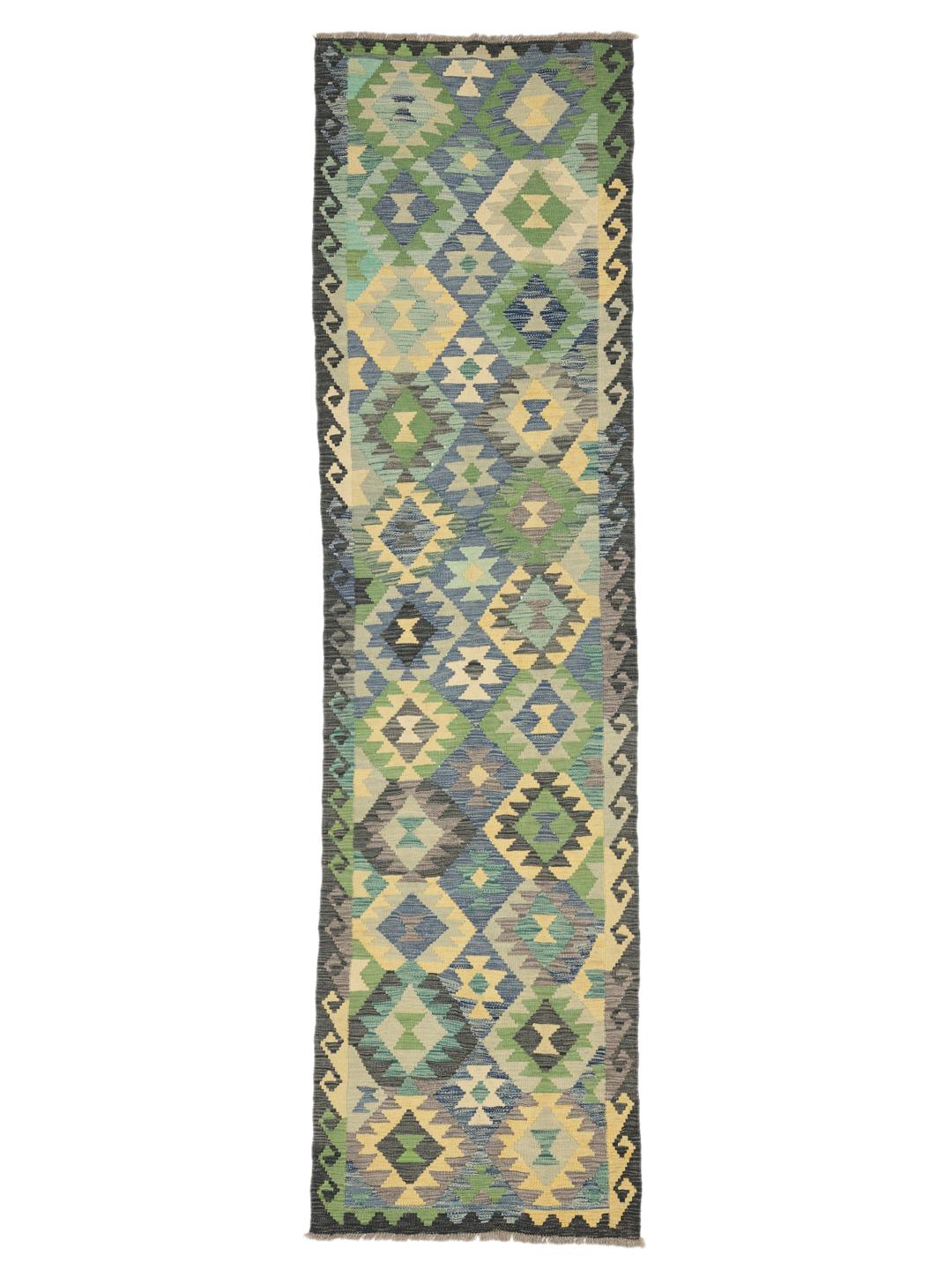
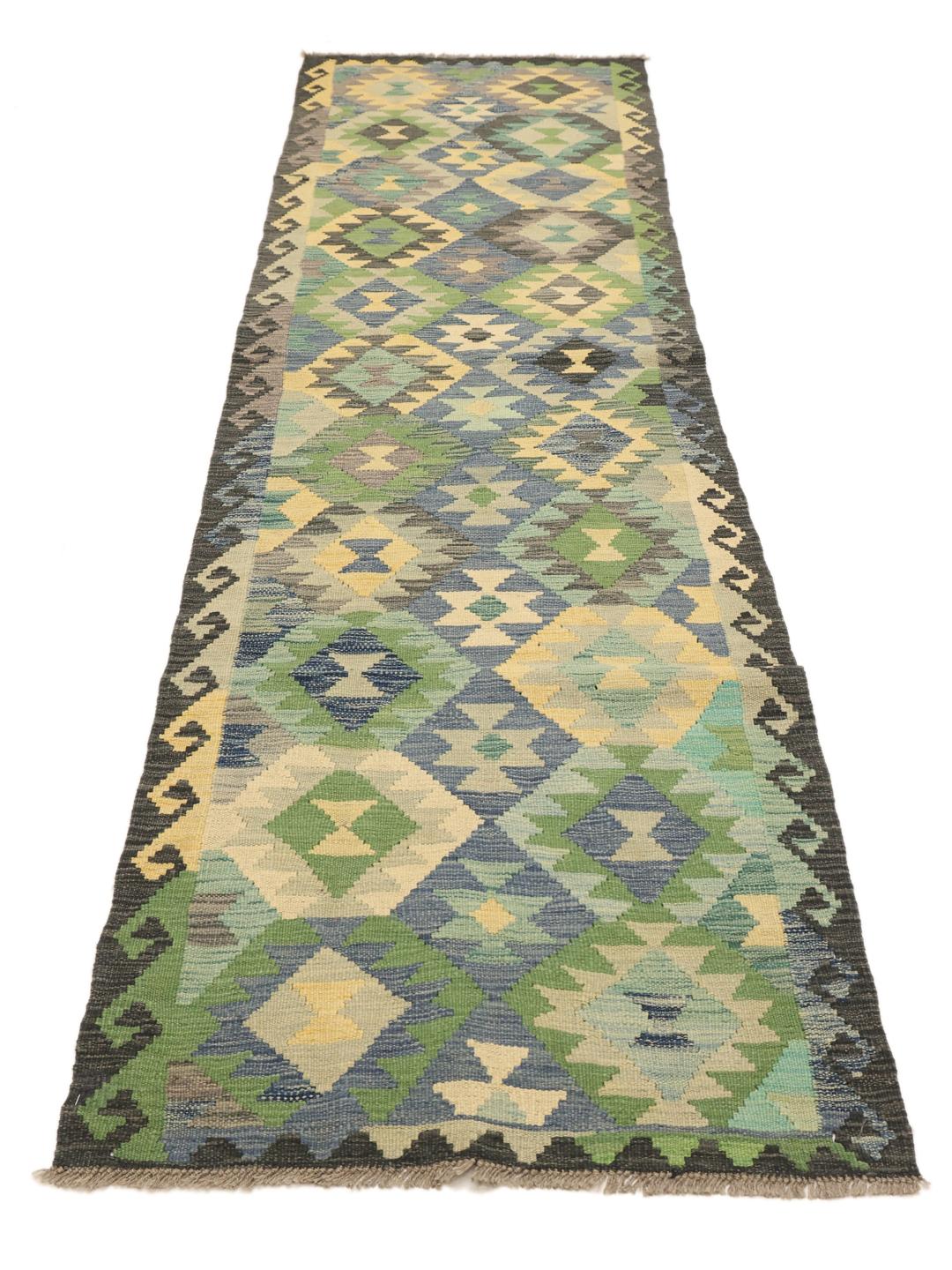
The tradition of weaving these flat-woven rugs in Afghanistan is deeply rooted in the nomadic and semi-nomadic cultures of the region. These rugs have been crafted for generations, serving as functional, portable, and decorative elements within homes and tents, reflecting the creative spirit of the local artisans.
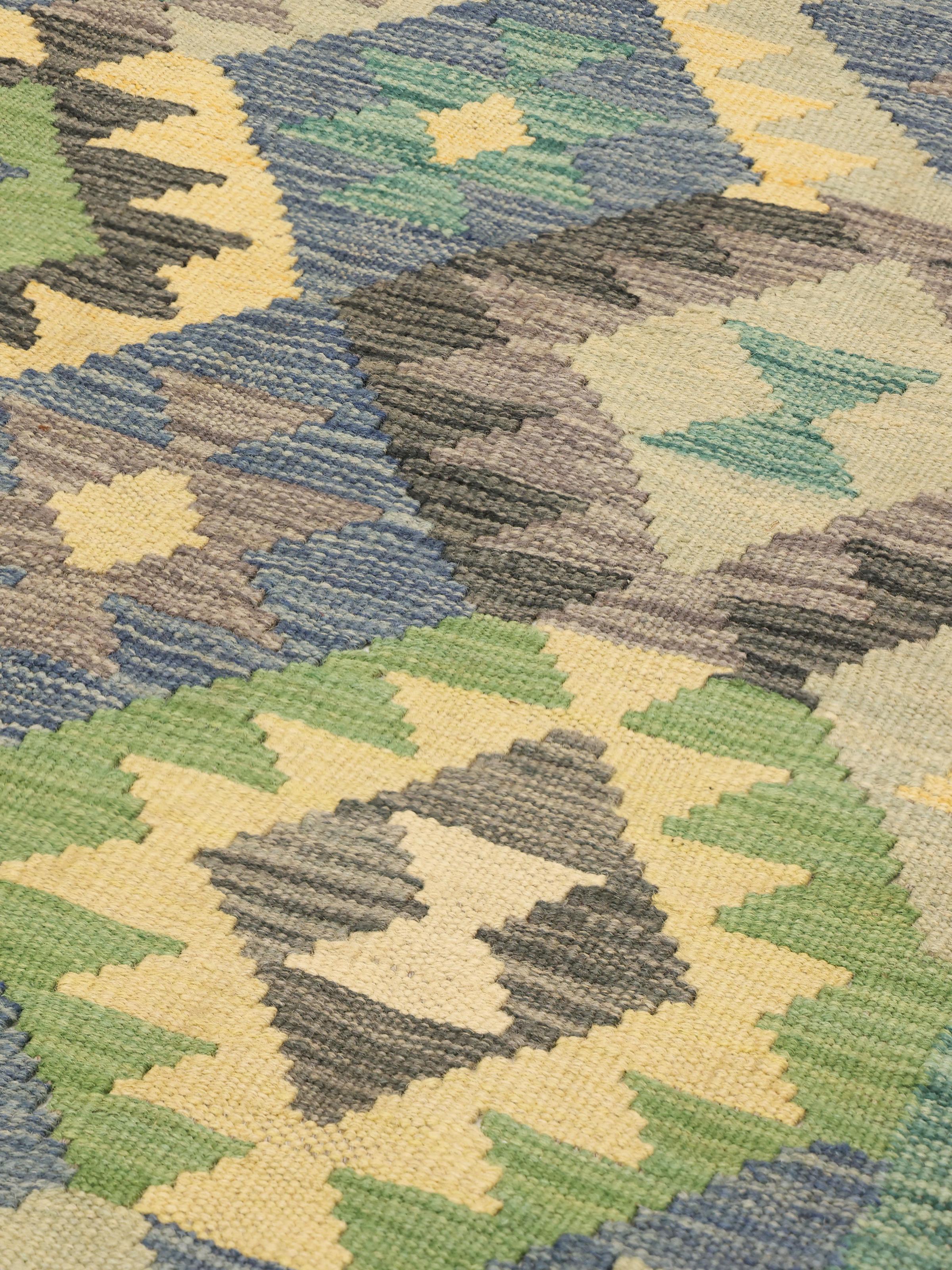
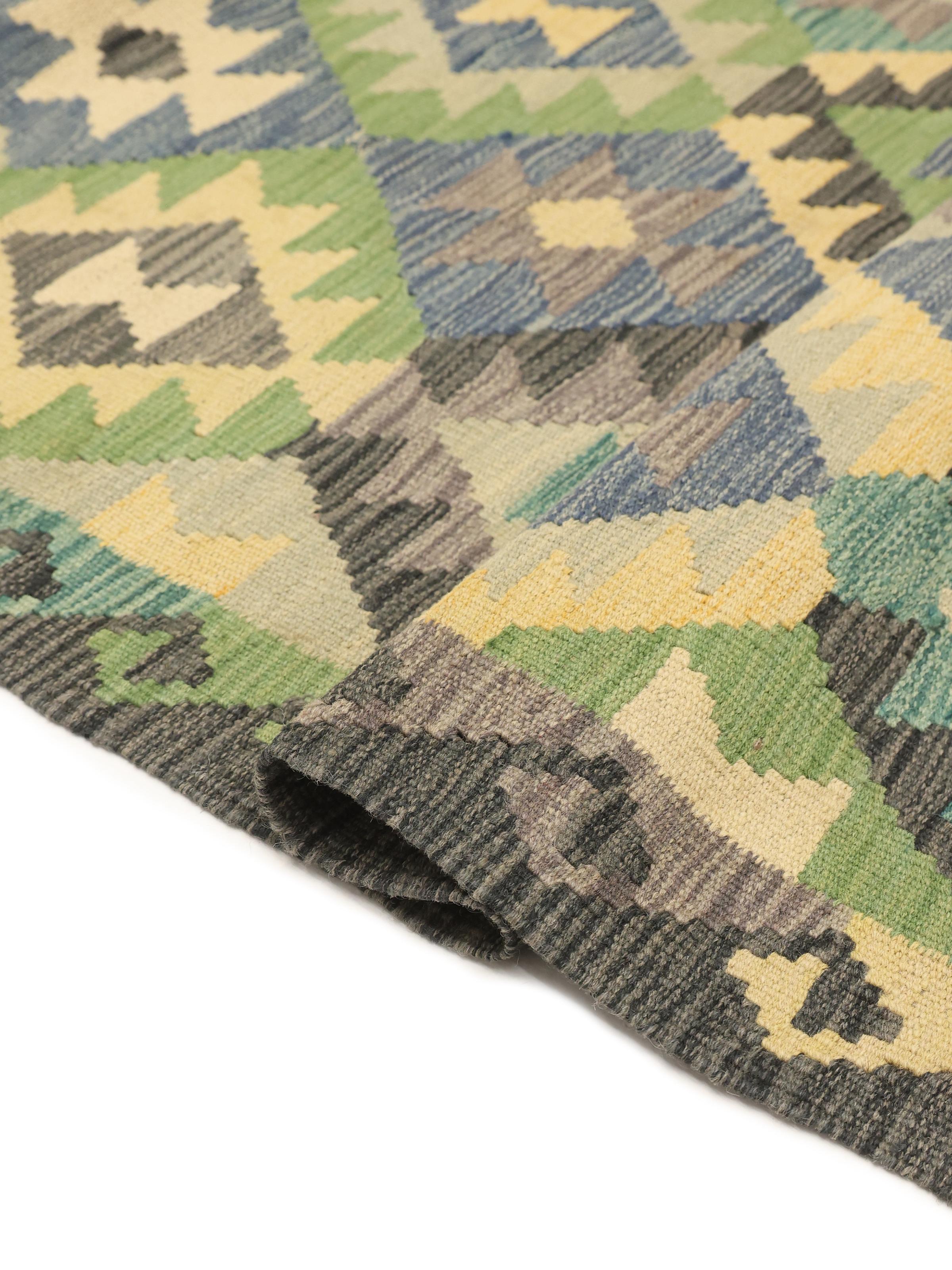
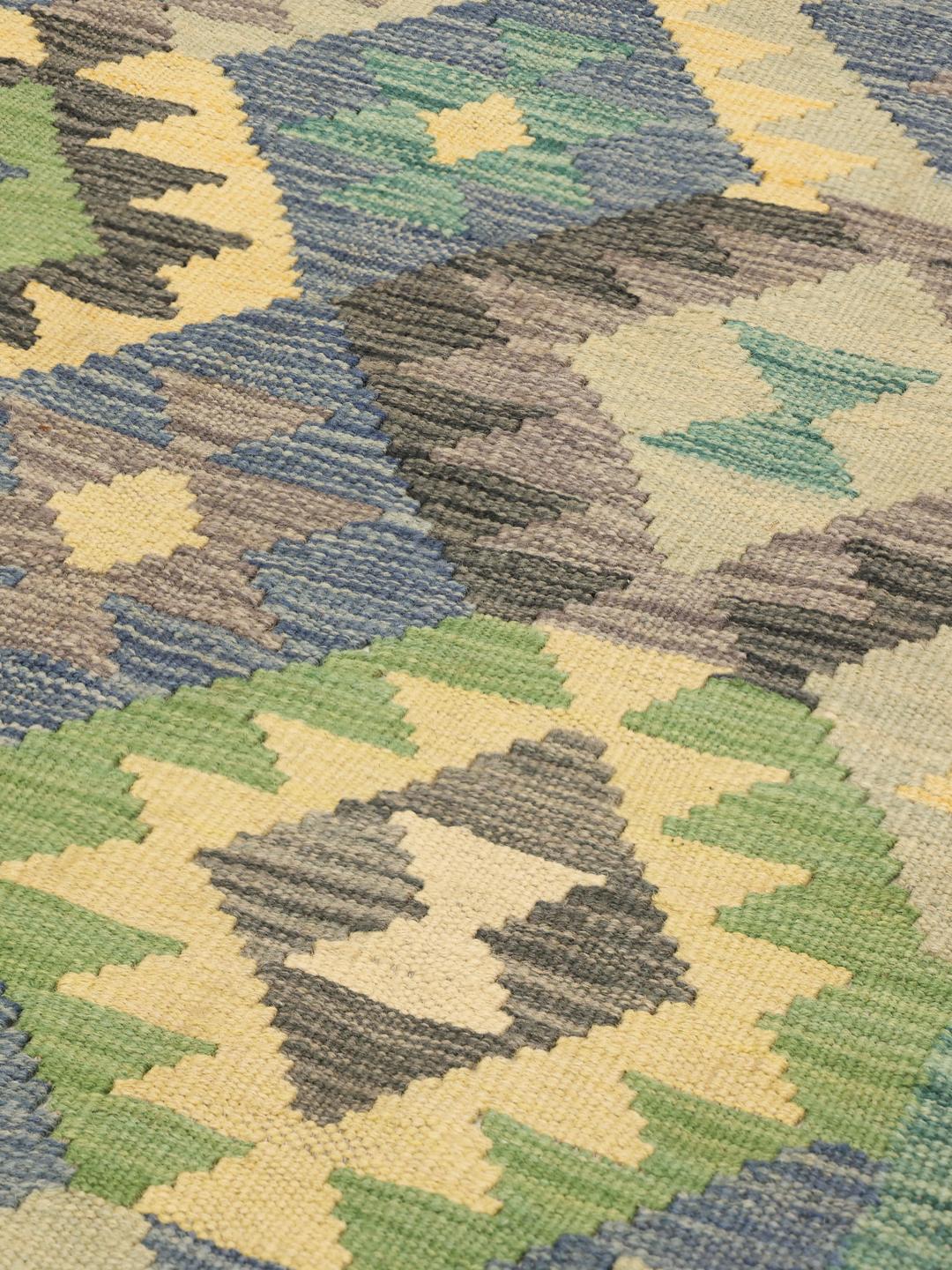
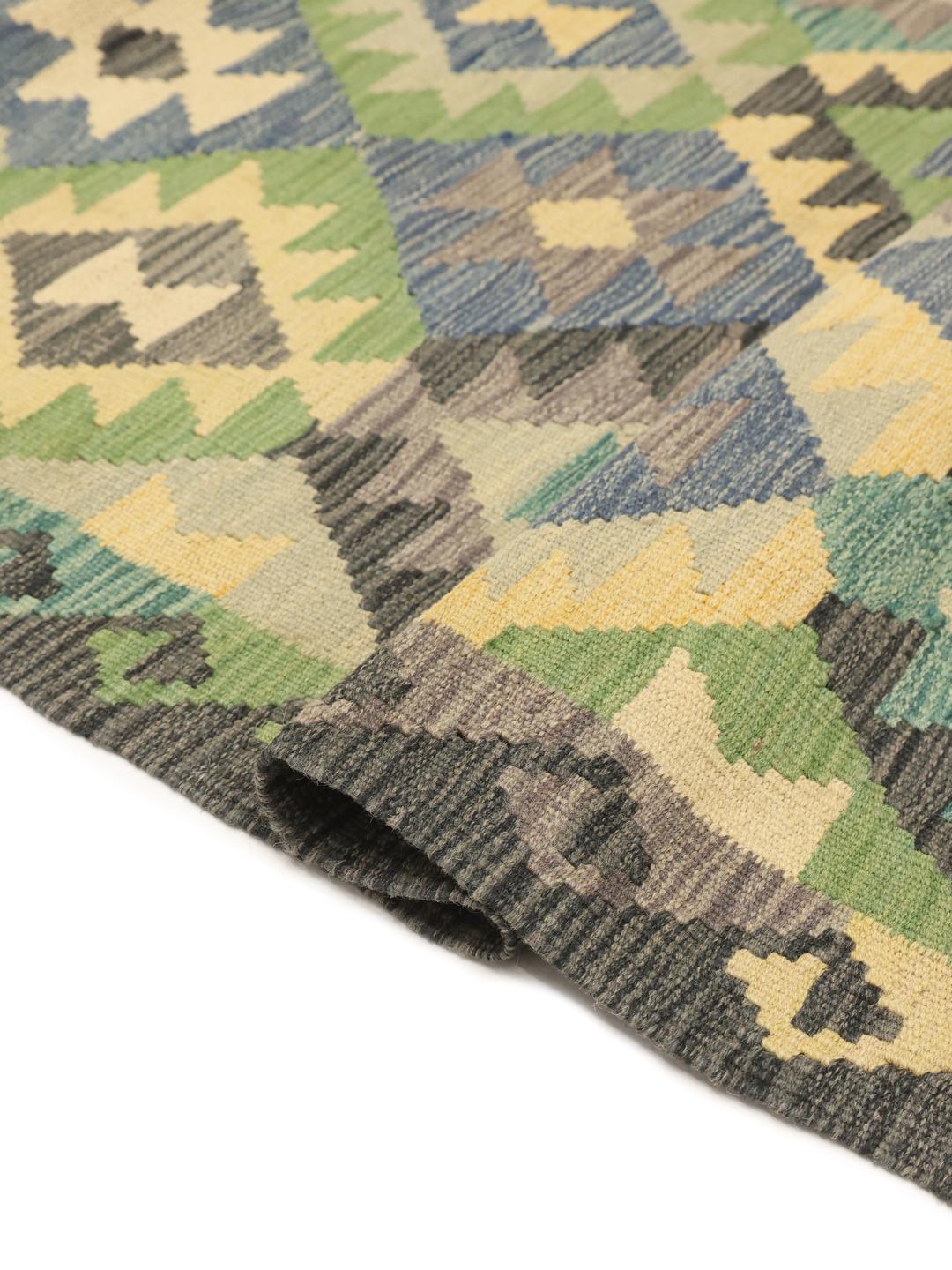
The term 'Kelim' refers specifically to the tapestry-weave or flat-weave technique, where no pile is created. Instead, the warp and weft threads are woven together to form the surface, resulting in a thin, reversible rug that is prized for its versatility and the clarity of its graphic designs.
Visually, this tradition is defined by bold geometric patterns, often incorporating diamonds, triangles, and intricate borders. The colour palettes are typically derived from natural dyes, which develop a beautiful, muted patina over time, giving each piece a sense of depth and authenticity that is hard to achieve with modern methods.
These rugs are highly valued by collectors and interior enthusiasts for their cultural weight and the undeniable skill required to produce them. Owning an Afghan runner is not just about floor coverage; it is about bringing a piece of living heritage into your home, celebrating a craft that has survived and evolved through centuries of history.