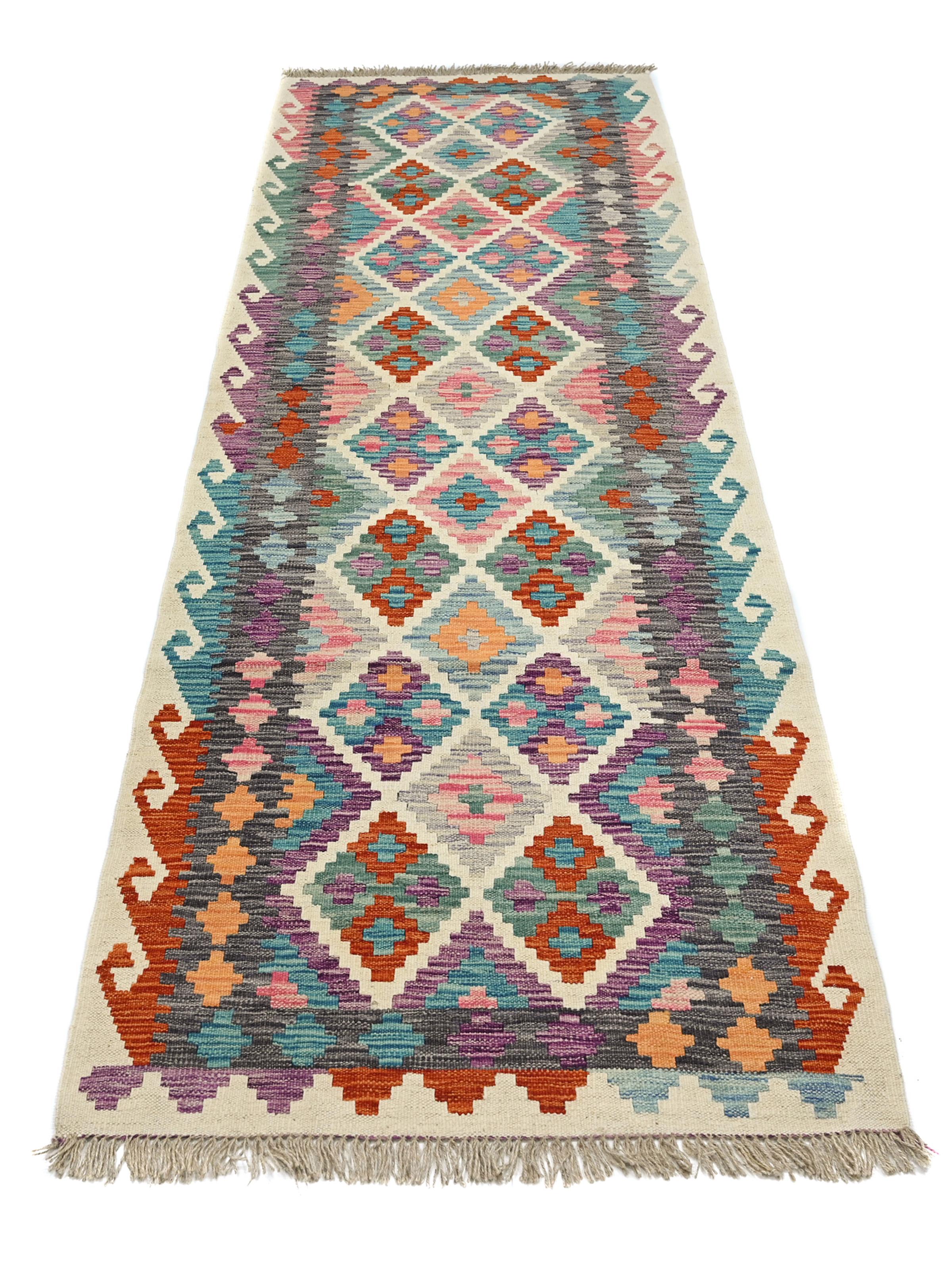
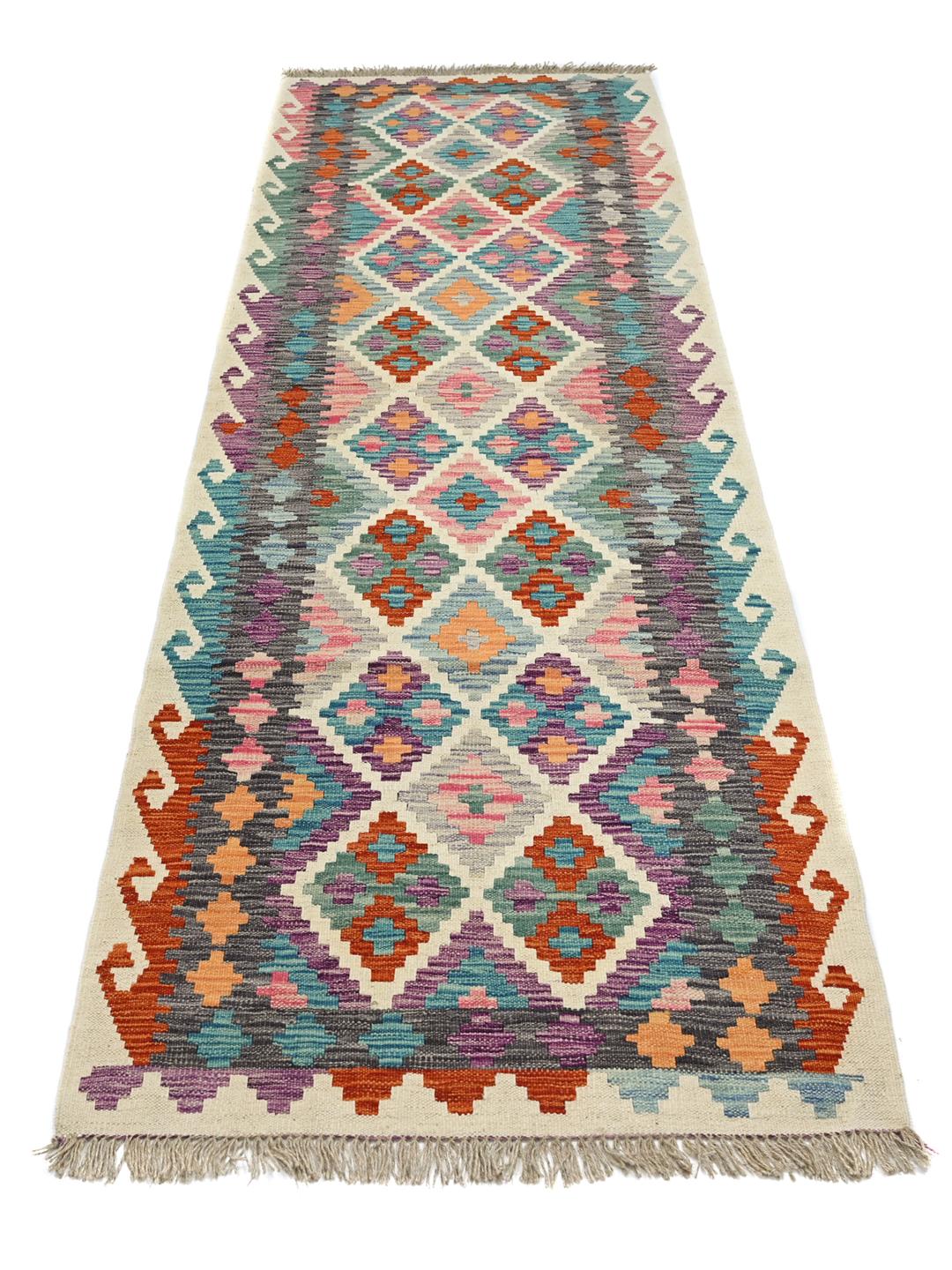
The tradition of flat-weave rugs from Afghanistan is deeply rooted in the nomadic lifestyle of the region, where durable, portable textiles were essential for daily life. These rugs evolved as functional art, designed to serve as floor coverings, wall hangings, or storage bags while reflecting the unique cultural identity of the weaving communities.
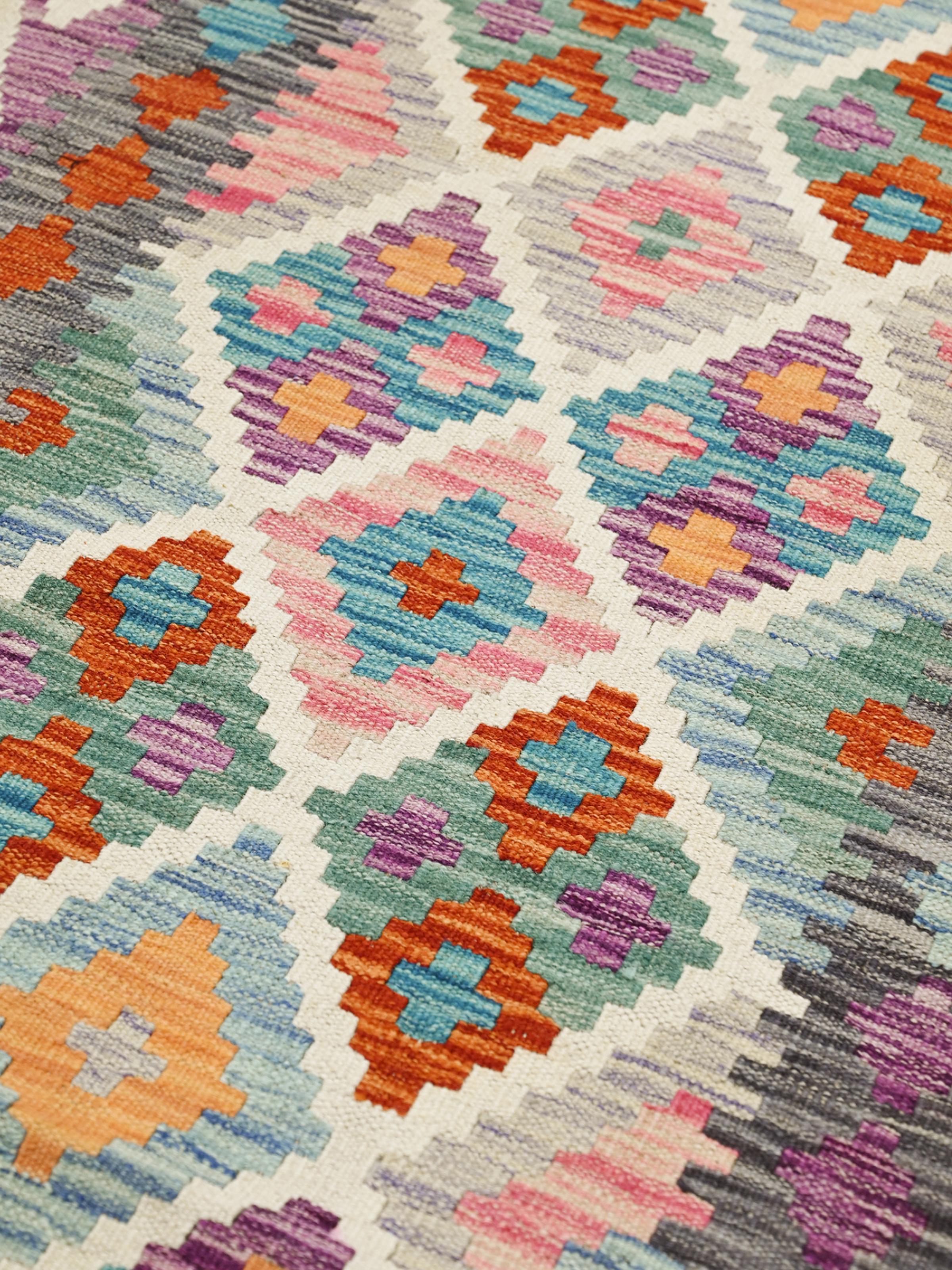
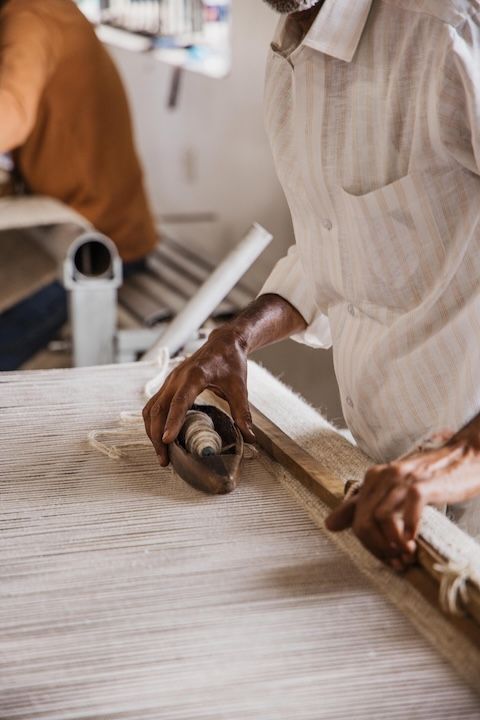
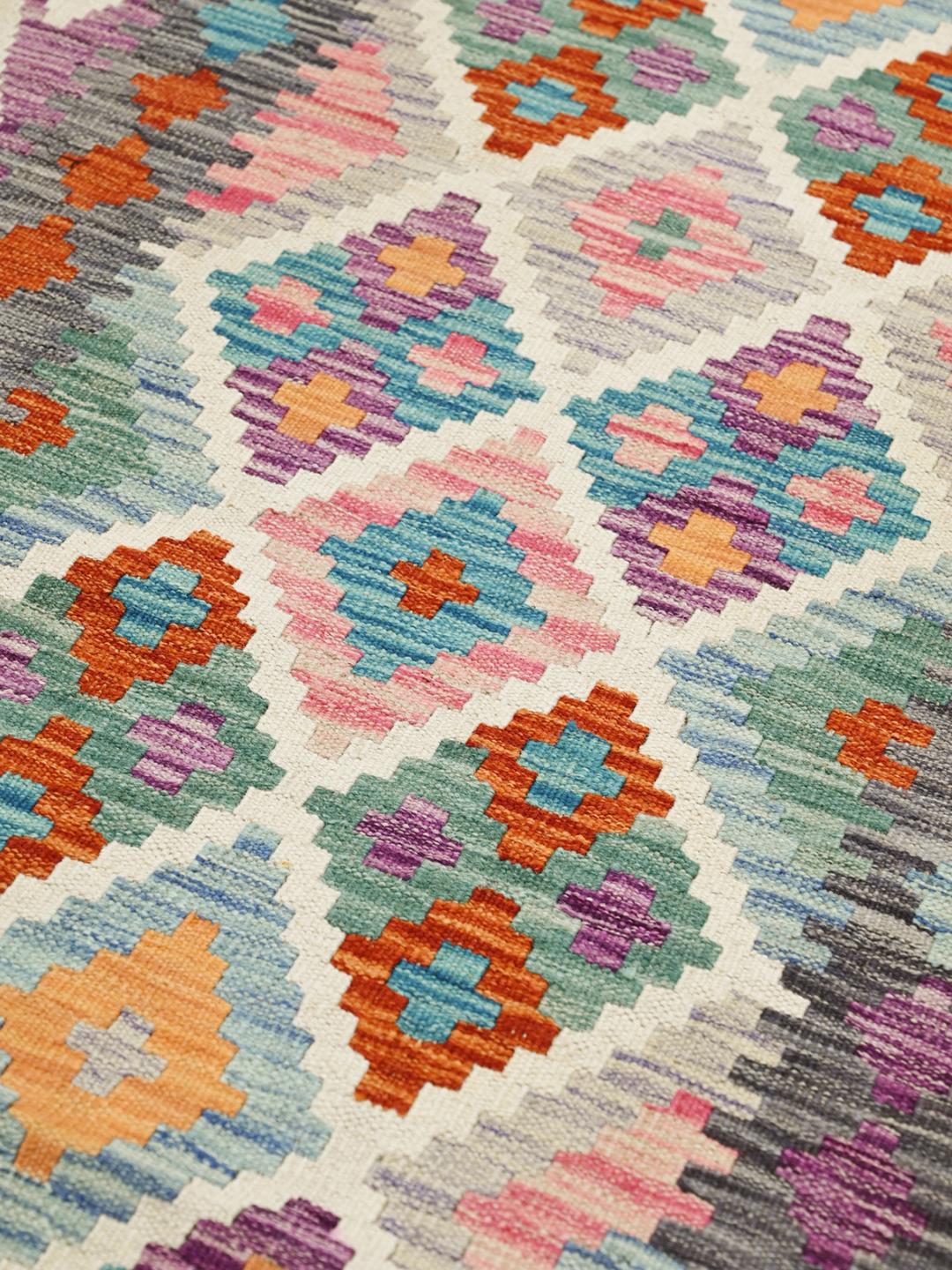
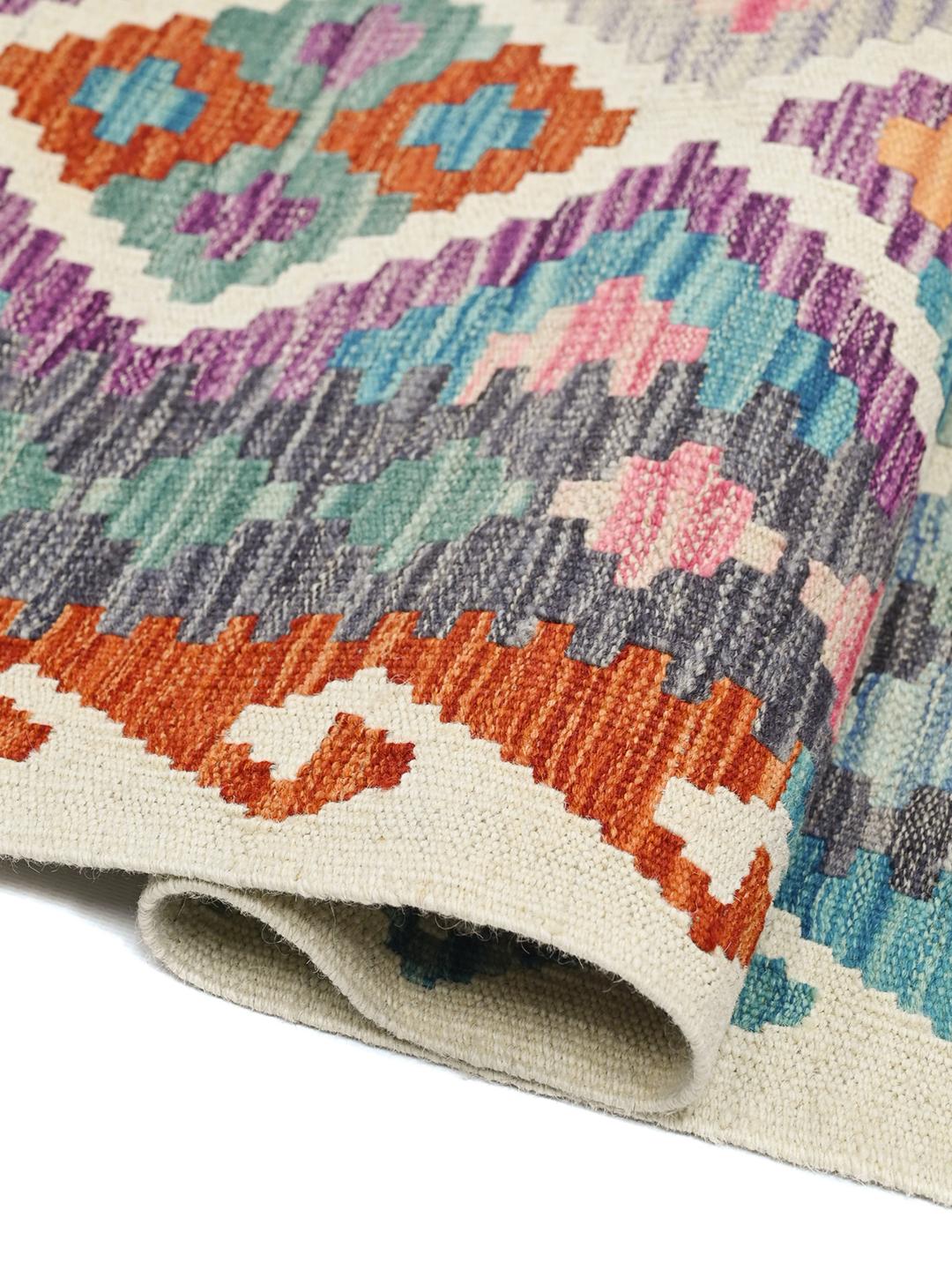
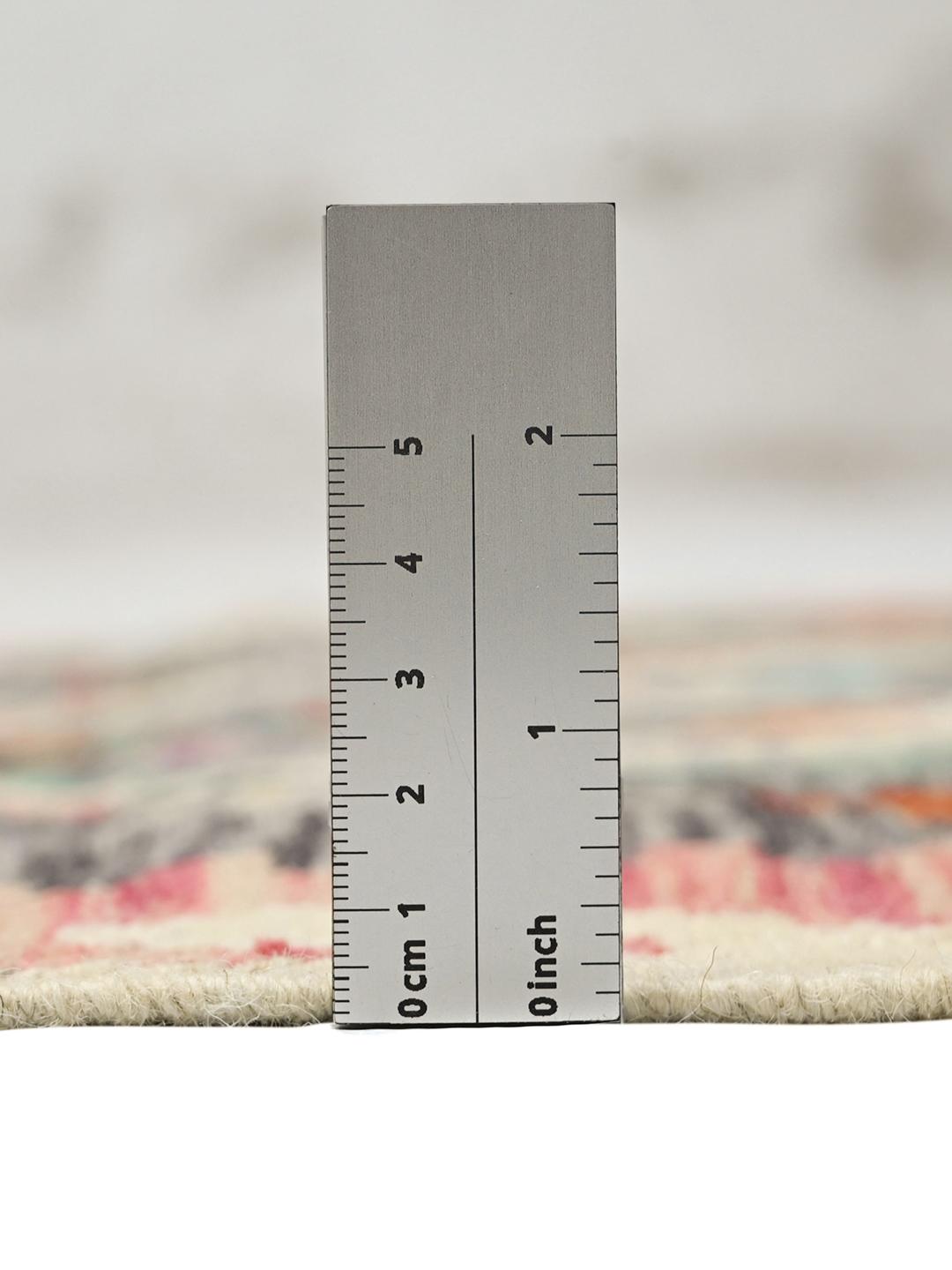
The term 'Kelim' refers to the specific flat-weaving technique where the warp and weft are interlaced to create a smooth, pileless surface. This method is highly prized for its versatility and strength, as the absence of a knotted pile allows for sharper, more defined geometric patterns and a lighter, more flexible rug that is easier to maintain.
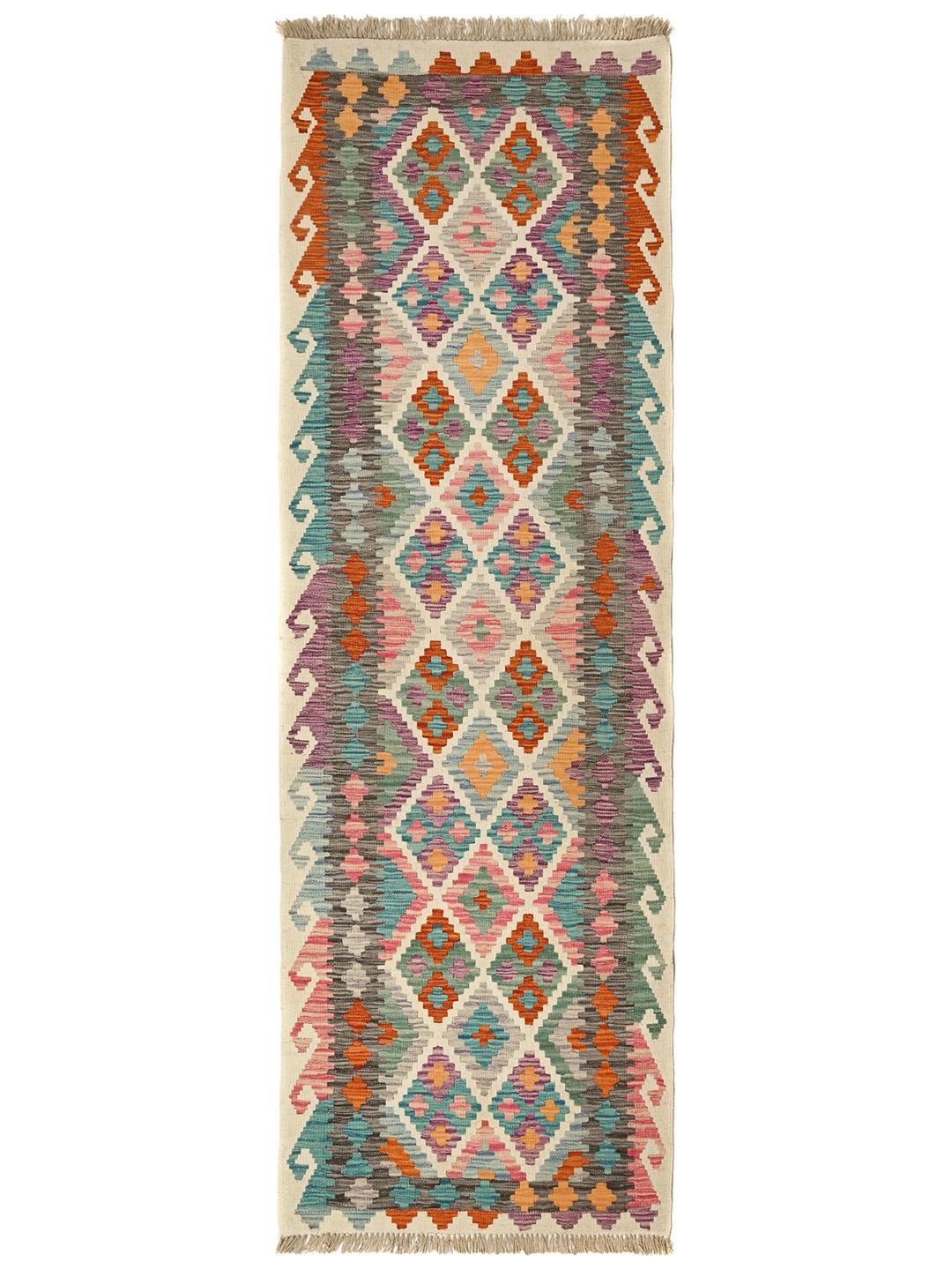
Signature design elements in this category often include complex geometric motifs, such as diamonds or zig-zags, arranged in rhythmic, repeating patterns. These designs are frequently framed by decorative borders that anchor the field, with each colour choice traditionally derived from natural dyes that age beautifully over time.
Collecting these pieces is an investment in human skill and regional history. Owning a traditional Afghan runner is not just about floor decor, but about preserving a craft that has been passed down through generations. These rugs are valued for their ability to bring a sense of history and warmth into any contemporary home.