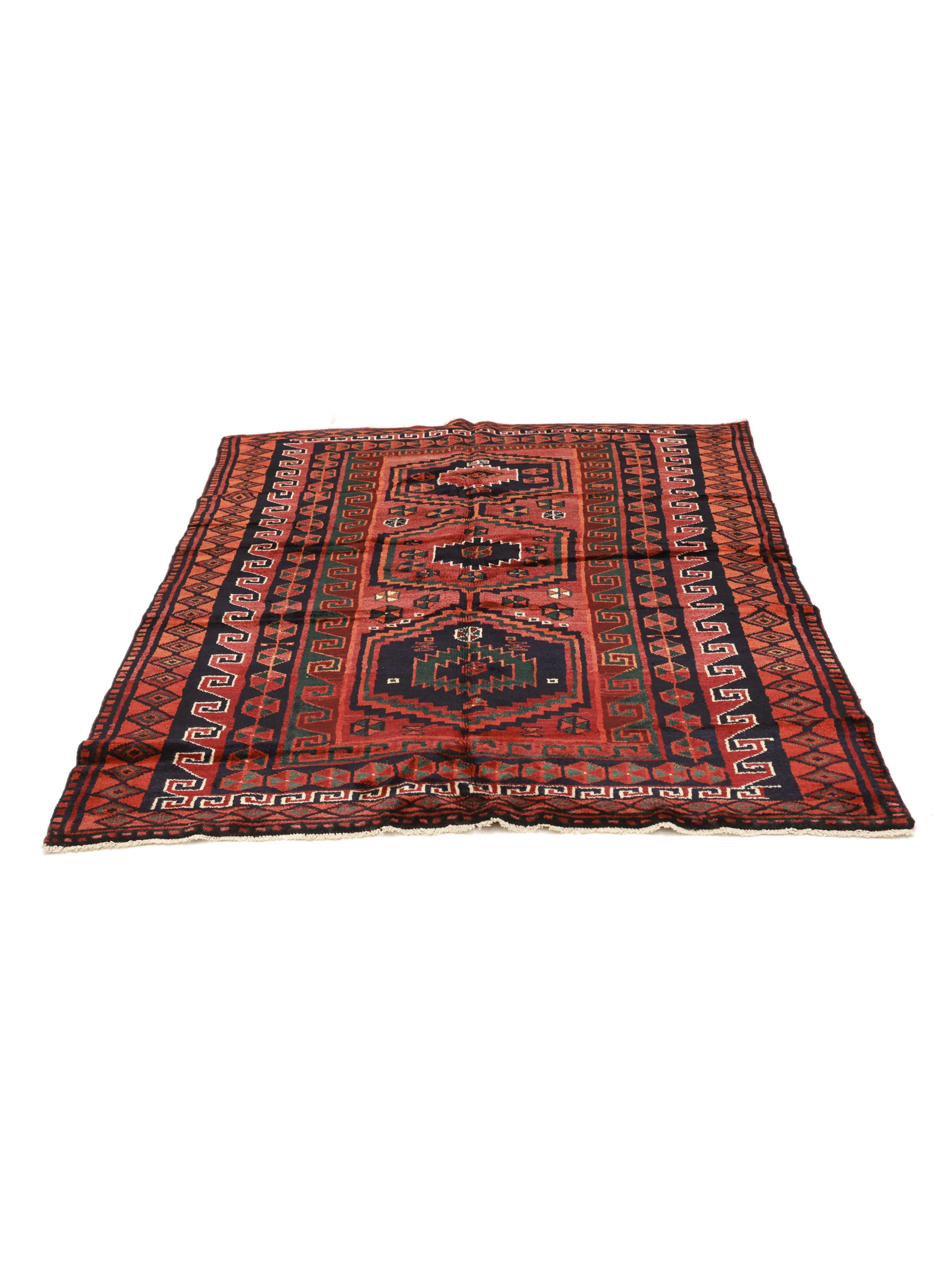
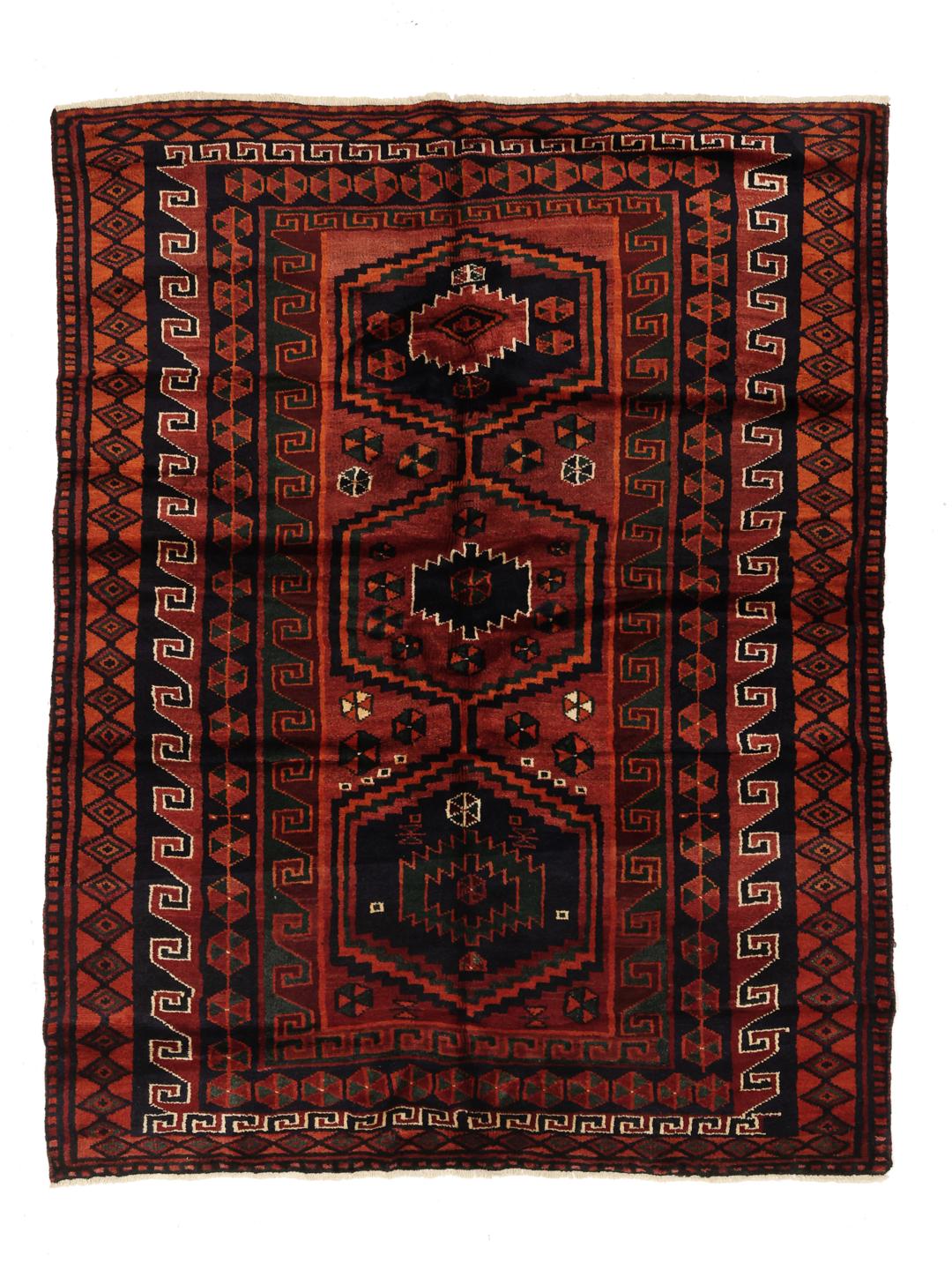
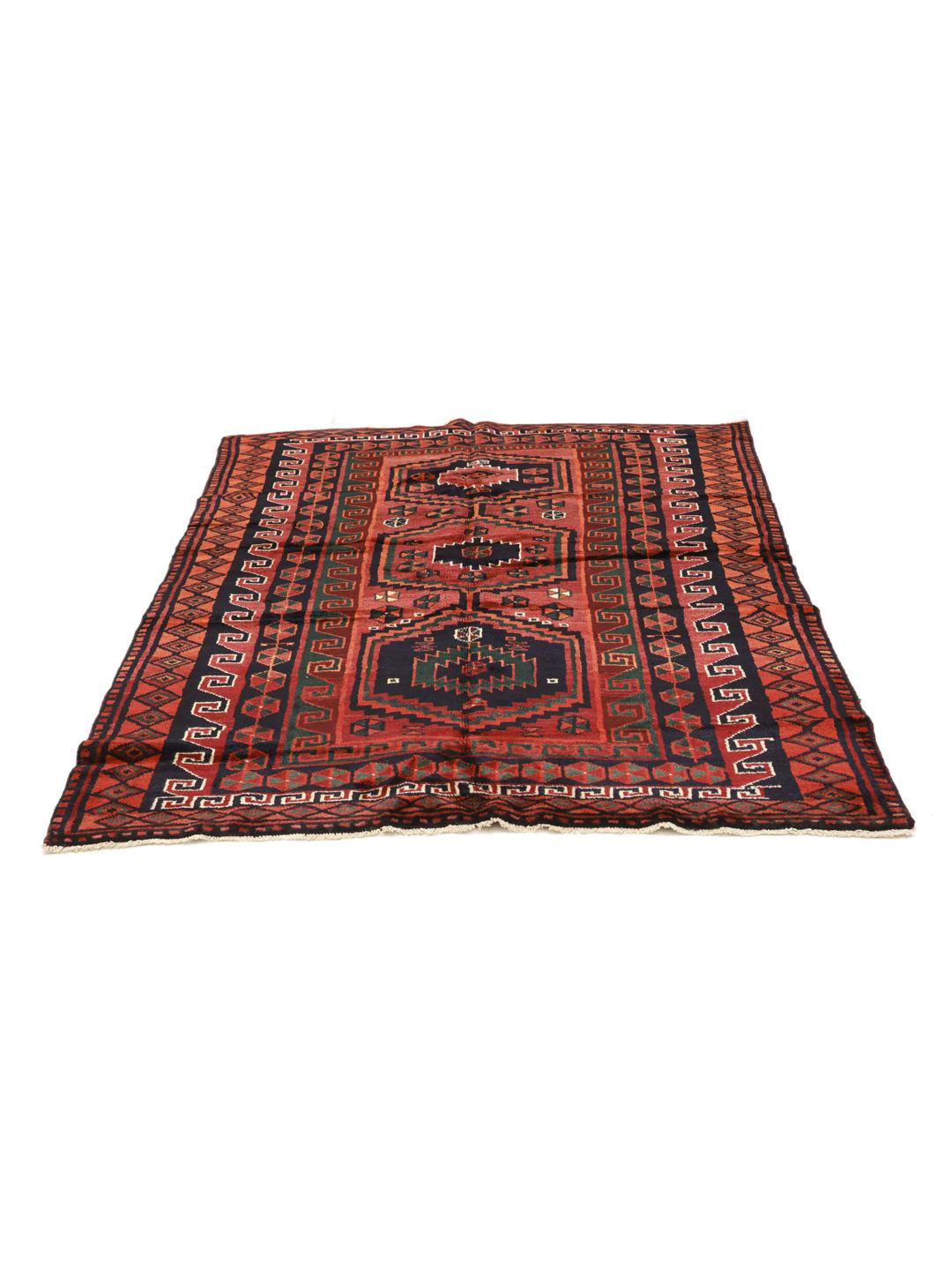
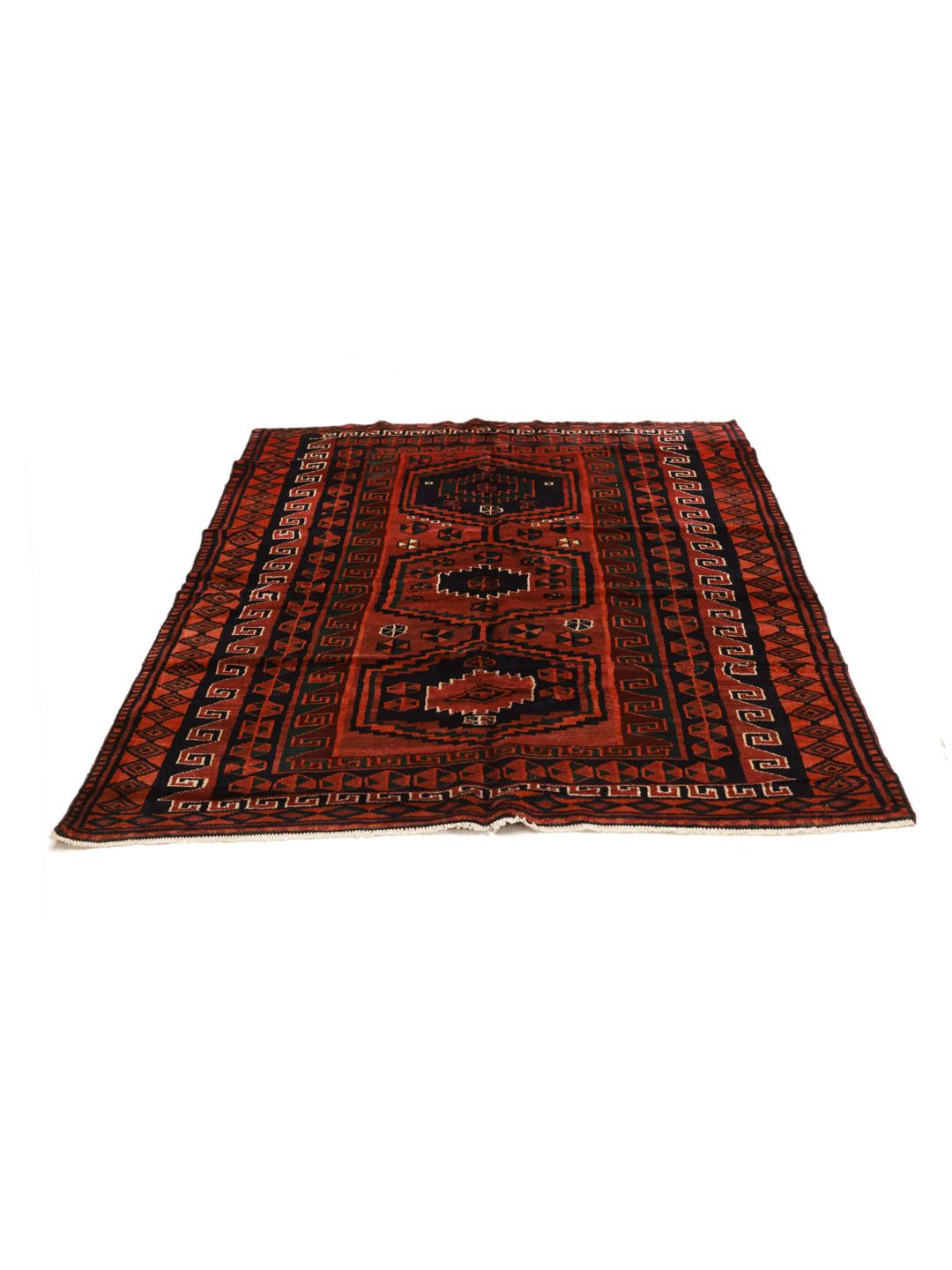
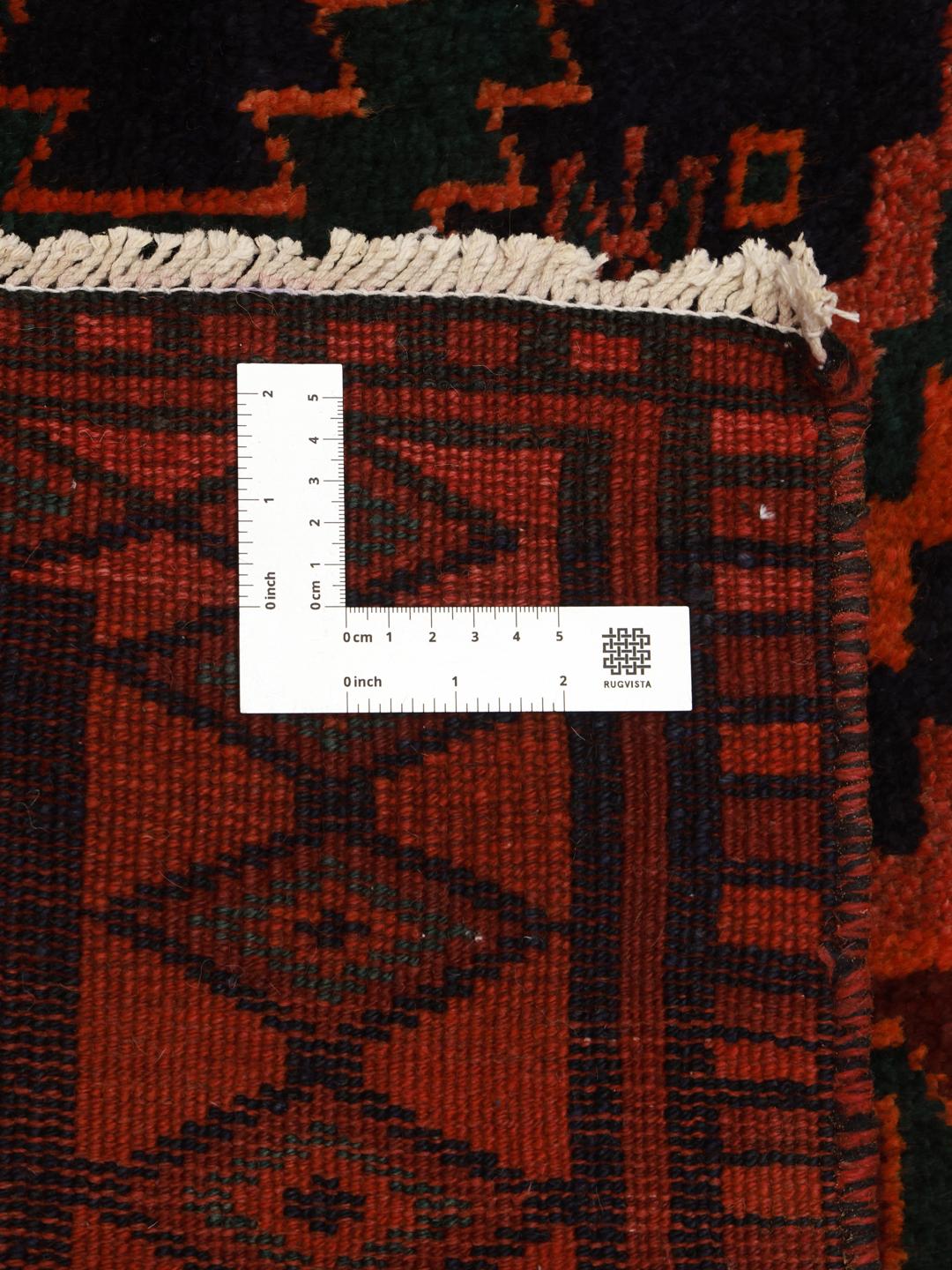
The Lori rug tradition hails from the mountainous regions of the Middle East, where the Lori people have maintained a distinct weaving culture for generations. These rugs are deeply connected to the nomadic and semi-nomadic lifestyles of the region, where the craft was historically passed down through families as a way to document tribal identity and cultural myths.
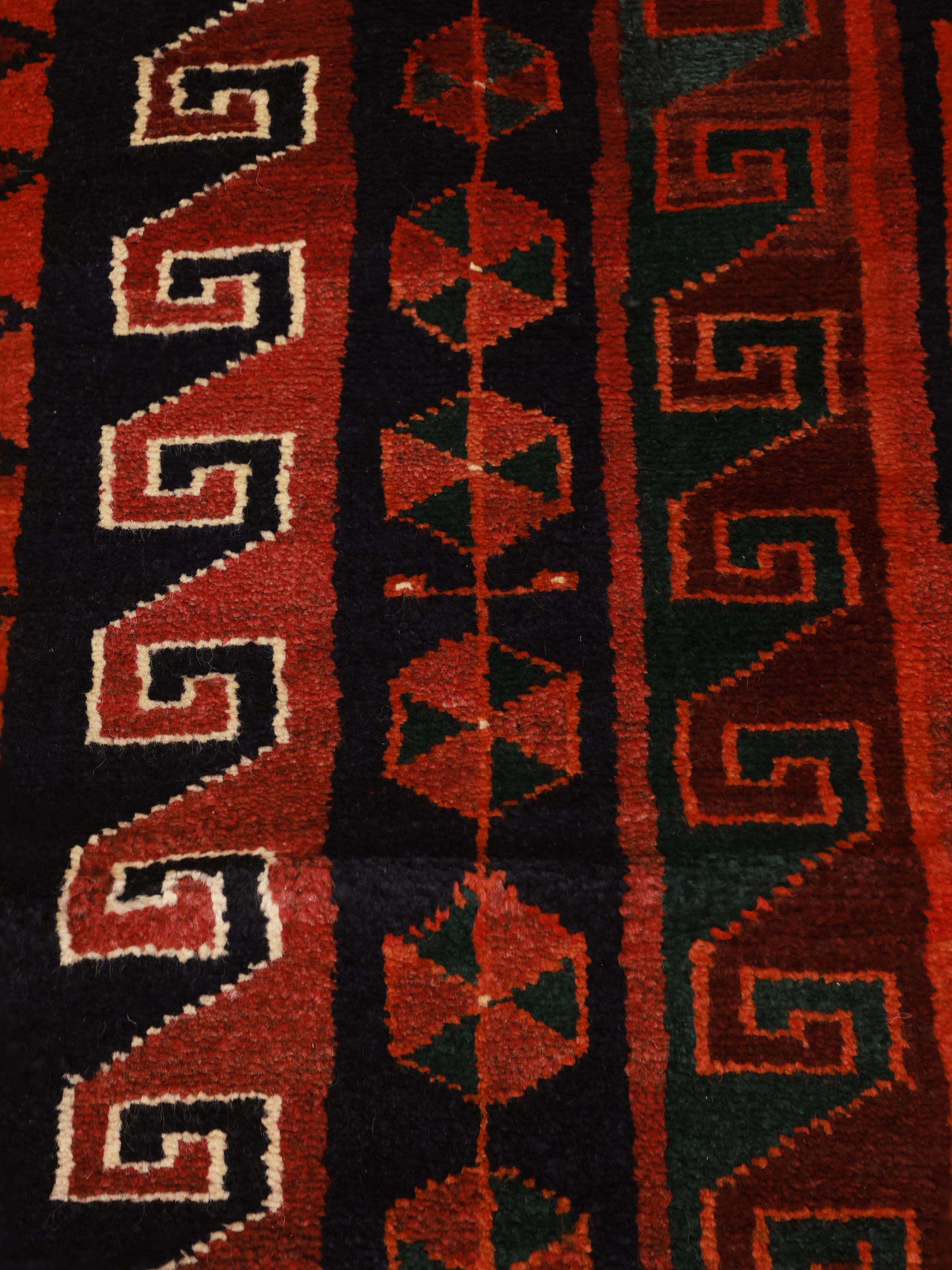
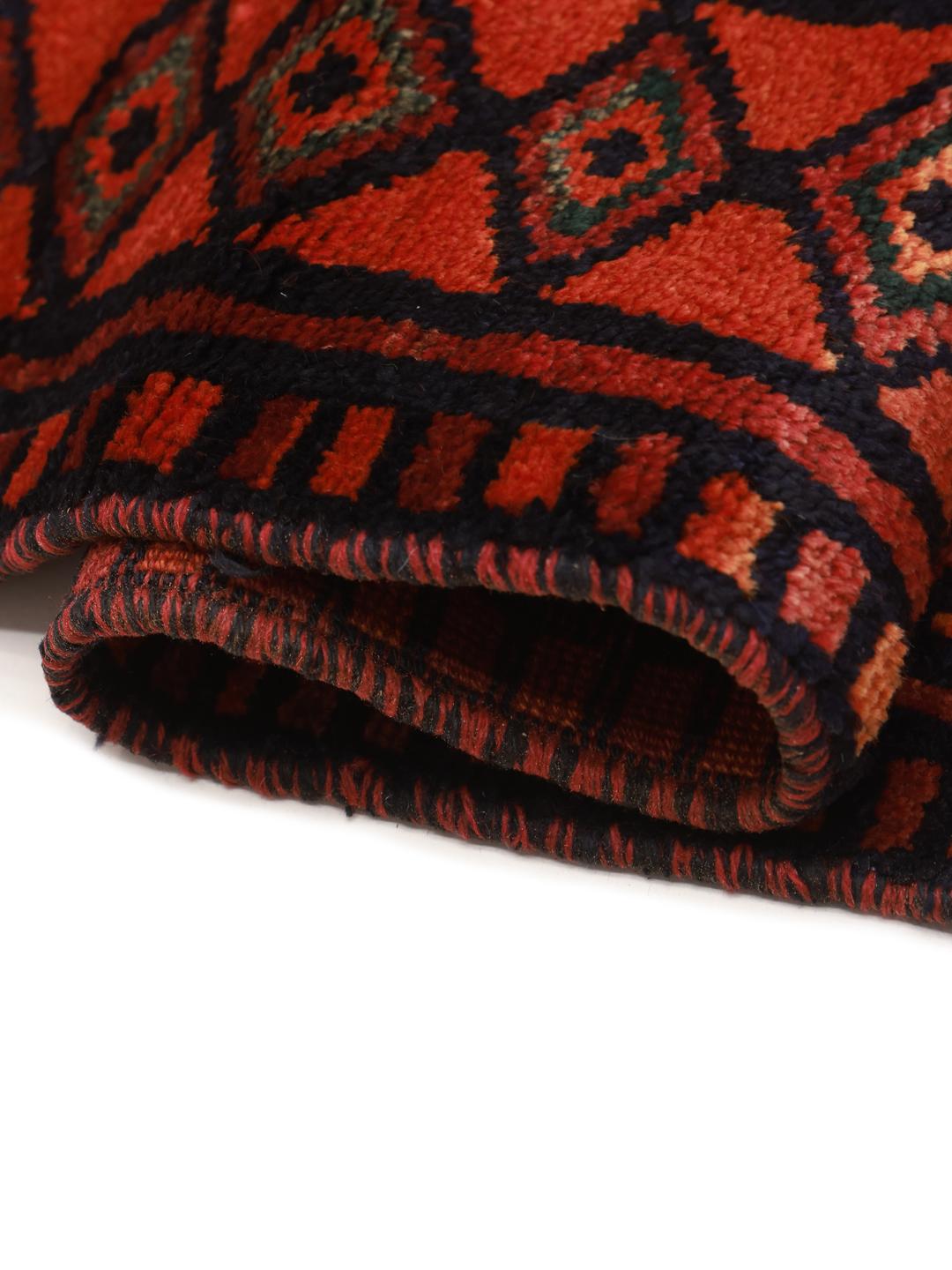
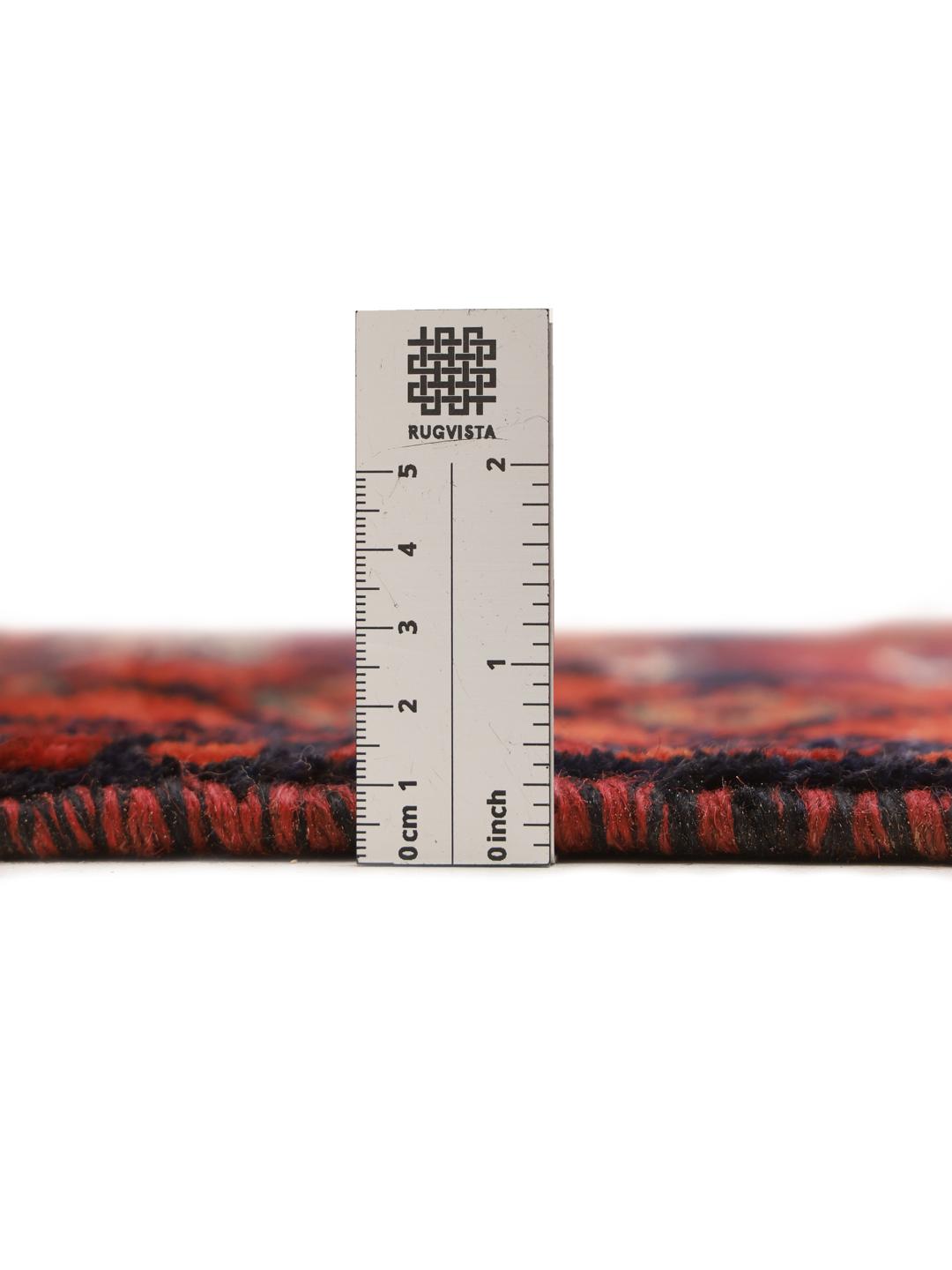
The technical quality of these rugs is defined by their robust construction. The use of hand-spun wool is a hallmark of the tradition, chosen for its natural lanolin content which provides a soft, oily feel and incredible resilience against wear. This choice of material ensures that the pile remains lustrous and flexible, allowing the rug to age gracefully and develop a beautiful character over the decades.
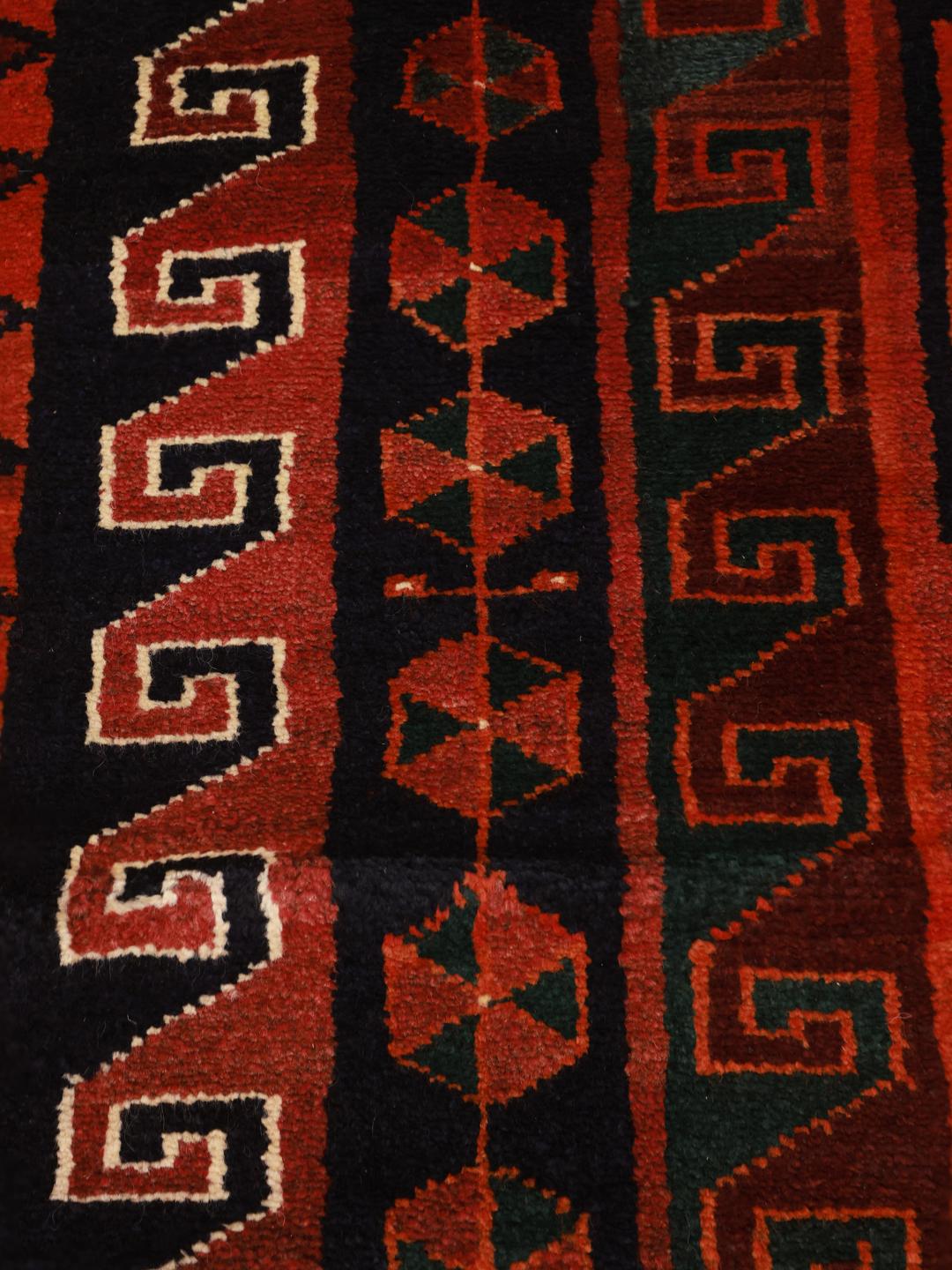
Visually, Lori rugs are celebrated for their bold, geometric language. You will often see repeating medallions, stylised animals, and hooked motifs that hold symbolic meaning within the tribal lexicon. The borders are typically framed with intricate, rhythmic patterns that provide a structured contrast to the more free-form, energetic motifs found within the central field.
Collecting a Lori rug is an invitation to own a piece of living heritage. These rugs are valued not just for their aesthetic impact, but for the skill and cultural narrative embedded in every knot. By choosing such a piece, you are supporting a lineage of artistic expression that values lasting quality and the preservation of traditional weaving techniques.