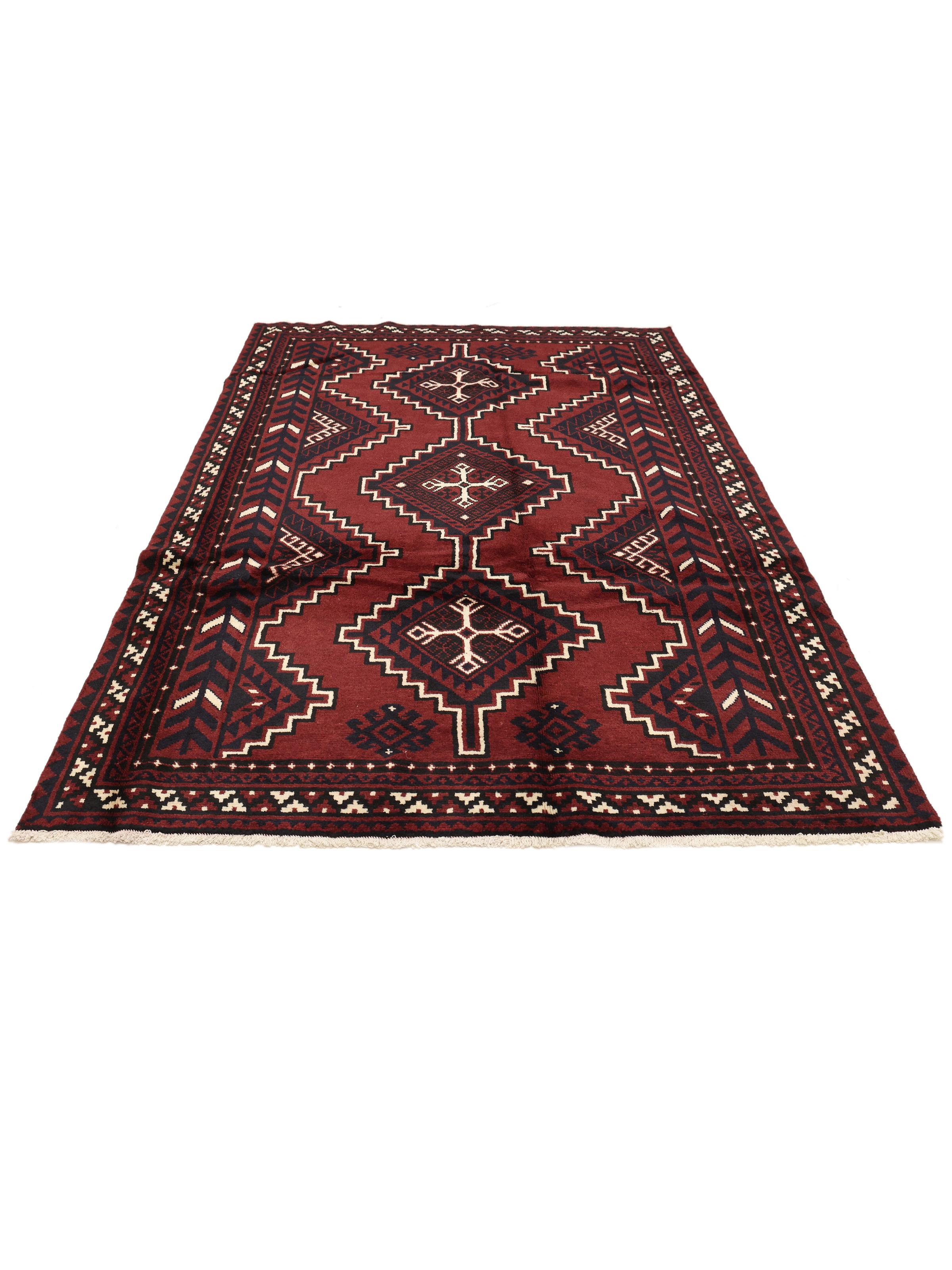
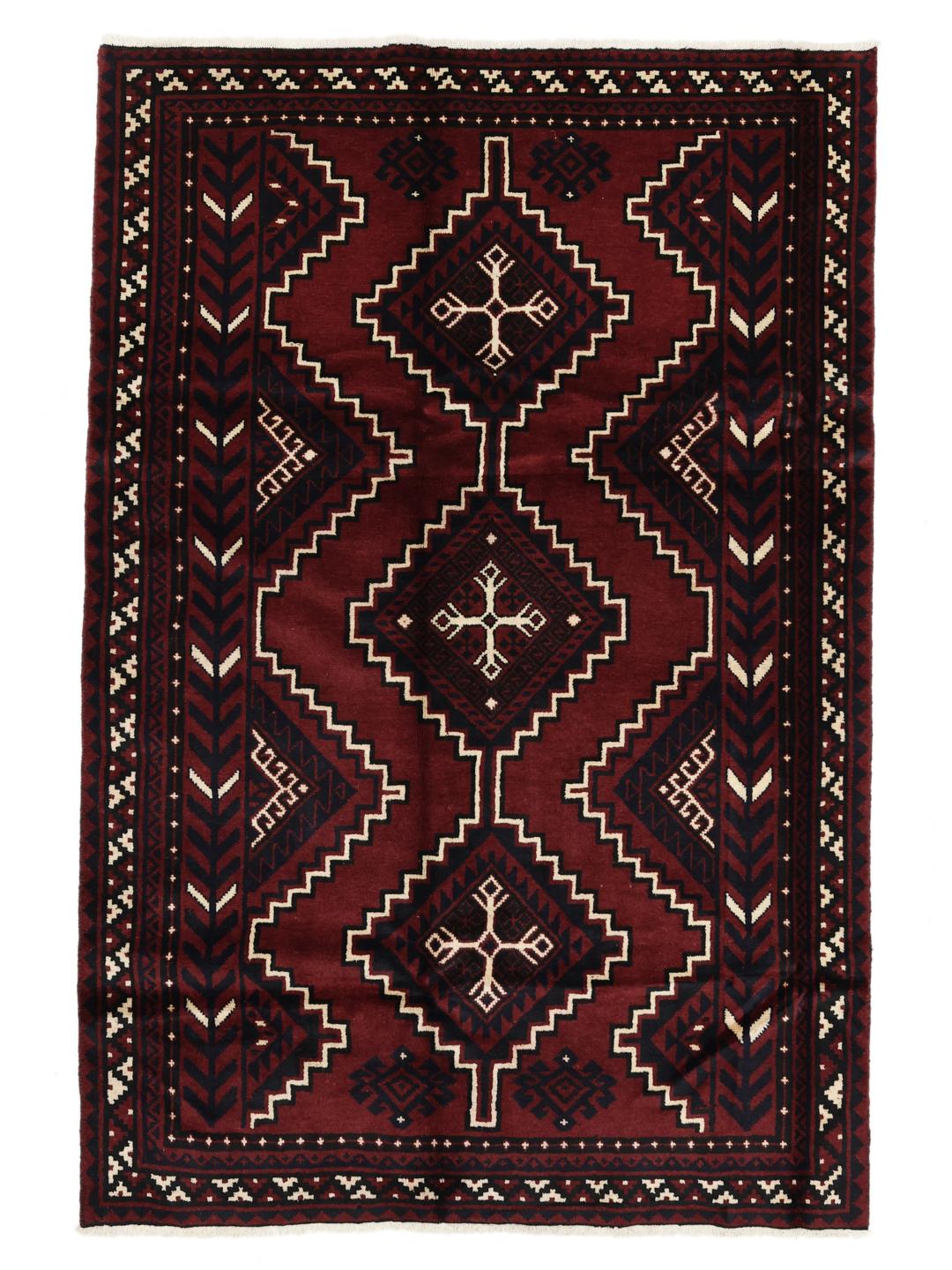
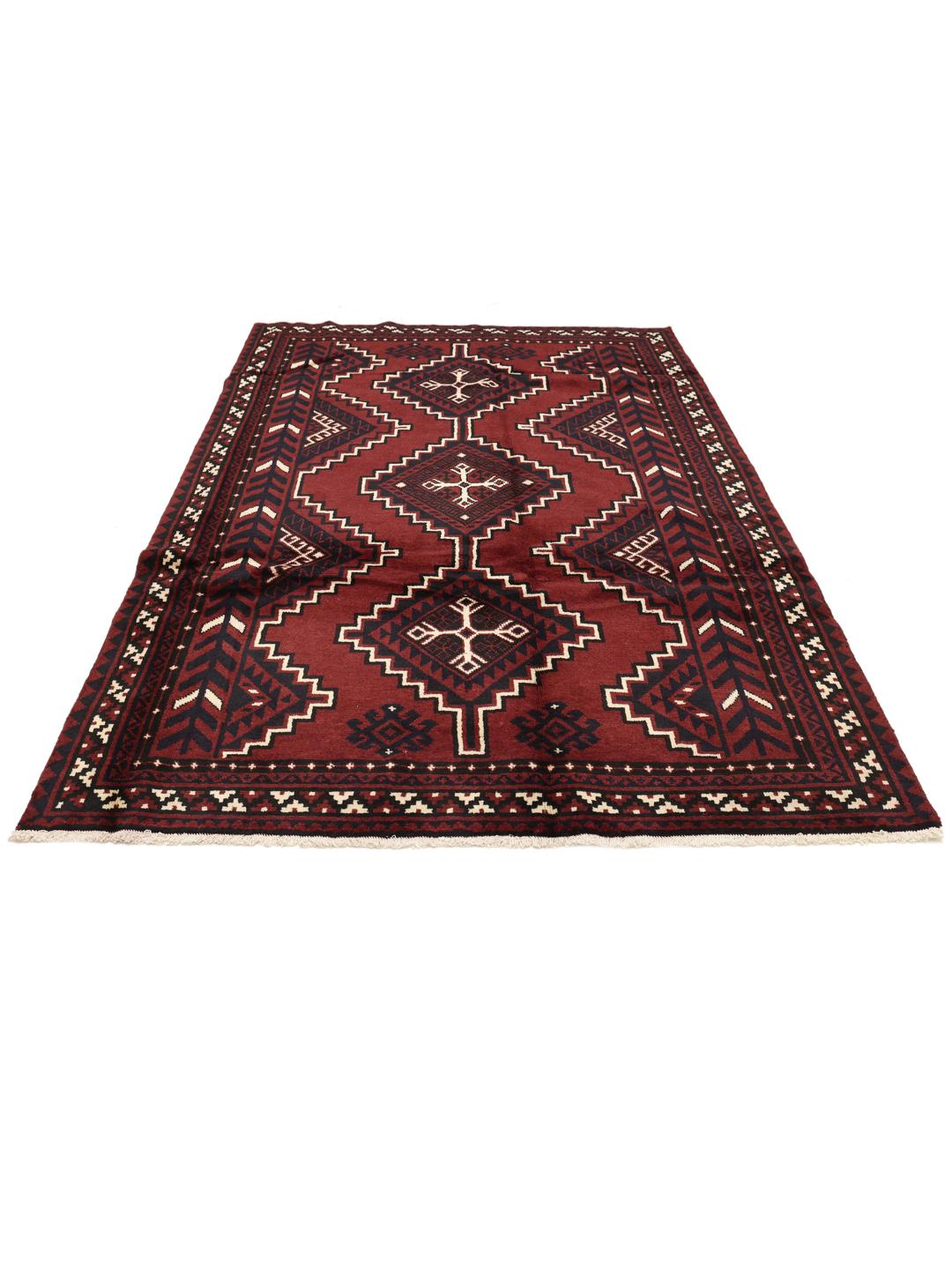
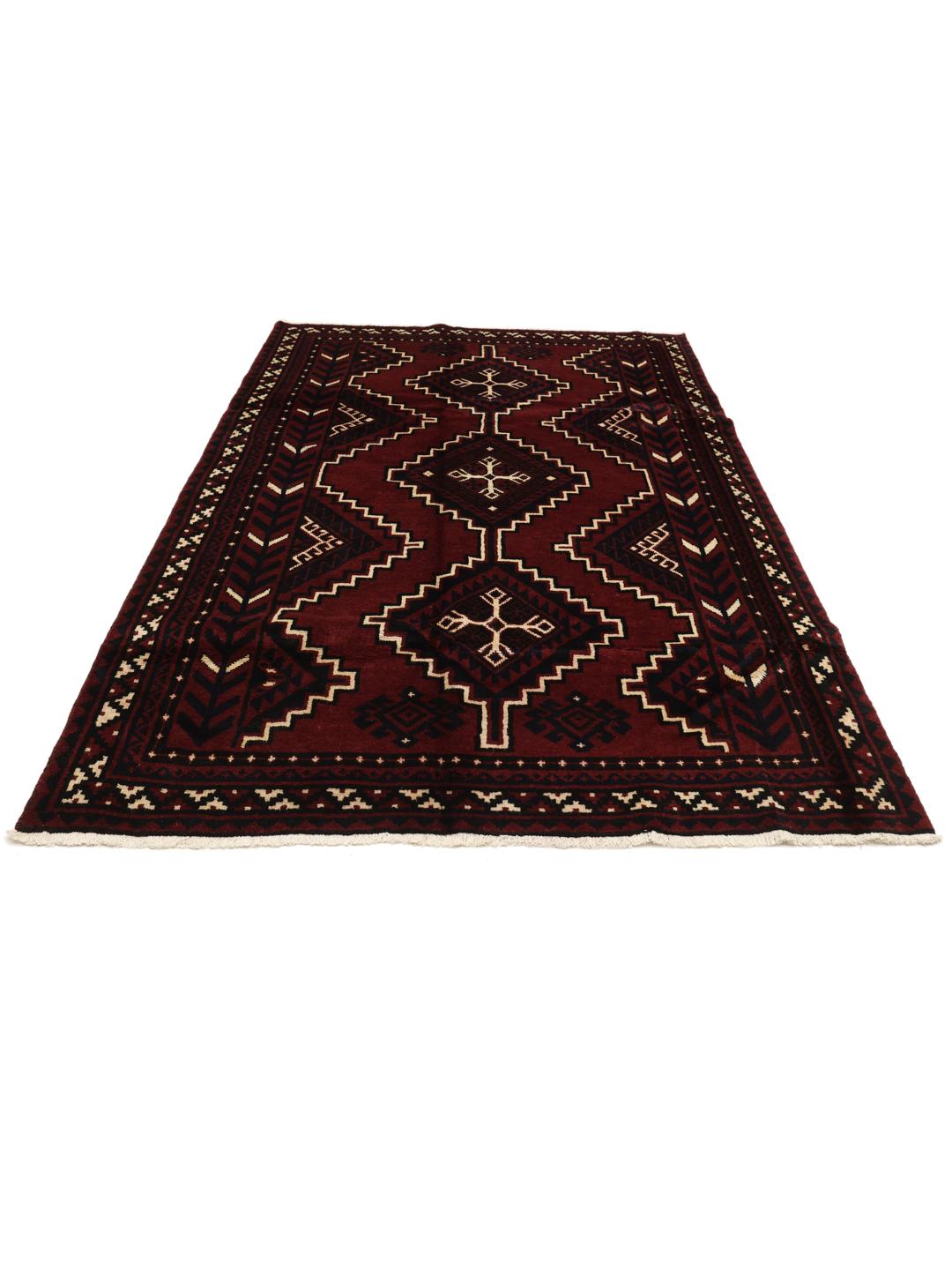
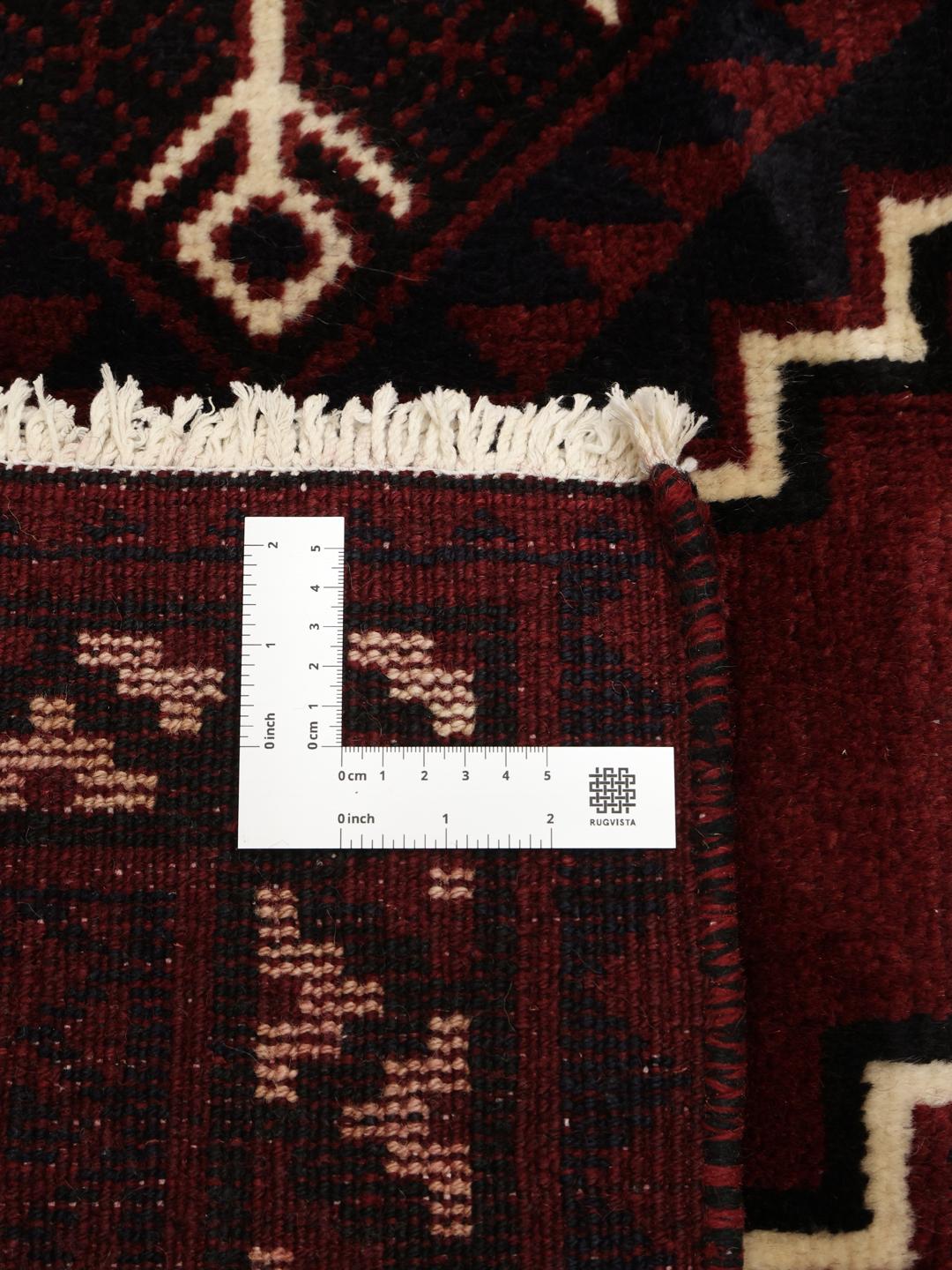
Lori rugs originate from the tribal traditions of the Middle East, specifically associated with the nomadic and semi-nomadic Lori people. These rugs are steeped in a history of survival and self-expression, where the weavers translate their environment and cultural identity into visual language. Historically, these pieces were crafted for personal use within the home, serving as floor coverings, blankets, or wall hangings that provided essential warmth and comfort.
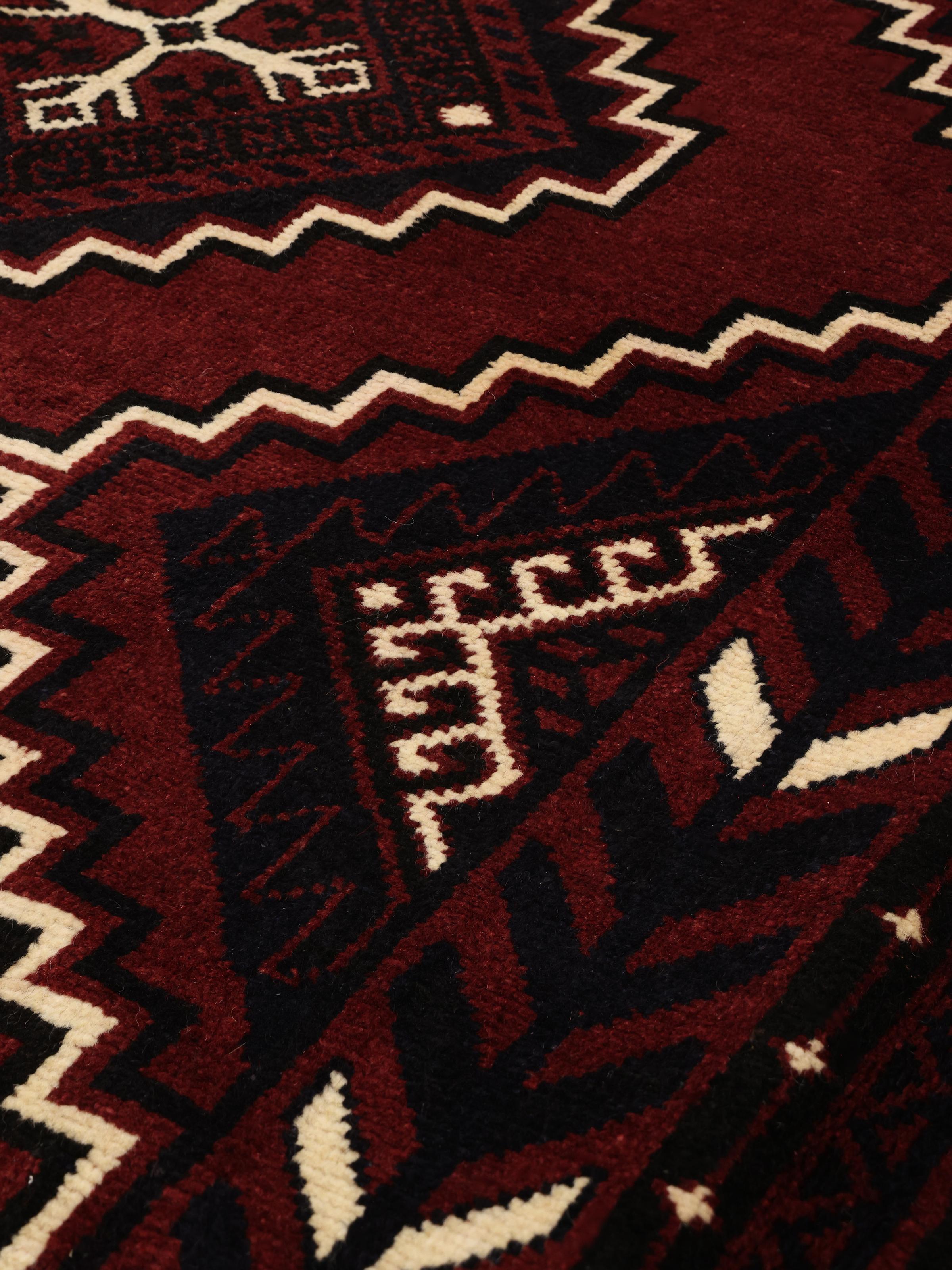
The term Lori refers to both the people and the distinctive style of weaving they have perfected over generations. Their craft is defined by a deep understanding of natural materials, utilising locally sourced wool that is spun and dyed by hand. This connection to the landscape is reflected in the rug's character, which often feels more raw, authentic, and connected to the earth than more commercial rug styles.
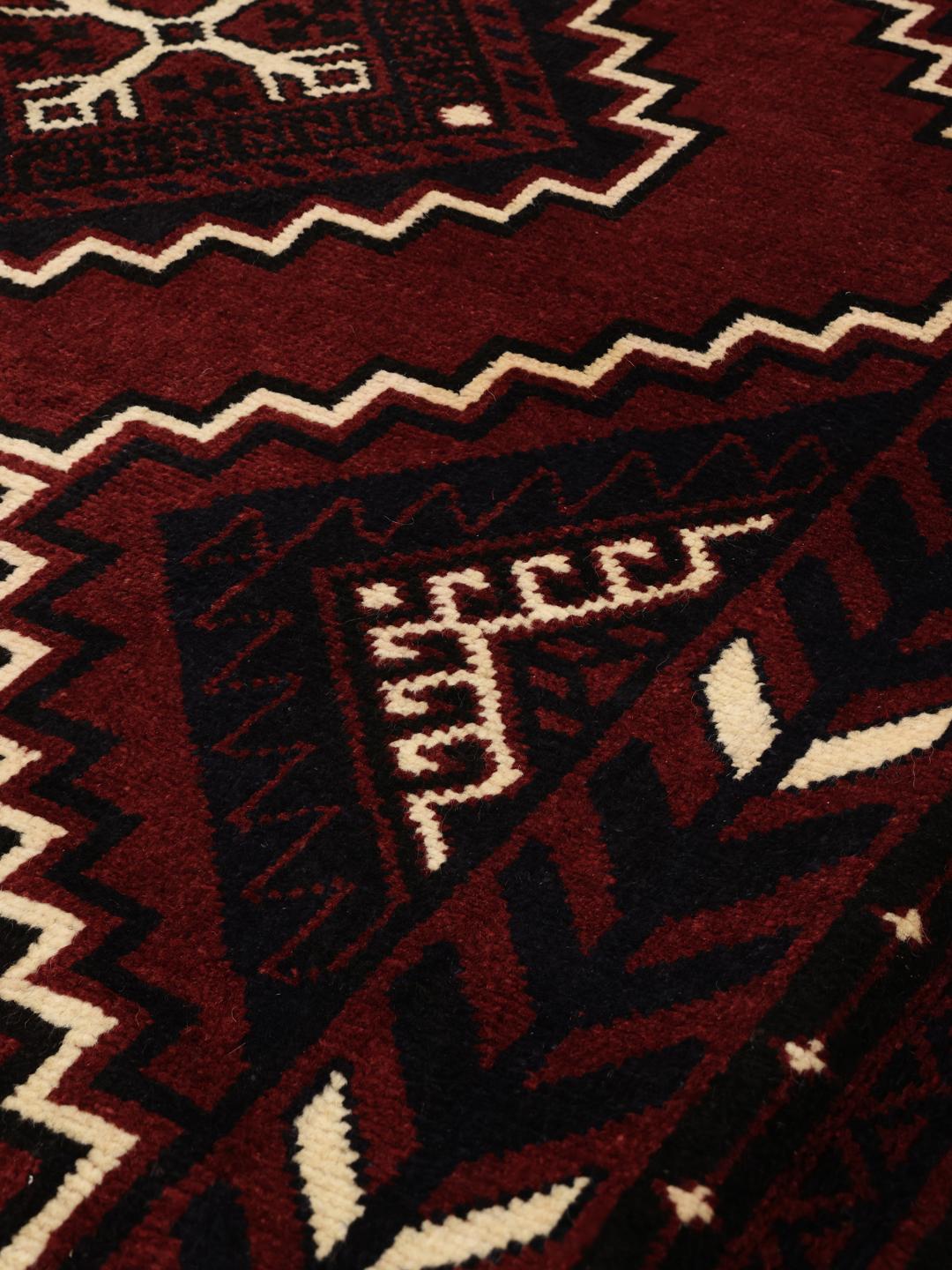
Signature design elements of the Lori tradition often centre on bold, geometric abstraction. You will frequently find diamond-shaped medallions, hooked motifs, and strong, angular borders that echo the landscape and tribal symbols. These patterns are not merely decorative but serve as a visual record of the weaver's heritage, with each motif carrying its own meaning and significance within the tribe.
Today, these rugs are highly valued by collectors and design enthusiasts alike for their expressive power and historical depth. Owning a Lori rug is an opportunity to connect with a long-standing tradition of craftsmanship that prioritises soul and substance. It is a piece that brings a sense of cultural weight into a modern home, offering a legacy of skill that remains timeless.