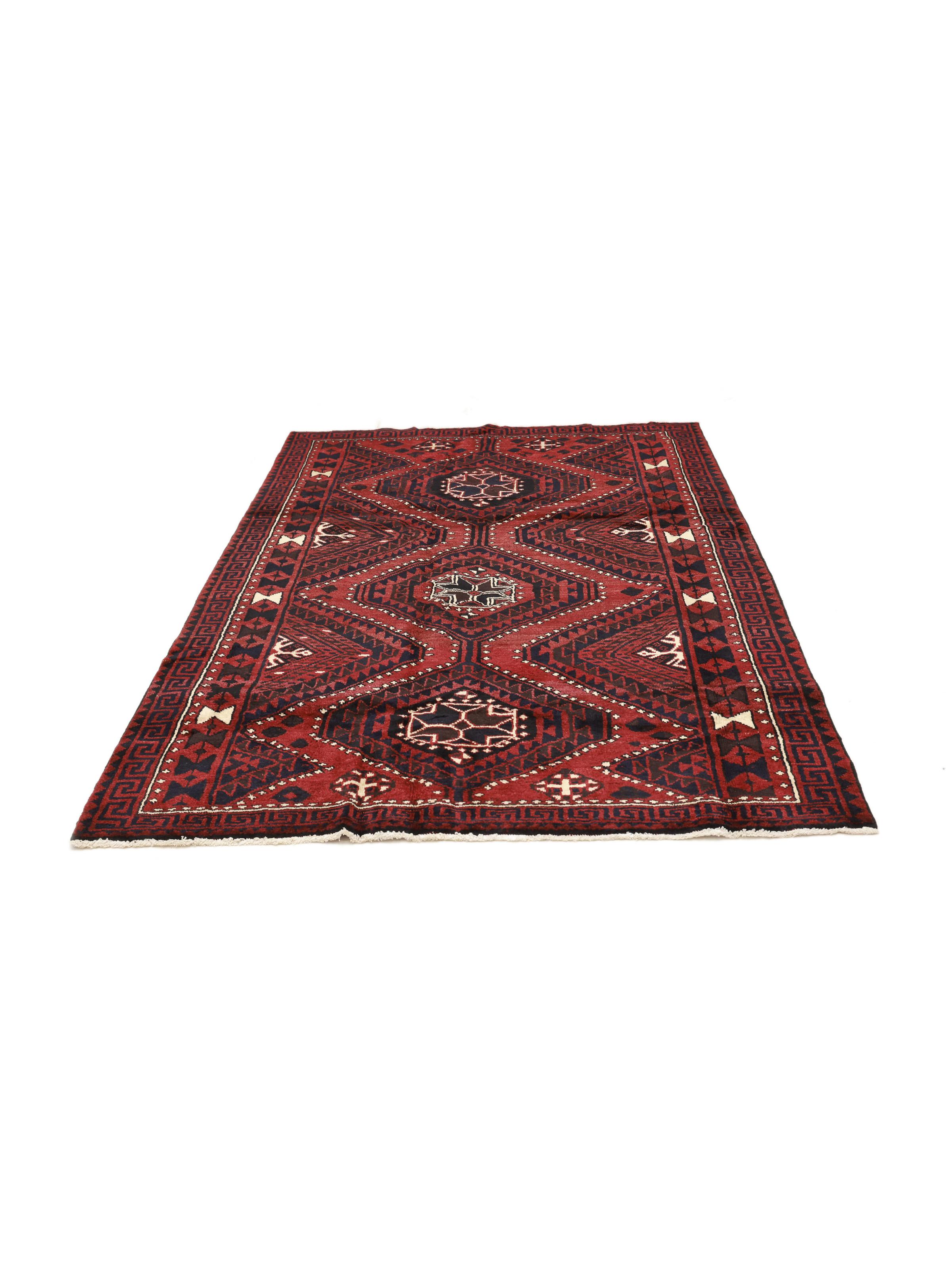
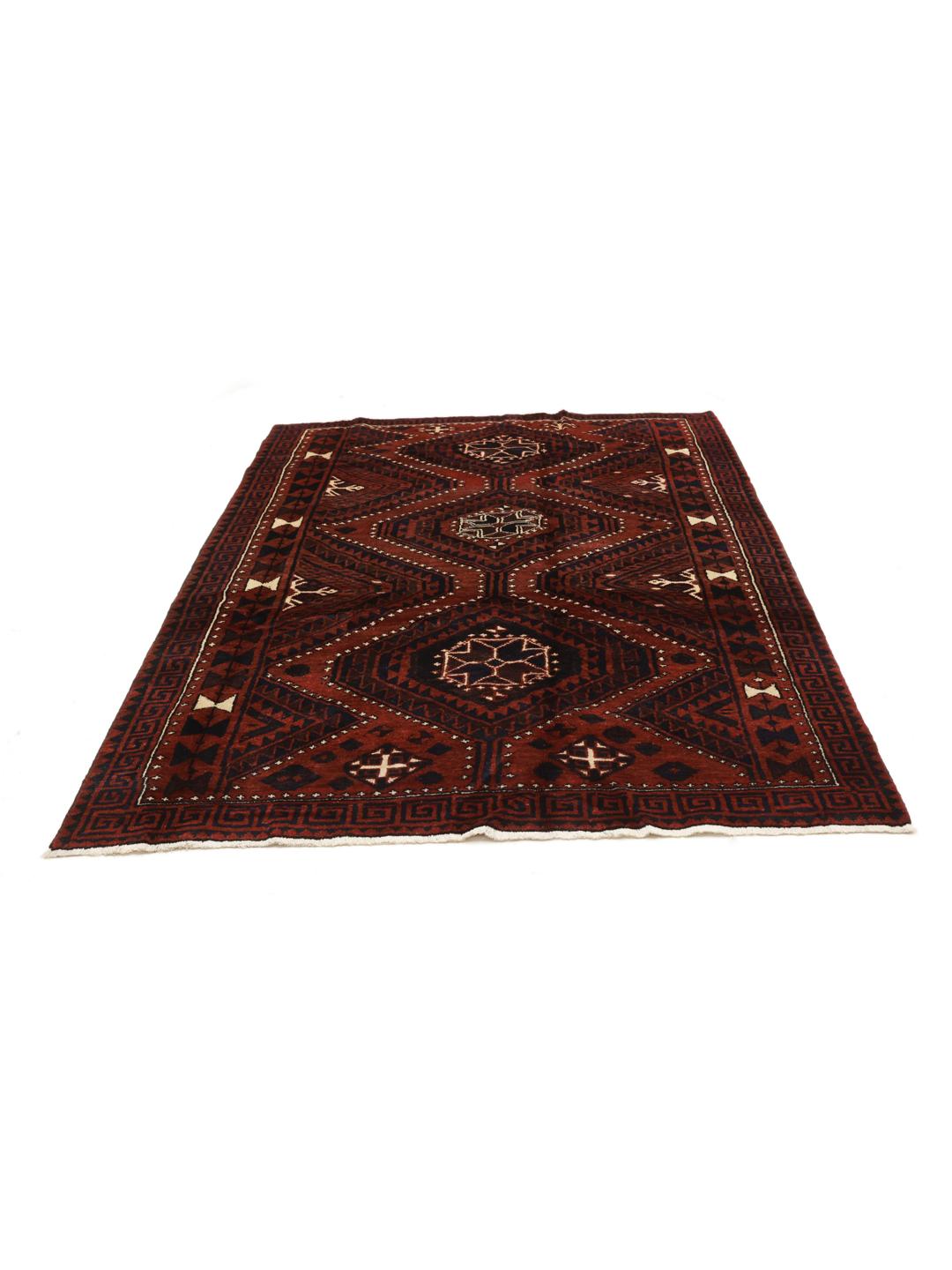
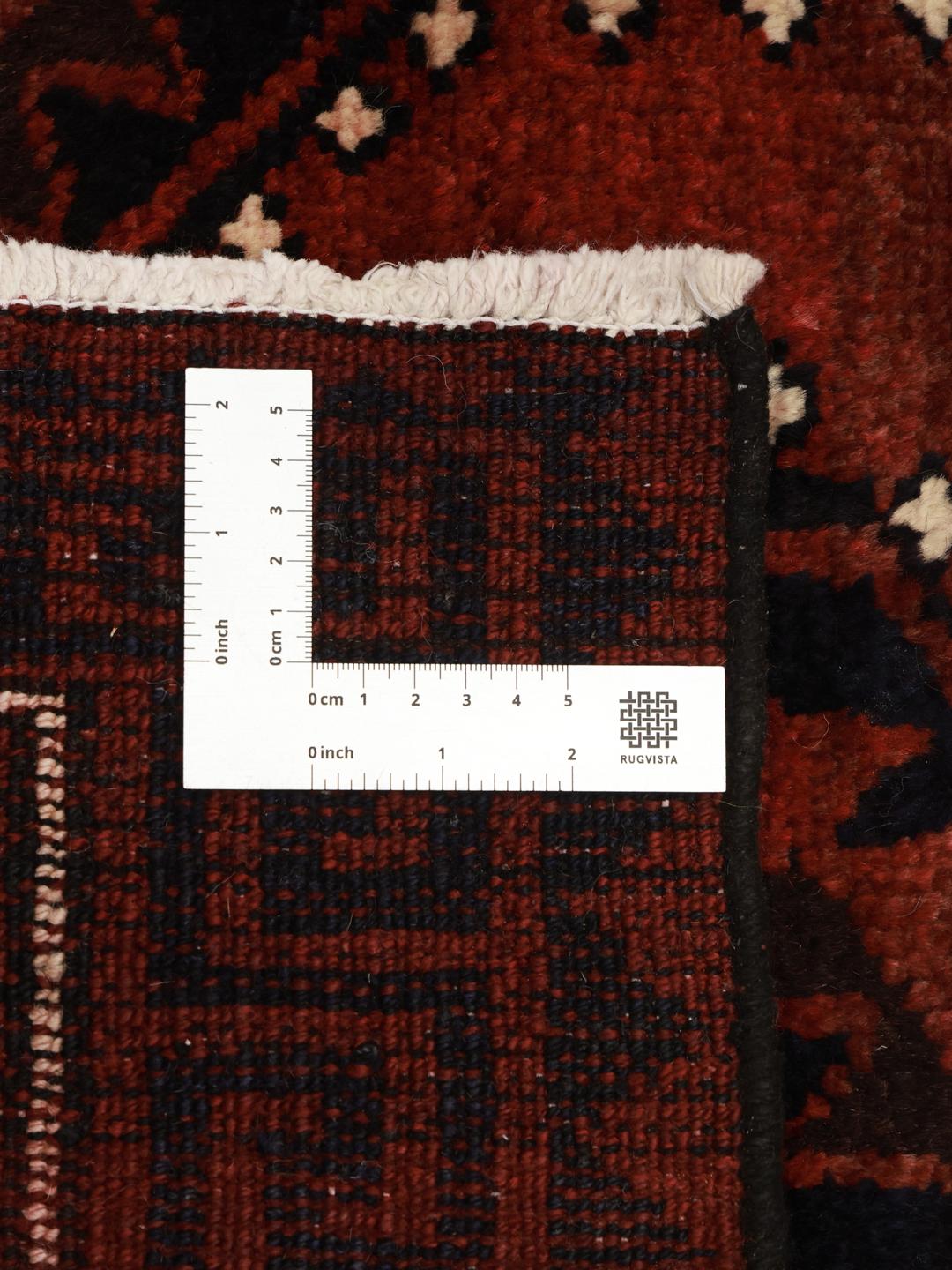
Lori rugs originate from the nomadic and semi-nomadic tribes of the Middle East, specifically the Lur people who inhabit the mountainous regions. These rugs were historically created for domestic use, serving as warm floor coverings, saddlebags, and tent decor. The history of these textiles is deeply tied to the rugged landscape and the migration patterns of the tribes, resulting in designs that are both functional and deeply symbolic.
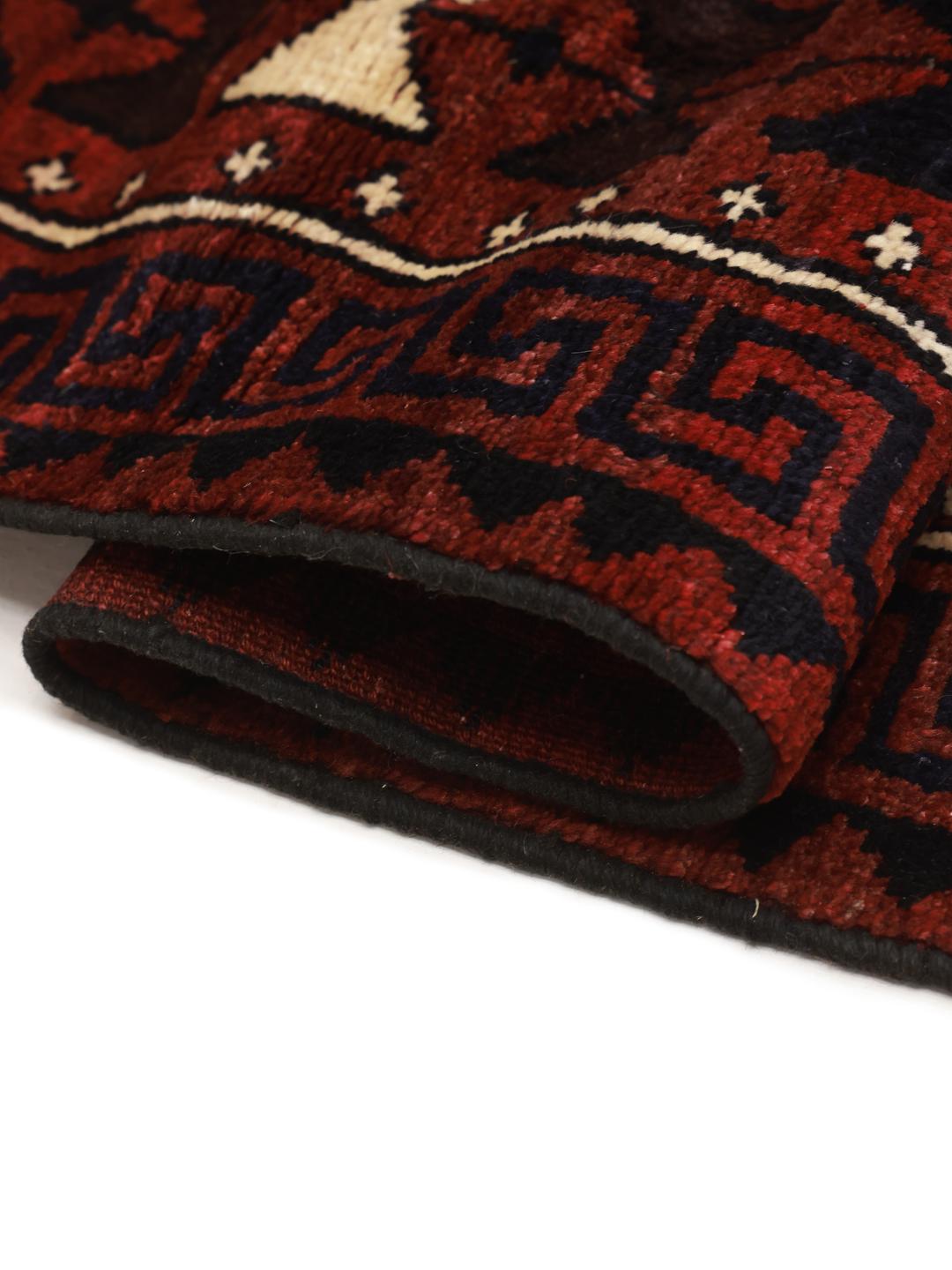
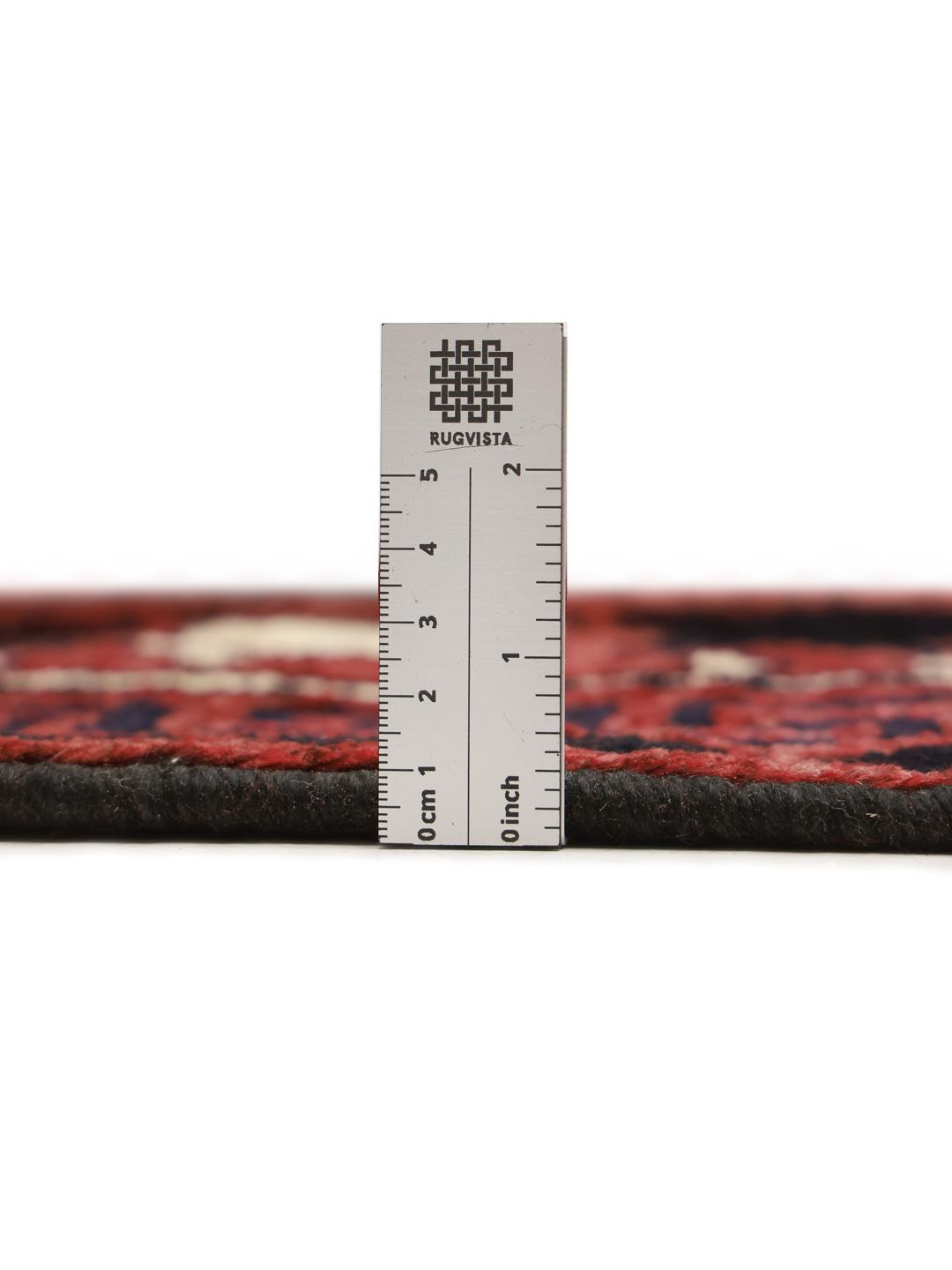
The construction of a Lori rug is defined by its robust nature. These pieces are known for their dense, durable pile and use of high-quality wool, which is naturally suited for the fluctuating temperatures of mountain life. The term hand-knotted refers to the traditional loom-based technique where each knot is tied by hand, creating a structure that is far more resistant to wear than any machine-made alternative.
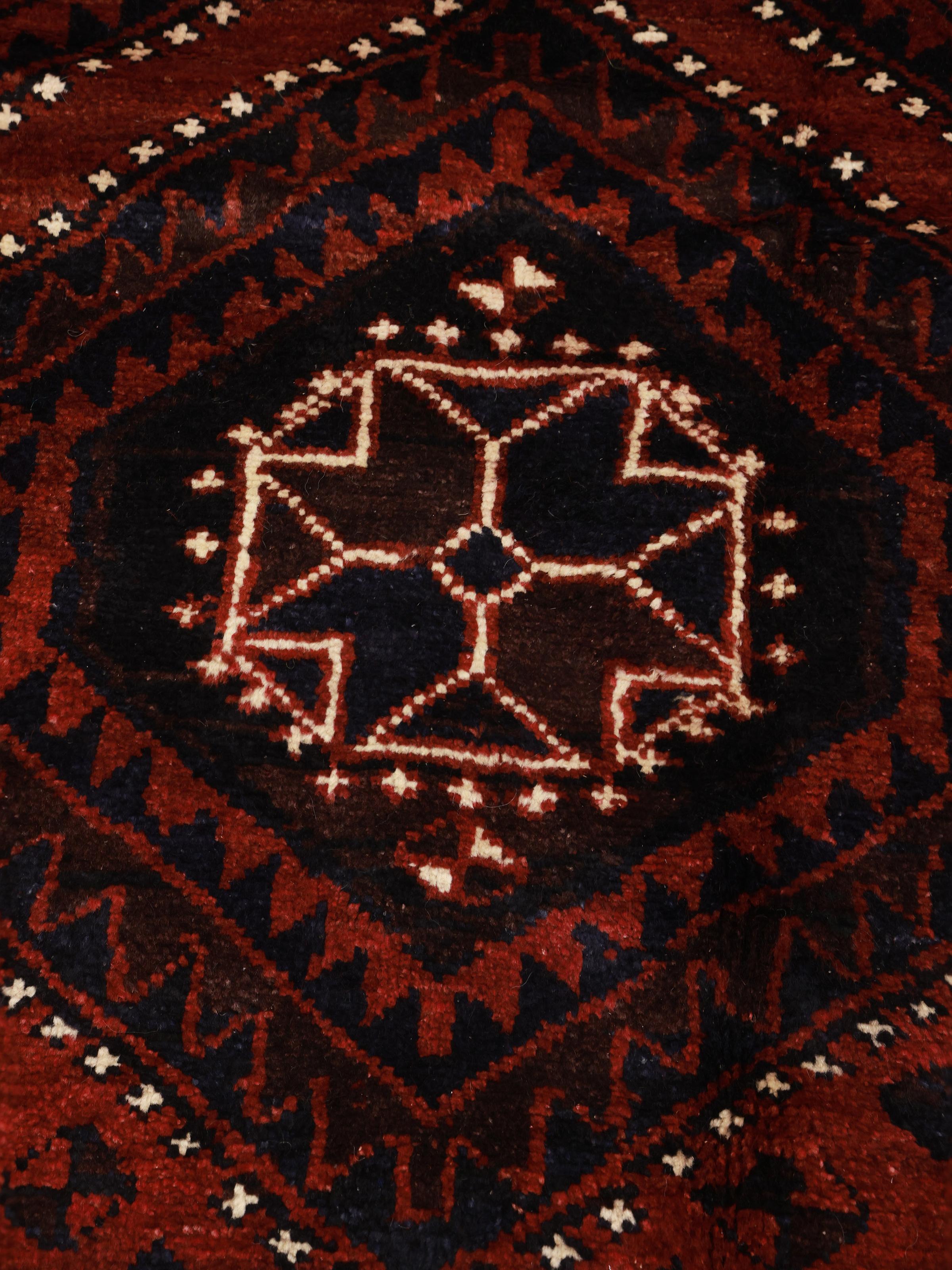
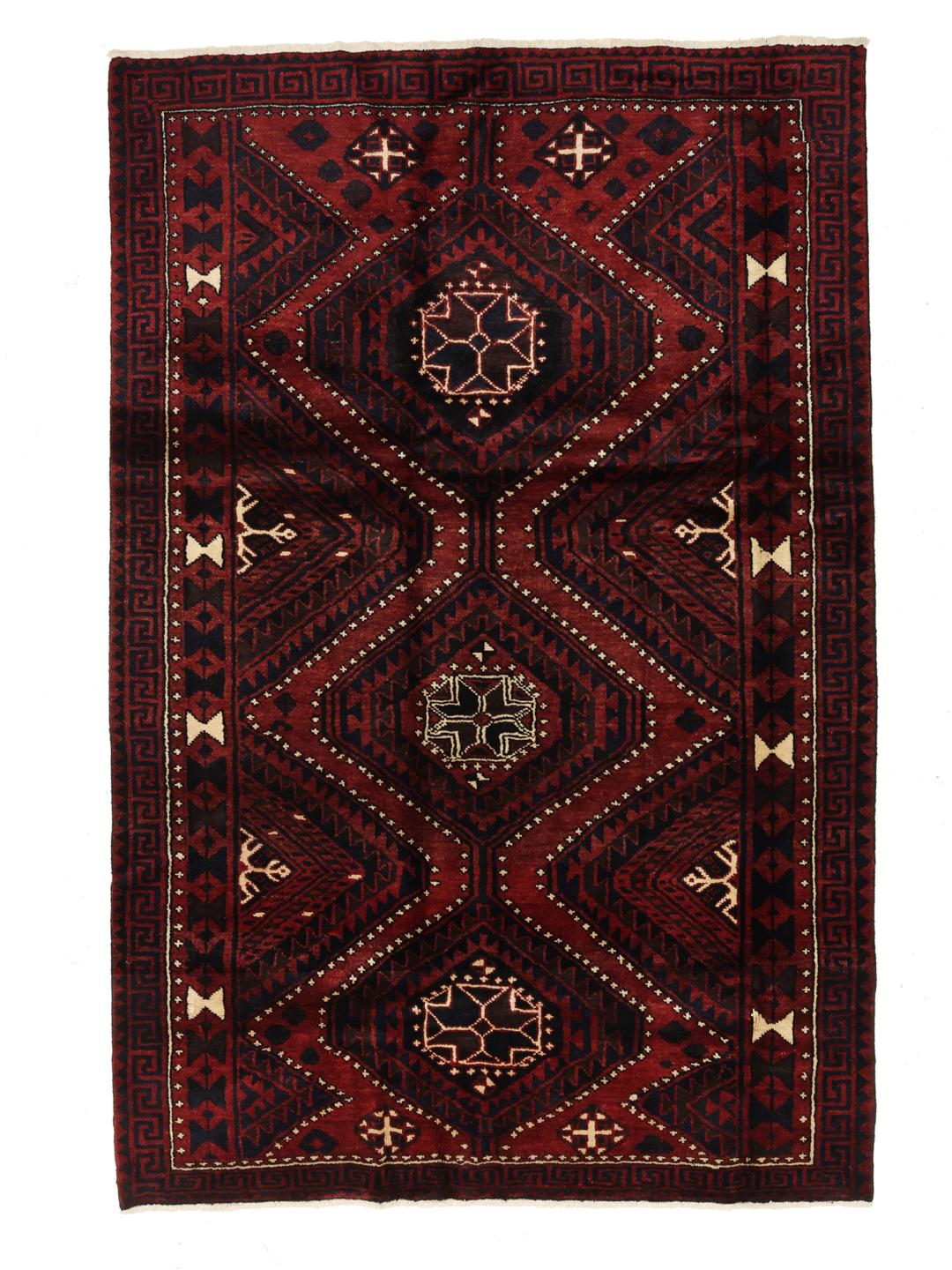
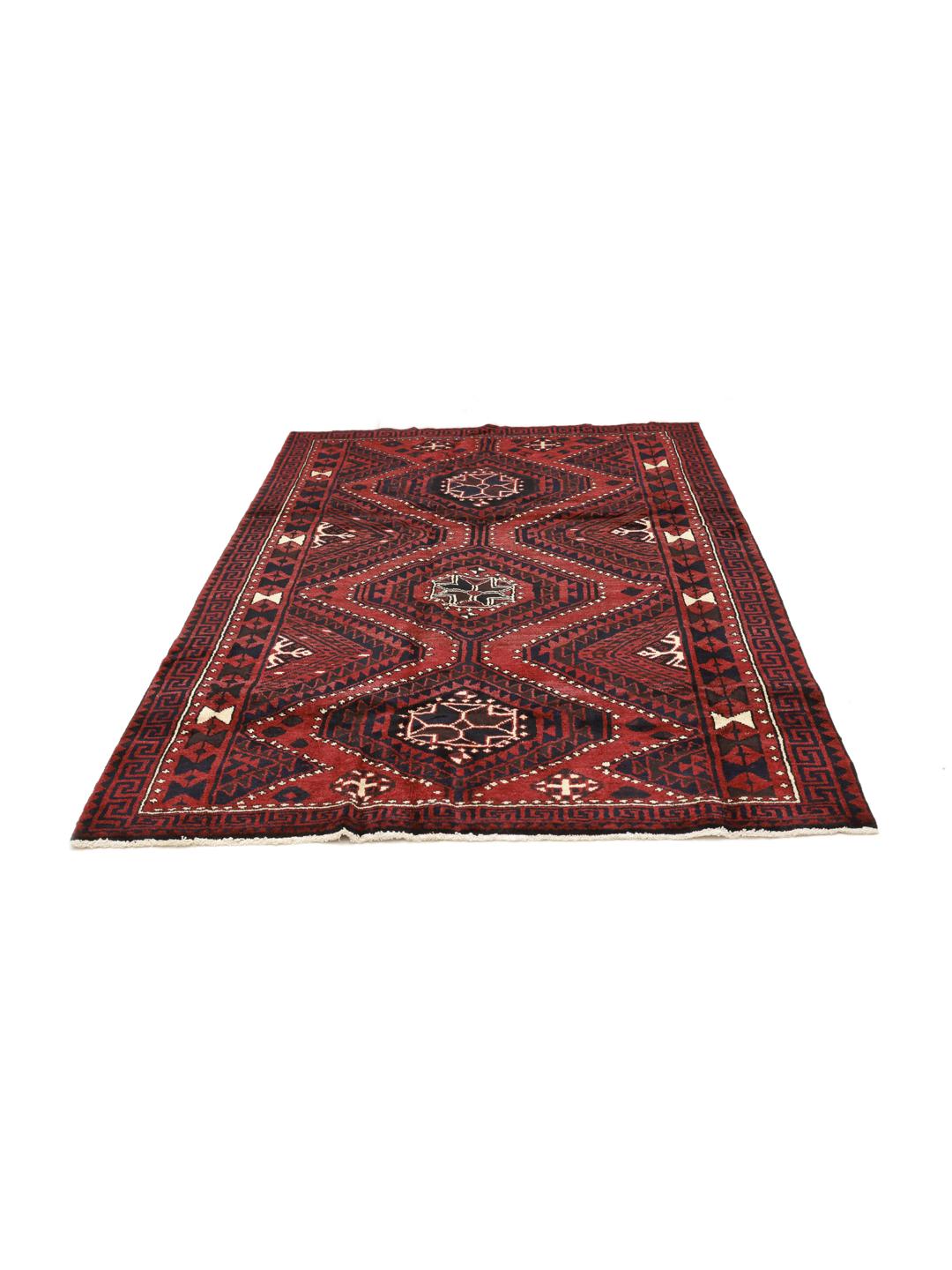
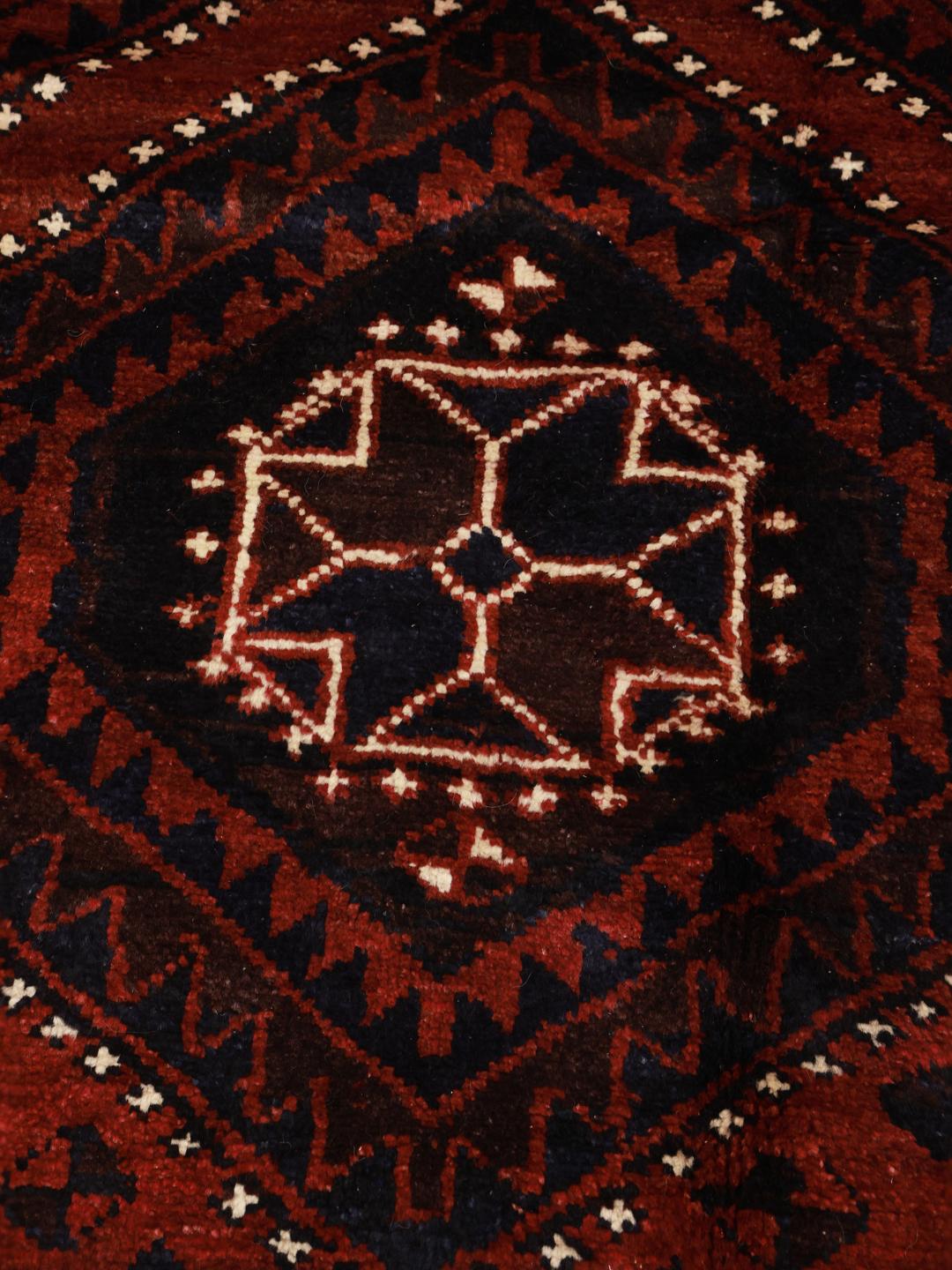
Visually, these rugs are celebrated for their bold, geometric language. They often feature large, stylized medallions, serrated diamond motifs, and latch-hook symbols that represent tribal identity and protection. The colour palette typically relies on deep, earthy reds and blues derived from natural dyes, which develop a beautiful, mellow patina as the rug ages, making them highly sought after by collectors.
Today, Lori rugs are valued as much for their cultural narrative as for their aesthetic appeal. Owning one is an investment in a living tradition, representing a link to the nomadic craftspeople who developed these unique visual vocabularies. They are collected not just for their lasting quality, but for the story they tell about the intersection of utility, art, and regional heritage.