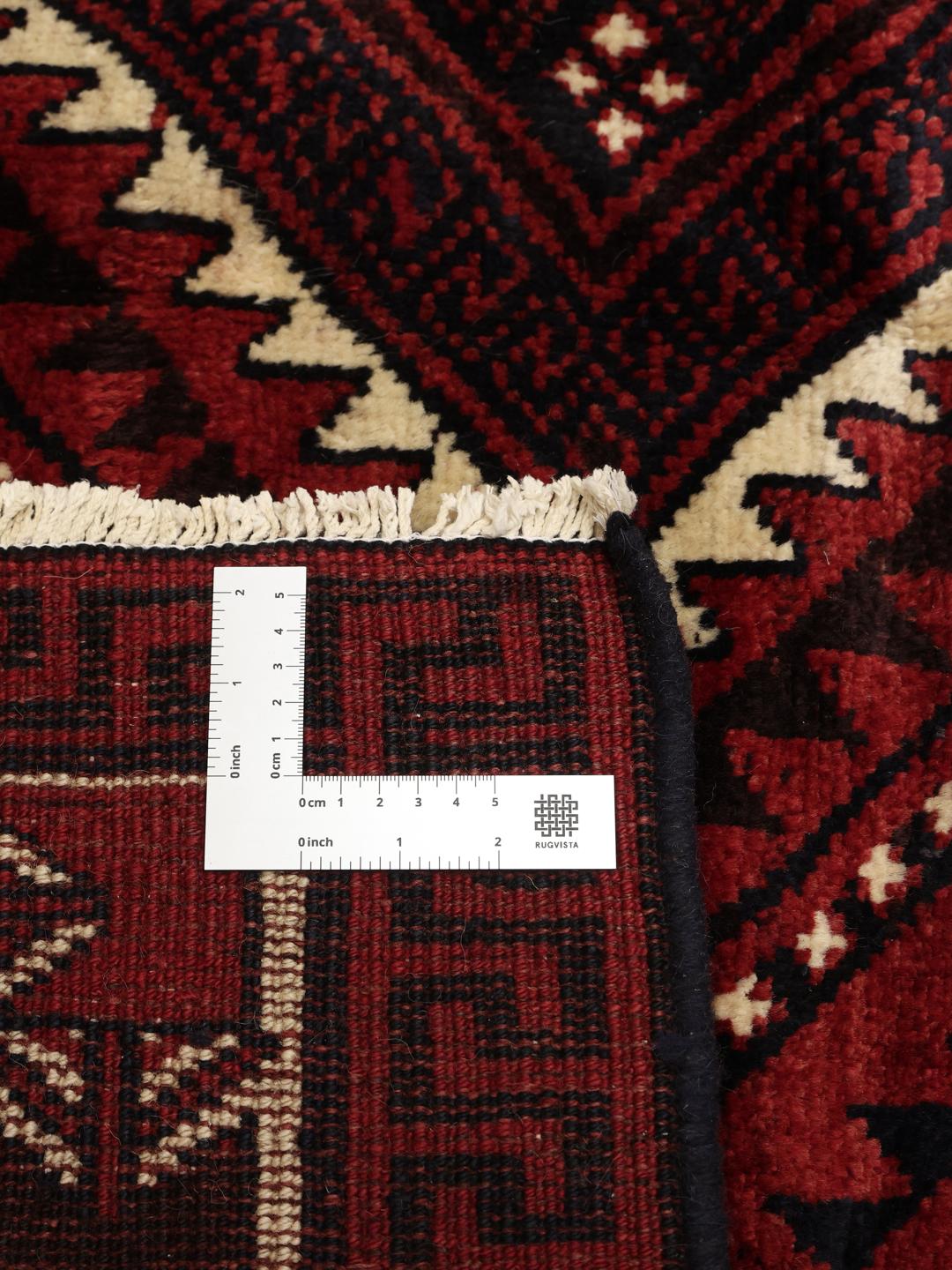
Lori rugs originate from the mountainous regions of the Middle East, crafted by the nomadic Lori tribes. These people have a long history of weaving, deeply rooted in their migratory lifestyle, where the rug served as both a functional floor covering and a canvas for tribal identity. The designs are typically passed down through generations, maintaining a connection to the landscape and the cultural narratives of the tribe.
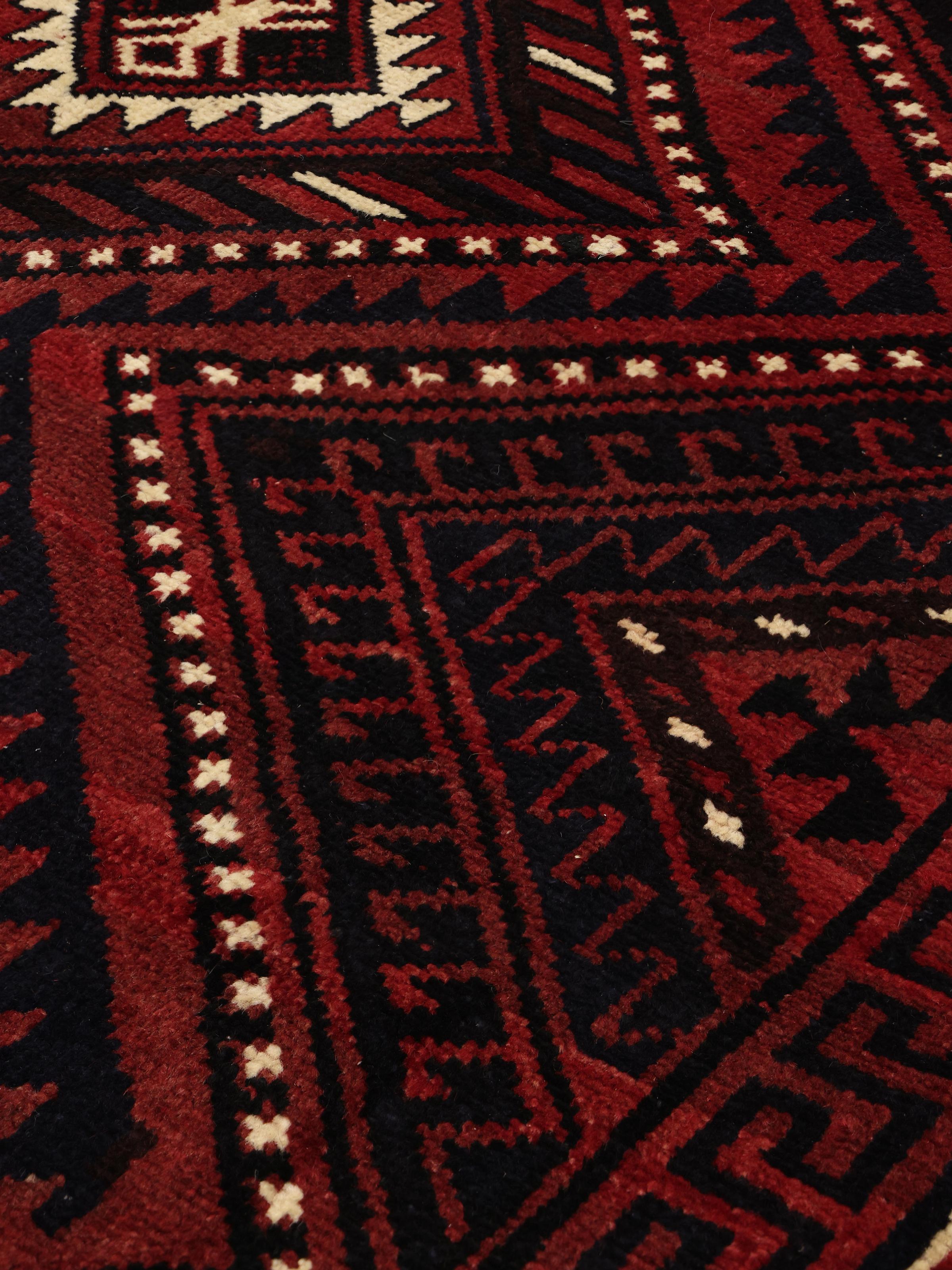
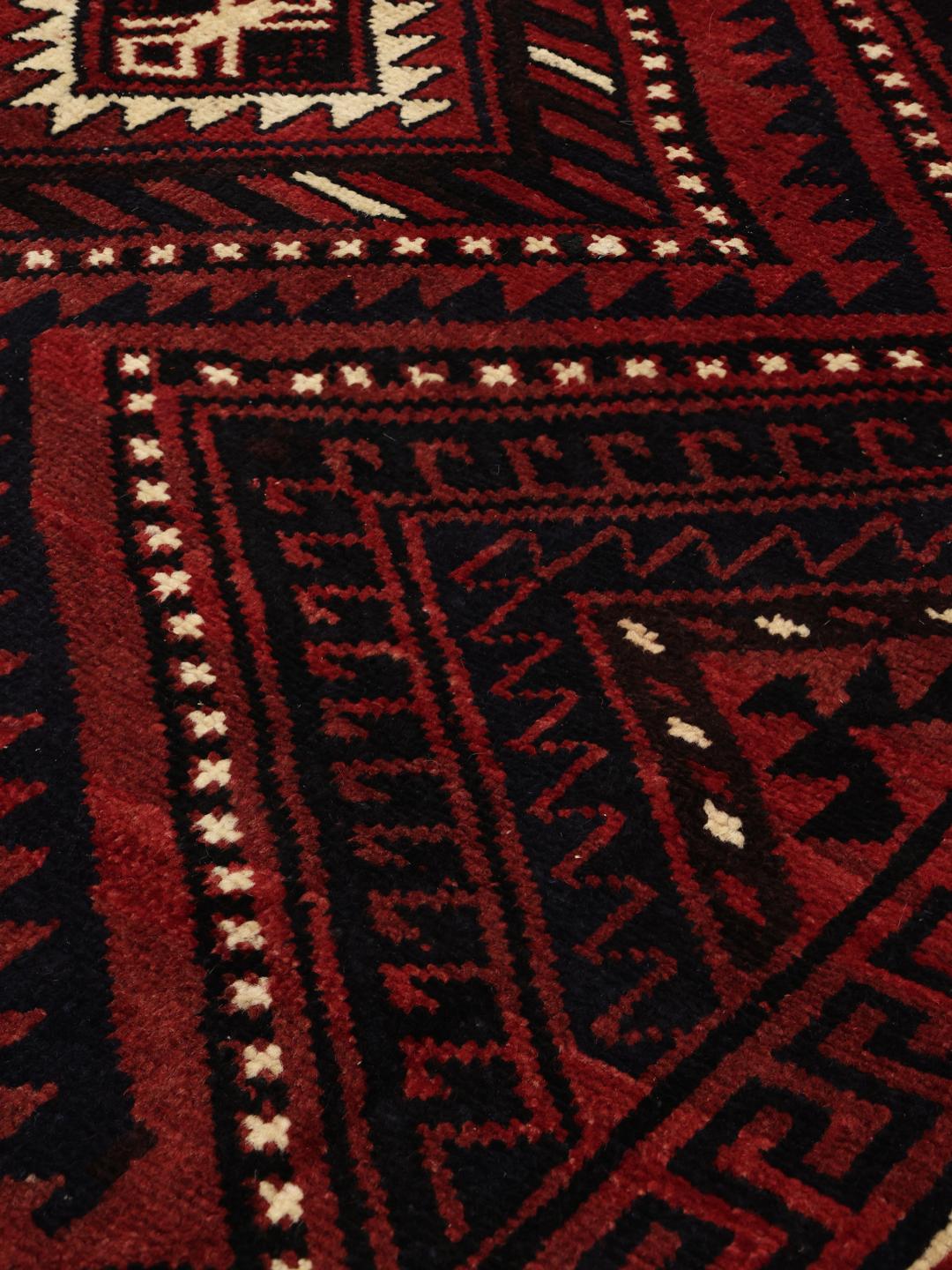
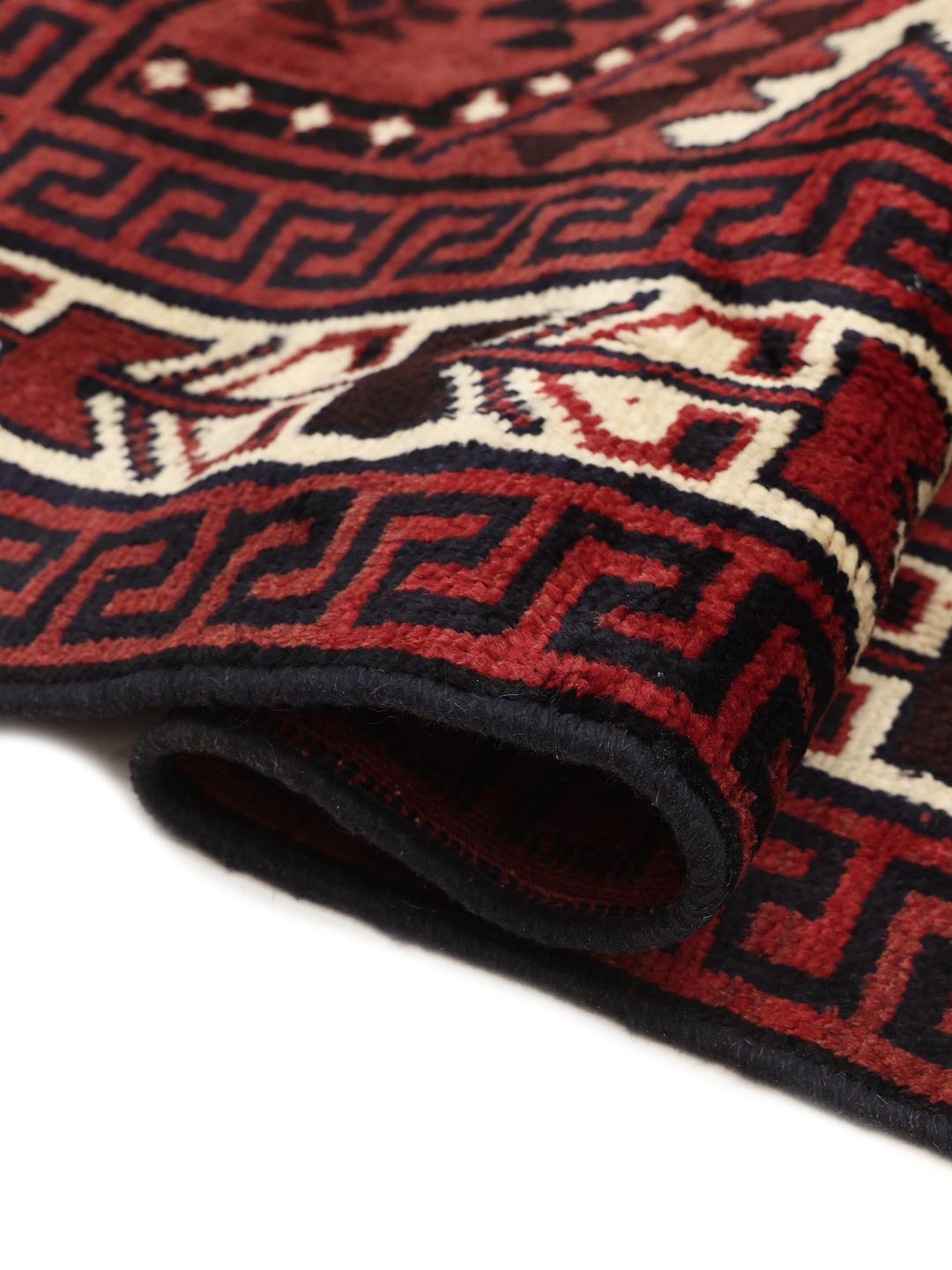
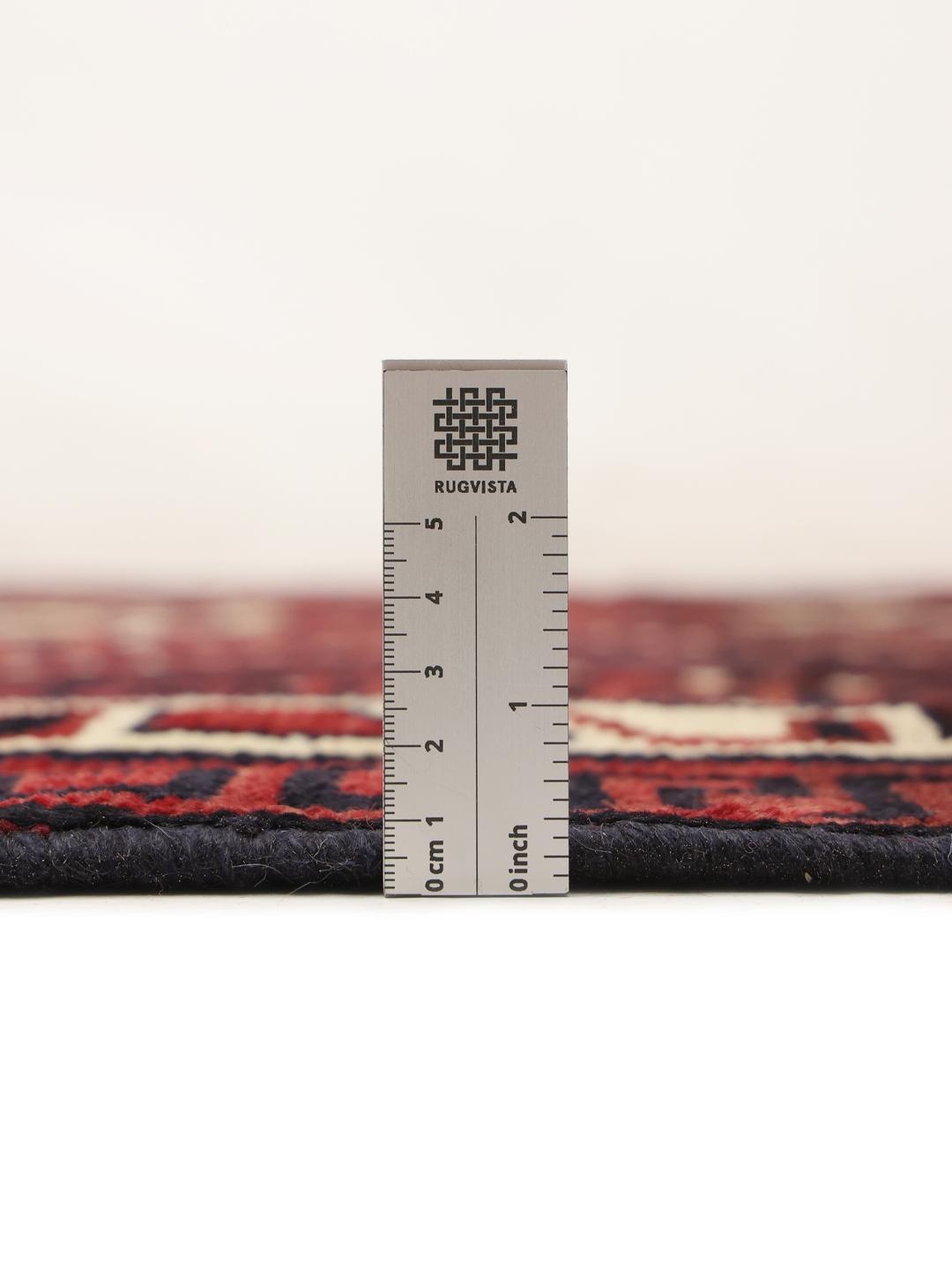
The term 'hand-knotted' refers to the traditional technique where individual strands of wool are tied to a foundation. This method is the hallmark of high-quality craftsmanship, allowing for intricate designs and a durable pile that can withstand decades of use. The specific nature of Lori weaving often results in a robust, slightly thicker pile that is highly valued for its resilience and ability to ground a space.
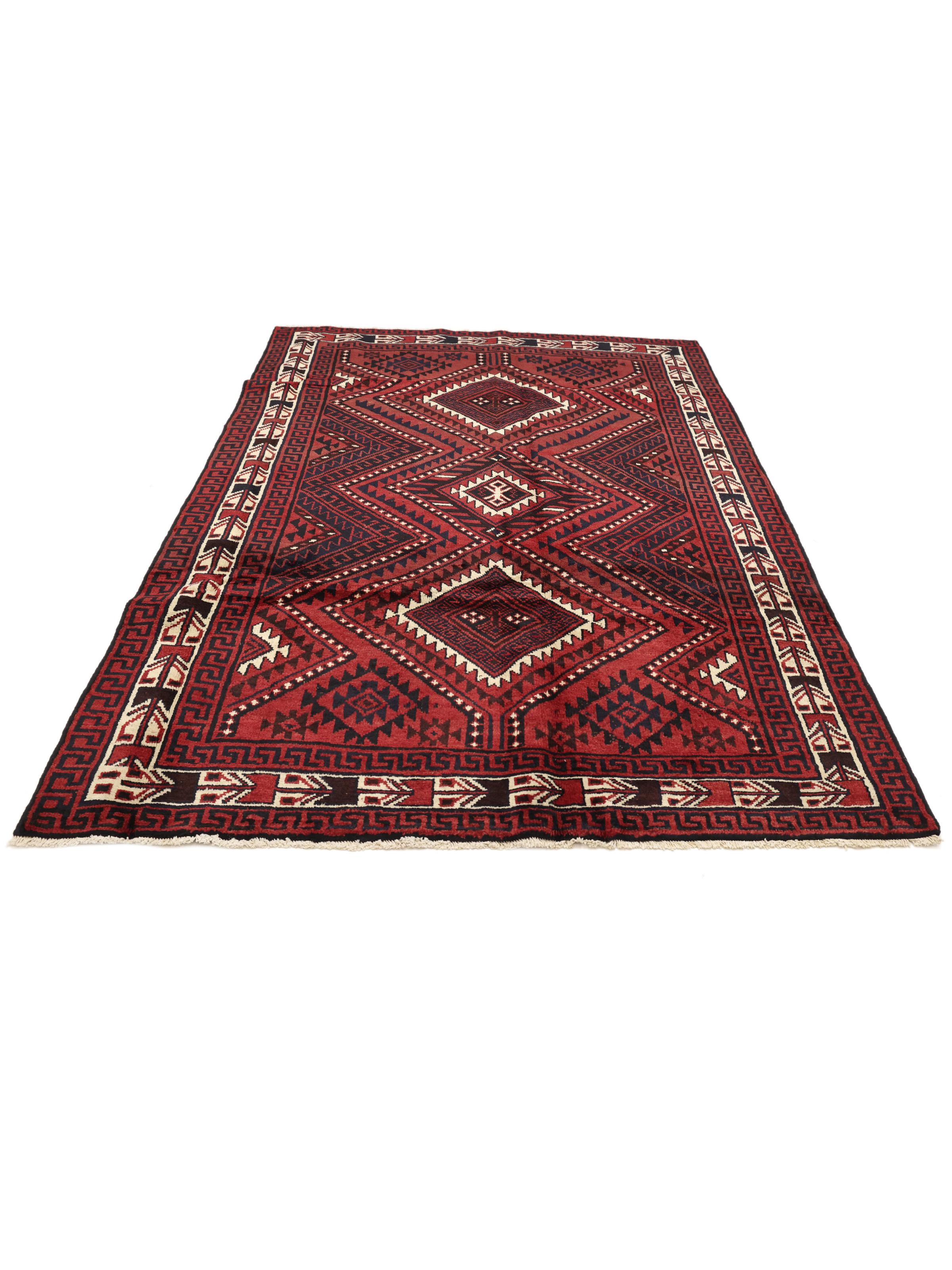
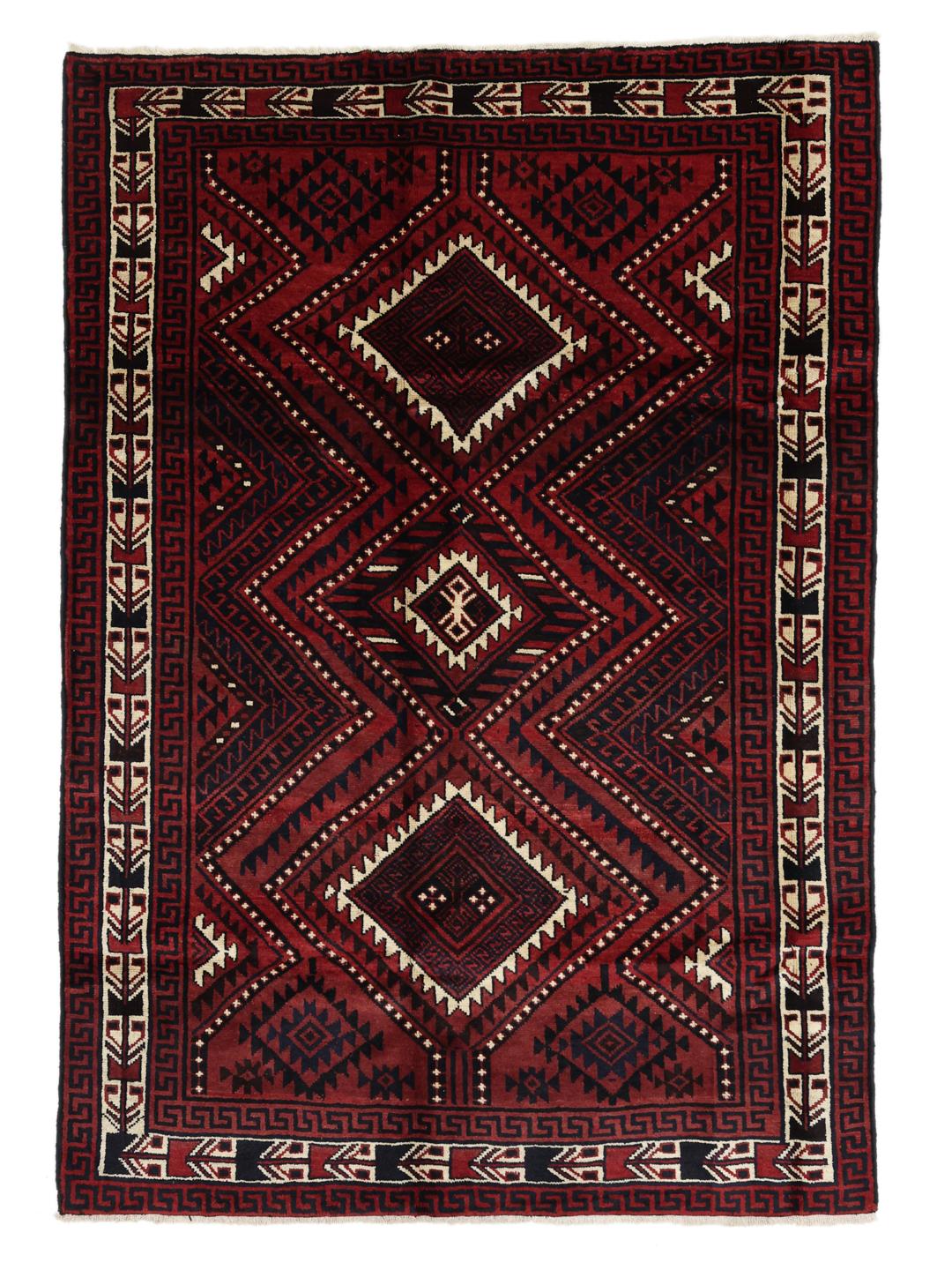
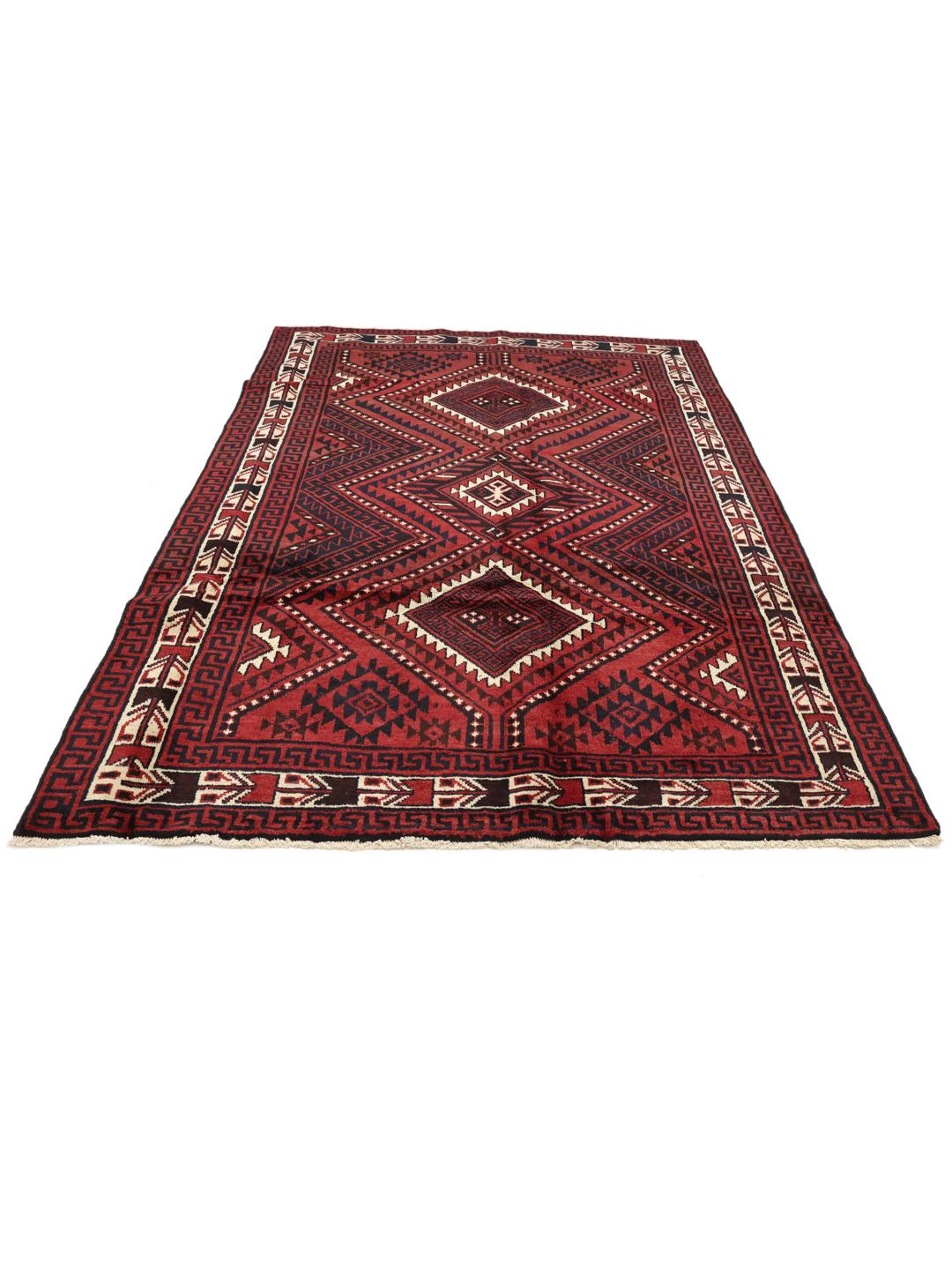
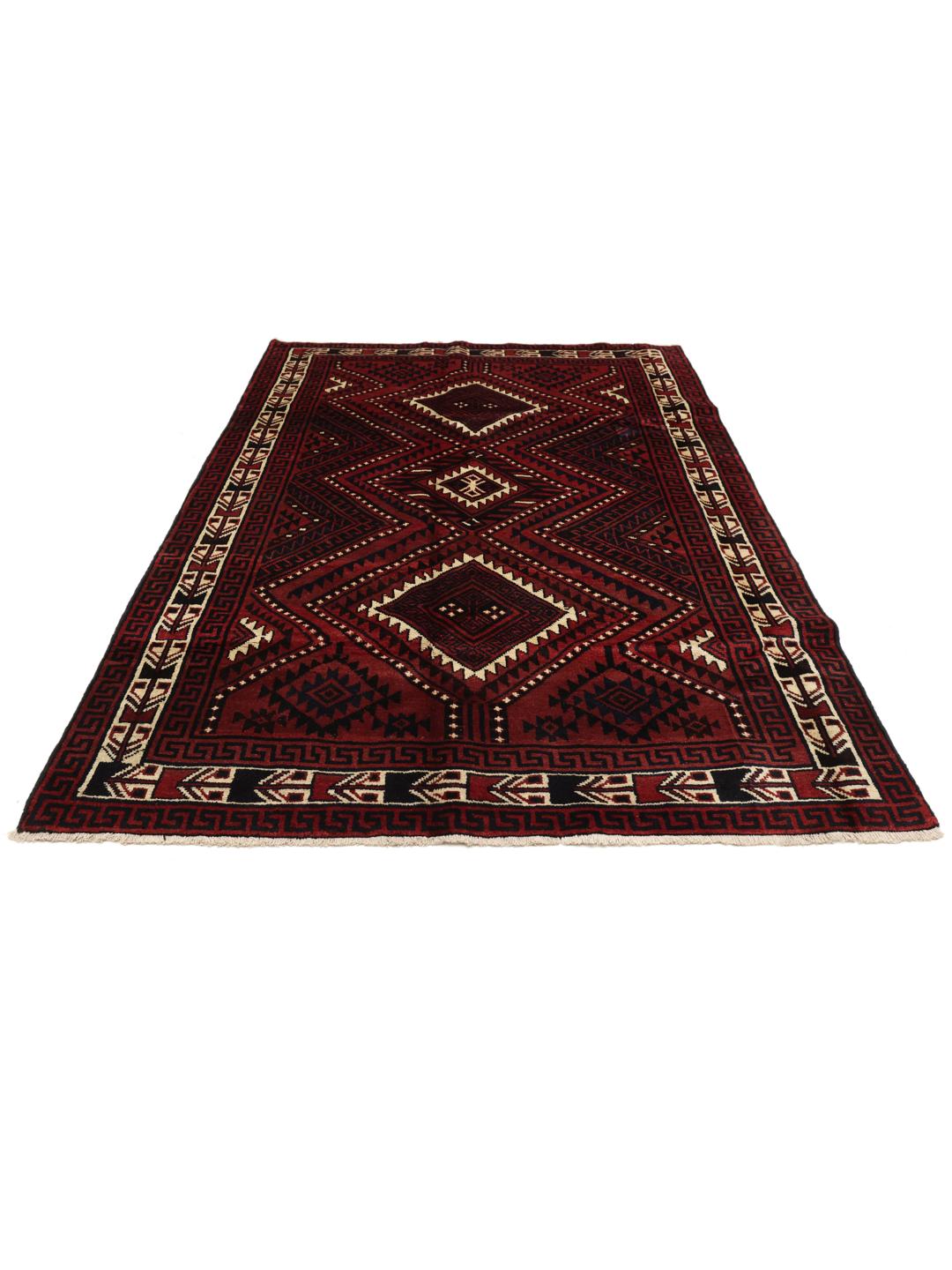
Visually, Lori rugs are celebrated for their bold, geometric language. They often feature large, stylized medallions, diamonds, and hooked motifs that reflect the weavers' environment. The colour traditions are equally distinct, frequently utilising deep reds, blacks, and natural tones derived from local dyes. This particular piece showcases these signature elements, with a composition that is both balanced and dynamically expressive.
Today, these rugs are highly sought after by collectors who value the authenticity and human story behind each piece. Owning a Lori rug is an investment in cultural heritage, representing a level of skill and artistic tradition that remains largely unchanged by modern technology. It is a piece that brings both history and a sense of enduring quality to any contemporary home.