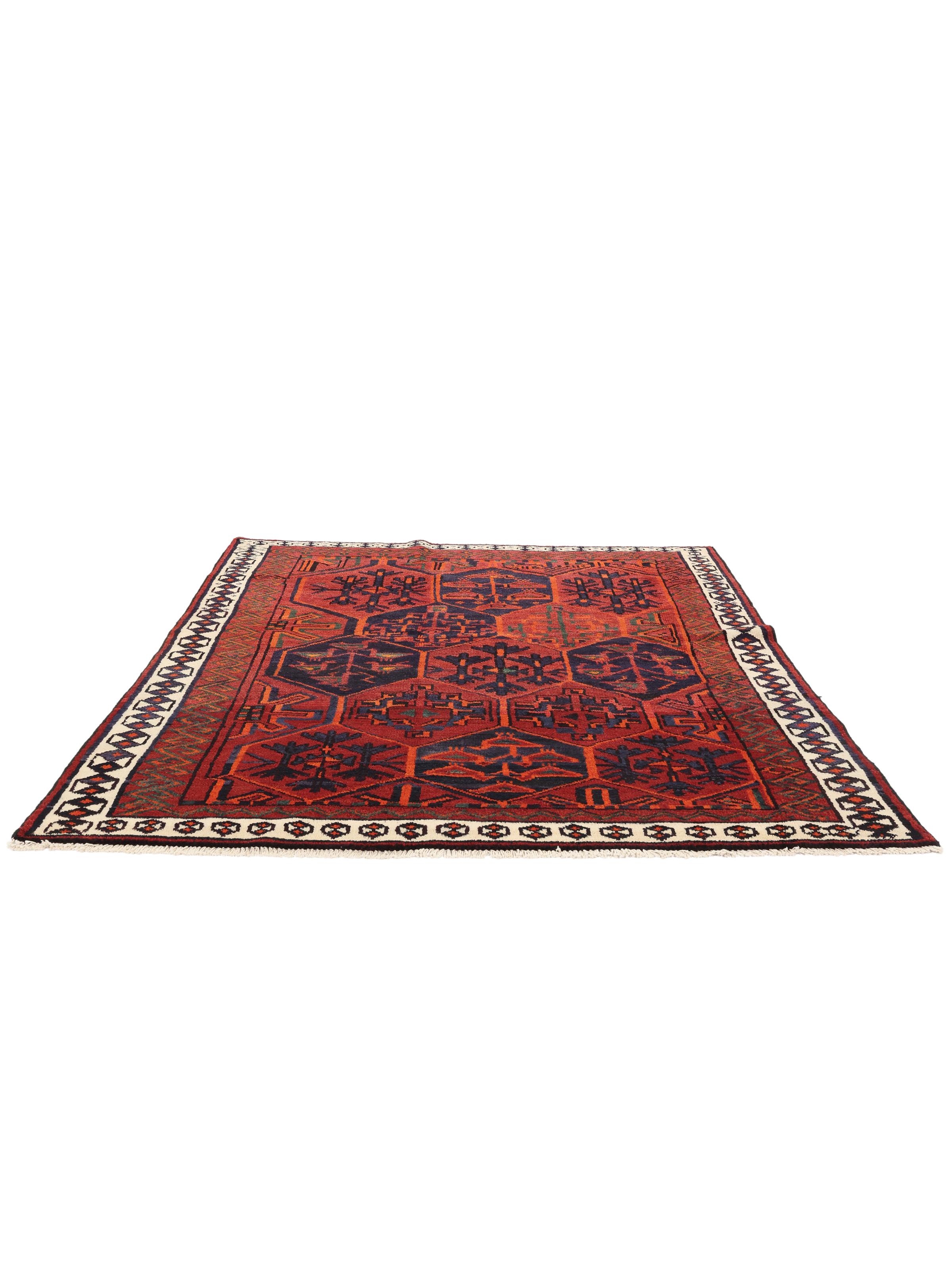
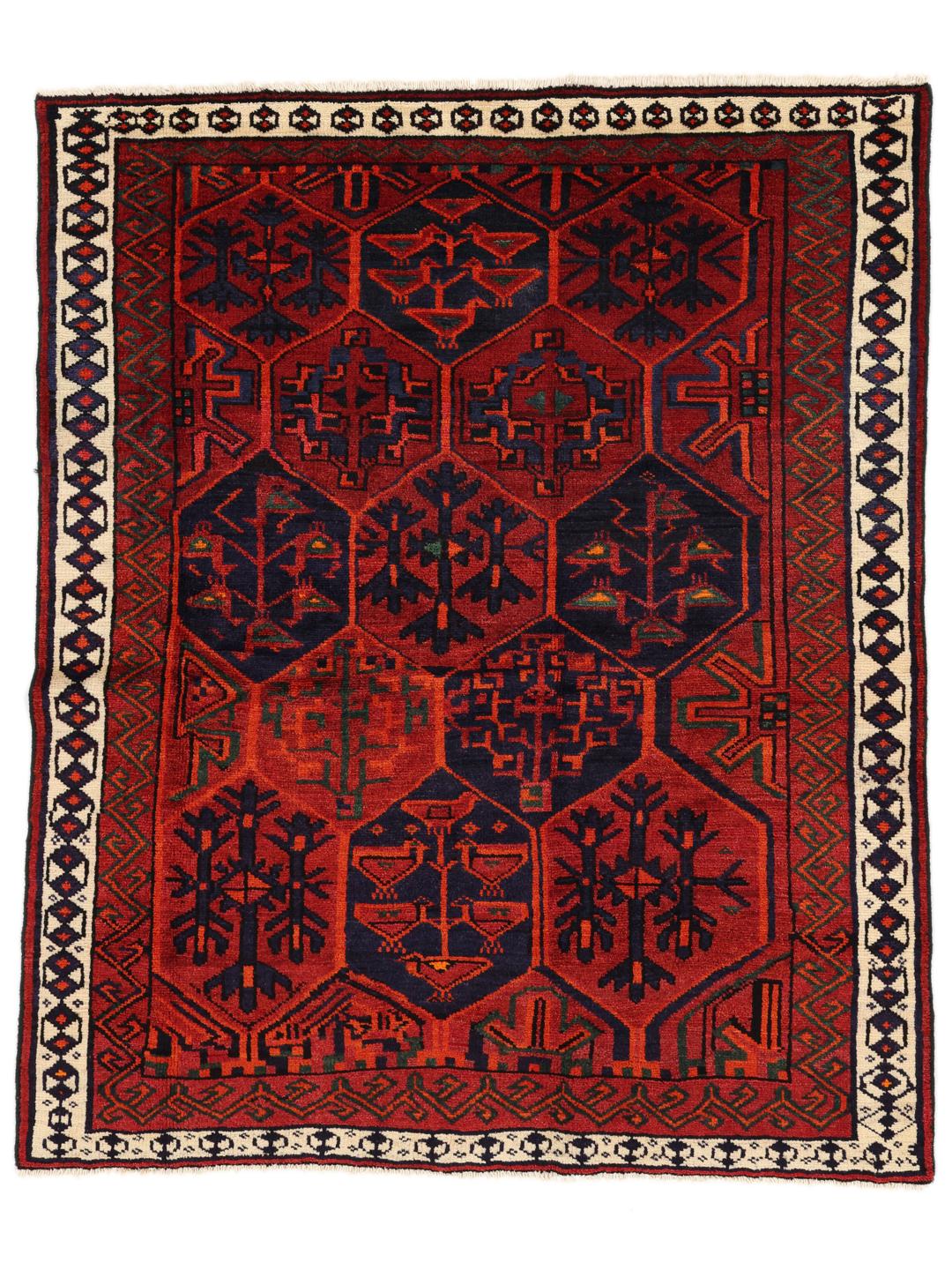
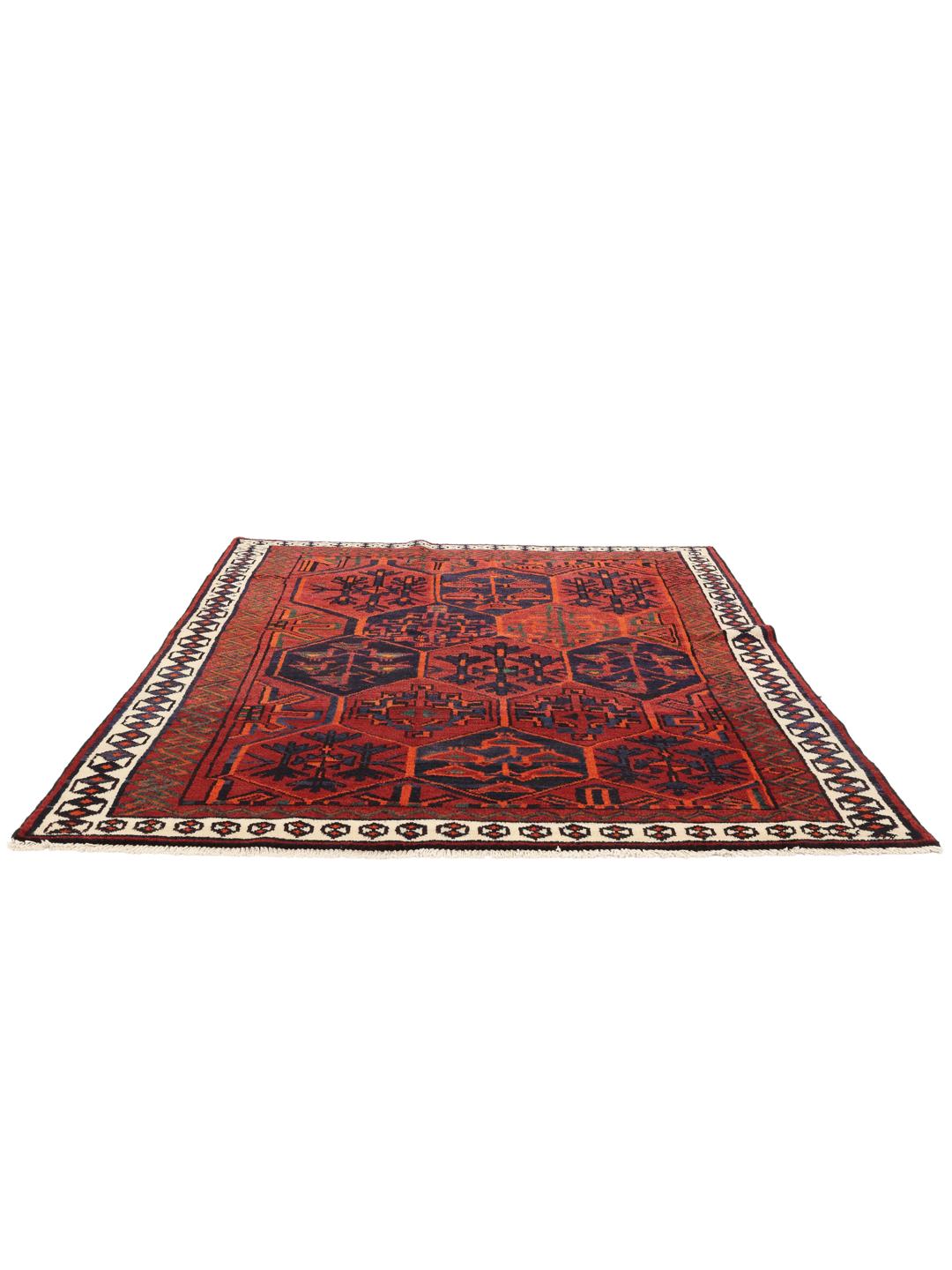
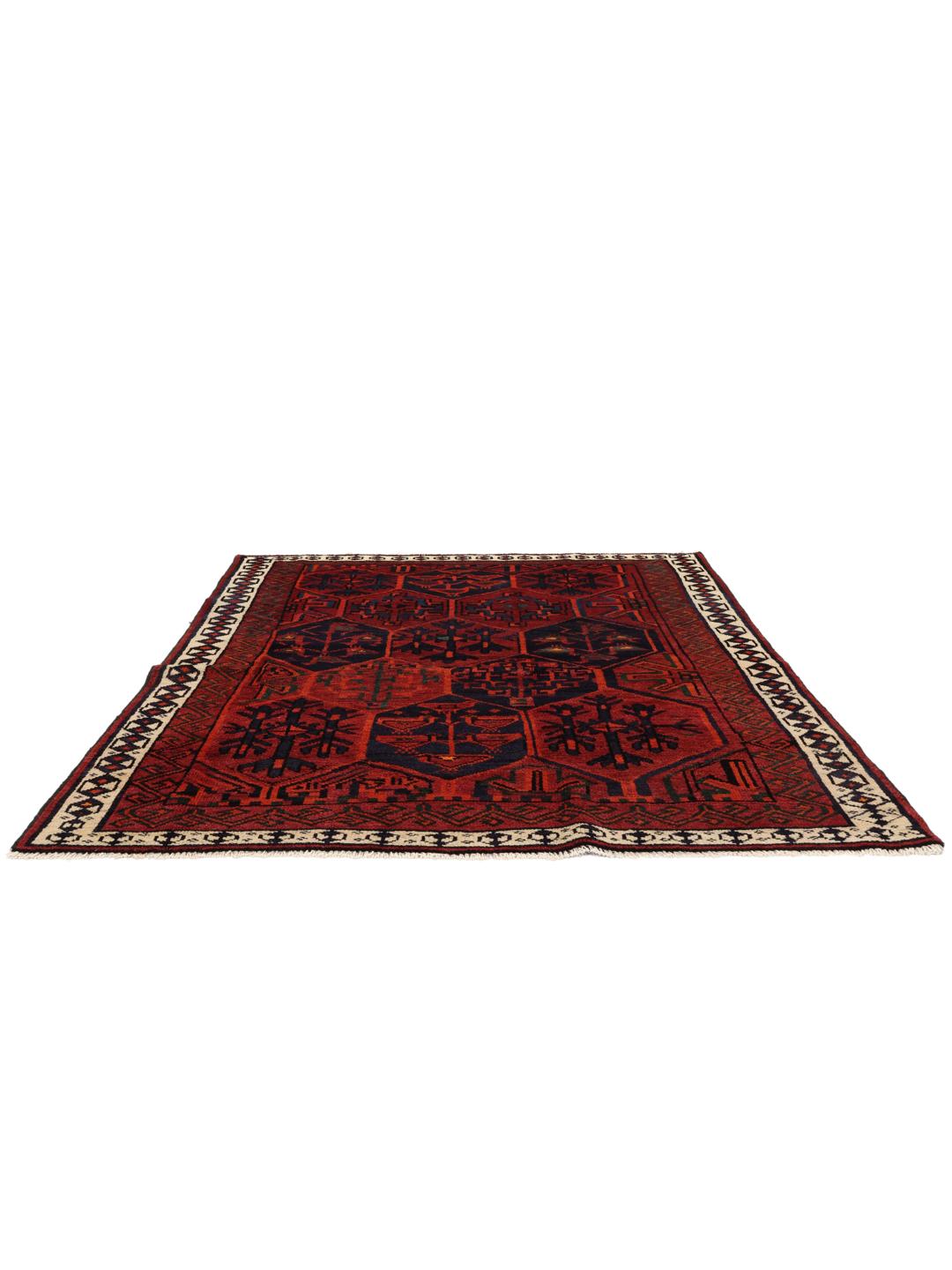
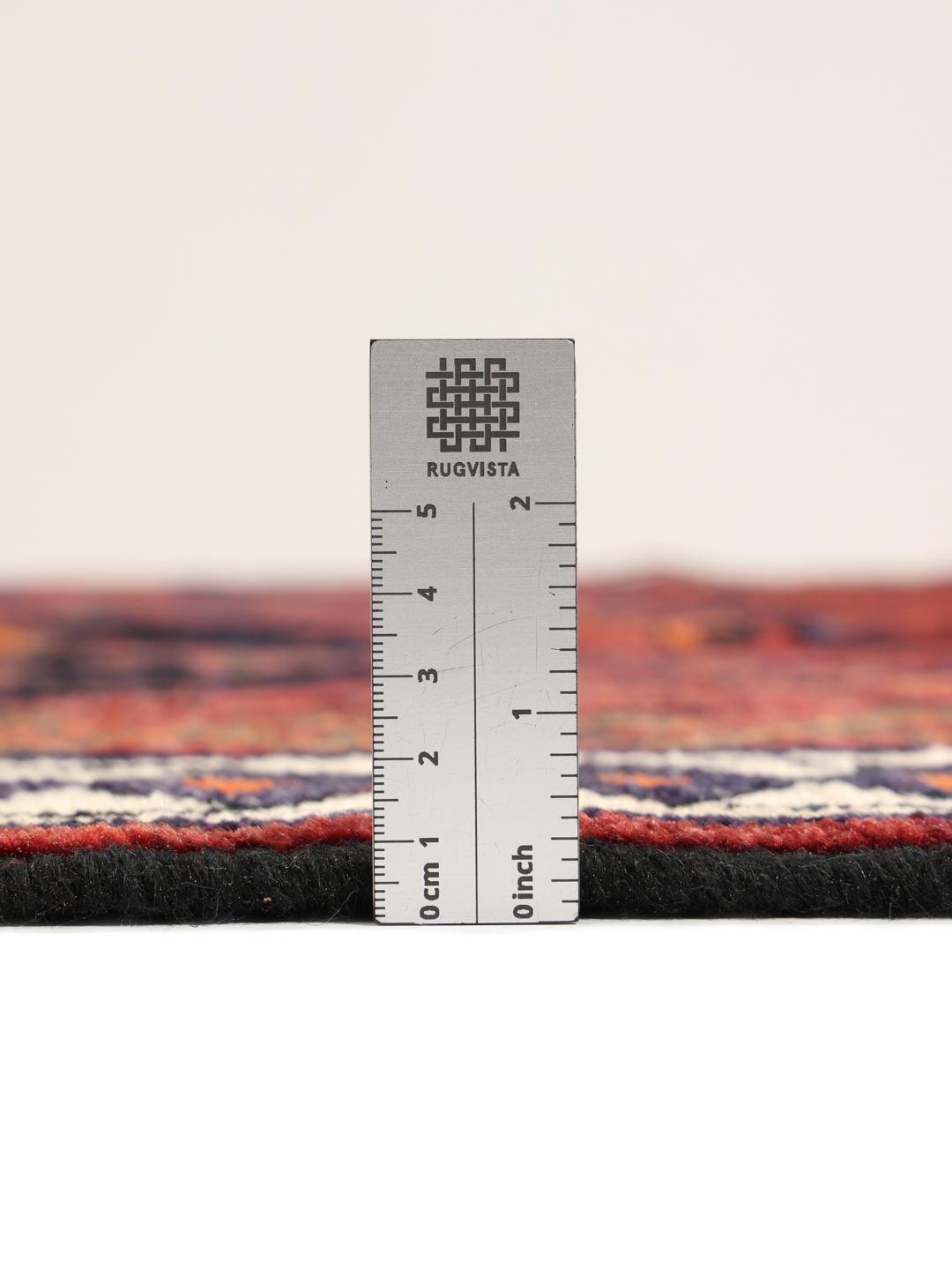
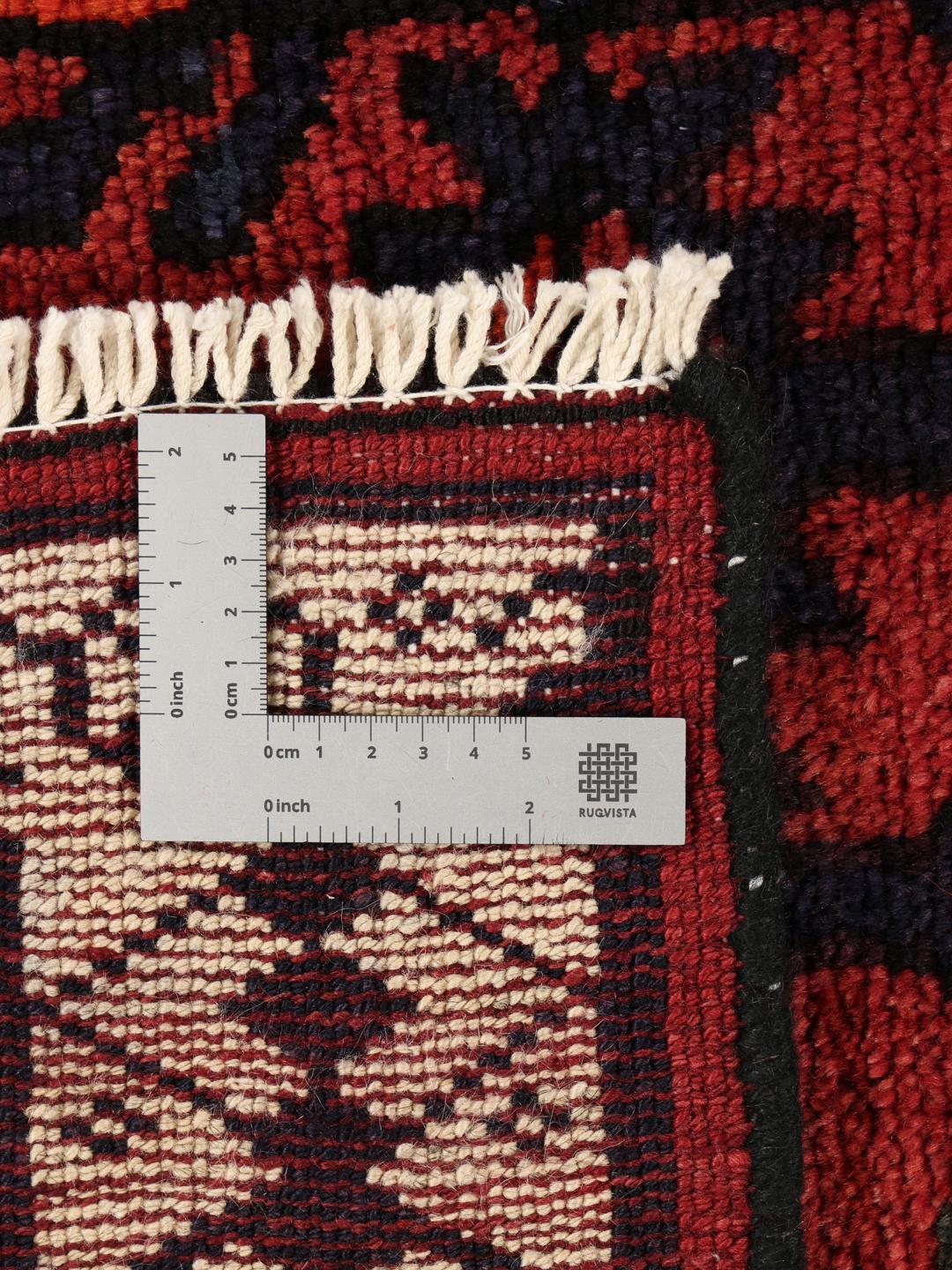
Lori rugs find their cultural roots among the nomadic tribes of the Middle East, specifically the Lurs people. Traditionally, these rugs were woven for personal use within the home, serving as floor coverings, saddlebags, or blankets during seasonal migrations. Because they were created for the weaver's own environment, they reflect a deep connection to the land and the local traditions of the region.
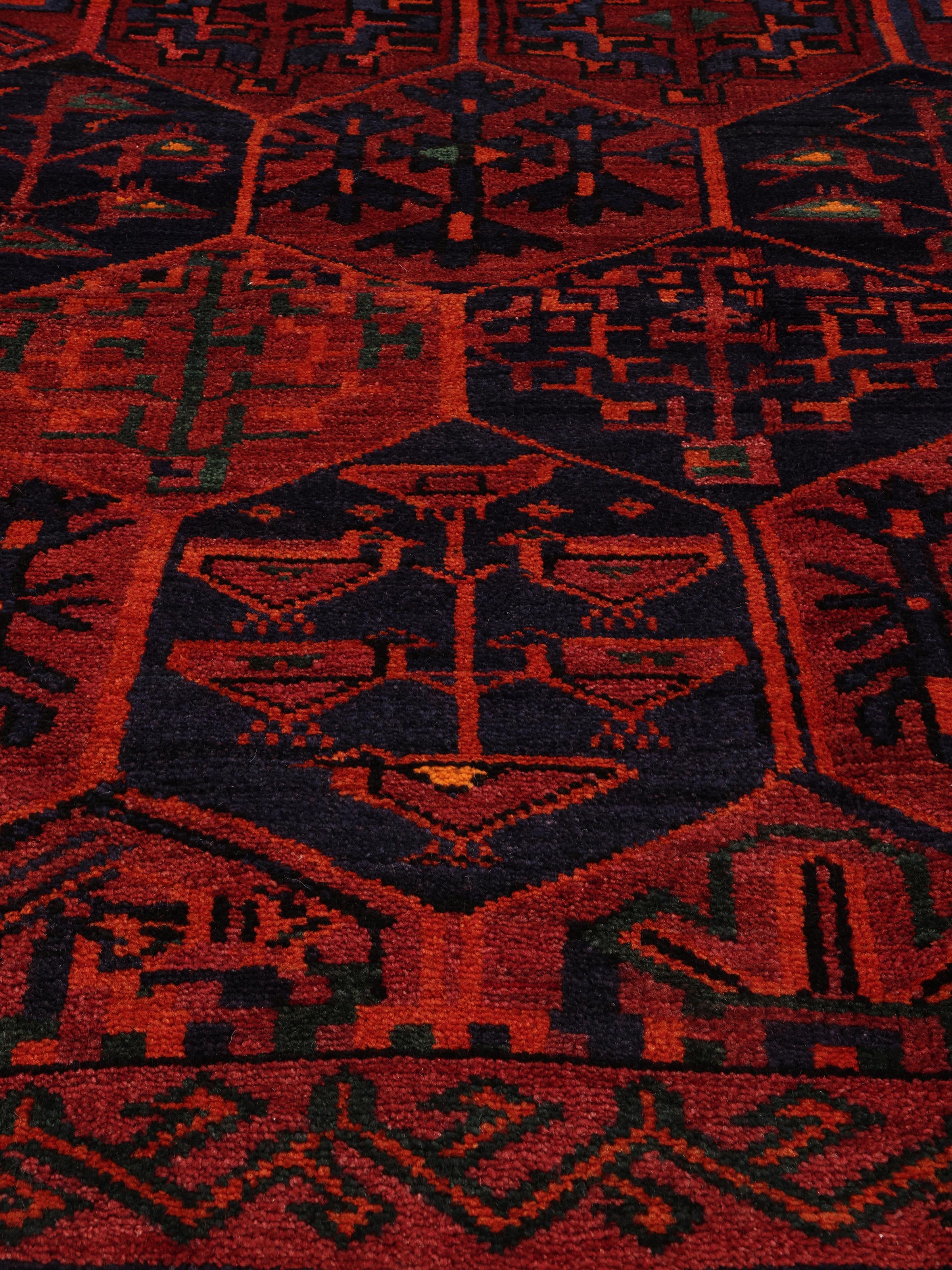
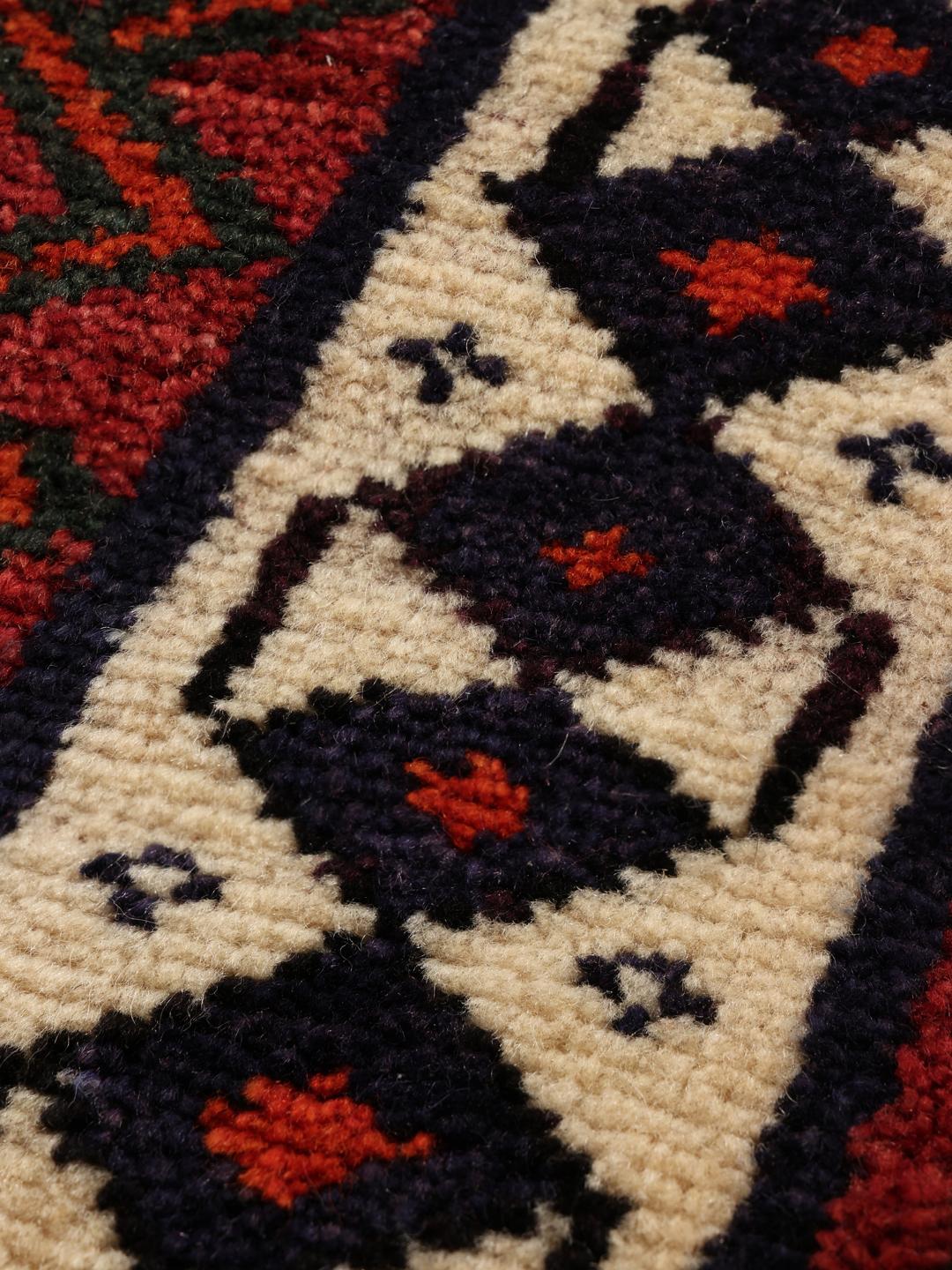
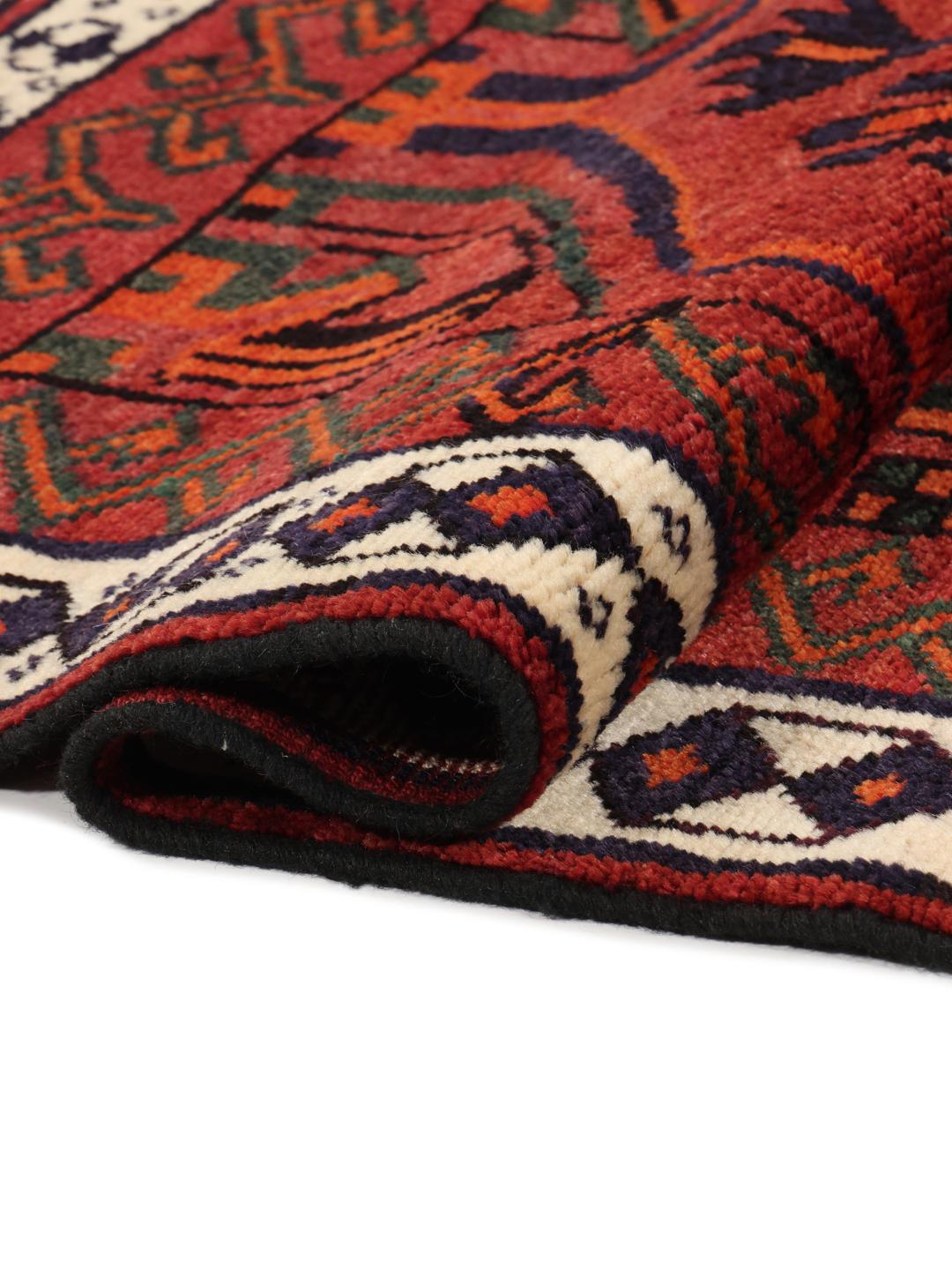
The term Lori refers to both the people and the distinctive style of weaving they developed. These rugs are known for their sturdy construction and the use of natural dyes, which give the Wool a vibrant, variegated appearance that evolves beautifully over time. The technical skill involved in managing the tension of the loom ensures that these rugs are built to withstand the rigours of nomadic life, a quality that makes them exceptionally durable in a modern home.
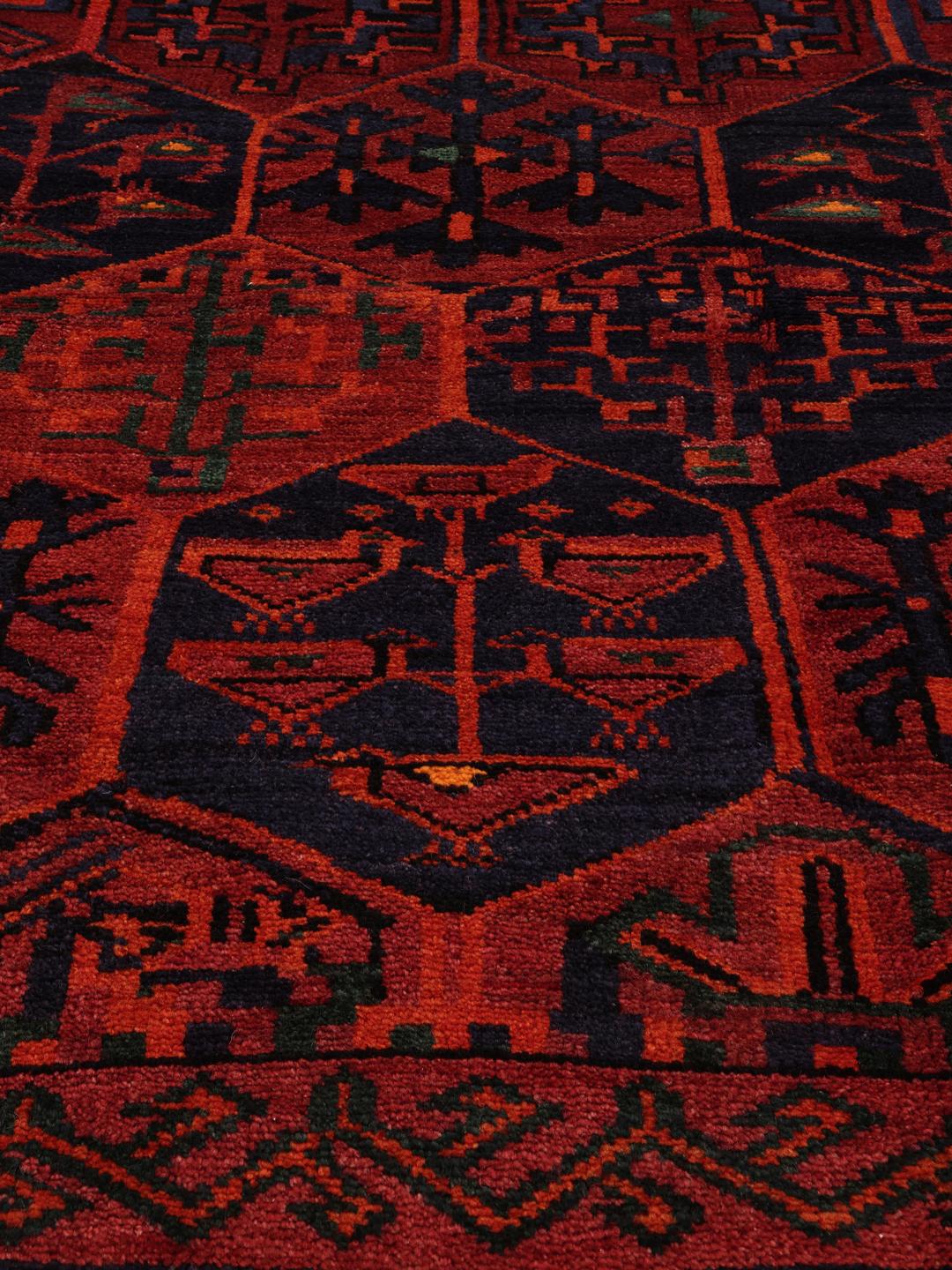
Visually, Lori rugs are celebrated for their bold, geometric designs and stylised pictorial motifs. You will often find repeating patterns of animals, trees, and tribal symbols that hold specific meanings within the culture. The use of deep, resonant colours is a hallmark of this tradition, with the interplay of dark red and blue fields often serving as a canvas for complex, angular shapes that draw the eye.
Today, these rugs are highly sought after by collectors who value authenticity and the preservation of ancient craft techniques. Owning a Lori rug is an opportunity to connect with a history that spans centuries of nomadic artistry. Each piece is a testament to the skill of the weaver and the cultural heritage of the Middle Eastern tribes, making it more than just a floor covering but a piece of living history.