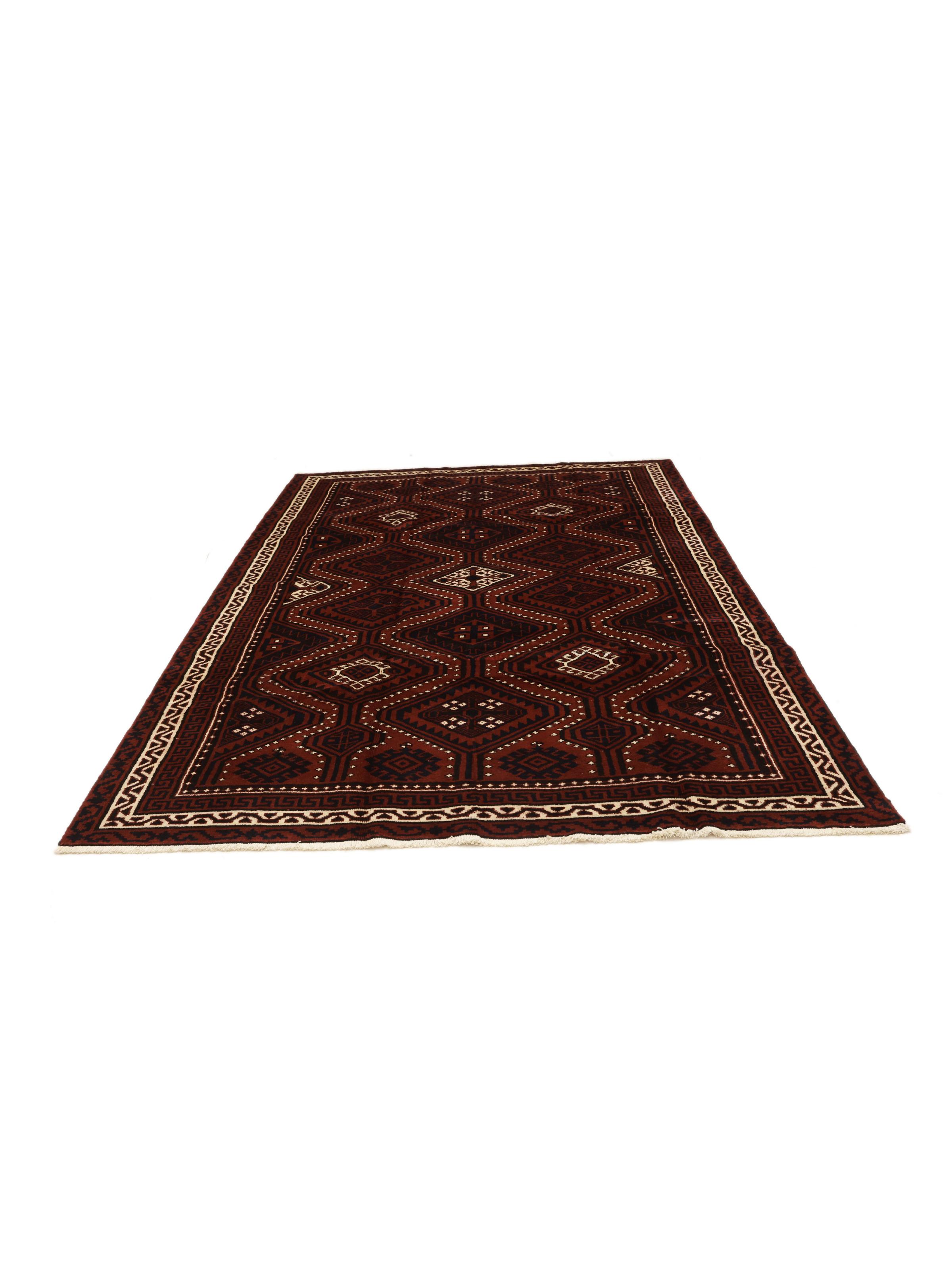
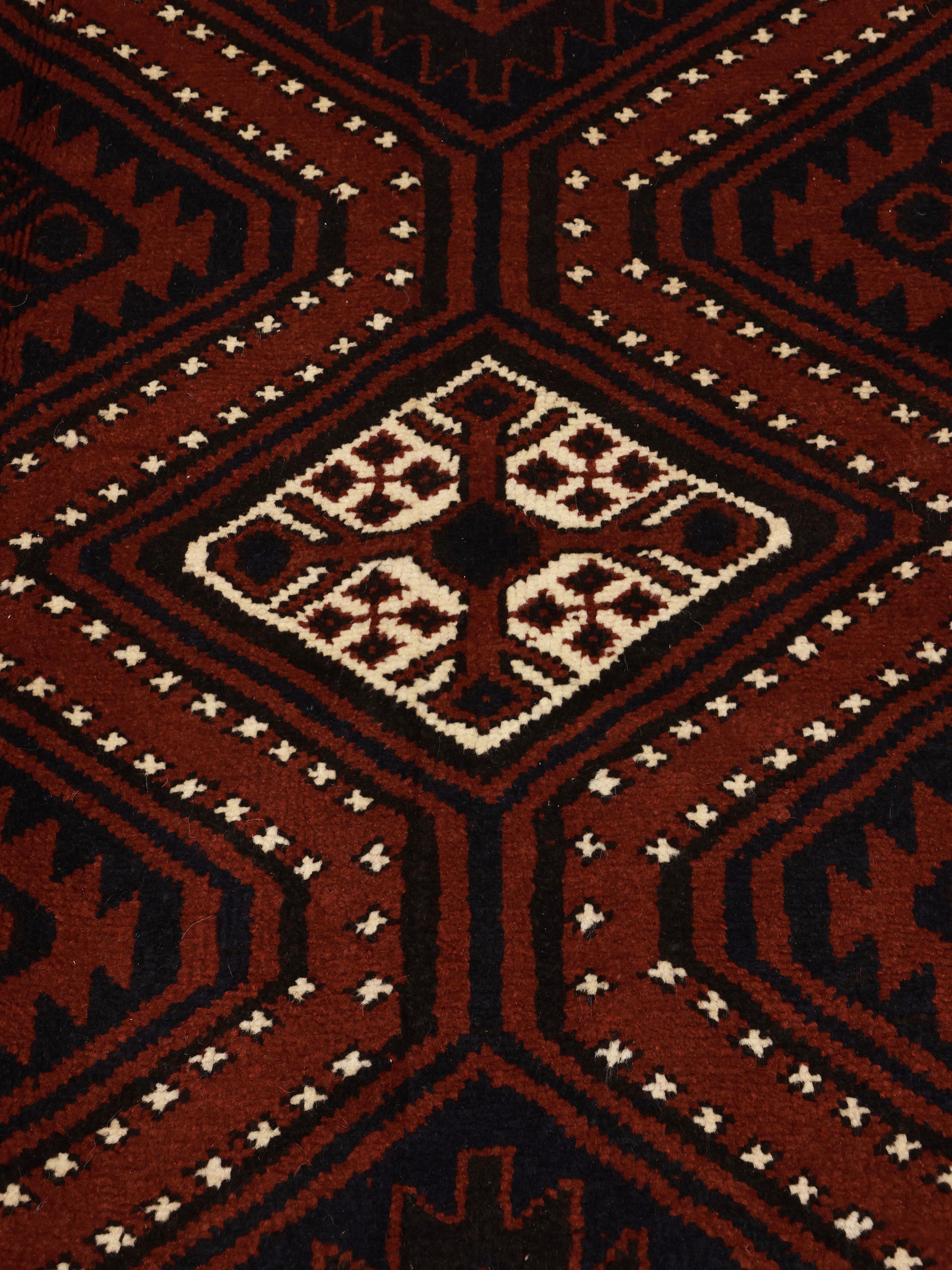
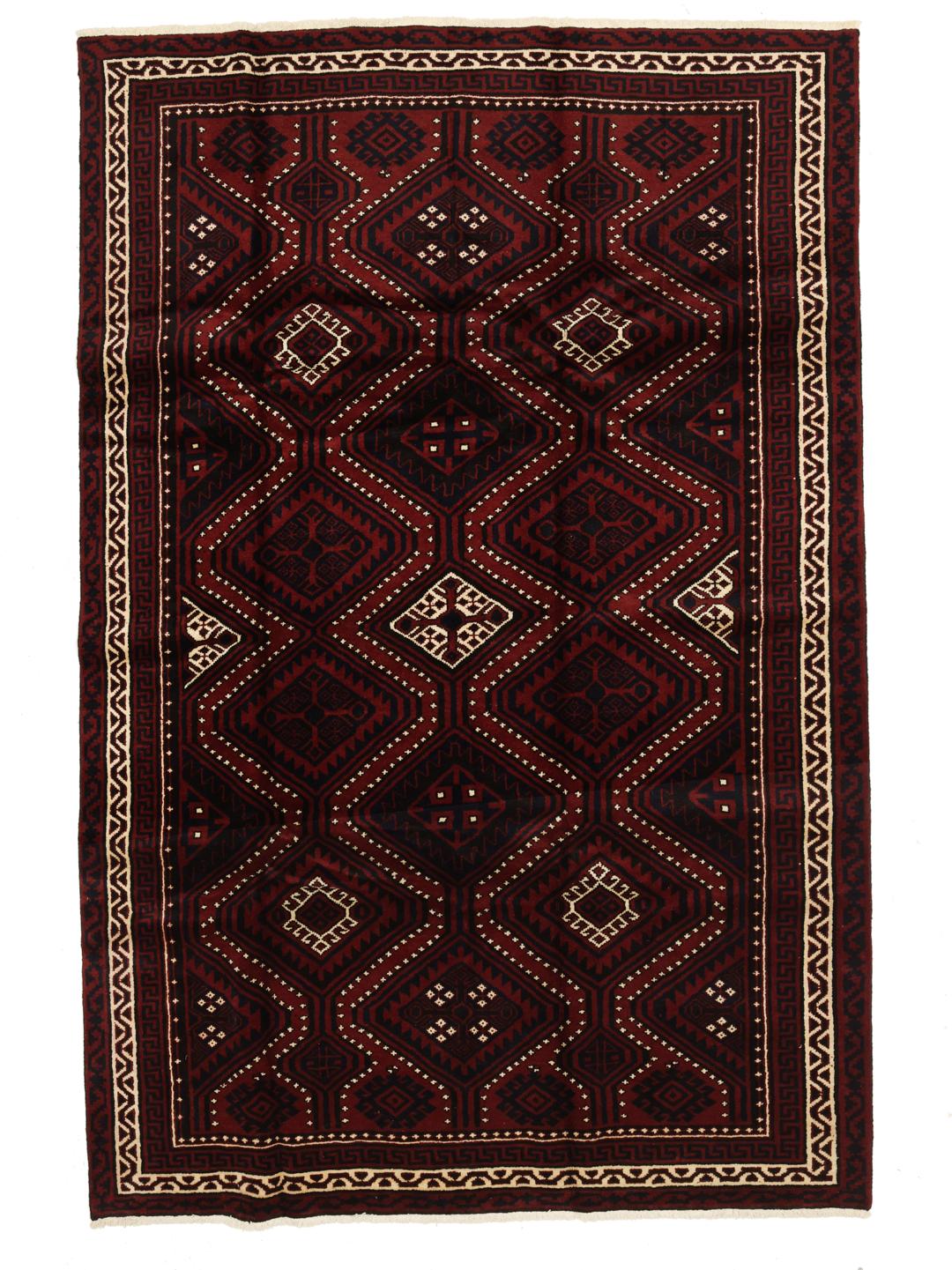
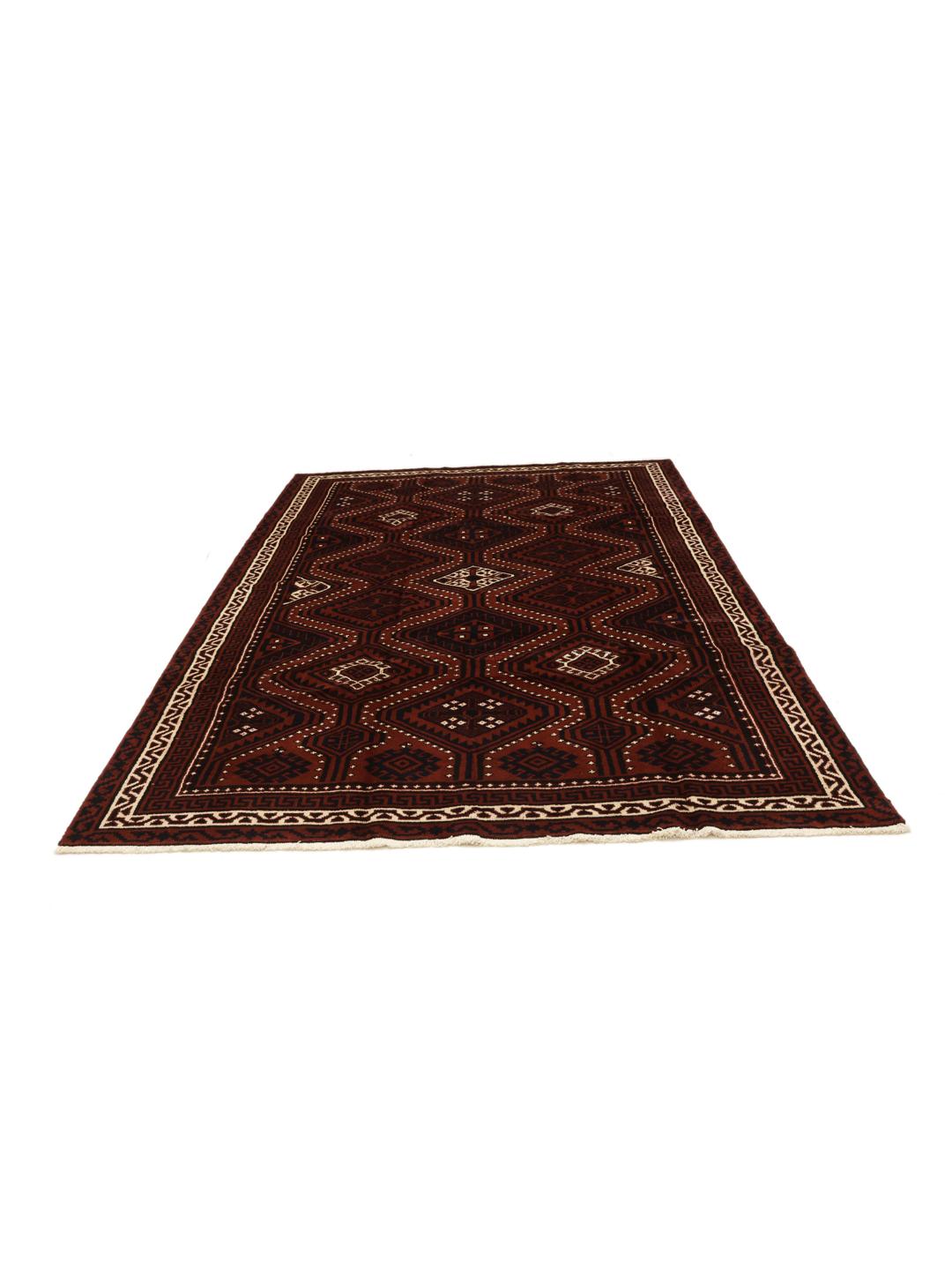
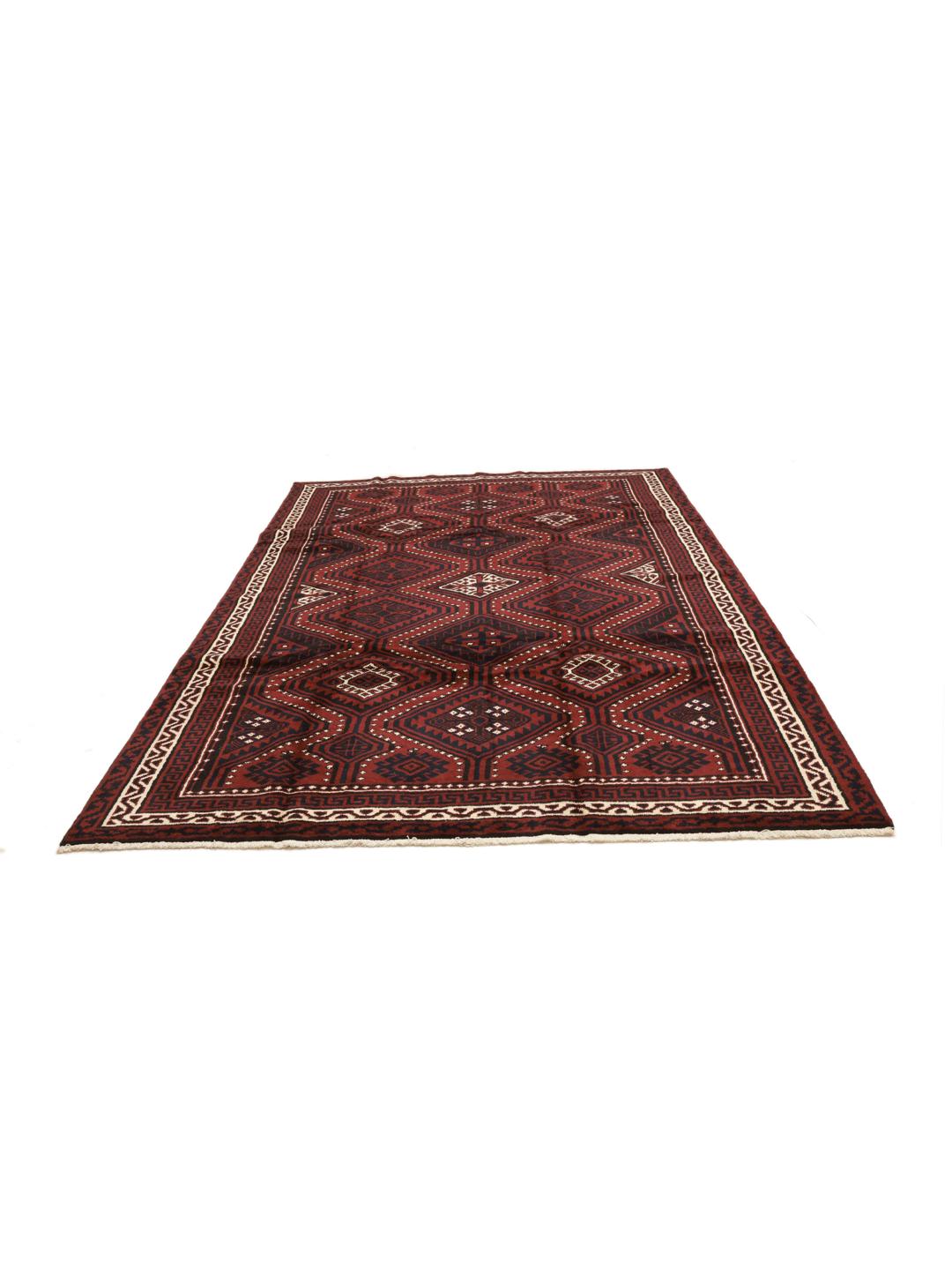
Lori rugs originate from the mountainous regions of the Middle East, crafted by the nomadic and semi-nomadic tribes who have long been renowned for their exceptional weaving traditions. These rugs are deeply tied to the cultural identity of the region, reflecting a history of craft that has been passed down through generations. The evolution of these designs is a testament to the resilience and creativity of the people who continue to produce them today.
The term Lori refers to the specific tribal tradition of the weavers, whose work is often characterised by its bold, unpretentious, and highly symbolic nature. Unlike more formal urban rugs, these pieces often feature a more spontaneous and expressive use of geometry. This style is not just about aesthetics, but about preserving a visual language that tells the story of the weaver's environment, beliefs, and community history.
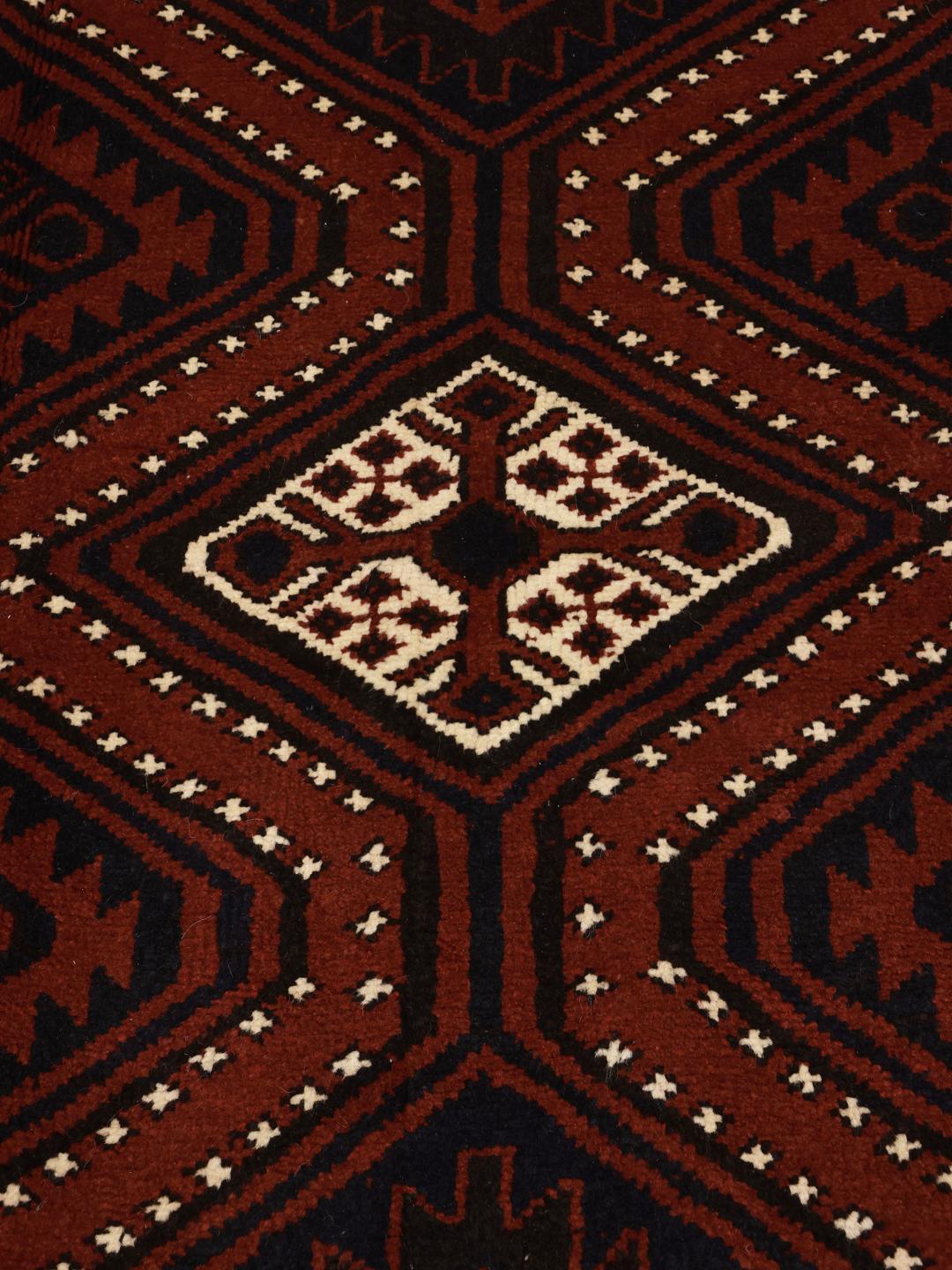
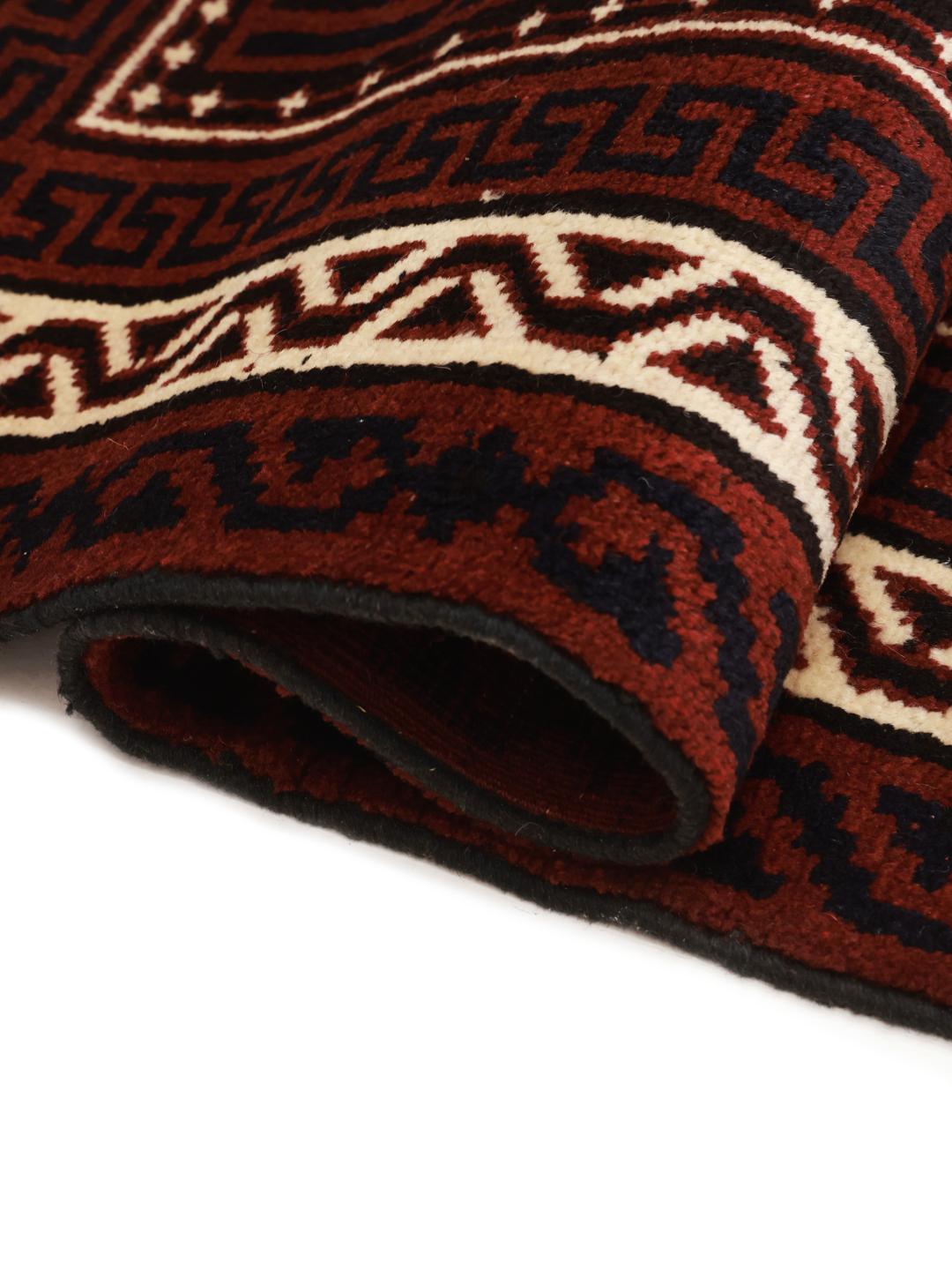
Signature design elements of the Lori tradition include the use of bold diamonds and stylised geometric motifs, often arranged in a repeating, rhythmic fashion across the field. The borders are typically strong and well-defined, framing the central field in a way that creates a sense of balance and focus. The colours are traditionally derived from natural sources, resulting in a rich, earthy palette that ages beautifully and develops a unique character over time.
These rugs are highly valued by collectors for their authenticity and the sheer skill required to produce them without the aid of modern technology. Owning a Lori rug means participating in a centuries-old tradition that prioritises human touch and cultural heritage over mass production. It is a piece that carries real weight and significance, serving as a lasting testament to the enduring beauty of nomadic artistry.