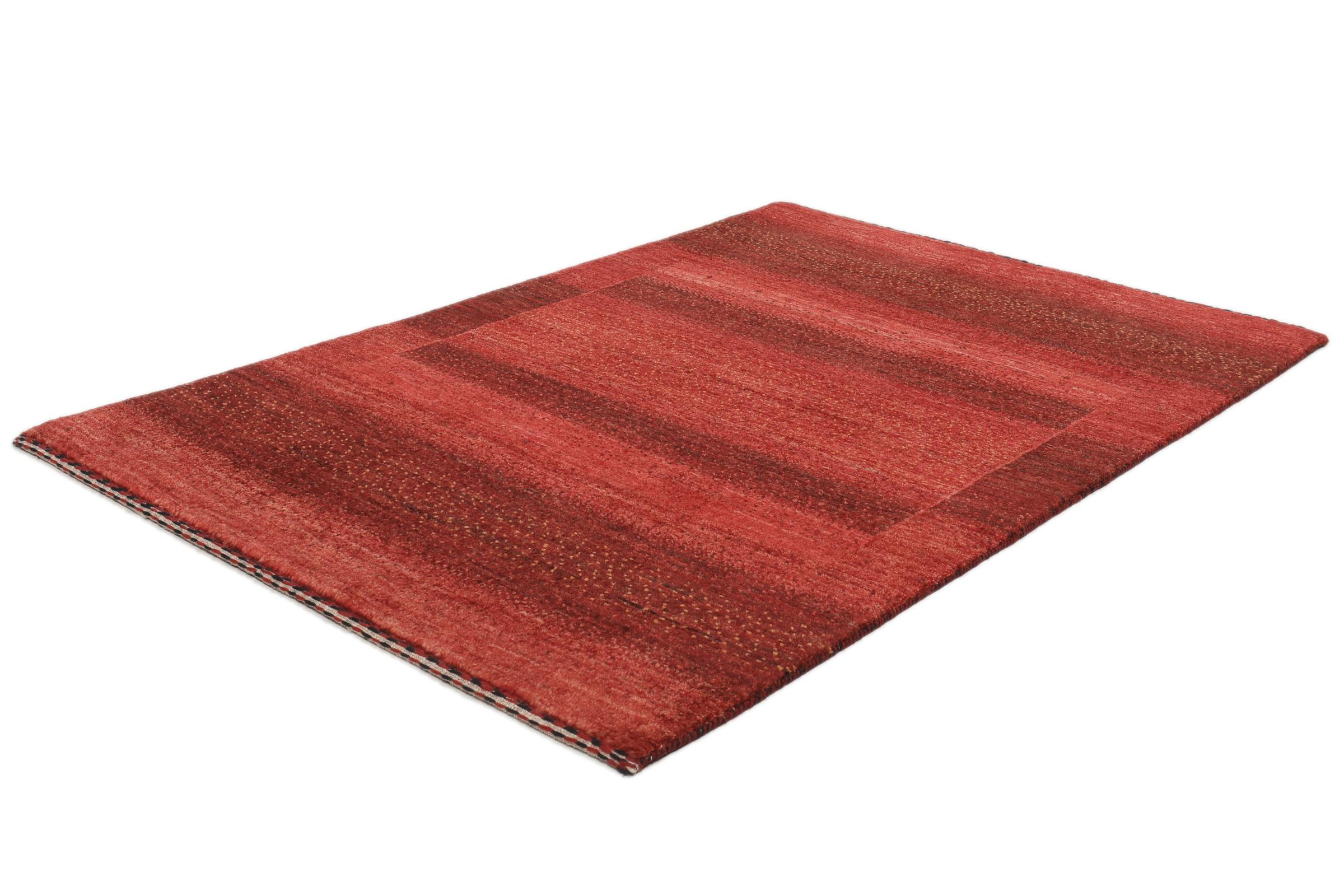
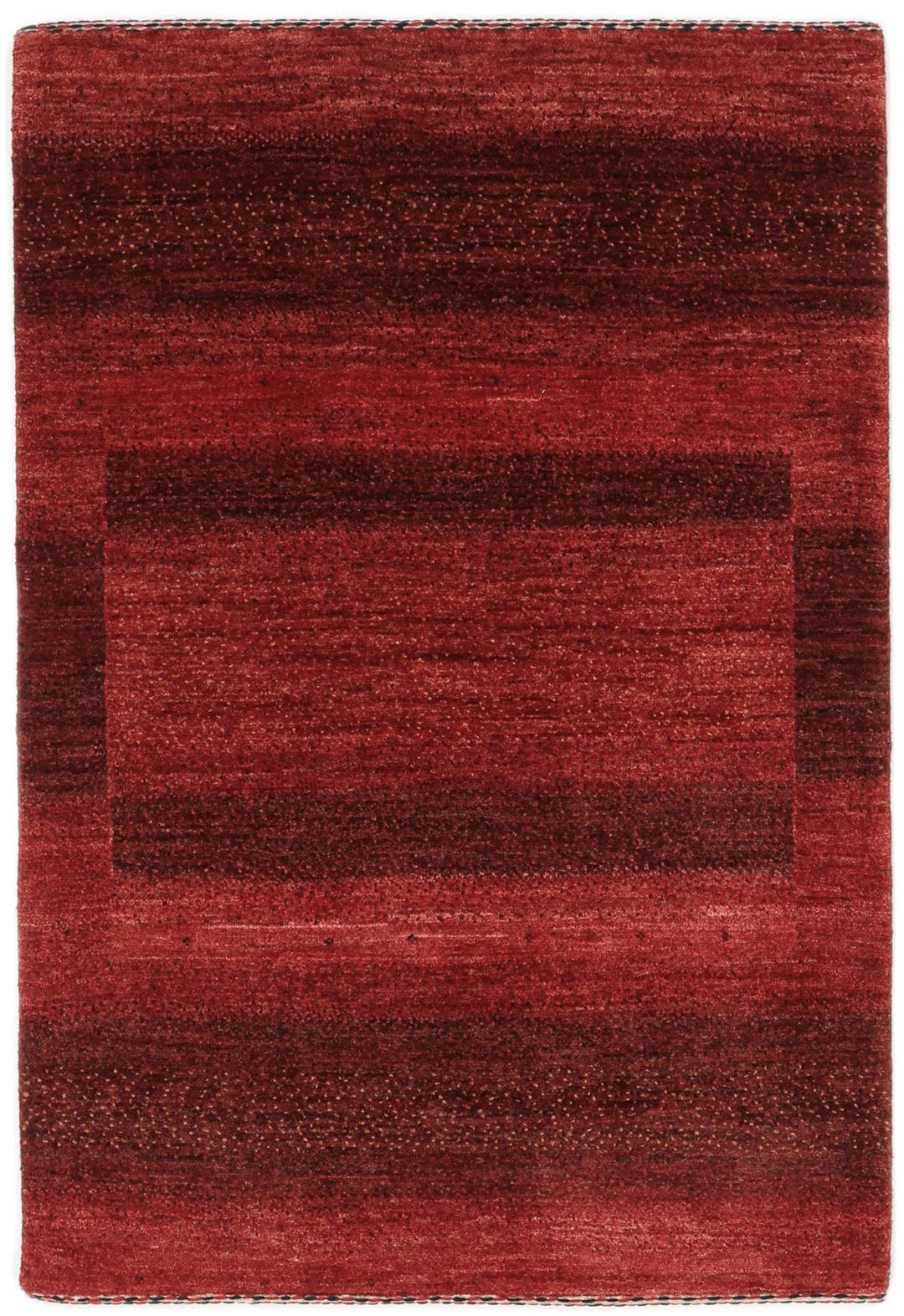
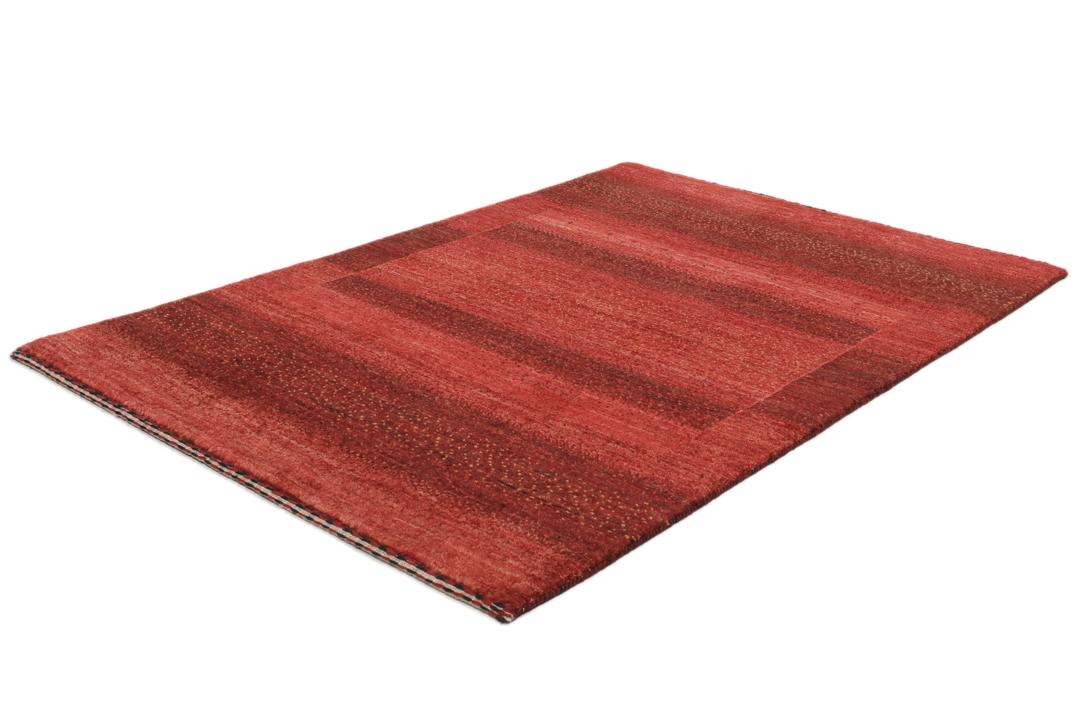
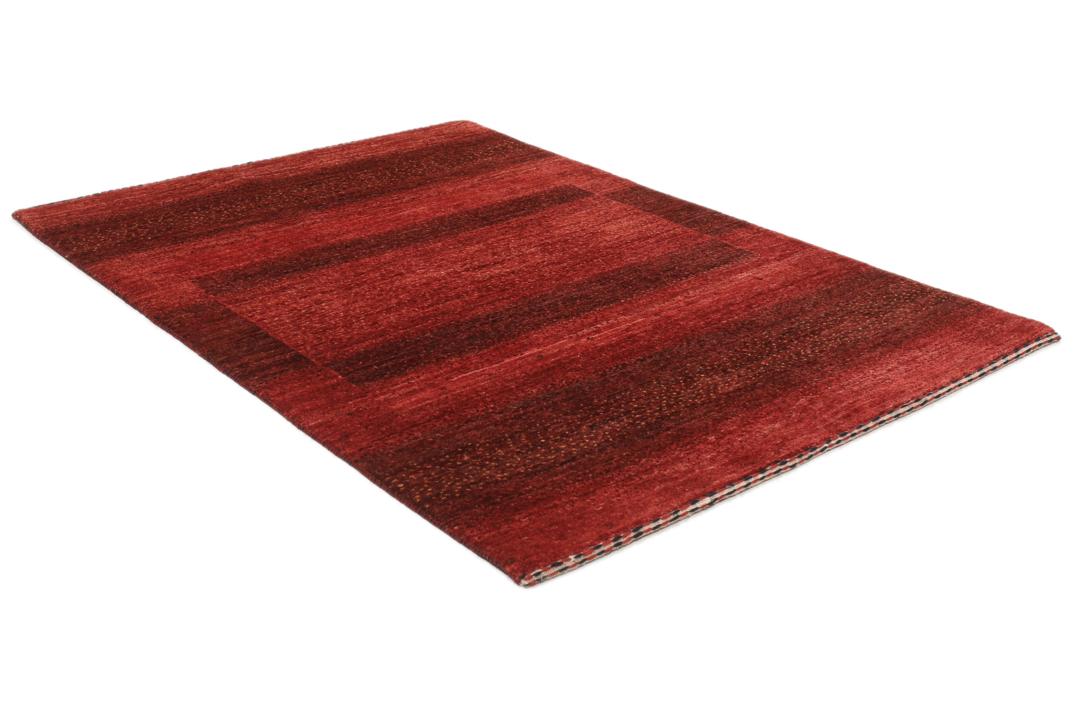
The Loribaft tradition finds its roots in the nomadic tribes of the Middle East, particularly among the Lur people. These rugs were originally crafted for practical use within tents, serving as bedding or floor coverings that needed to withstand the rigours of nomadic life while providing warmth and comfort.
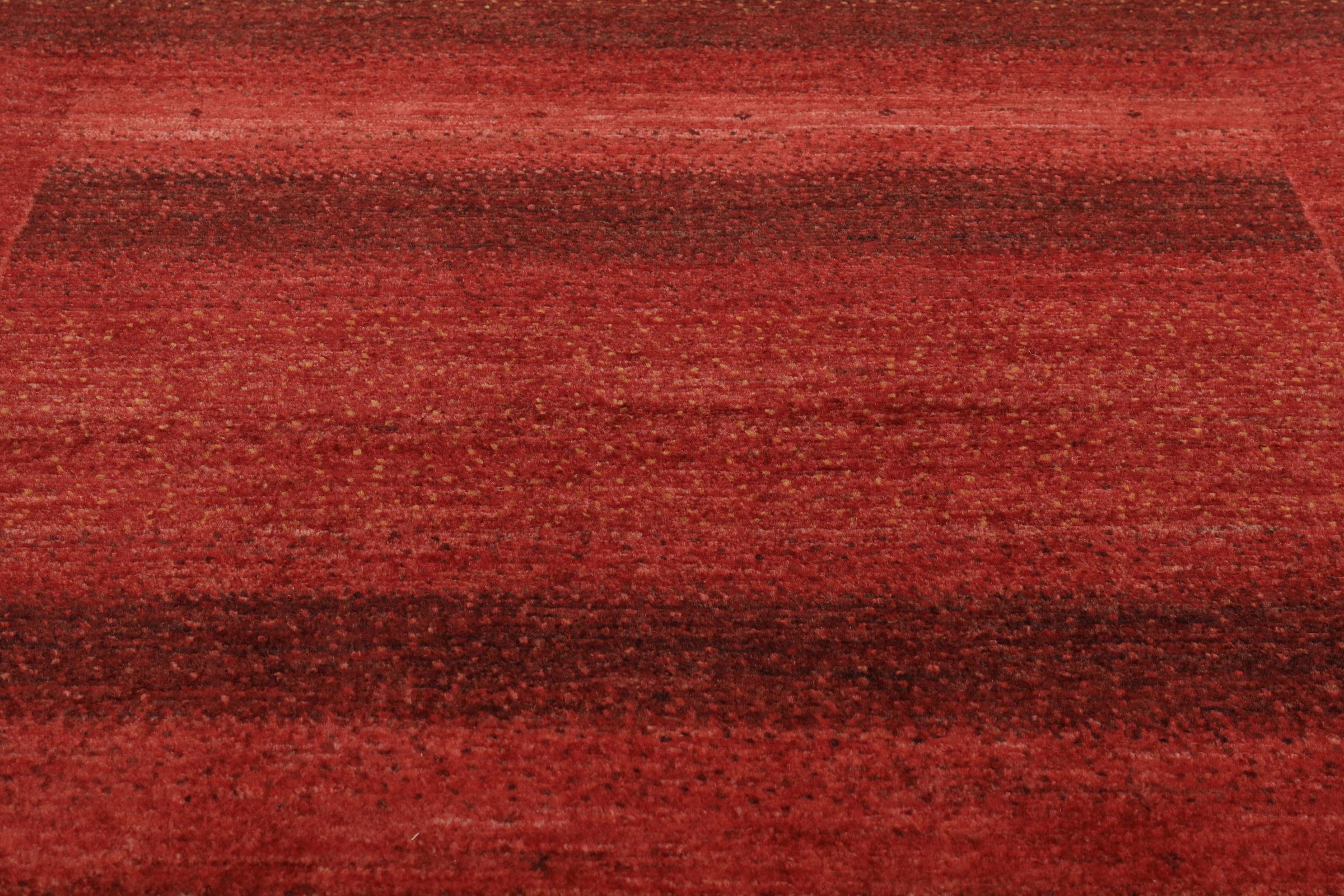
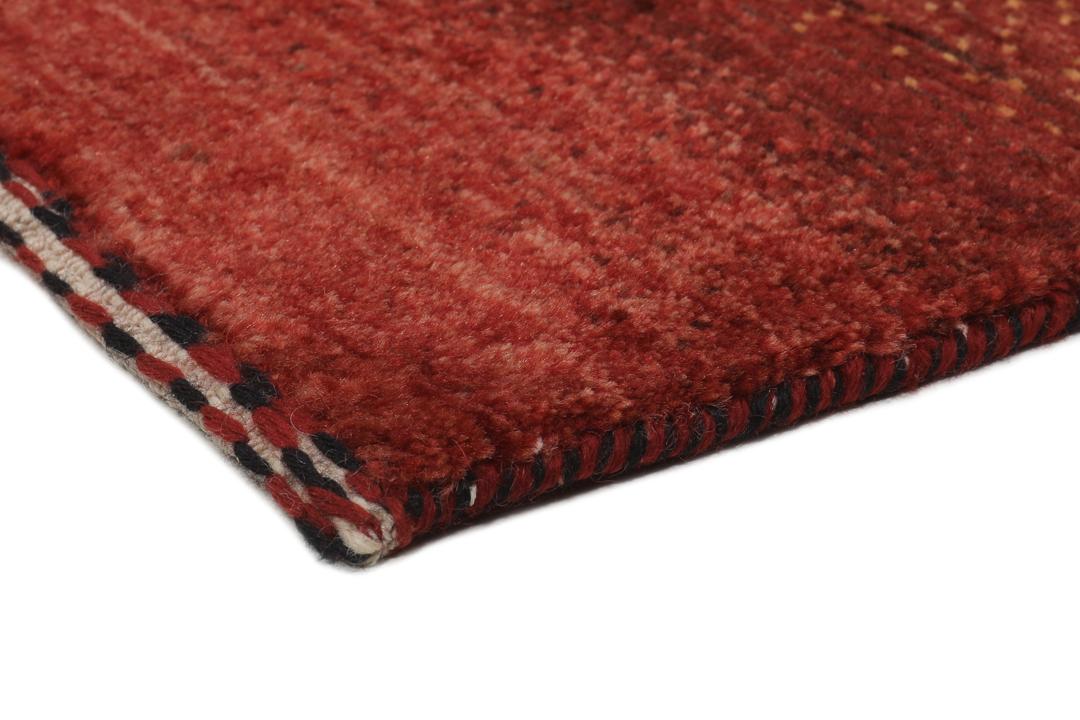
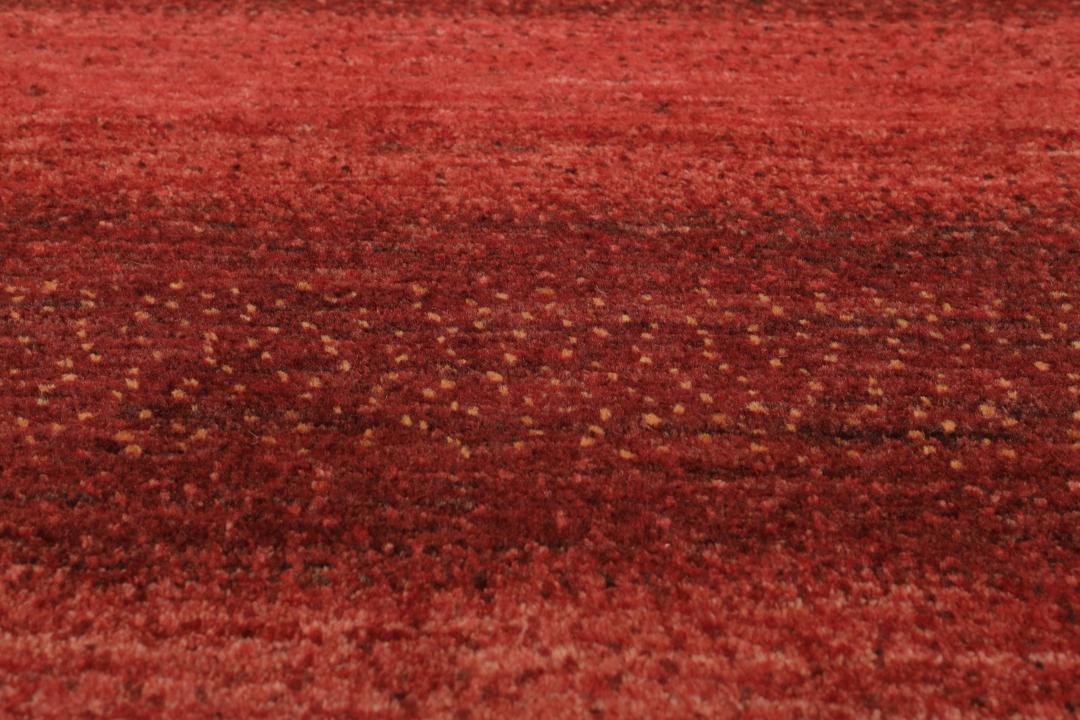
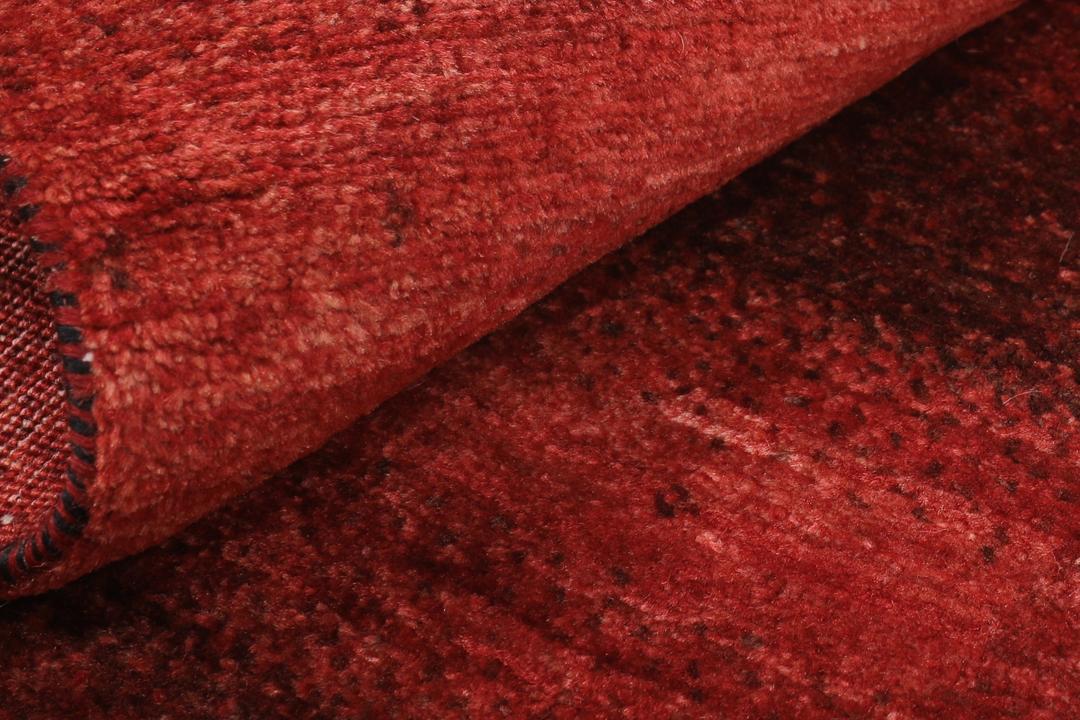
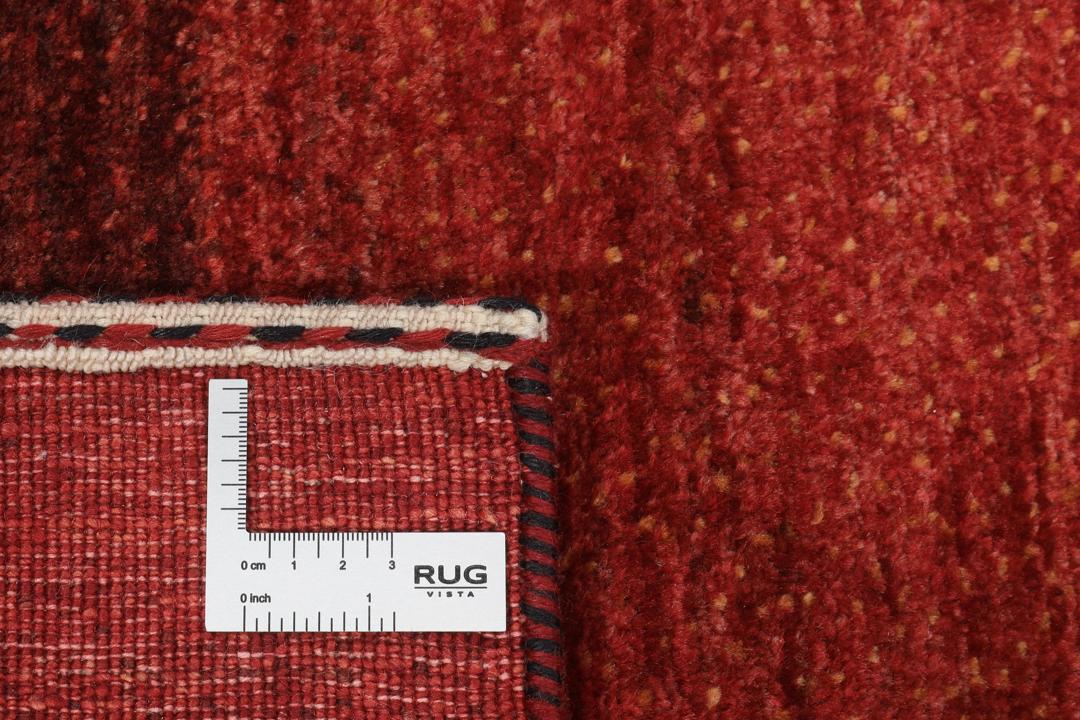
The term 'Baft' refers to the weaving style, and 'Lori' relates to the tribal origin, signifying a specific approach to pile density and wool selection. Unlike more formal urban carpets, these rugs often favour a thicker, softer pile that highlights the natural qualities of the wool, resulting in a plush texture that is immediately recognisable.
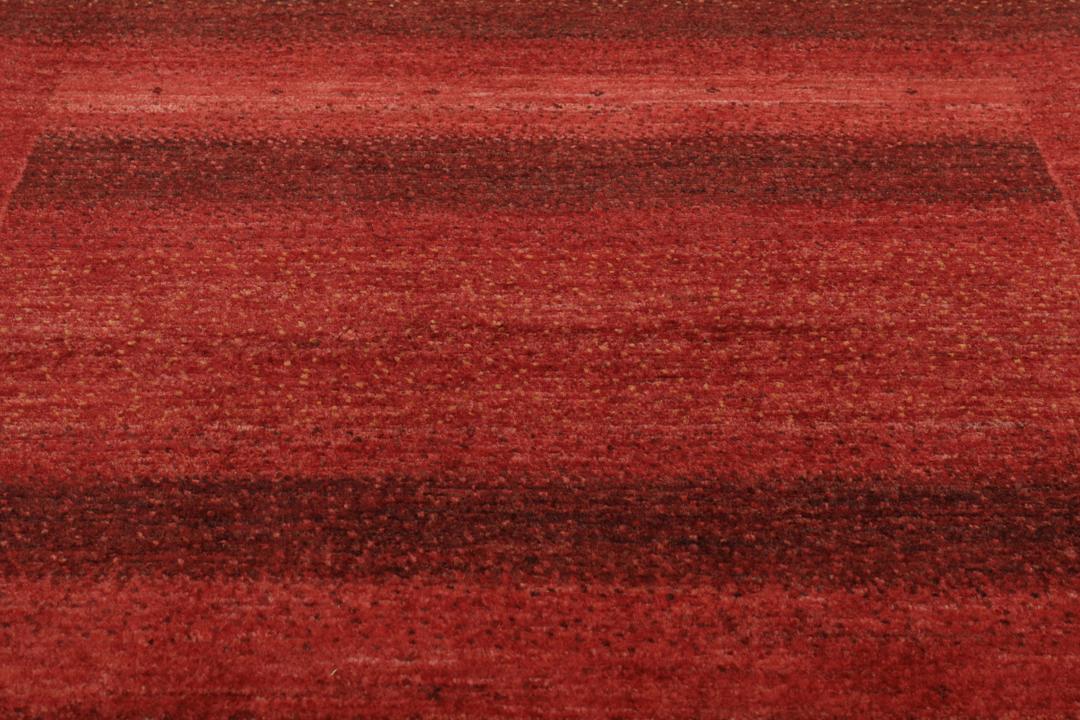
Visually, these rugs are celebrated for their expressive use of colour and simplified, geometric designs. While they often feature tribal motifs, the focus is frequently on the interplay of hues and the depth created by the wool. The deep, often saturated colours are traditionally derived from natural dyes, reflecting the vibrant landscape of the region.
Owning a piece from this tradition is an invitation to connect with a storied history of craftsmanship. These rugs are highly valued by collectors not just for their aesthetic beauty, but as tangible artefacts of a living culture. Each rug represents a blend of ancestral skill and individual expression, making it a meaningful addition to any interior.