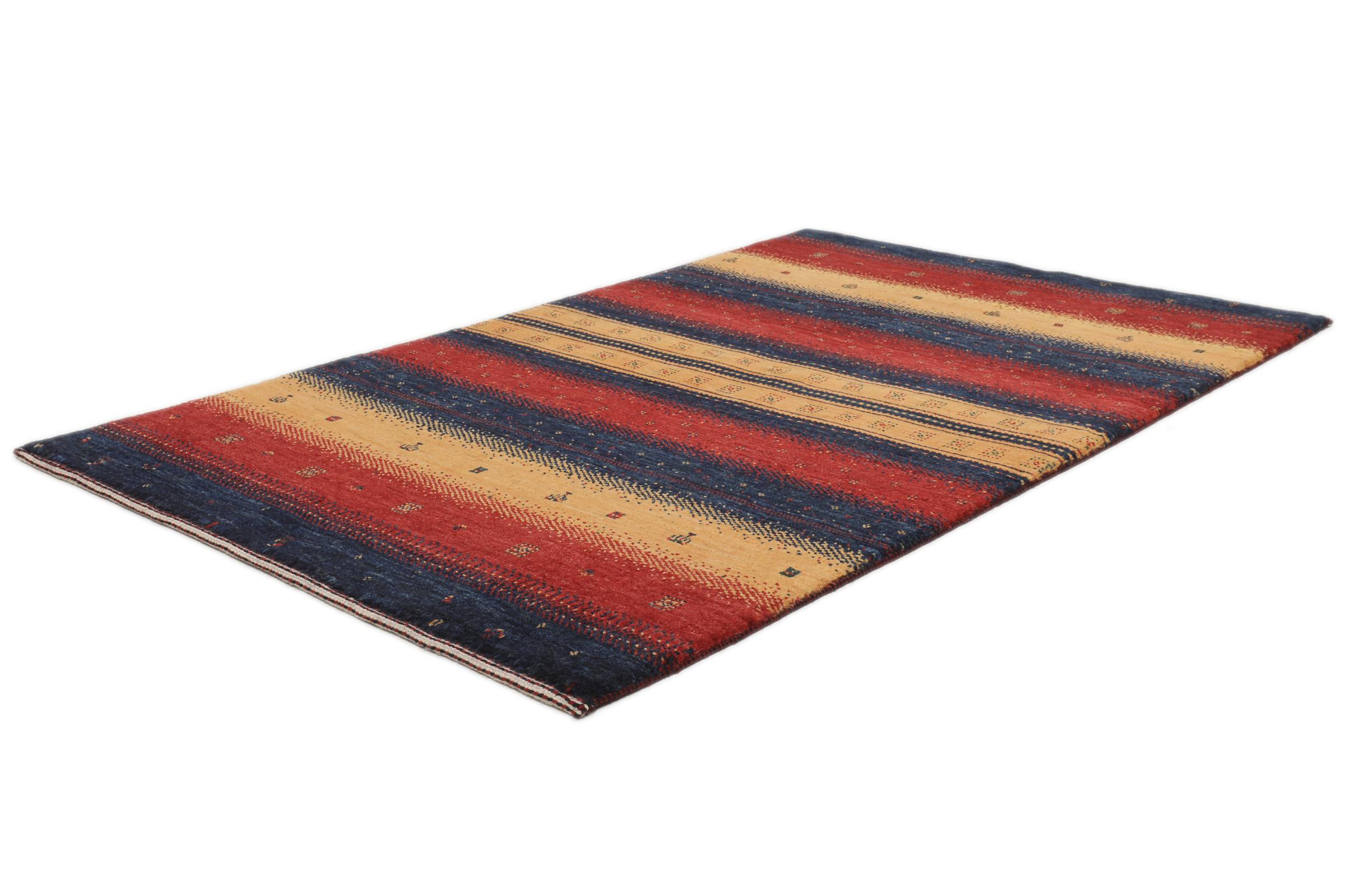
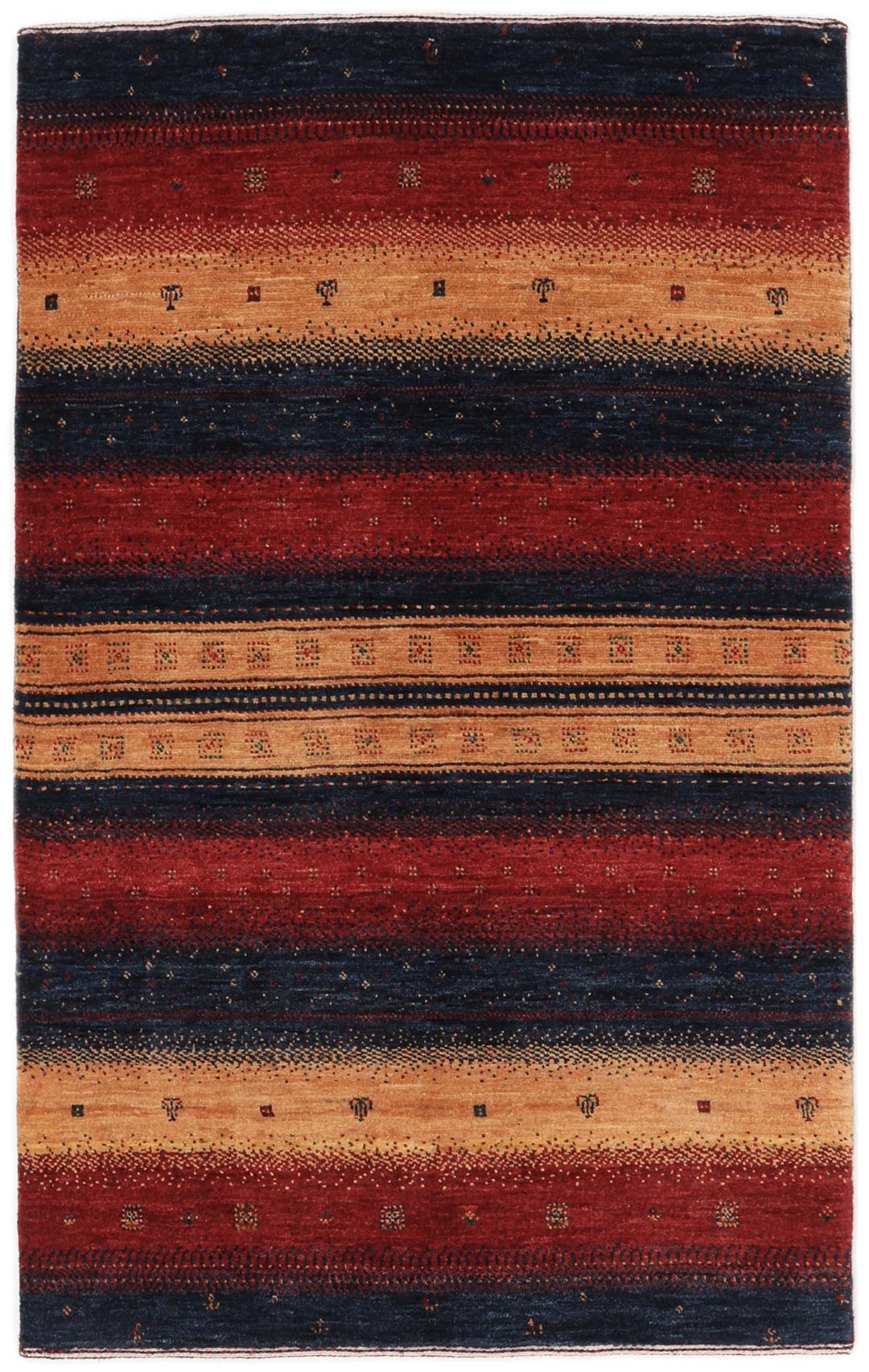
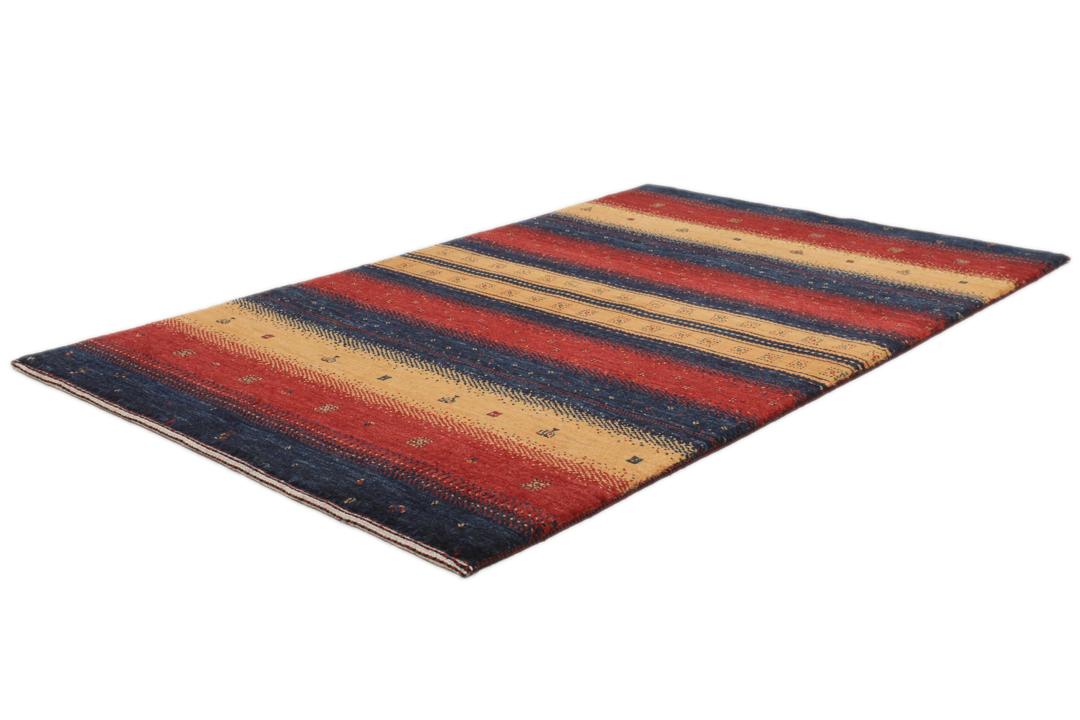
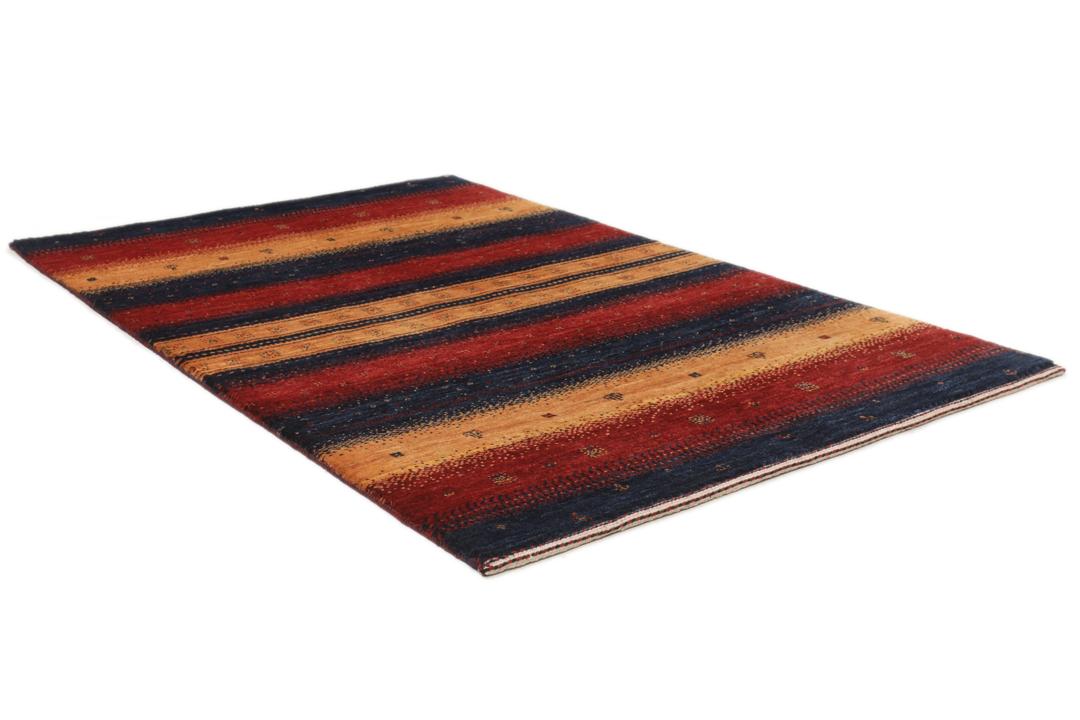
The Loribaft tradition is deeply rooted in the nomadic cultures of the Middle East, where weaving was not merely a craft but a vital form of self-expression. These rugs are traditionally associated with the tribes who moved across the rugged landscapes, creating pieces that were both portable and incredibly durable. Over time, the style evolved into the refined, artistic expression we see today, known for its focus on simplicity and bold, organic design.
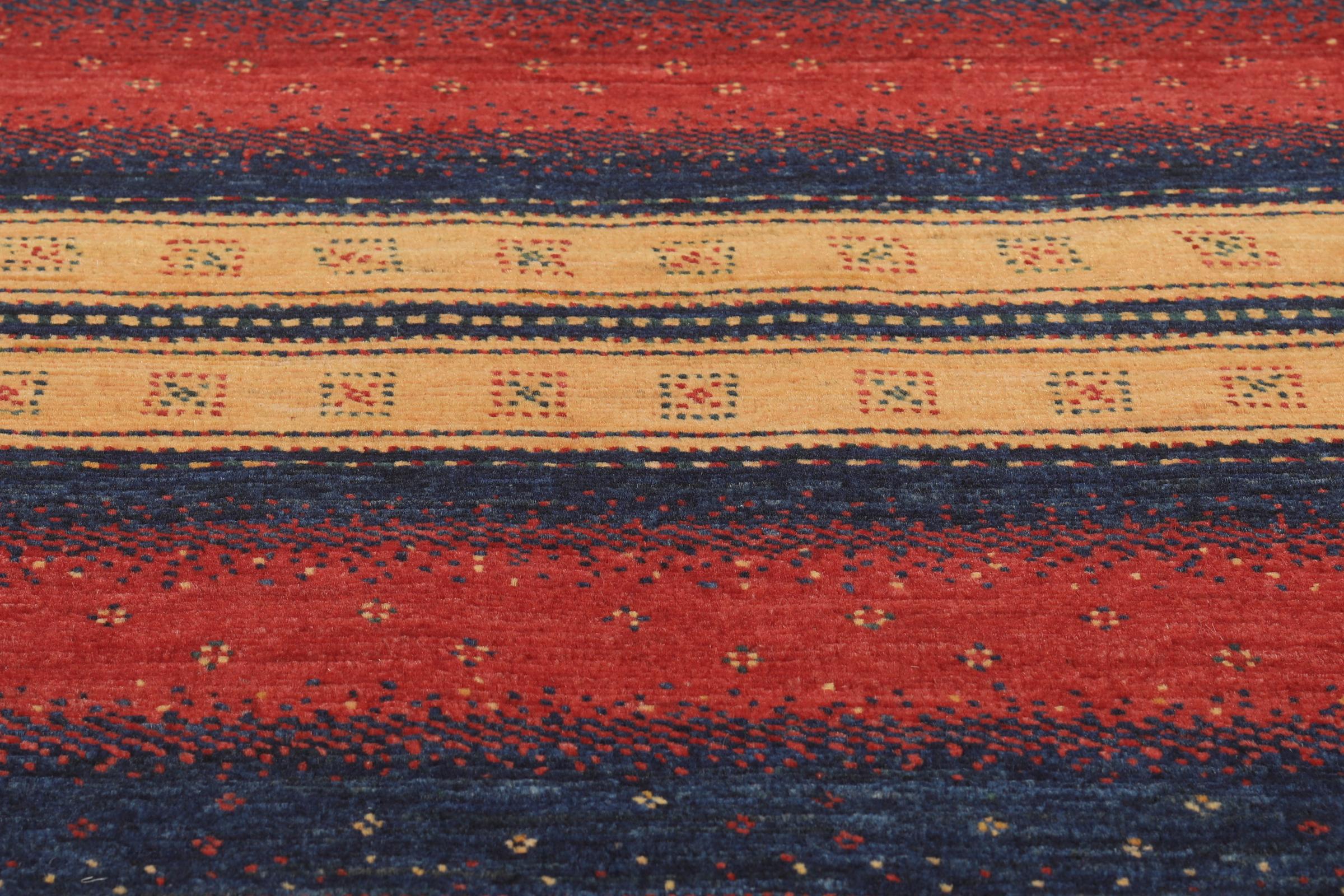
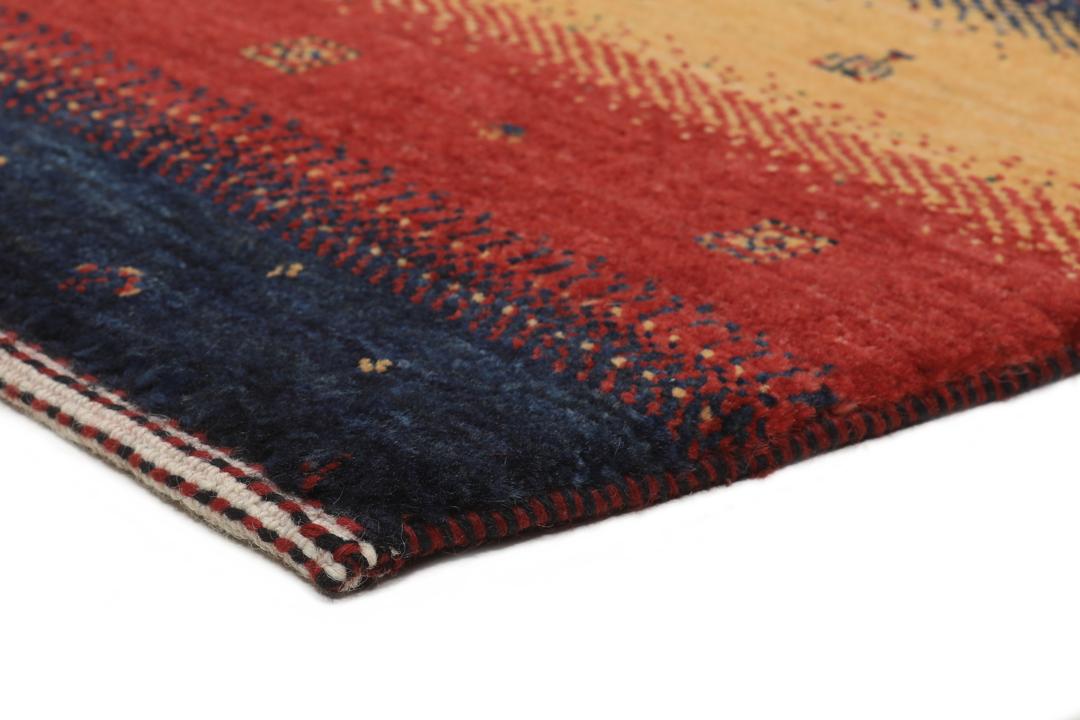
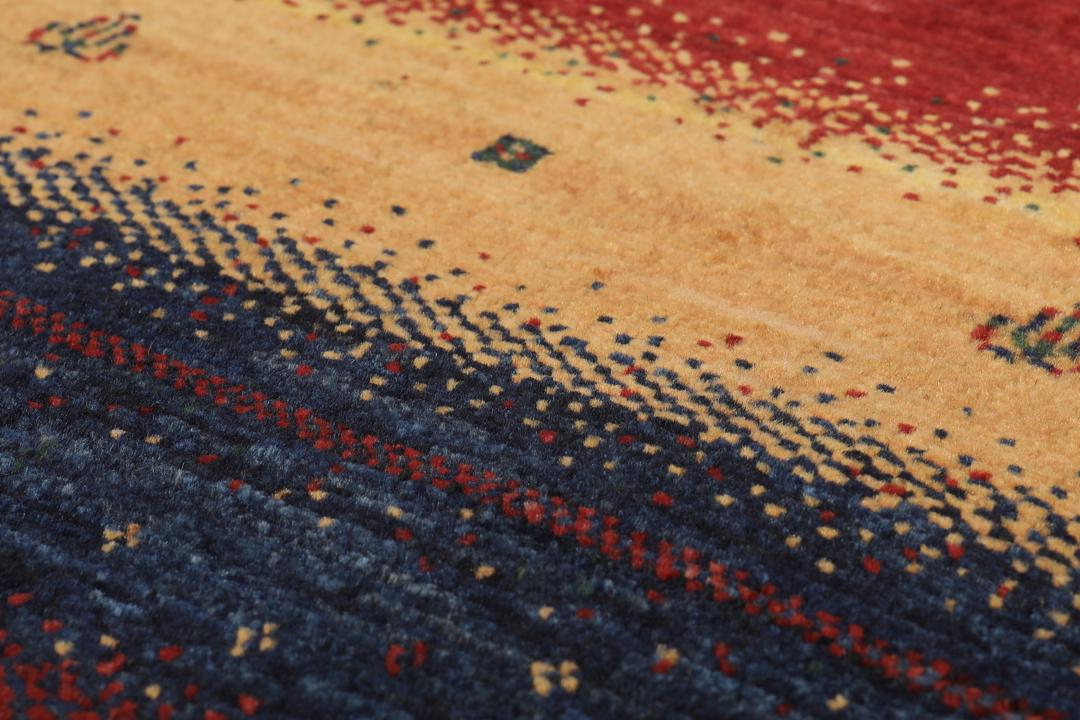
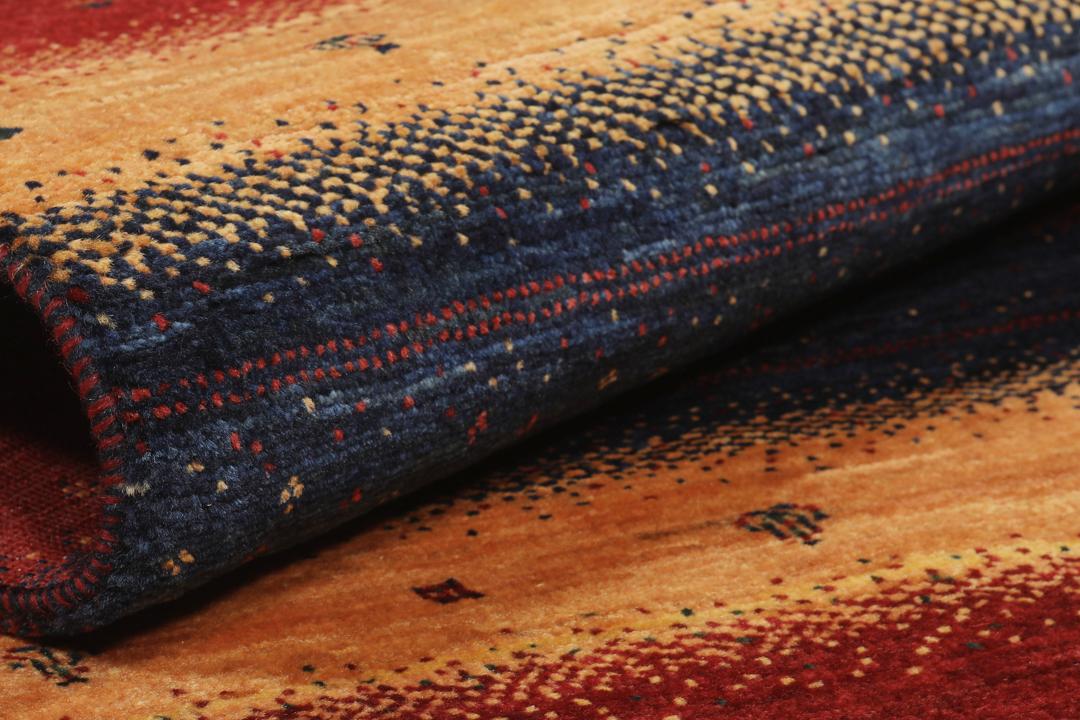
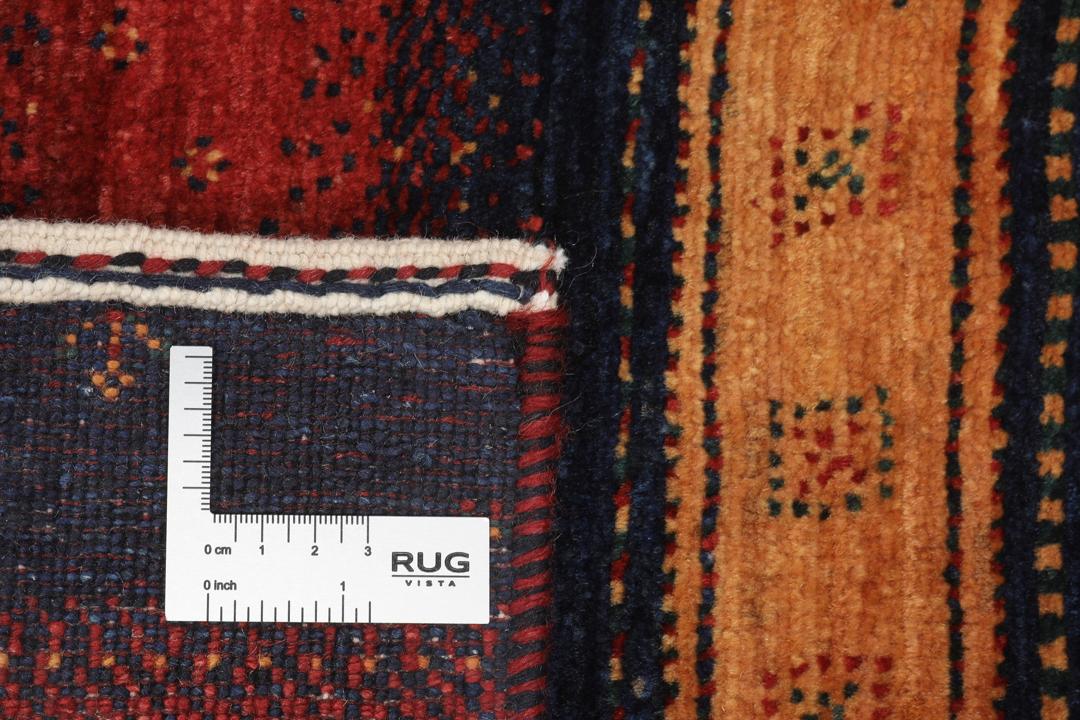
The term 'Loribaft' refers to a specific style of knotting that prioritises a thicker, more plush pile compared to traditional thinner nomadic rugs. This technique creates a luxurious, soft texture that is highly sought after for its comfort. By using high-quality wool, these rugs achieve a natural lustre that enhances the depth of the colours, making them both visually striking and delightful to the touch.
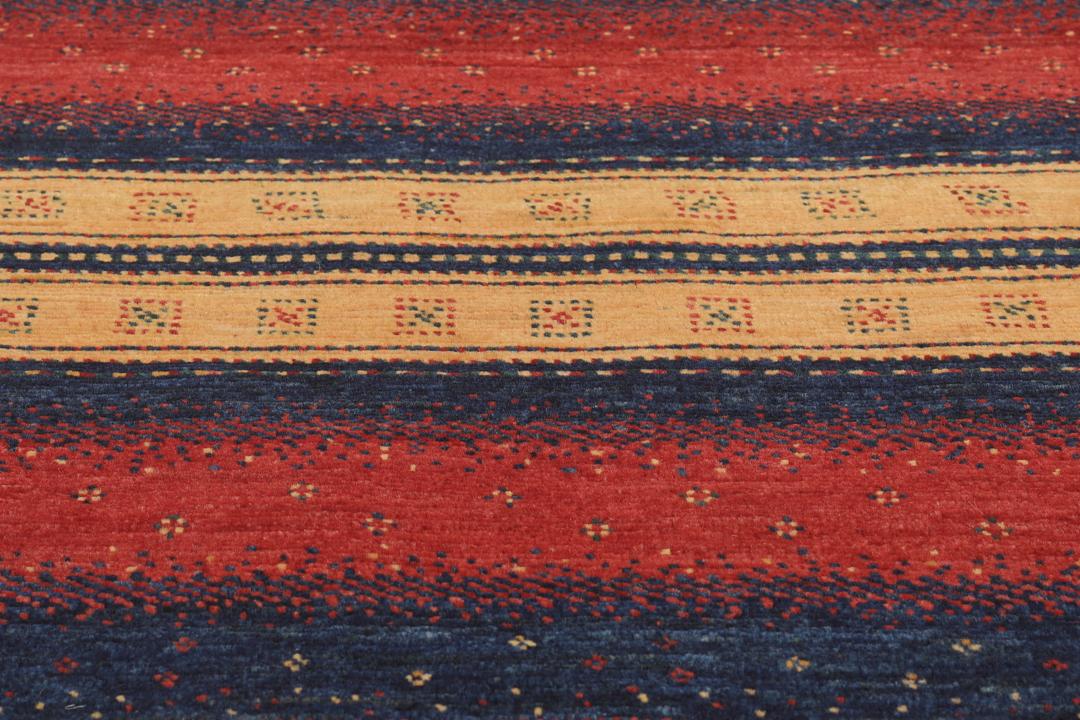
Visually, these rugs are defined by their use of open fields and geometric motifs, often inspired by the natural surroundings of the weavers. While many traditional designs rely on intricate patterns, the Loribaft often leans into larger, more expressive designs that highlight the beauty of the wool itself. The use of natural dyes historically gave these rugs their signature earthy tones, which remain a defining feature of the style today.
Owning a Loribaft rug is an opportunity to connect with a rich cultural heritage. These pieces are highly valued by collectors for their authenticity and the immense skill required to produce them. By bringing one into your home, you are not only adding a warm and functional element to your decor but also preserving a legacy of craftsmanship that has been passed down through generations of skilled artisans.