Loribaft rugs are deeply rooted in the nomadic traditions of the Middle East, specifically associated with the Luri and Qashqai tribes. These rugs were traditionally woven to serve the practical needs of nomadic life, providing insulation and comfort in tents. Over time, these weaving traditions have evolved into the sophisticated, artistic expressions we admire today, bridging the gap between utilitarian craft and fine interior decor.
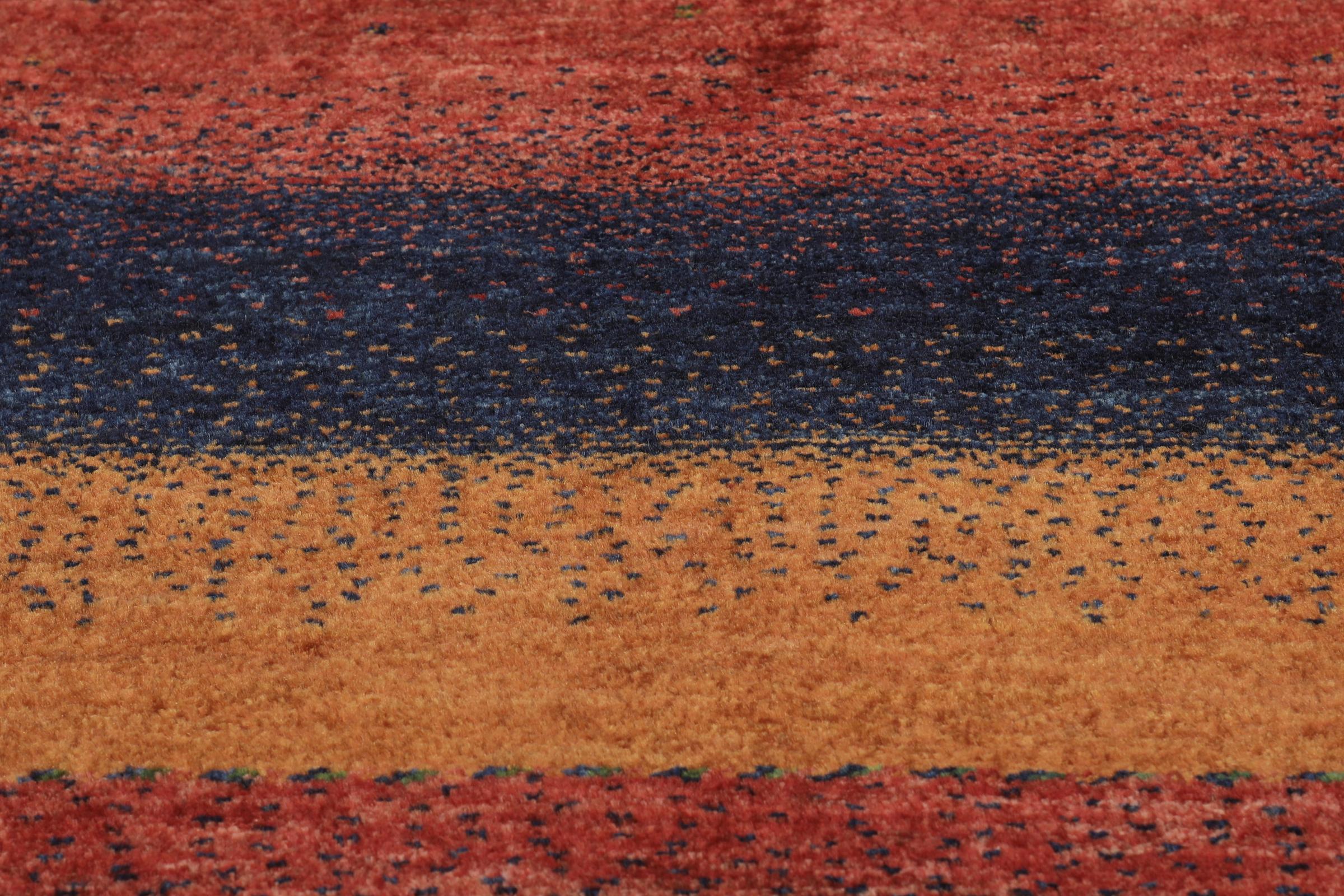
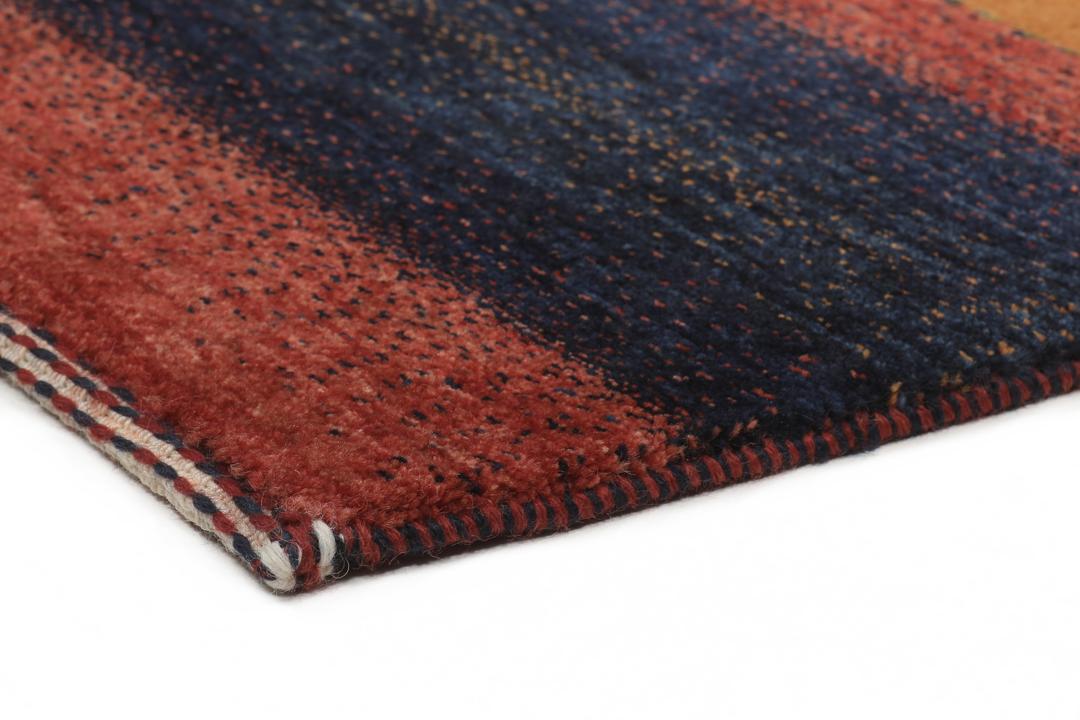
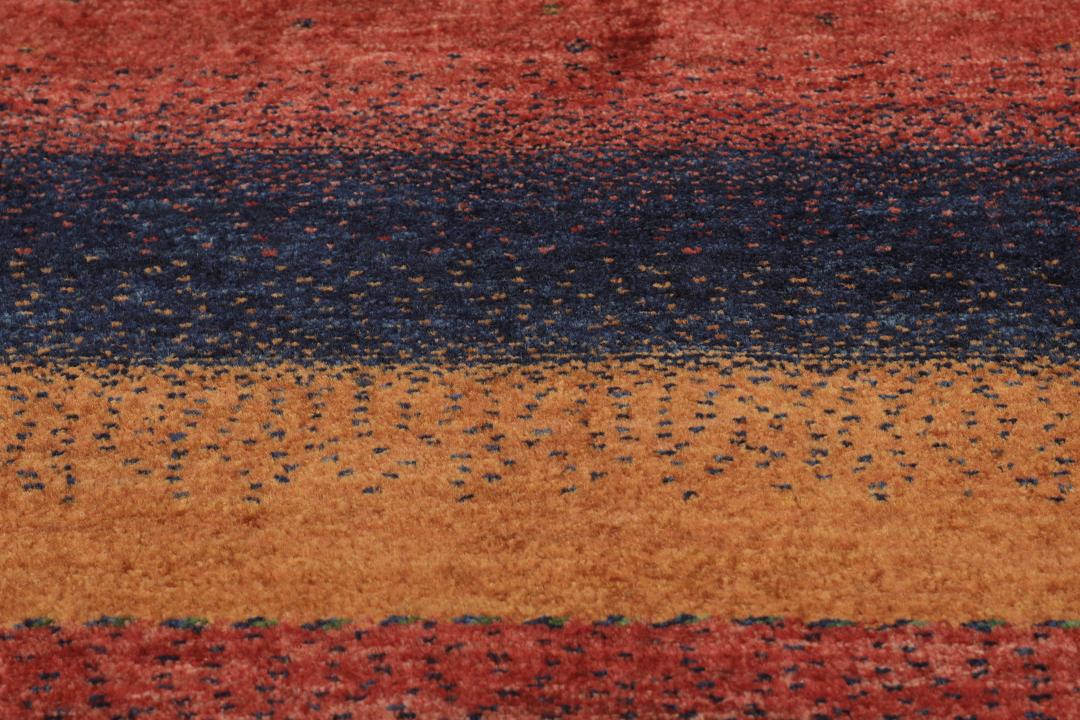
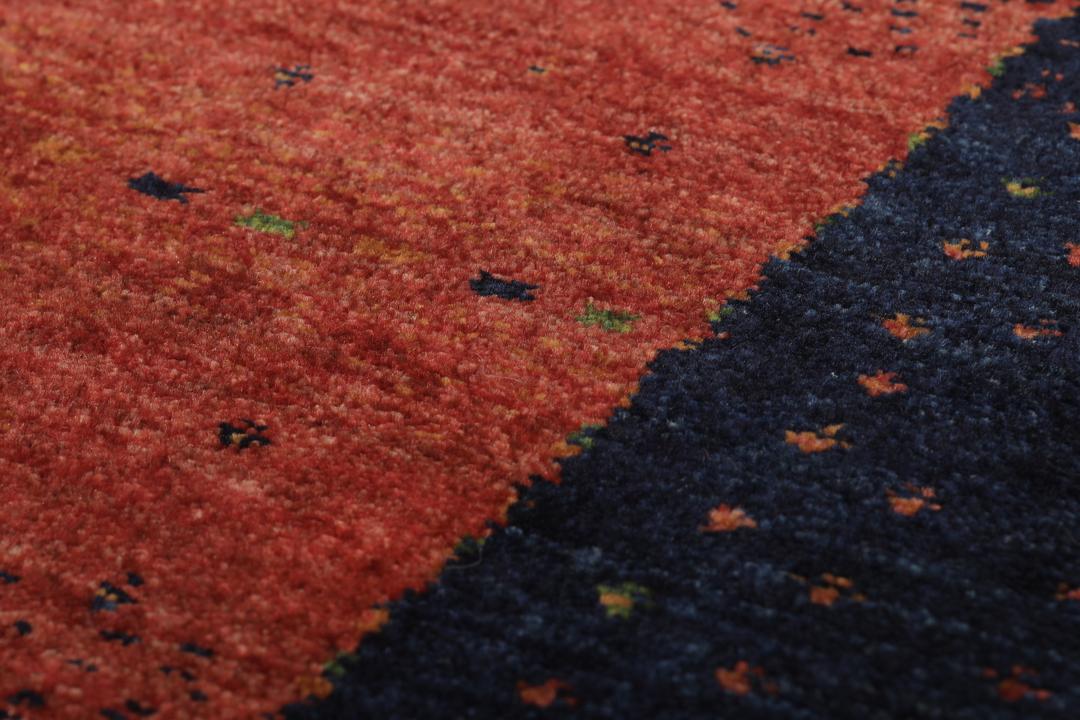
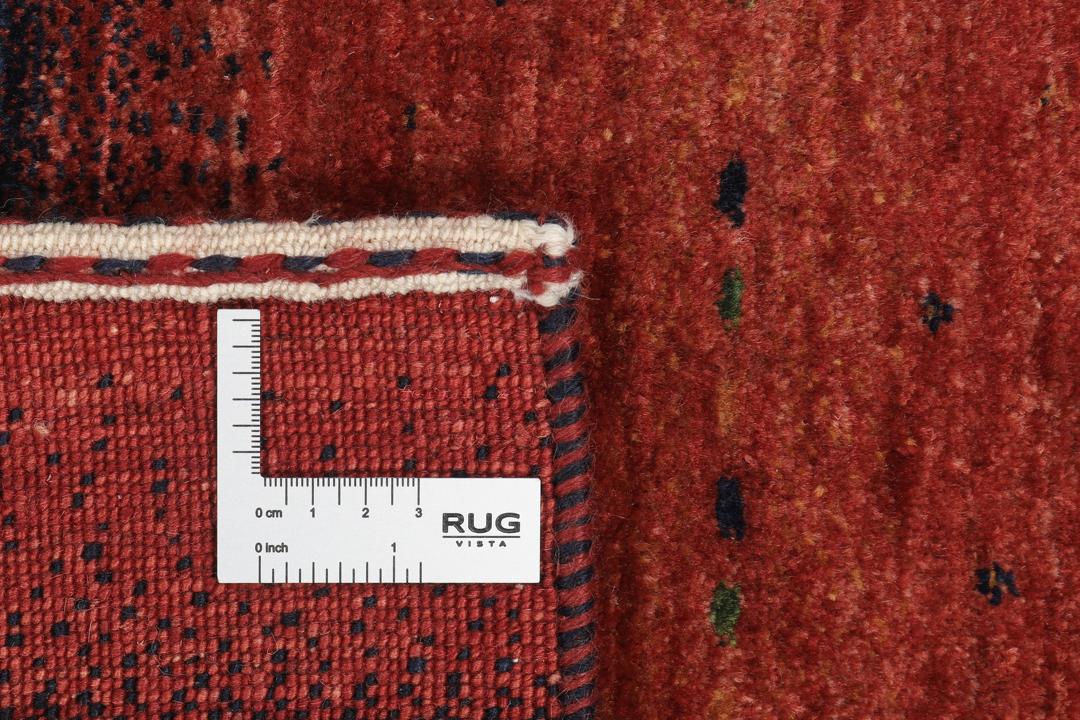
The term 'Loribaft' refers to a style of weaving that is known for its dense, soft pile, often utilising a specific type of high-quality wool that is hand-spun. This technique results in a rug that is exceptionally plush and durable, characteristic of the 'Kashkooli' style which is celebrated for its finer knot density compared to more rustic, traditional tribal carpets. This focus on material quality is what gives these rugs their signature lustre and soft hand-feel.
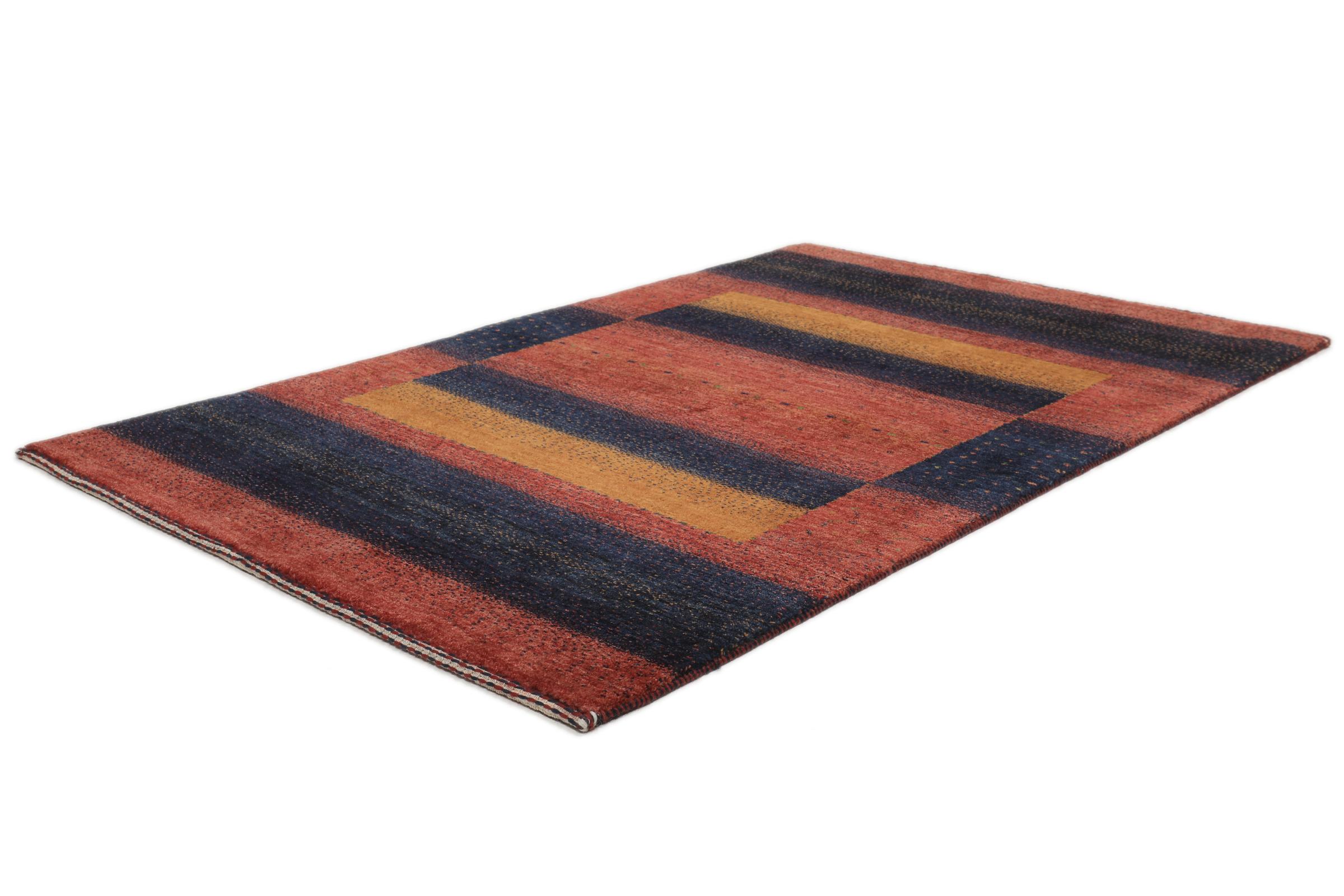
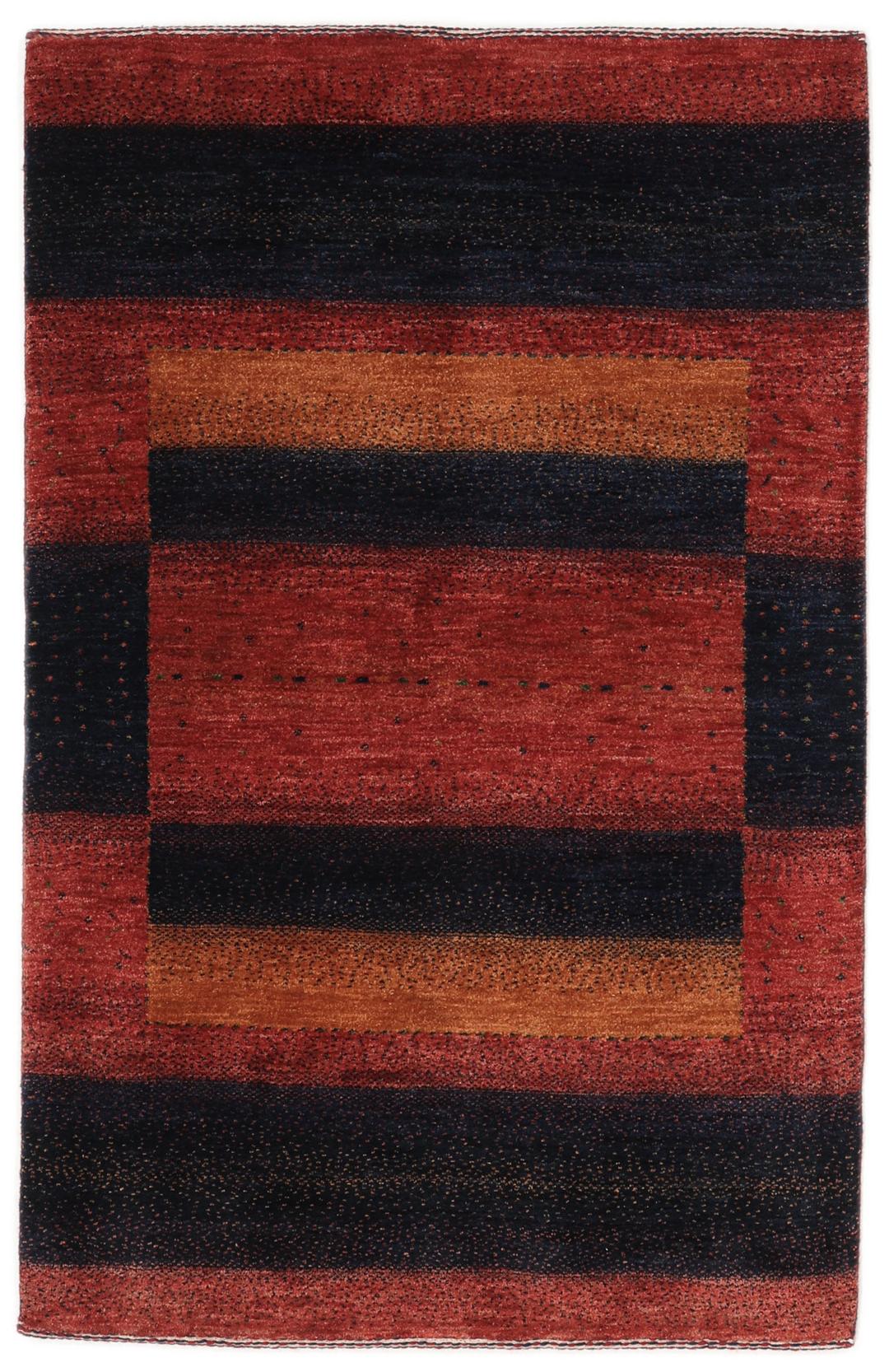
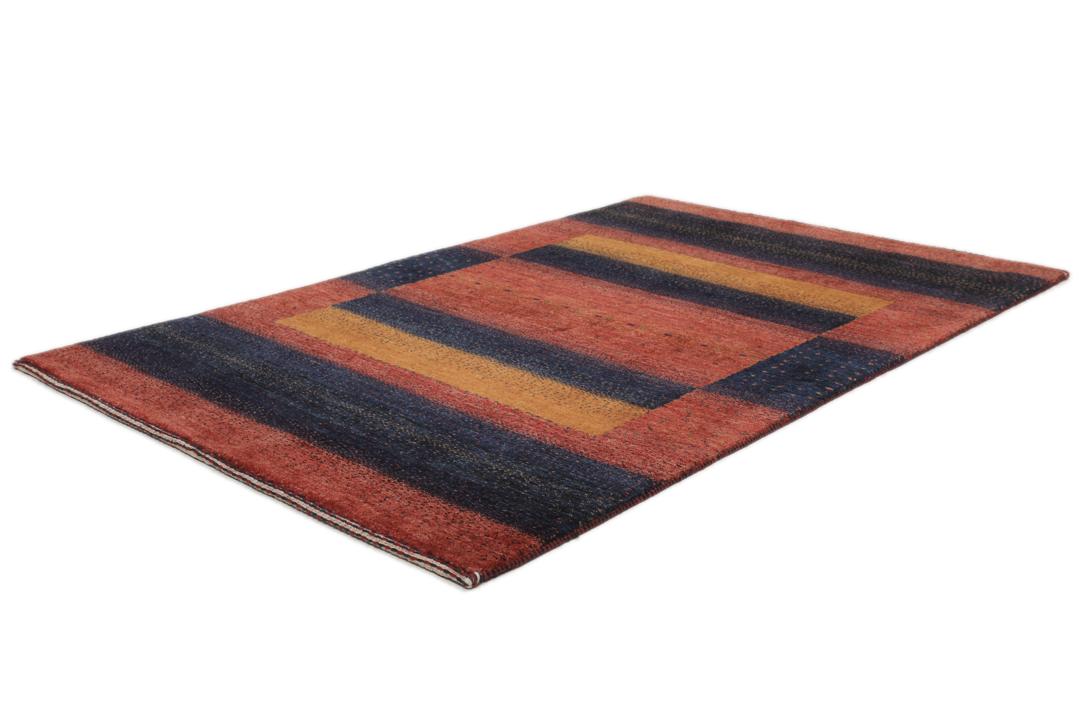
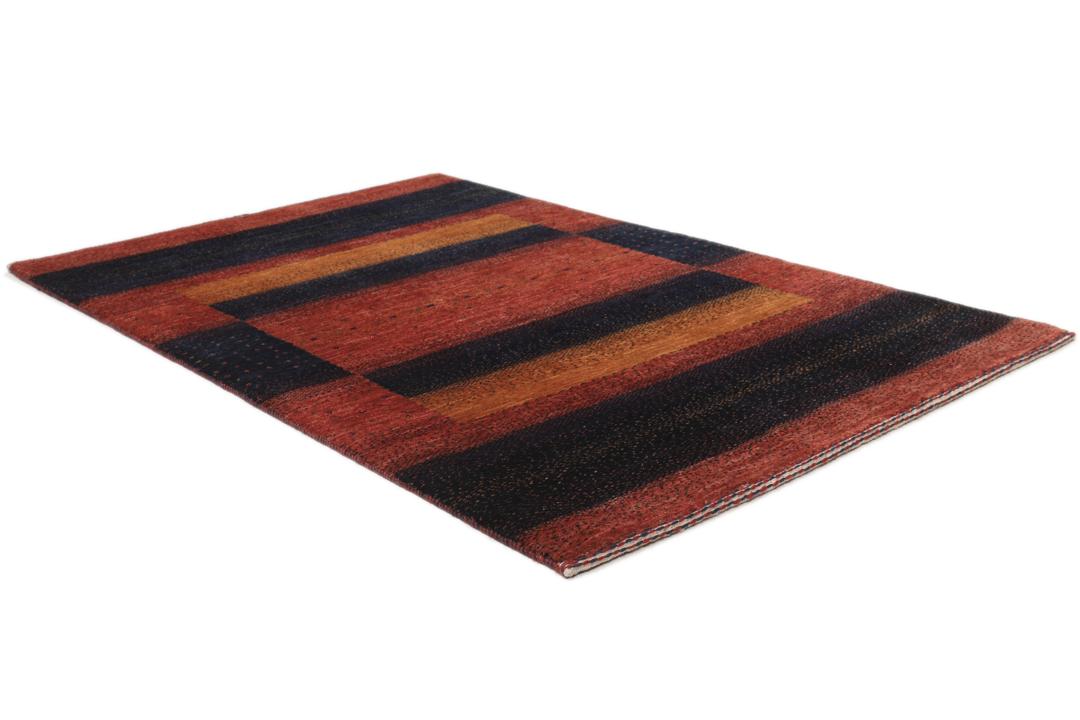
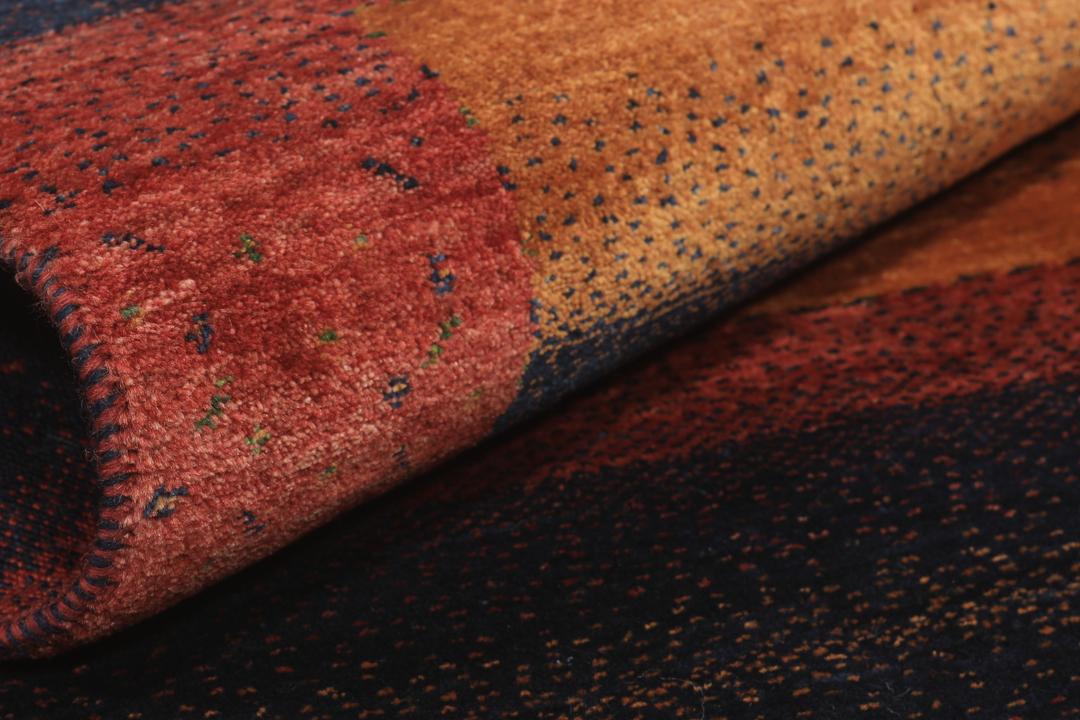
Visually, these rugs are defined by their bold, geometric interpretations of tribal motifs. While traditional patterns often include stylised animals, plants, or abstract symbols, the modern Loribaft often highlights the beauty of the wool itself through rich, saturated colours and large, block-like compositions. This specific piece features a striking arrangement of stripes and borders that showcase a mastery of colour and proportion, making it a standout example of the genre.
Owning a Loribaft rug is an opportunity to connect with a rich cultural history. These pieces are highly valued by collectors for their authenticity and the human element present in every knot. They represent a preservation of ancestral skills that have been passed down through generations, ensuring that each rug is not just a floor covering, but a piece of heritage that brings warmth, character, and cultural depth to a modern home.