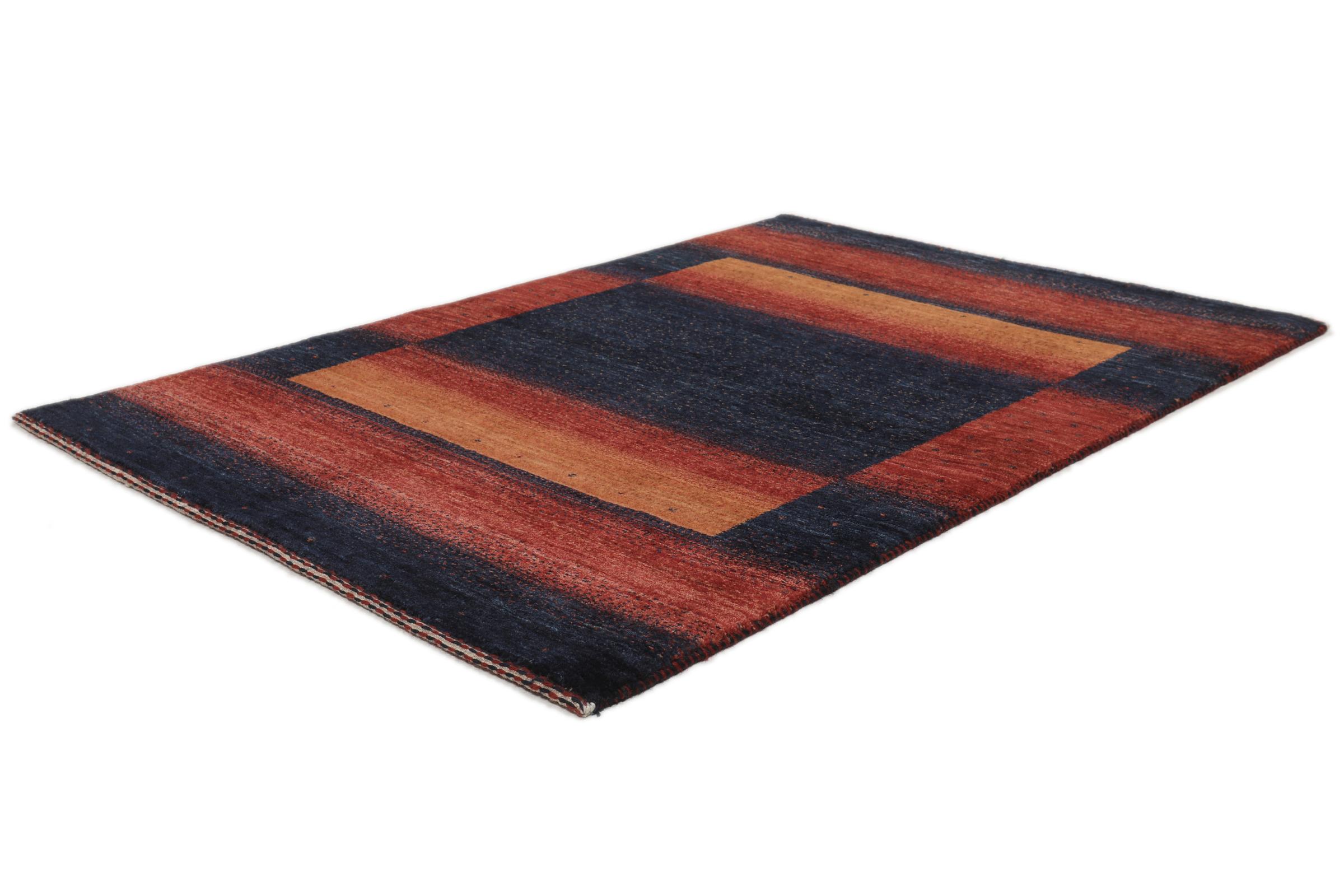
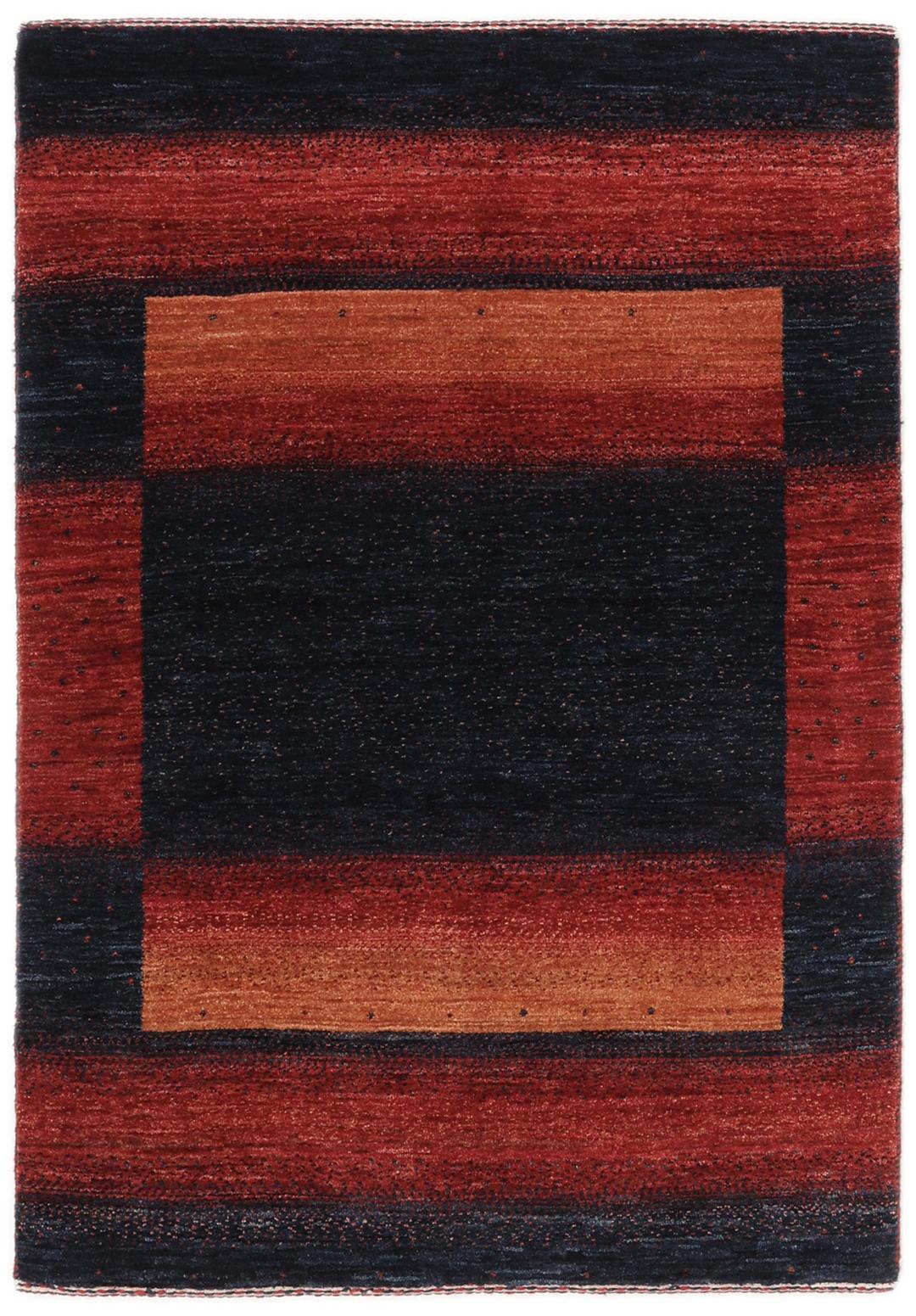
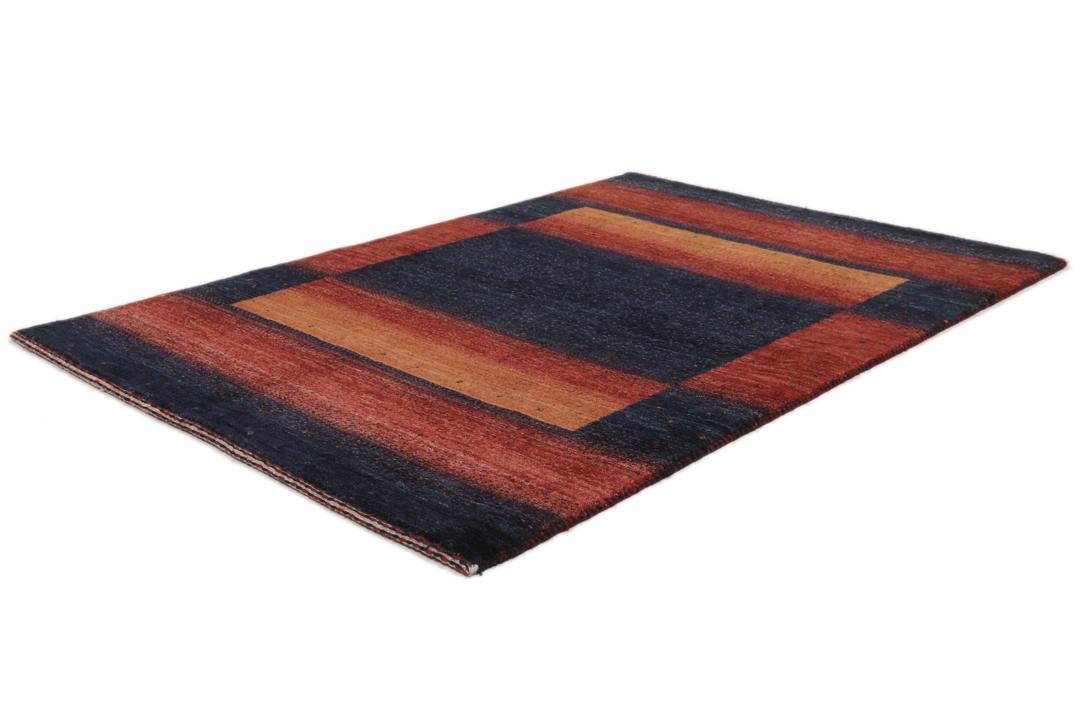
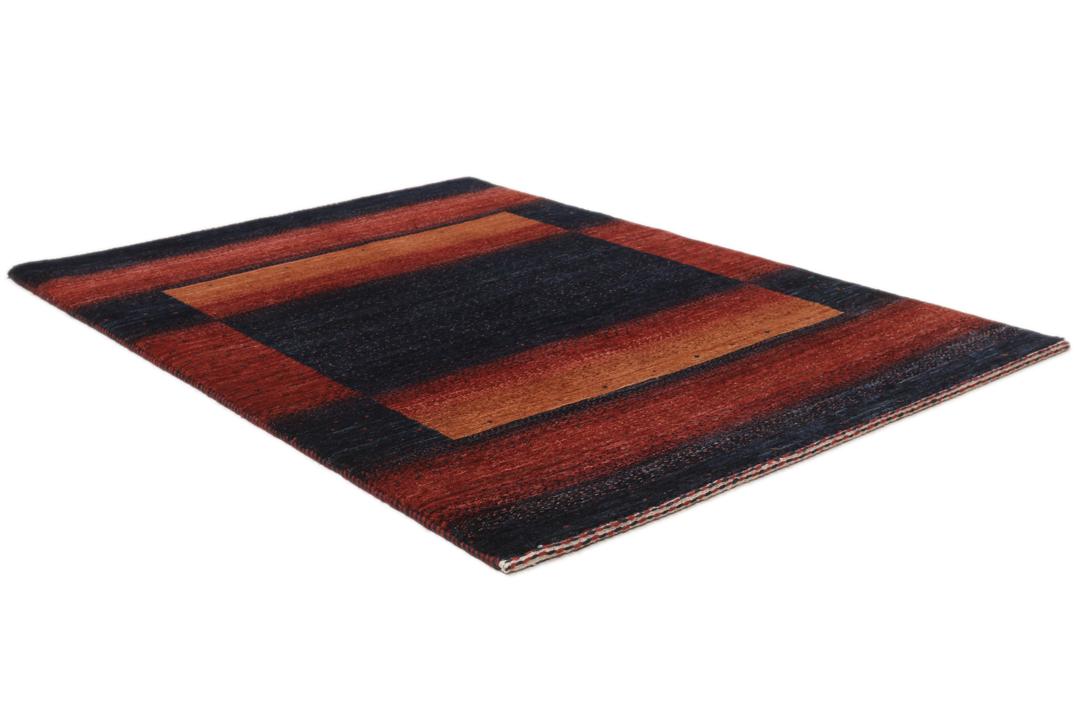
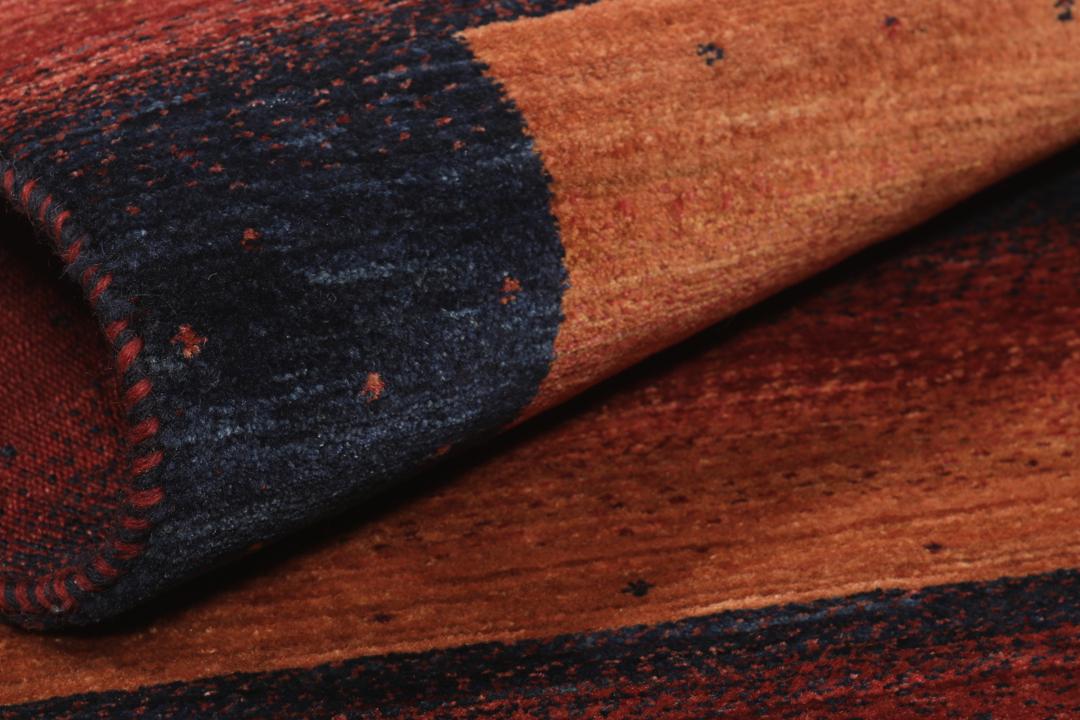
Loribaft rugs are a contemporary evolution of the traditional tribal weaving practices found throughout the Middle East. Historically, these rugs were created by nomadic tribes who drew inspiration from their surrounding landscapes and daily lives. While traditional tribal rugs often featured complex geometric motifs, the Loribaft style has evolved to embrace more open, minimalist fields that allow the quality of the wool and the depth of the dye to take centre stage.
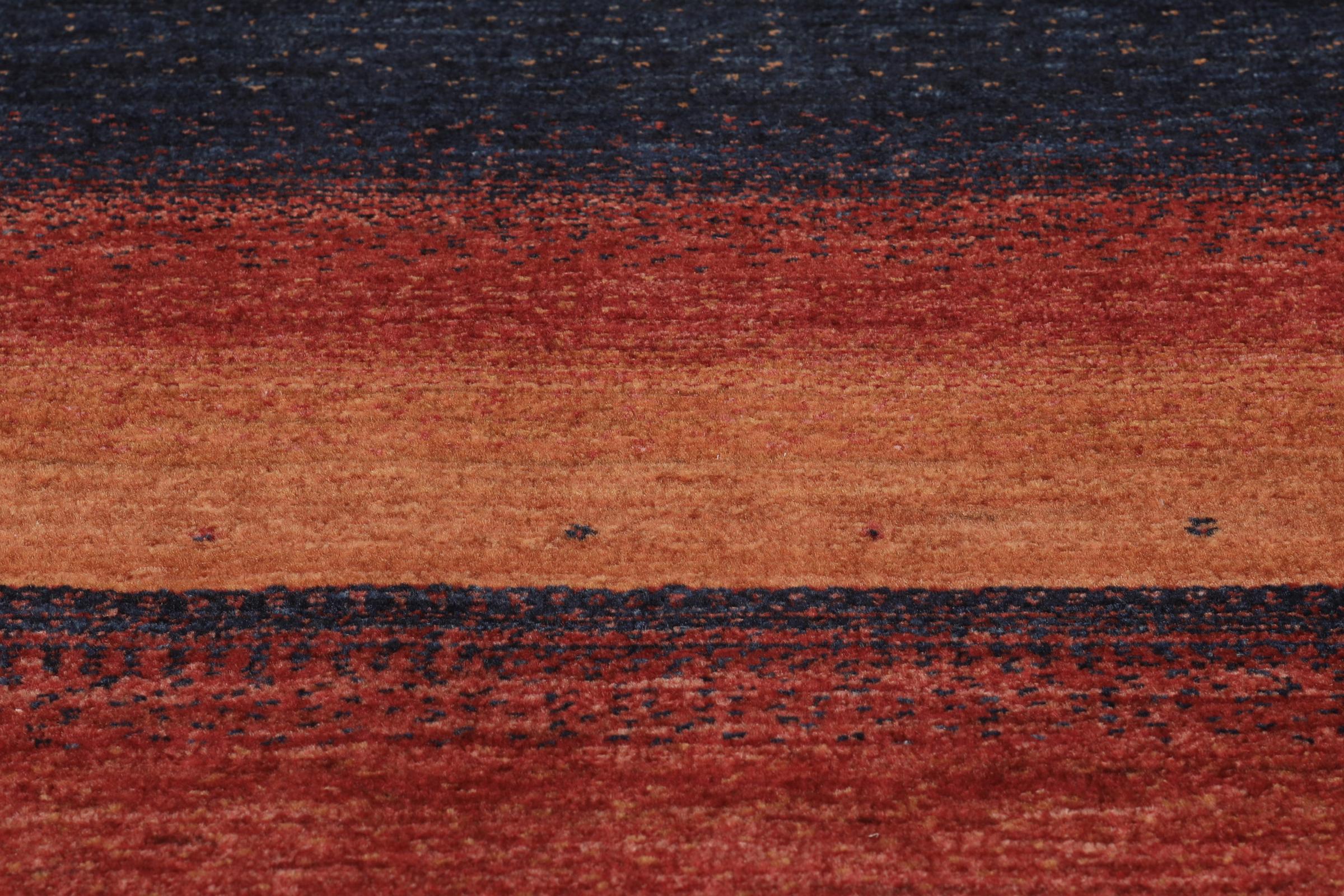
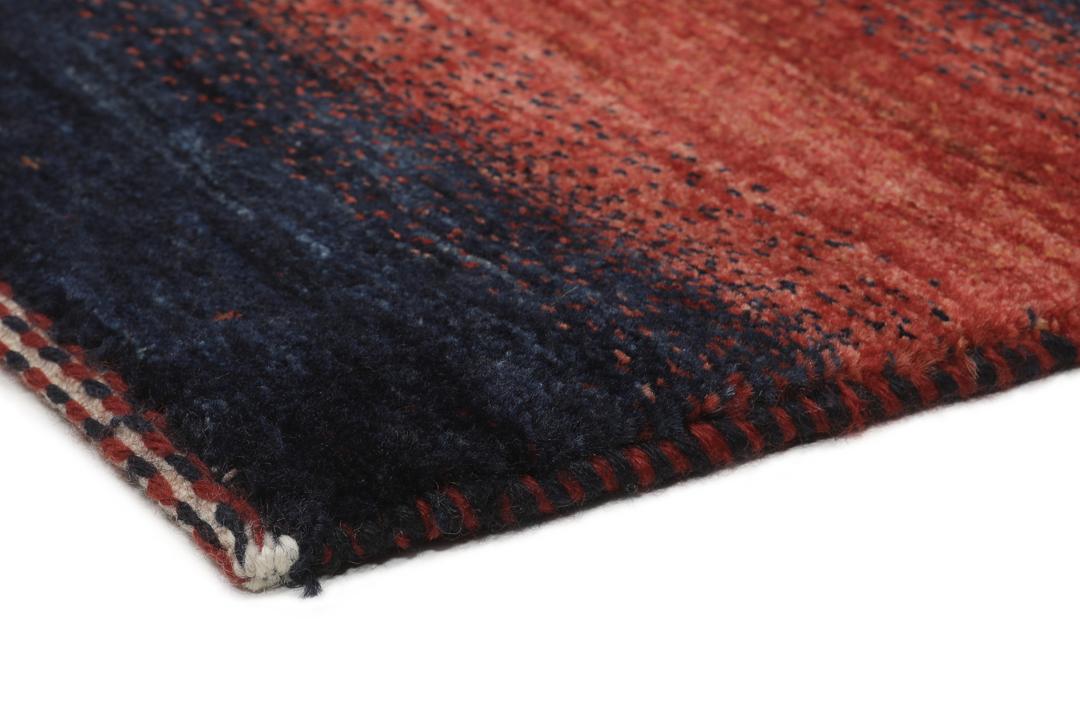
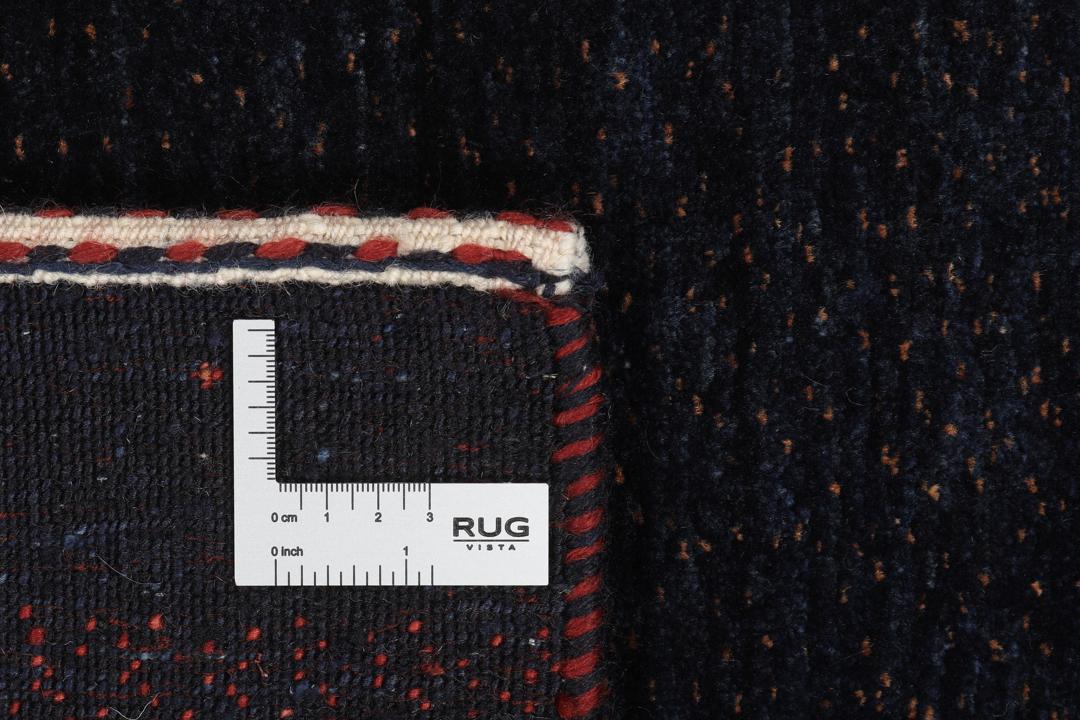
The term 'Lori' refers to the tribal heritage of the weavers, while 'baft' translates to 'woven' or 'knotted'. This style is closely related to the Kashkooli tradition, known for its focus on fine wool and high-density knotting. These technical choices are not merely aesthetic; they are designed to produce a finished product that is both soft to the touch and remarkably resilient against the wear of everyday life.
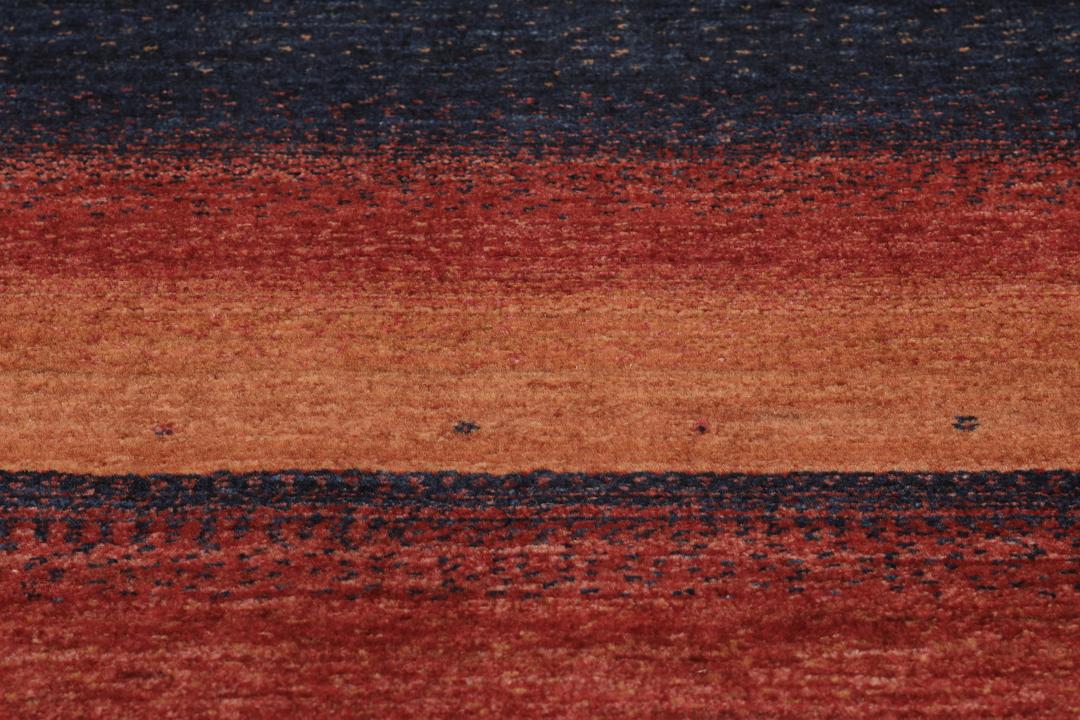
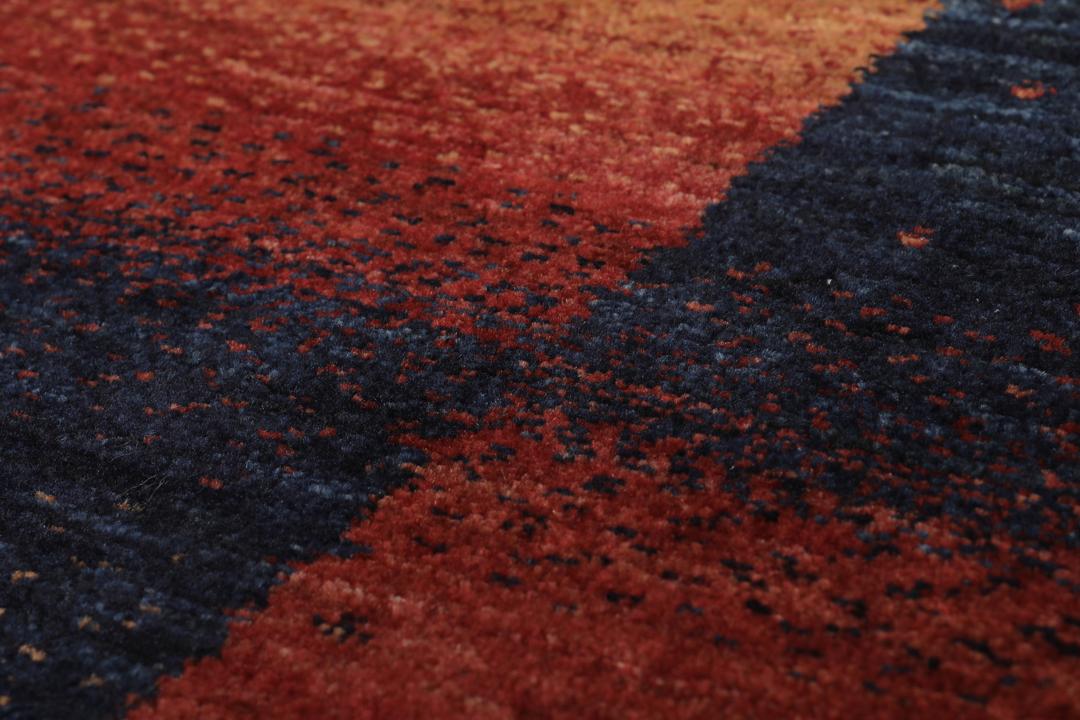
Visually, these rugs are defined by their rich, saturated colours and an emphasis on negative space. The use of natural dyes often results in subtle variations in tone, known as abrash, which gives the surface a vibrant, living quality. Unlike more rigid, formal rug traditions, Loribaft rugs celebrate the hand of the weaver, resulting in a design that feels organic, warm, and deeply connected to its roots.
Collecting a Loribaft rug is an investment in both heritage and skill. These pieces are valued for their ability to balance rustic charm with refined construction, making them a staple for those who appreciate authentic craftsmanship. By choosing a Loribaft, you are preserving a cultural tradition that prioritises human connection and enduring quality over the fleeting trends of mass production.