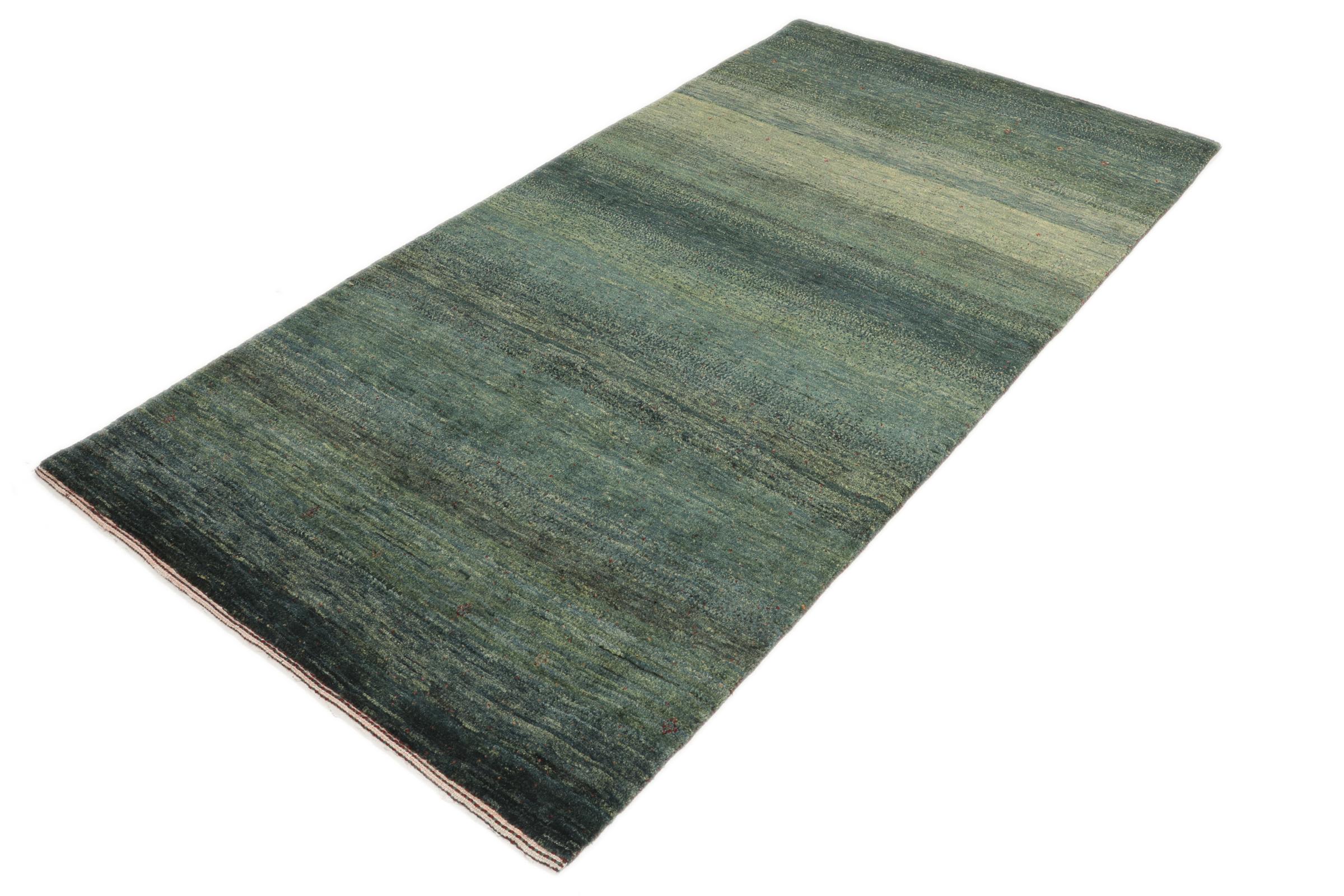
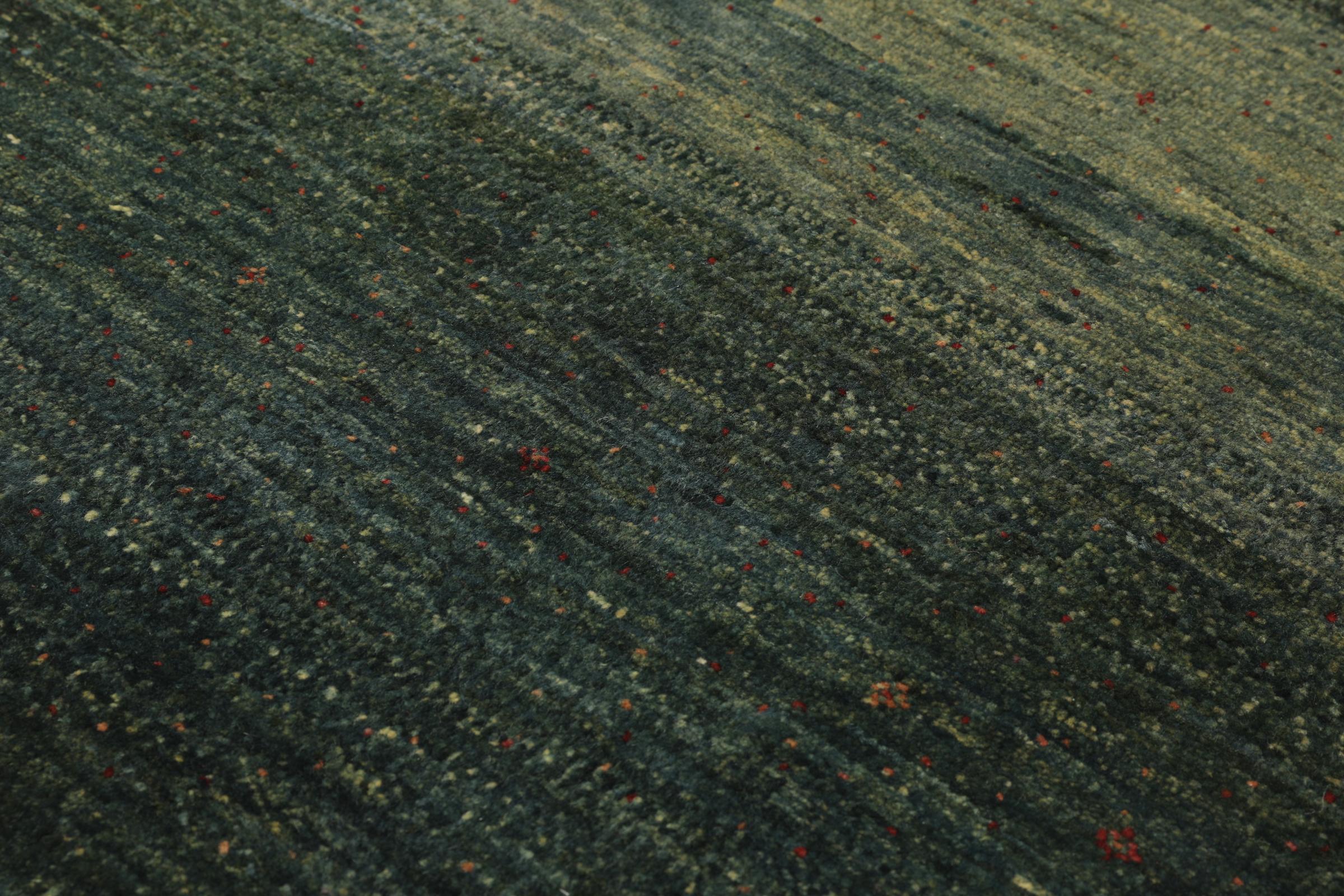
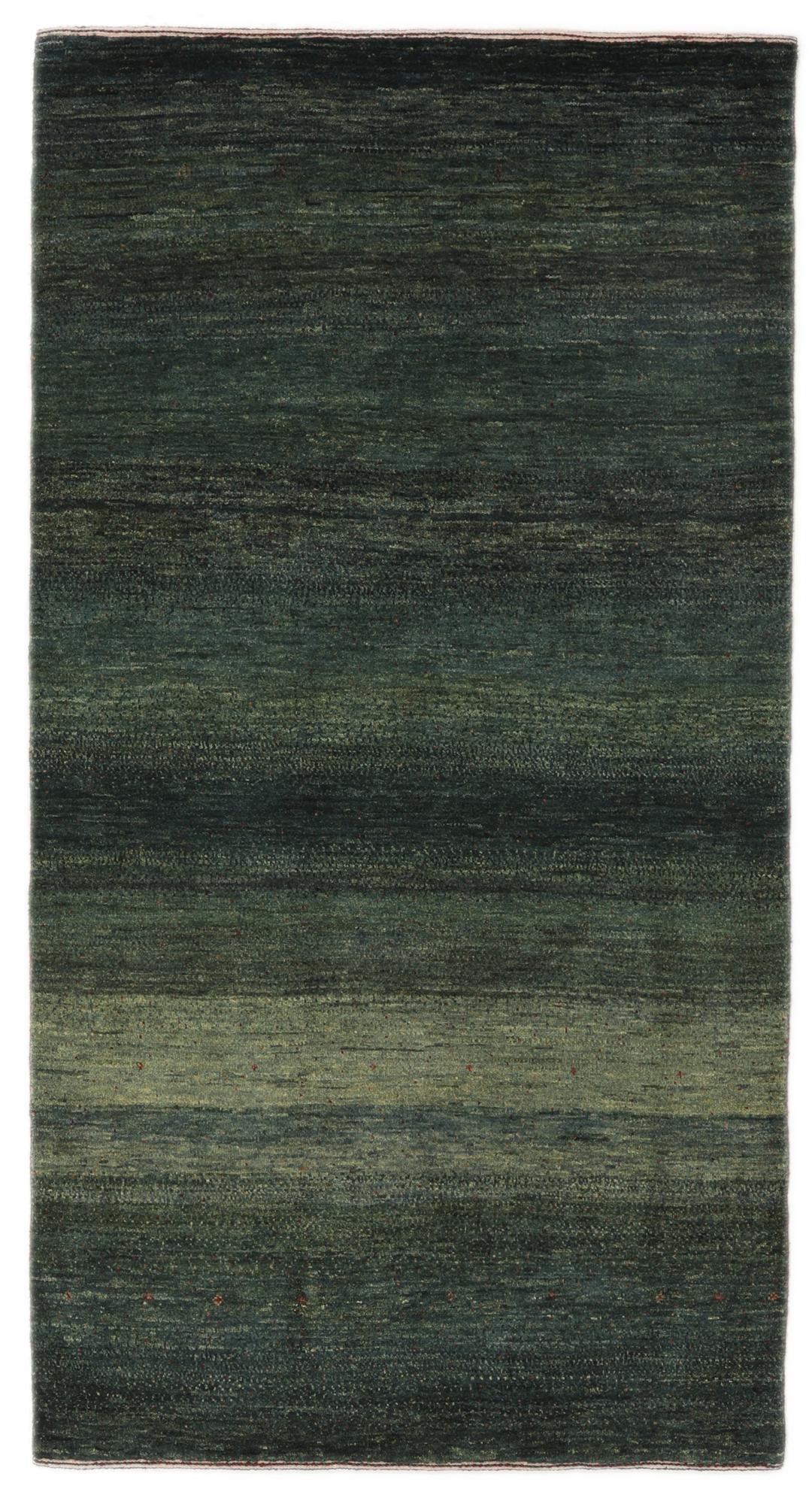
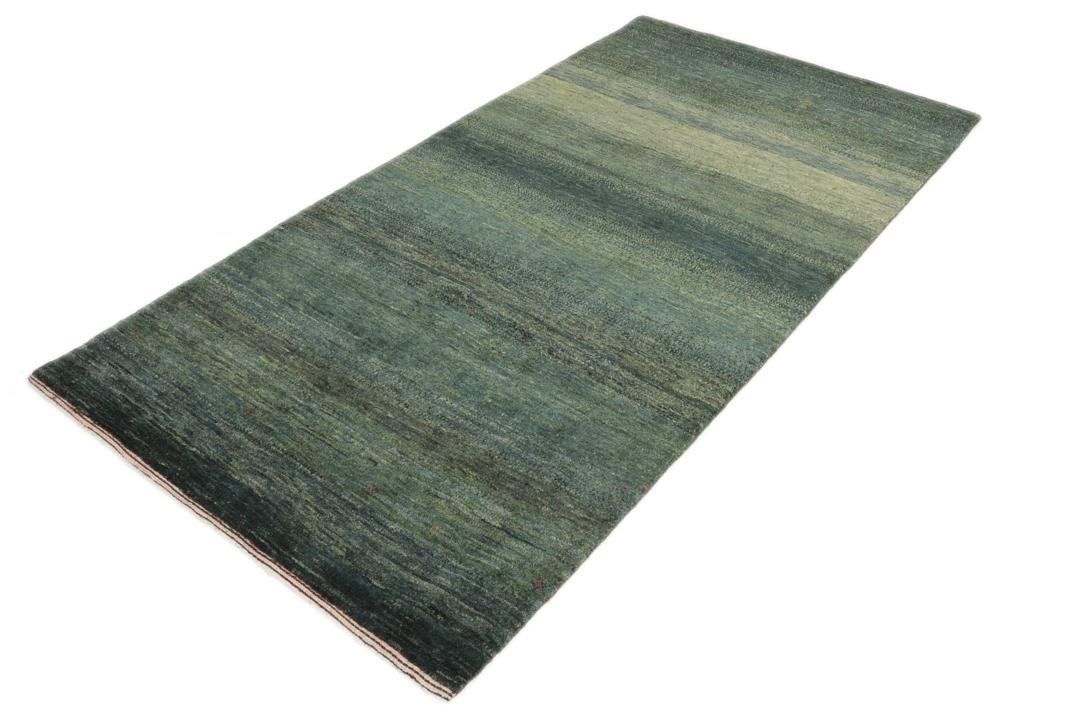
The Loribaft tradition originates from the nomadic tribes of the Middle East, particularly the Luri people. These rugs were traditionally crafted for personal use within the home, serving as warm bedding and floor coverings that could withstand the harsh, mountainous climate. Over generations, these designs evolved into the distinct, minimalist style we recognise today, celebrated for its focus on texture and natural, saturated dyes.
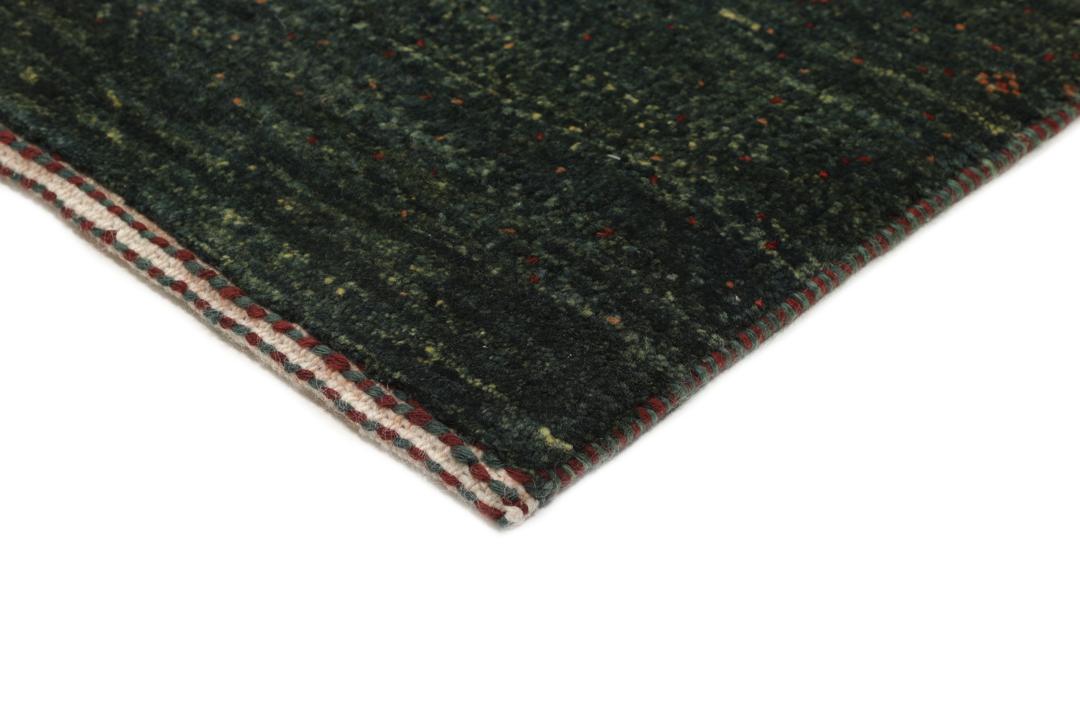
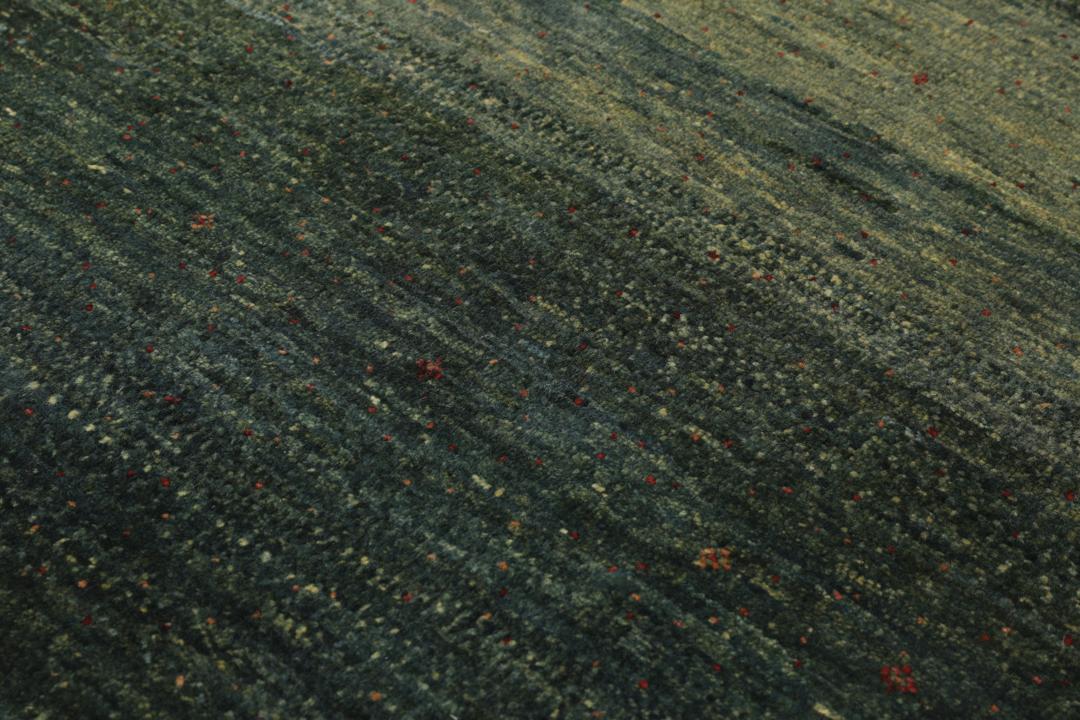
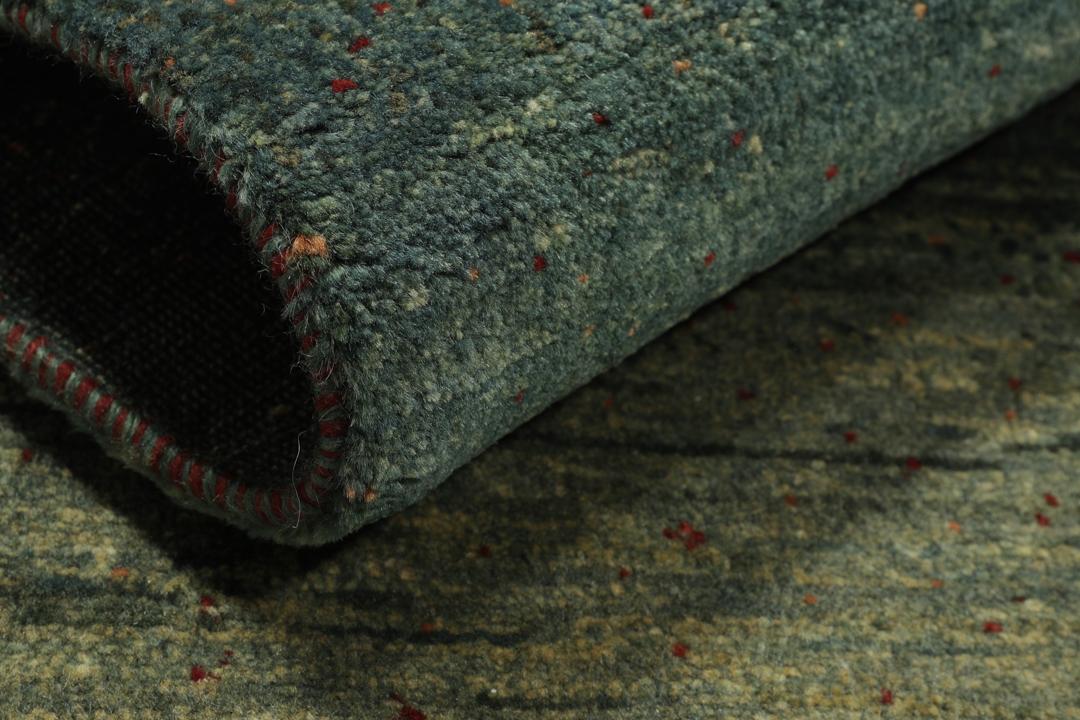
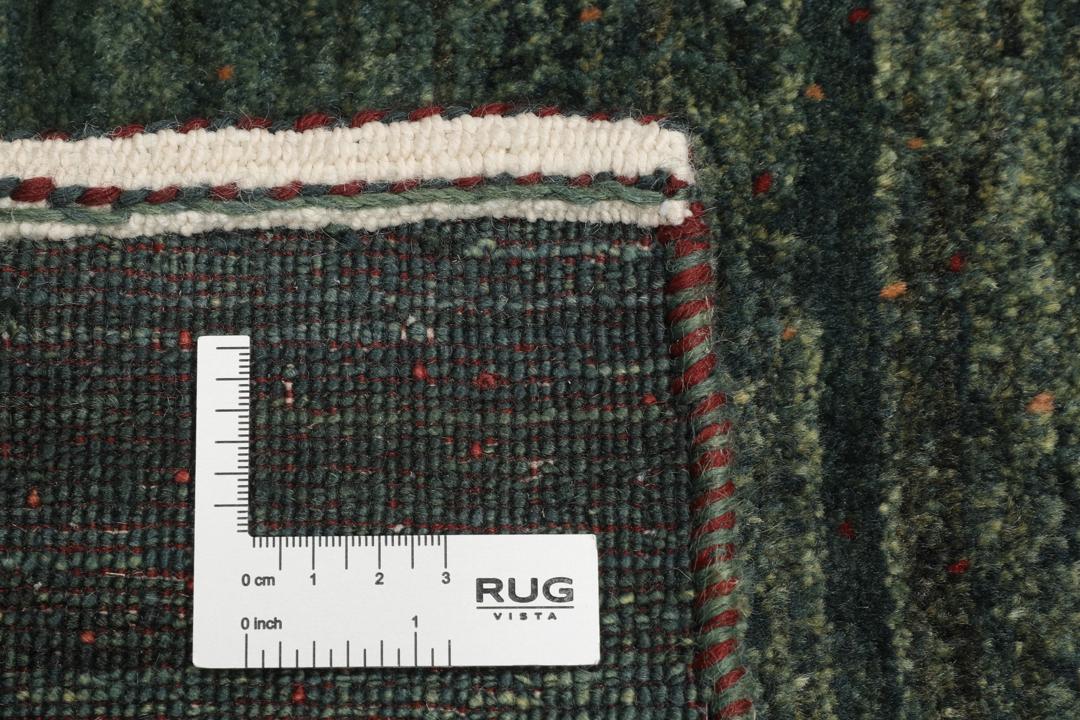
The term 'Lori' refers to the tribal heritage of the weavers, while 'baft' simply means 'to weave' or 'weave'. Unlike more formal, structured rugs, these pieces are known for their freer, more artistic expression. The construction technique prioritises the quality of the wool, often using a thicker, more resilient strand that results in a heavier, more plush pile compared to traditional city rugs.
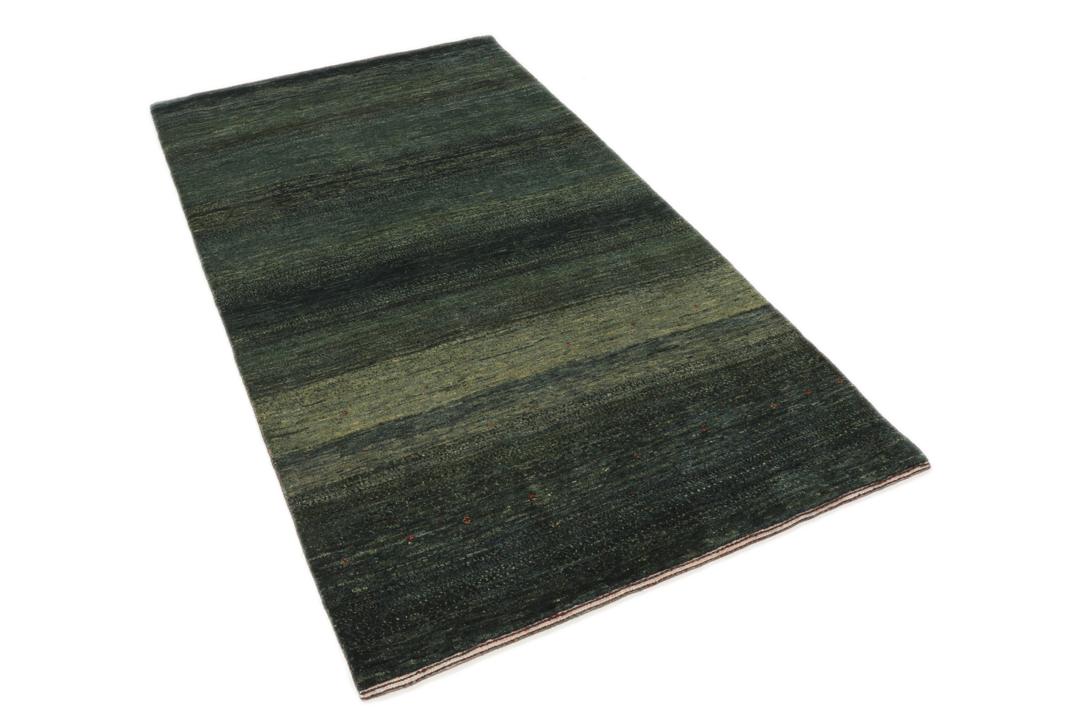
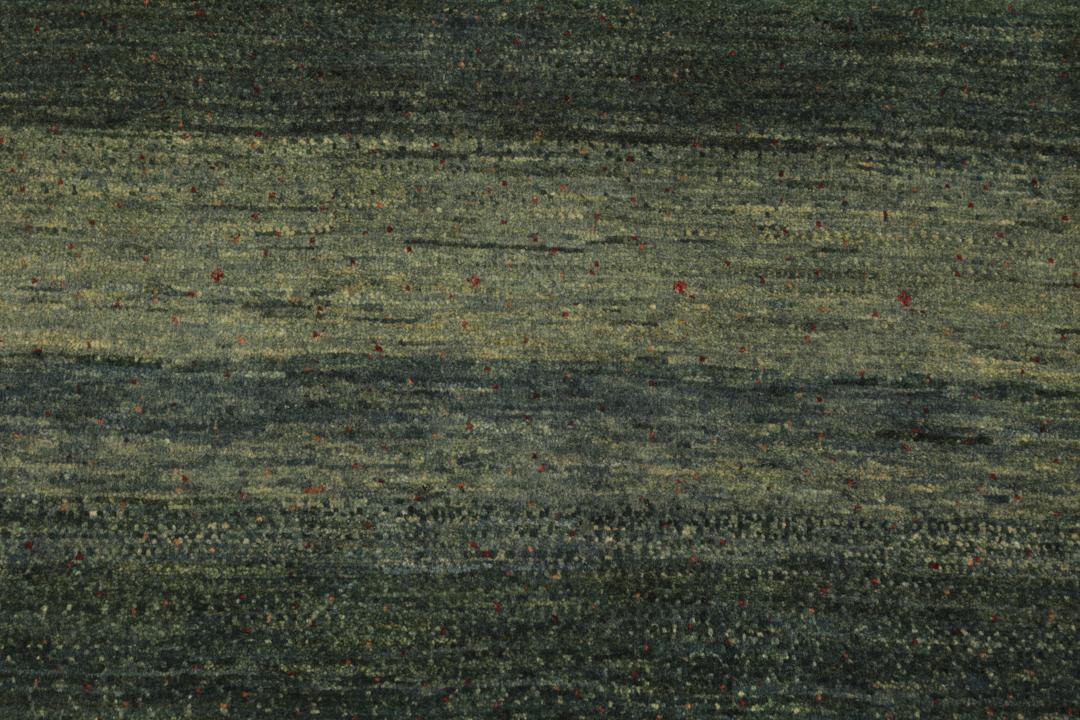
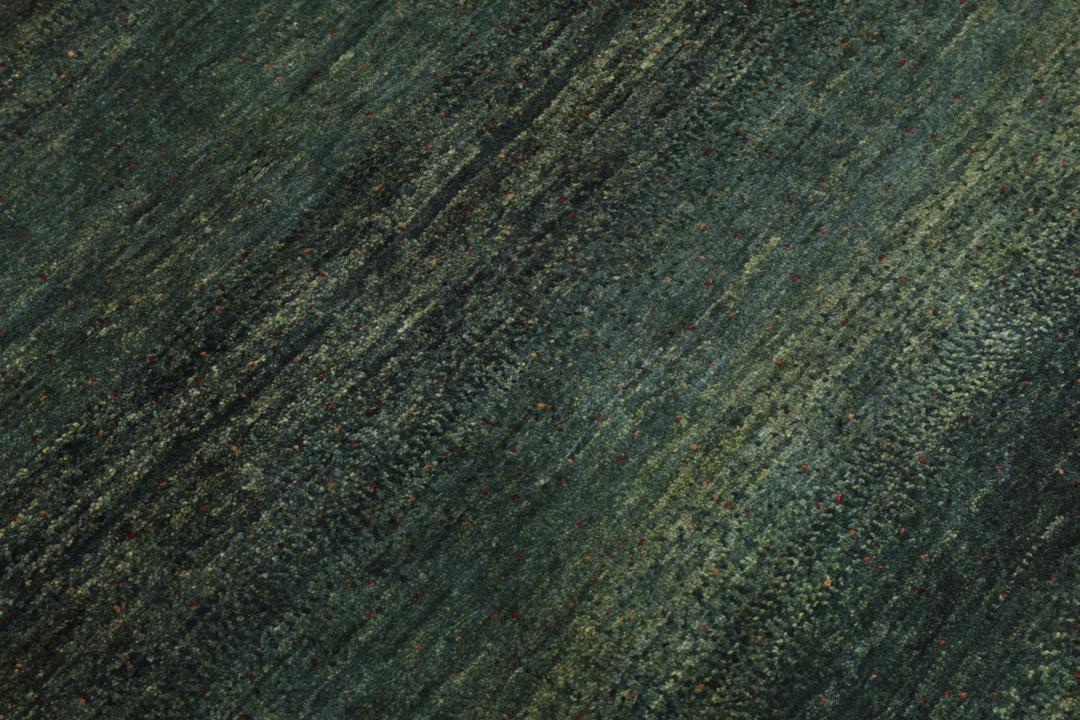
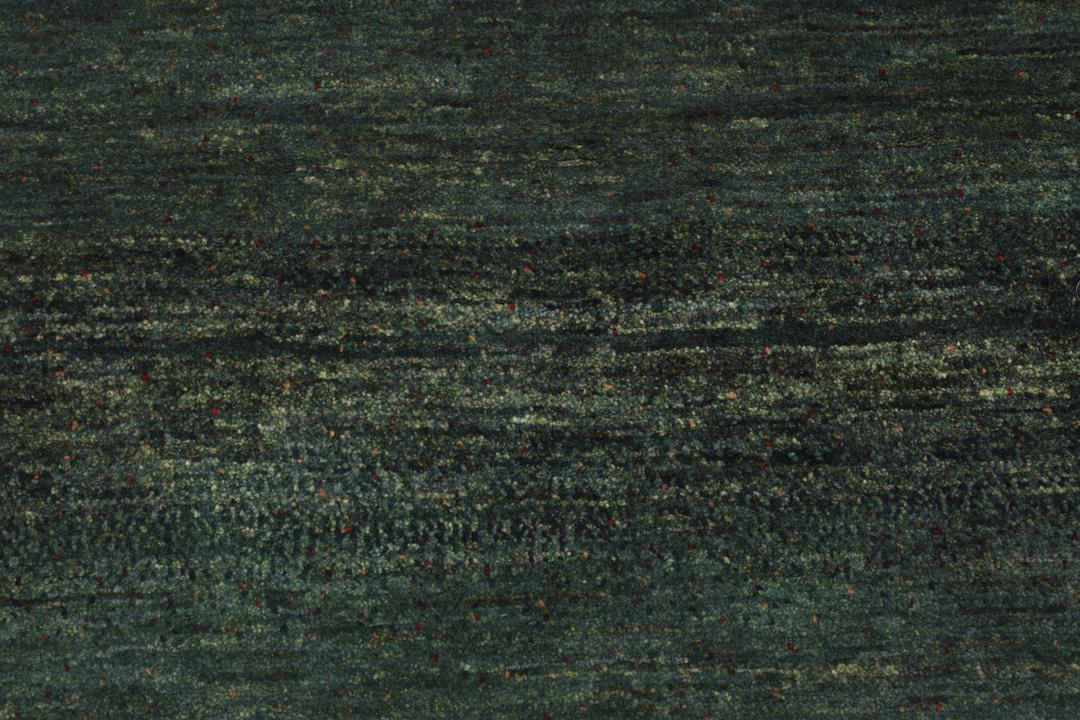
Visually, these rugs are defined by their simplicity. They often avoid the complex, geometric medallions found in other Middle Eastern traditions, favouring large, open fields of colour that highlight the subtle variations in the wool. The deep, dark greens and earthy tones seen here are typical of the traditional dye palettes, which were sourced from local plants and minerals, giving each rug a unique, vibrant character.
Collecting a Loribaft is an act of preserving a dying art form. As modern life changes the nomadic ways of the past, these rugs remain a vital link to a heritage of self-sufficiency and creative skill. To own one is to possess a piece of cultural history that values the human hand above all else, making these rugs highly sought after by those who appreciate the intersection of raw beauty and lasting quality.