Loribaft rugs originate from the nomadic tribes of the Middle East, specifically the Luri people. These rugs are historically celebrated for their simplicity and the deeply personal way they express the weaver's surroundings. Unlike more formal urban carpets, these pieces often feature open fields and whimsical, stylized motifs that reflect a life lived close to nature.
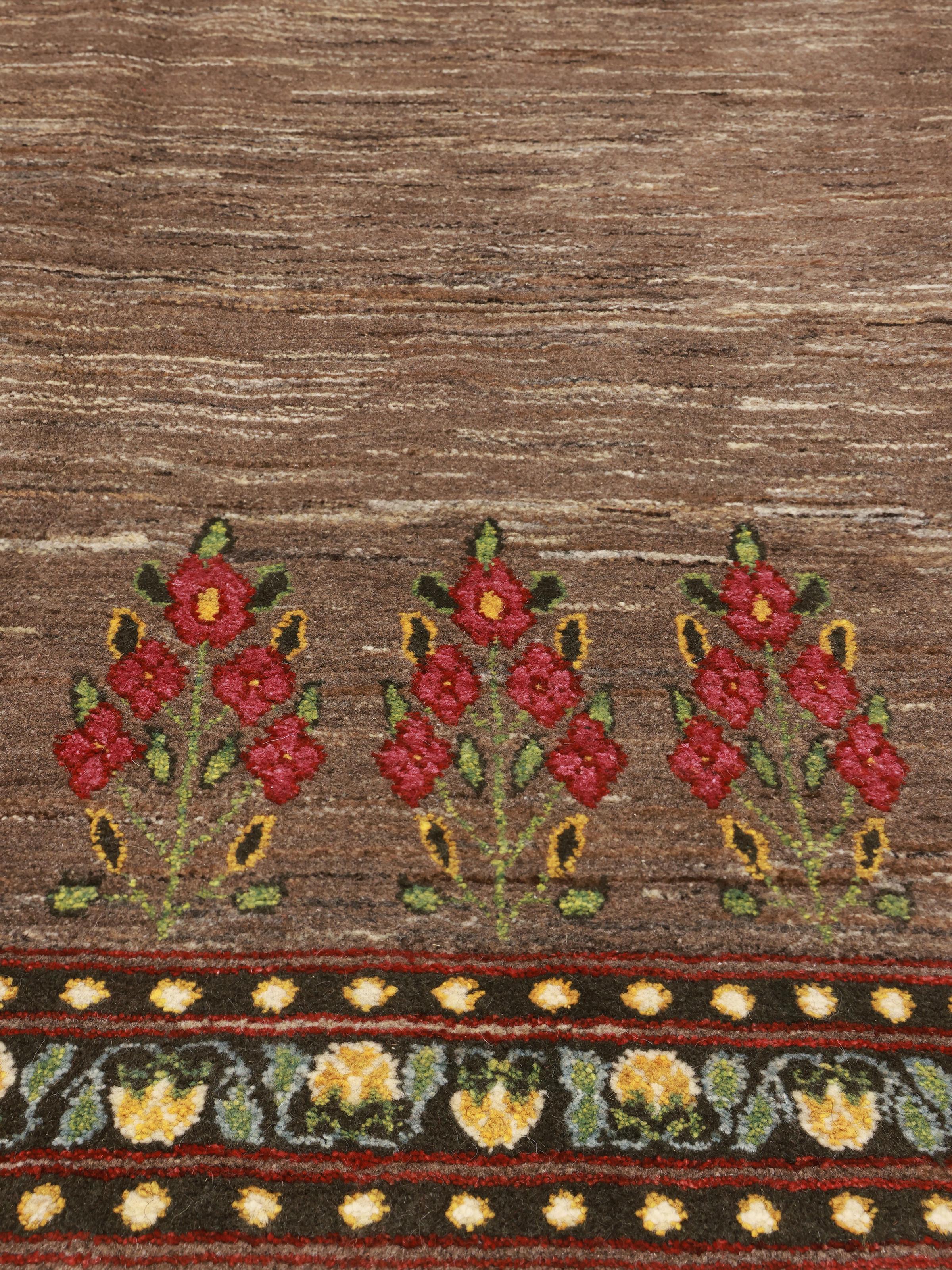
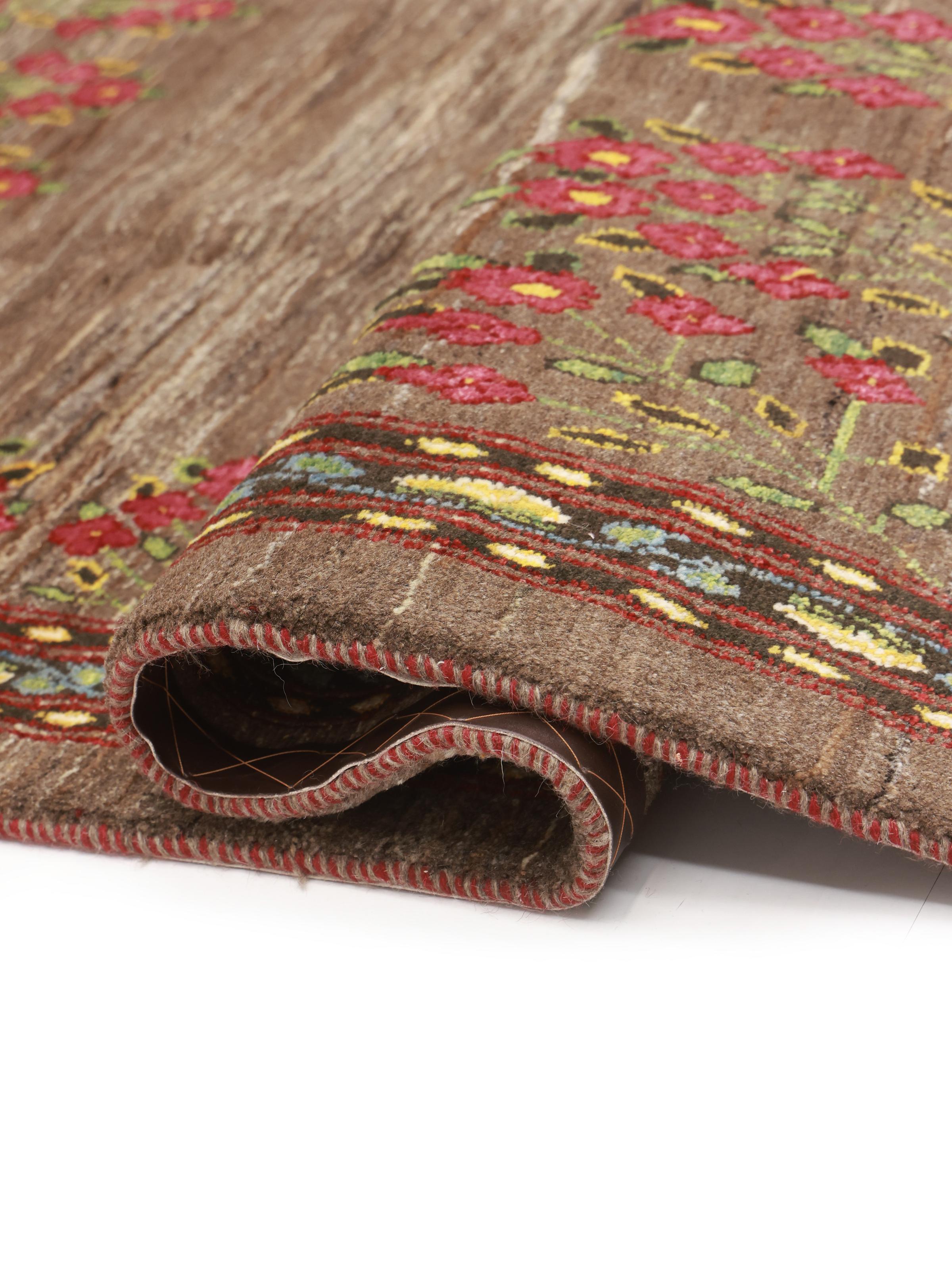
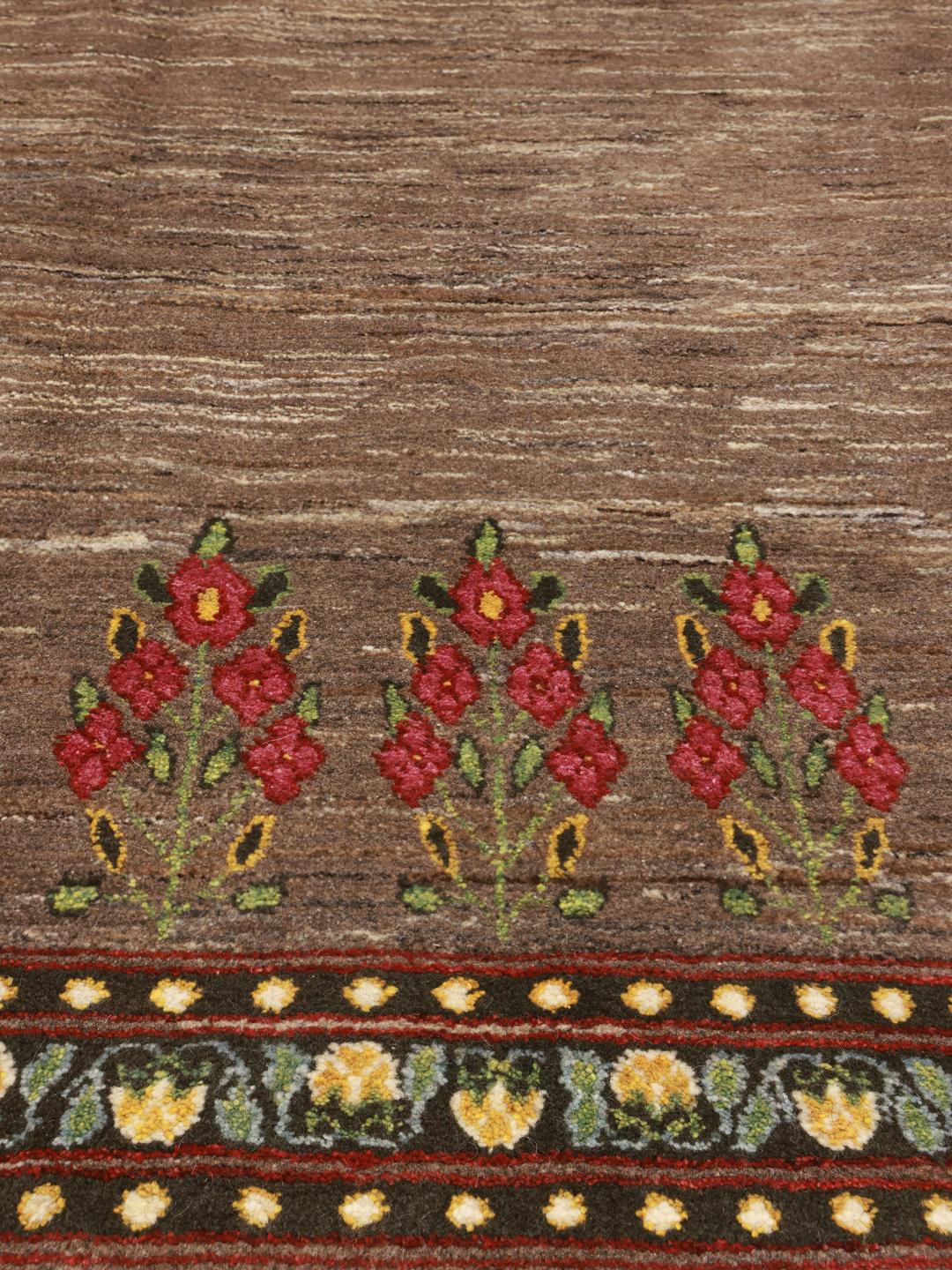
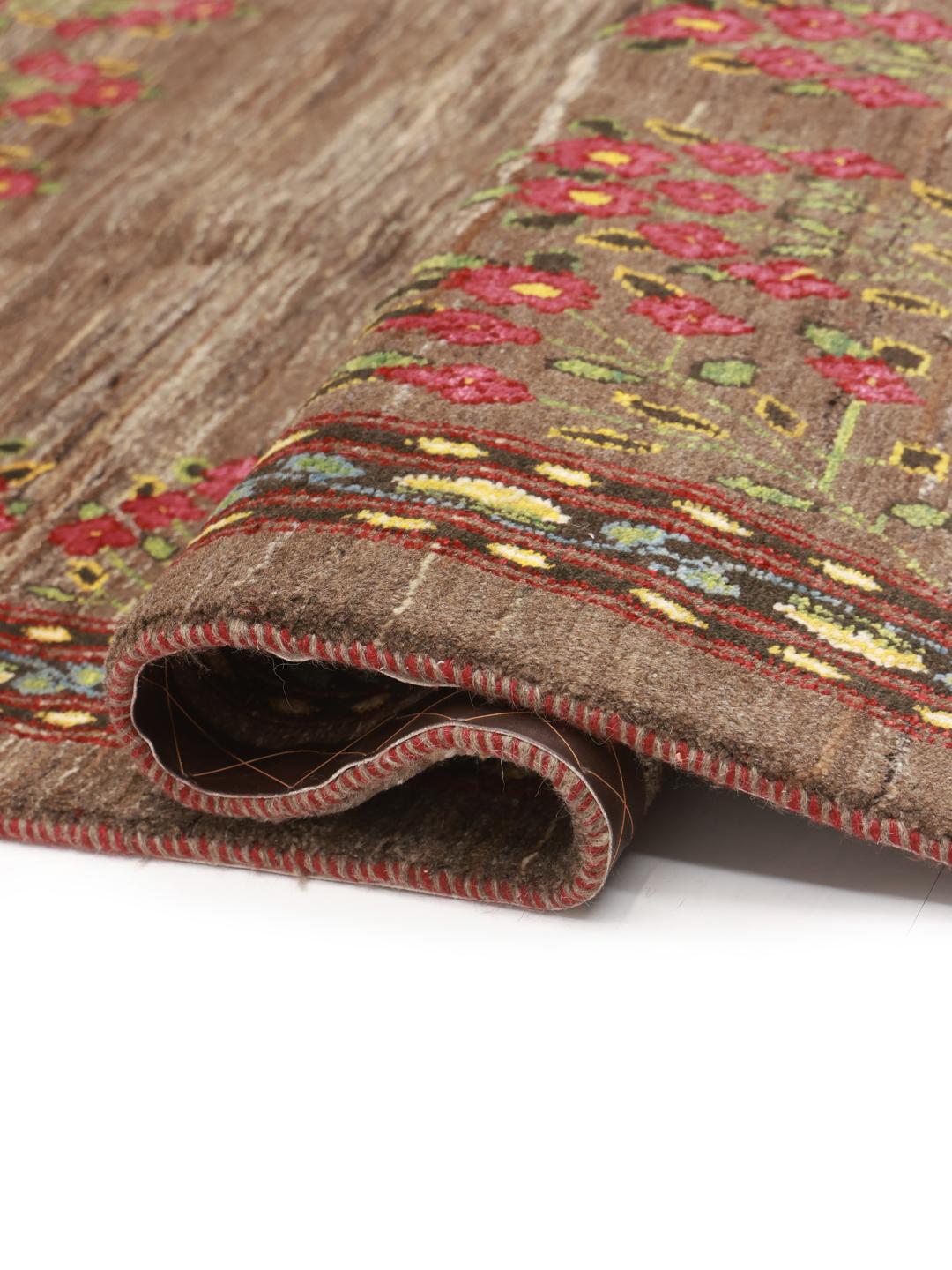
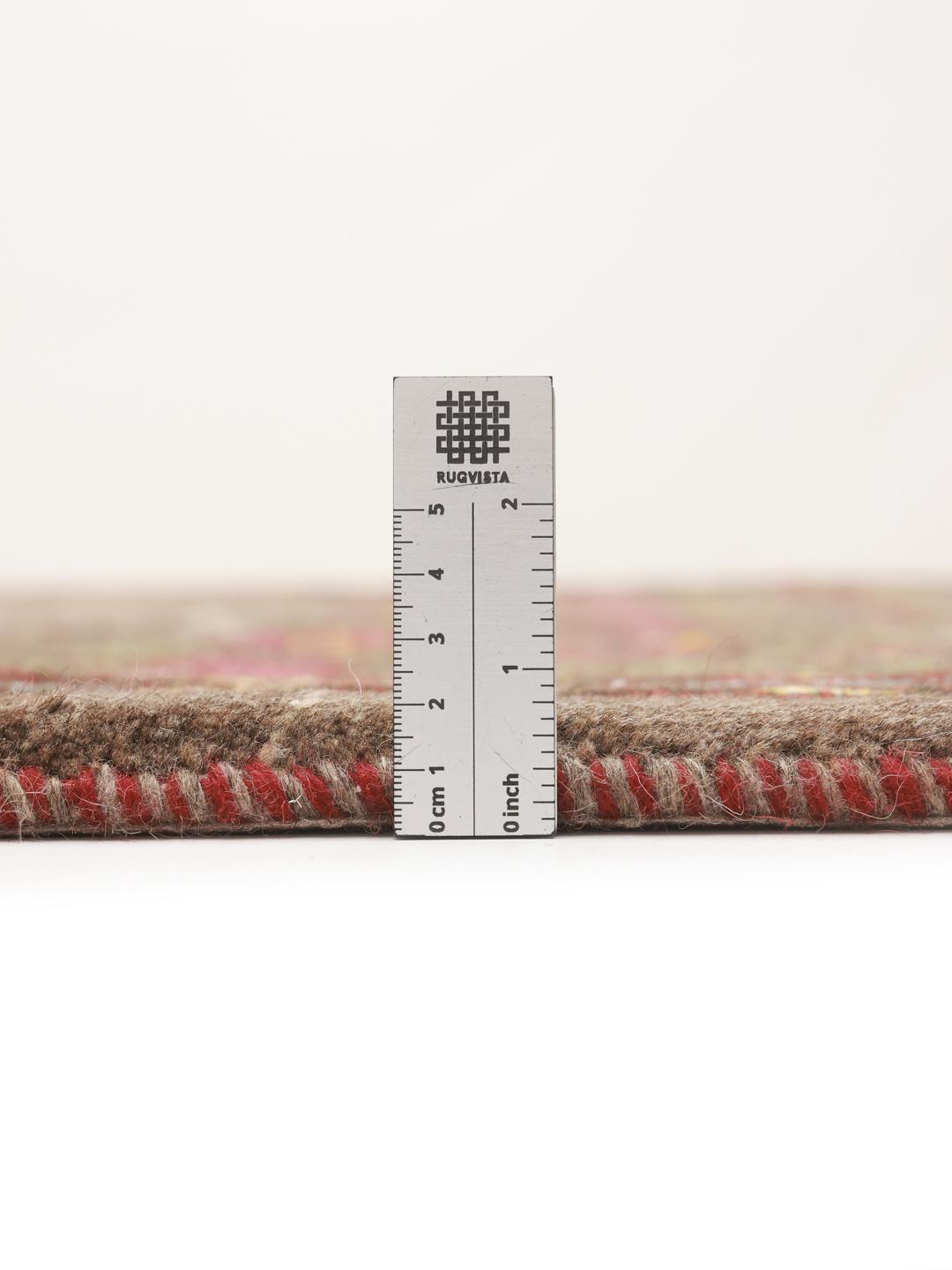
The term 'baft' refers to the weaving style, and the Loribaft is distinct for its softer, thicker pile compared to traditional tribal rugs. This construction is achieved through the use of high-quality, hand-spun wool, which is often left in its natural state or dyed with earthy tones. This approach creates a rug that is not only visually appealing but also exceptionally durable and soft.
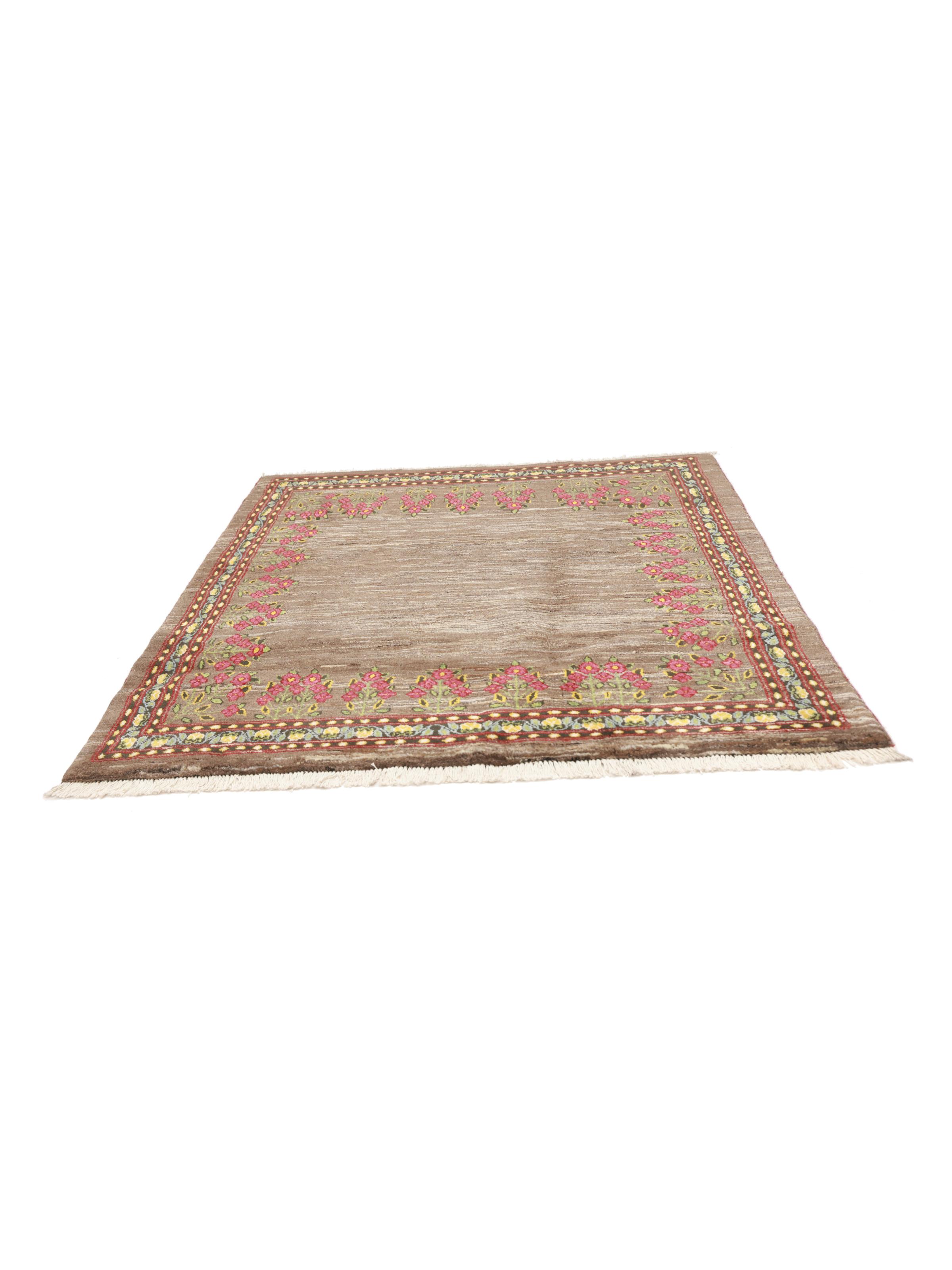
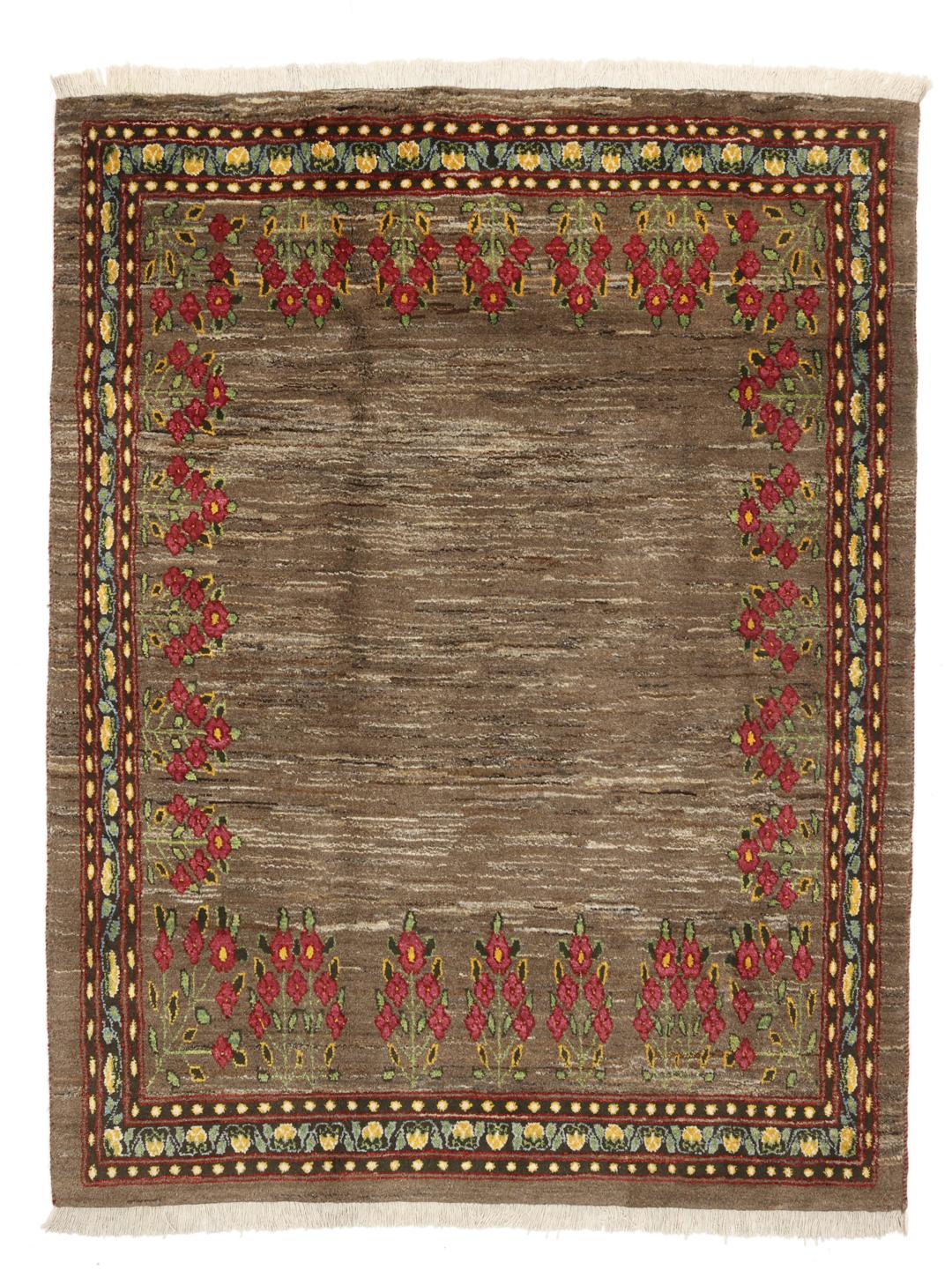
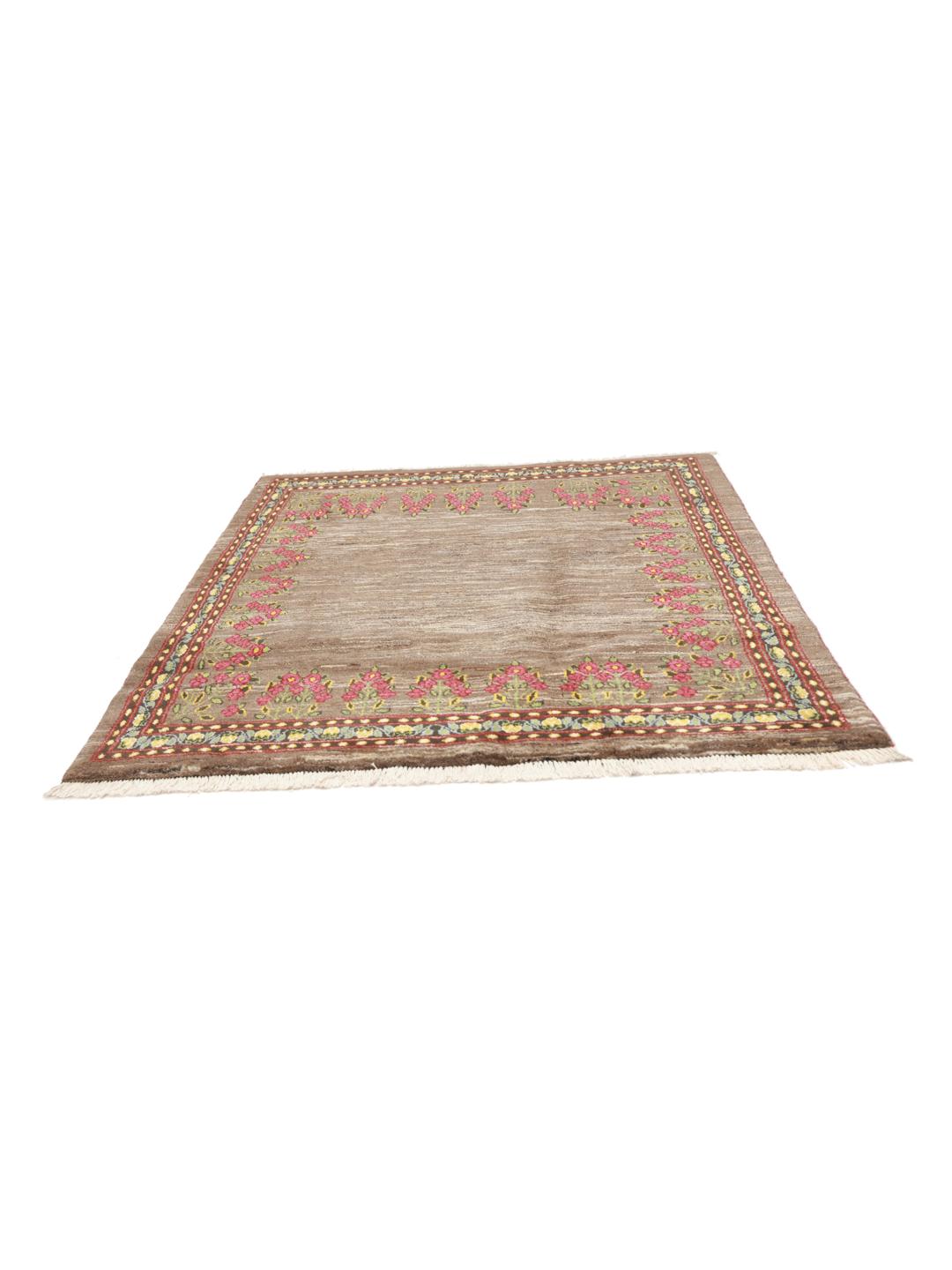
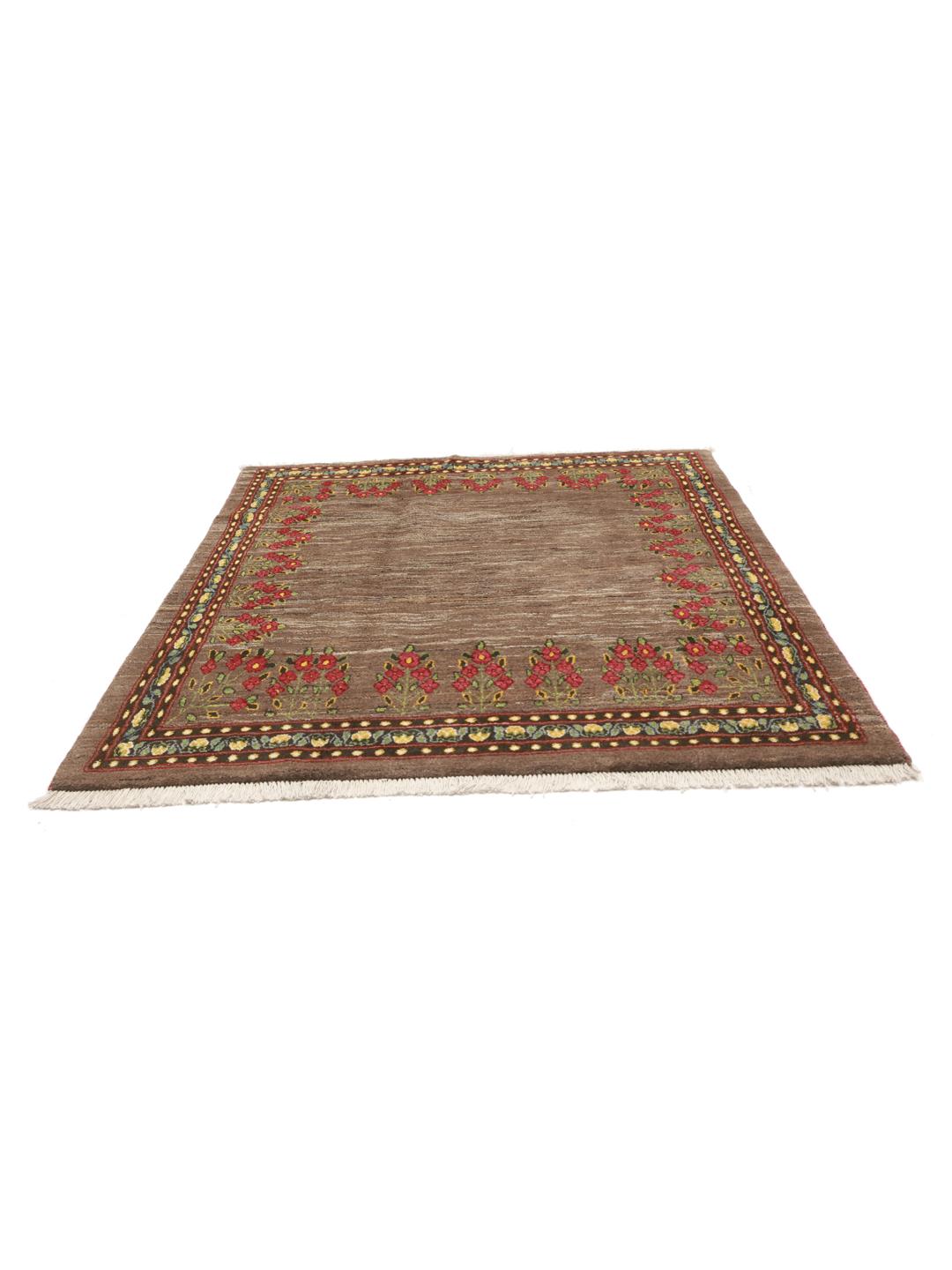
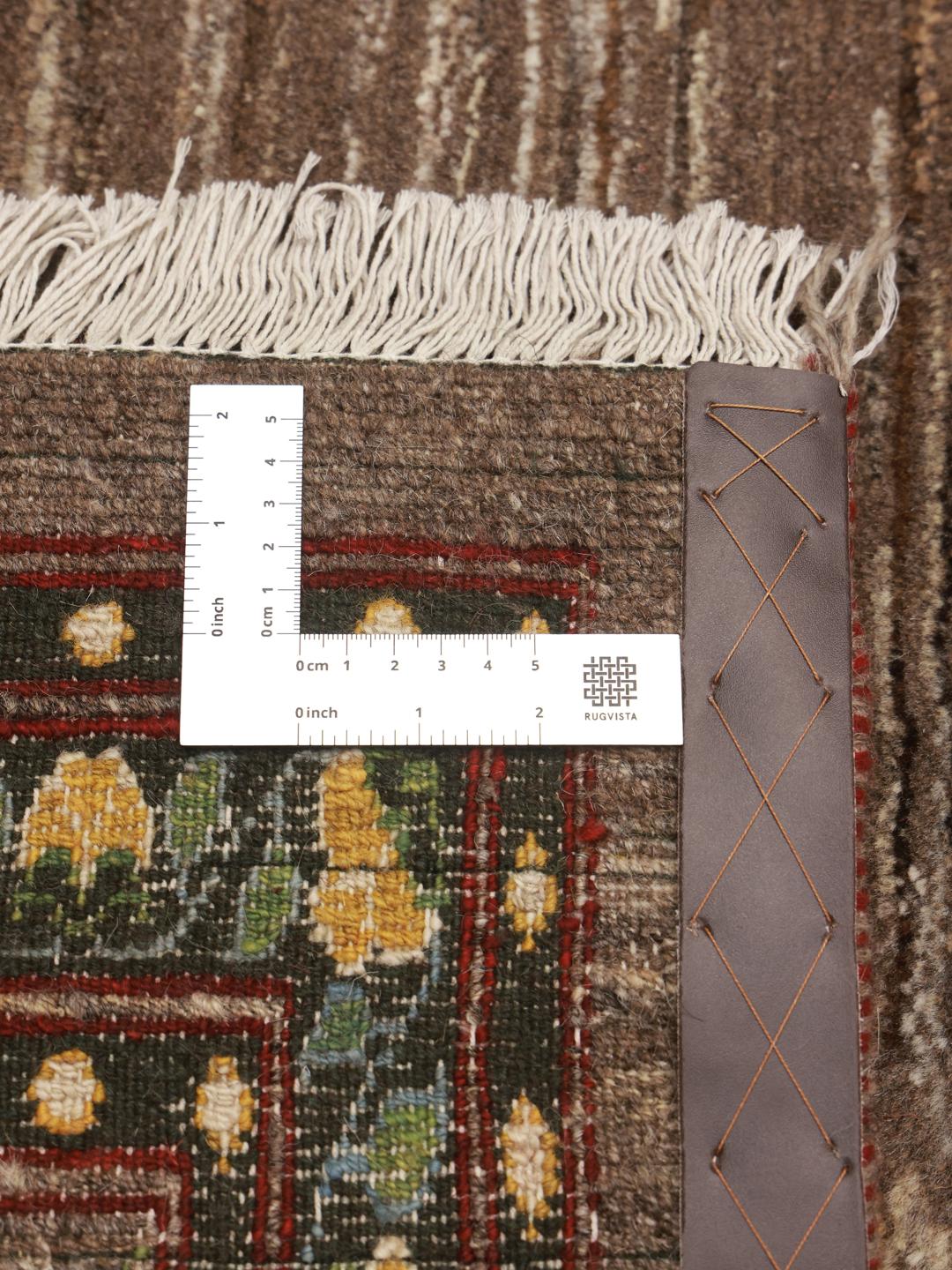
The signature design elements of a Loribaft often include simplified floral or geometric motifs arranged in a way that feels organic rather than rigid. In this specific piece, the floral border frames the open brown field, a classic composition that highlights the beauty of the wool. The use of red and yellow accents against the natural brown background is a hallmark of the region's vibrant colour traditions.
Owning a Loribaft is an invitation to connect with a long-standing heritage of nomadic artistry. These rugs are highly valued by collectors because they represent a marriage of utility and creative freedom. Each knot is a reflection of the artisan's skill, making these pieces cherished additions to a home that values heritage, authentic craft, and lasting beauty.