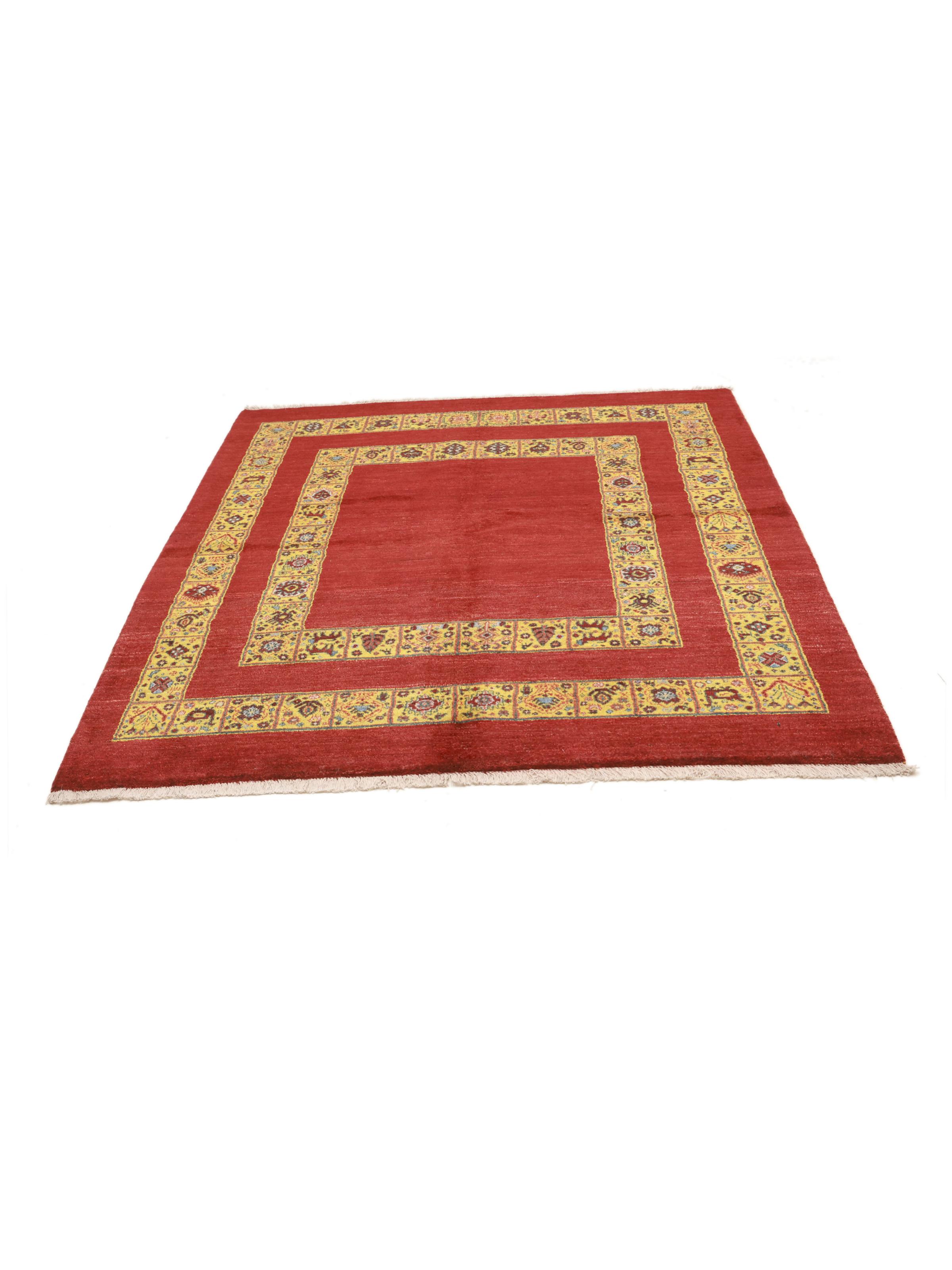
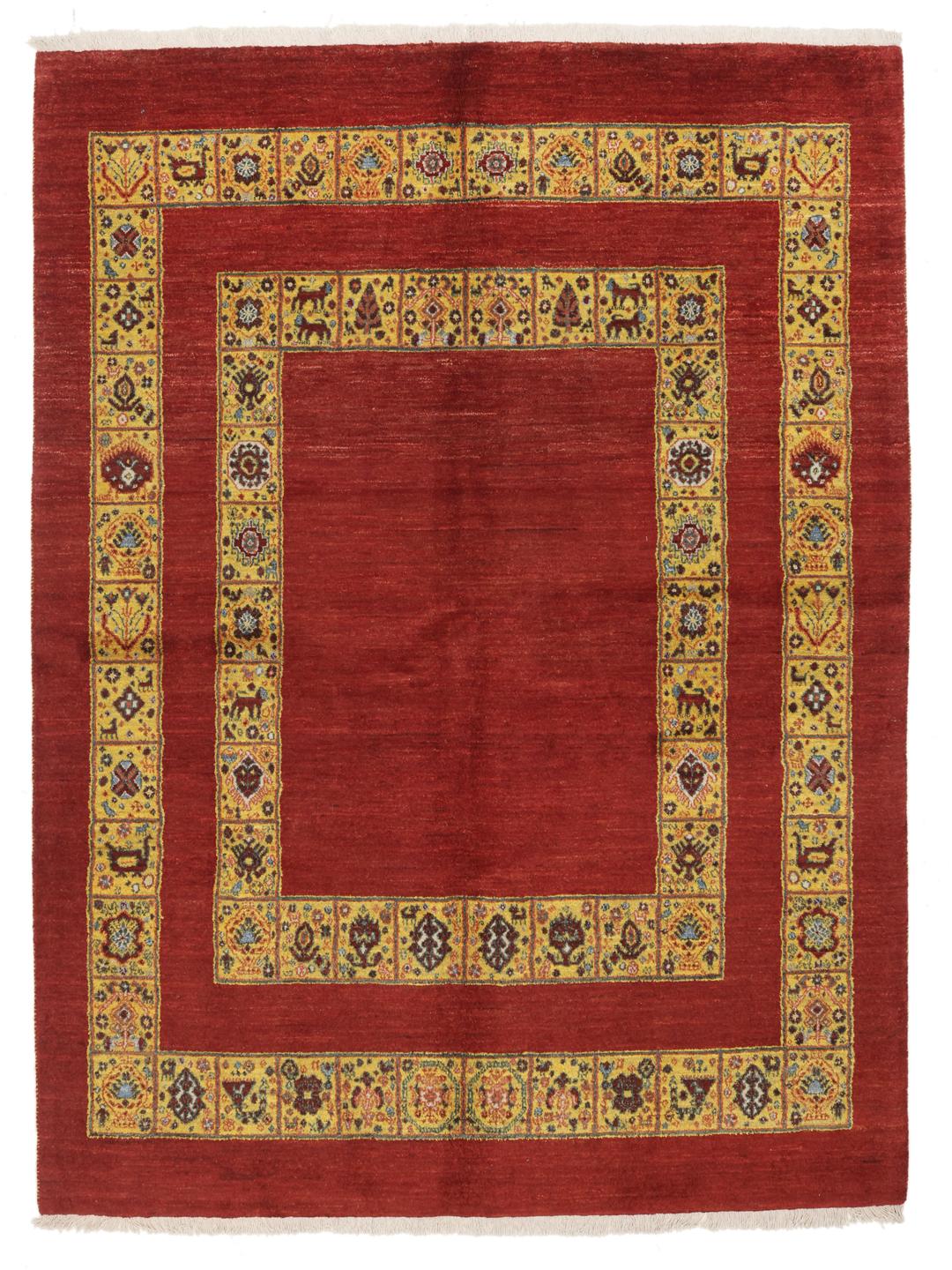
Loribaft rugs originate from the tribal traditions of the Middle East, specifically associated with the nomadic groups who have refined their weaving techniques over centuries. These rugs are deeply rooted in the cultural heritage of the region, reflecting a way of life that values both functionality and beauty in every thread.
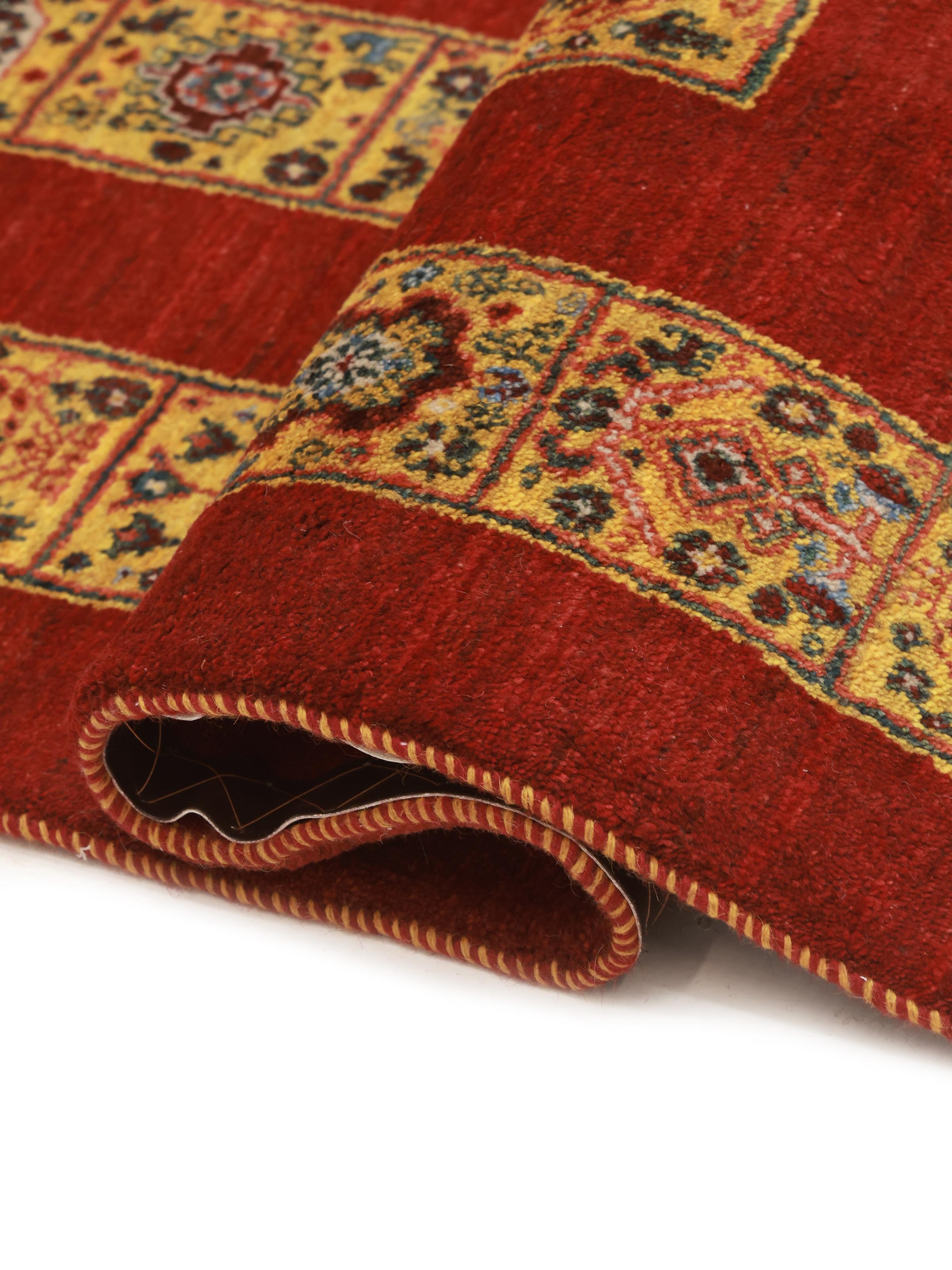
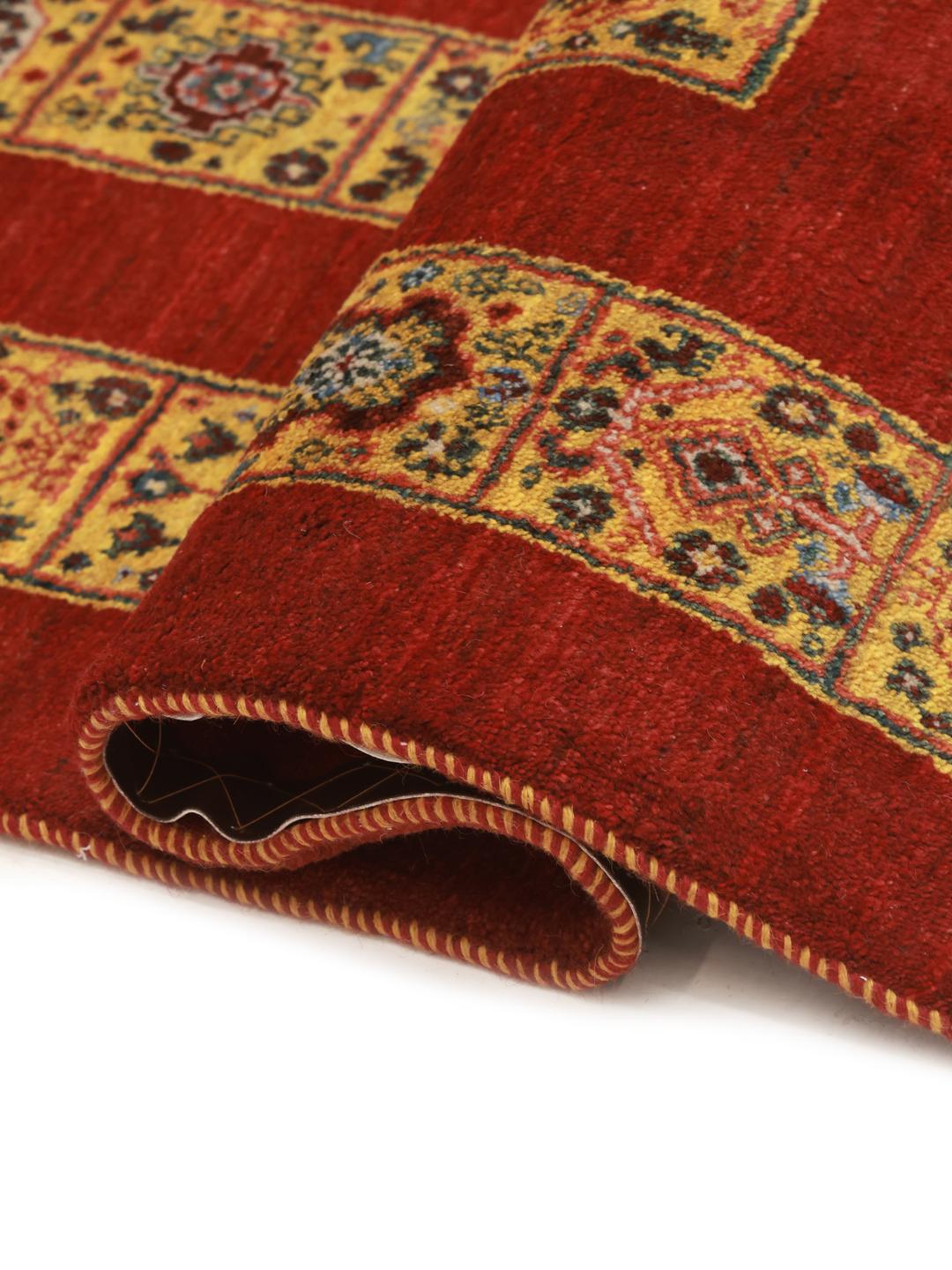
The term 'Baft' refers to the weaving process itself, often implying a thicker, more plush pile than other regional styles. This construction choice is deliberate, providing extra insulation and a soft, luxurious feel that has become a hallmark of the tradition. It is a technique designed for comfort and longevity.
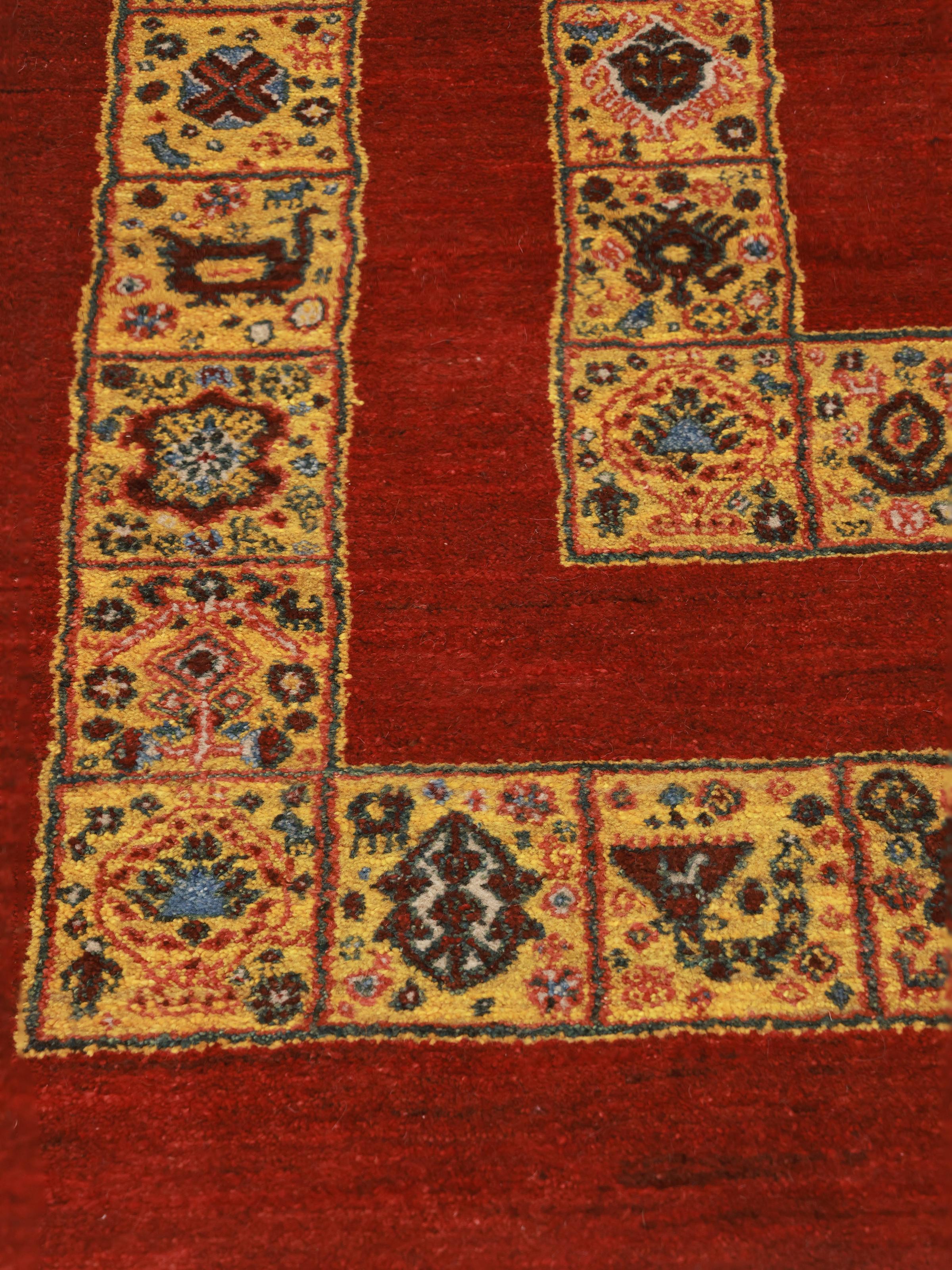
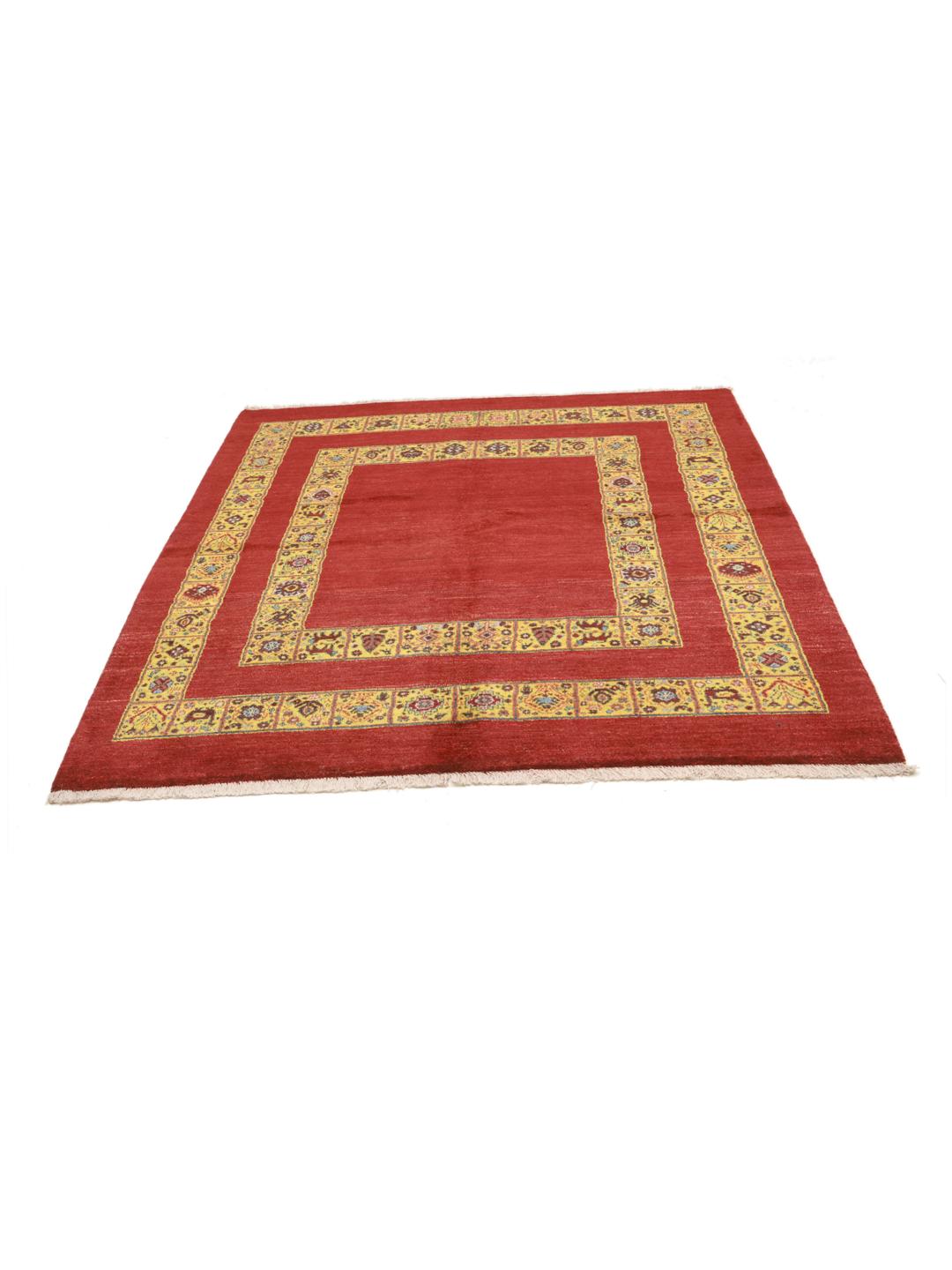
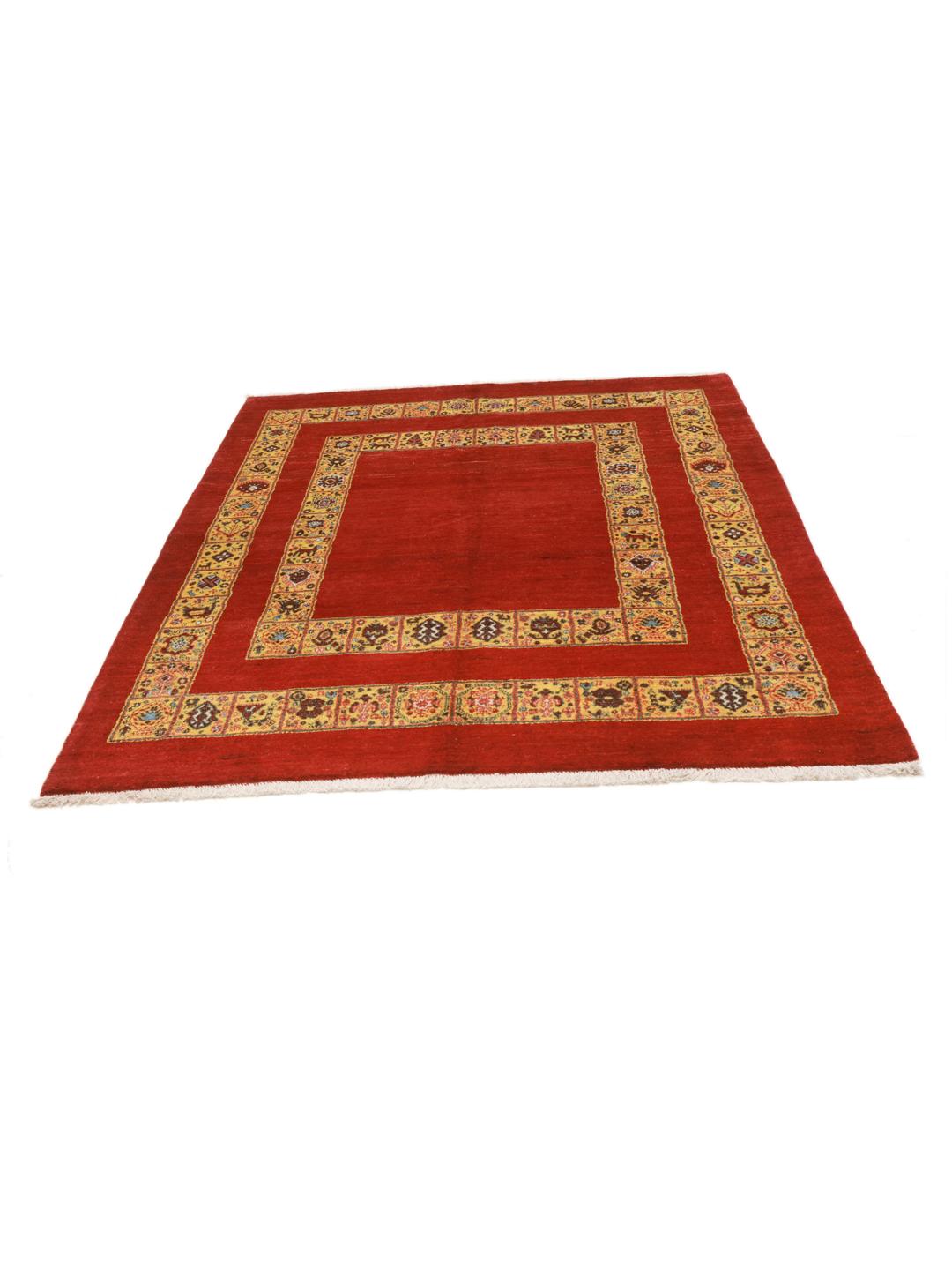
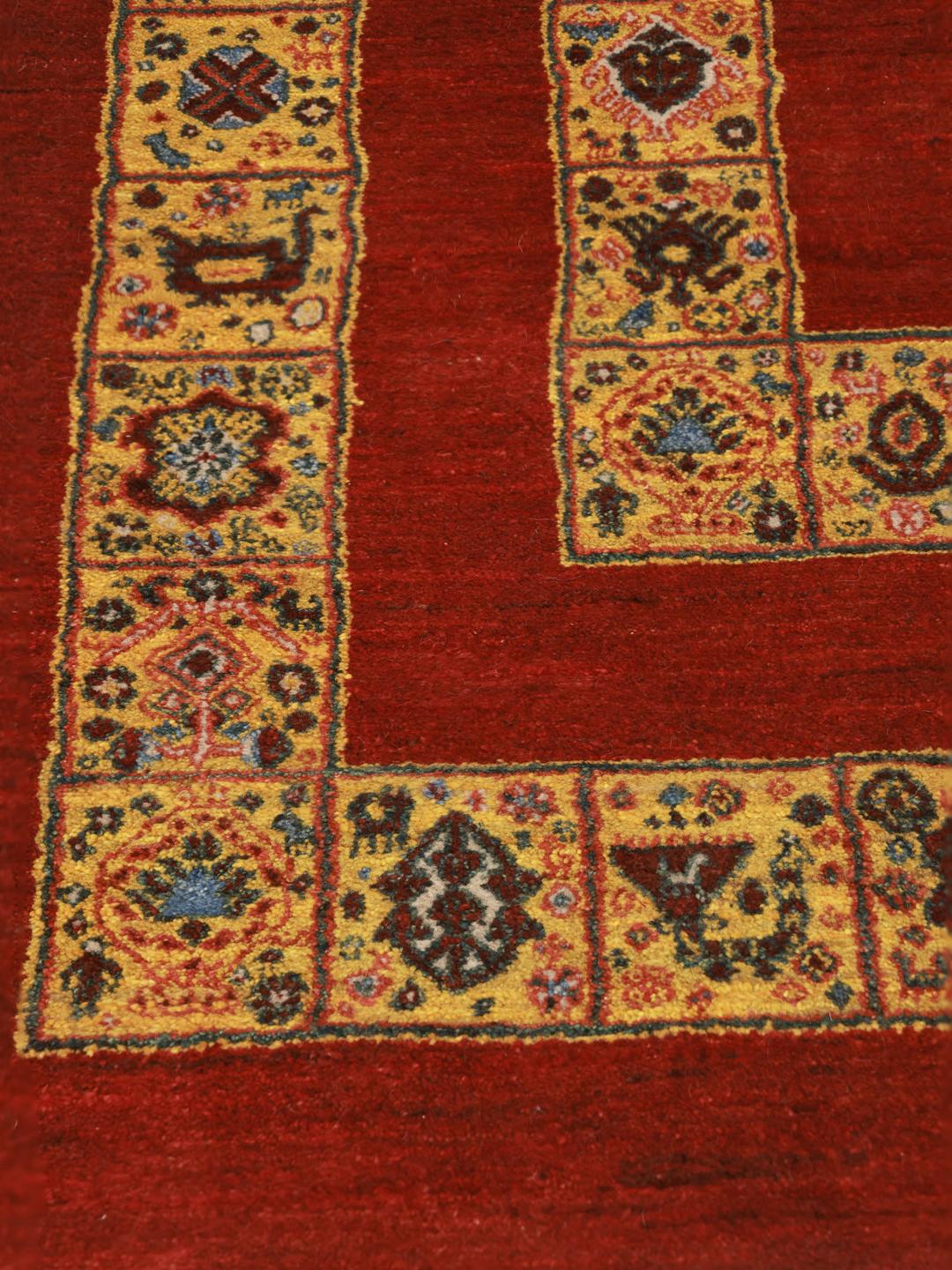
Visually, these rugs are known for their bold fields and intricate, often playful borders. While the main field is frequently kept simple to highlight the quality of the wool, the borders are typically filled with symbolic motifs including animals, plants, and geometric patterns that tell stories of the environment and the weaver's inspirations.
Collecting a rug from this tradition is an investment in human skill and cultural history. These pieces are valued for their authenticity and the way they bridge the gap between ancient nomadic art and contemporary living. Owning one means holding a piece of history that continues to be relevant and admired for its enduring quality.