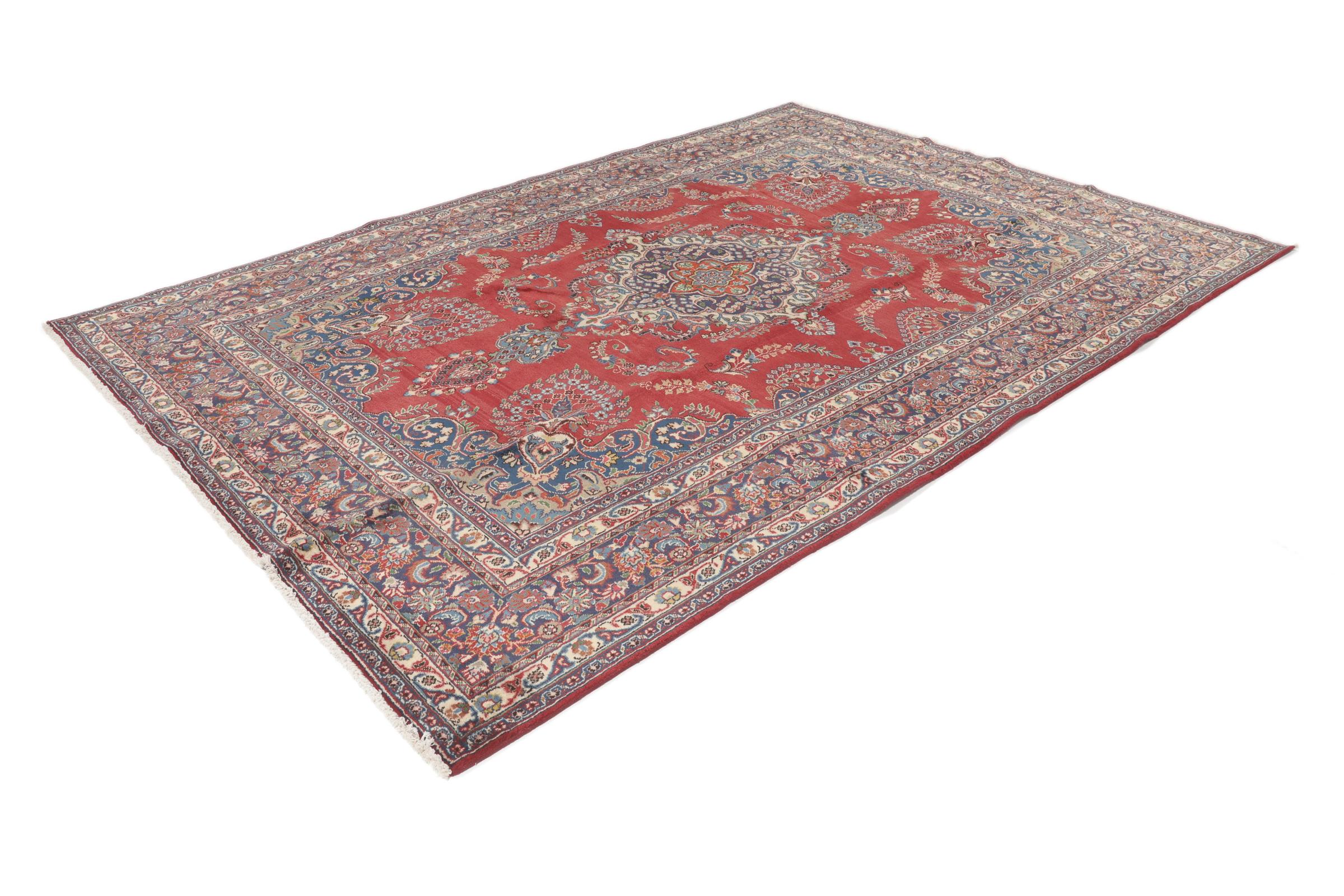
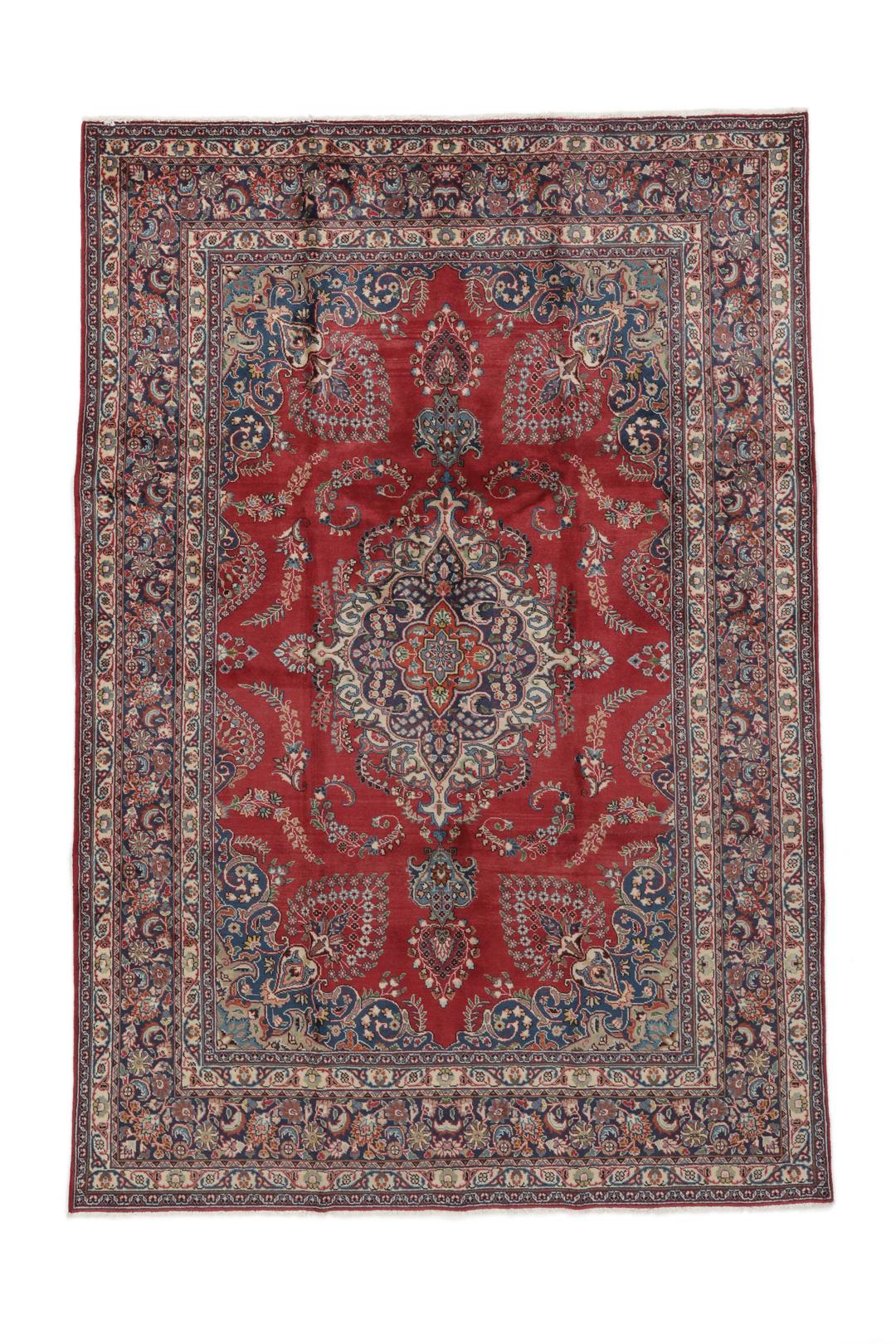
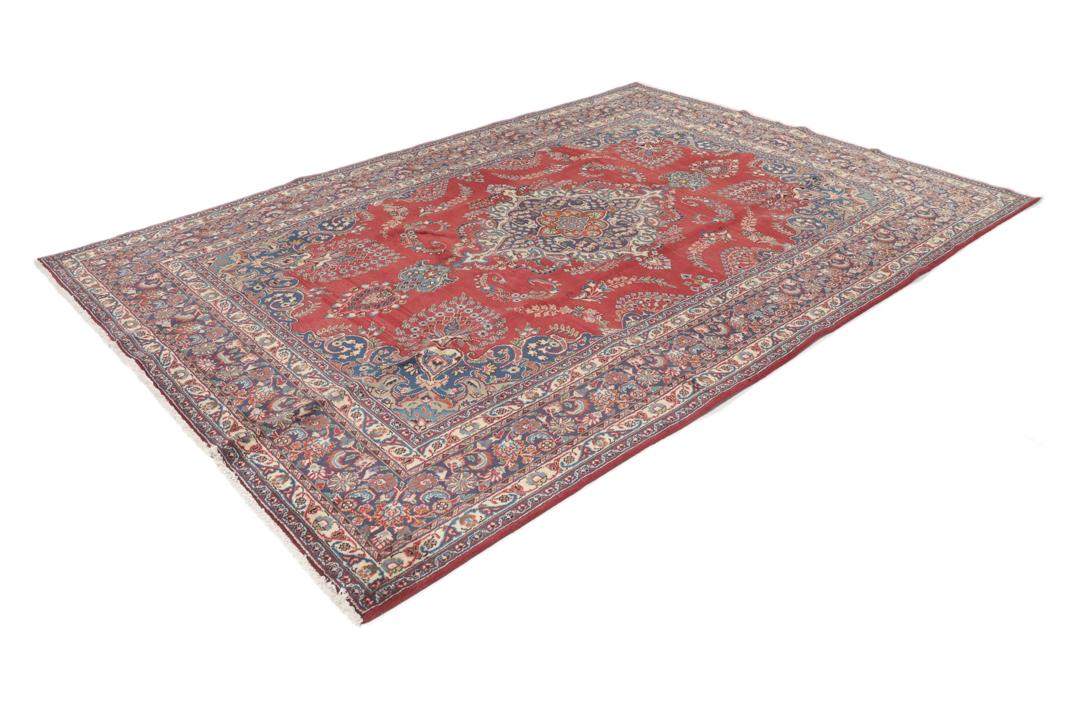
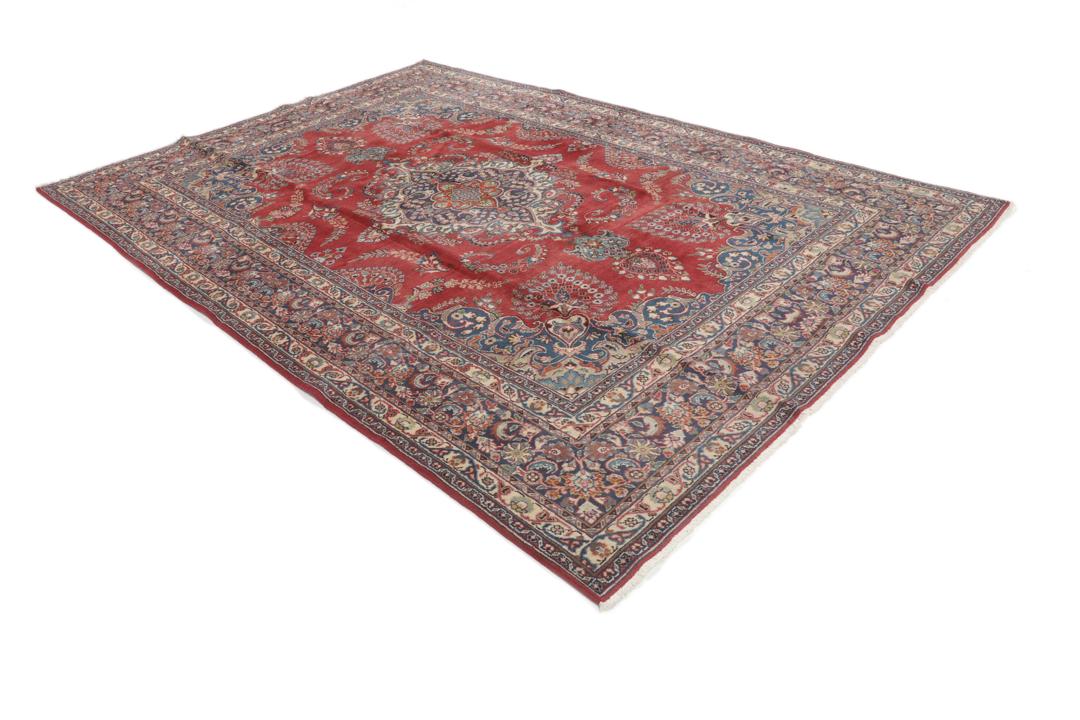
Mashad rugs originate from the city of Mashad, a major cultural and religious centre located in the northeastern part of the Middle East. Historically, this region has been a focal point for the production of some of the most sought-after carpets in the world. The tradition of rug making here has evolved over centuries, blending local artistic sensibilities with influences from the broader region to create a distinct and recognisable style.
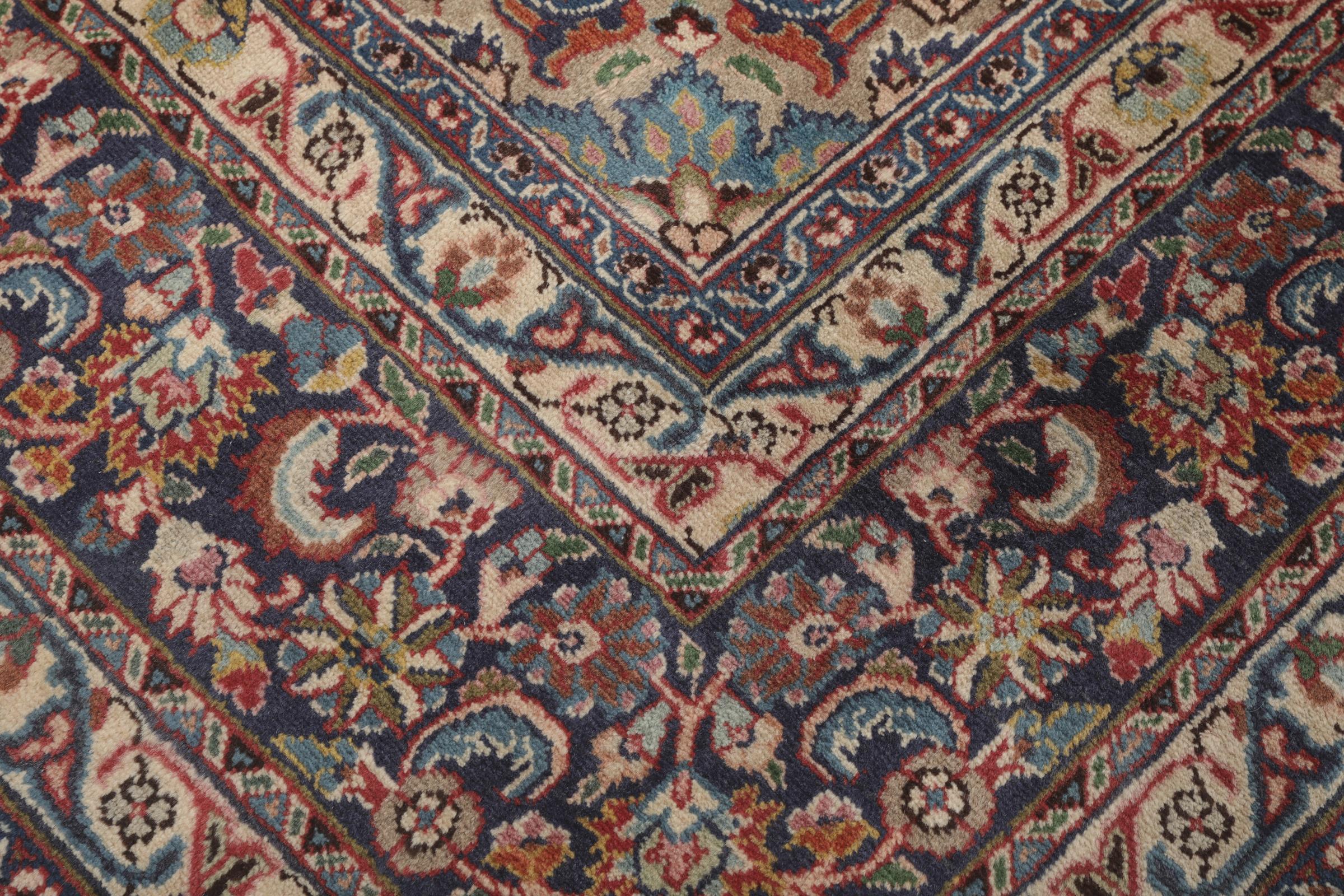
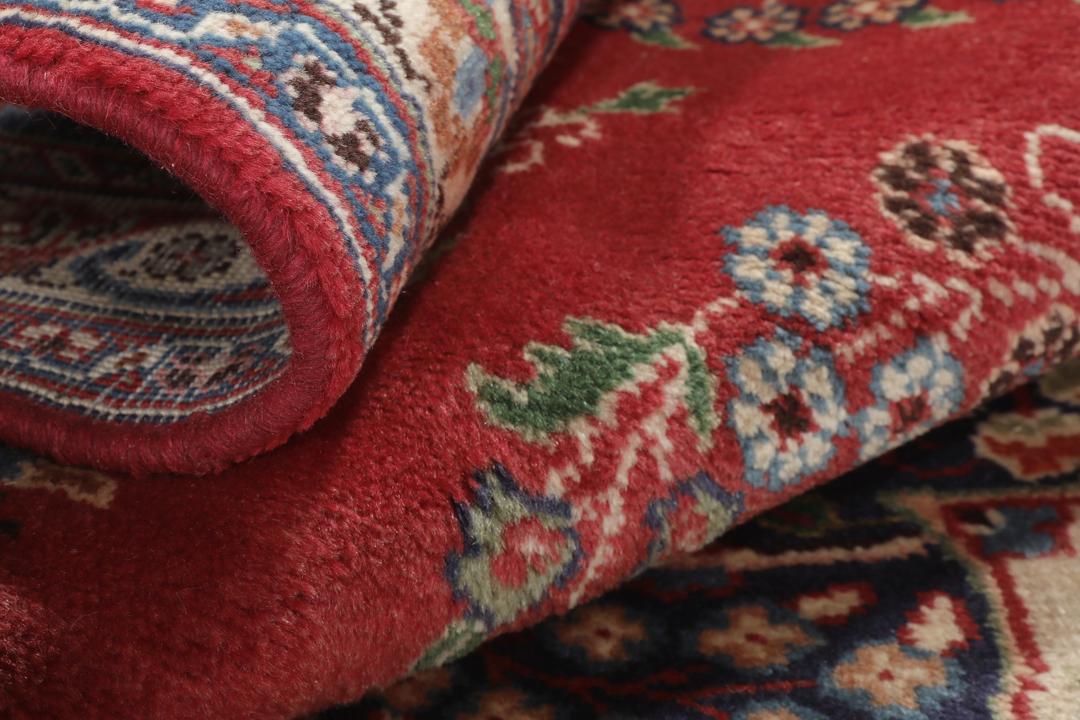
The term Mashad refers to both the origin and the specific design tradition associated with these carpets. These rugs are often characterised by their large size and high-quality wool, which is typically sourced from the local Khorasan province, known for producing a particularly soft and lustrous fibre. This superior material is essential for achieving the vibrant, deep colour schemes that have made these rugs famous among collectors.
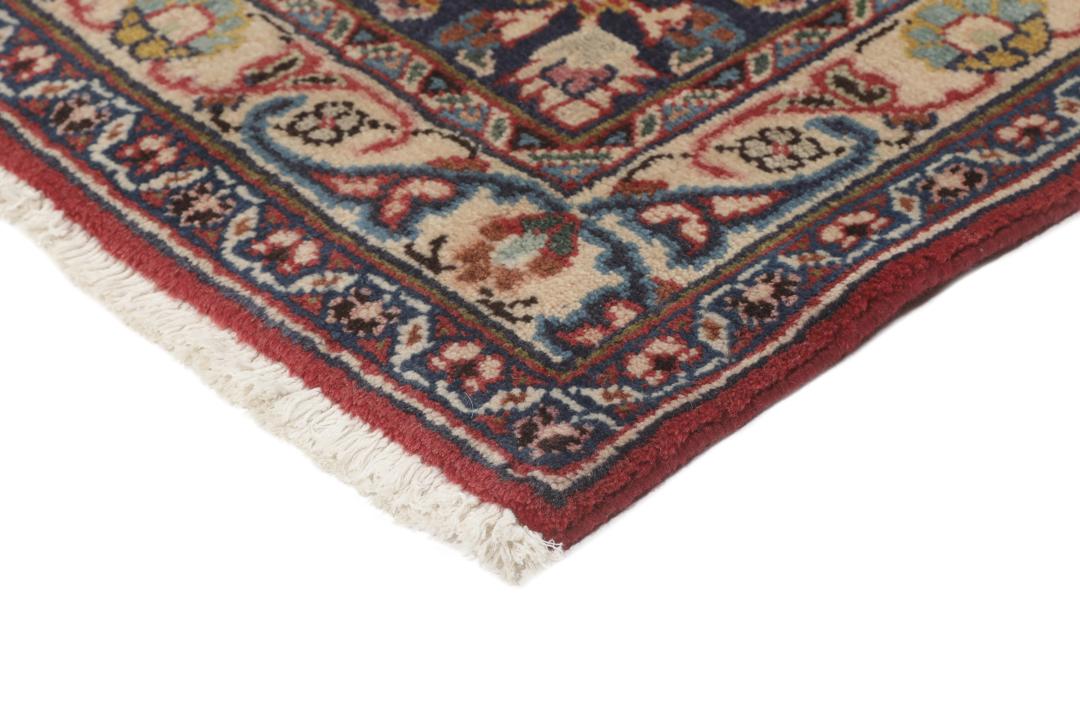
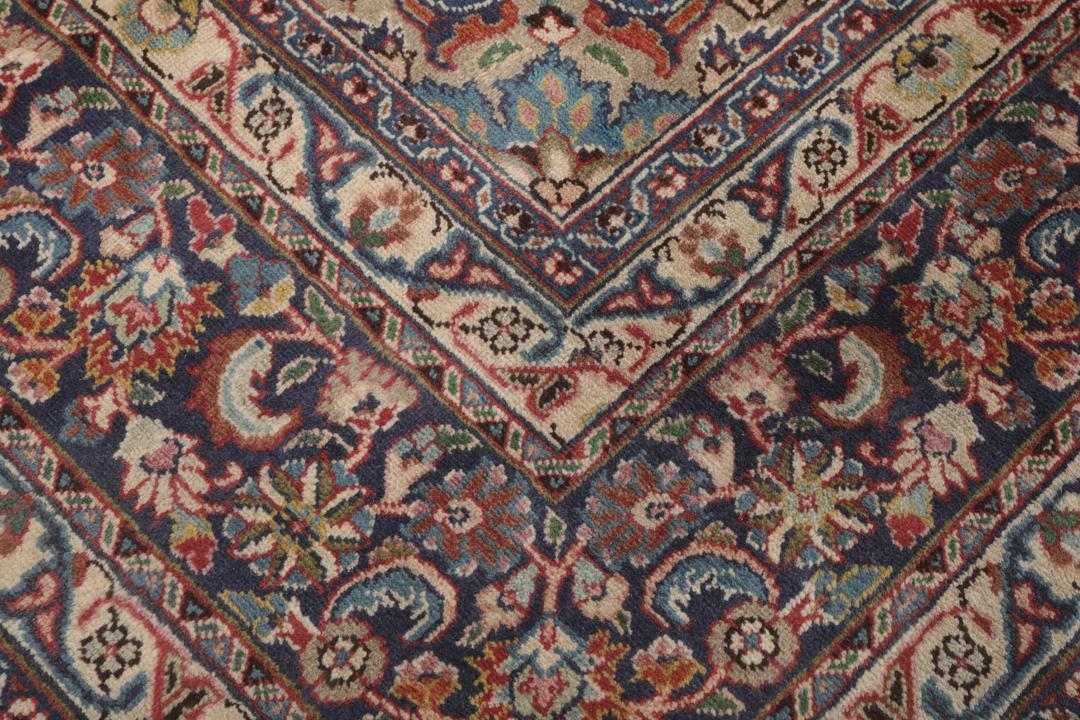
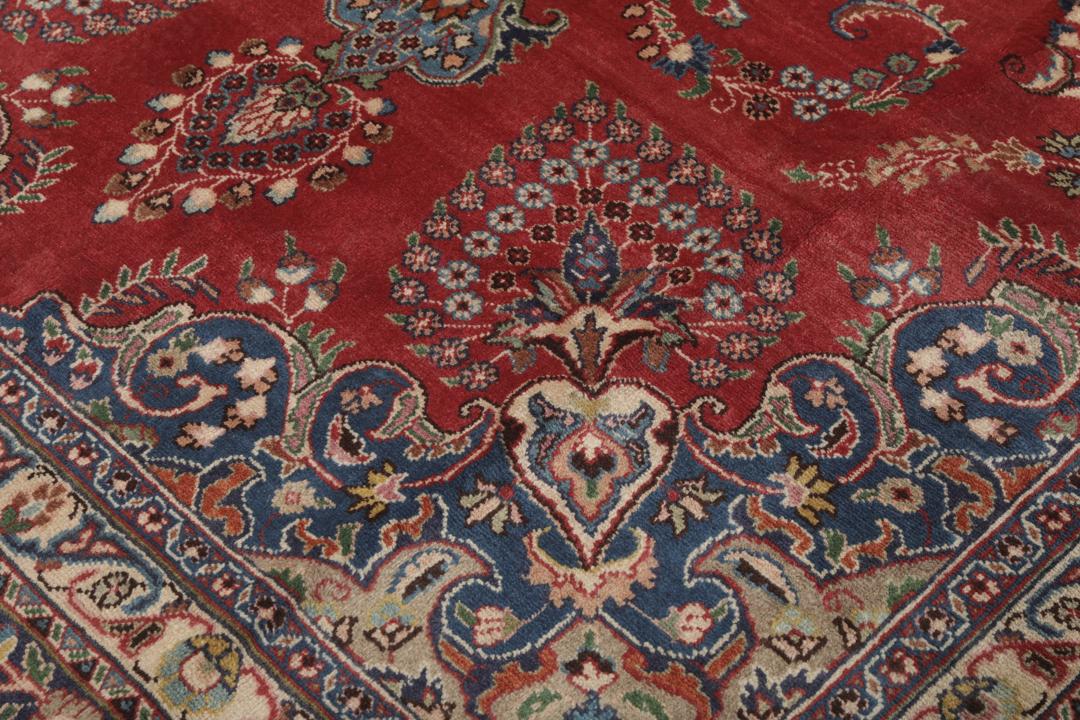
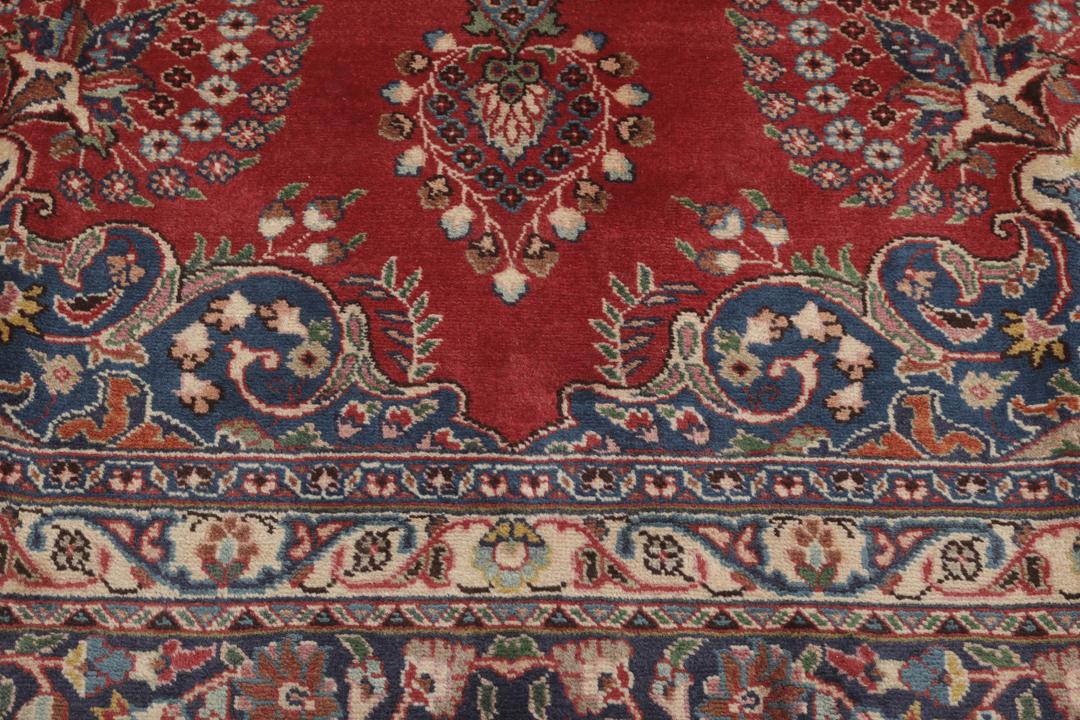
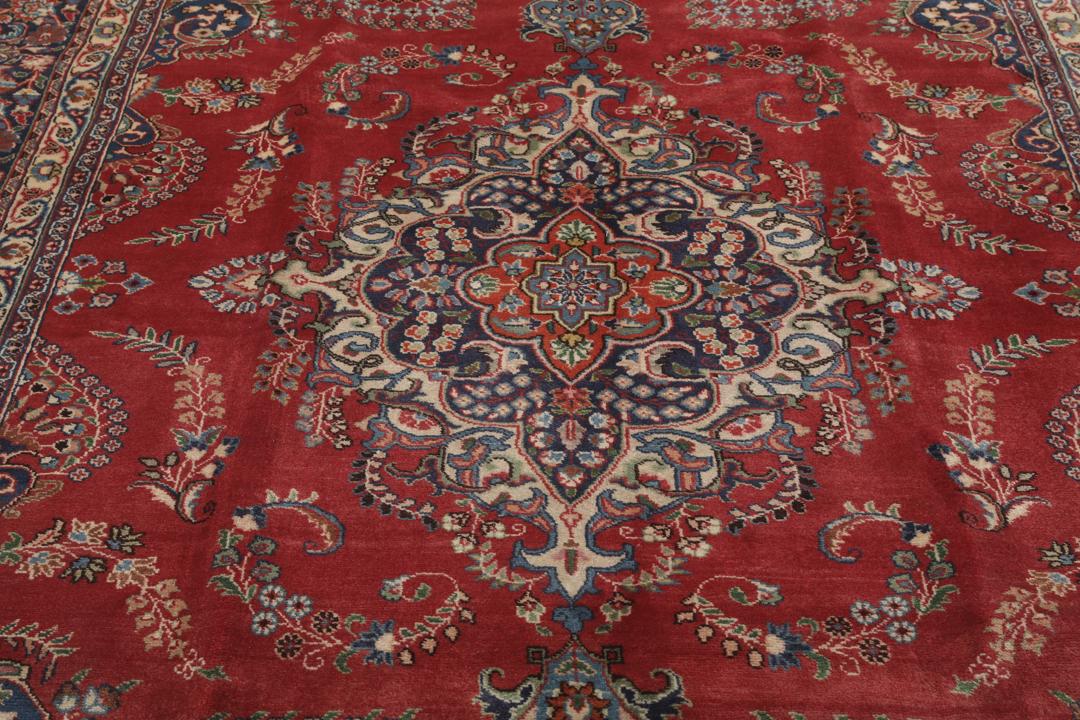
Visually, these rugs are defined by their sophisticated, curvilinear patterns. A central medallion usually serves as the heart of the design, surrounded by an elaborate field of floral motifs, vines, and palmettes. The borders are equally detailed, often featuring a complex arrangement of floral sprays that frame the central field. These patterns are not merely decorative but are symbolic, reflecting the artistic heritage and the patience of the weavers who execute them.
For collectors and enthusiasts, a Mashad rug represents a significant piece of cultural heritage. They are valued not only for their beauty but for the immense skill required to produce such expansive, detailed work. Owning a piece from this tradition is an investment in human craft, preserving a legacy of design that has been passed down through generations of families dedicated to the art of the loom.