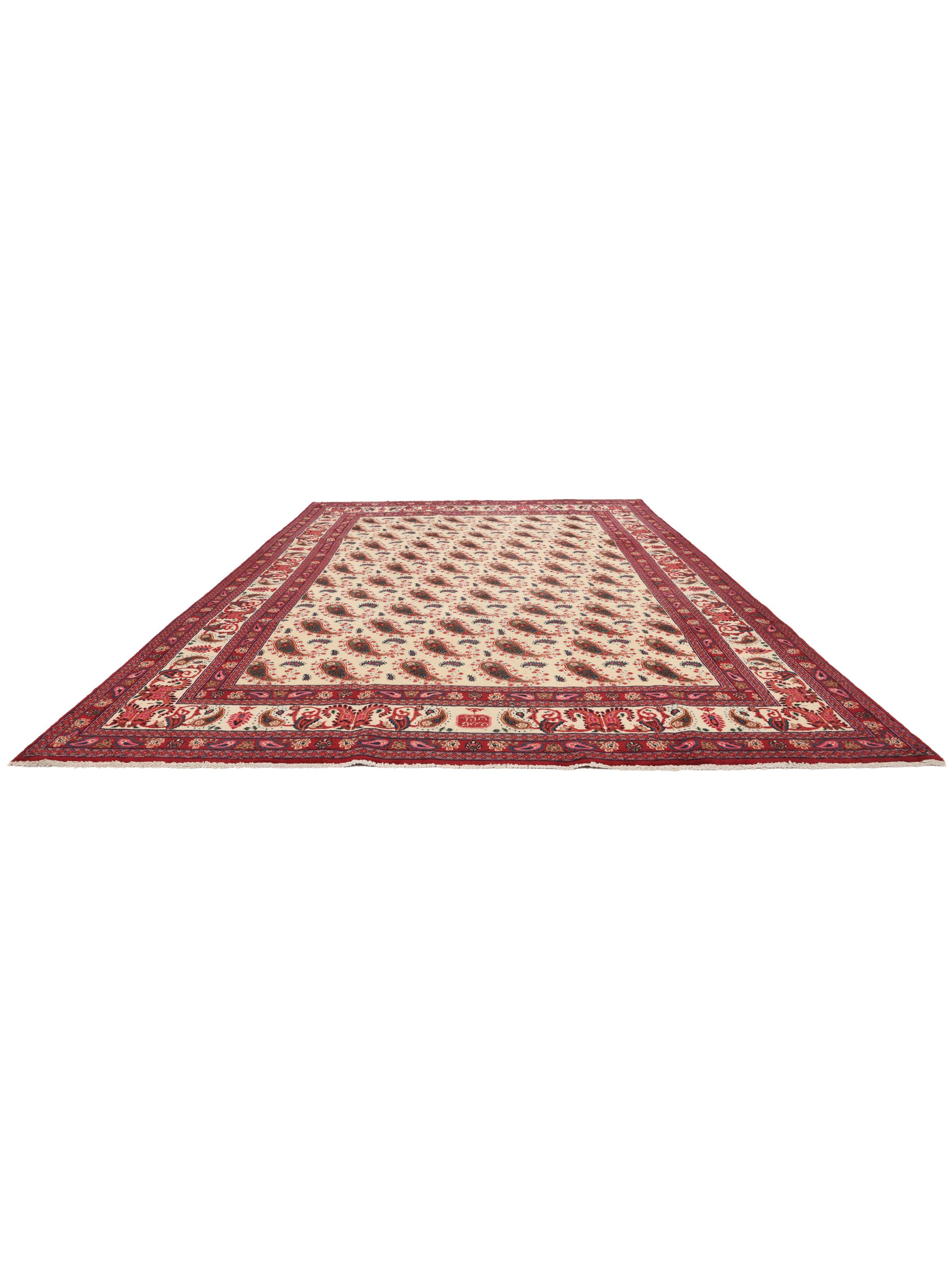
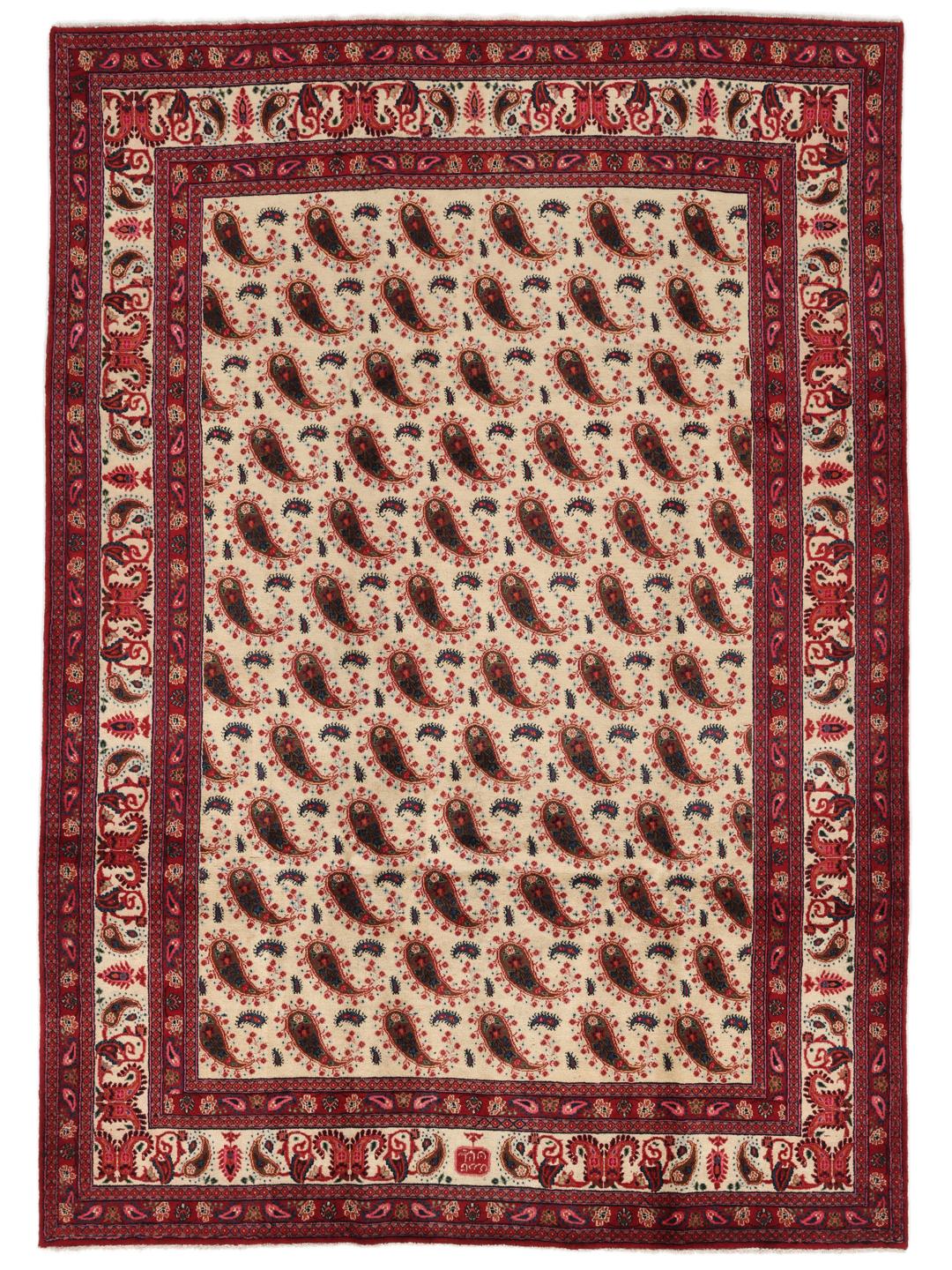
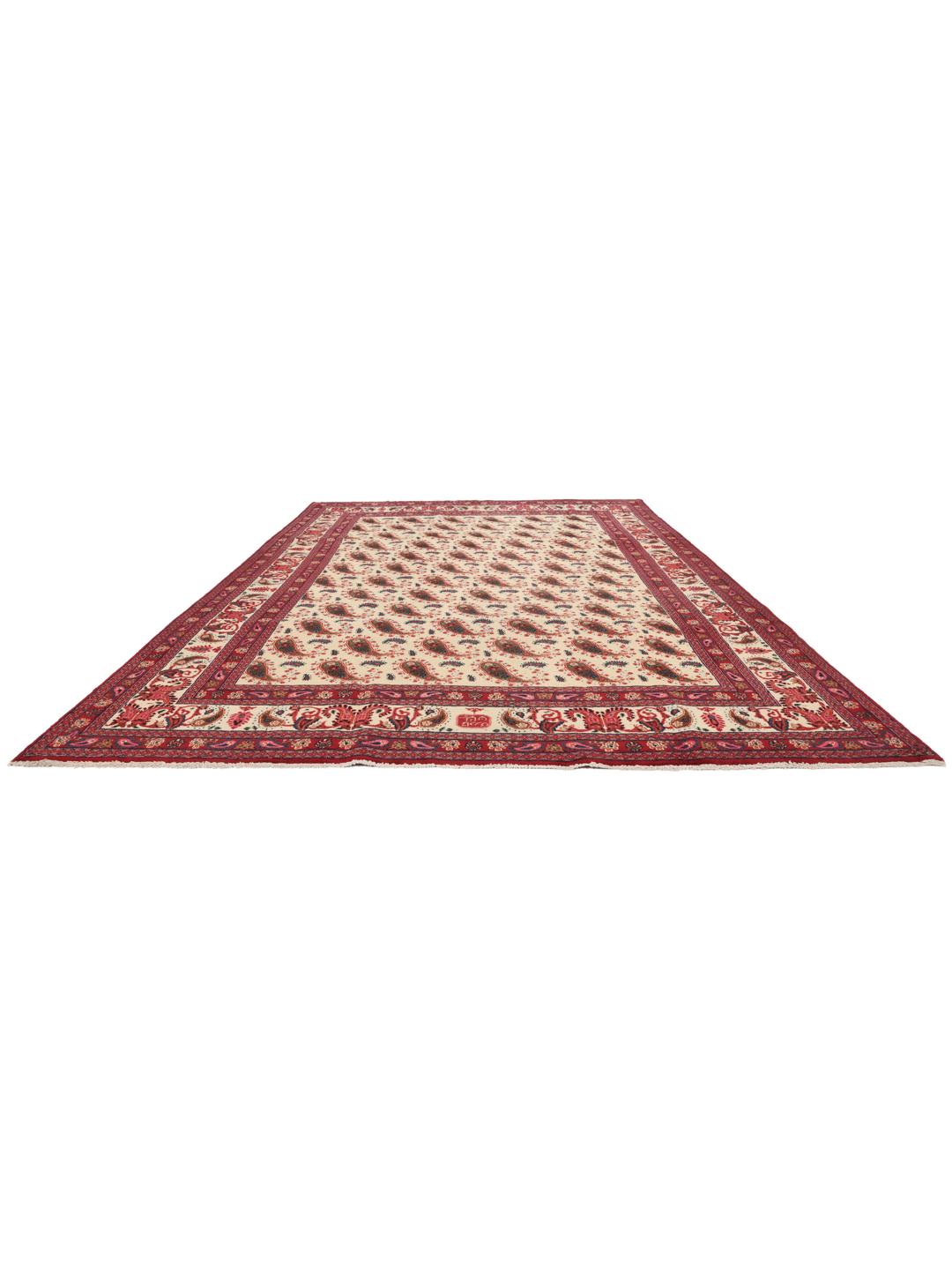
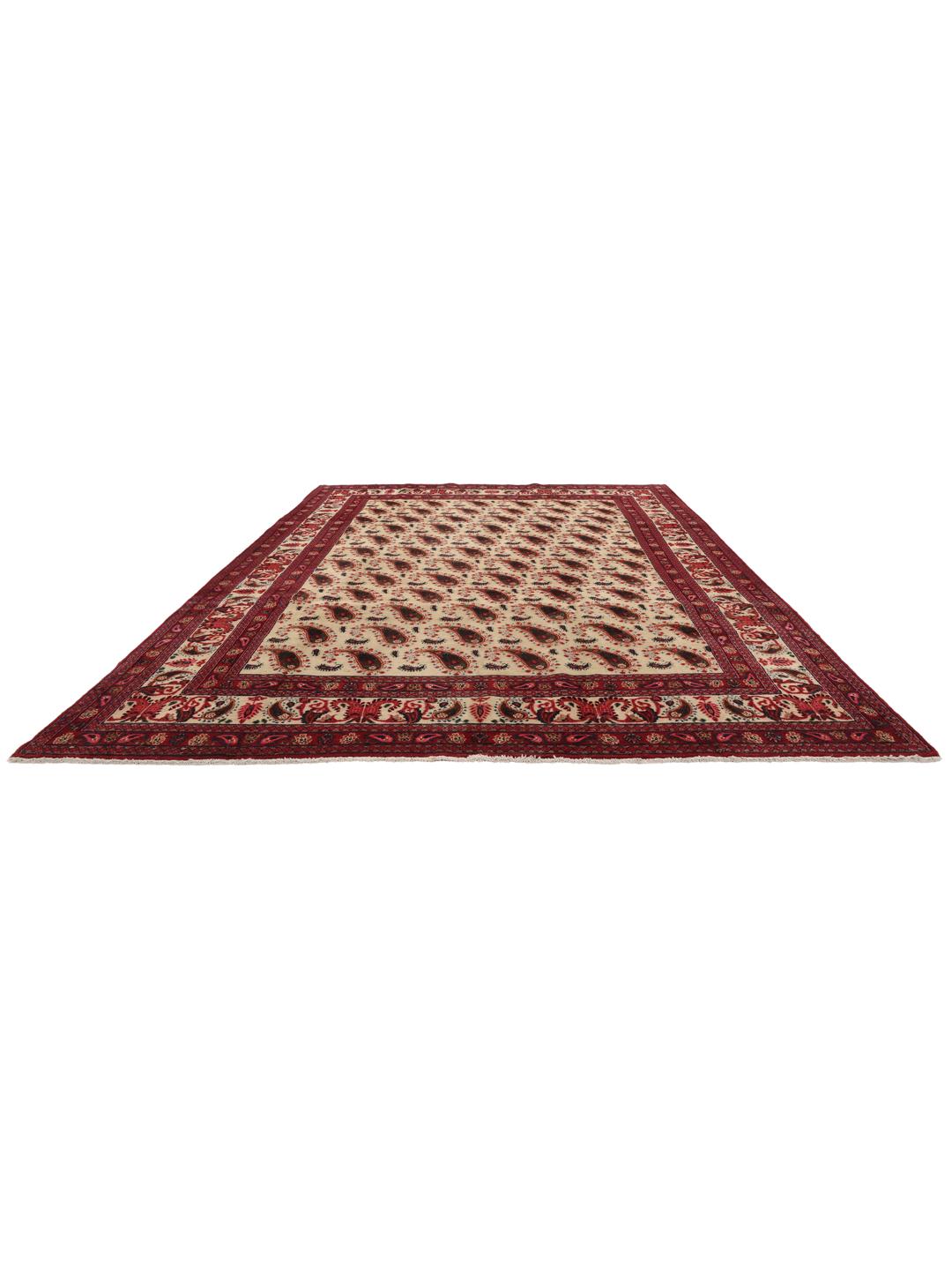
The Moud rug originates from the small town of Moud, located in the Khorasan province of the Middle East. This region has a long-standing reputation for producing rugs that balance technical precision with a distinct, refined aesthetic. Historically, weavers in this area were influenced by the surrounding nomadic and urban weaving traditions, resulting in a style that is both accessible and highly sophisticated.
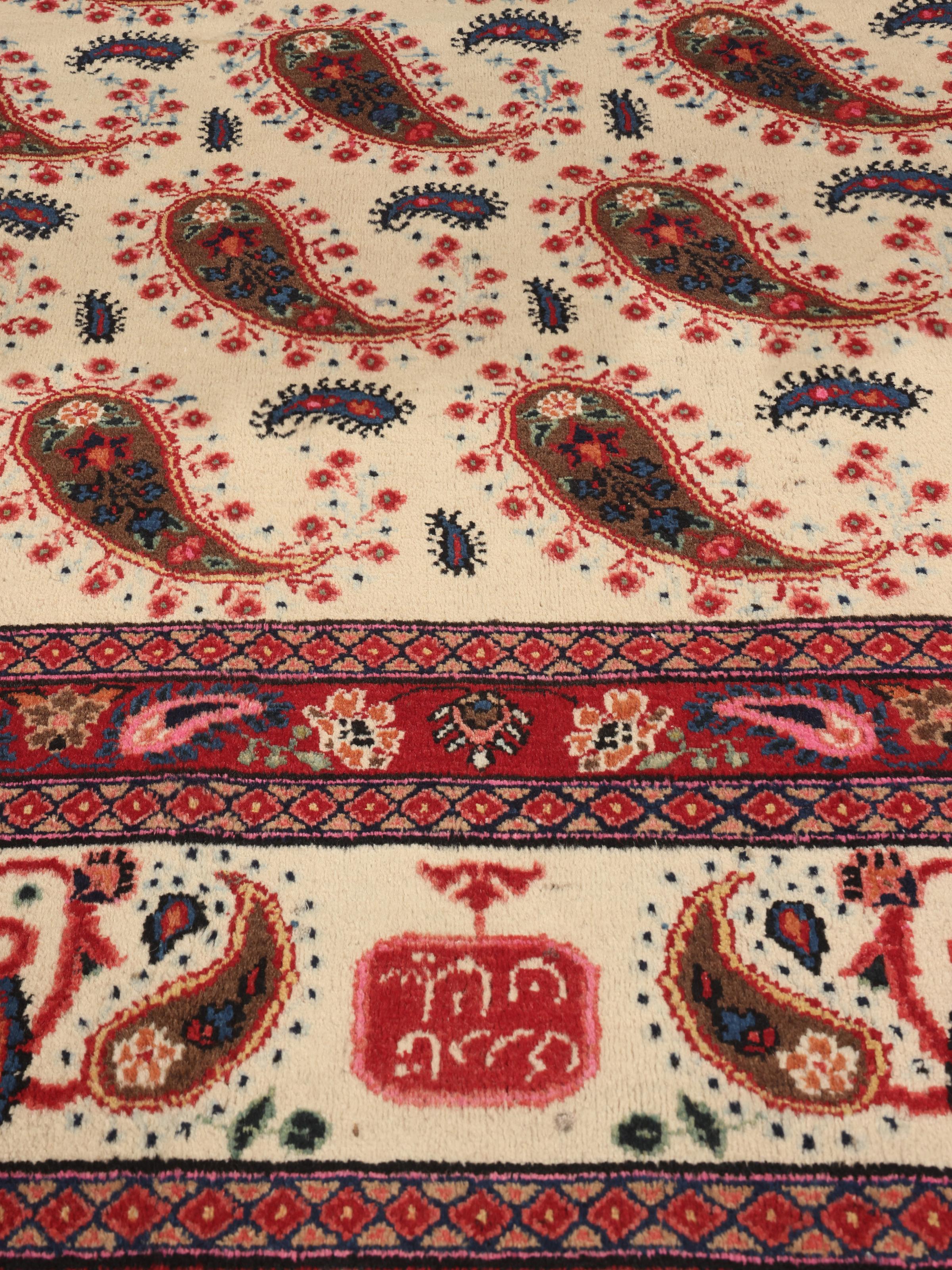
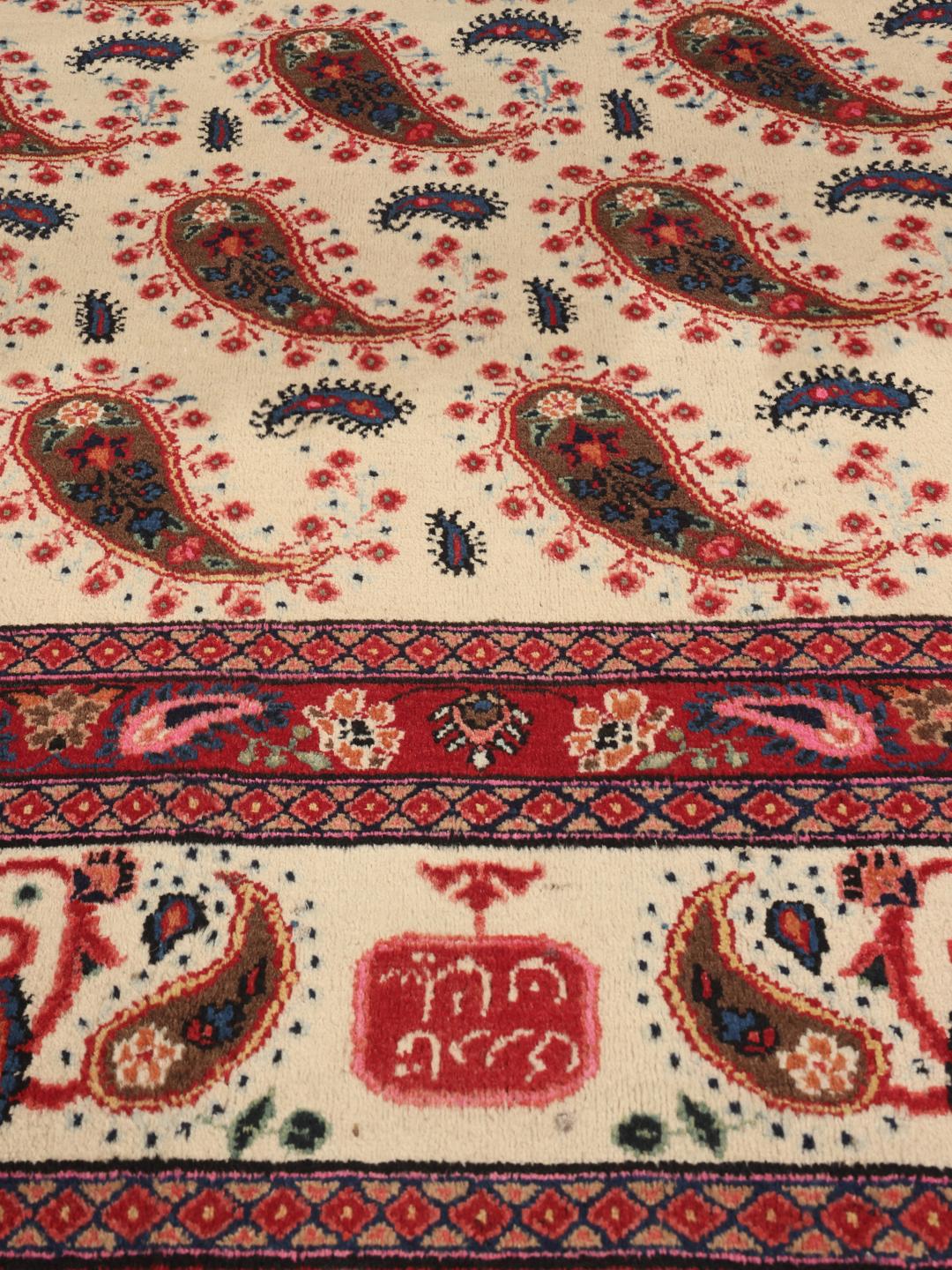
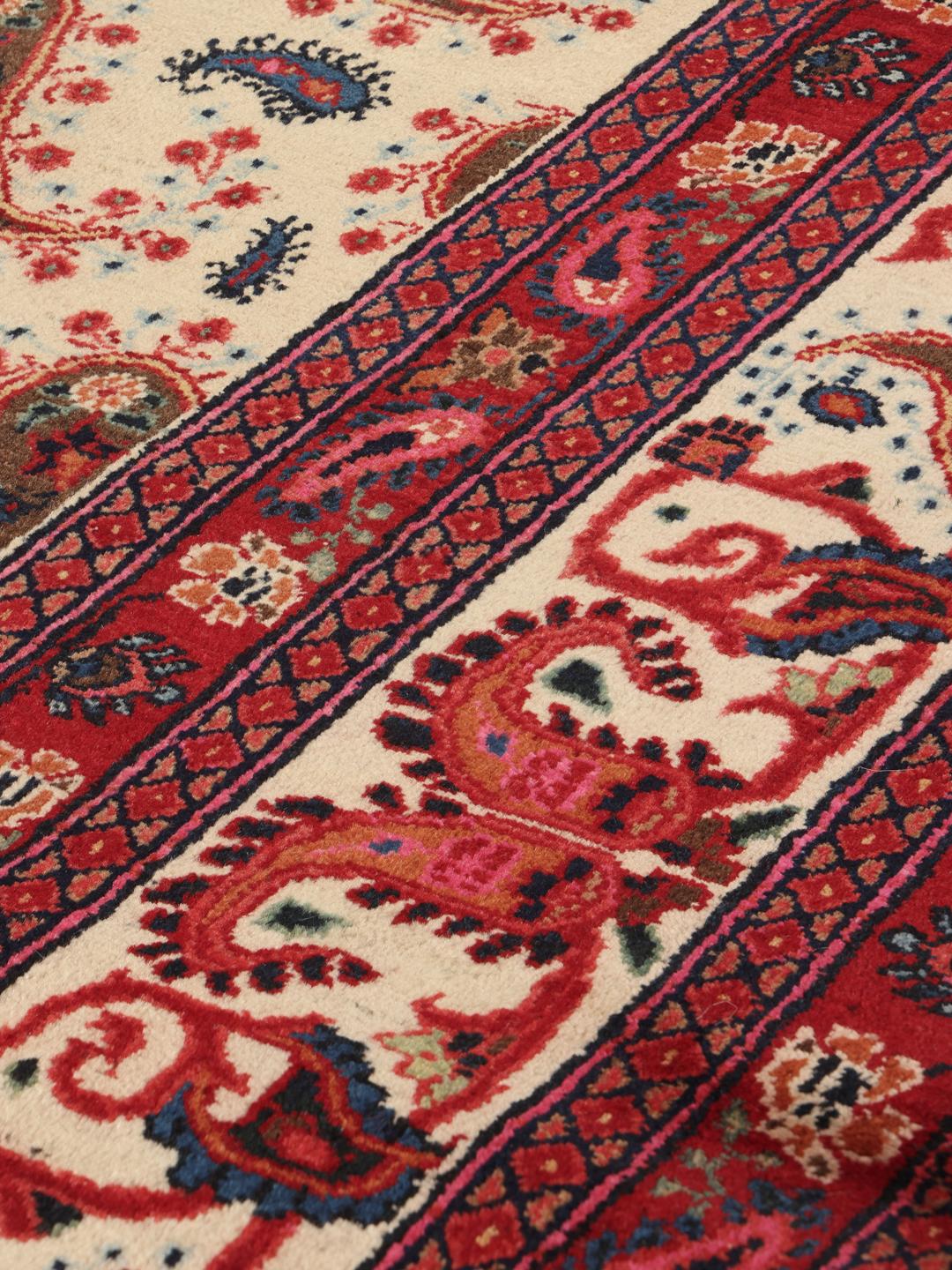
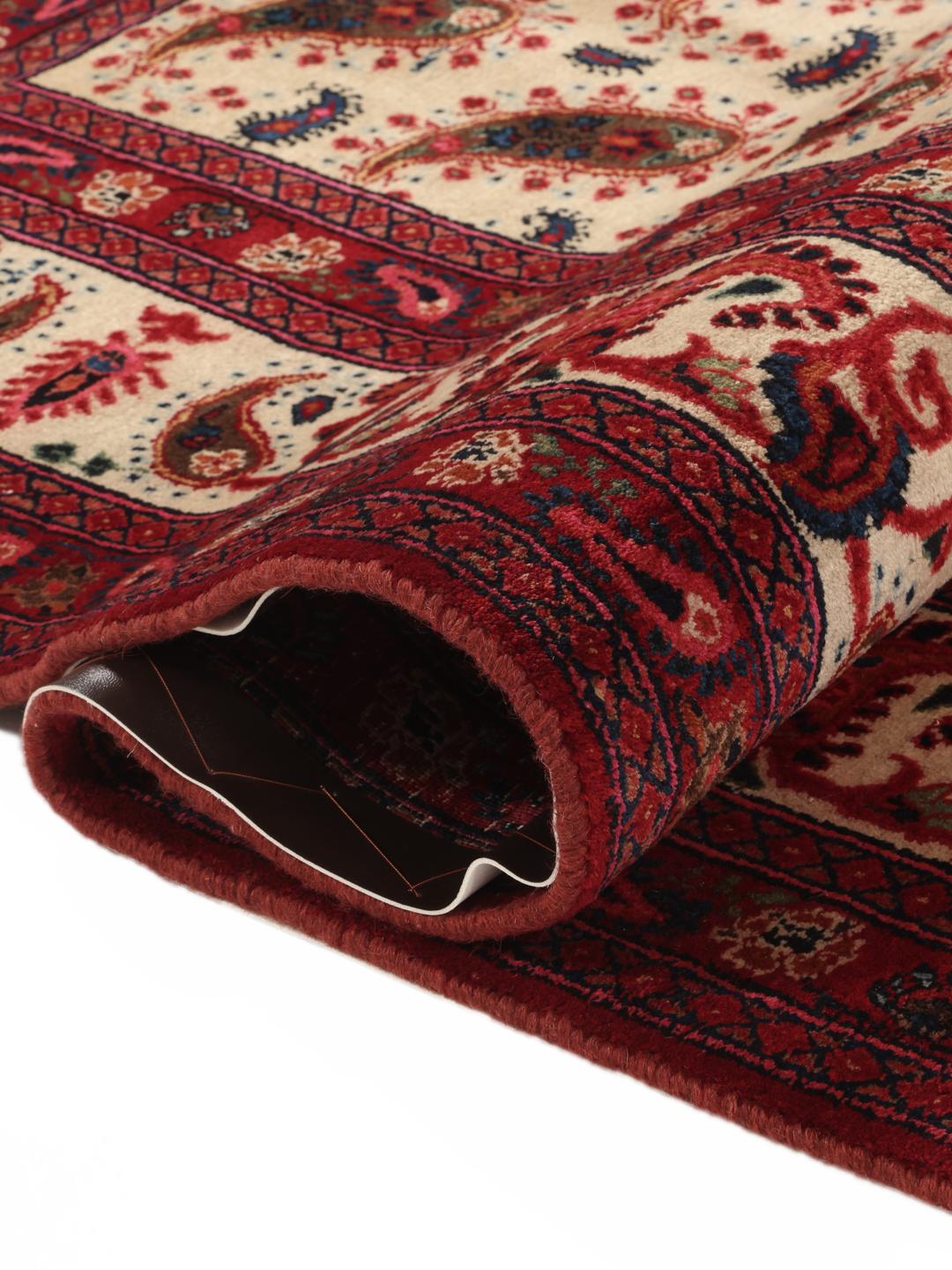
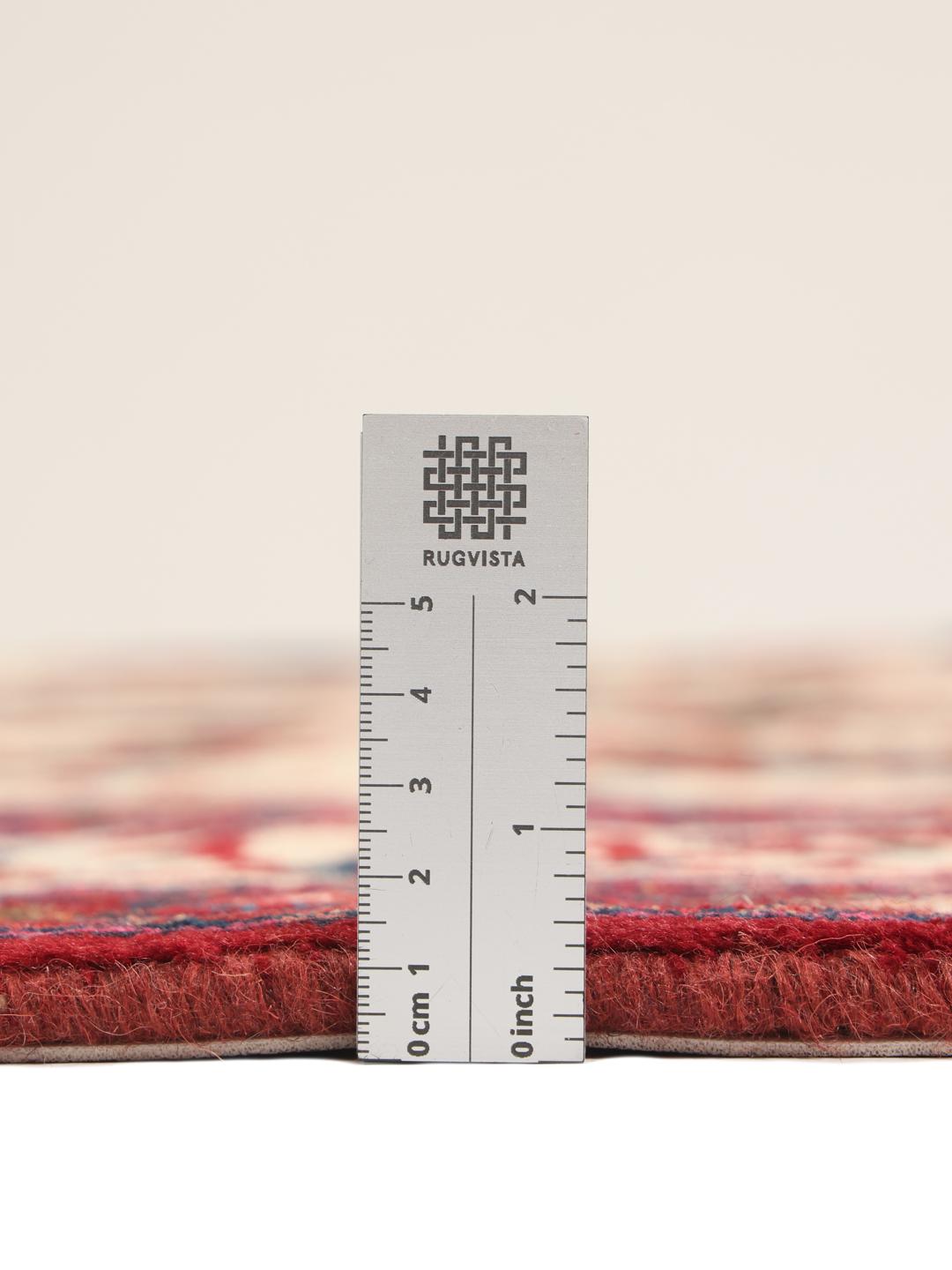
Technically, the Moud tradition is celebrated for its use of high-quality Wool, which provides a lustrous sheen and durable pile. The construction is known for being particularly tight, allowing for the inclusion of fine details that give these rugs their characteristic depth. This density is a hallmark of the region, ensuring that the rug maintains its shape and beauty over time.
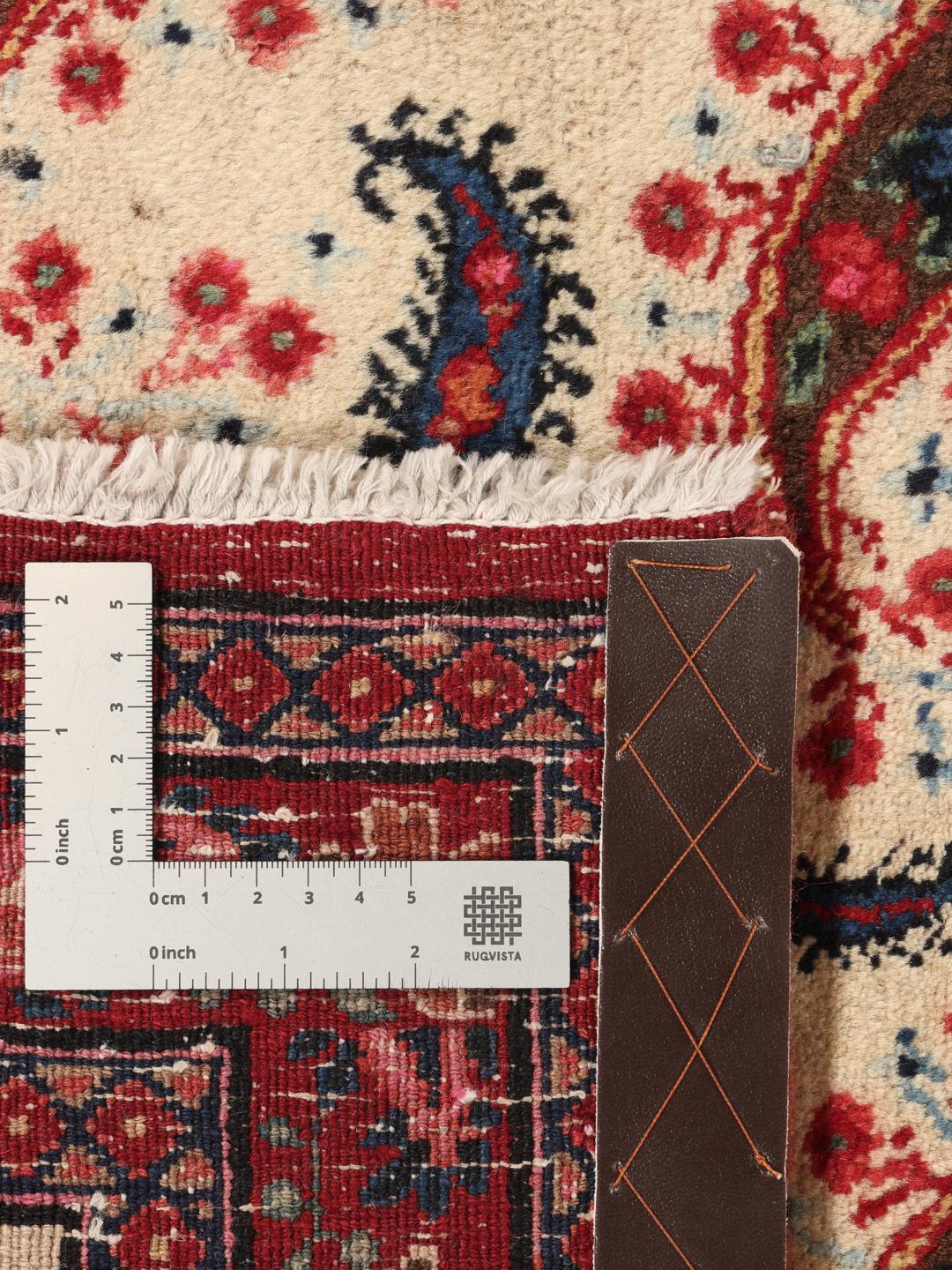
Visually, these rugs are often defined by their intricate floral and botanical motifs. The most iconic designs frequently feature the 'Herati' pattern, a repeating floral motif, or the 'Garden' pattern, which mimics the structured beauty of traditional Middle Eastern courtyards. This particular piece showcases a masterful use of space, where the borders and central field work together to create a sense of balanced, rhythmic elegance.
Collectors value Moud rugs not only for their visual appeal but also for the skill required to produce them. Owning a piece from this tradition is an investment in a craft that has survived centuries, bridging the gap between historical artistry and modern interior design. It represents a commitment to supporting human skill and enduring, high-quality manufacturing.