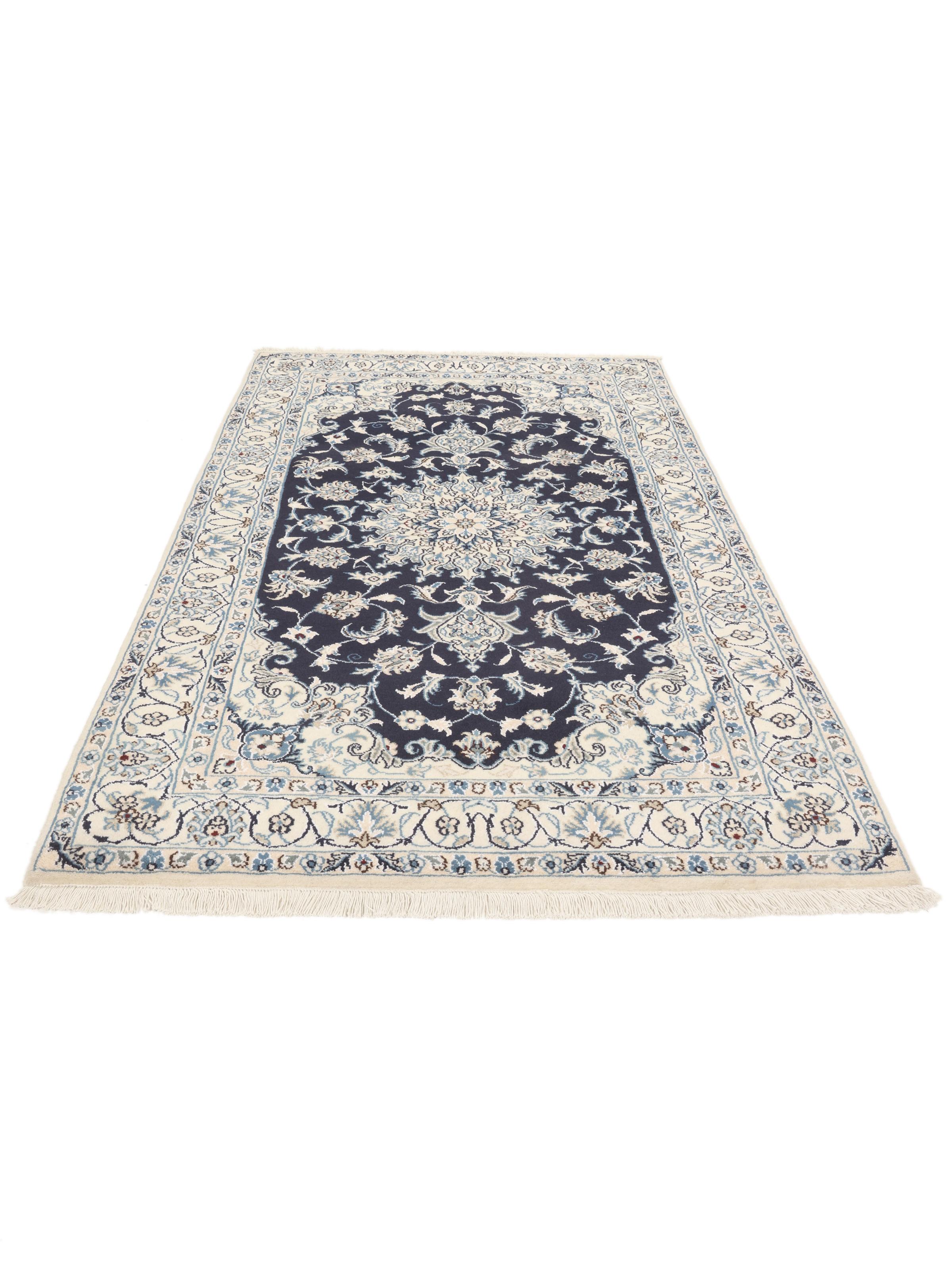
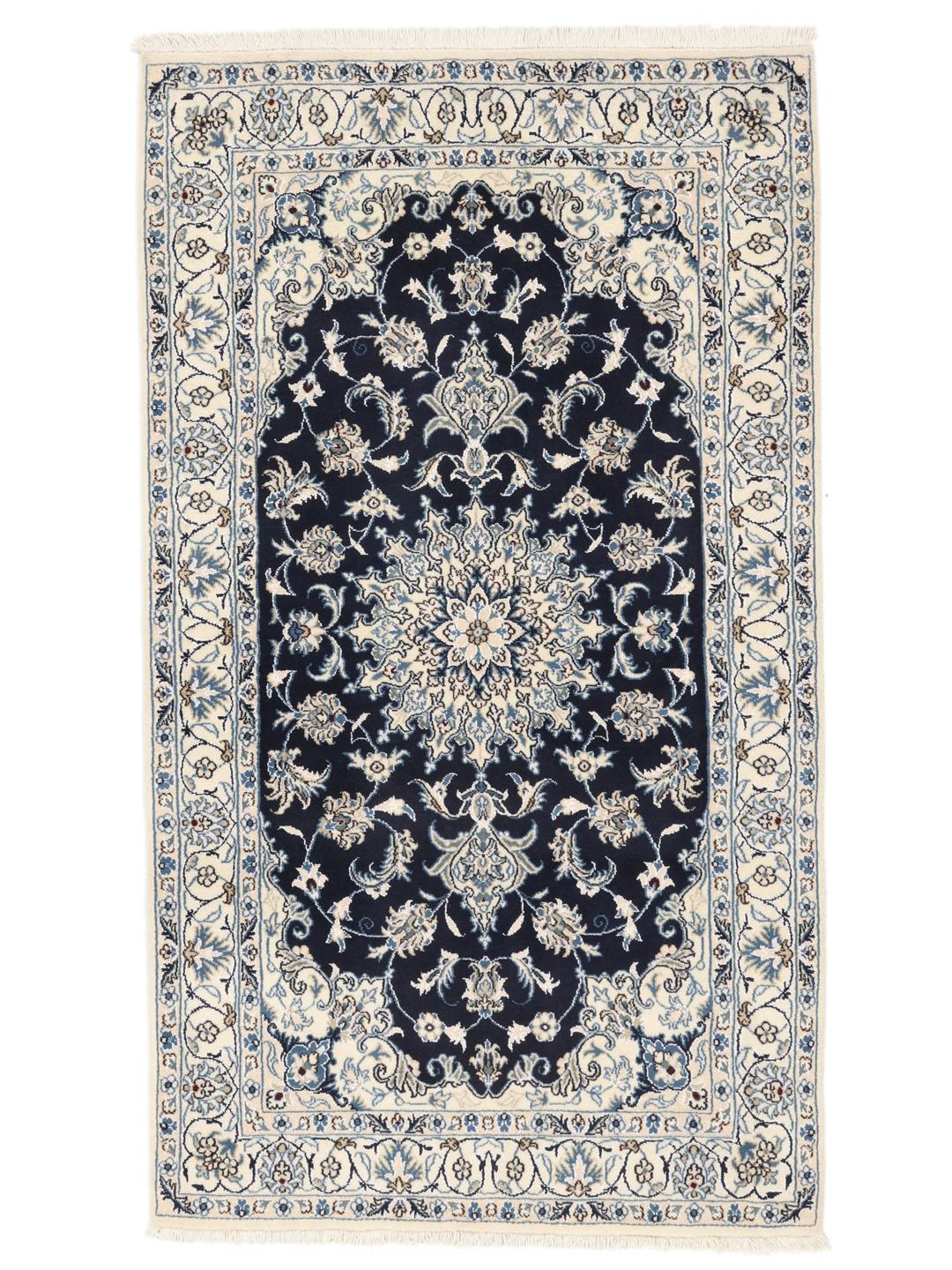
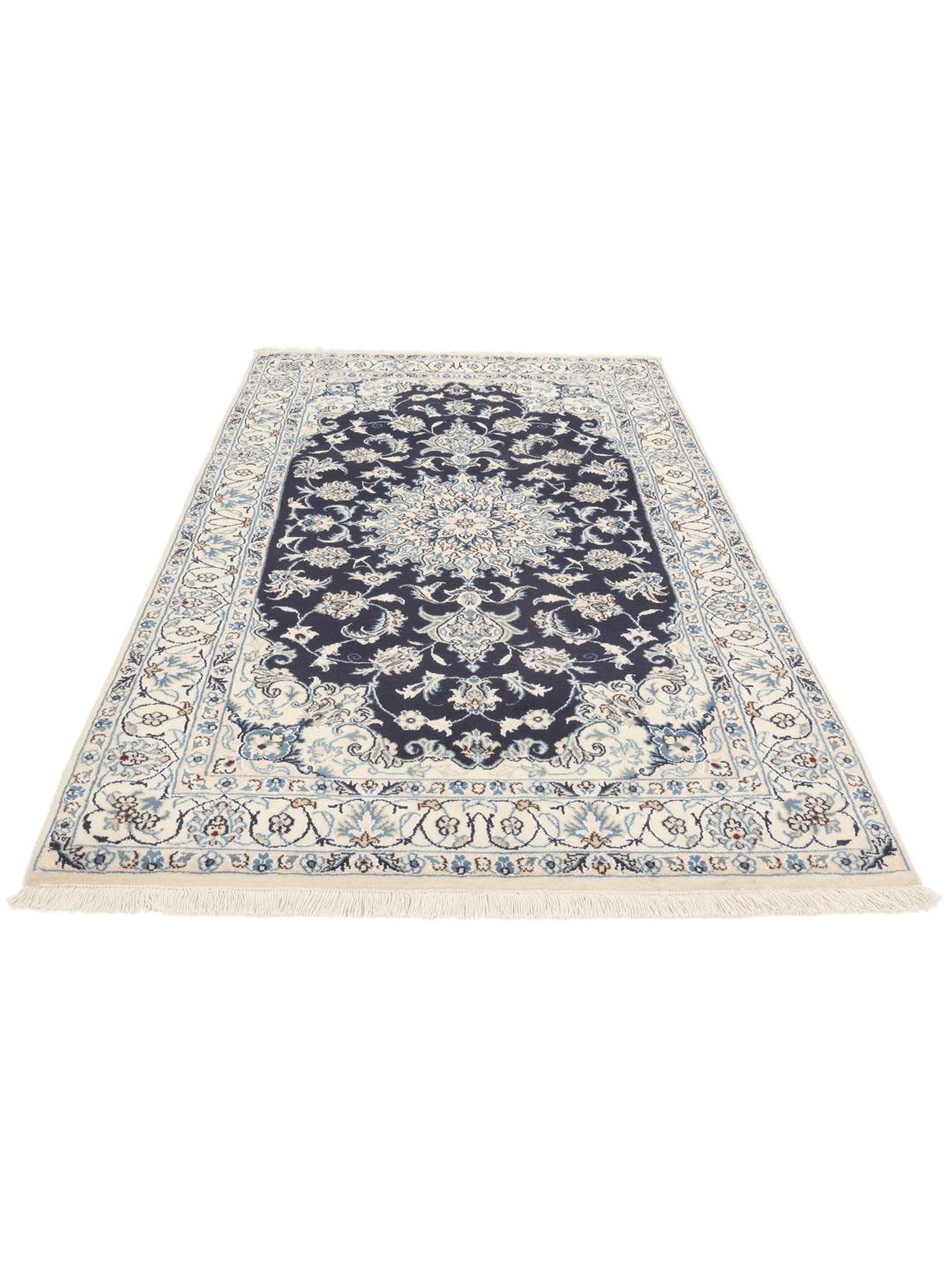
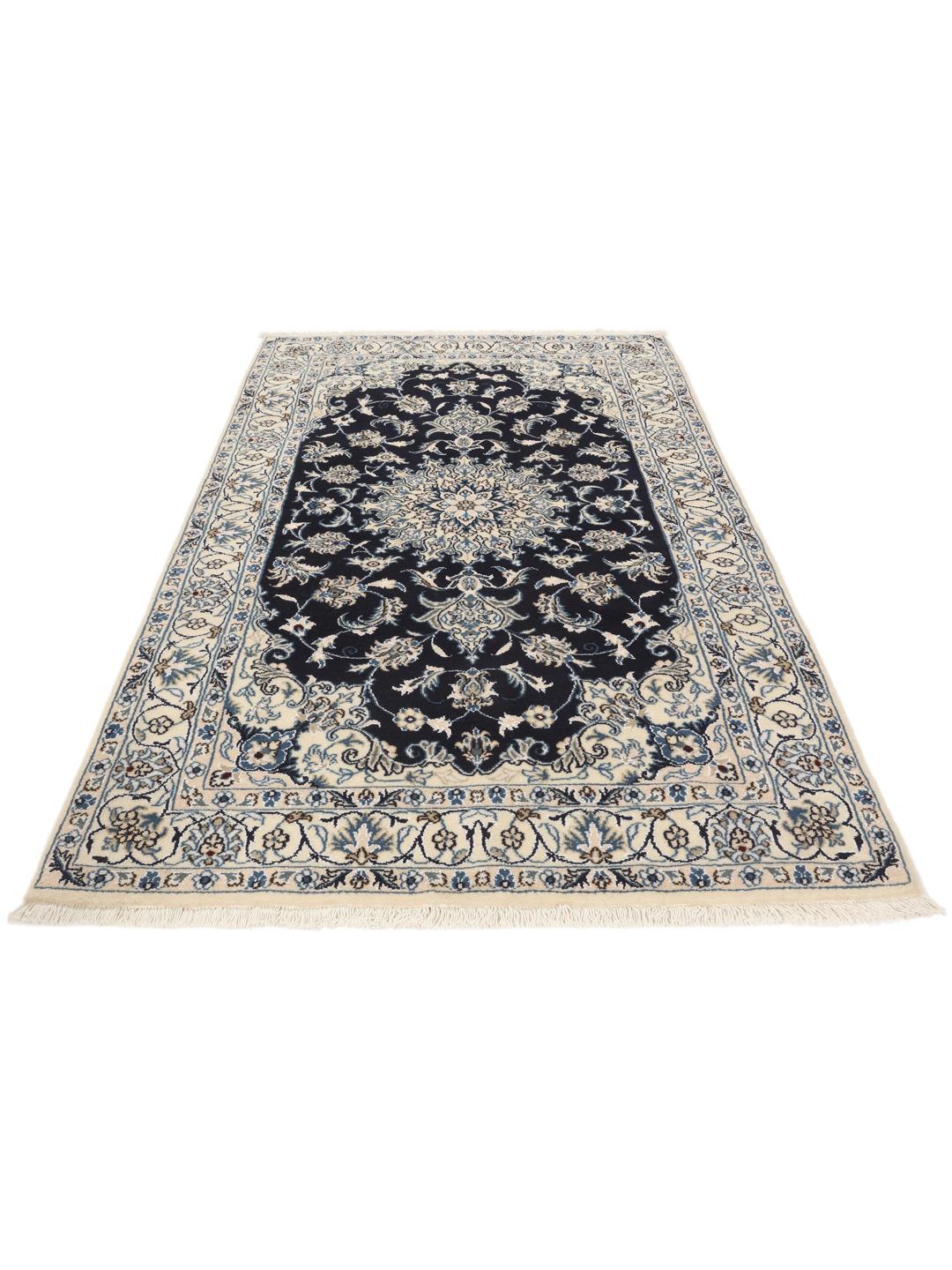
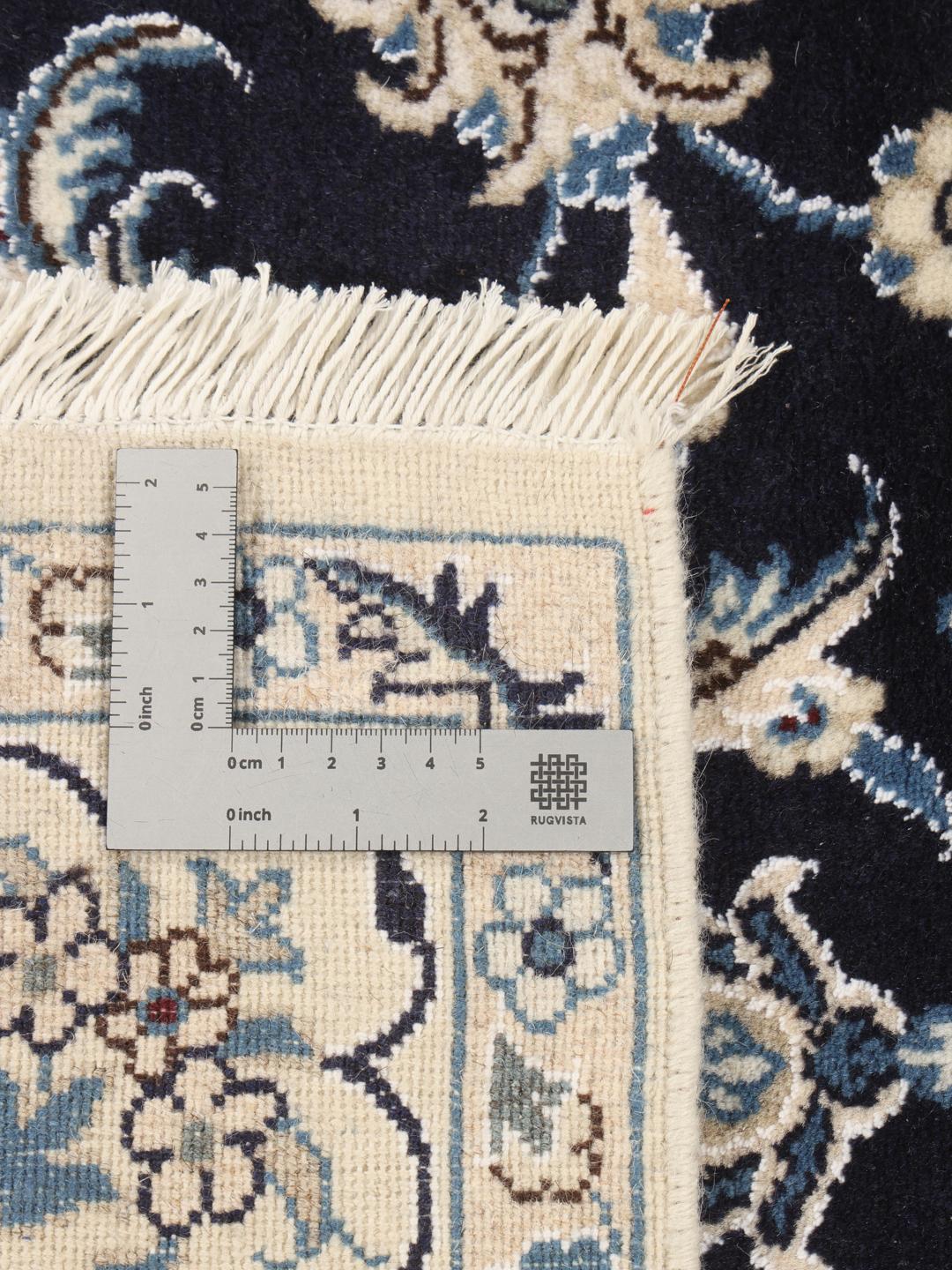
Nain rugs originate from the historic city of Nain, located in the heart of the Middle East. Historically known for producing high-quality wool textiles, the city transitioned its expertise toward fine rug weaving in the early 20th century. Today, these rugs are celebrated for their sophisticated aesthetic, which often features a restrained, elegant colour palette that distinguishes them from the more vibrant rugs found in other parts of the region.
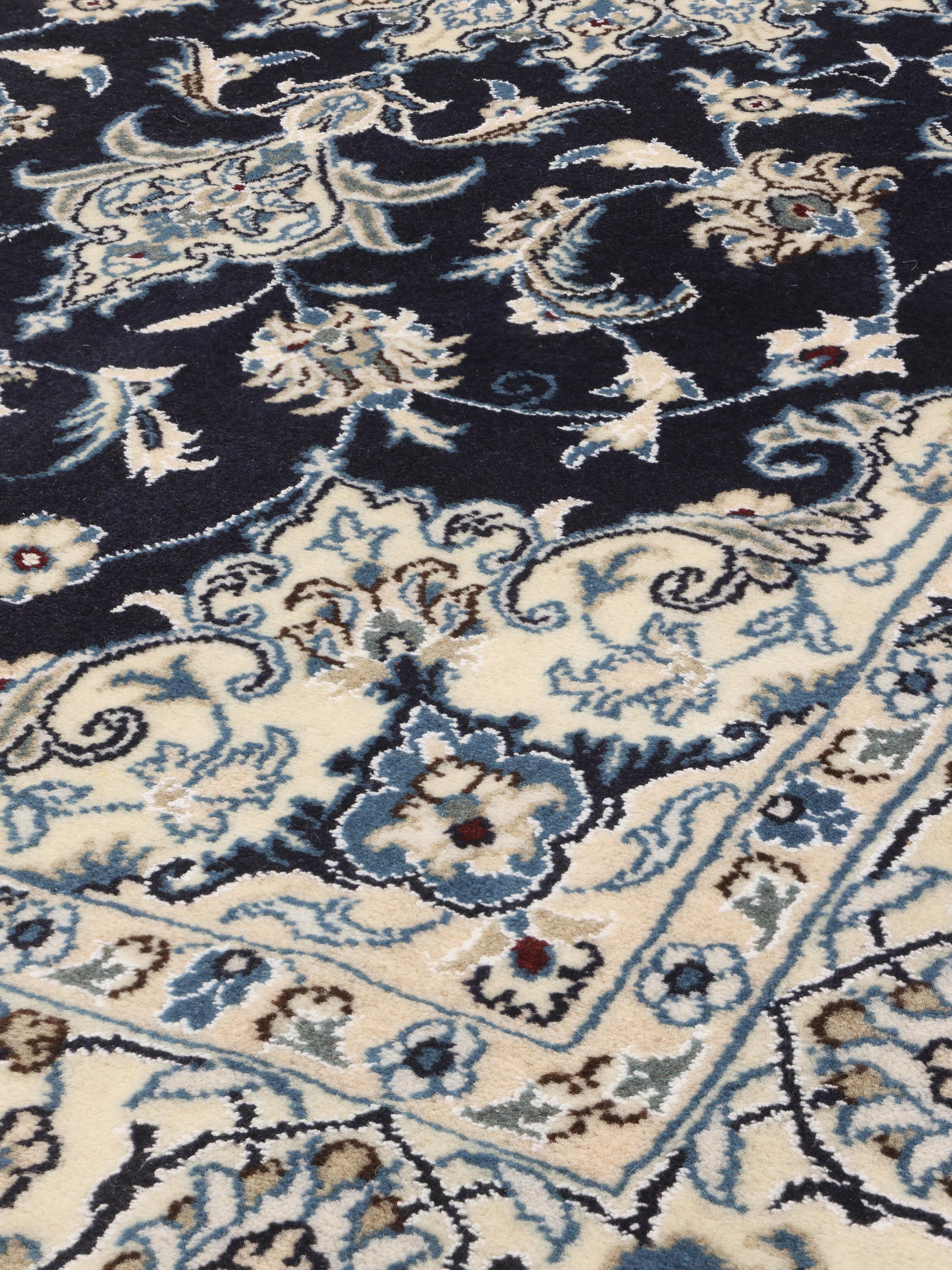
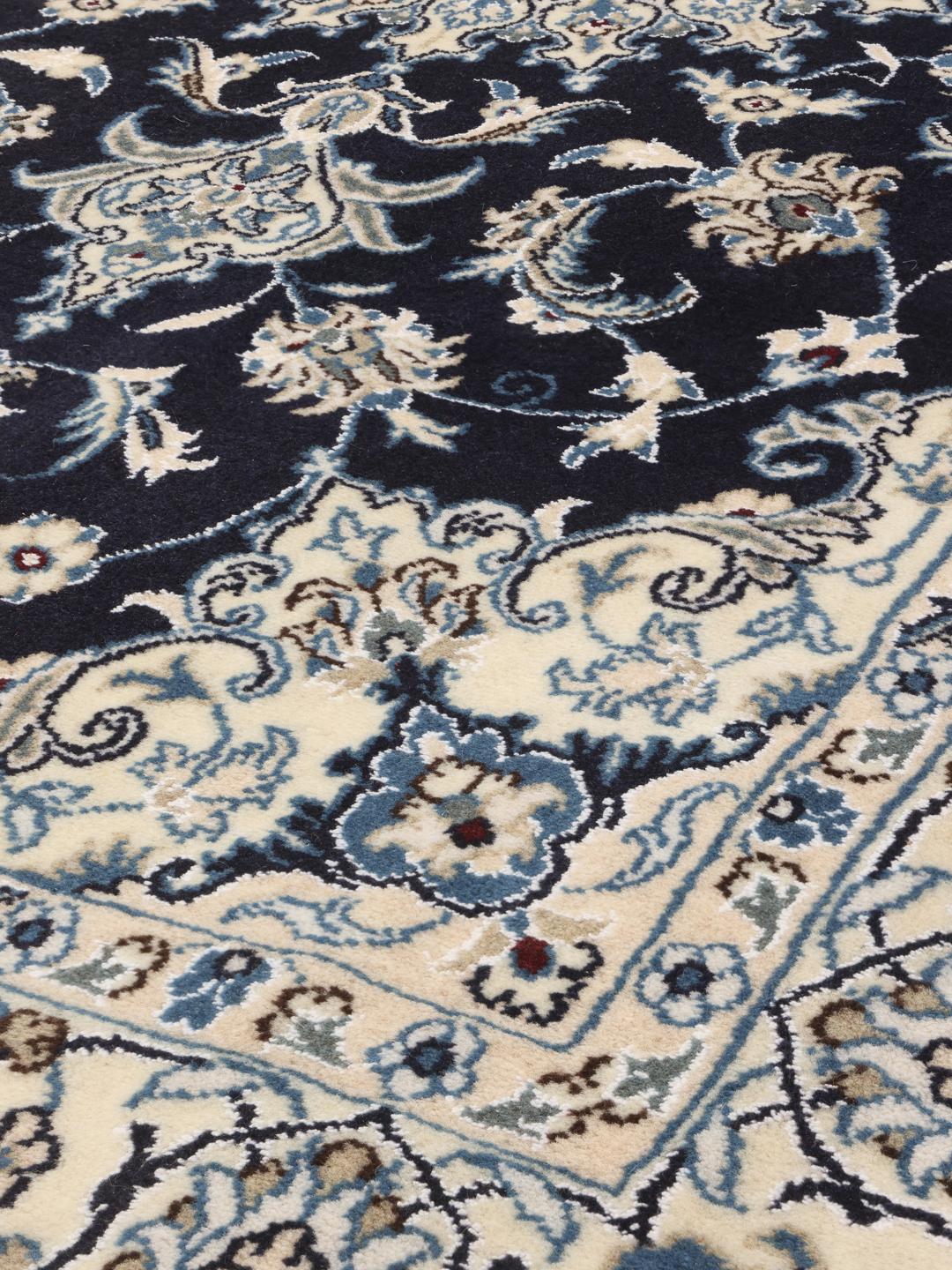
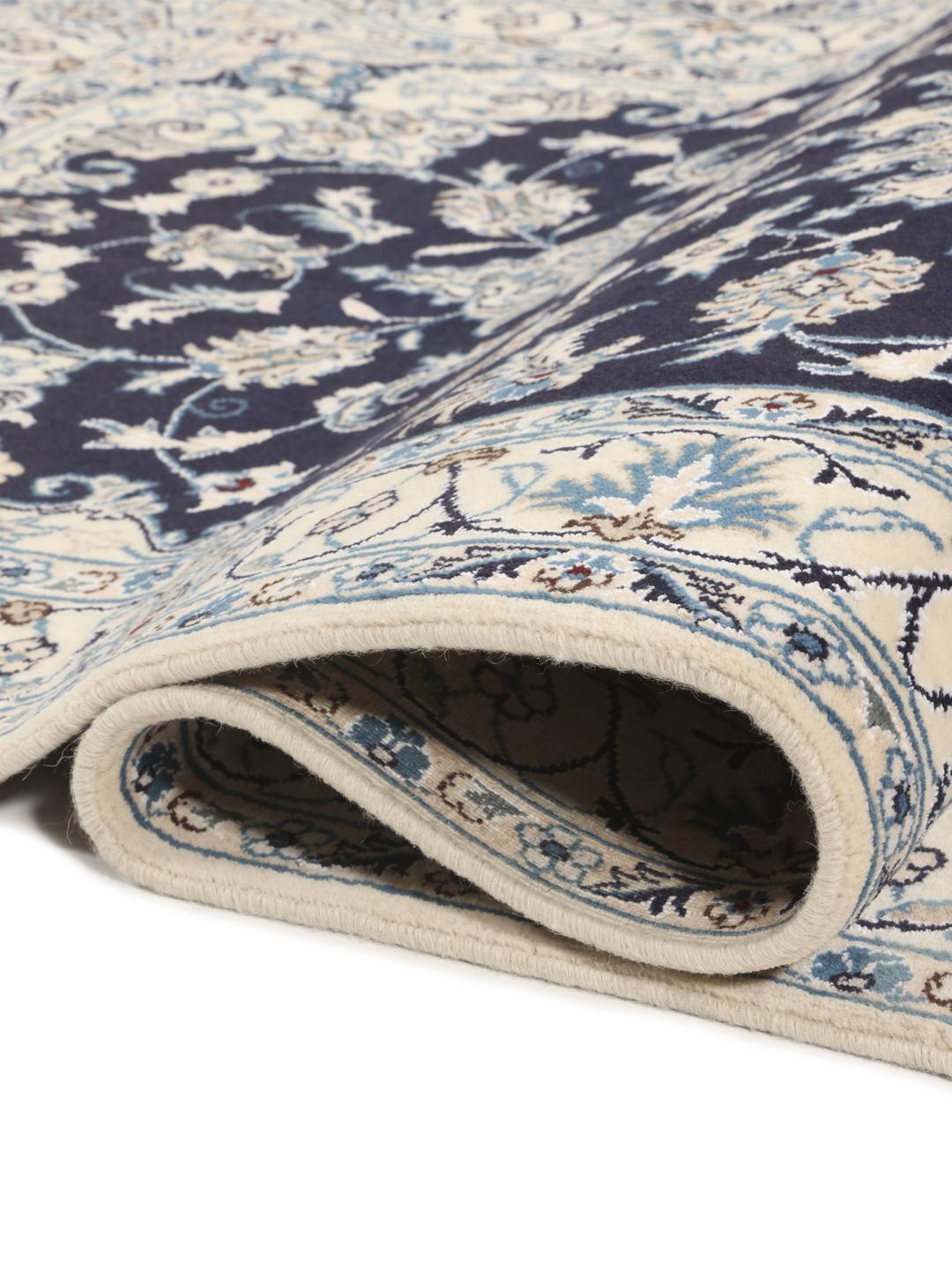
The quality of a Nain rug is often evaluated by the density and precision of its knots, which allow for the exceptionally fine, curvilinear designs that are the hallmark of this tradition. The artisans use a specific style of knotting that creates a smooth, velvety surface, highly prized by collectors for its lustre and durability. This technical excellence ensures that the intricate floral motifs appear crisp and well-defined, showcasing the weaver's ability to translate complex artistic visions into physical form.
Signature design elements of the Nain tradition typically include a central medallion, often inspired by classic architectural motifs, surrounded by a field dense with scrolling vines, palmettes, and arabesques. The borders are equally detailed, maintaining the balance and symmetry that define the style. While many feature traditional blue and cream tones, the artistry lies in the subtle shading and the way the light catches the pile, giving the rug a dynamic, changing appearance throughout the day.
Collecting a Nain rug is an investment in a living tradition. These pieces are valued for their cultural significance and the immense human effort required to complete each one. To own a rug from this lineage is to hold a piece of history that embodies the patience, cultural pride, and technical skill of its creators, making it a highly sought-after item for those who appreciate the intersection of heritage and high-end design.