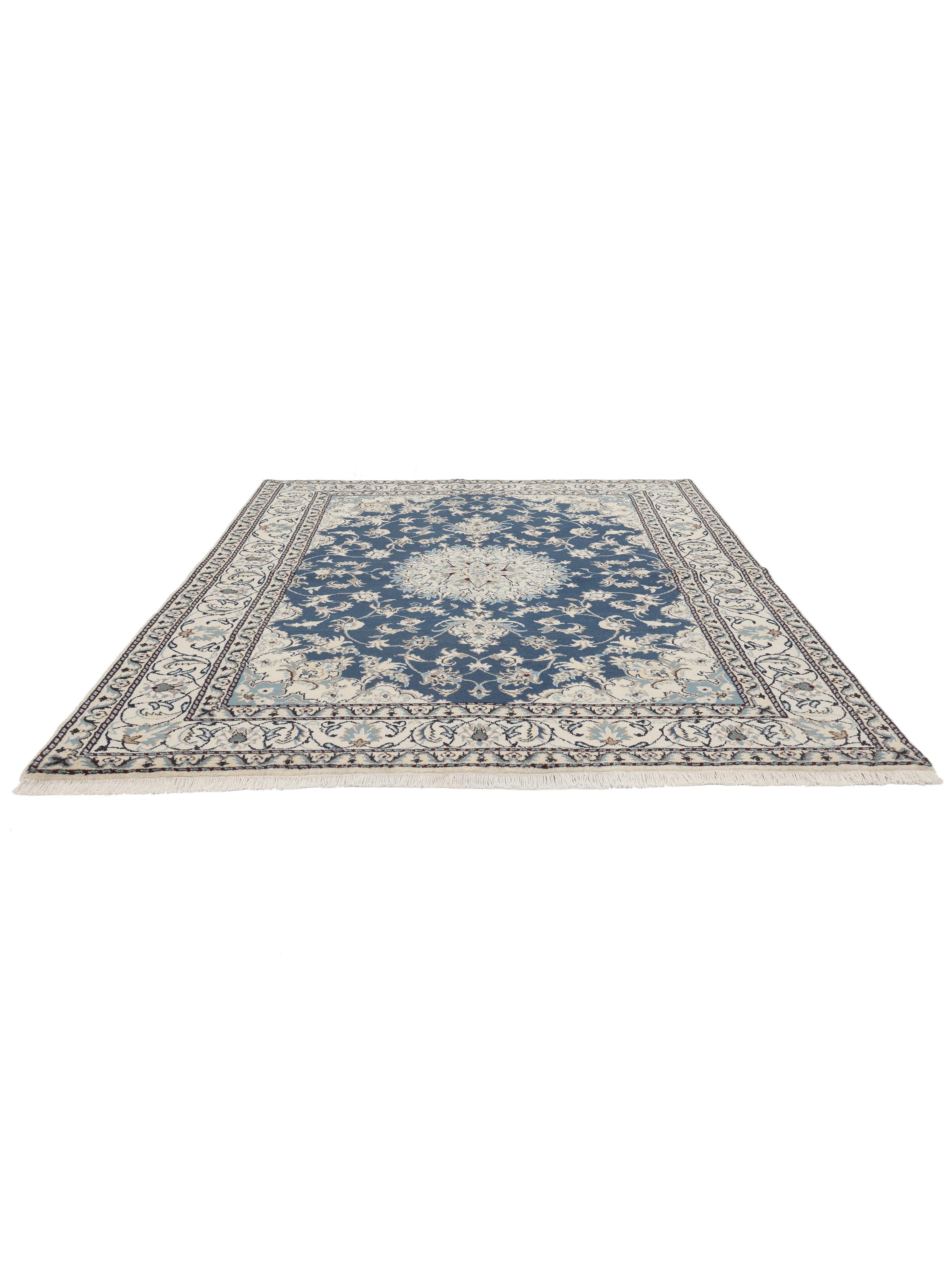
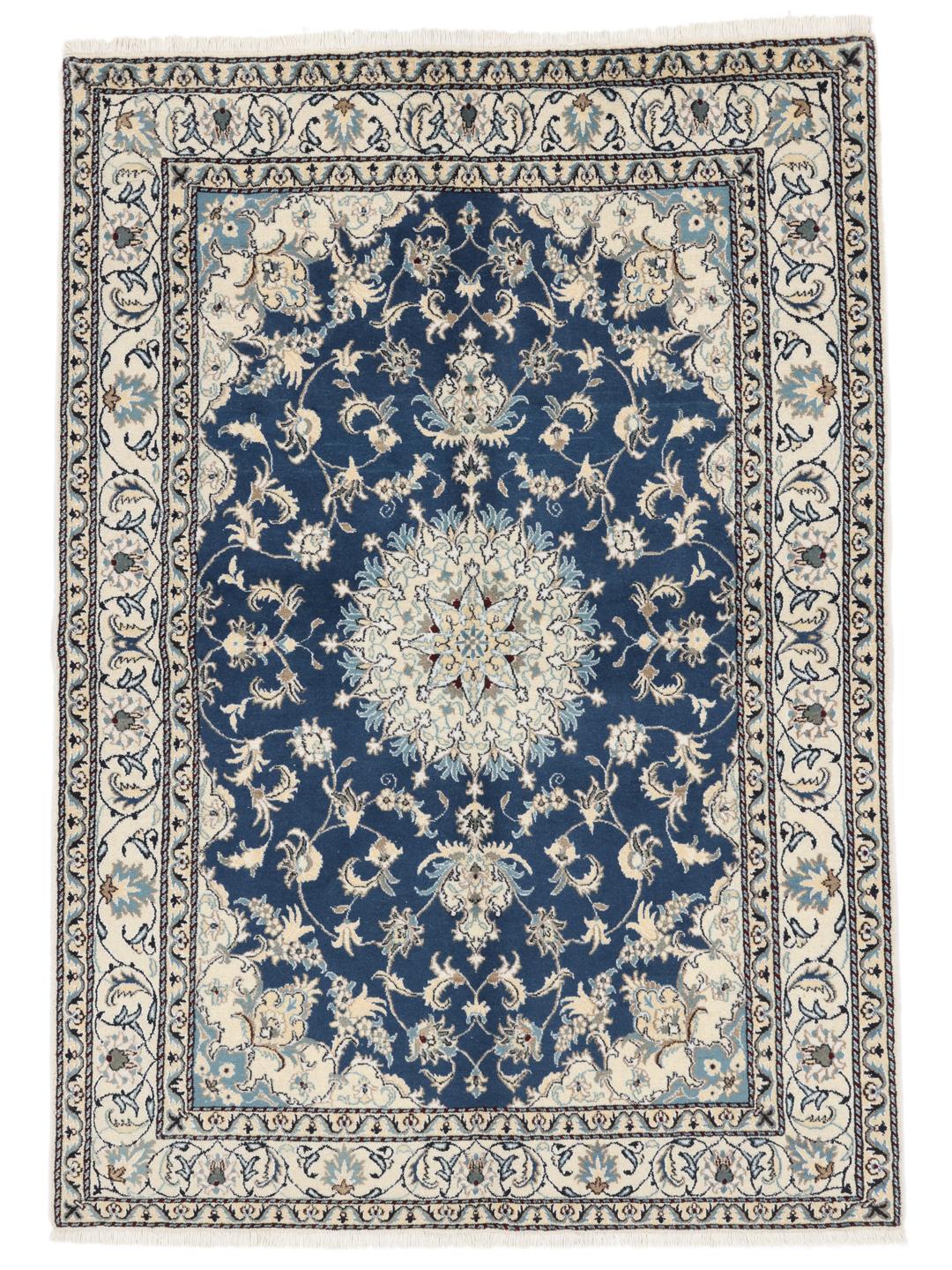
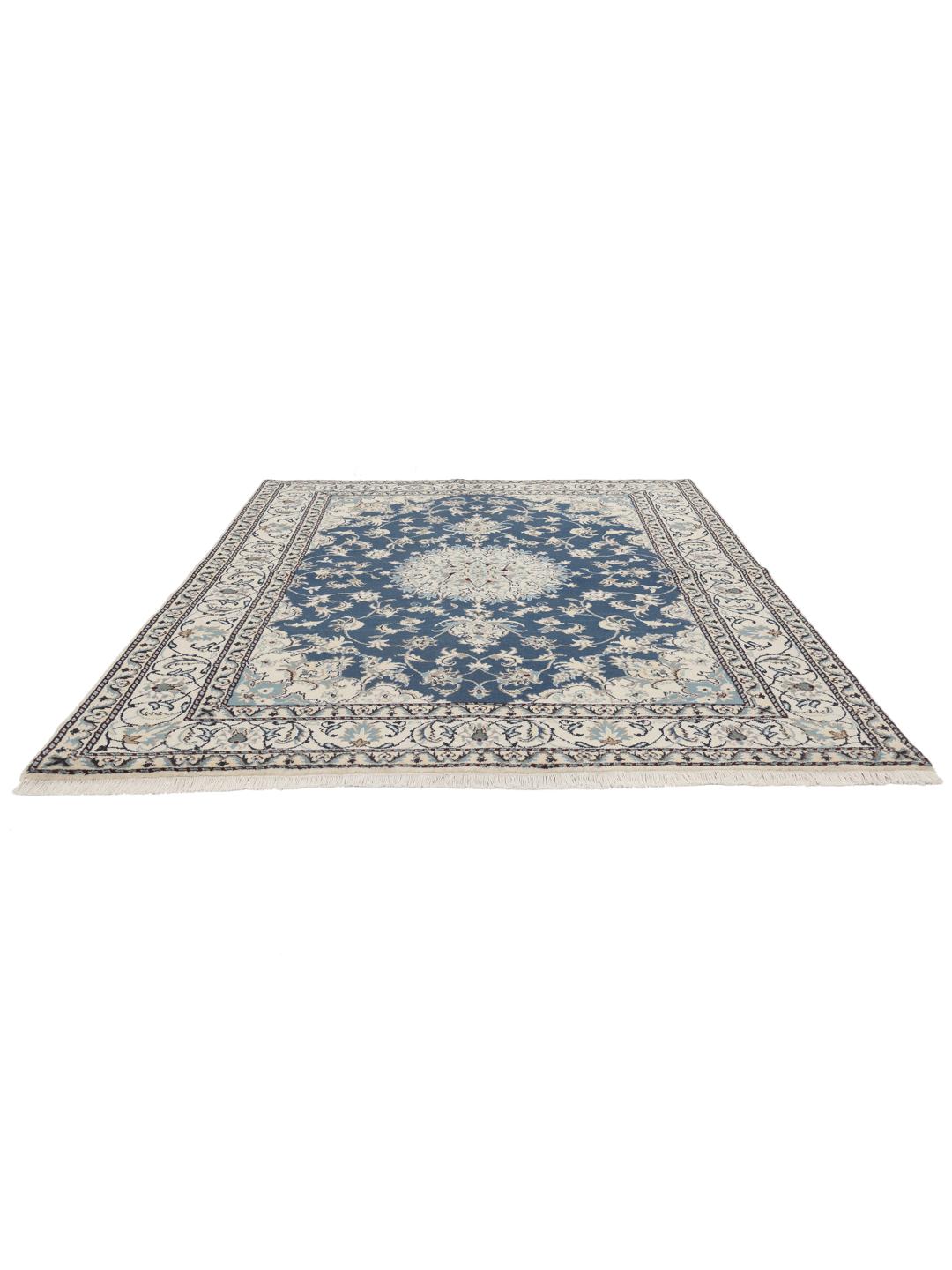
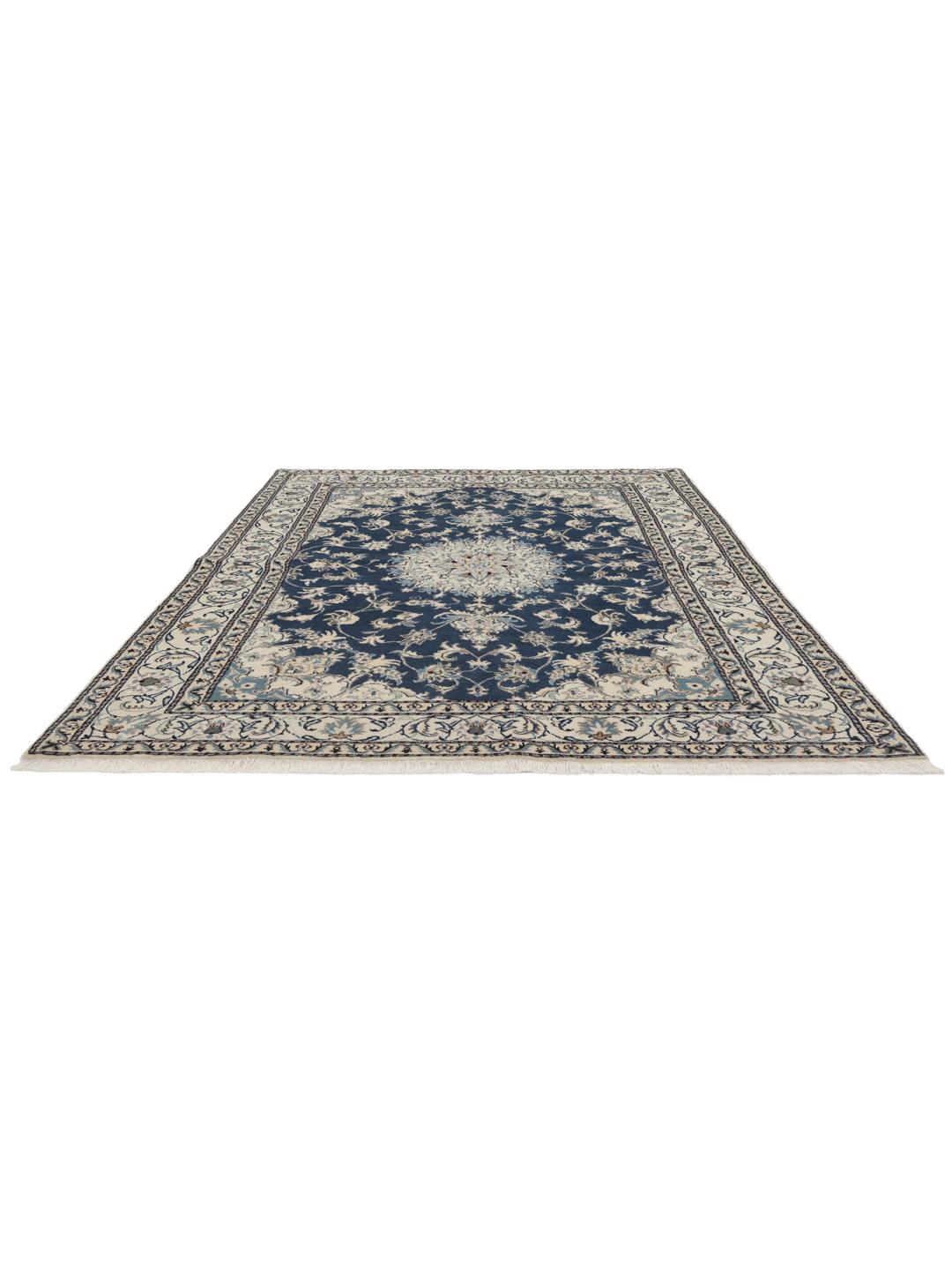
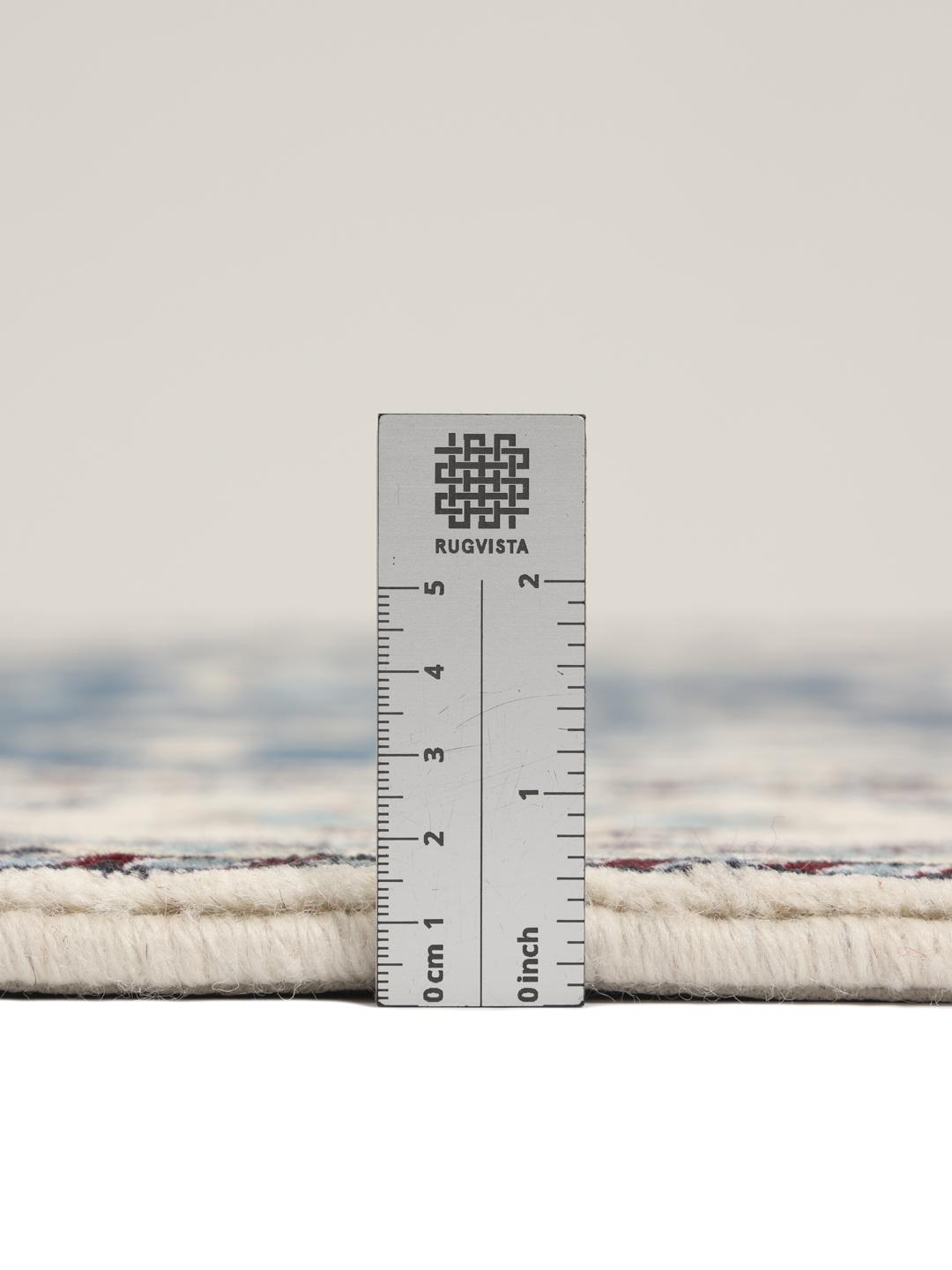
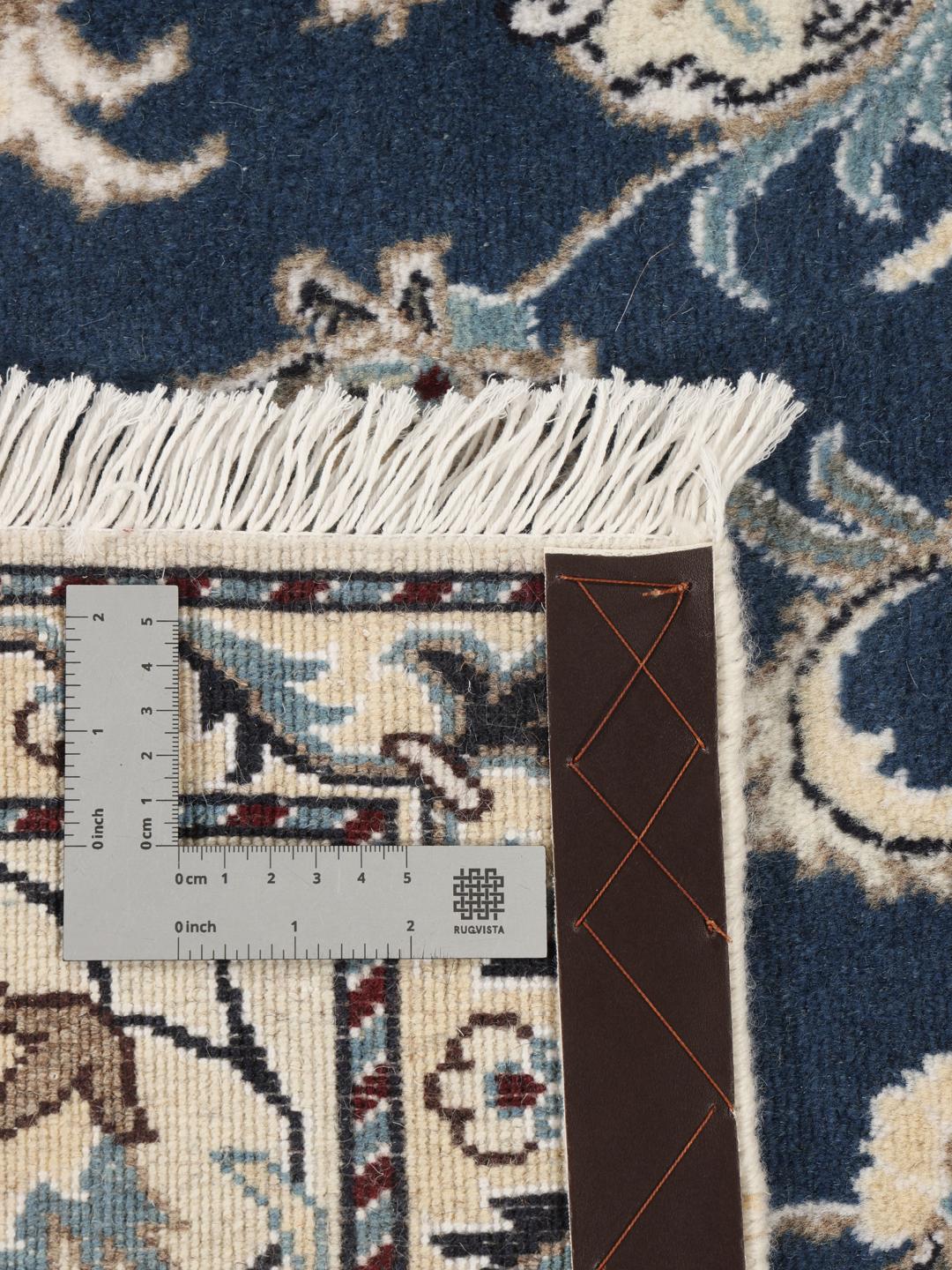
Nain rugs are celebrated for their distinctive elegance and are widely considered some of the most refined floor coverings produced in the Middle East. Originating from the city of Nain, located near the desert, these rugs evolved from a long history of fine textile and garment weaving. Over time, the region transitioned its focus toward high-quality rug production, quickly earning a reputation for a lighter, more sophisticated aesthetic that differentiates them from the bolder designs found in other areas.
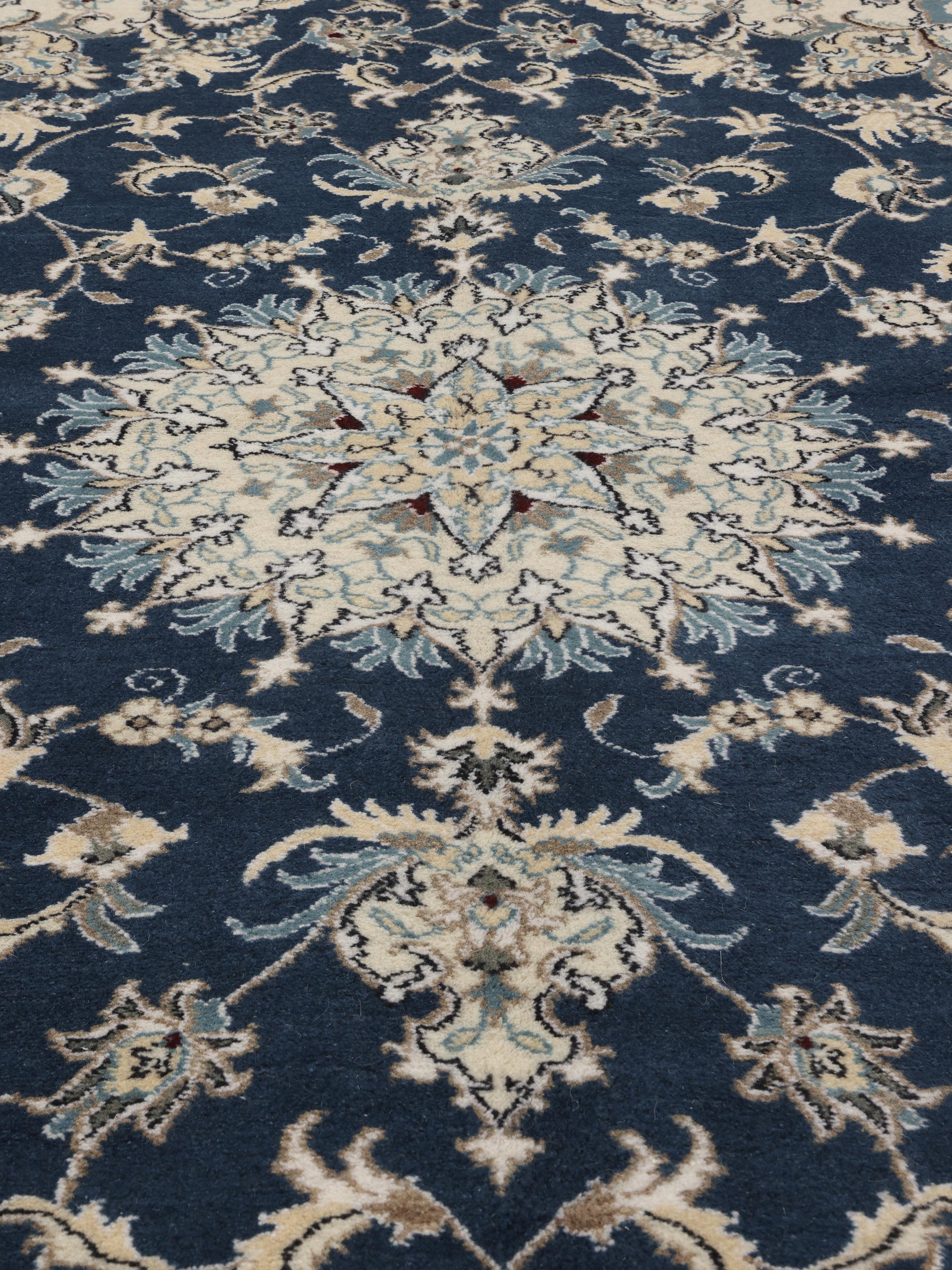
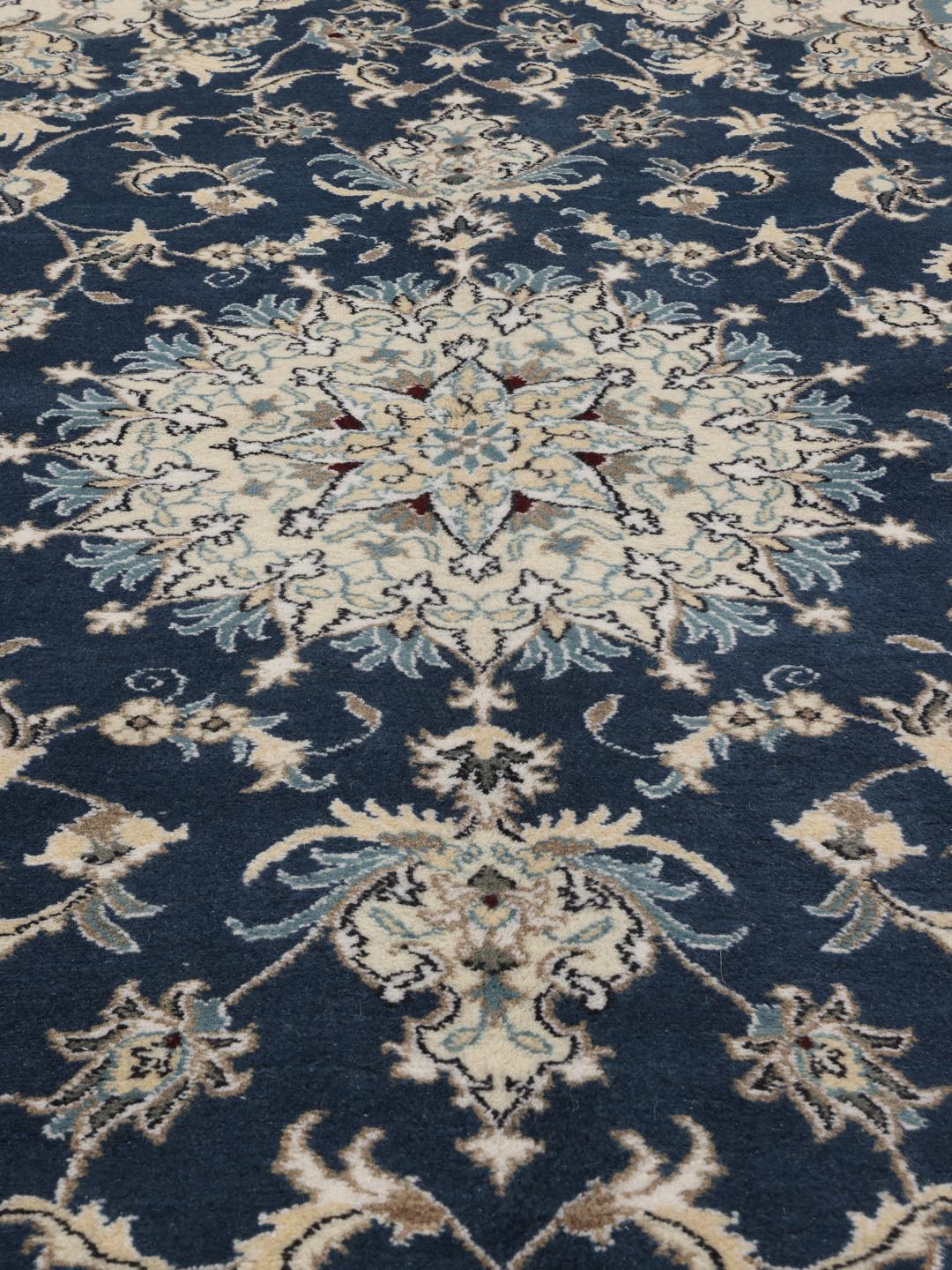
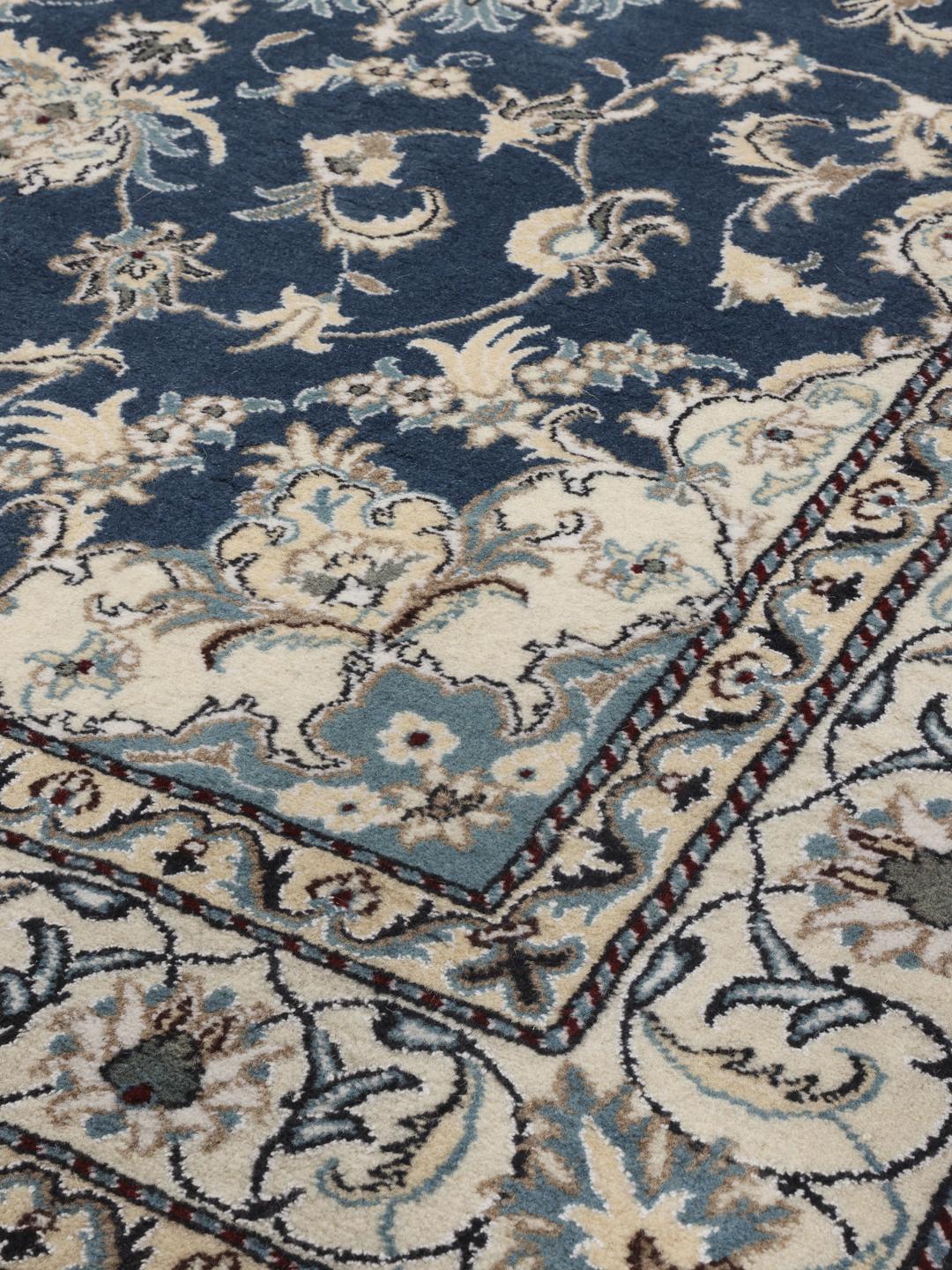
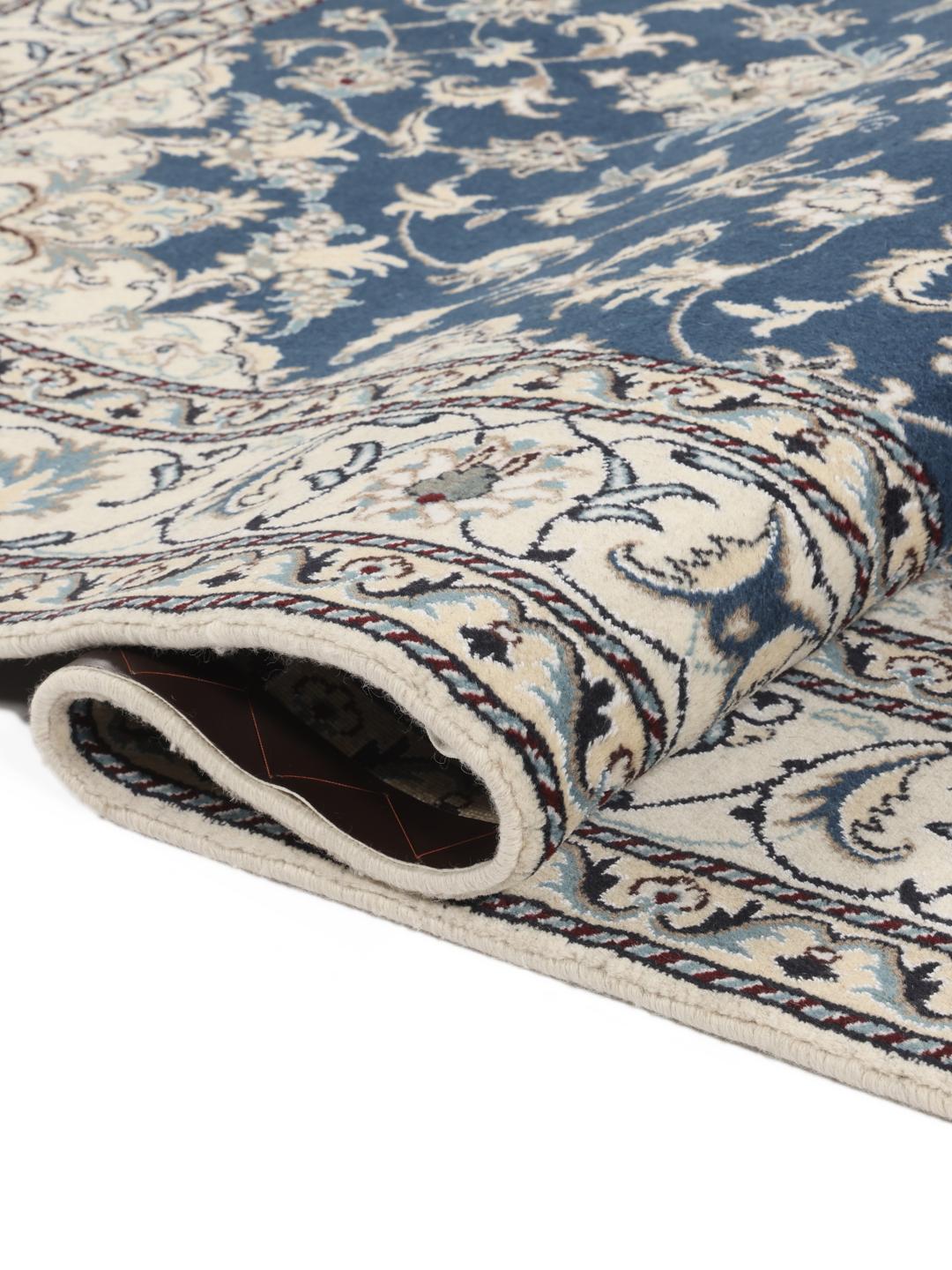
The terminology used to describe these rugs often refers to the 'La' system, which classifies the fineness of the weave. This system indicates the number of strands used in the warp threads, with lower numbers representing a higher knot density and finer overall quality. This technical precision is what gives Nain rugs their characteristic crispness of line and intricate, detailed patterns that appear almost like lace on the floor.
Visually, these rugs are defined by a harmonious colour palette, typically featuring a field of ivory, cream, or soft blue, adorned with scrolling vines, palmettos, and central medallions. The design is heavily influenced by the classical arts of the Middle Eastern tradition, emphasising balance and symmetry. While many Nain rugs follow this established visual language, each one remains unique due to the subtle variations in the weaver's interpretation of the floral motifs.
Collecting a Nain rug is an investment in a storied craft tradition that prioritises patience and technical mastery. These pieces are highly valued not only for their beauty but for the skill required to produce such intricate designs by hand. Owning one means participating in a centuries-old heritage of artistry, providing your home with a piece that carries both cultural weight and a lasting sense of quality.