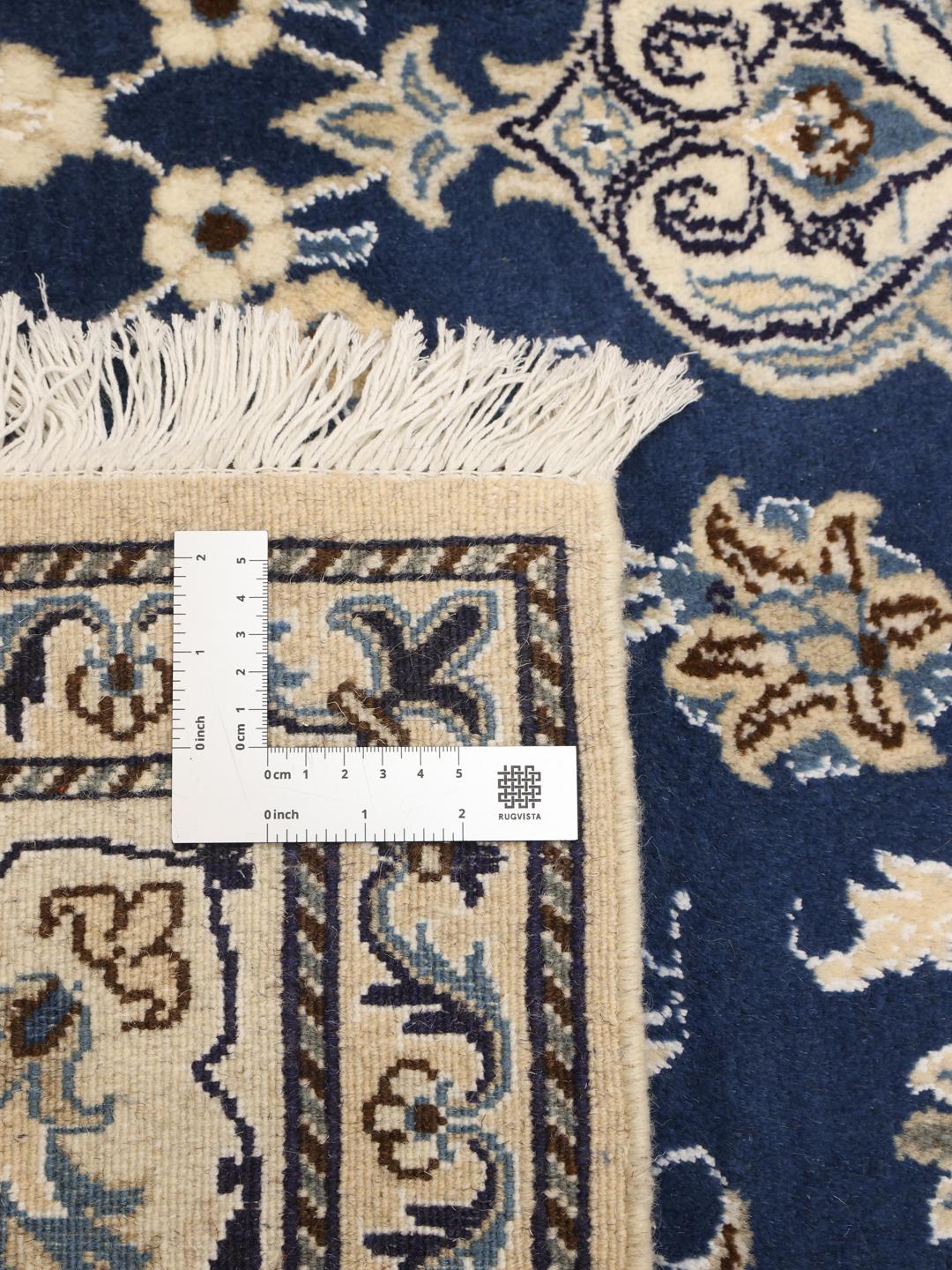
The Nain rug tradition hails from the historic town of Nain in the Middle East, a region long celebrated for its contributions to fine textile arts. Originally known for high-quality wool weaving, the artisans in Nain evolved their craft in the early 20th century to incorporate silk and increasingly intricate floral designs, carving out a distinct identity that is globally recognised today.
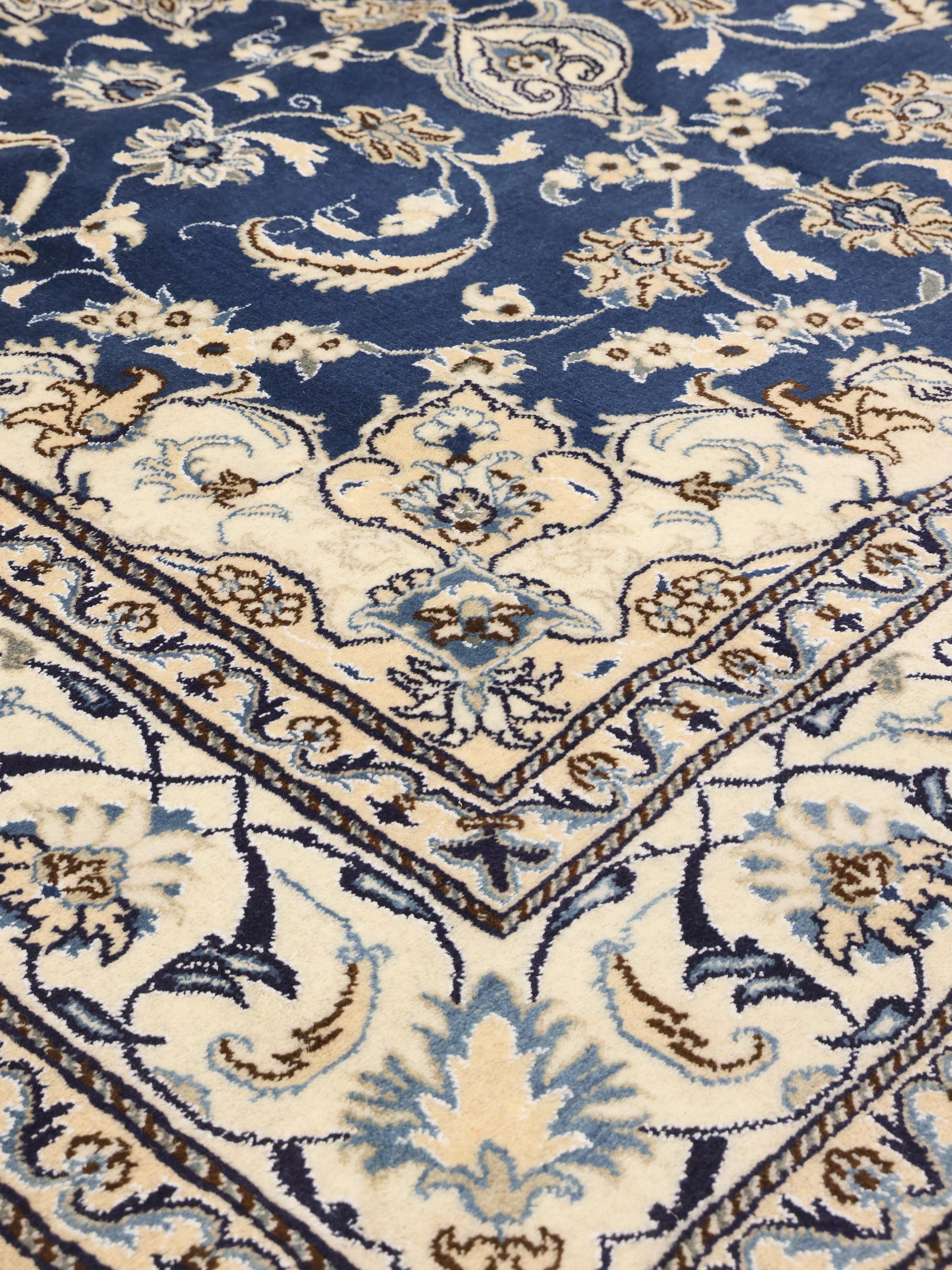
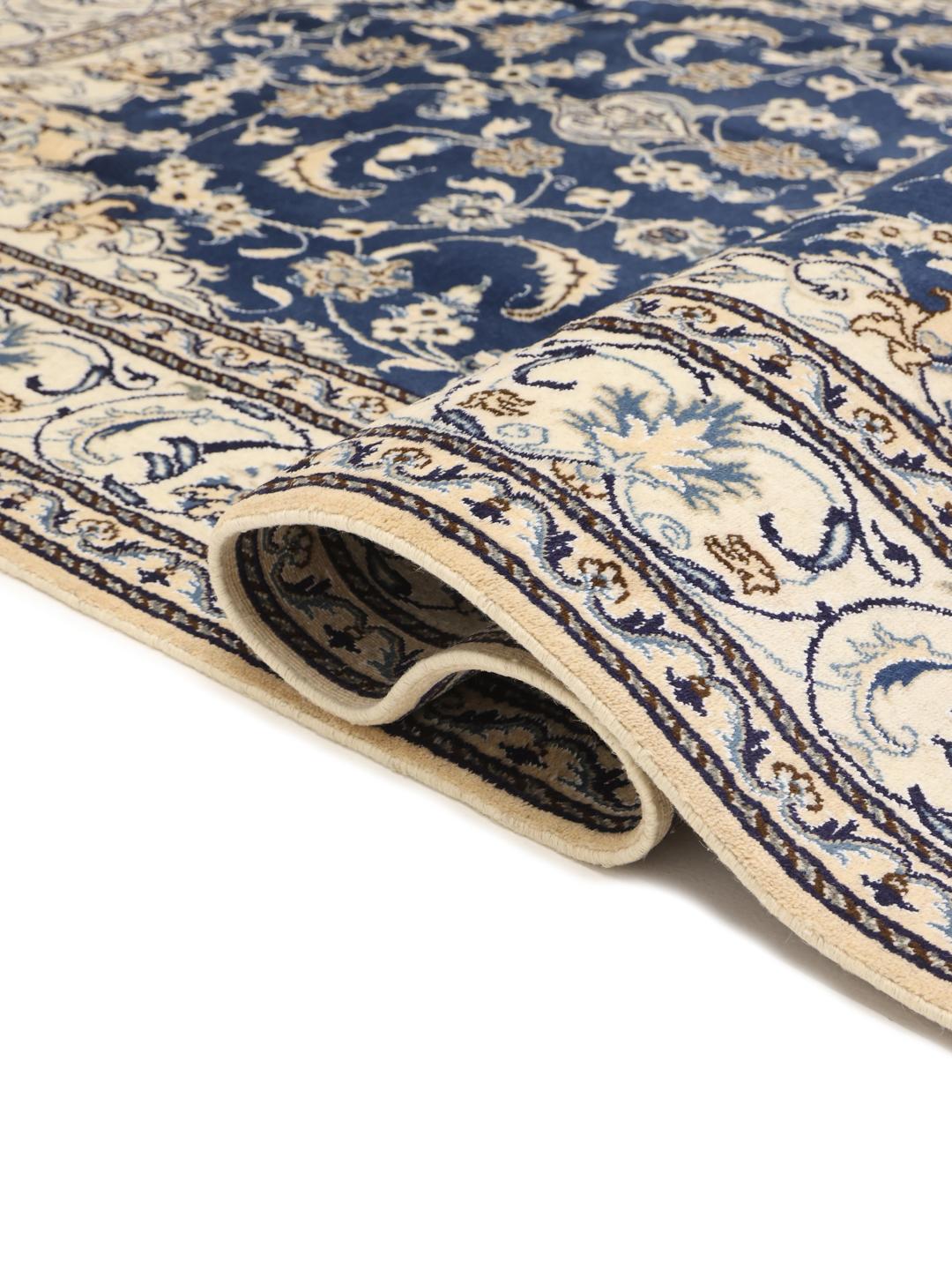
Nain rugs are renowned for their technical excellence and are often classified by the quality of their foundation. The density of the knots is a primary indicator of this quality, where a higher knot count allows for the delicate, curvilinear patterns that define the style. This precision requires immense patience and skill, resulting in a rug that is as durable as it is beautiful.
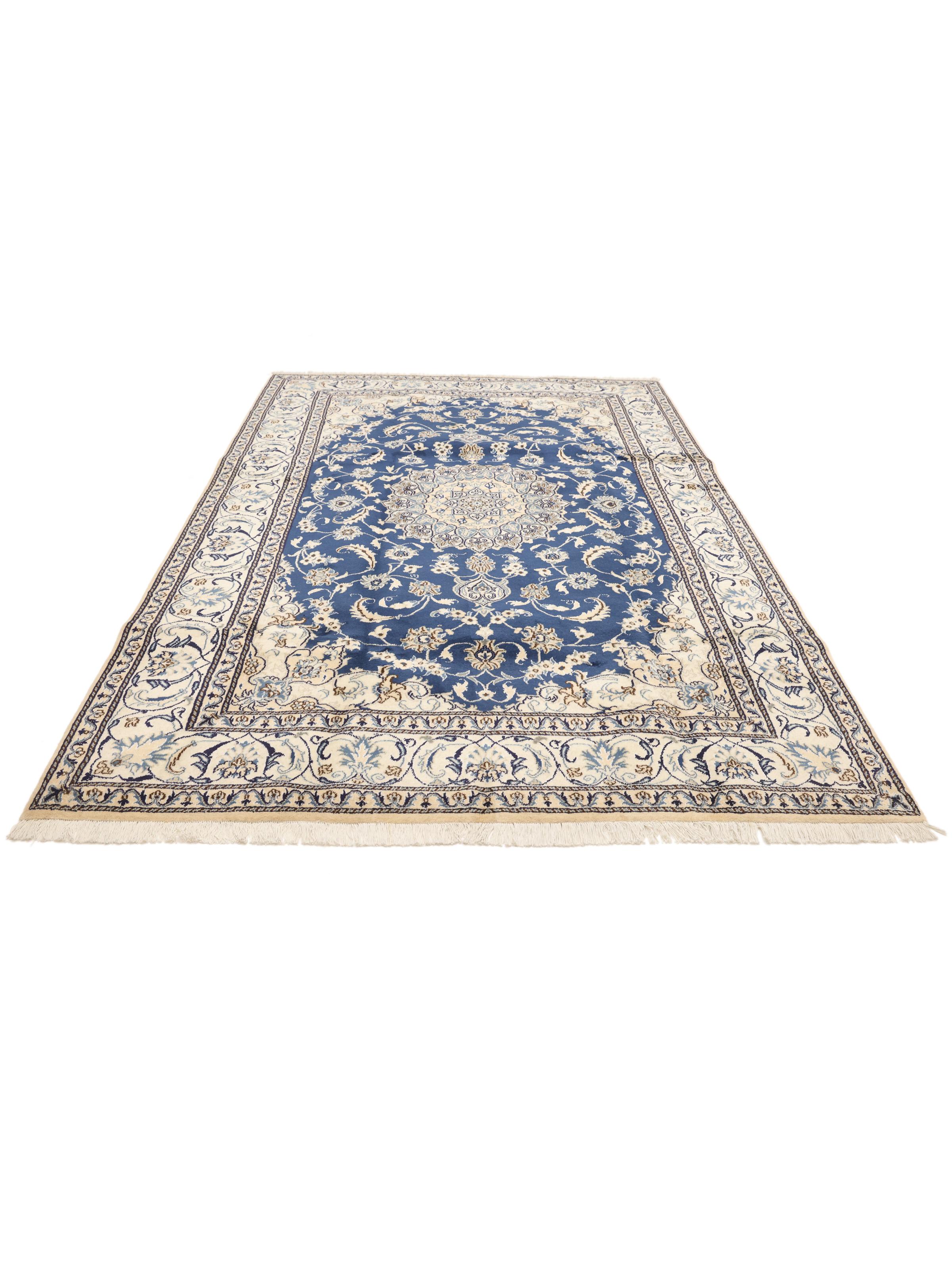
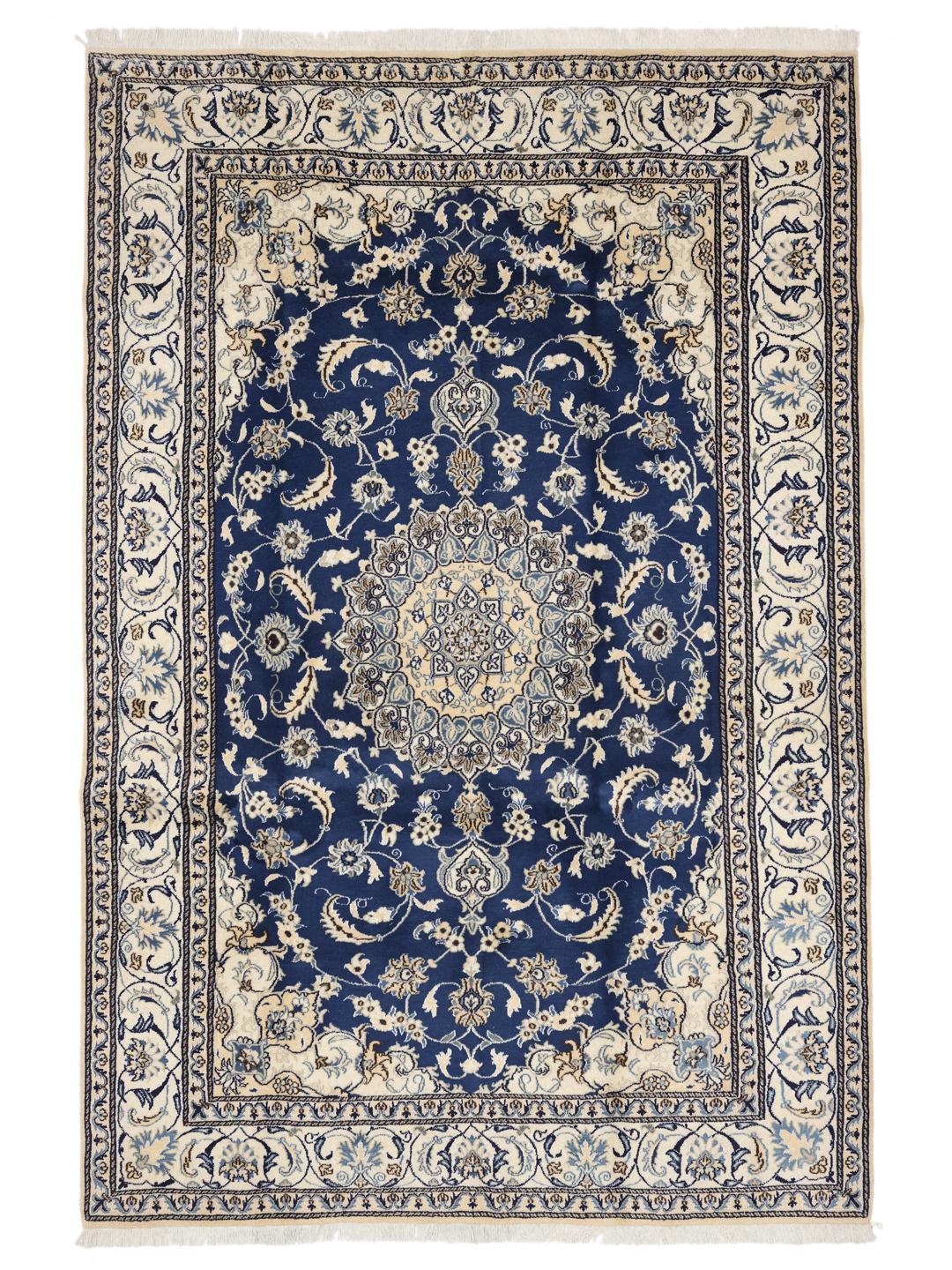
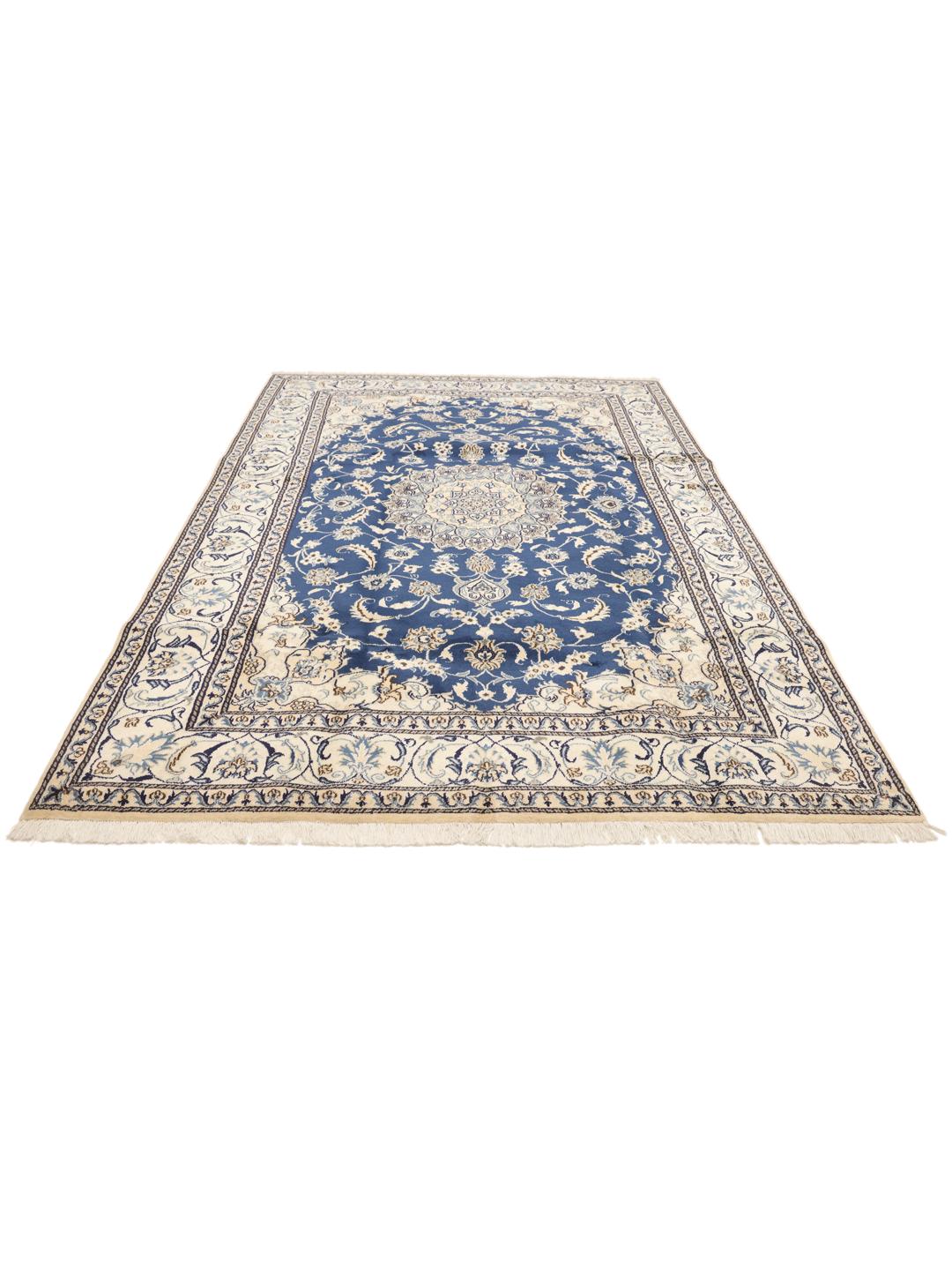
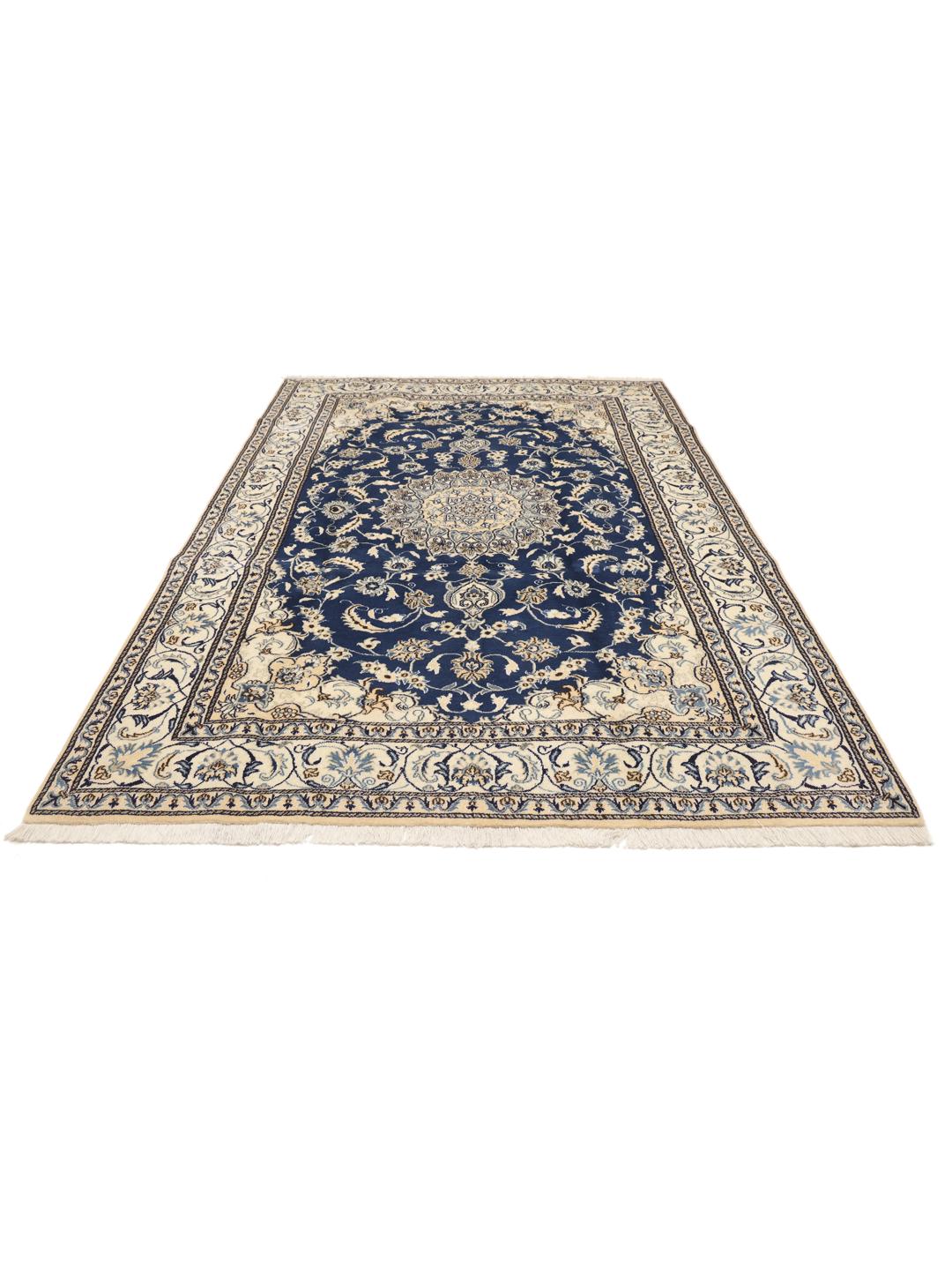
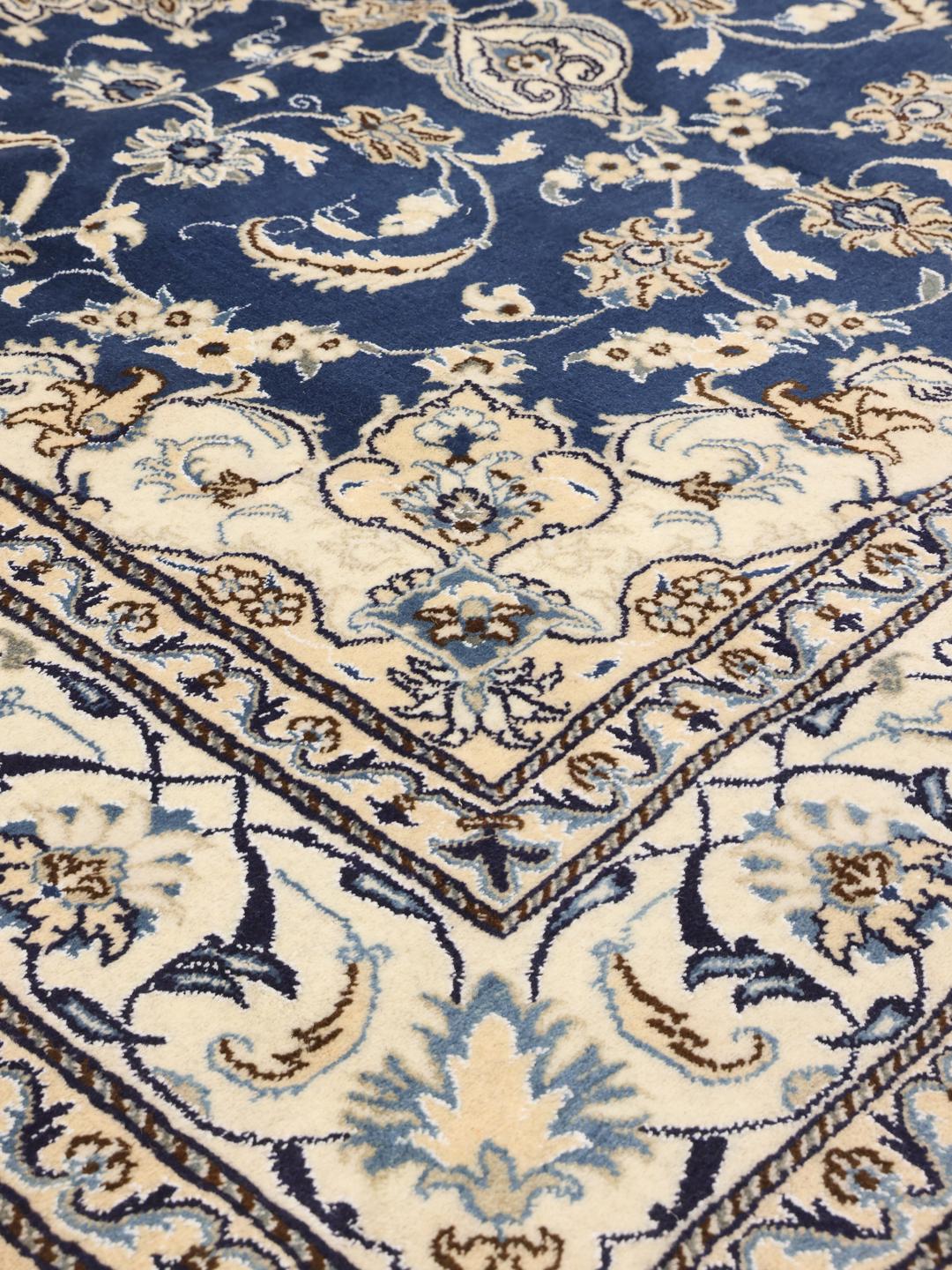
The visual language of a Nain rug is defined by a central medallion, often surrounded by a complex field of arabesques, vines, and floral sprays. While traditional palettes often lean toward soft blues, creams, and whites, the balance of these elements is what gives the rug its signature look of refined luxury. The borders are typically filled with complementary floral motifs that frame the field, providing a sense of harmony and completeness.
Collecting a Nain rug is an opportunity to own a piece of profound cultural heritage. These rugs are highly valued for their sophistication and the immense human effort required to create them. Owning one means participating in a legacy of craft, where skill and tradition converge to produce a floor covering that serves as a testament to the artistry of the Middle Eastern weaving tradition.