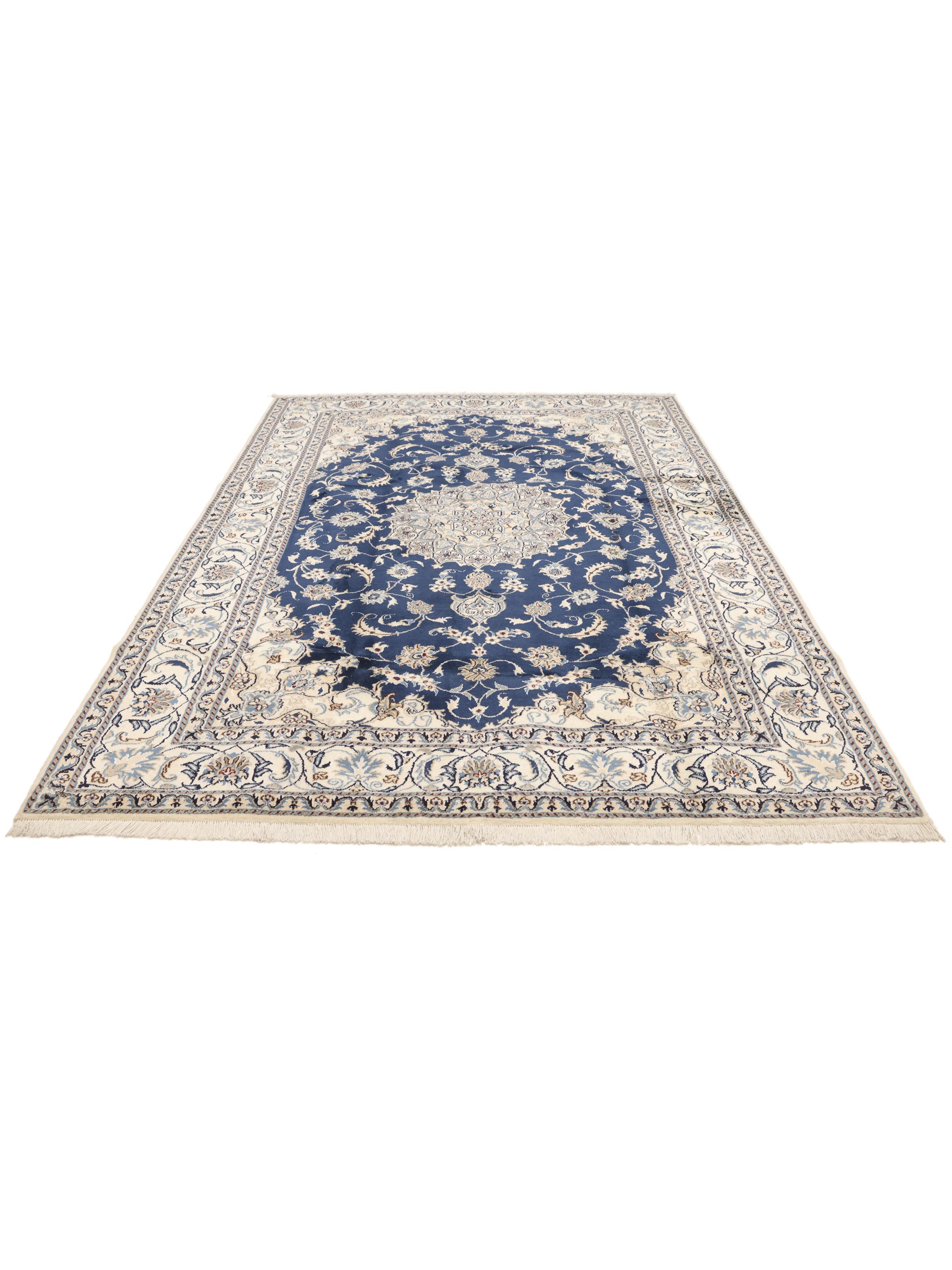
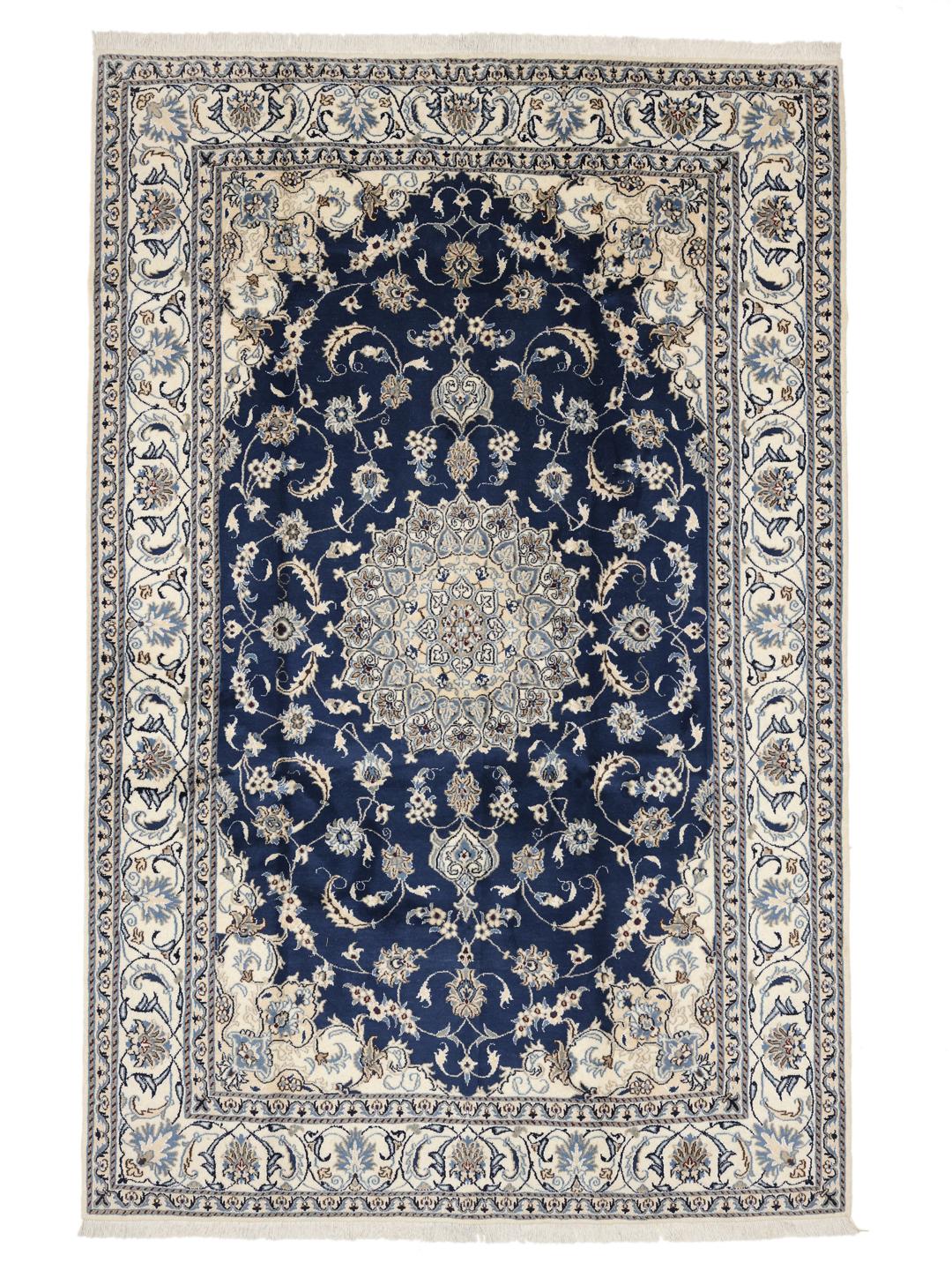
Nain rugs hail from the central region of the Middle East, a city that transitioned from a historical centre of fine textile production to world-renowned rug weaving in the early 20th century. While the city was once famous for its high-quality cloaks, the local weavers eventually adapted their exceptional skill to the art of carpet making, quickly gaining a reputation for producing some of the most refined and balanced designs in the region.
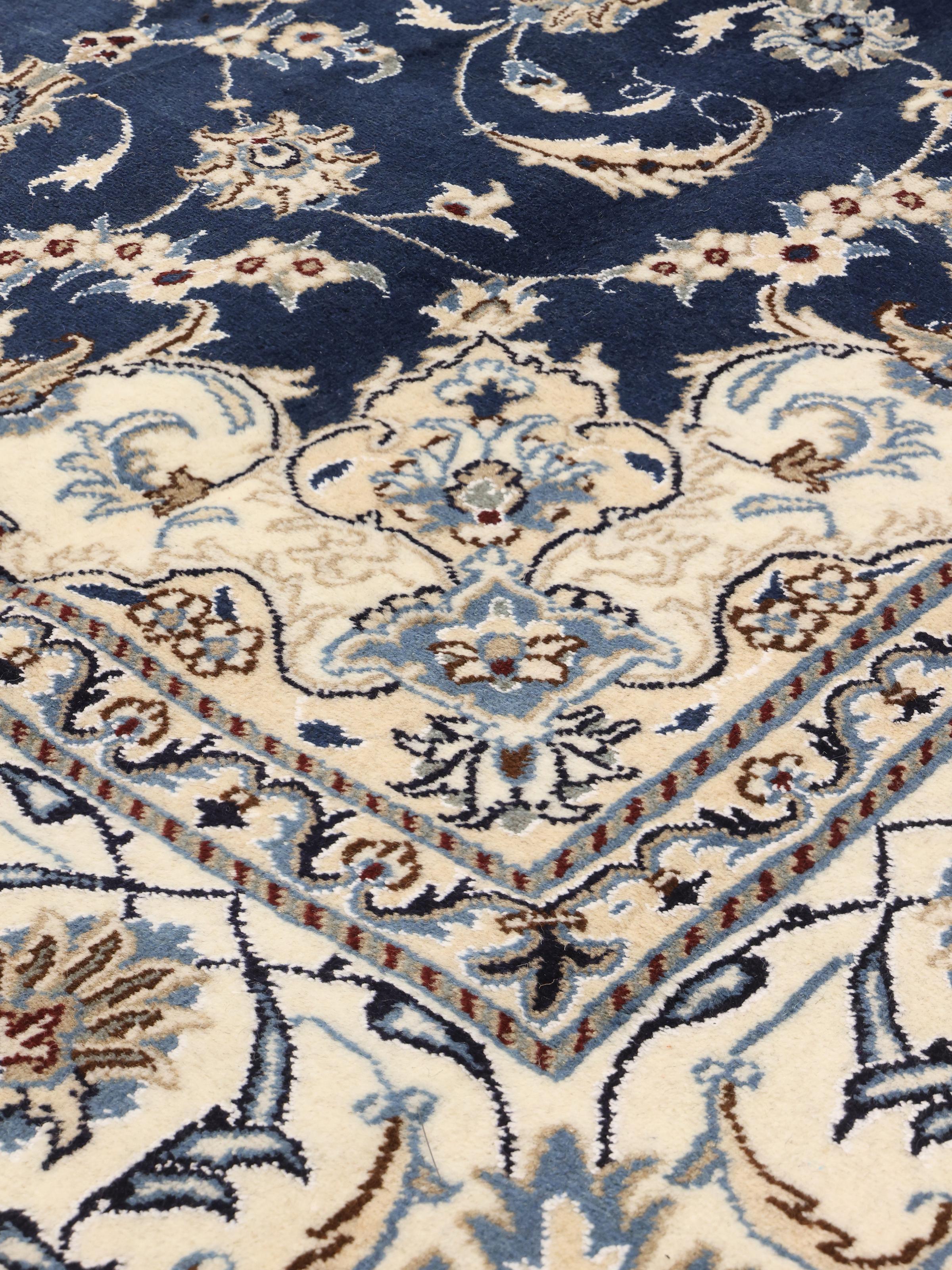
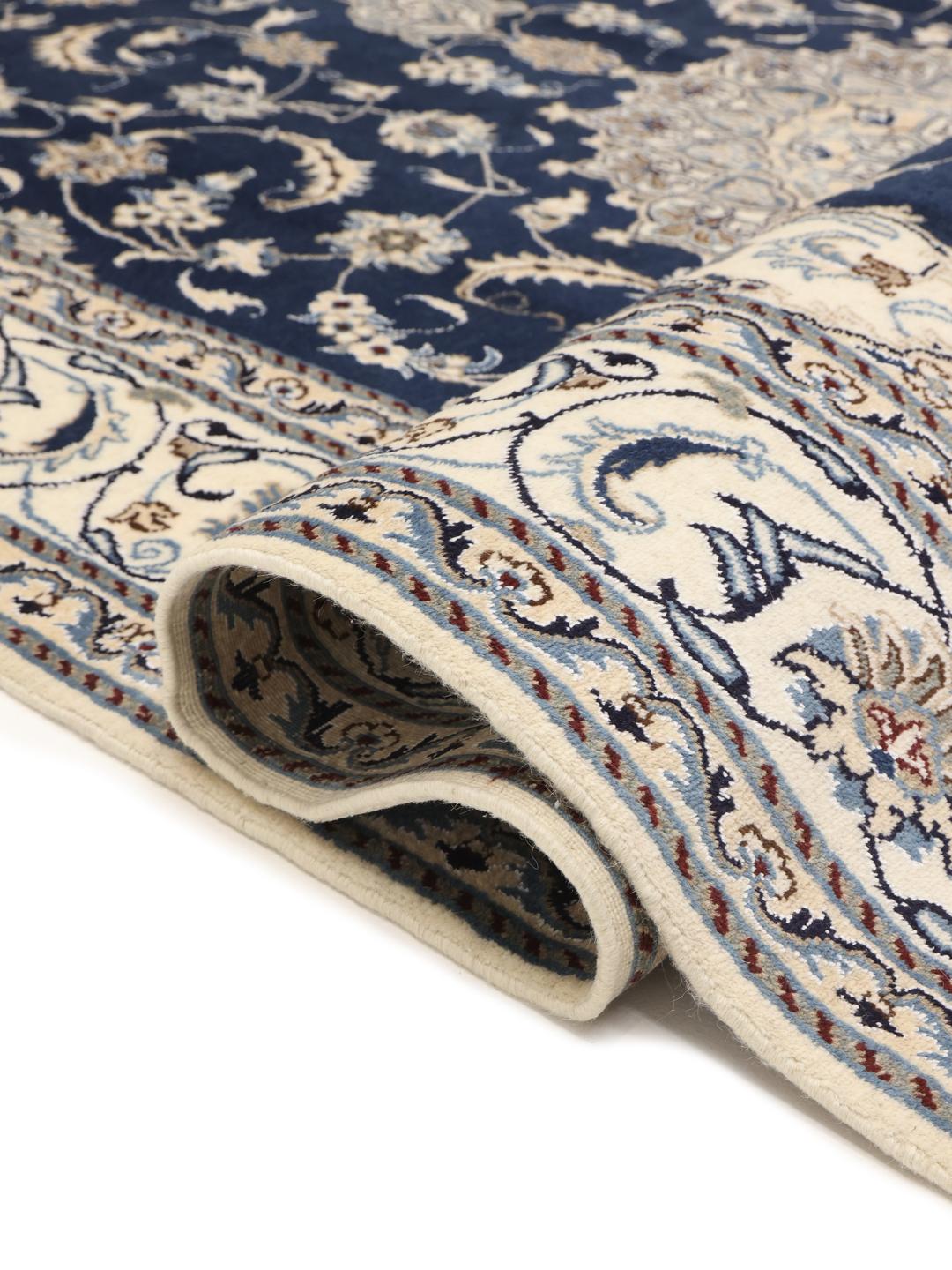
The quality of a Nain is often categorised by the density of its construction, which dictates the complexity of the patterns. A hallmark of these rugs is the use of high-quality Wool, sometimes balanced with silk highlights to add a subtle, shimmering depth to the design. This precise construction ensures that the rug remains durable while retaining a delicate, sophisticated appearance that has become synonymous with the Nain name.
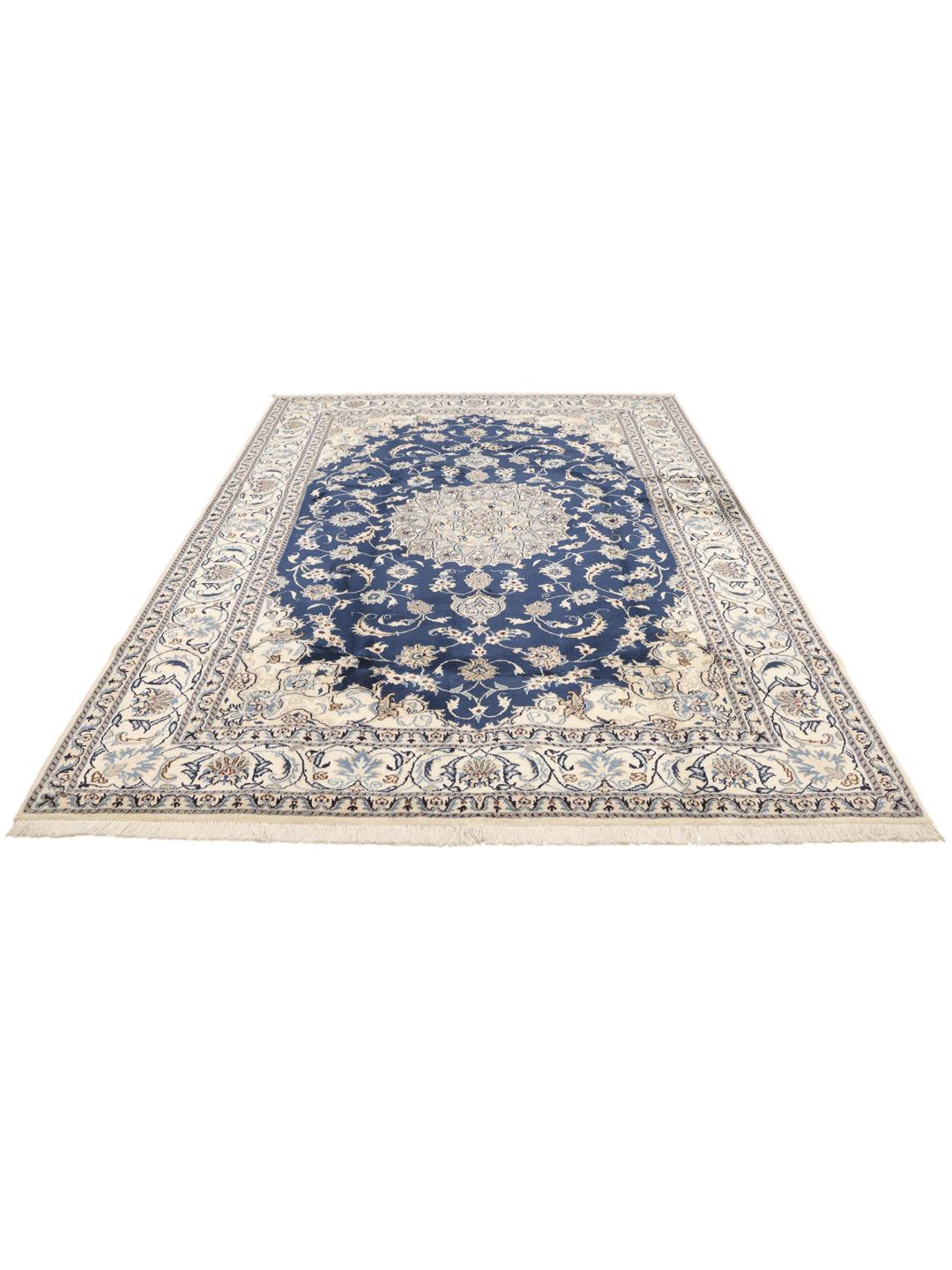
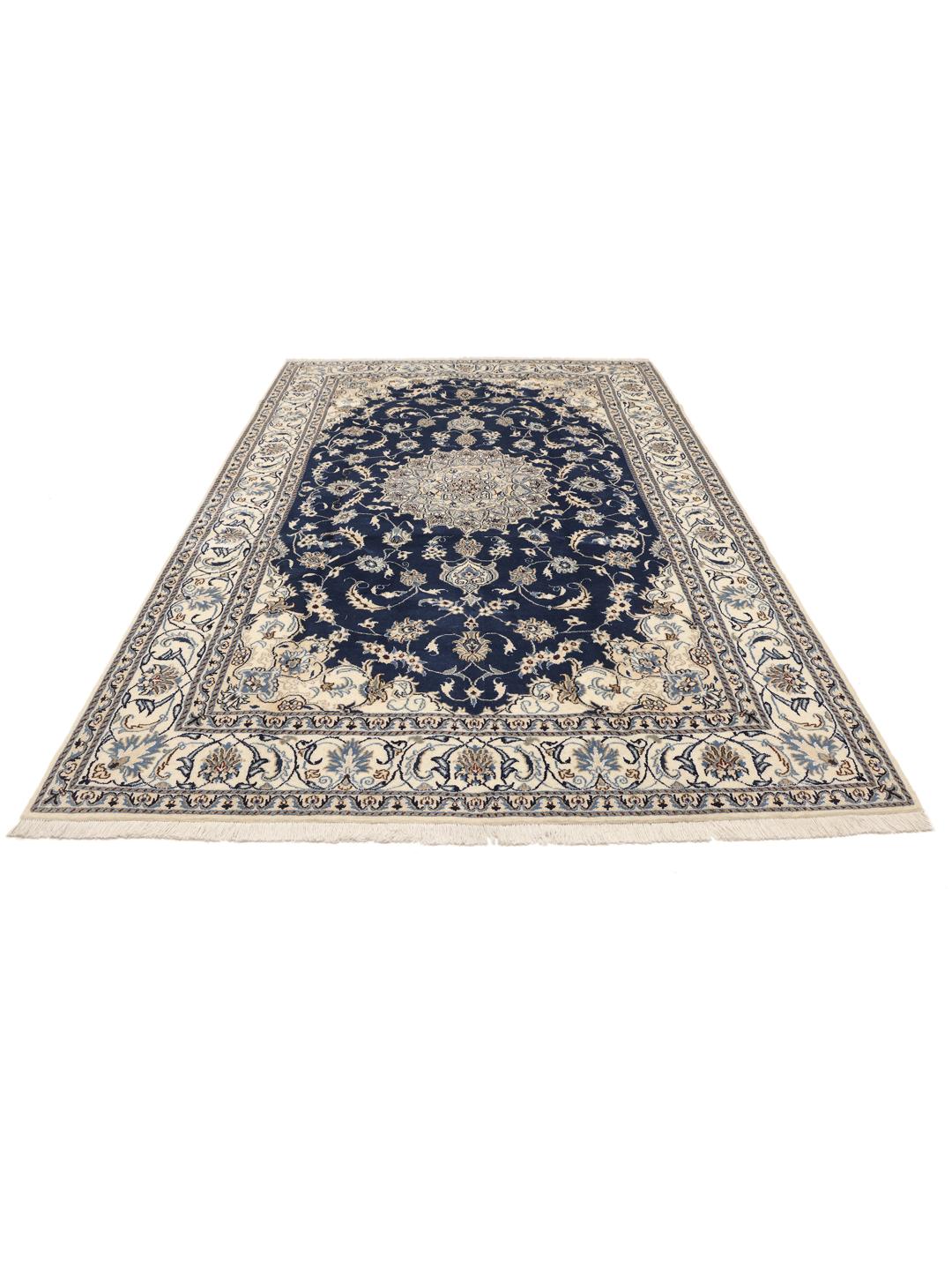
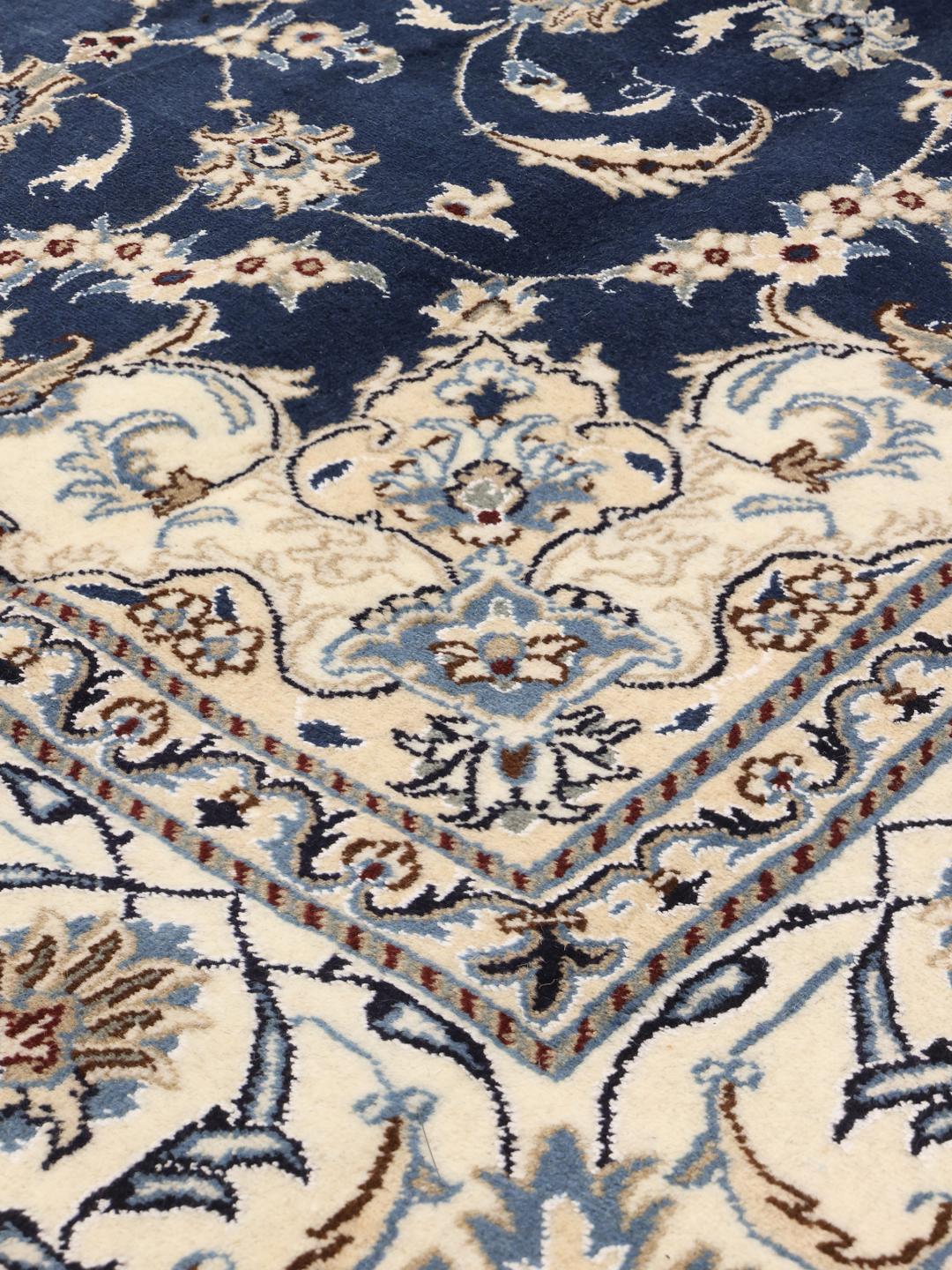
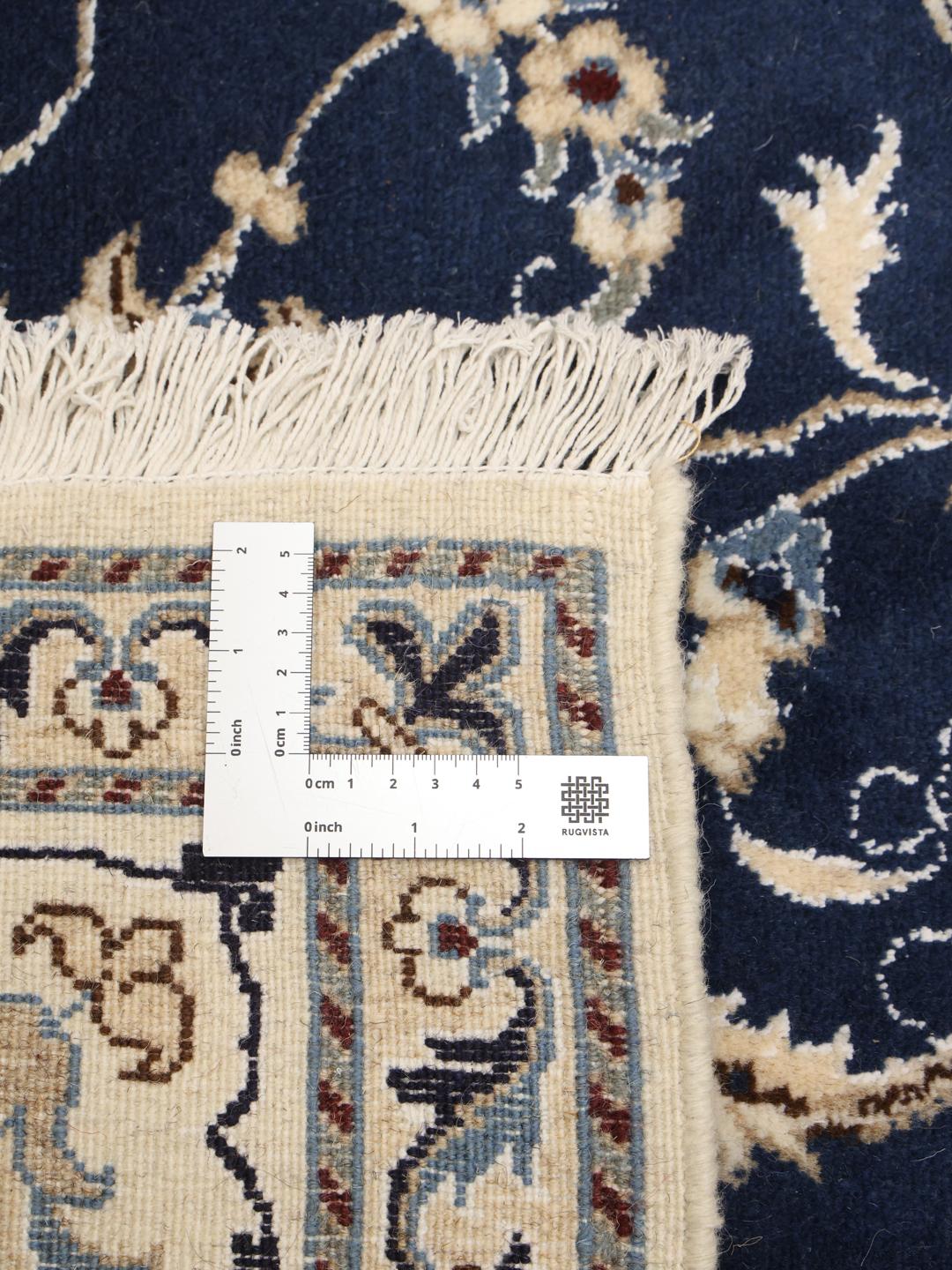
Visually, these rugs are defined by their elegant, curvilinear floral motifs and central medallions, often set against a palette of cream, blue, and soft ivory. The designs are heavily influenced by classical artistic traditions, featuring swirling vines, palmettes, and elaborate borders that flow seamlessly across the field. This harmony of colour and form is what makes the Nain style so highly sought after for formal and elegant interiors.
Collectors and design enthusiasts value these rugs for their balance of artistic heritage and technical mastery. Owning a piece from this tradition is an investment in a storied craft that prioritises harmony, balance, and the slow, deliberate application of skill. It represents a commitment to maintaining a connection to old-world artistry, ensuring that the legacy of these beautiful, hand-crafted objects continues to be appreciated in modern homes.