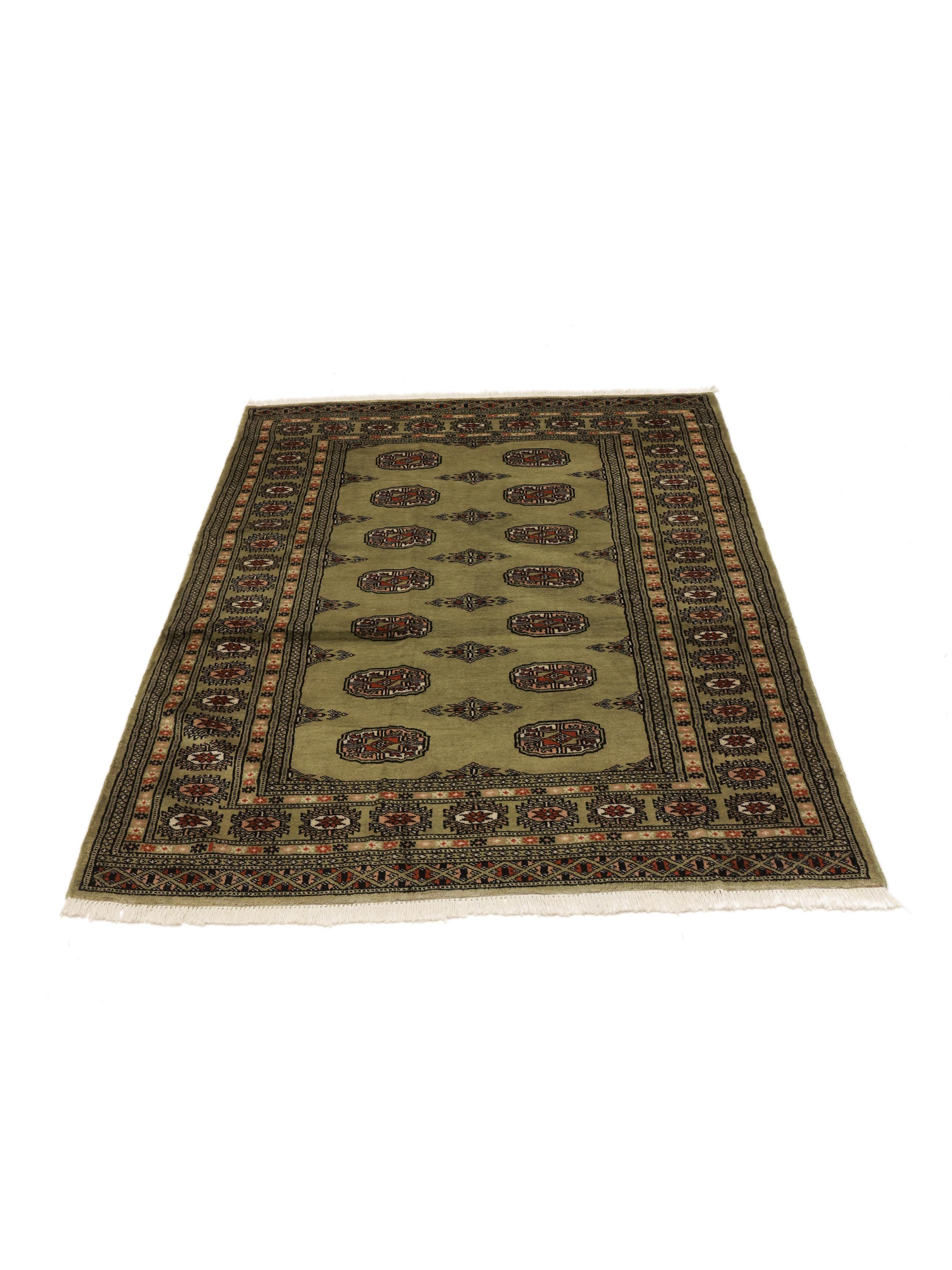
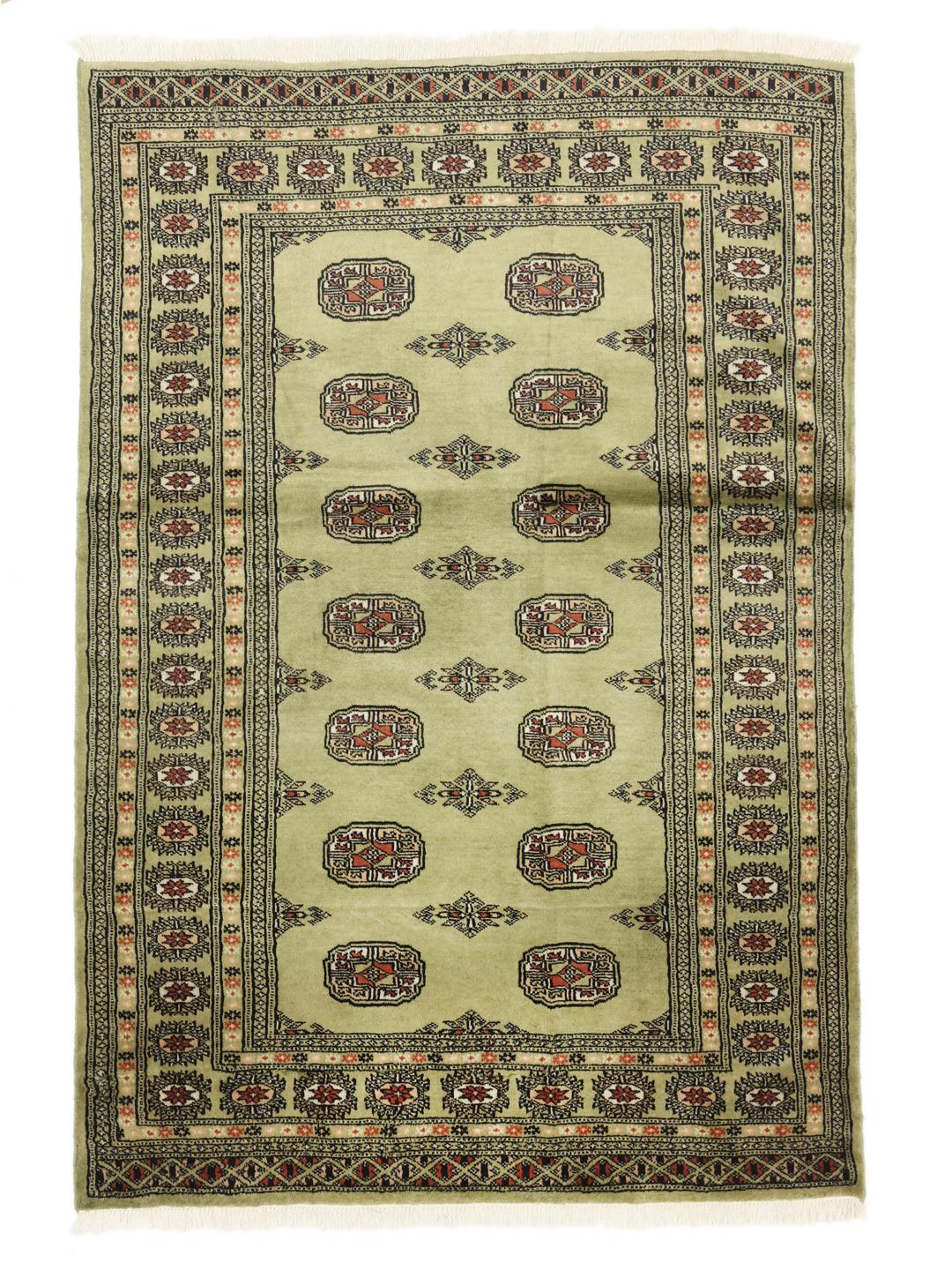
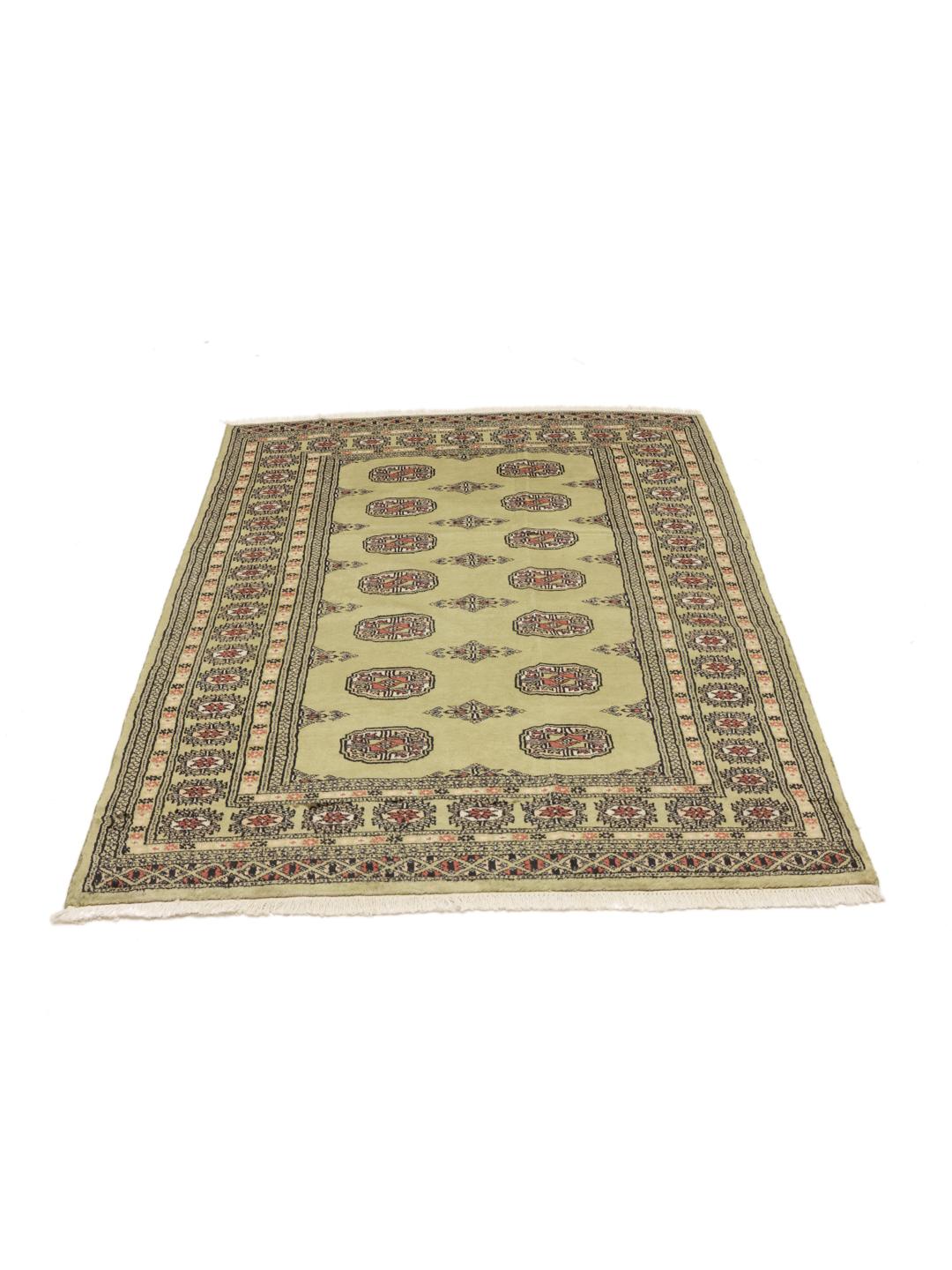
Bokhara rugs take their name from the ancient Silk Road city of Bukhara in Central Asia, a historical hub of textile trade and culture. While the style originated in nomadic traditions, the finest examples today are woven in Pakistan. This migration of craft brought the iconic designs to new regions, where weavers have refined the techniques to produce the high-quality, dense rugs recognised globally today.
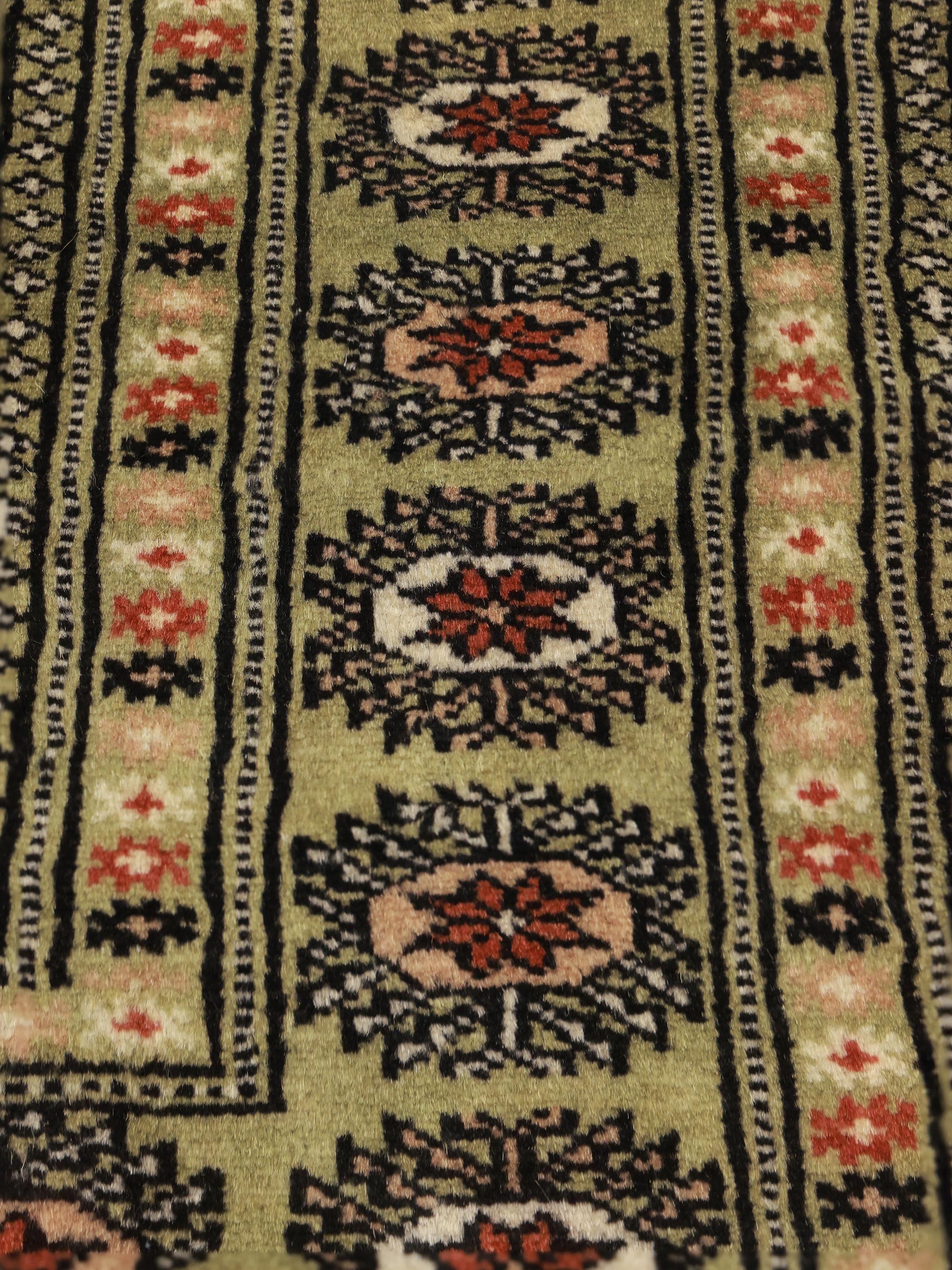
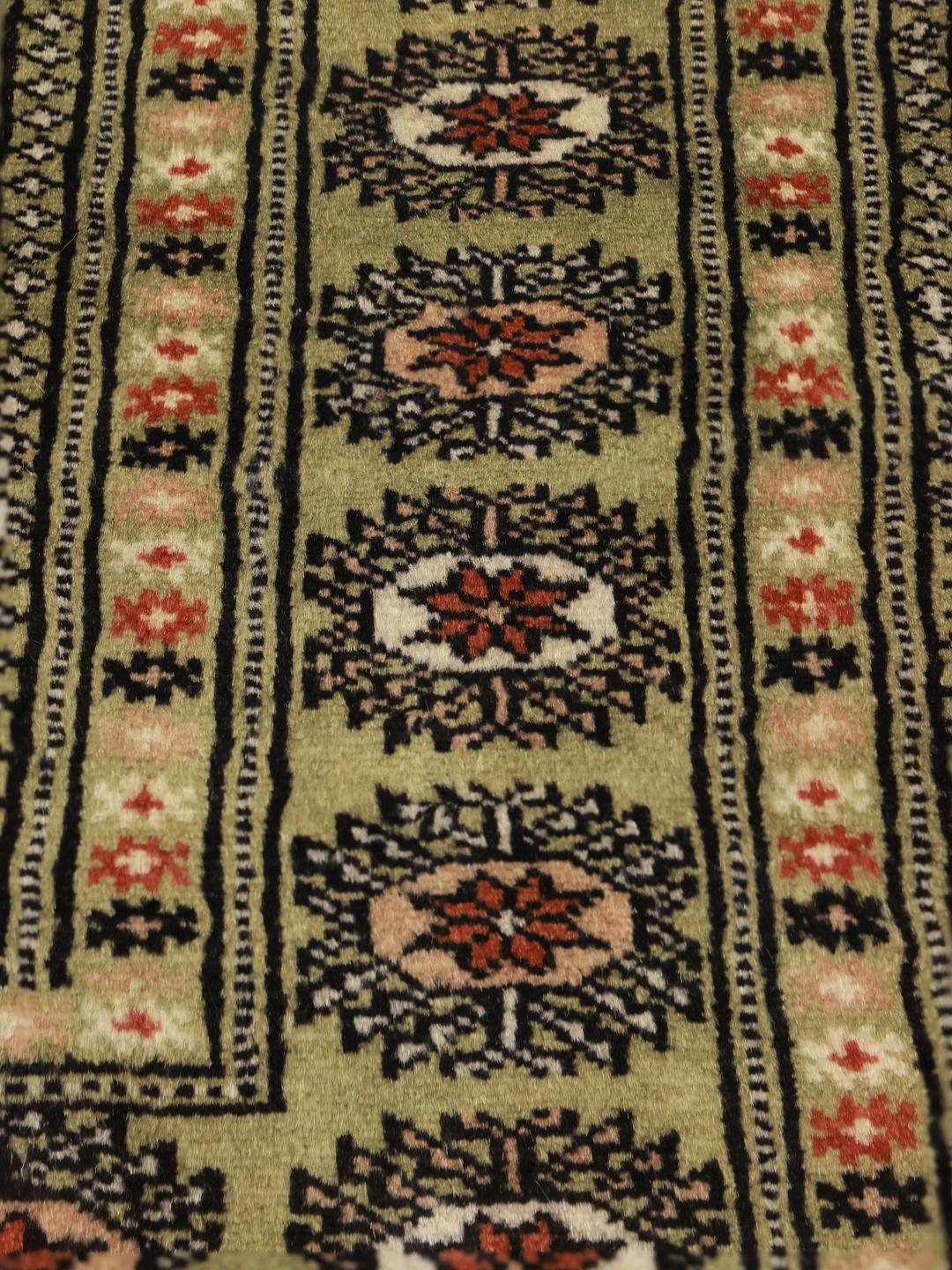
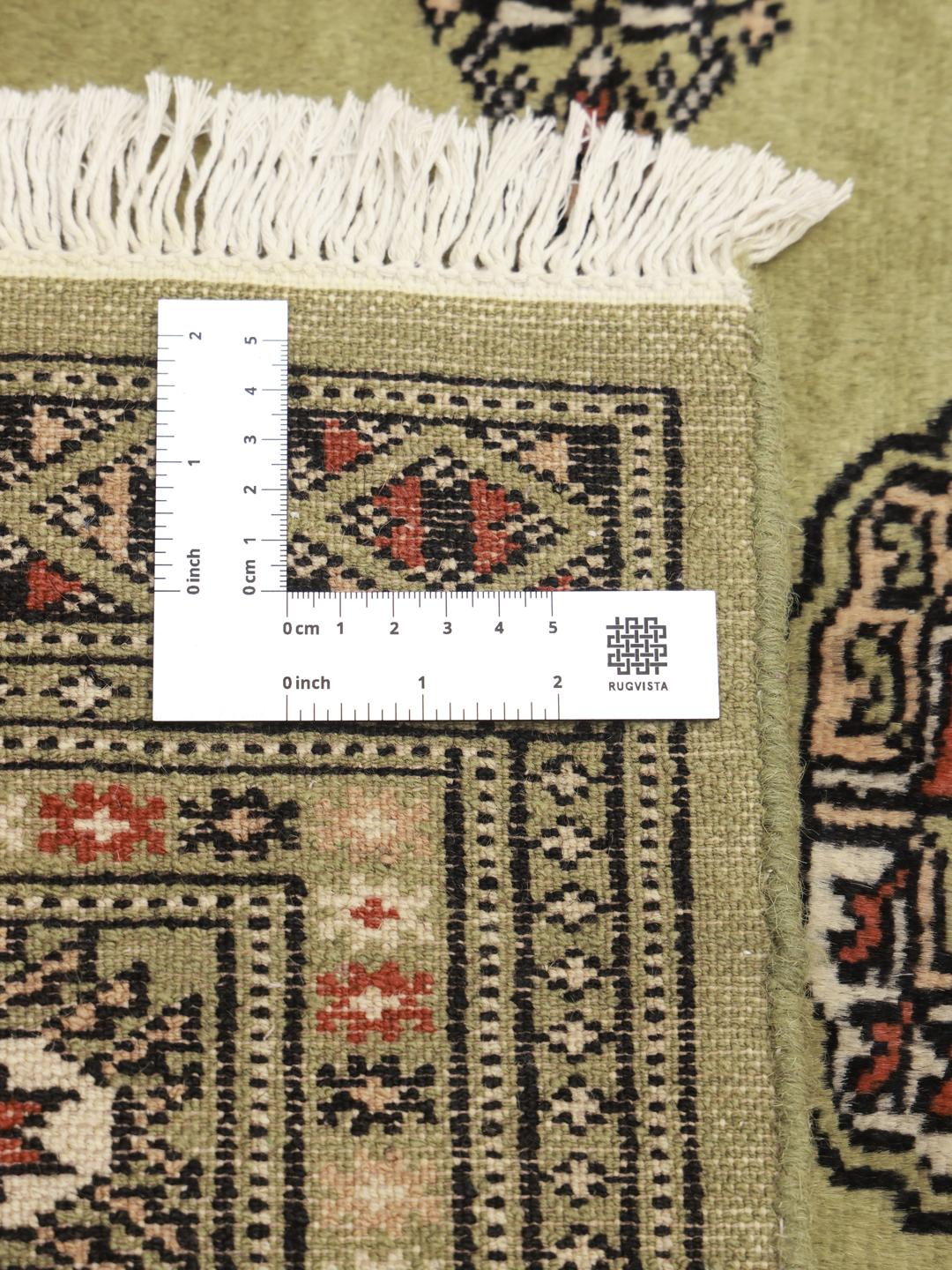
The term 2ply refers to the construction of the yarn, where two strands of Wool are twisted together before being knotted into the rug. This specific preparation is vital for quality, as it creates a stronger, more lustrous pile that is significantly more durable than single-ply alternatives. For the owner, this means a rug that retains its softness and visual depth even after years of foot traffic.
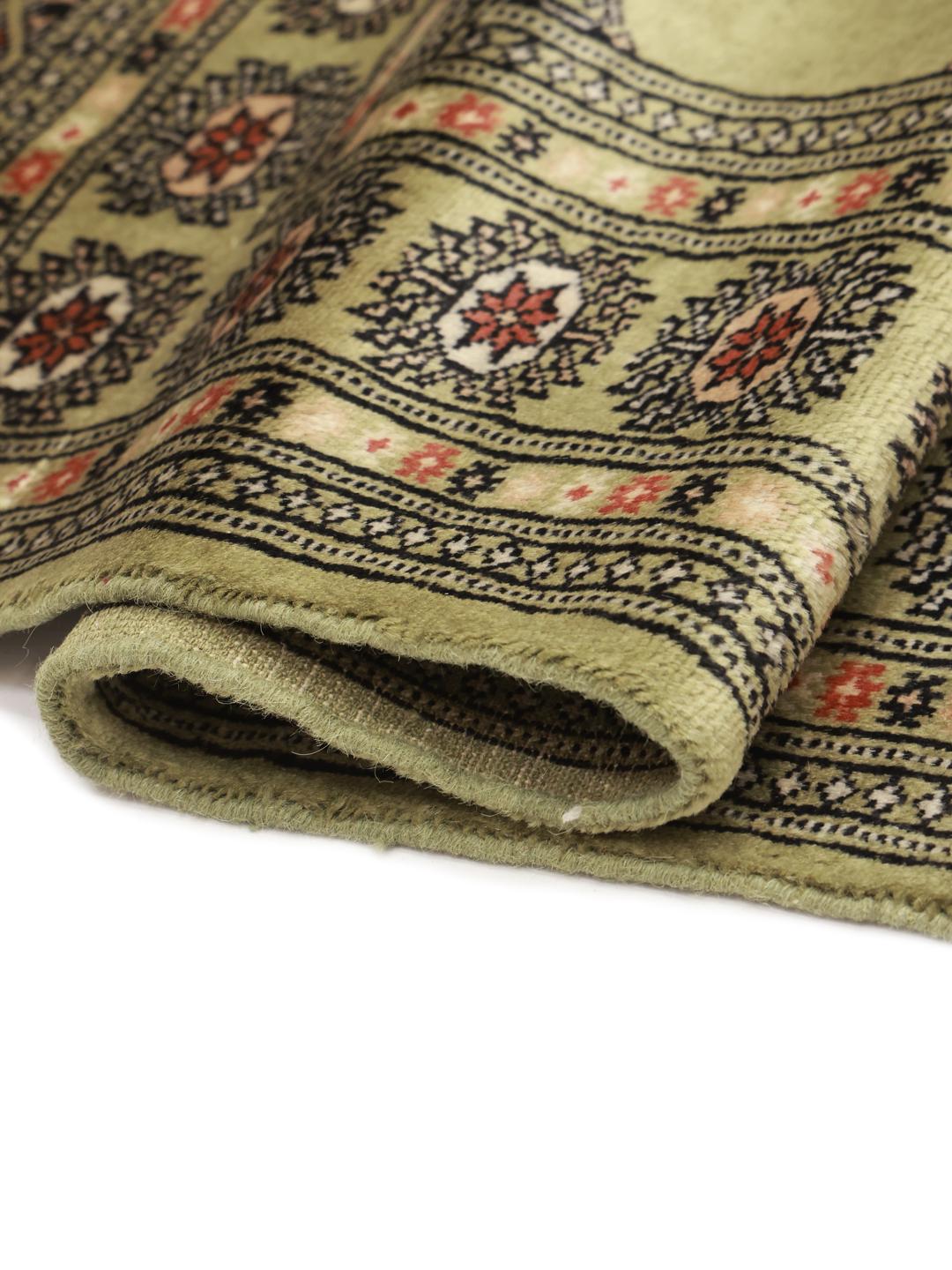
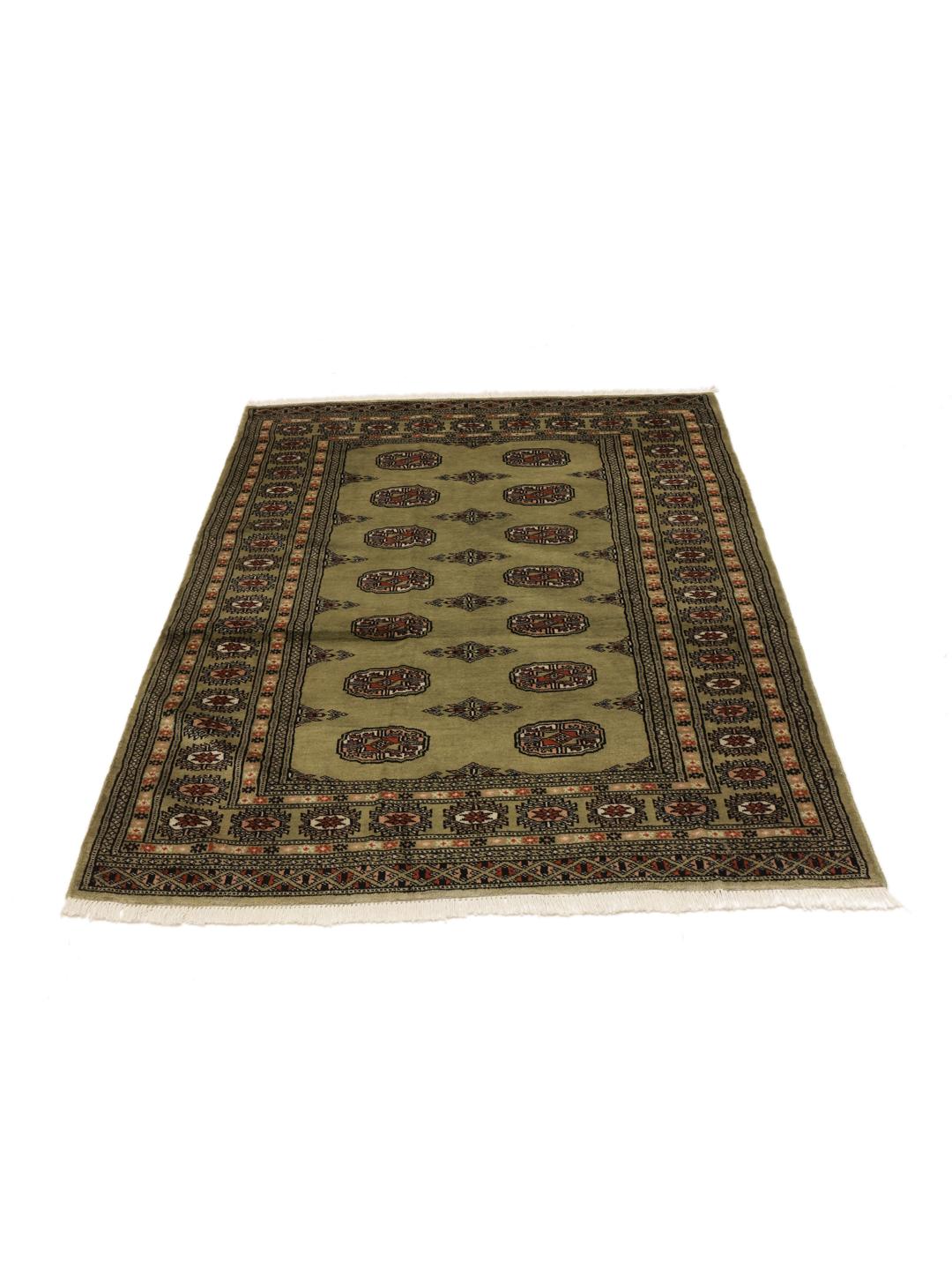
The signature design element of a Bokhara is the repeating gul motif, which are stylised, octagonal medallions arranged in precise rows. These elephant-foot shapes are typically enclosed by multiple borders featuring geometric patterns. The use of a soft green field in this particular piece is a sophisticated variation on the classic deep red traditionally associated with the style, offering a fresh, contemporary take on a historical aesthetic.
Owning a hand-knotted rug from this tradition is an investment in cultural history and human skill. These pieces are valued by collectors not just for their beauty, but for the story of the artisans who preserve these patterns through generations. By bringing such a rug into your home, you are connecting to a long-standing tradition of excellence and supporting the continuation of a refined craft.