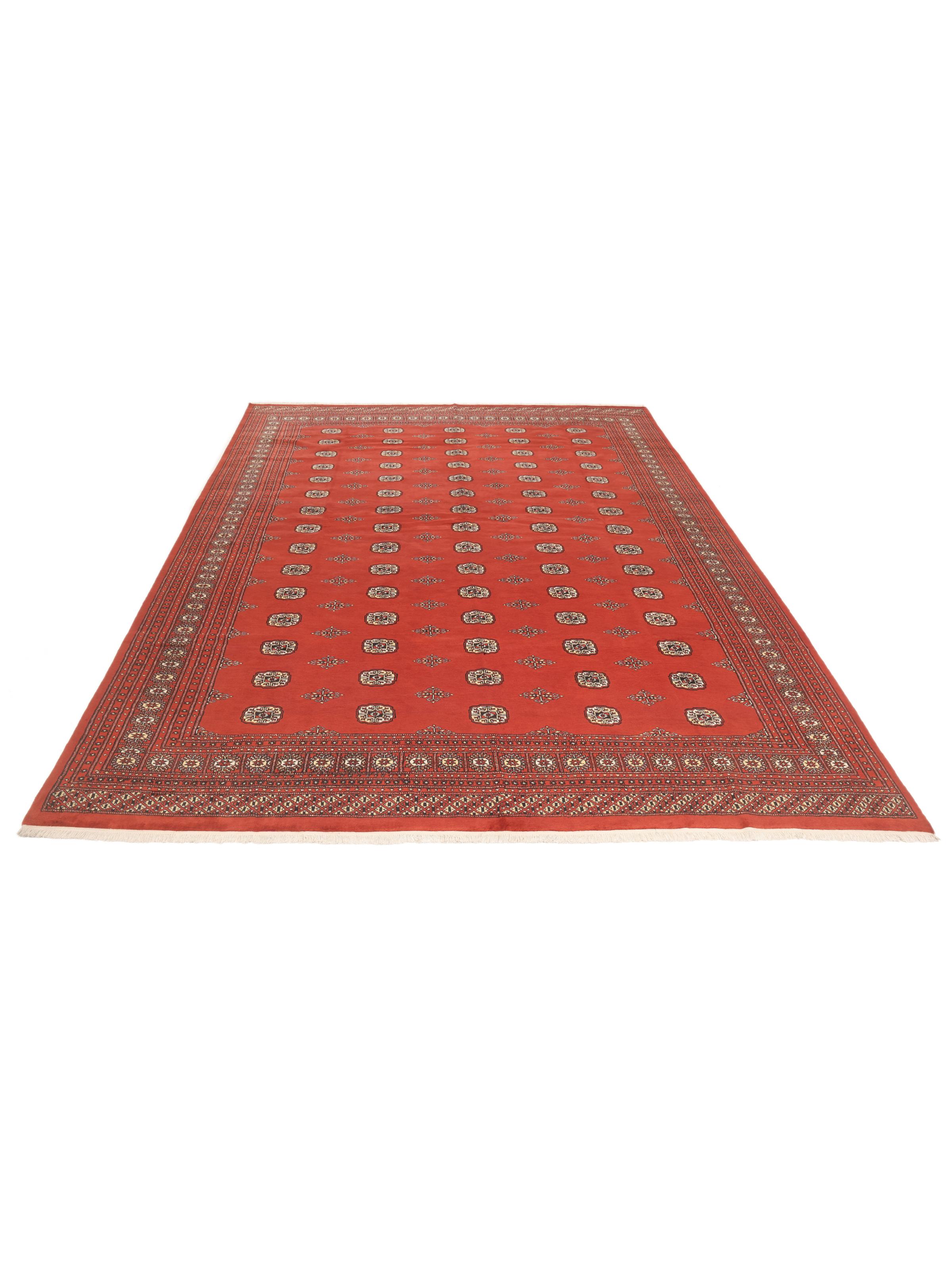
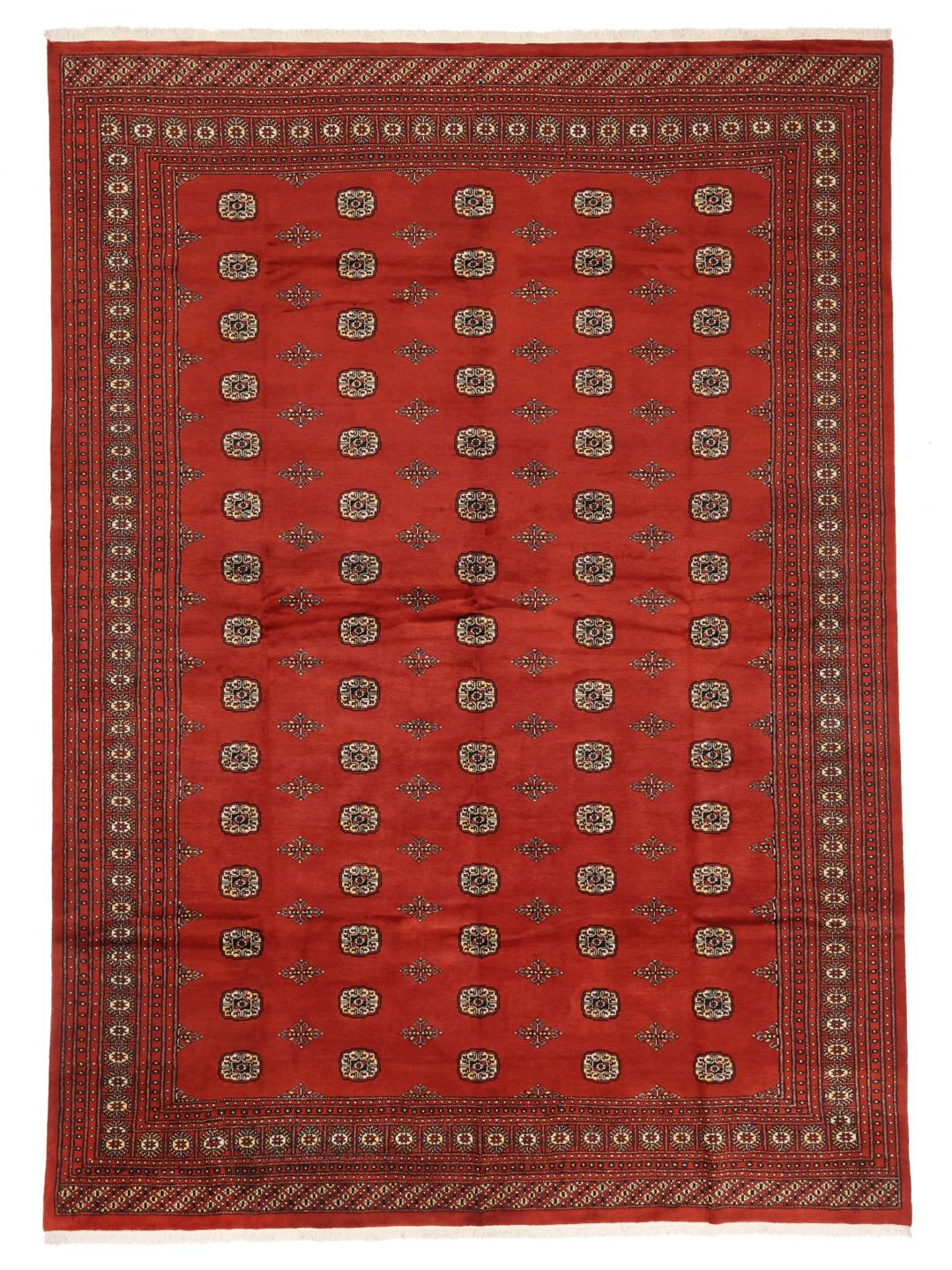
The Bokhara rug tradition draws its name from the ancient Silk Road city of Bukhara in Central Asia, a historic hub for trade and textile artistry. While the style originated with nomadic tribes in the region, the finest contemporary examples are now woven in Pakistan, where the tradition has been refined and perfected over generations.
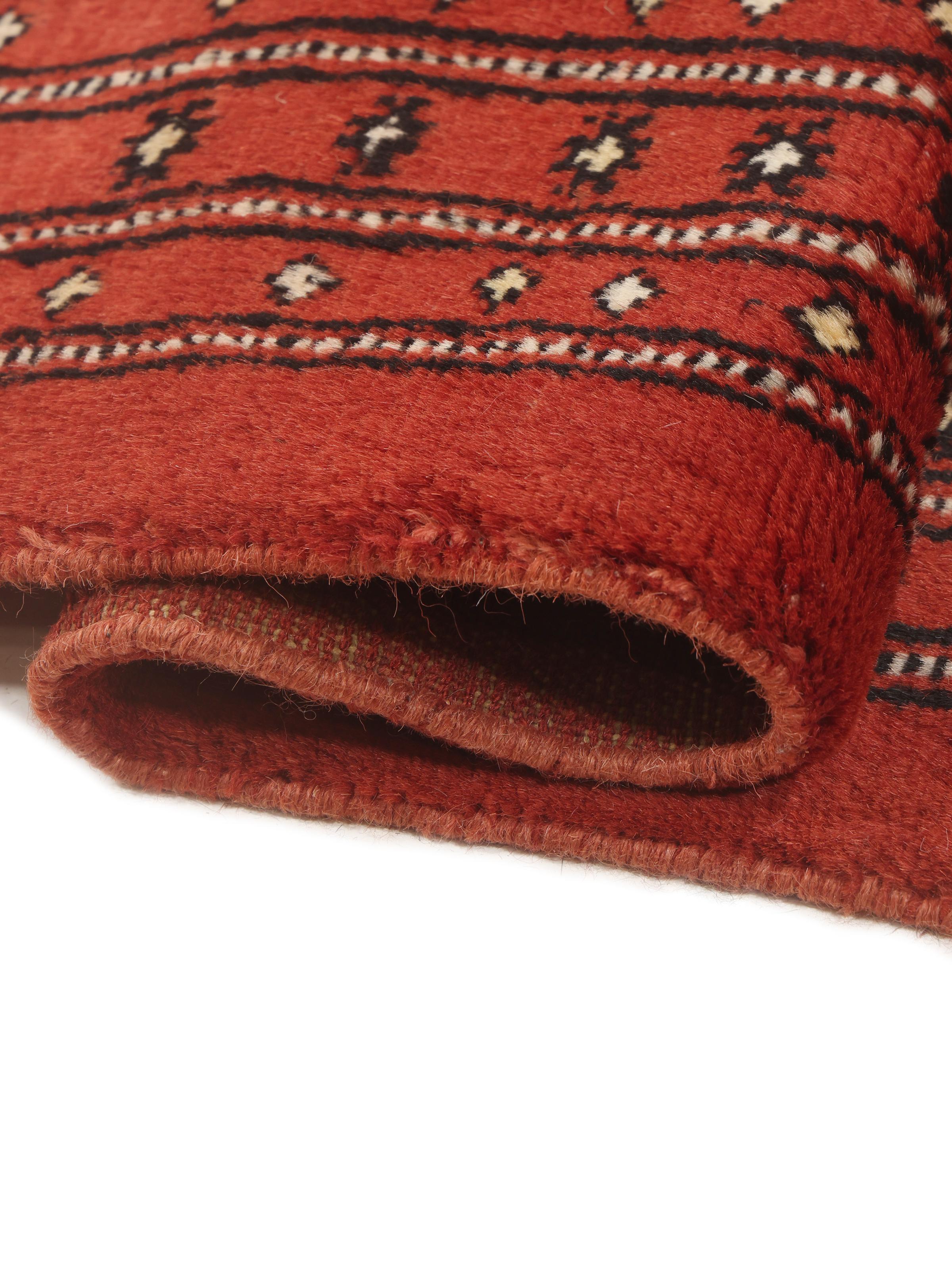
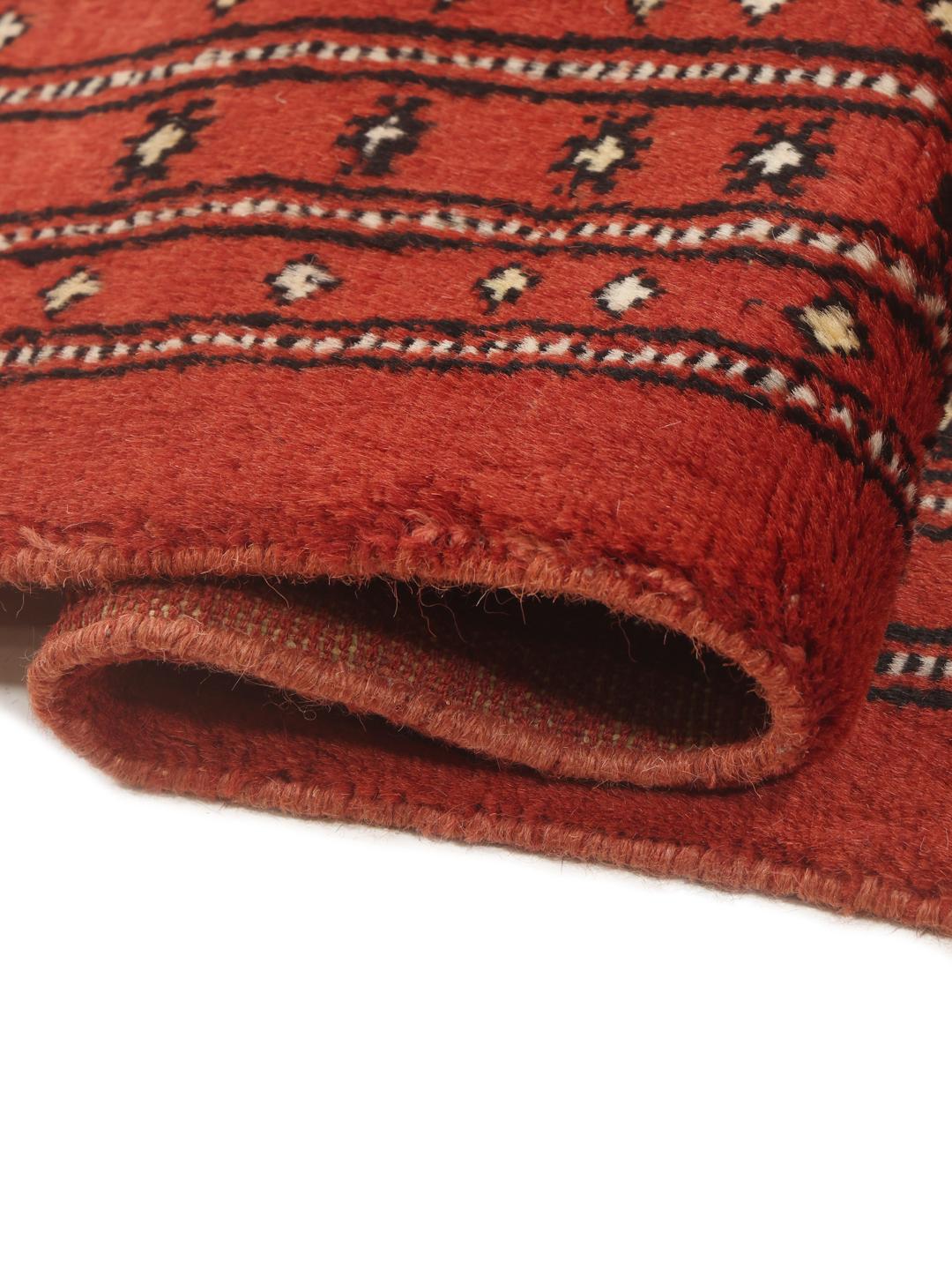
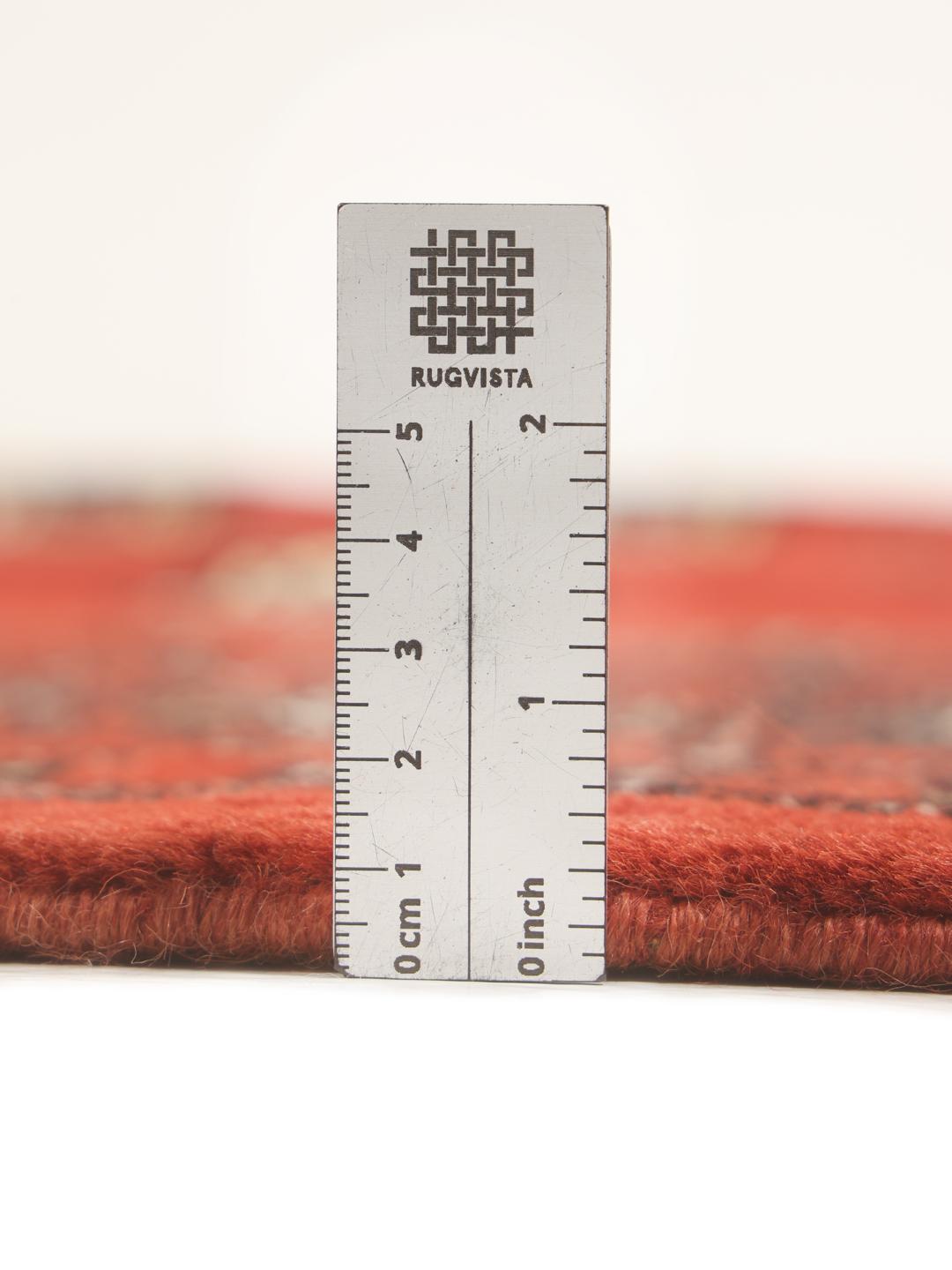
The term 2ply refers to the specific way the wool is prepared for the loom. By twisting two strands of wool together before knotting, the weavers create a thicker, more resilient pile that offers a deeper sheen and enhanced longevity. This technical choice is what gives the rug its signature plush feel and ability to withstand the demands of a busy home.
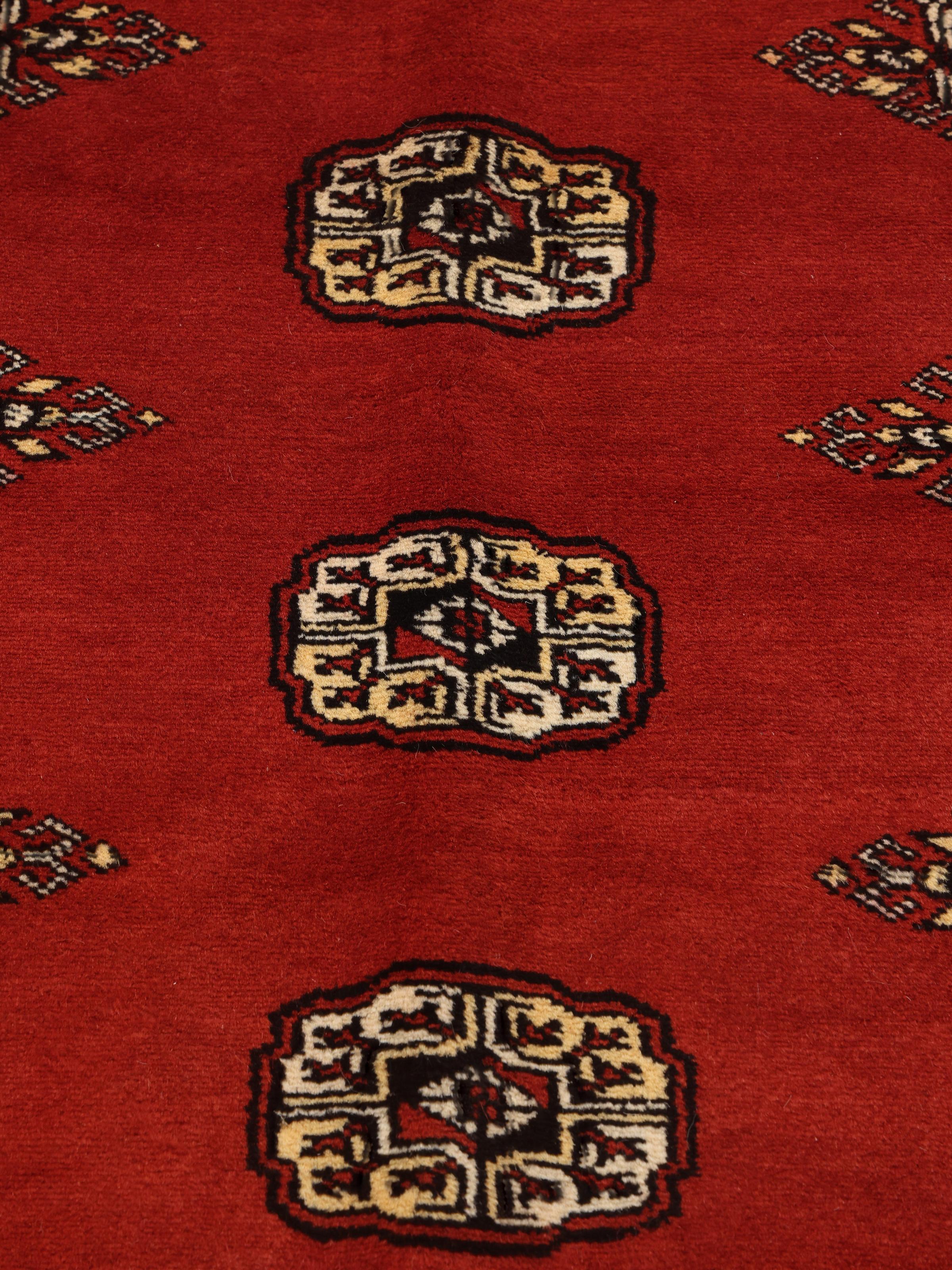
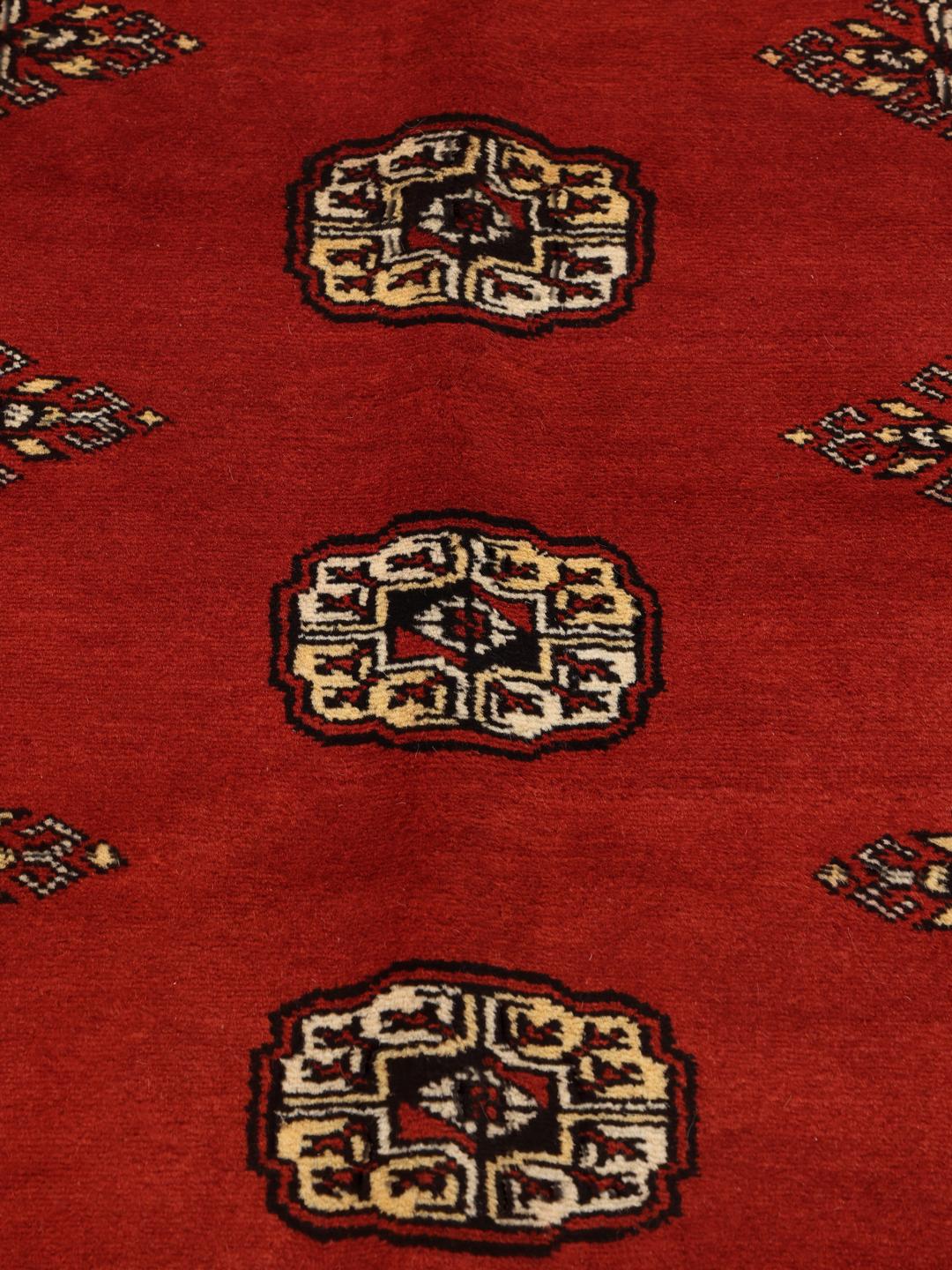
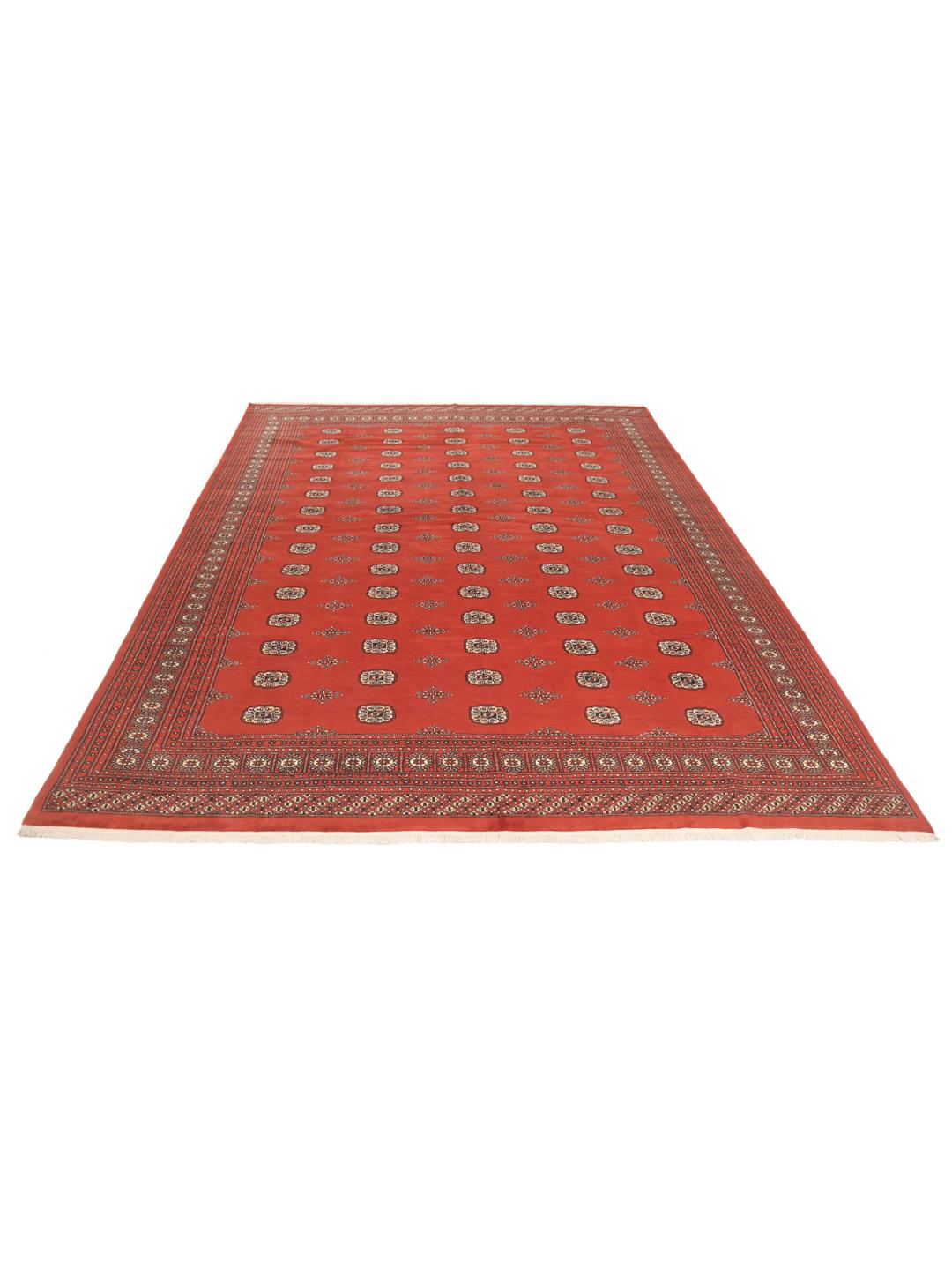
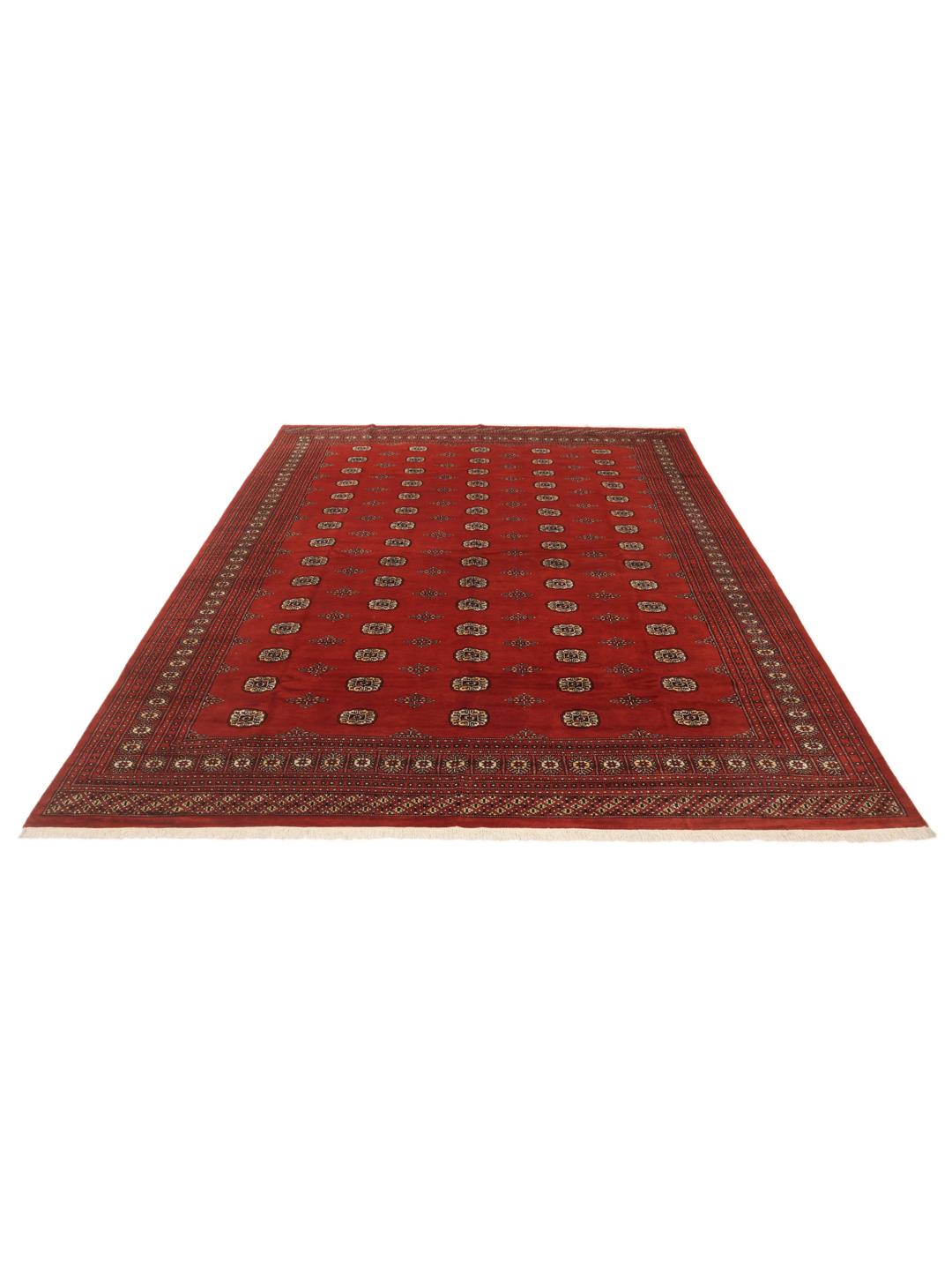
Visually, this tradition is defined by its disciplined use of repeating gul motifs. These medallion-like shapes, often resembling elephant footprints, are arranged in precise rows across the field and framed by intricate, formal borders. The consistent use of red as a base colour is a hallmark of the style, representing a classic aesthetic that remains a staple in refined interiors.
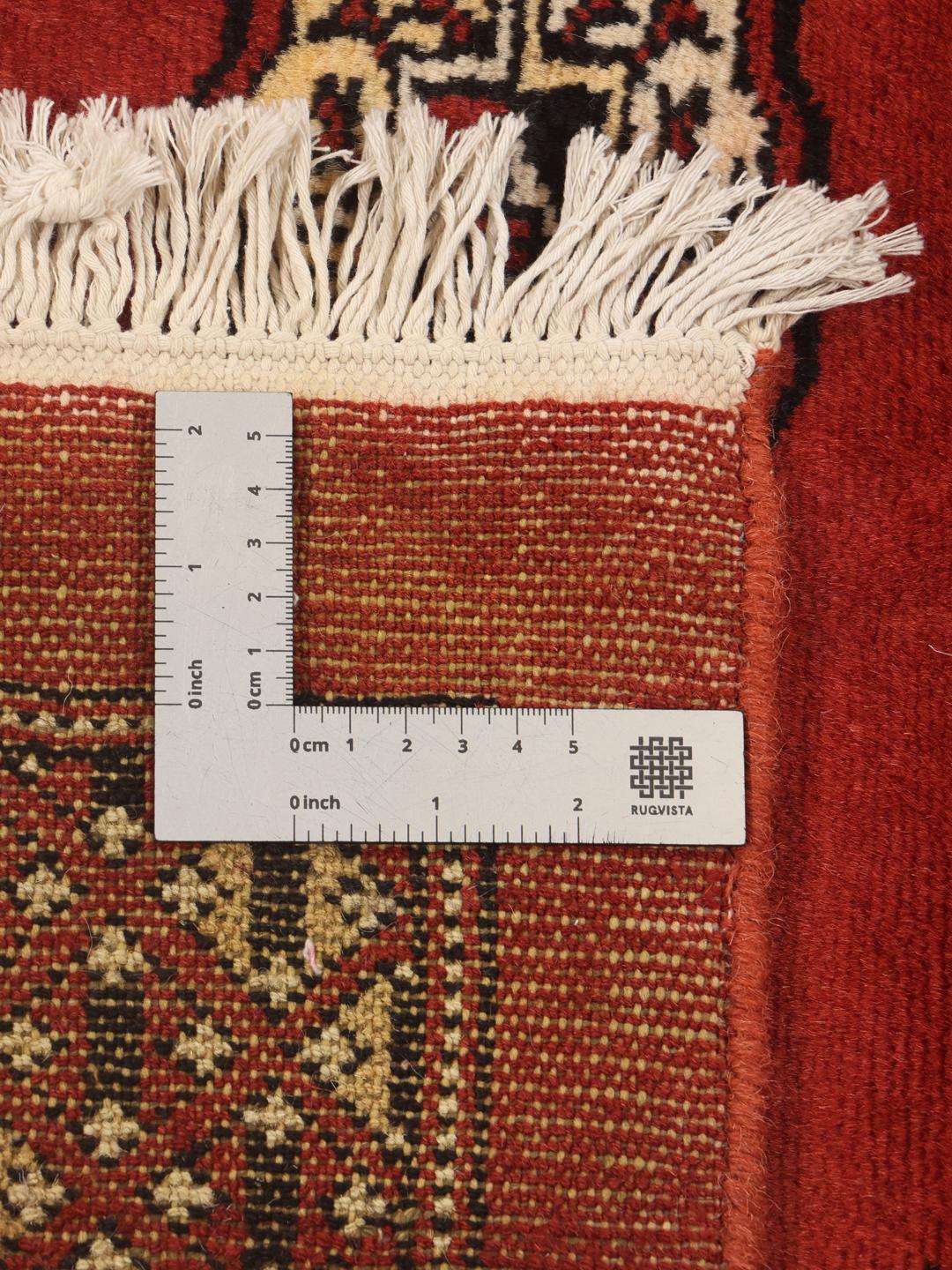
Owning a hand-knotted piece from this tradition is an investment in cultural heritage and human skill. Because each rug is made entirely by hand, it reflects the specific choices and steady hand of the weaver who created it. It is this connection to traditional craft that makes these rugs highly valued, as they offer a sense of history and permanence in a world of mass production.