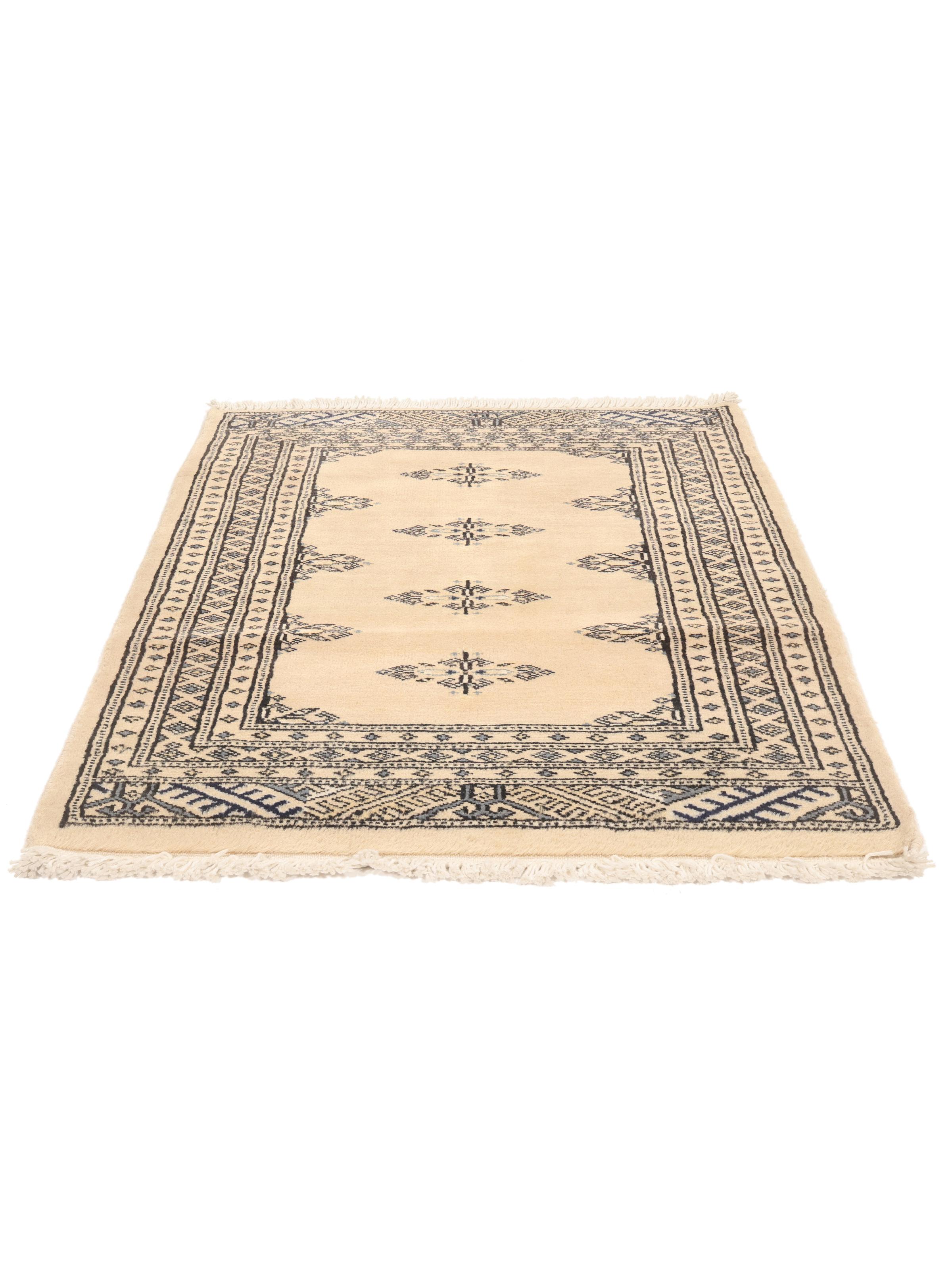
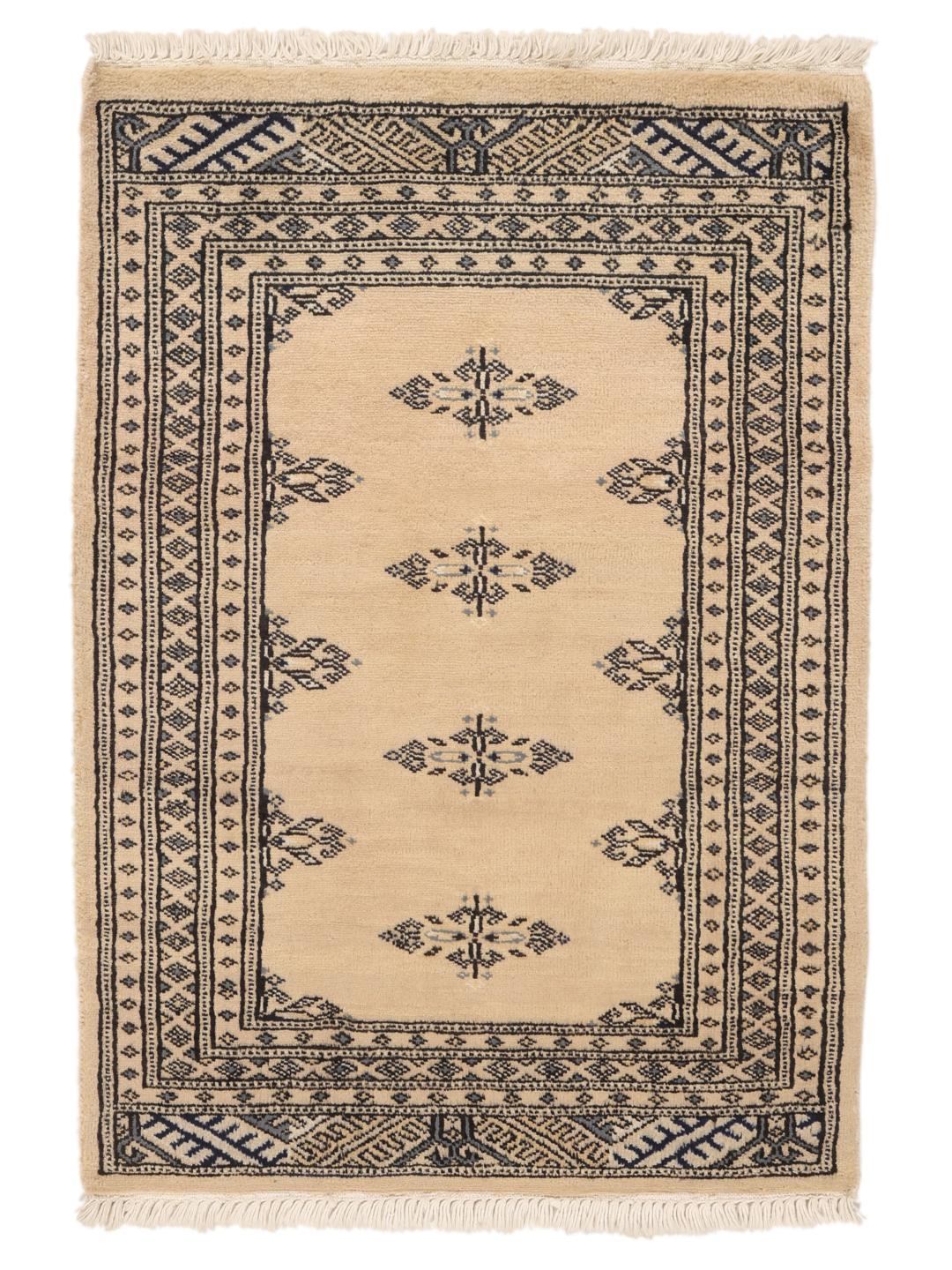
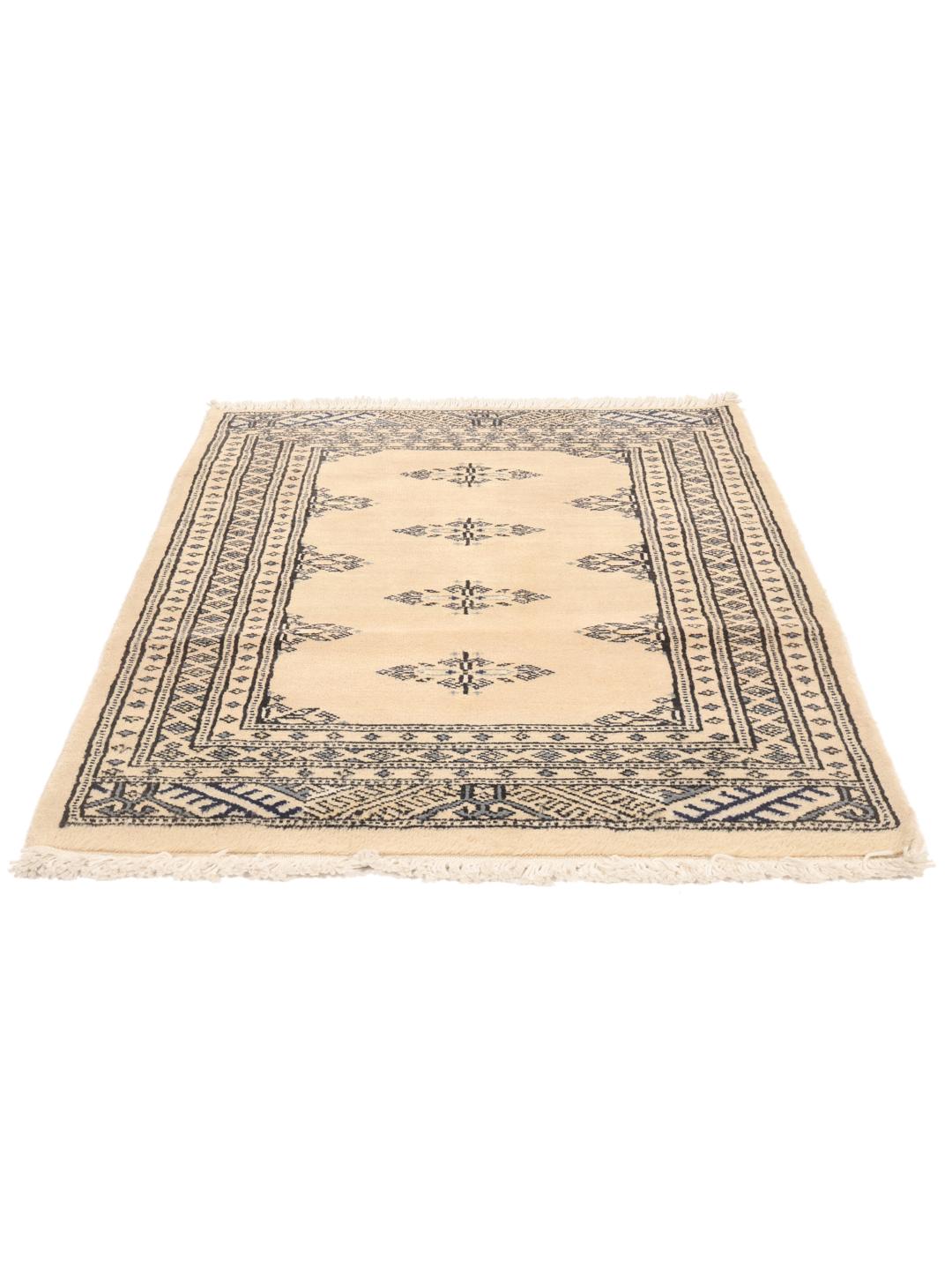
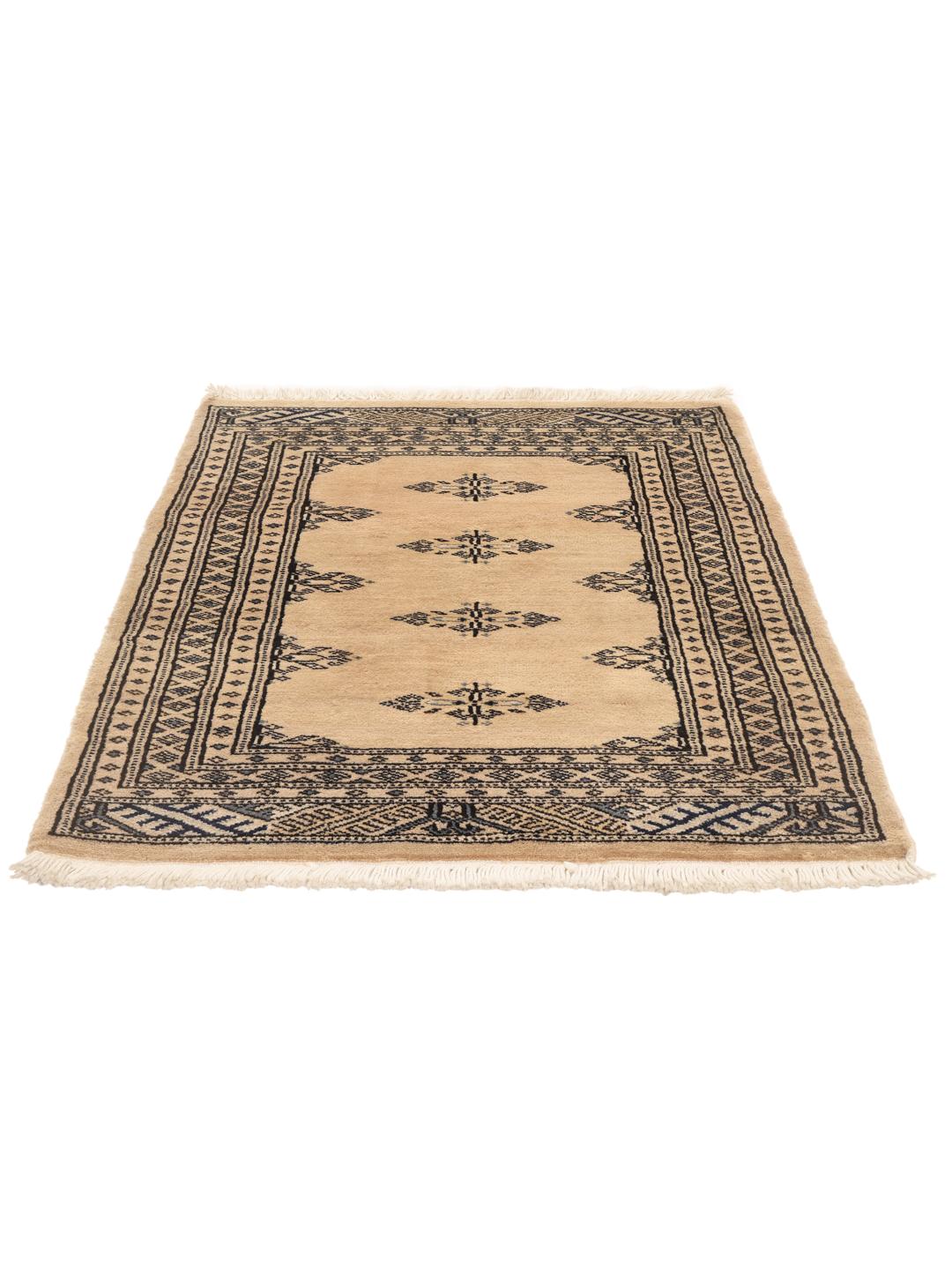
Bokhara rugs take their name from the ancient Silk Road city of Bukhara in Central Asia, a historical hub for textile trade and nomadic craftsmanship. While the style has deep roots in Central Asian traditions, some of the most refined and high-quality examples are woven today in Pakistan, where weavers have mastered the intricate techniques required to produce these classic designs.
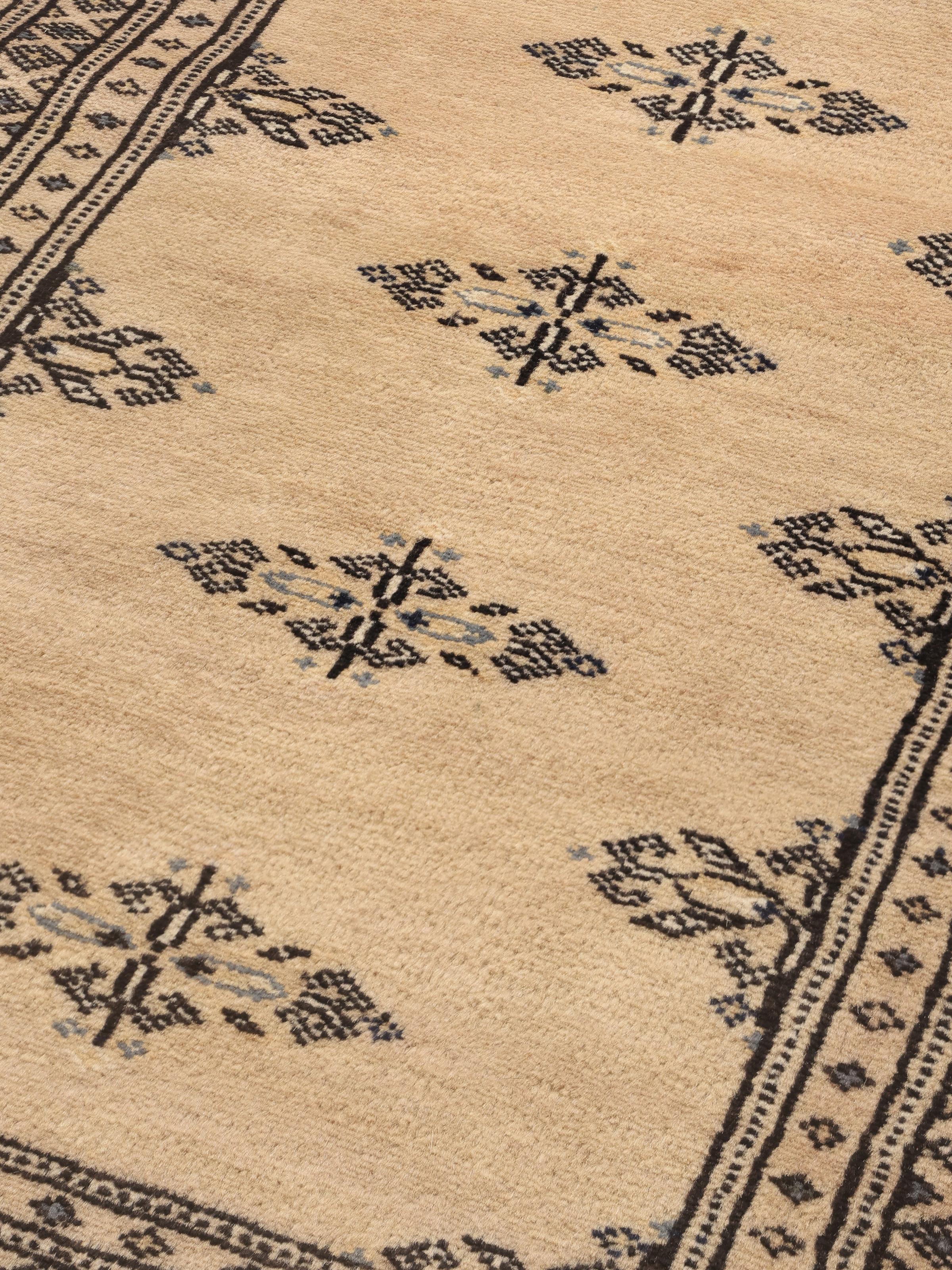
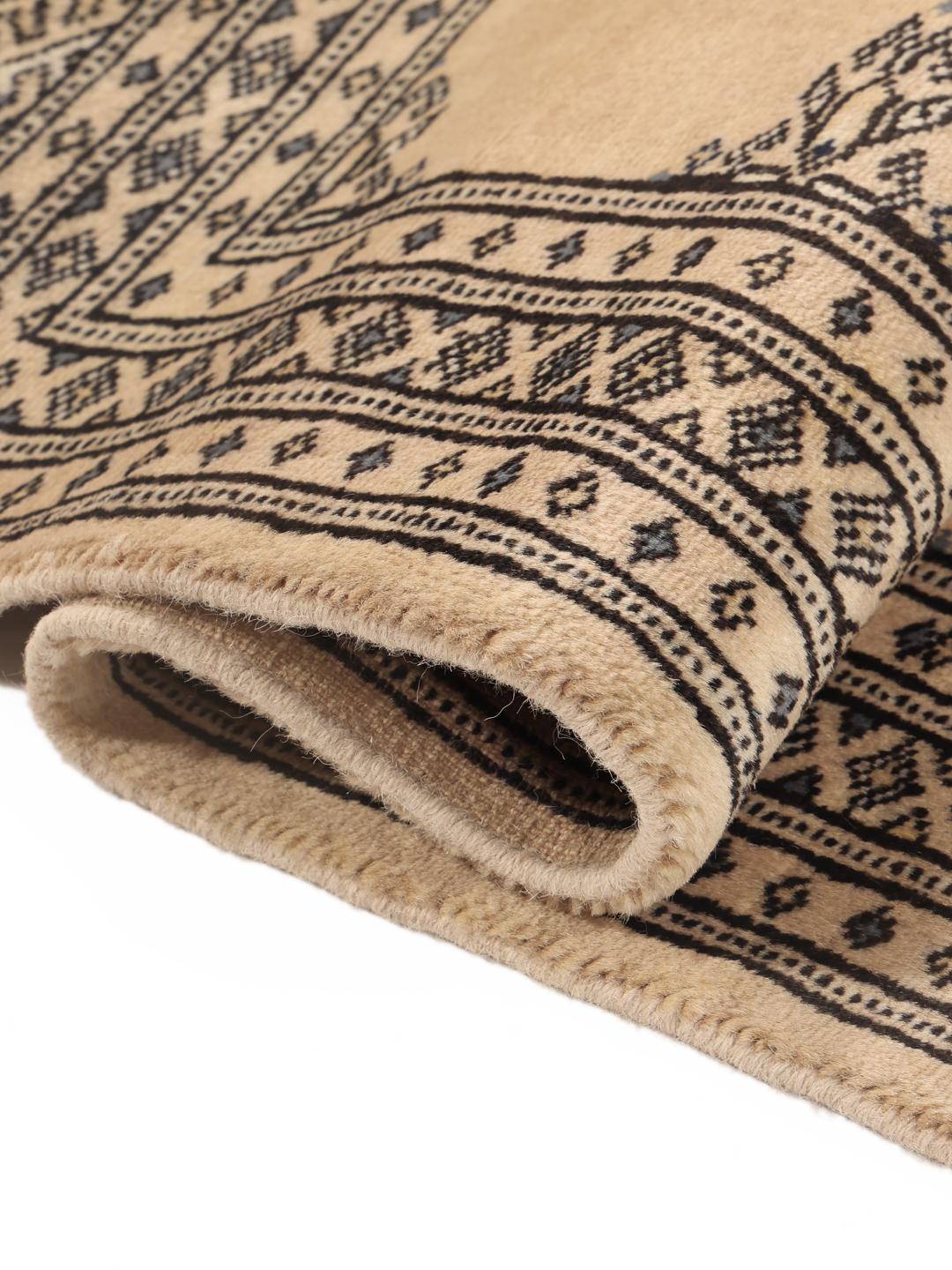
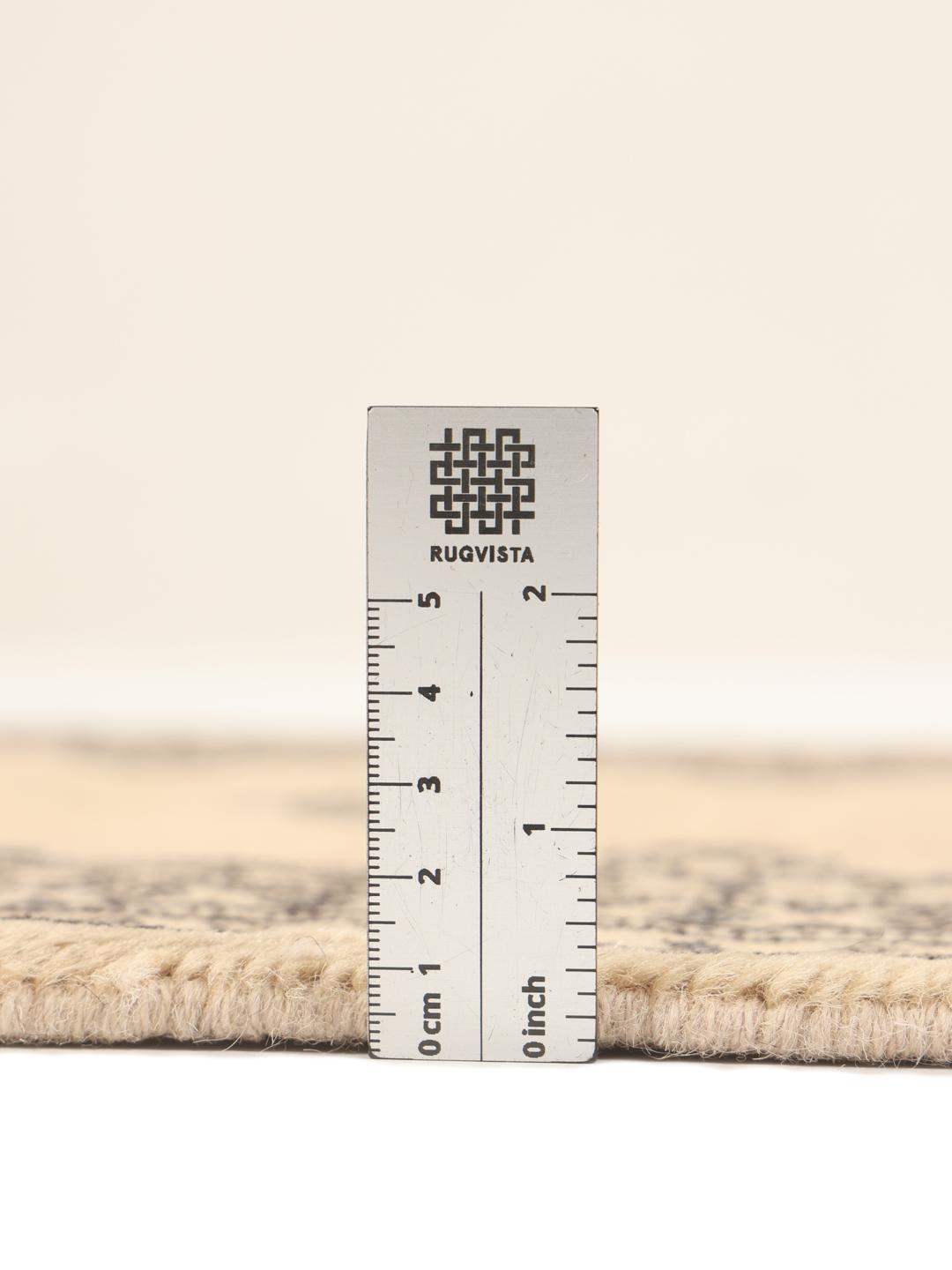
The term 2ply refers to the construction of the pile, where two strands of wool are twisted together before being knotted. This technique is essential for quality, as it produces a more lustrous, dense, and resilient pile compared to single-ply methods. It ensures that the rug not only looks fuller and more vibrant but also stands up better to the wear and tear of a busy home.
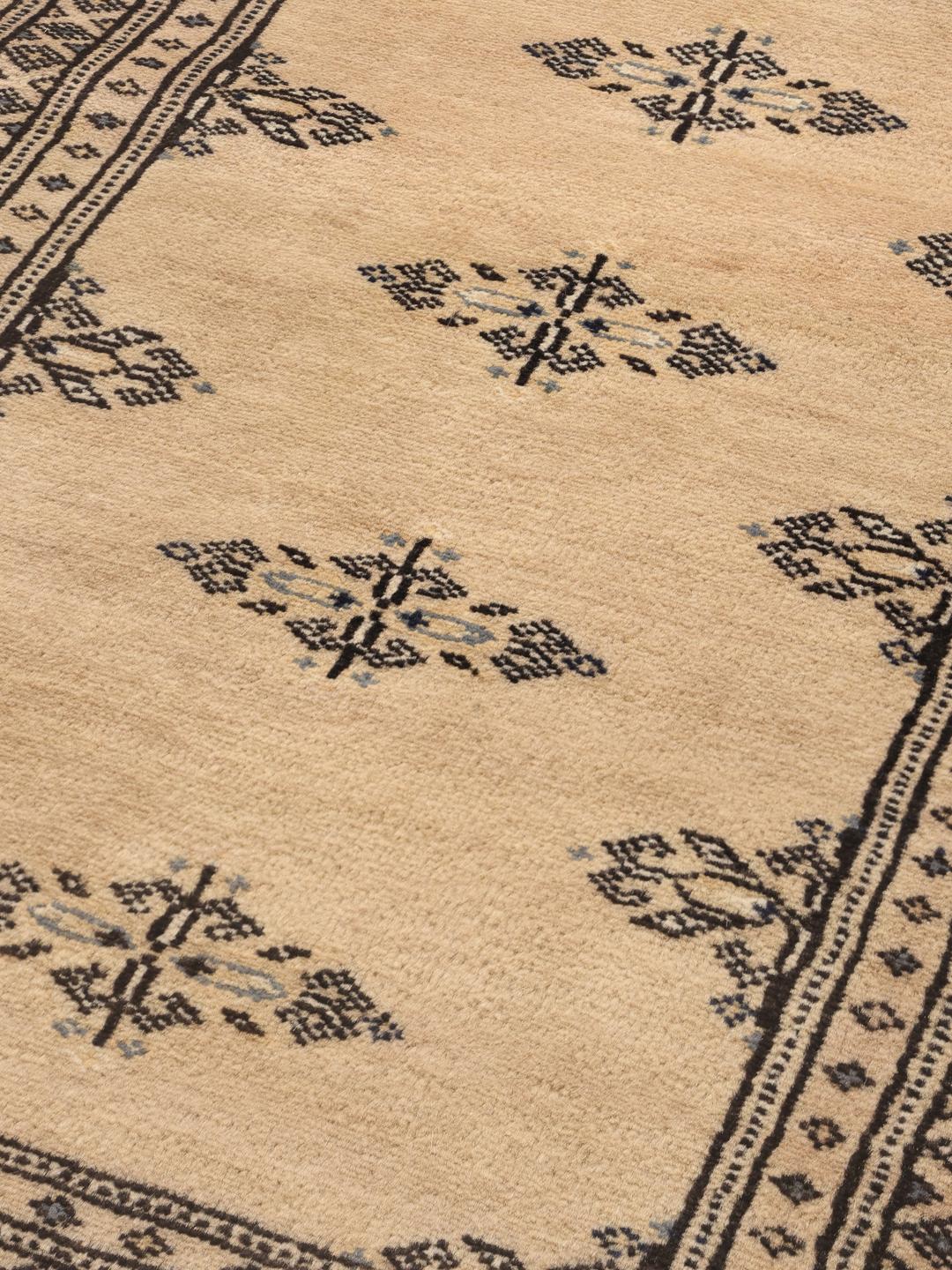
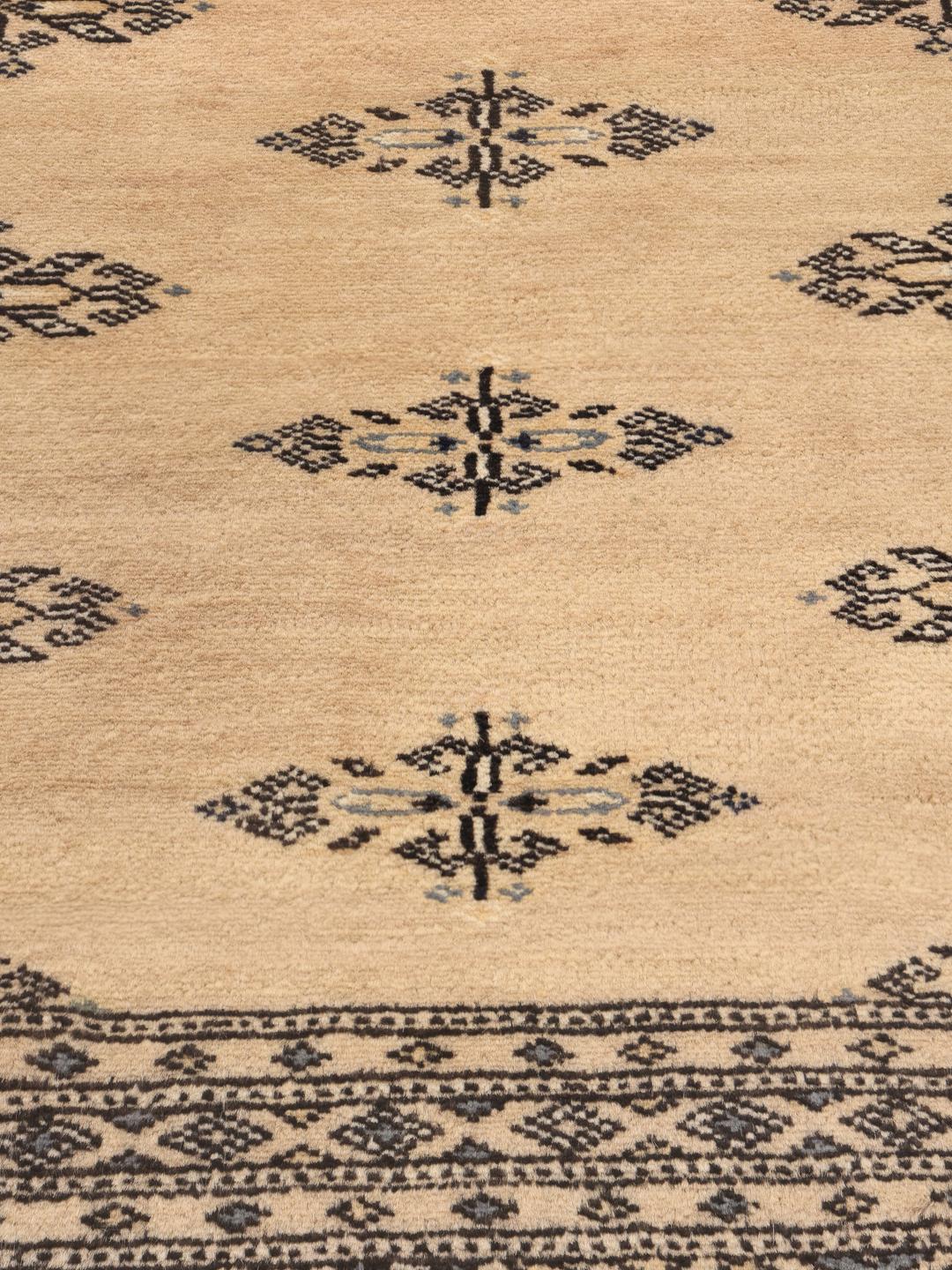
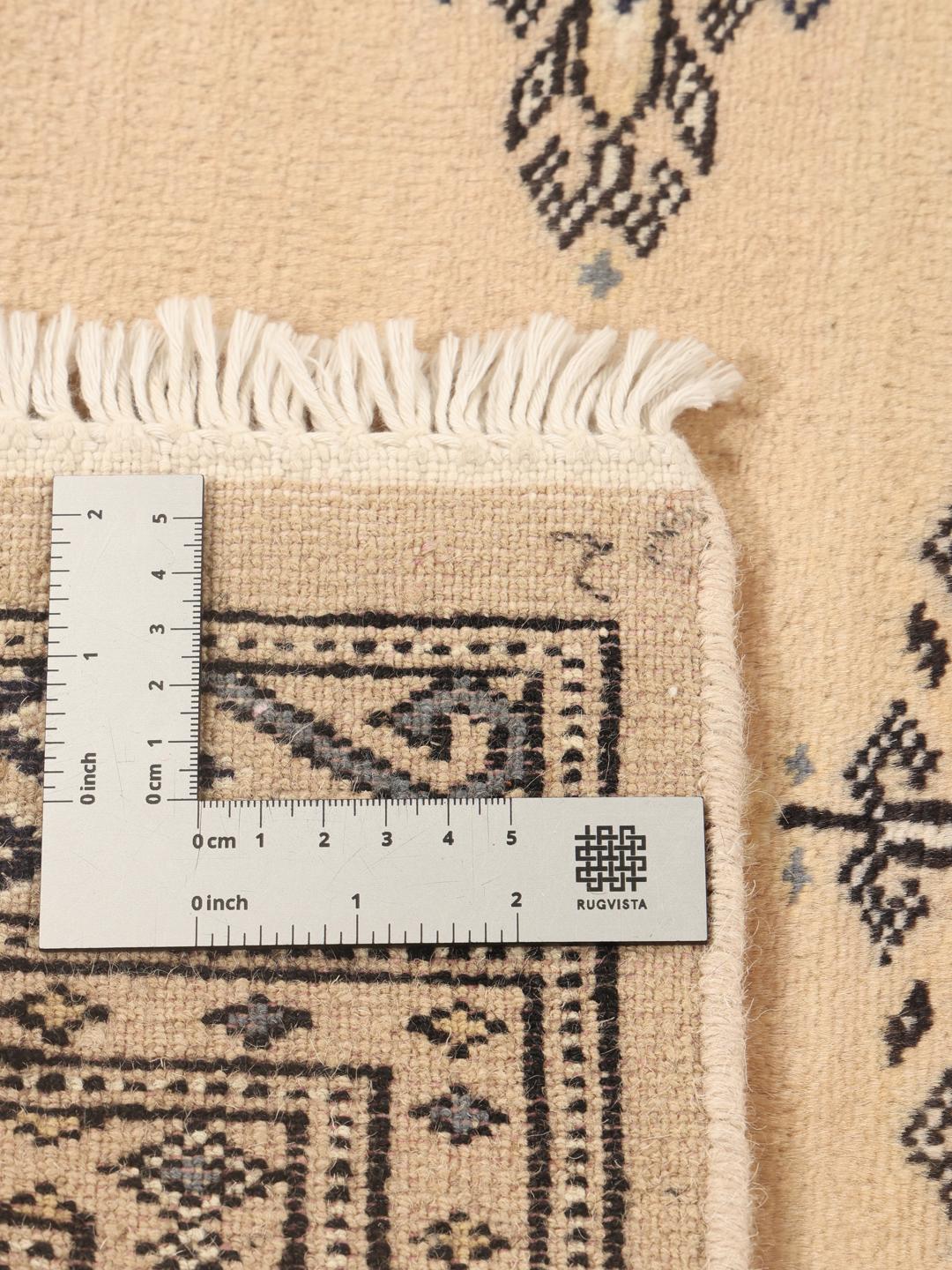
The hallmark of a traditional Bokhara rug is its field of repeating gul motifs, which are stylized, octagonal medallions that represent historical tribal symbols. This particular piece showcases this classic geometric language, framed by complex, decorative borders that provide a sense of balance and rhythm to the overall composition.
Owning a rug from this tradition is an invitation to appreciate a storied heritage of skill and artistic expression. These rugs are highly valued by collectors and homeowners alike for their ability to bridge the gap between historical craft and modern comfort, serving as a testament to the enduring legacy of the weavers who keep these traditional patterns alive.