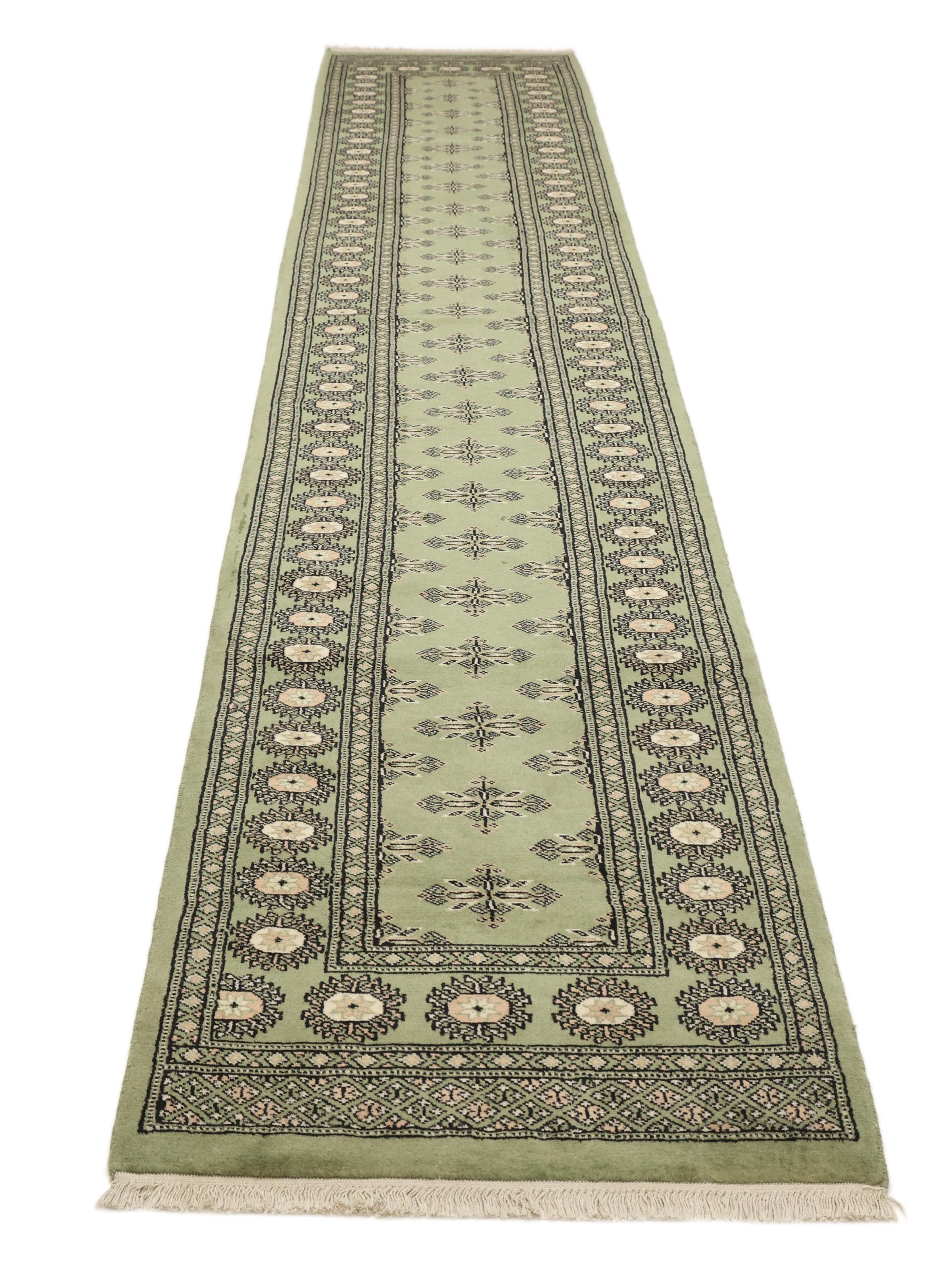
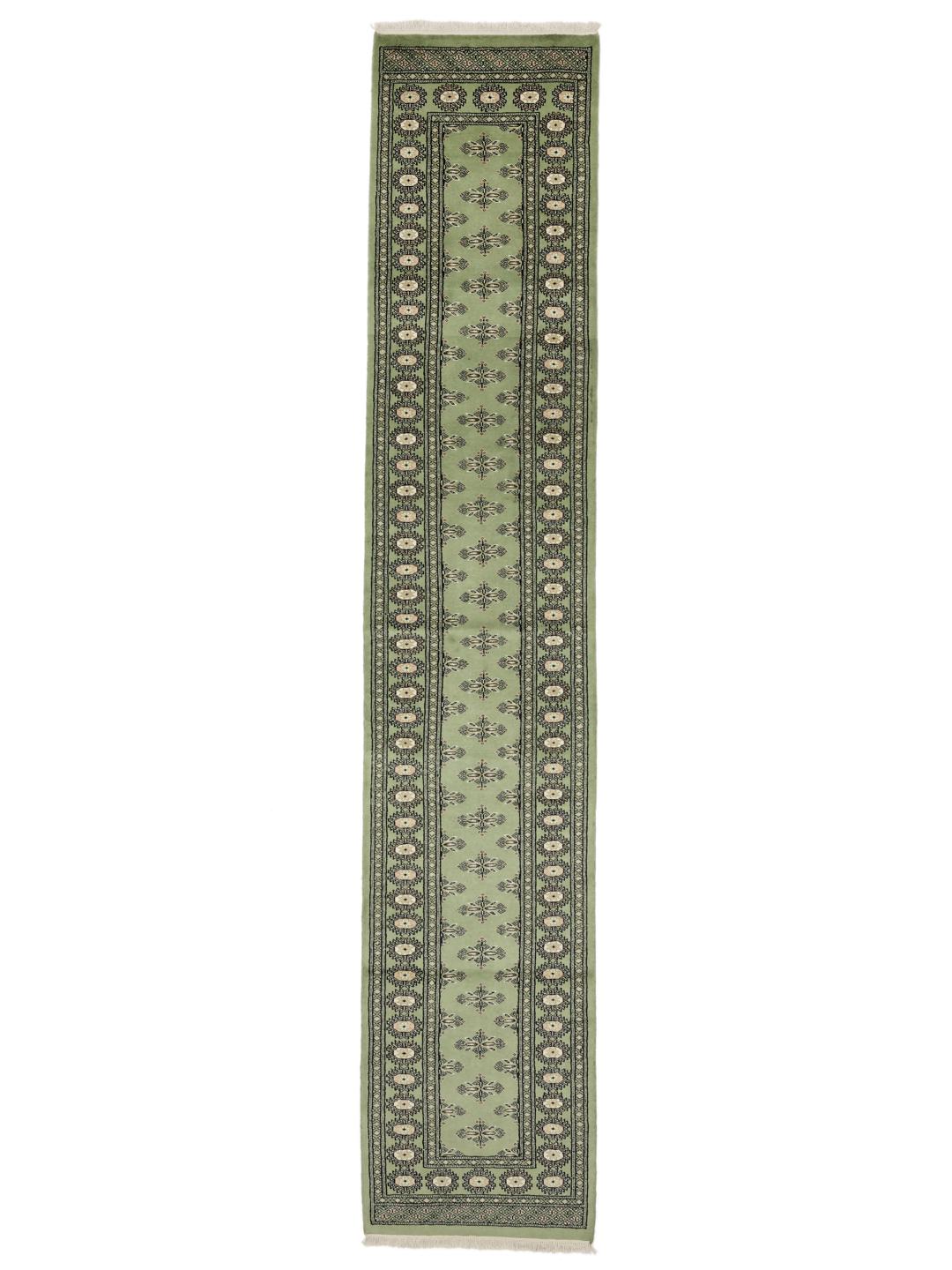
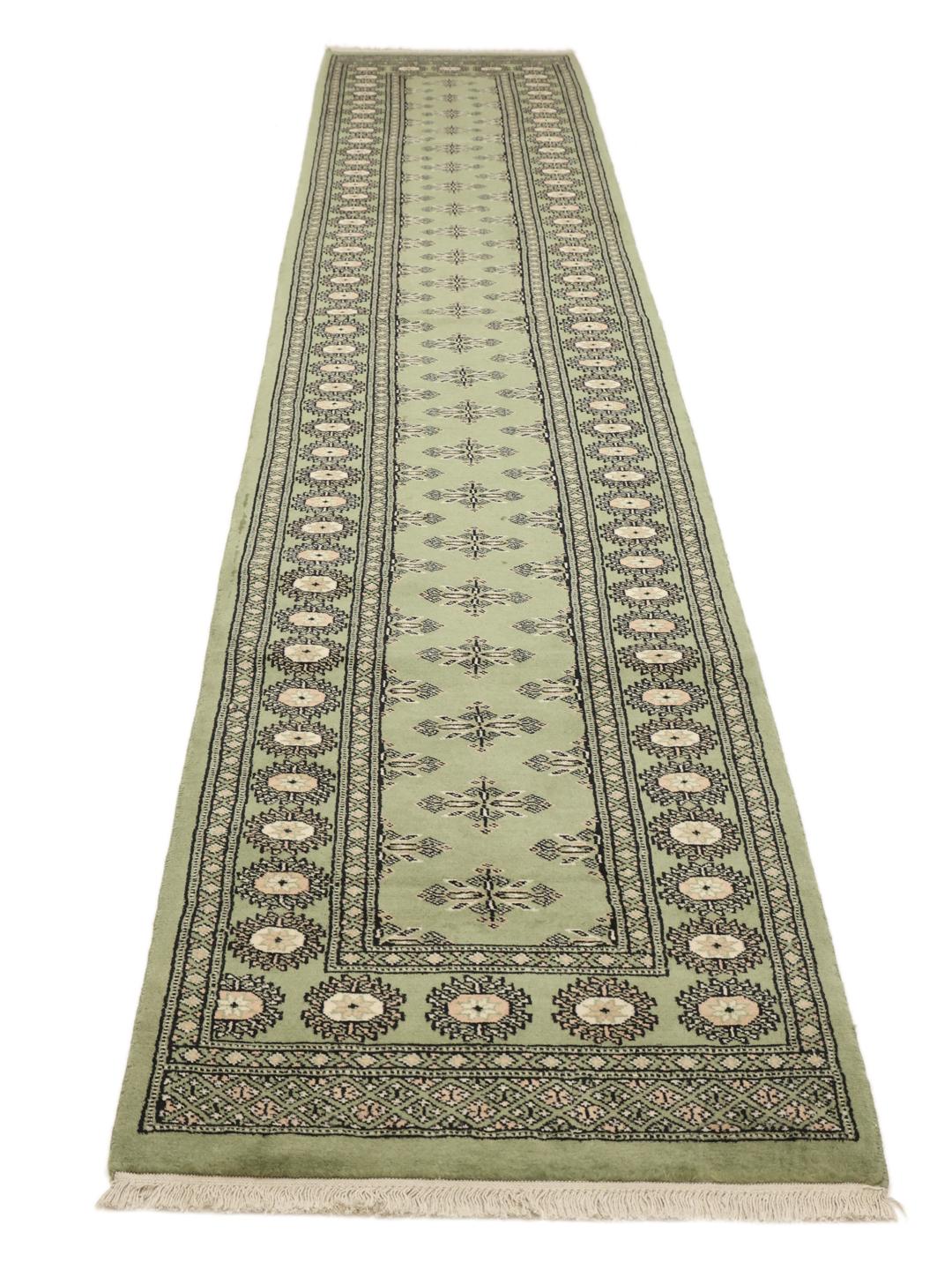
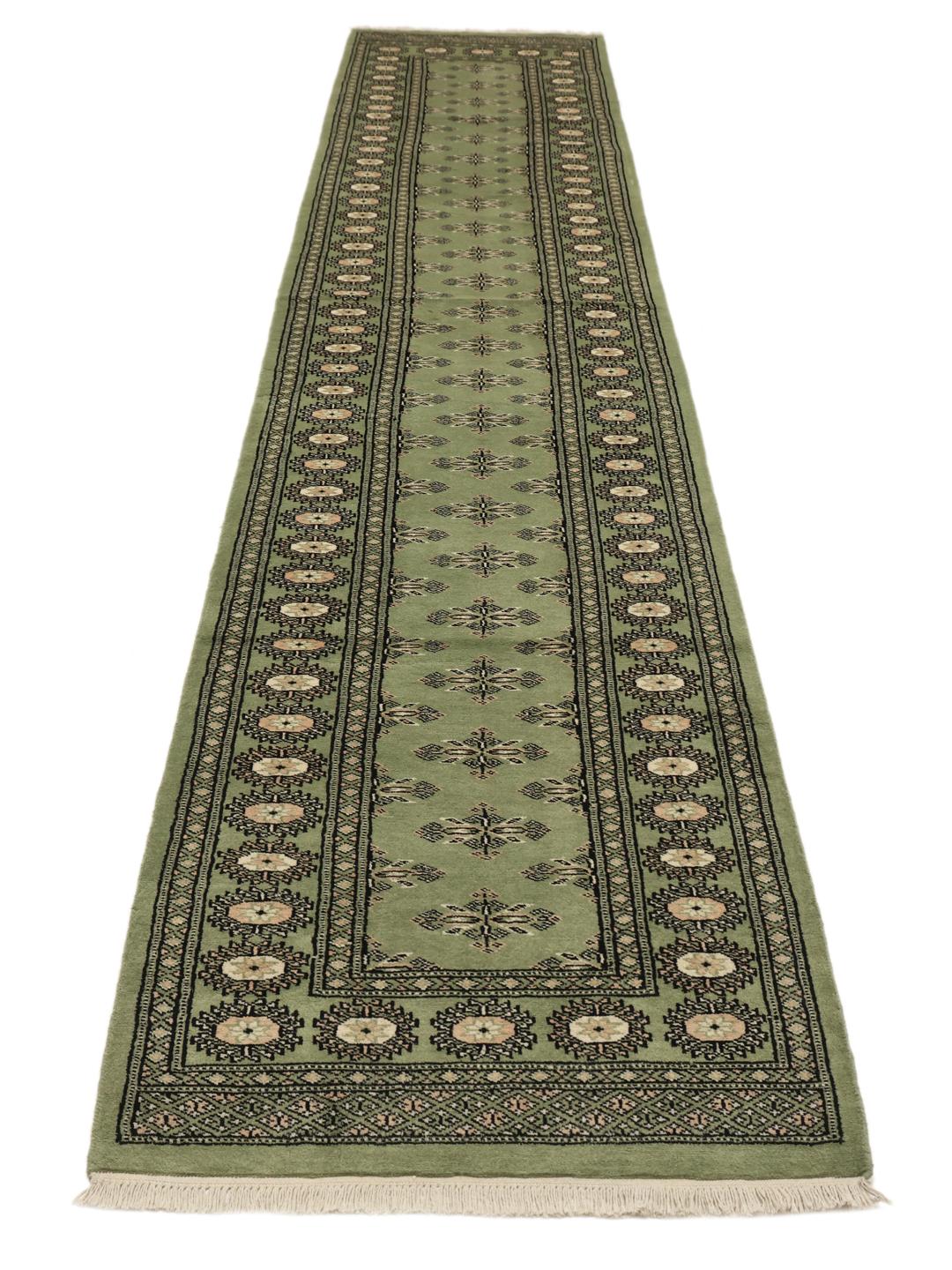
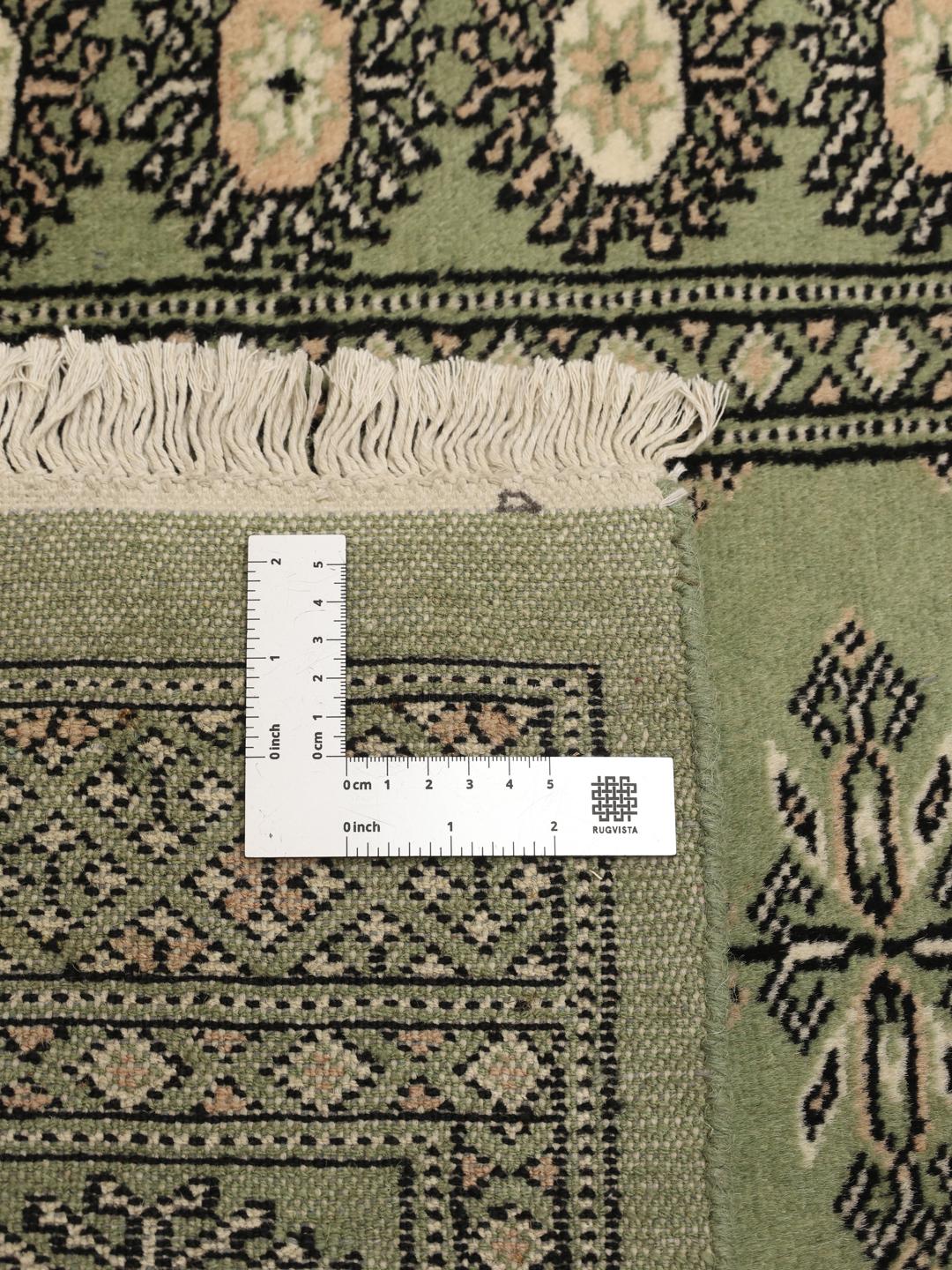
The Bokhara rug tradition is deeply rooted in the history of Central Asia, taking its name from the ancient Silk Road city of Bukhara. While the style originated among nomadic tribes who needed portable, durable textiles, the finest examples today are expertly crafted in Pakistan. This evolution has seen the tradition flourish as artisans refined the techniques and materials to create the sophisticated runners and area rugs we admire today.
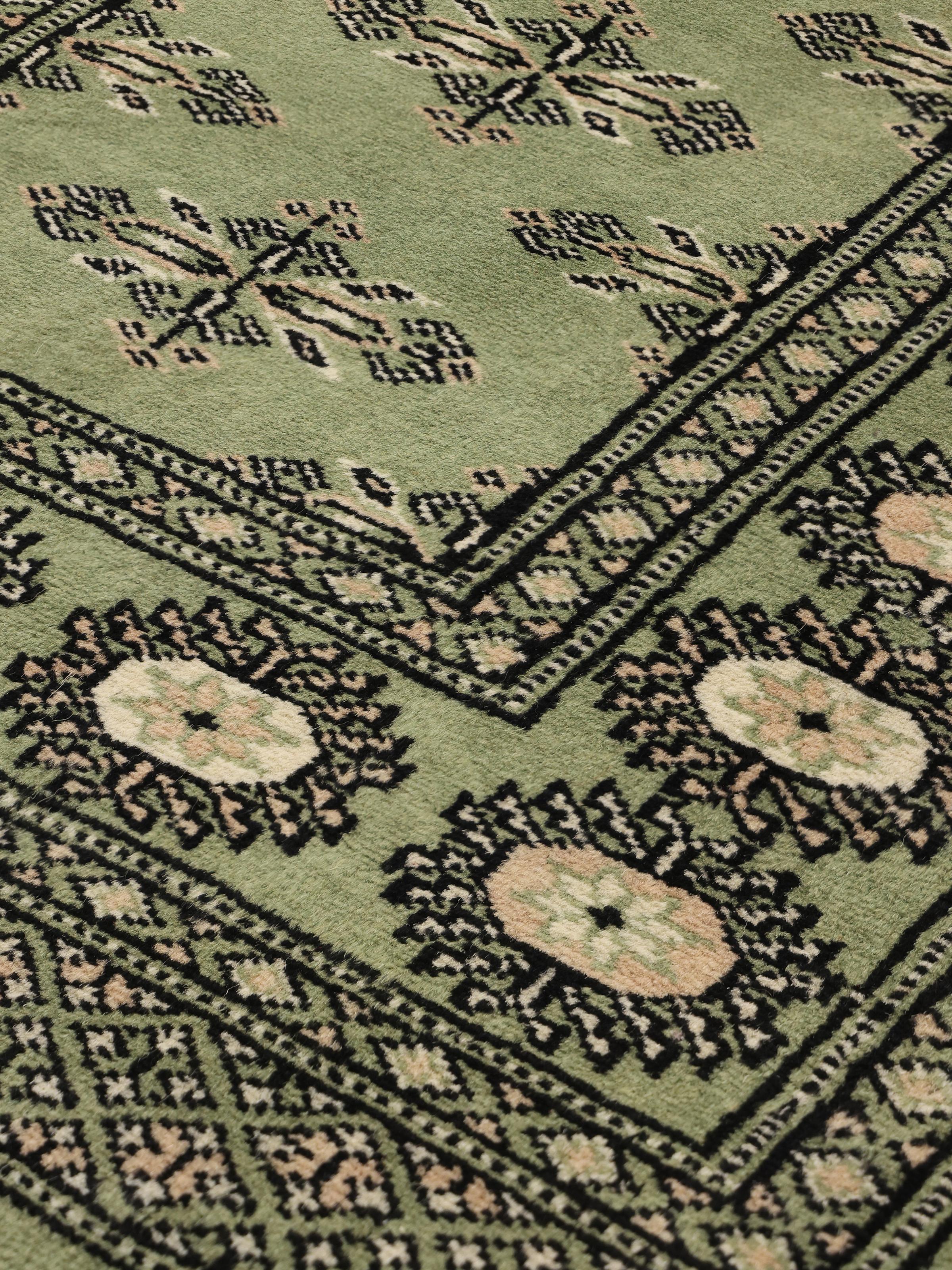
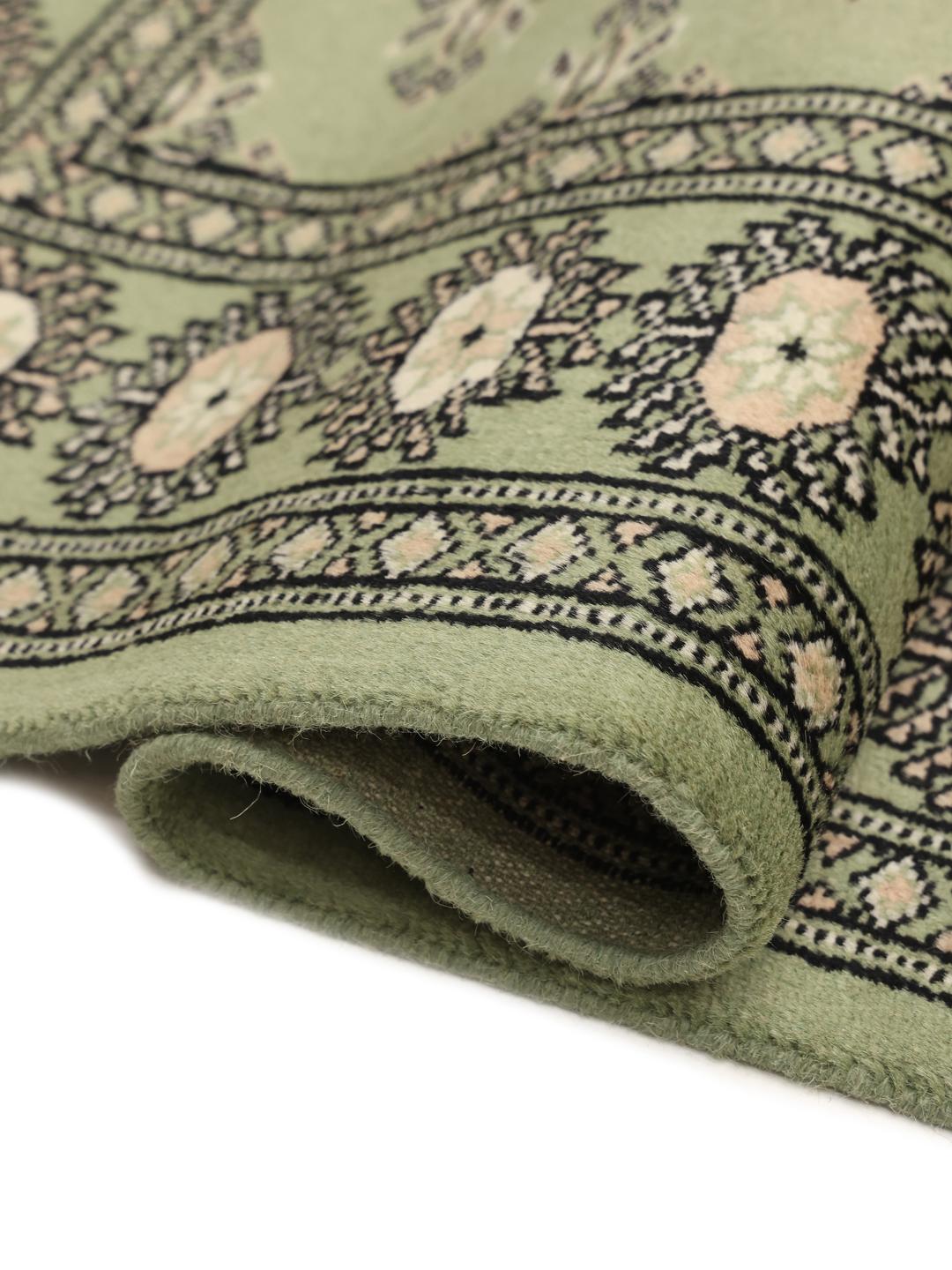
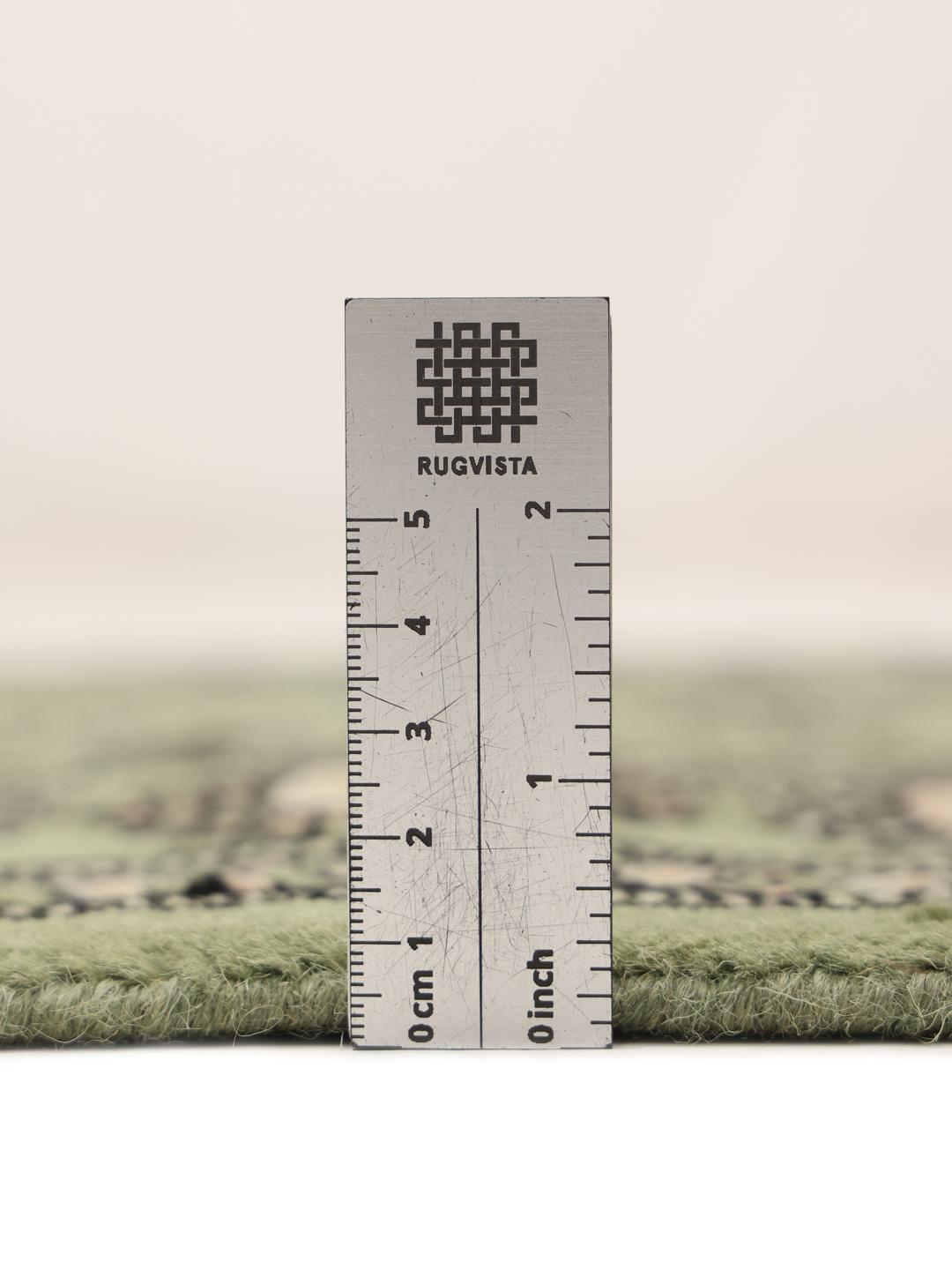
The term 2ply refers to the construction of the pile, where two strands of wool are twisted together before being knotted. This method is vital for quality, as it results in a thicker, more lustrous, and significantly more durable rug. The 2ply construction allows the pile to resist crushing and wear, ensuring that the rich colours and intricate designs remain vibrant even after years of use.
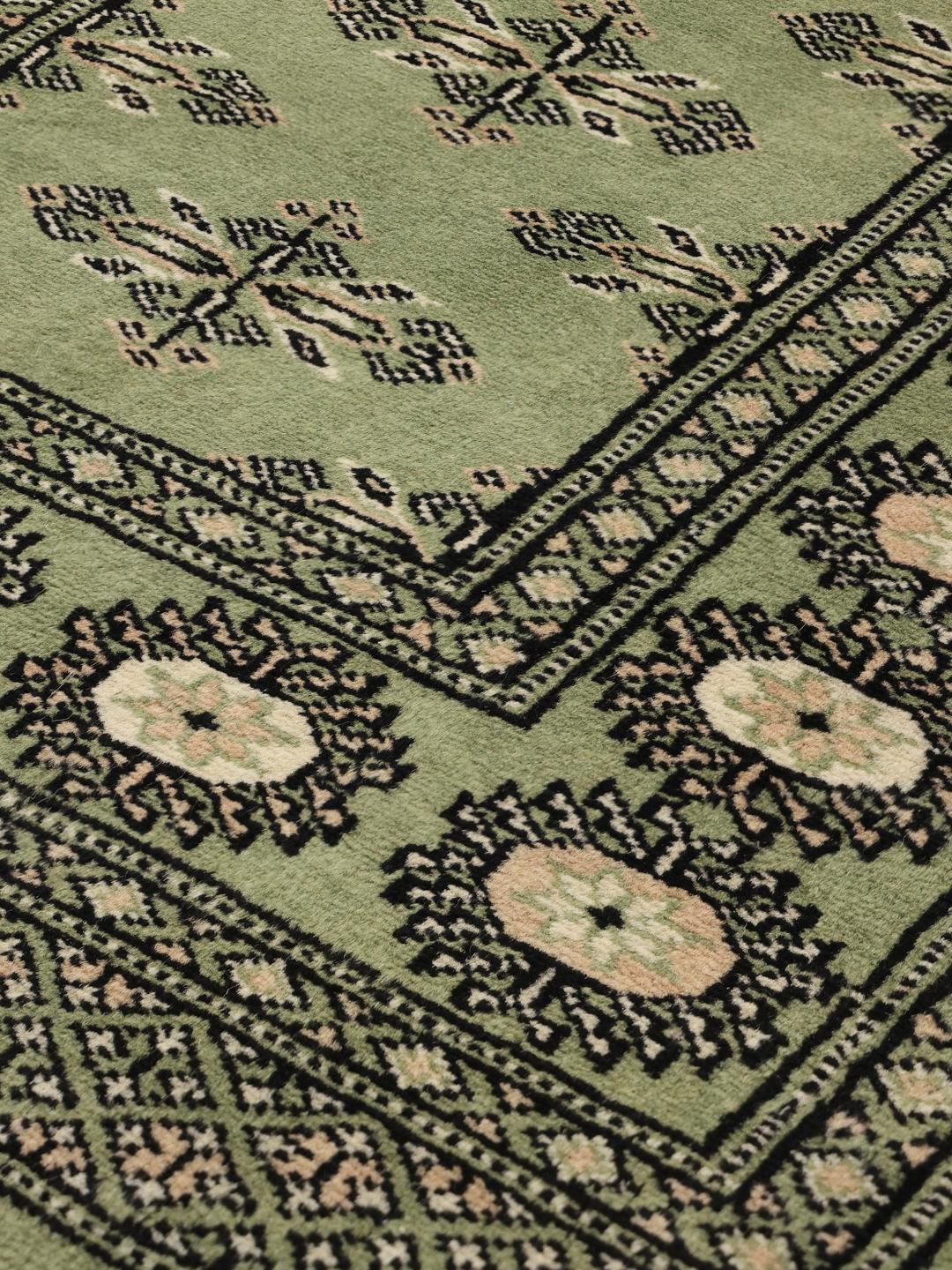
Visually, these rugs are defined by their iconic gul motifs, which are repeating, octagonal-shaped medallions that symbolise tribal identity and history. These guls are traditionally arranged in orderly rows across the field, framed by complex, decorative borders. The soft green palette of this particular piece offers a refreshing and distinct take on the classic Bokhara look, providing a calming alternative to the traditional deep reds.
Owning a hand-knotted Bokhara runner is an investment in cultural heritage and human skill. These rugs are highly valued by collectors for their consistency, geometric precision, and the warmth they bring to a room. To possess one is to connect with a centuries-old tradition of textile art that celebrates the marriage of functional utility and artistic expression.