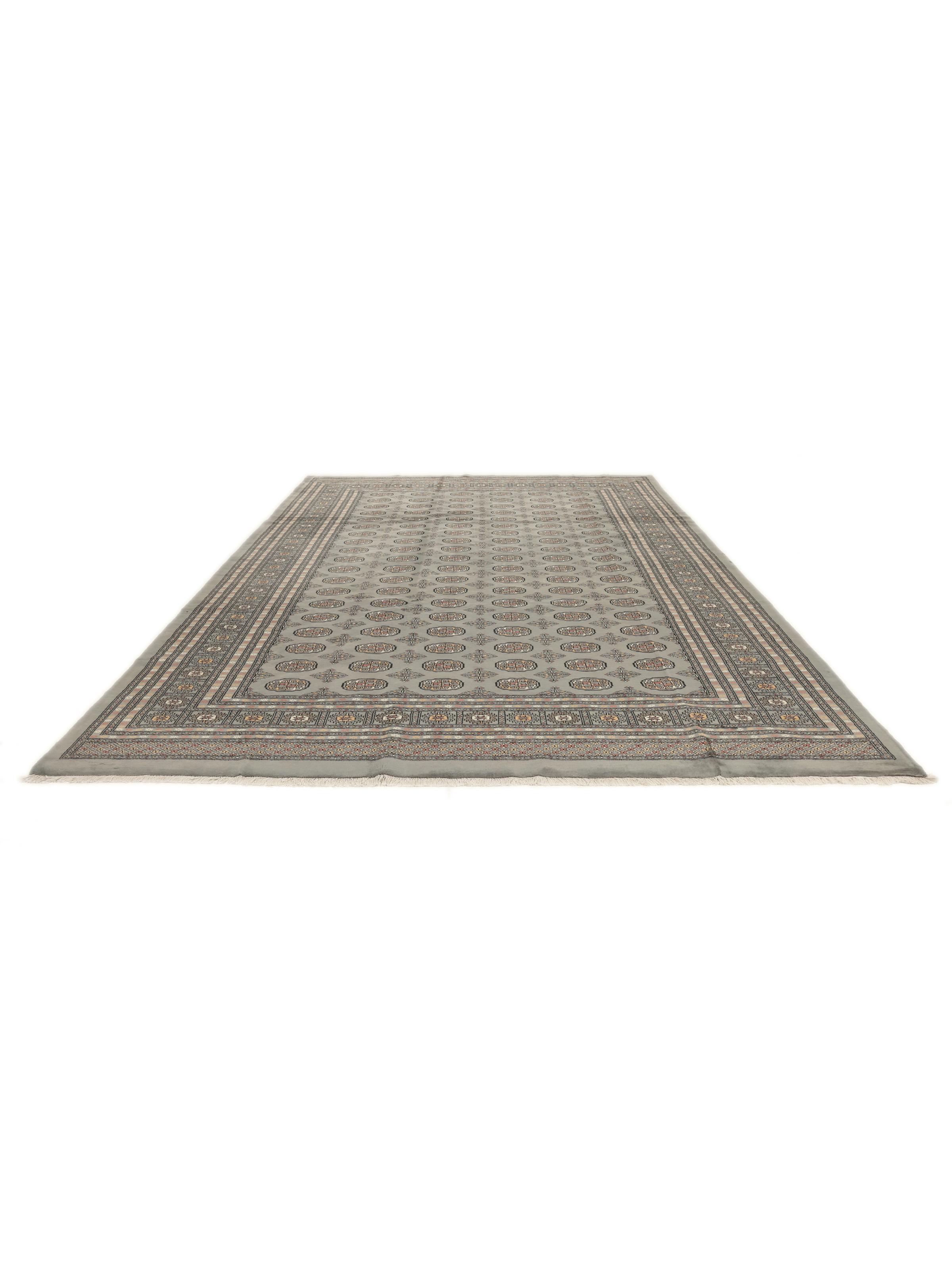
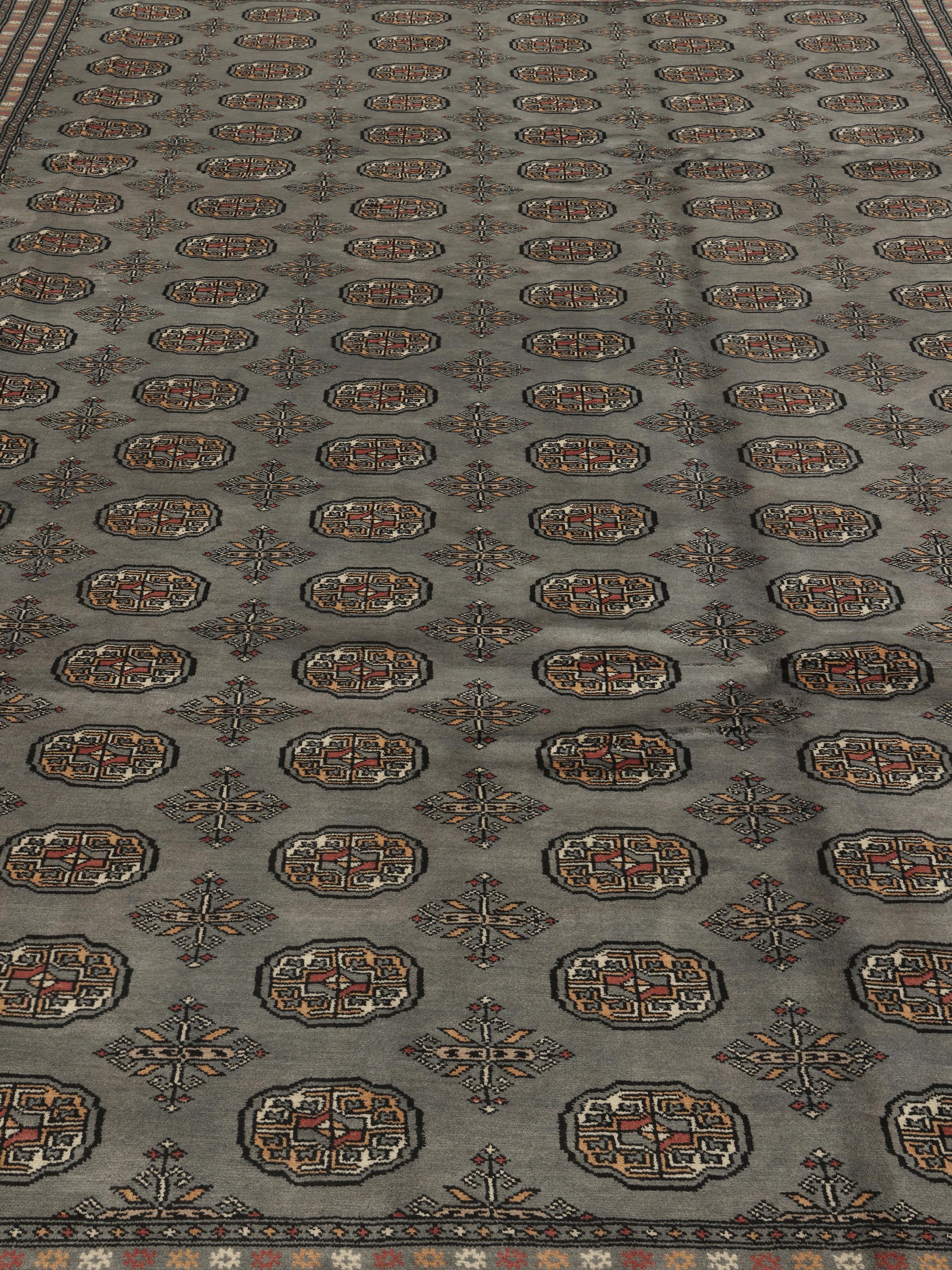
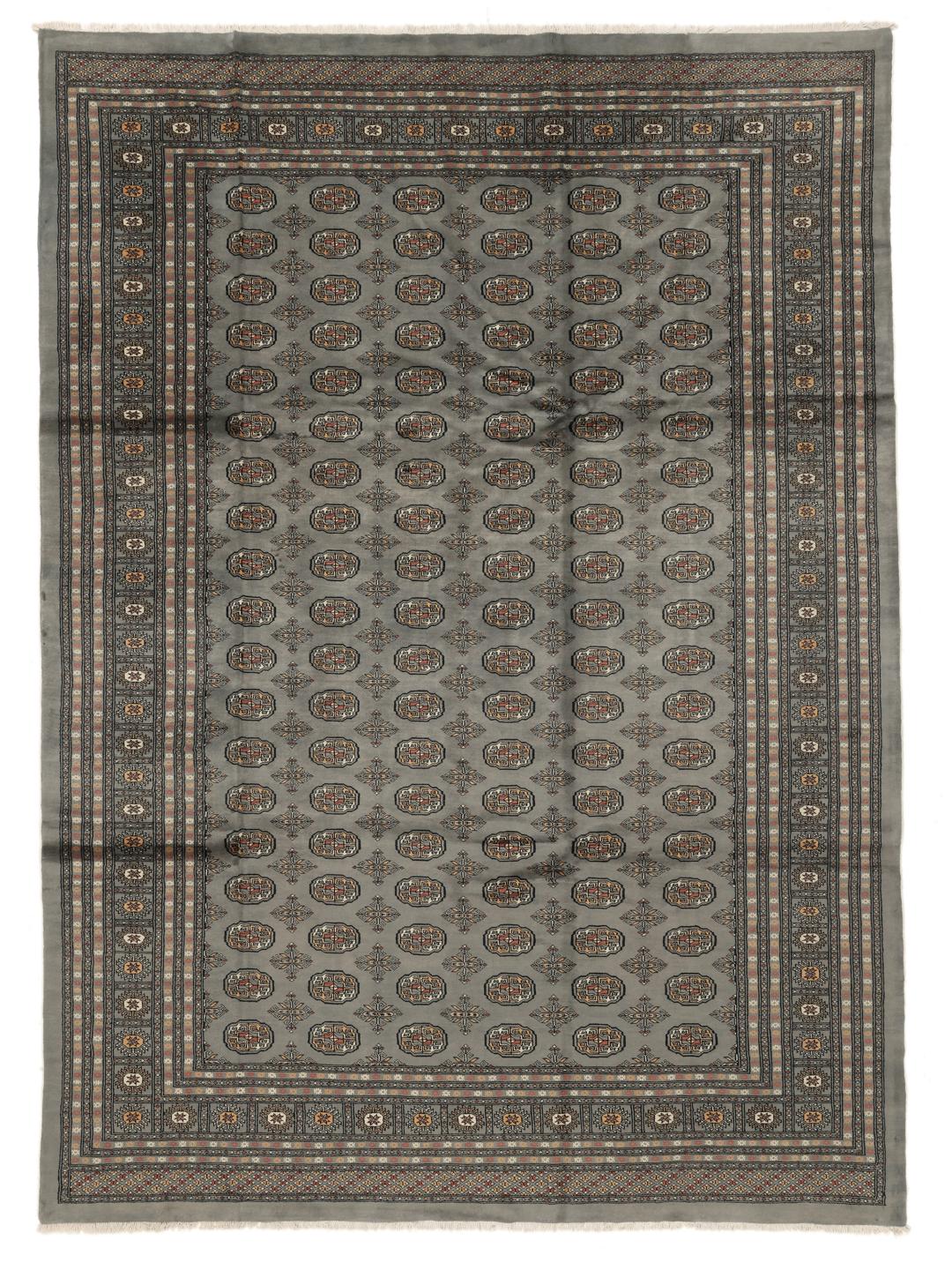
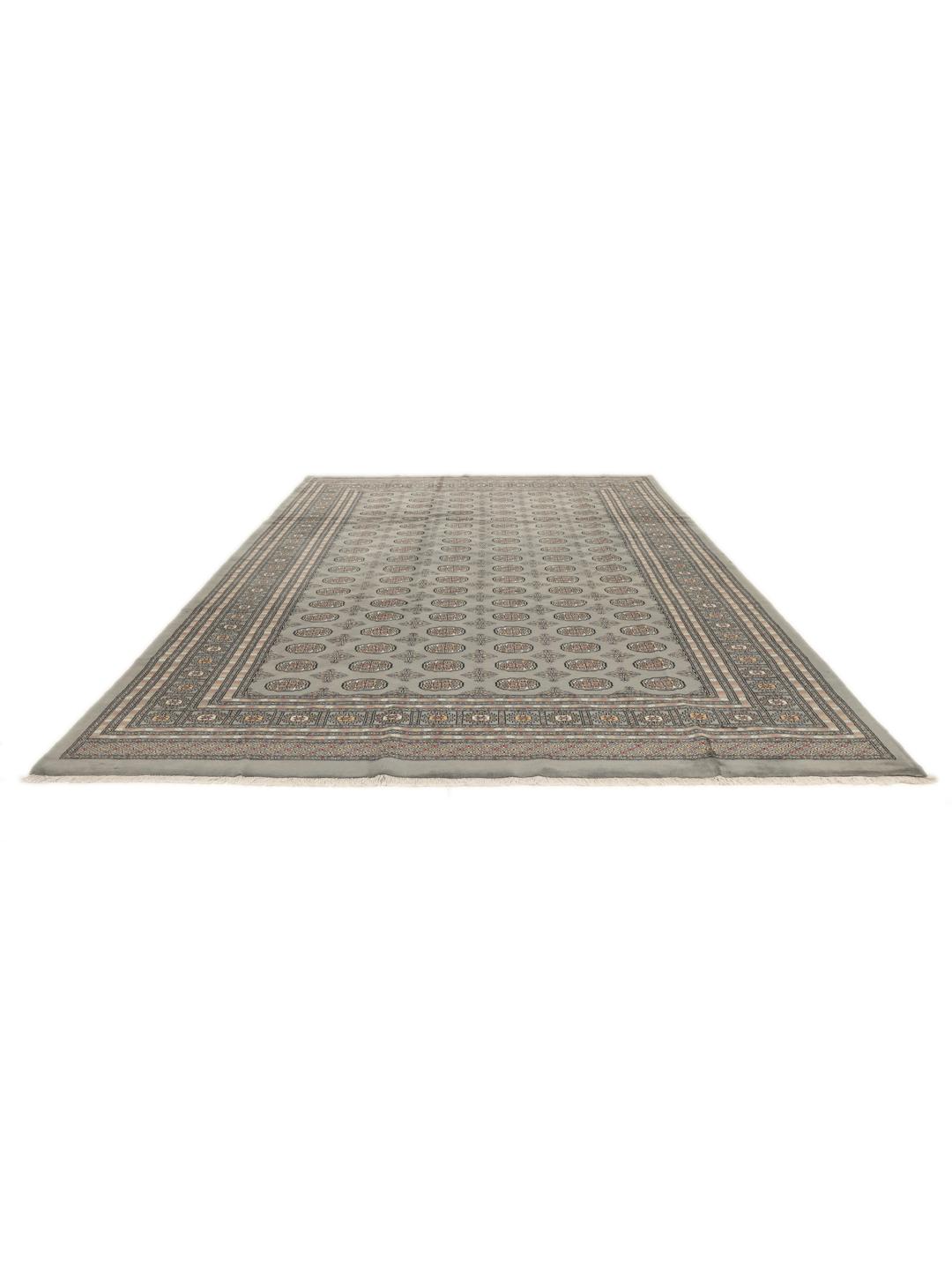
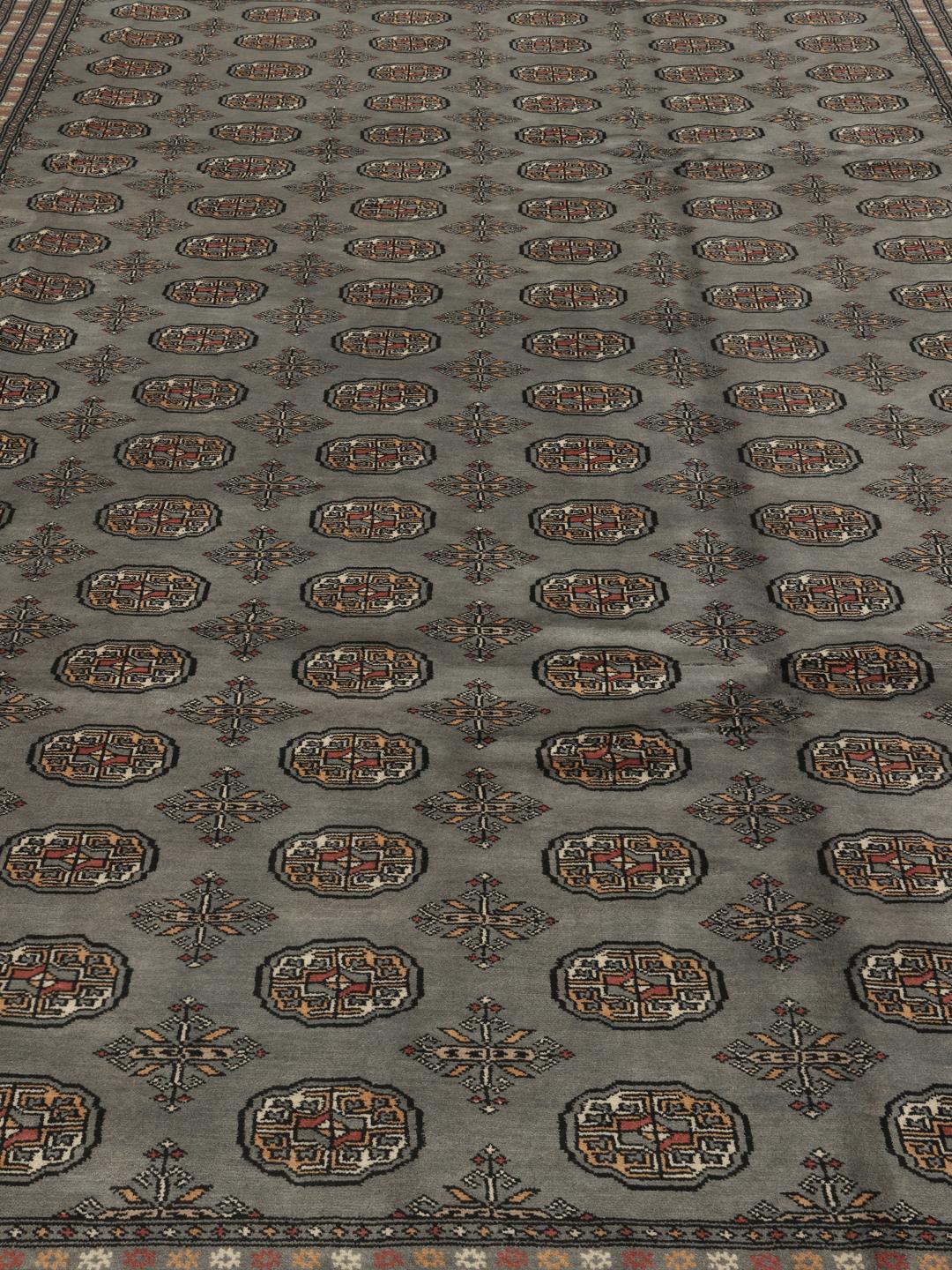
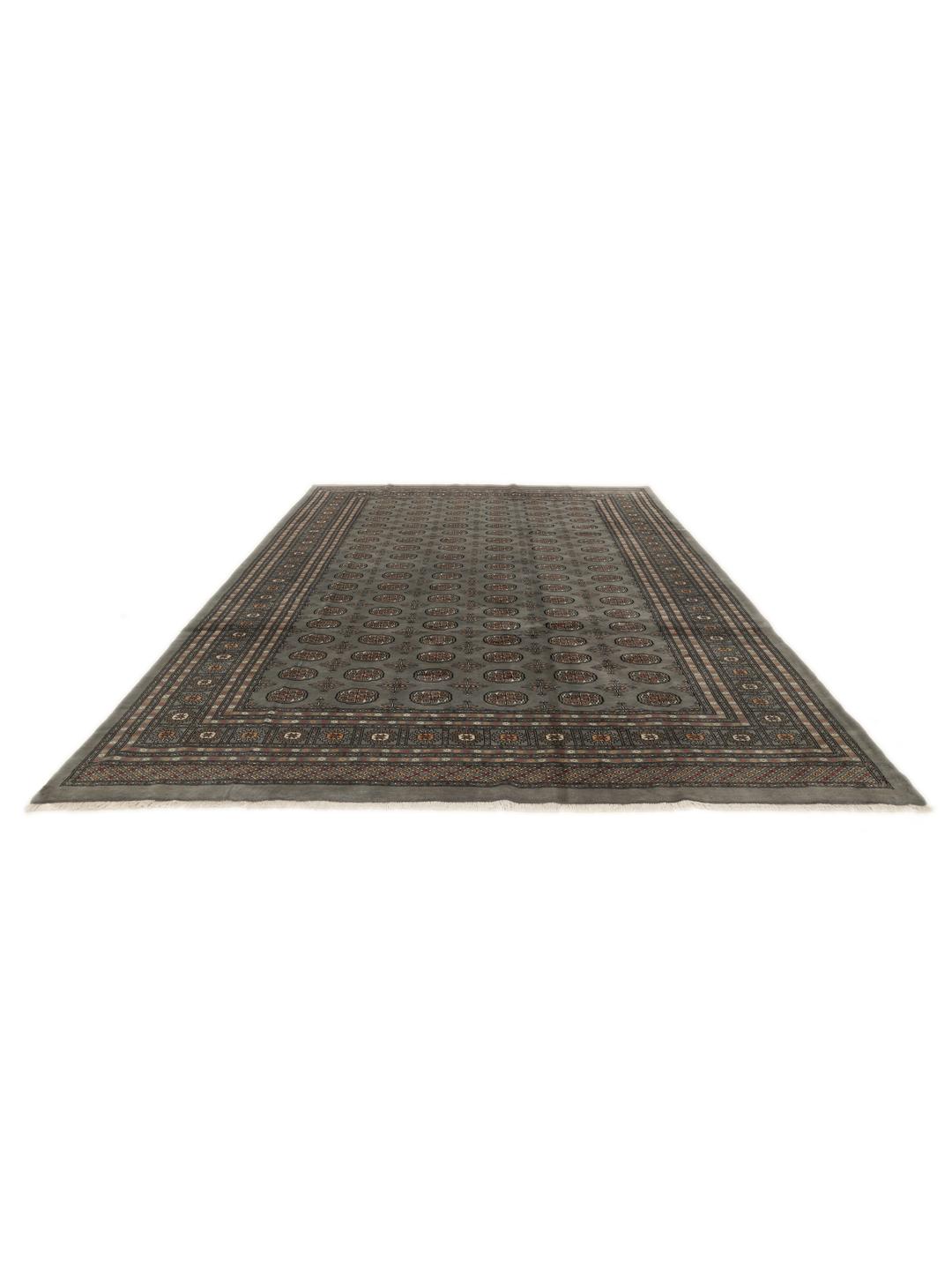
The Bokhara rug tradition finds its historical roots in the ancient Silk Road city of Bukhara, once a vital hub for trade and culture in Central Asia. Over centuries, these weaving techniques migrated south into Pakistan, where the tradition evolved into what we know today as the Pakistan Bokhara, a style celebrated for its refined execution and consistent quality.
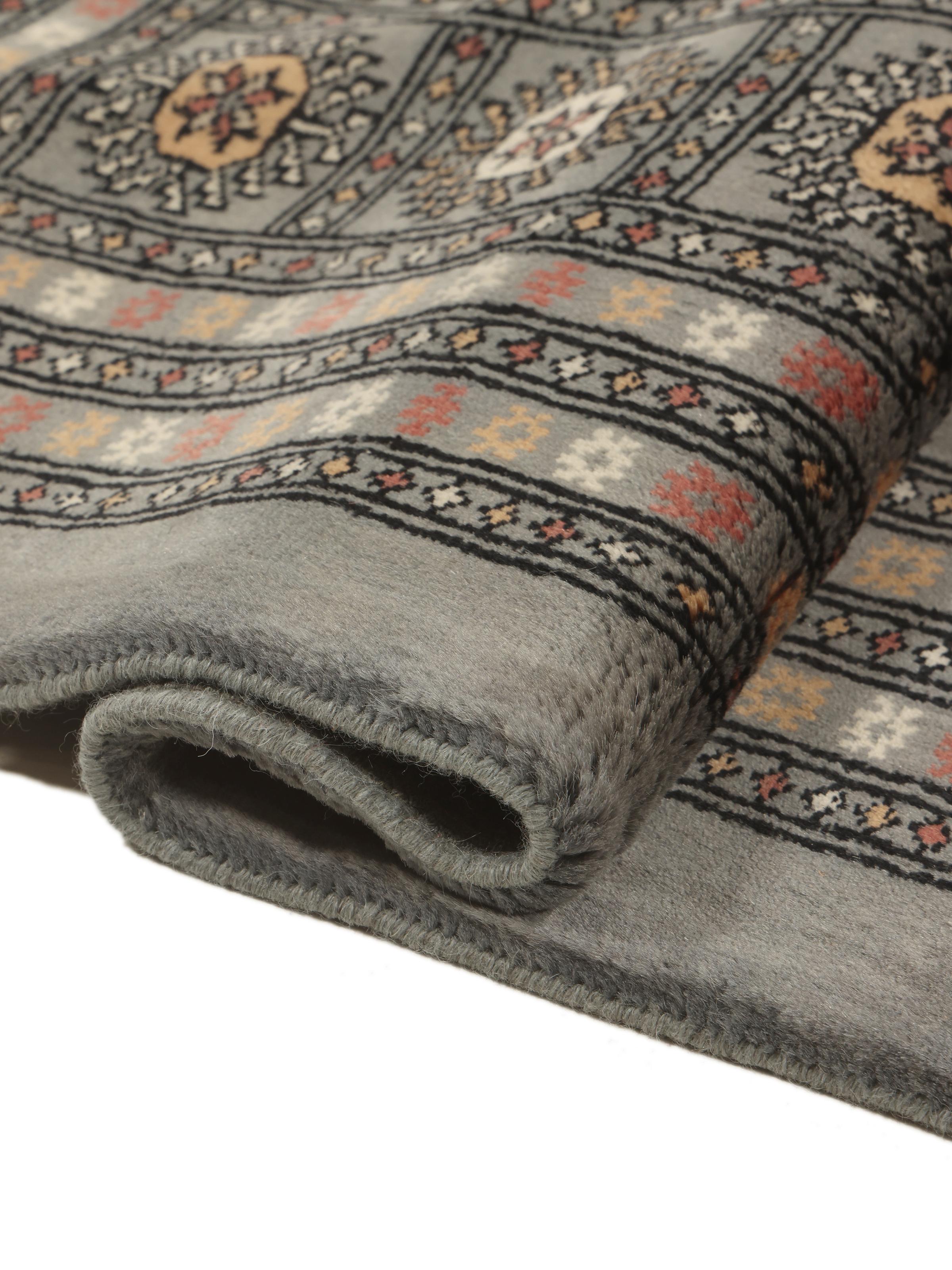
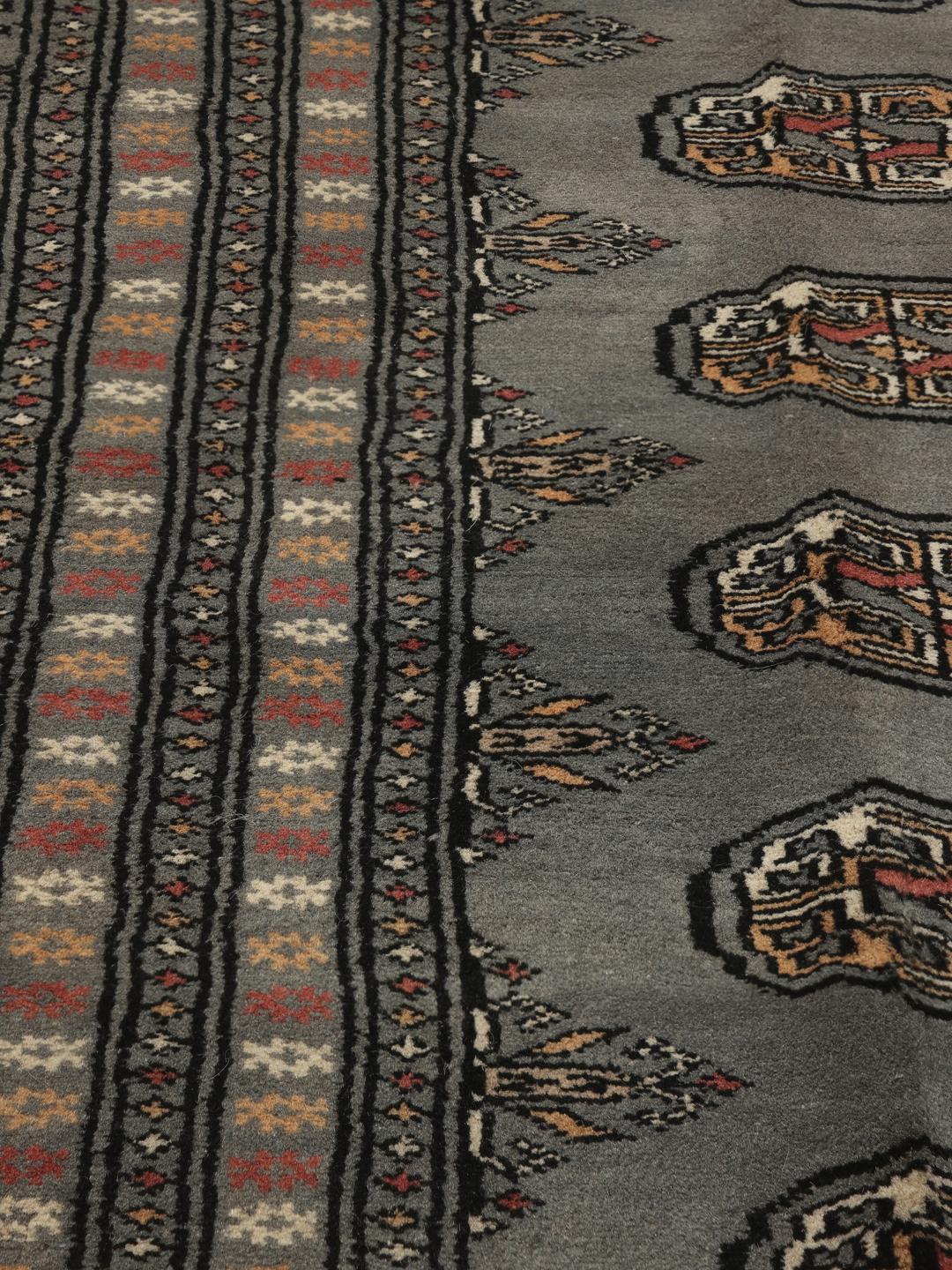
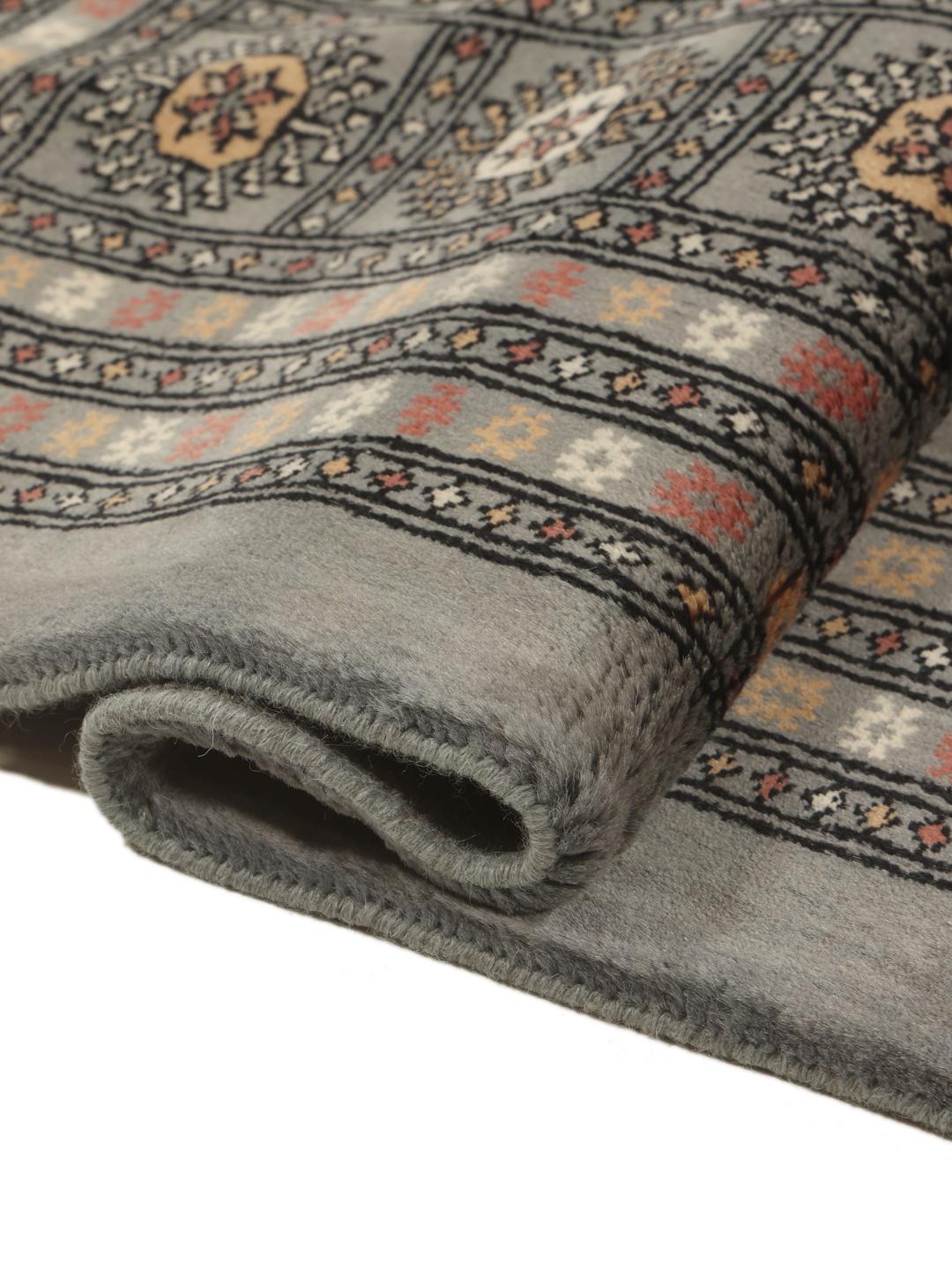
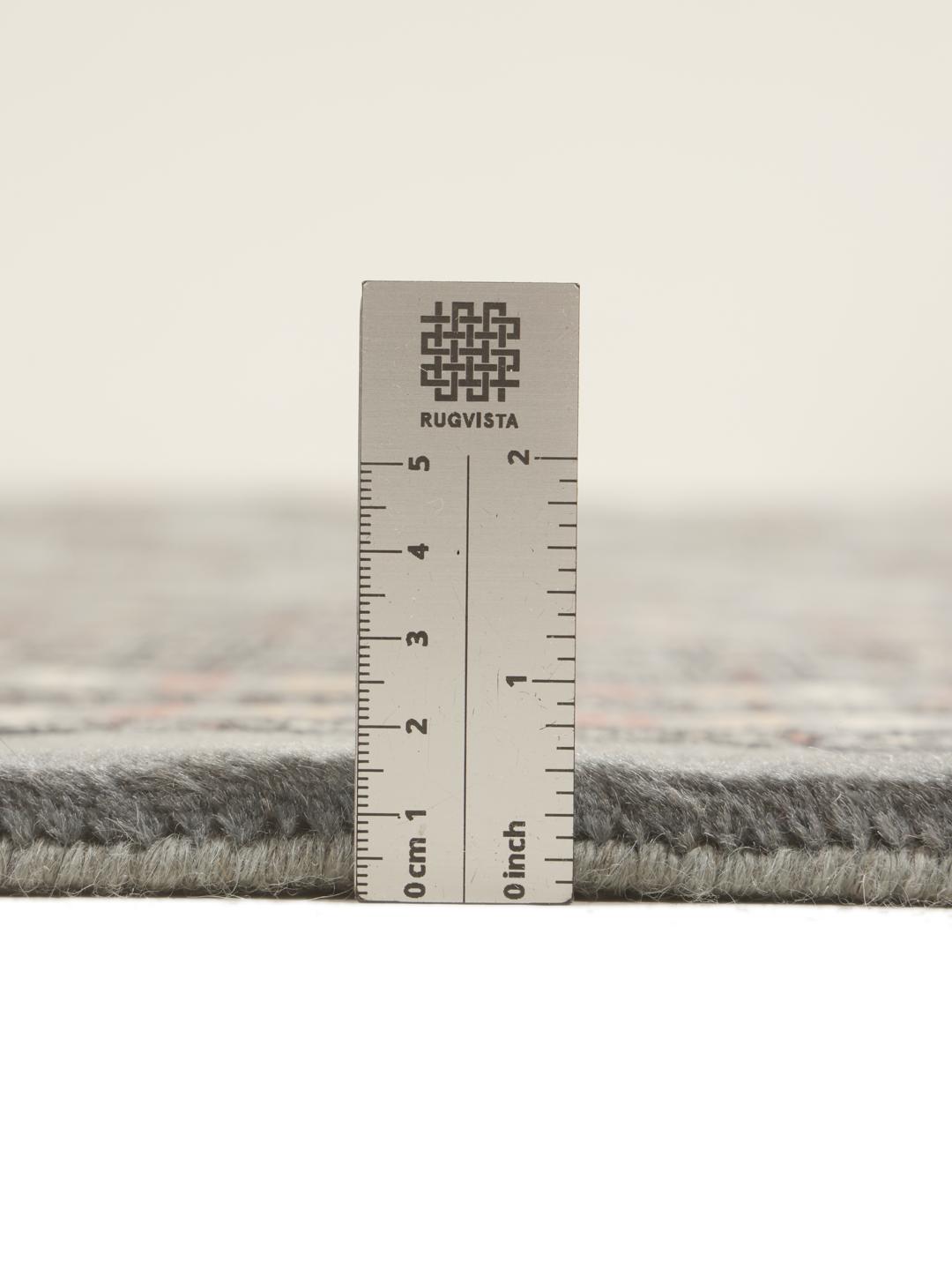
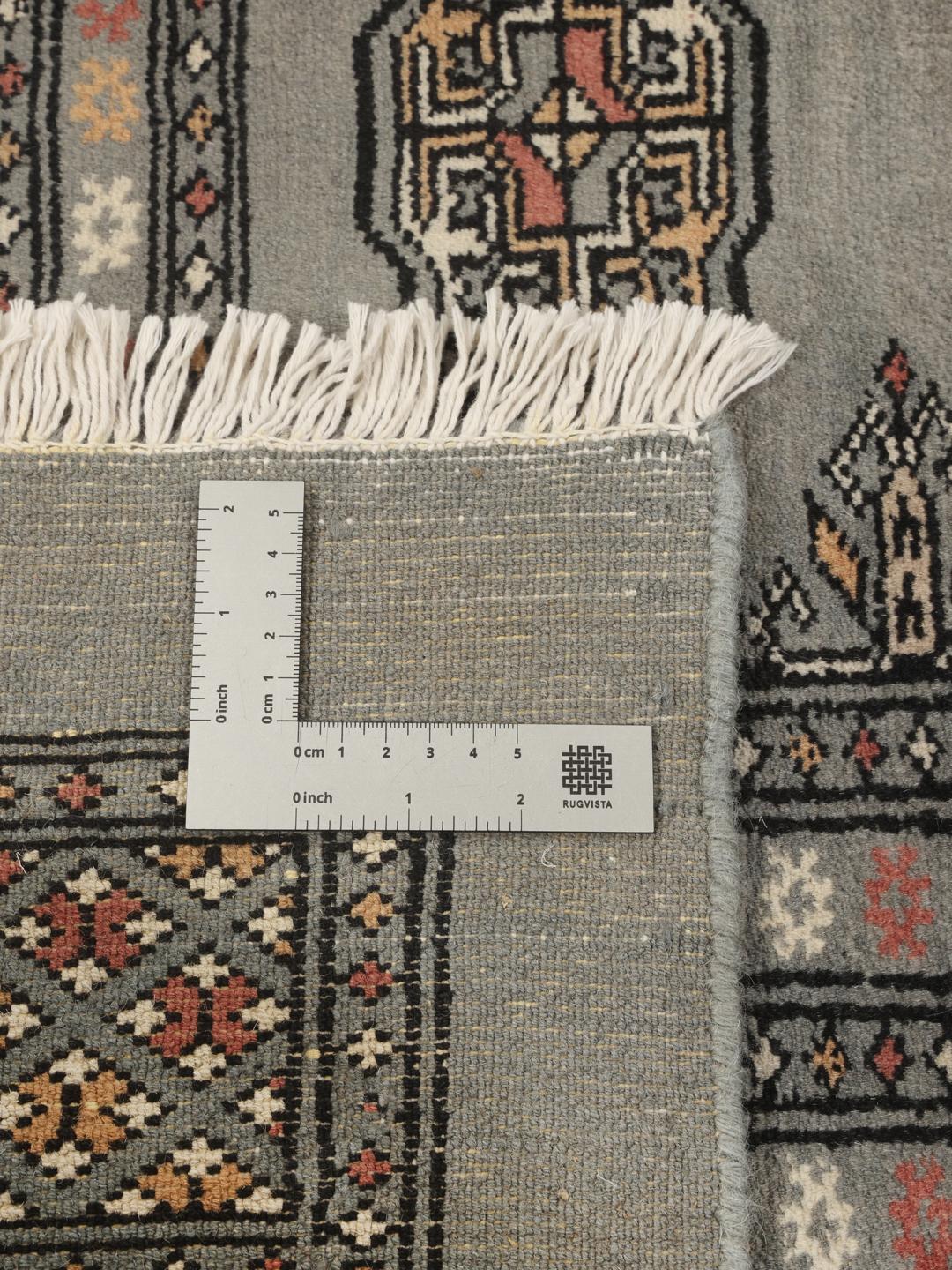
The '3ply' designation refers to the construction of the yarn, where three individual strands of wool are twisted together before being knotted. This technical choice is significant because it produces a thicker, more lustrous, and more resilient pile compared to single-ply alternatives, ensuring the rug feels substantial and holds its appearance over time.
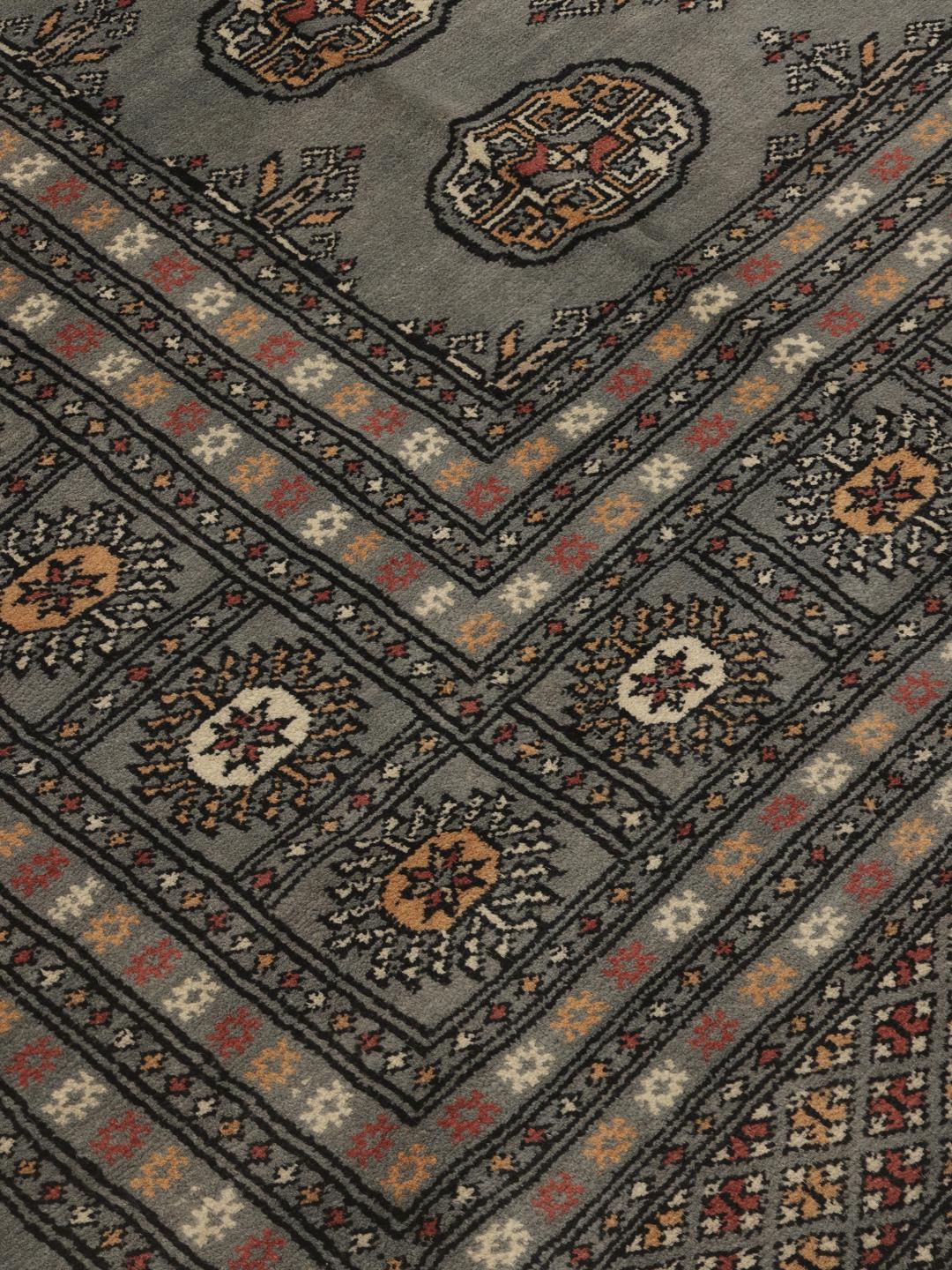
Visually, these rugs are defined by their rhythmic patterns and symmetrical layout, often incorporating geometric borders that echo the central medallions. The use of repeating guls creates a sense of harmony and order, which is why these rugs have been favoured by collectors and homeowners alike for their ability to bring a sense of balance to any room.
Owning a hand-knotted rug from this tradition is an investment in cultural heritage and human skill. It represents a bridge between ancient design practices and contemporary living, offering a piece that is not merely a floor covering but a testament to a craft that has been preserved and perfected by generations of weavers.