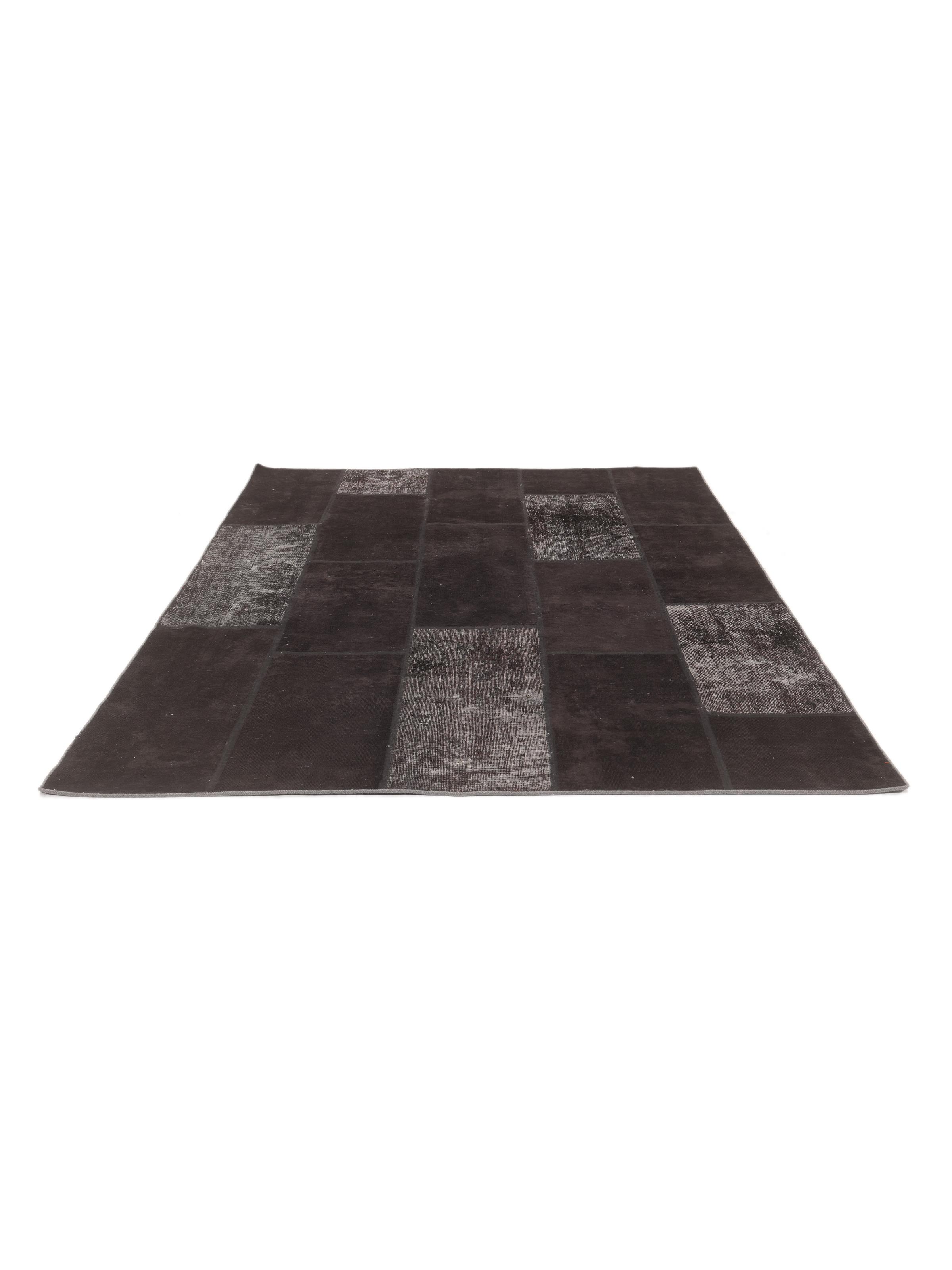
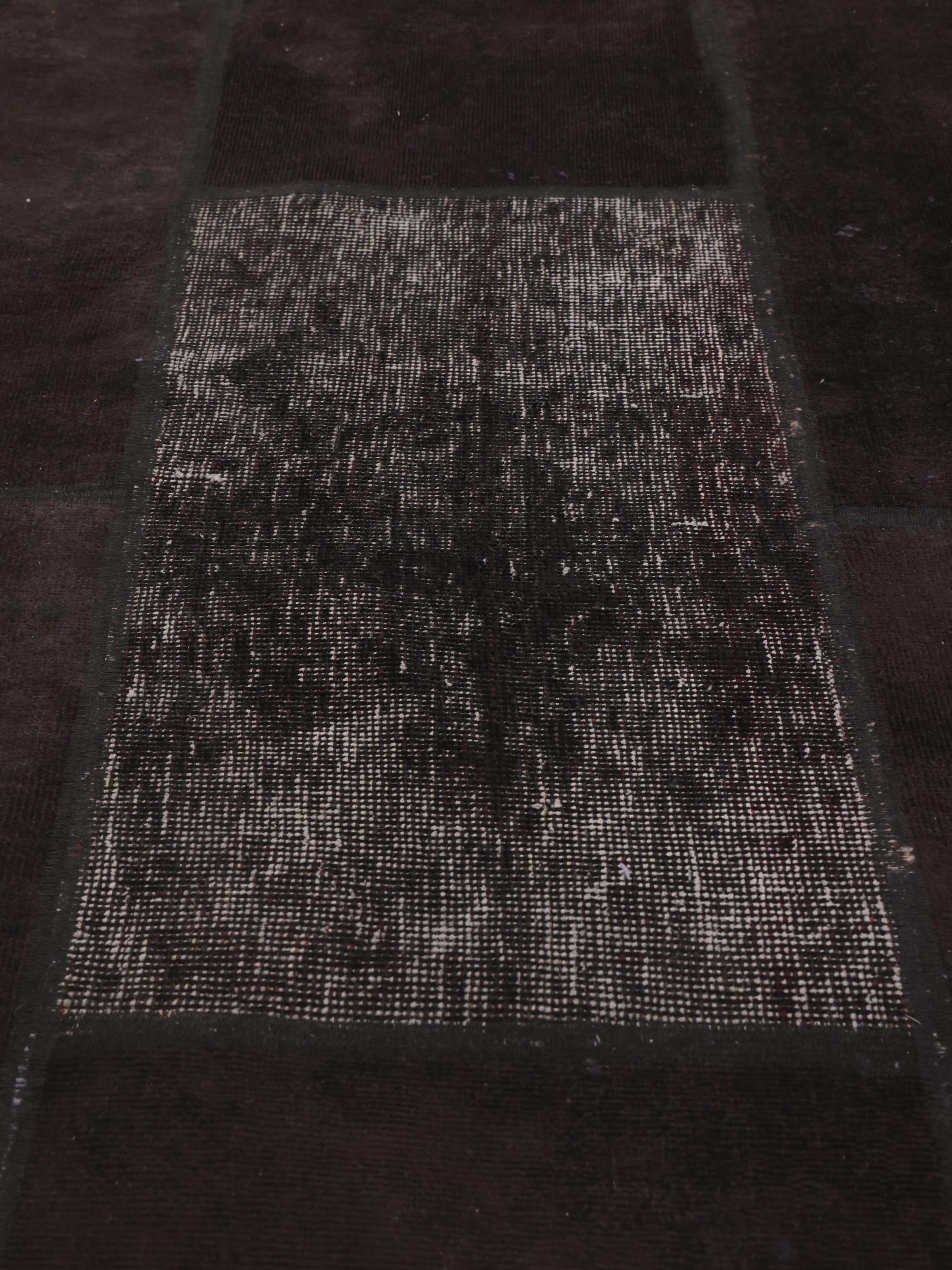
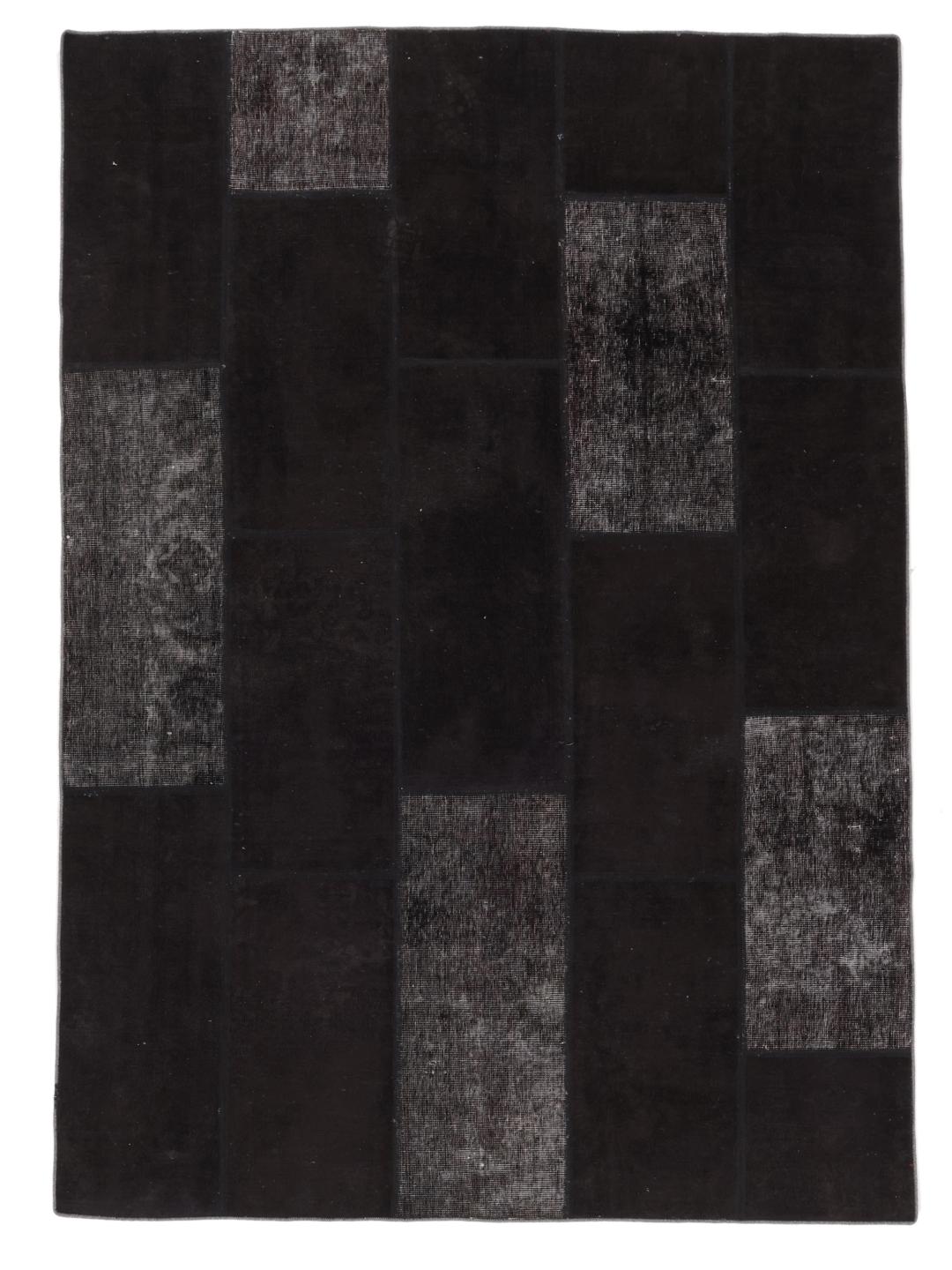
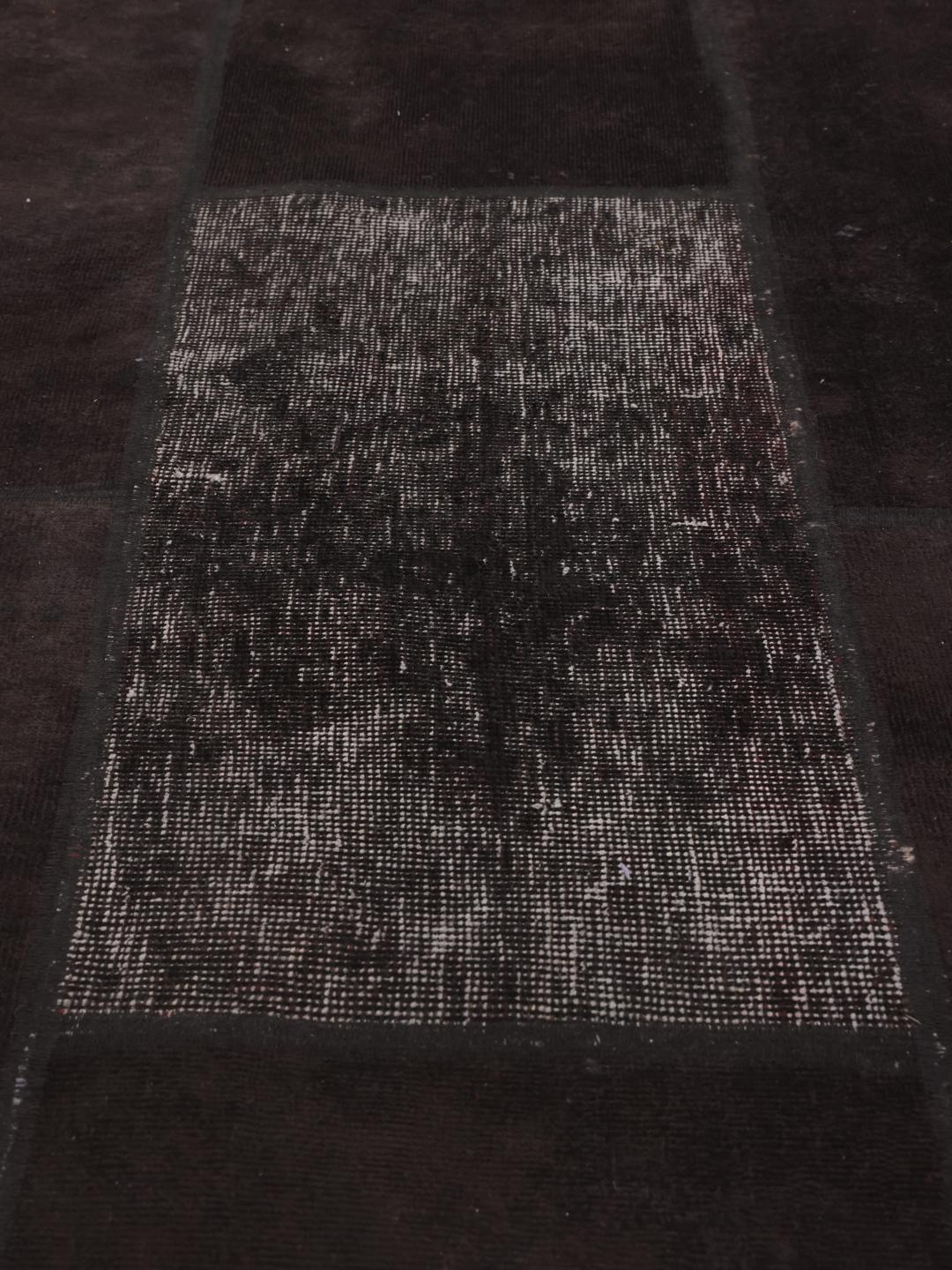
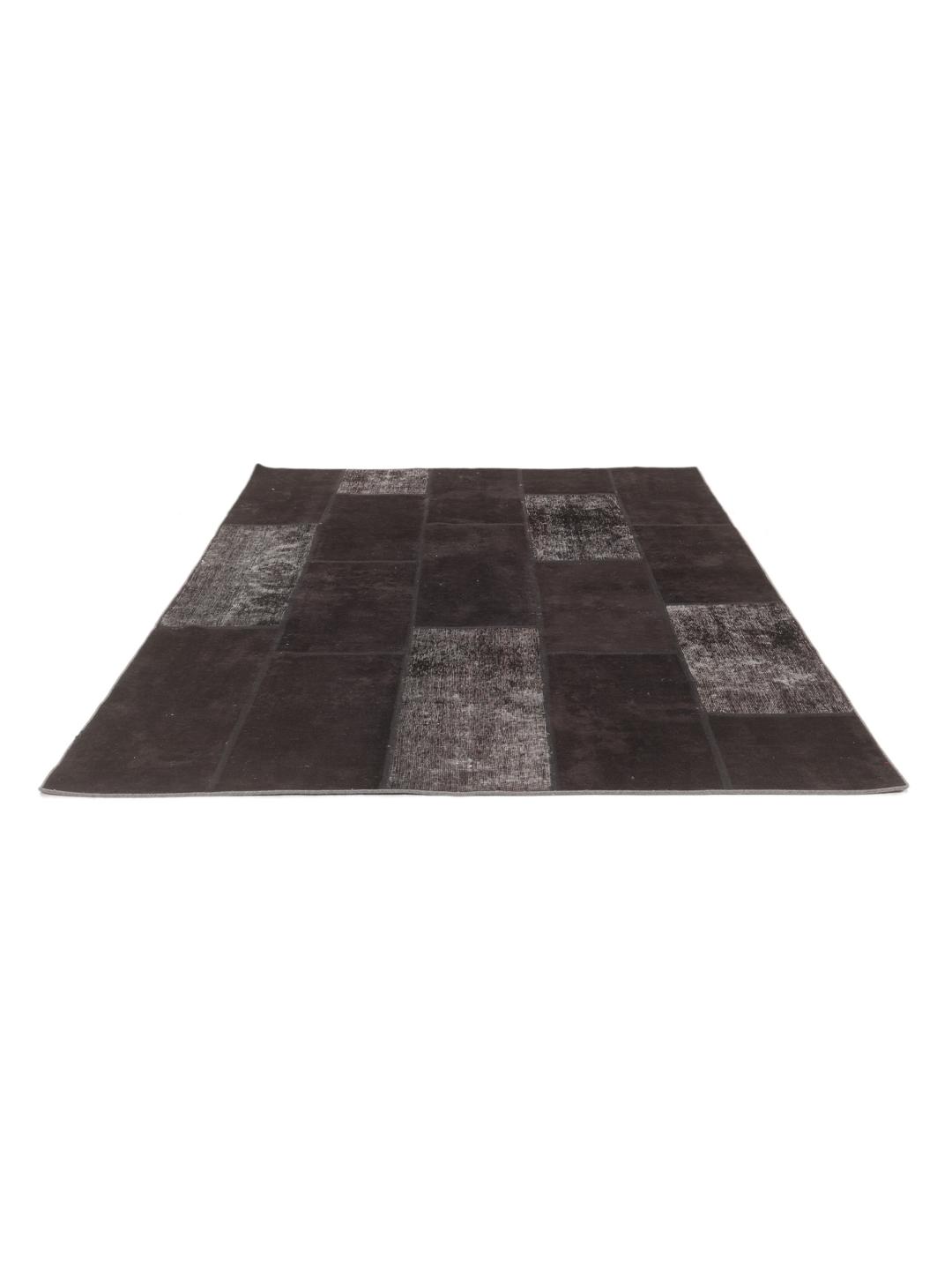
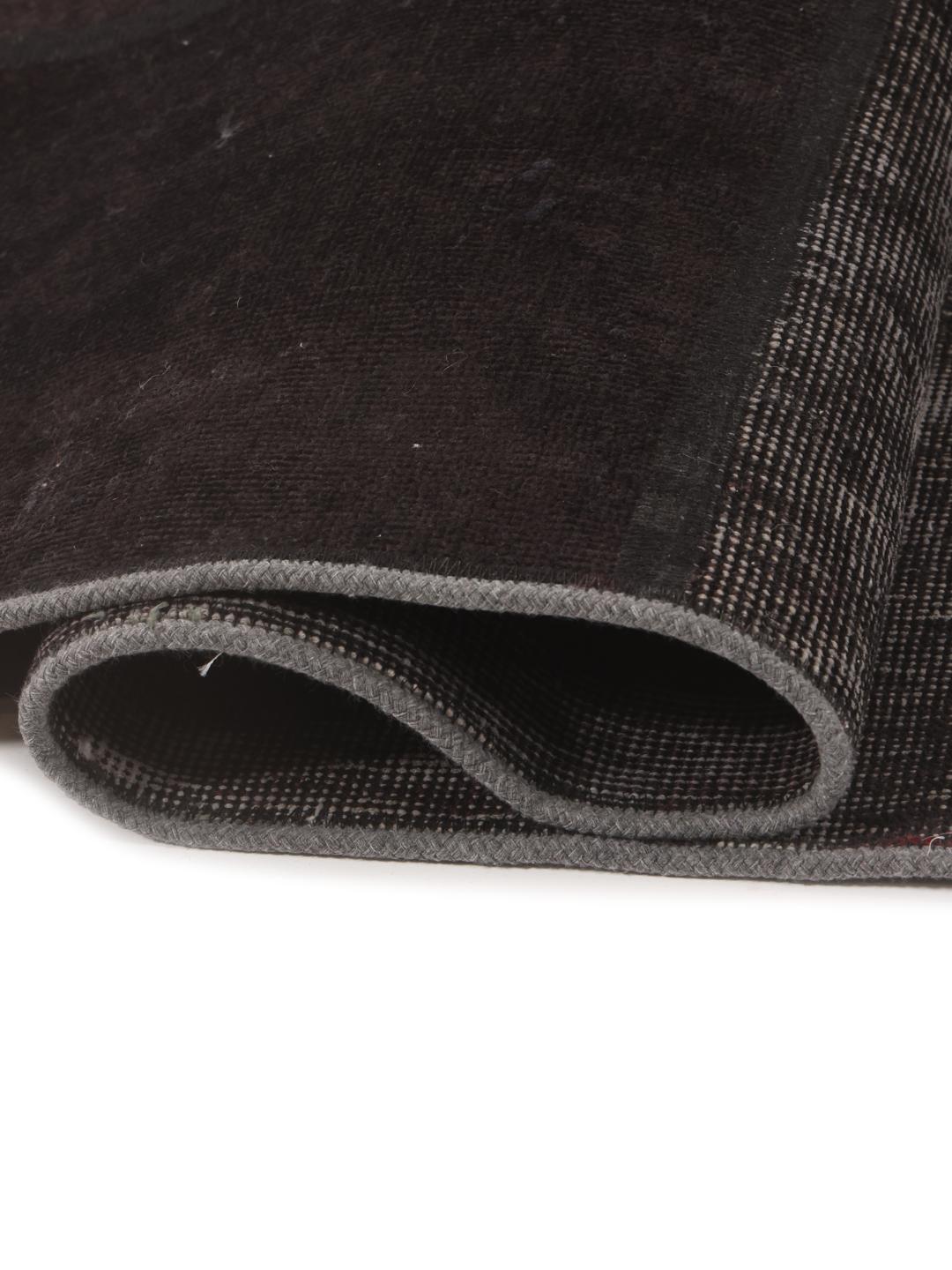
The tradition of patchwork rugs represents a creative evolution within Middle Eastern textile arts. By repurposing sections from older, often worn rugs, artisans give new life to existing textiles, transforming fragments into a cohesive, contemporary design. This practice honours the history of the materials while allowing for a completely new artistic expression.
The term patchwork refers to the assembly of diverse rug segments into a single, unified surface. This technique requires an expert understanding of colour theory and textile composition, as the maker must select pieces that complement each other in both tone and texture to ensure the finished rug feels intentional rather than random.
Design-wise, this style often features a bold, geometric layout that highlights the contrast between the individual patches. While traditional Middle Eastern rugs are known for their intricate floral or medallion motifs, the patchwork style strips away the formality of the original designs, focusing instead on the interplay of texture and the depth of the dye, often resulting in a monochromatic or highly curated appearance.
Owning a piece like this is a way to connect with a long heritage of textile production while embracing a modern aesthetic. It is valued by collectors and homeowners alike for its blend of sustainability, skill, and visual impact, offering a unique narrative that mass-produced floor coverings simply cannot replicate.