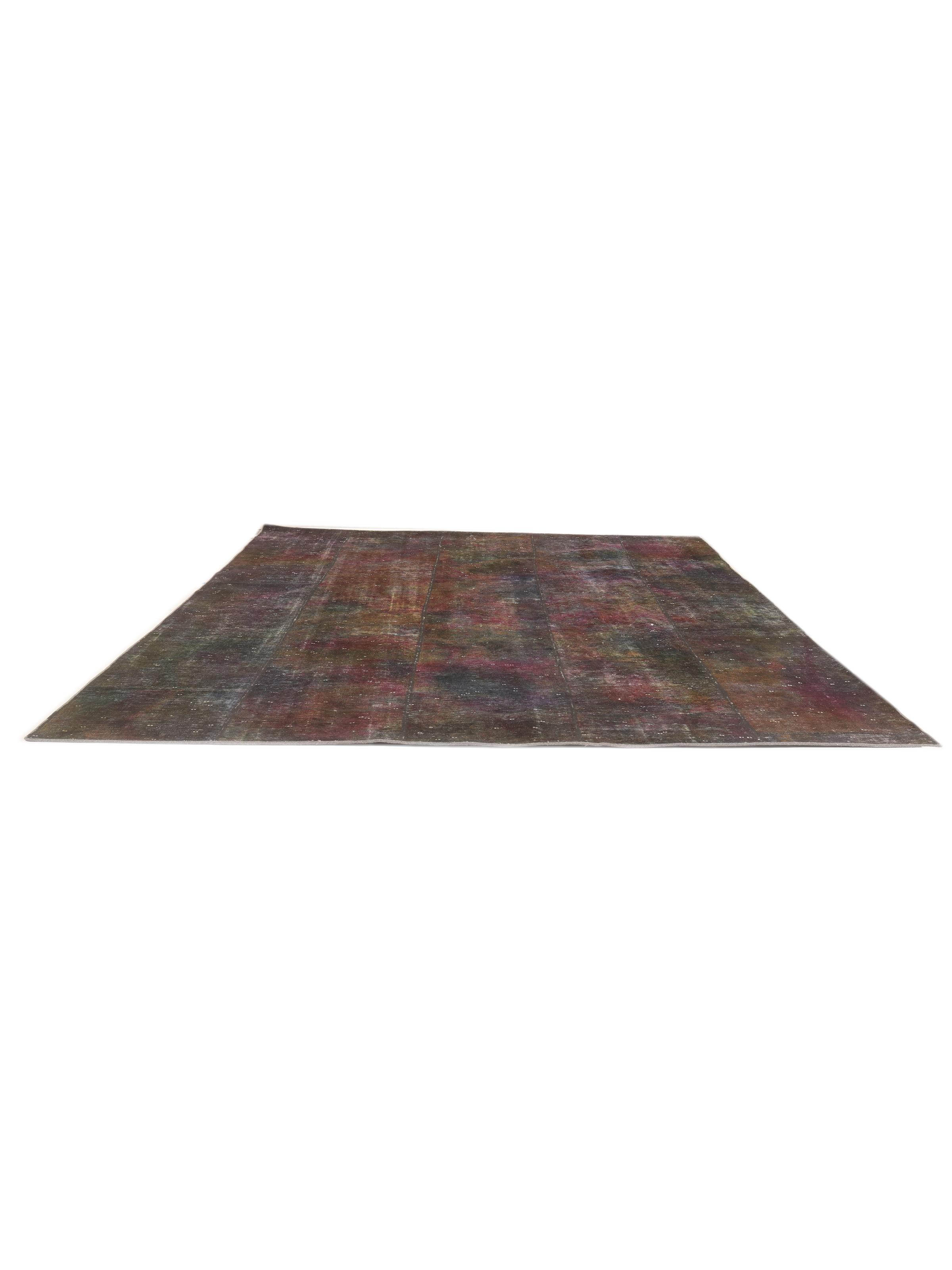
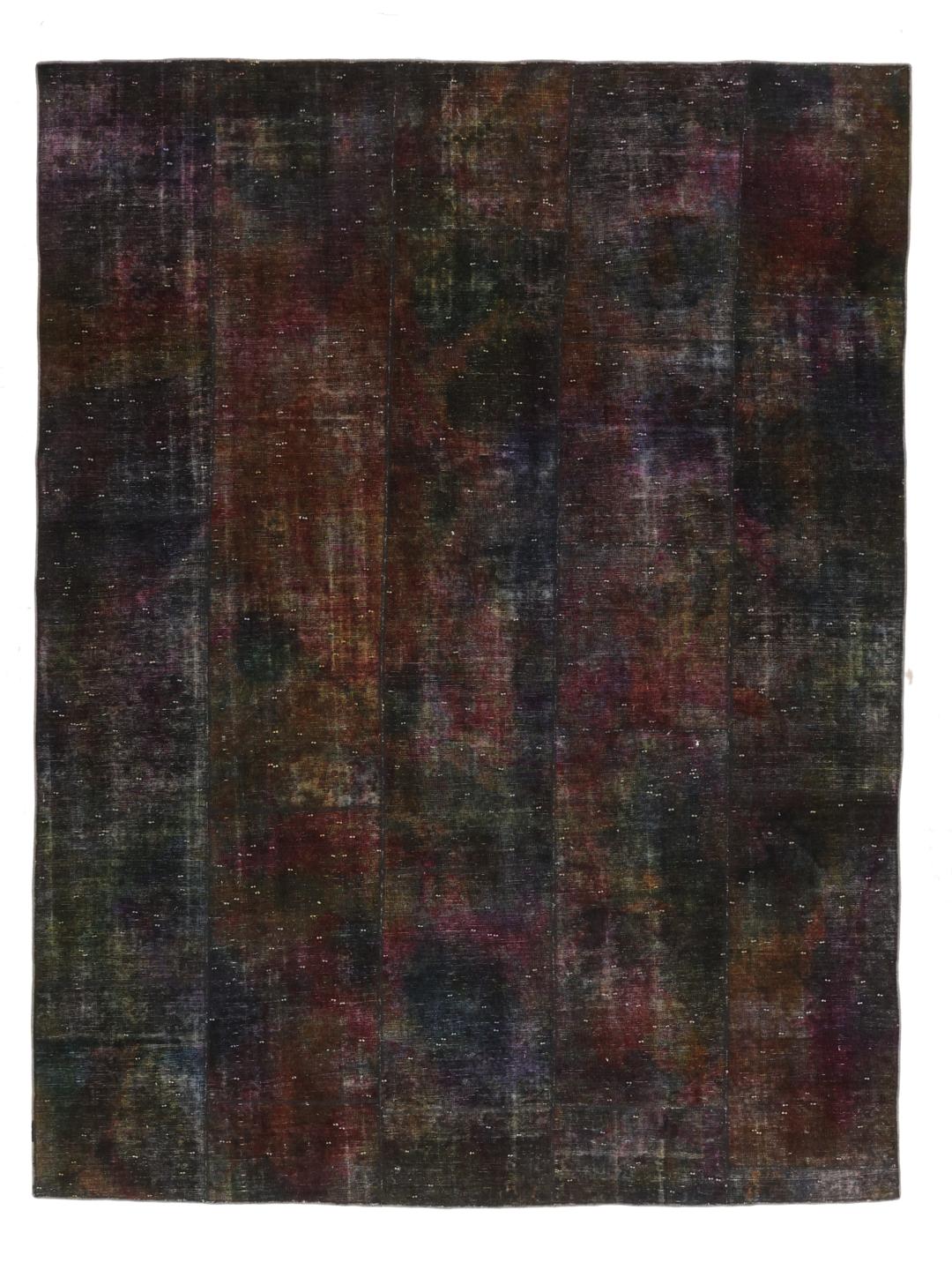
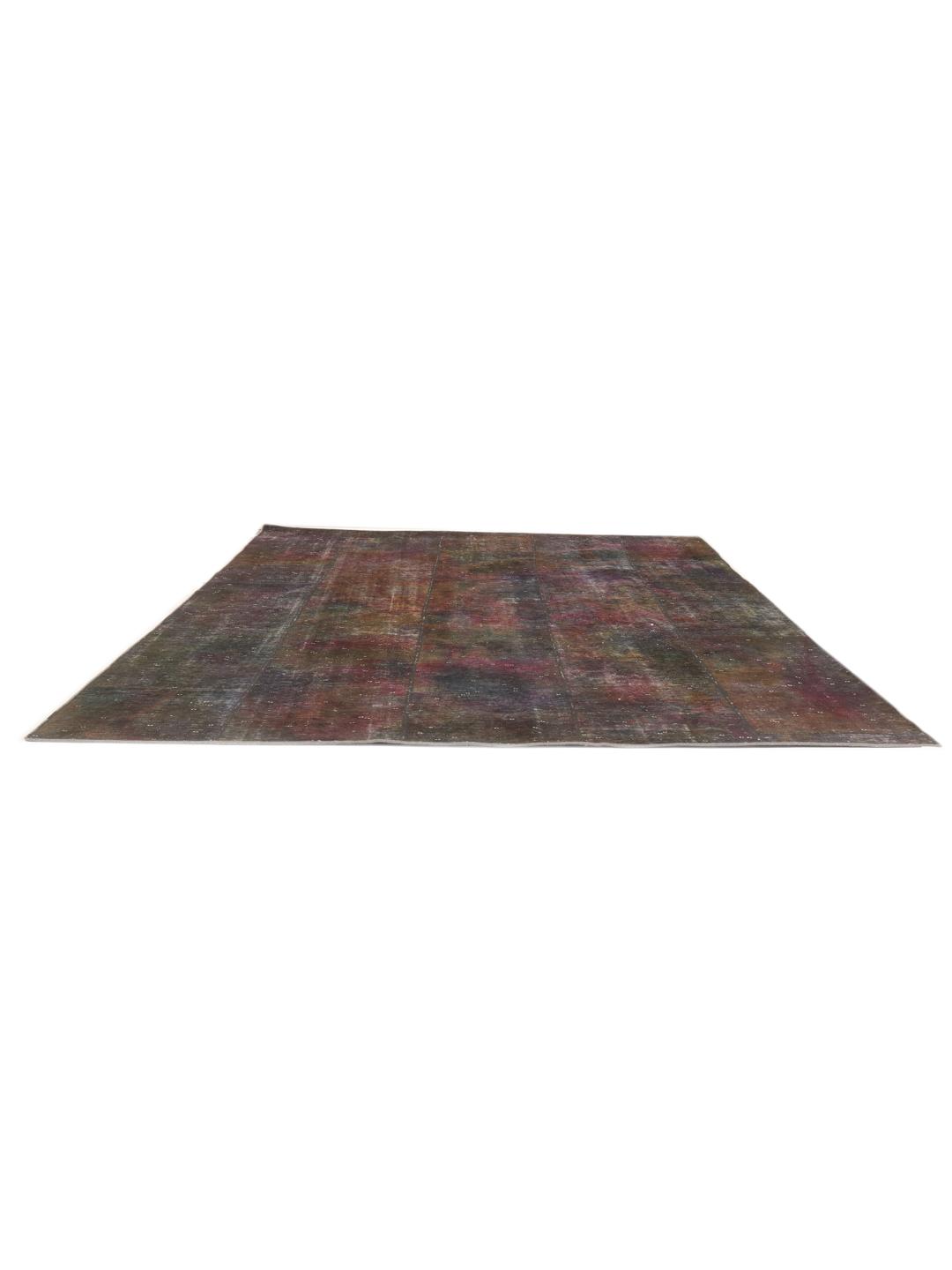
Patchwork rugs represent a fascinating evolution in the history of Middle Eastern textile traditions. Historically, when a hand-knotted rug became damaged or worn in specific areas, the remaining intact sections were salvaged and repurposed to prevent the waste of such high-quality craftsmanship. This practice of reclamation has transformed over time into a sophisticated art form that celebrates the history of individual carpets while creating something entirely new.
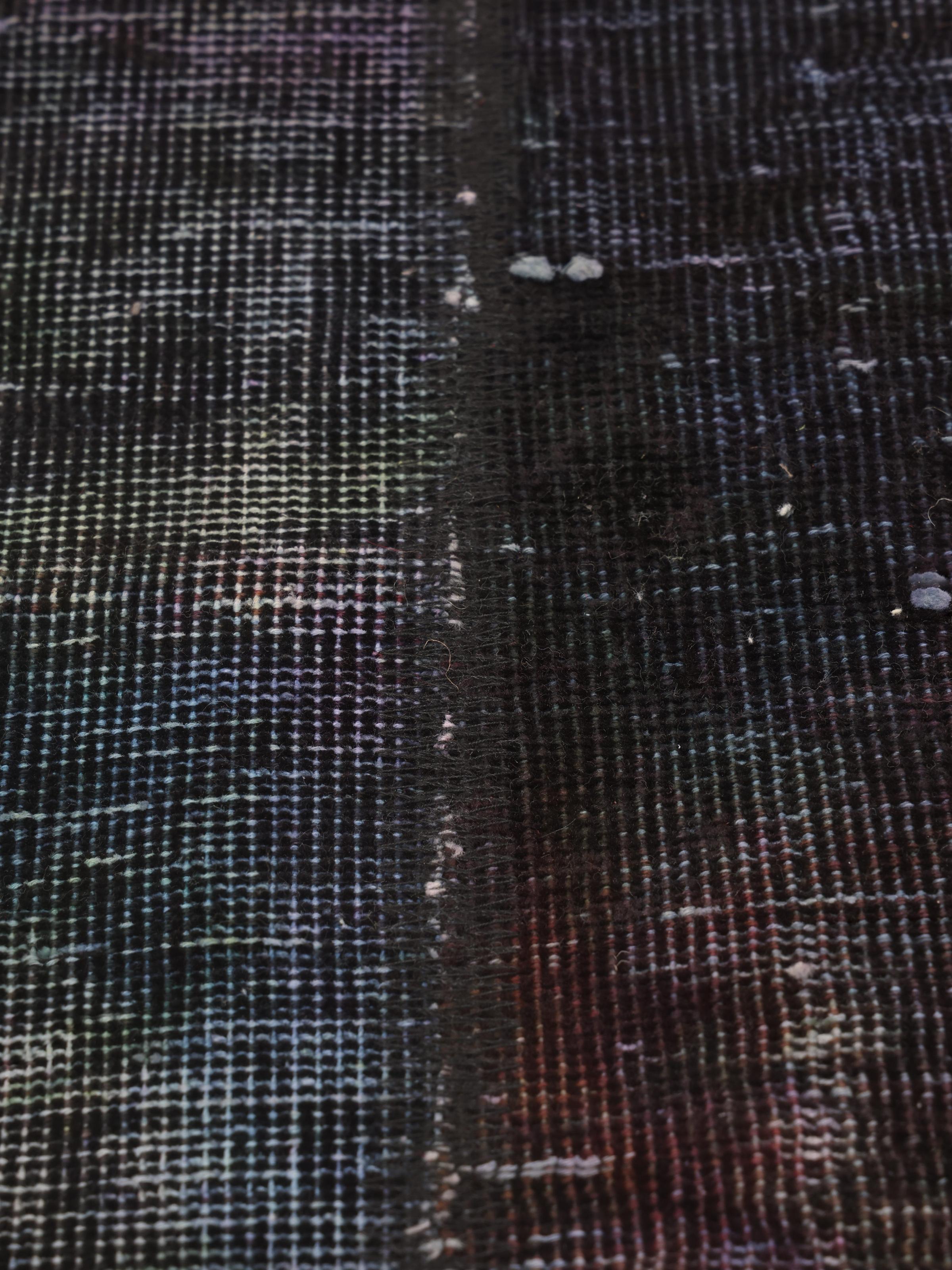
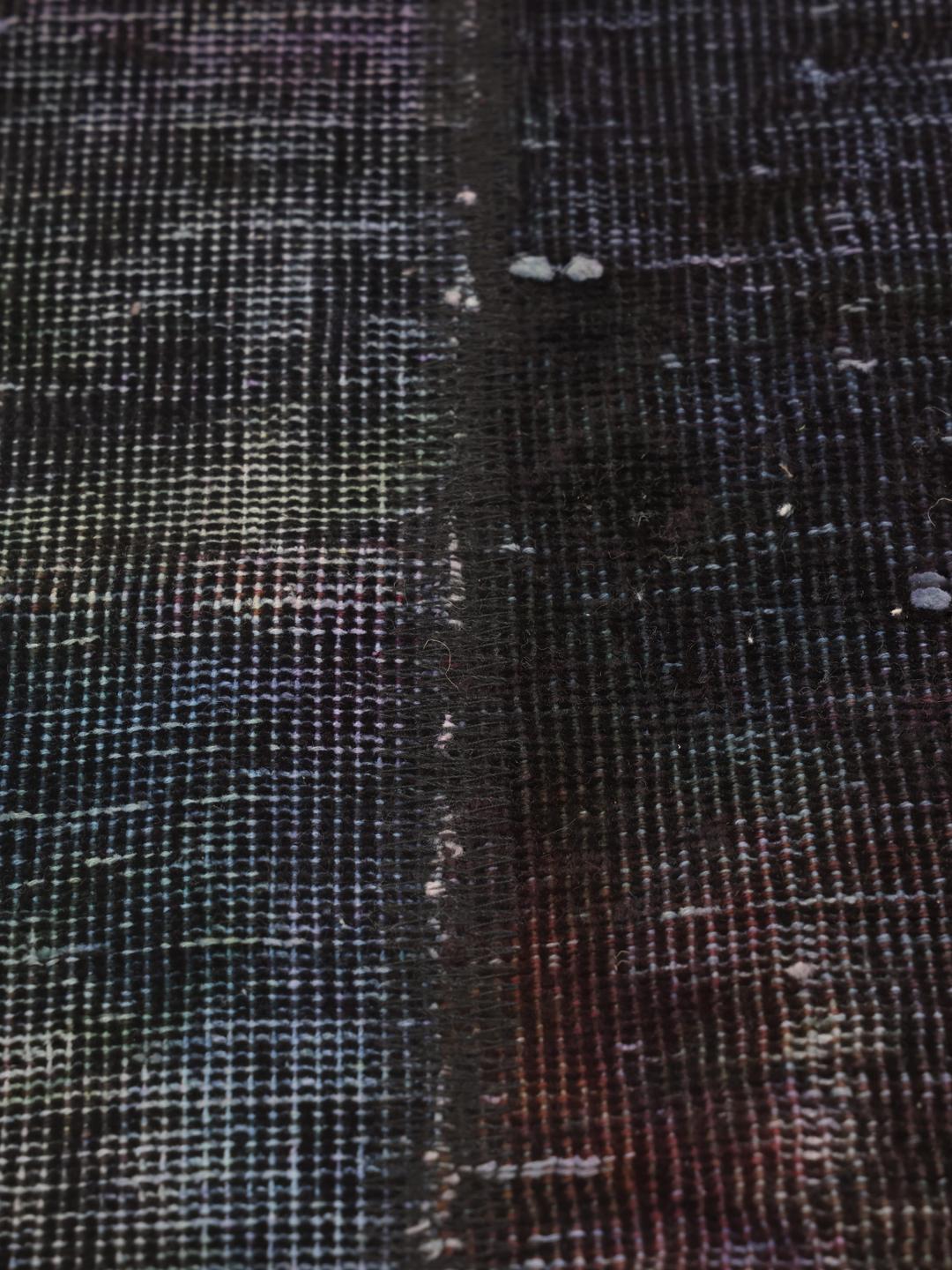
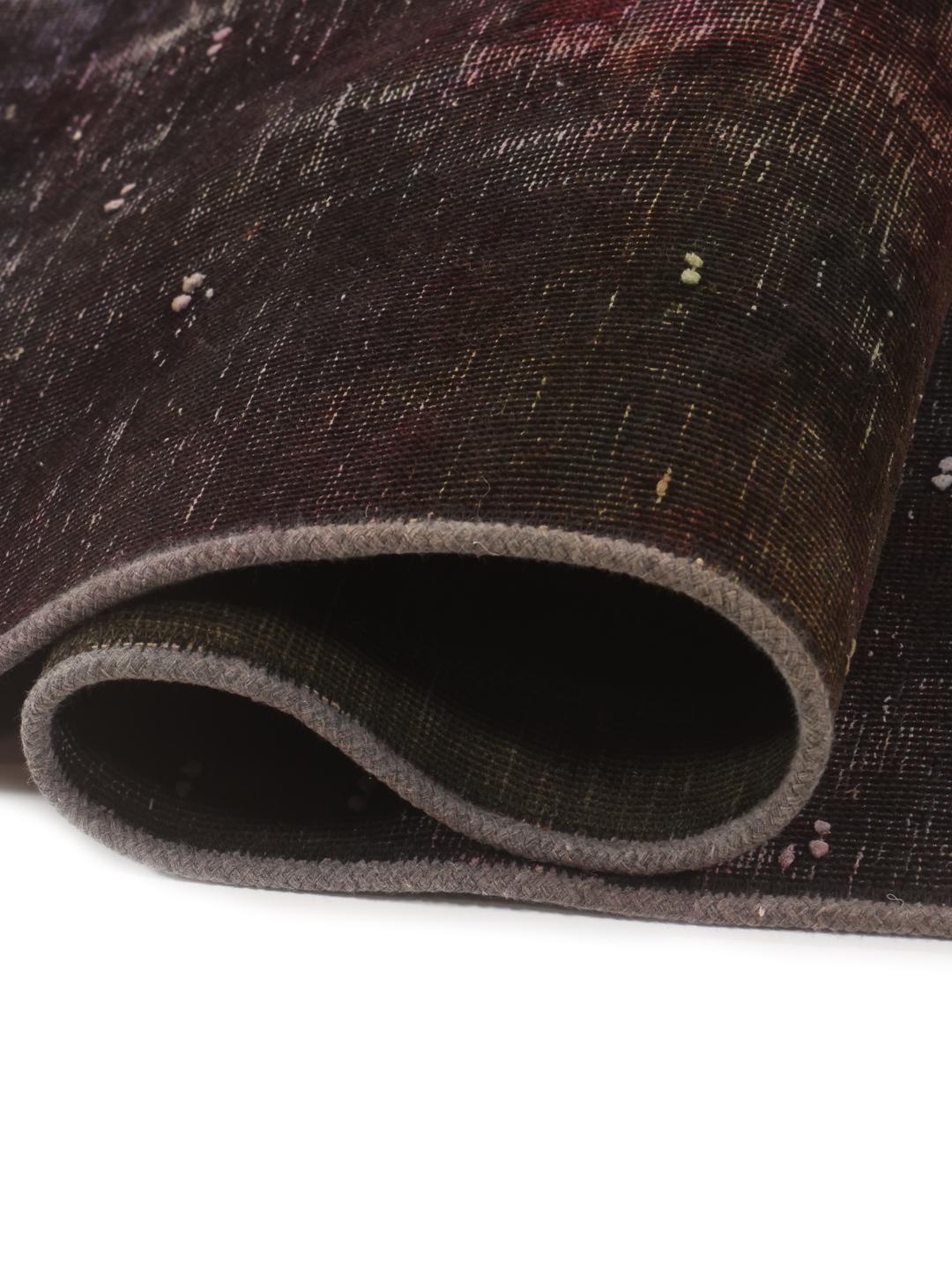
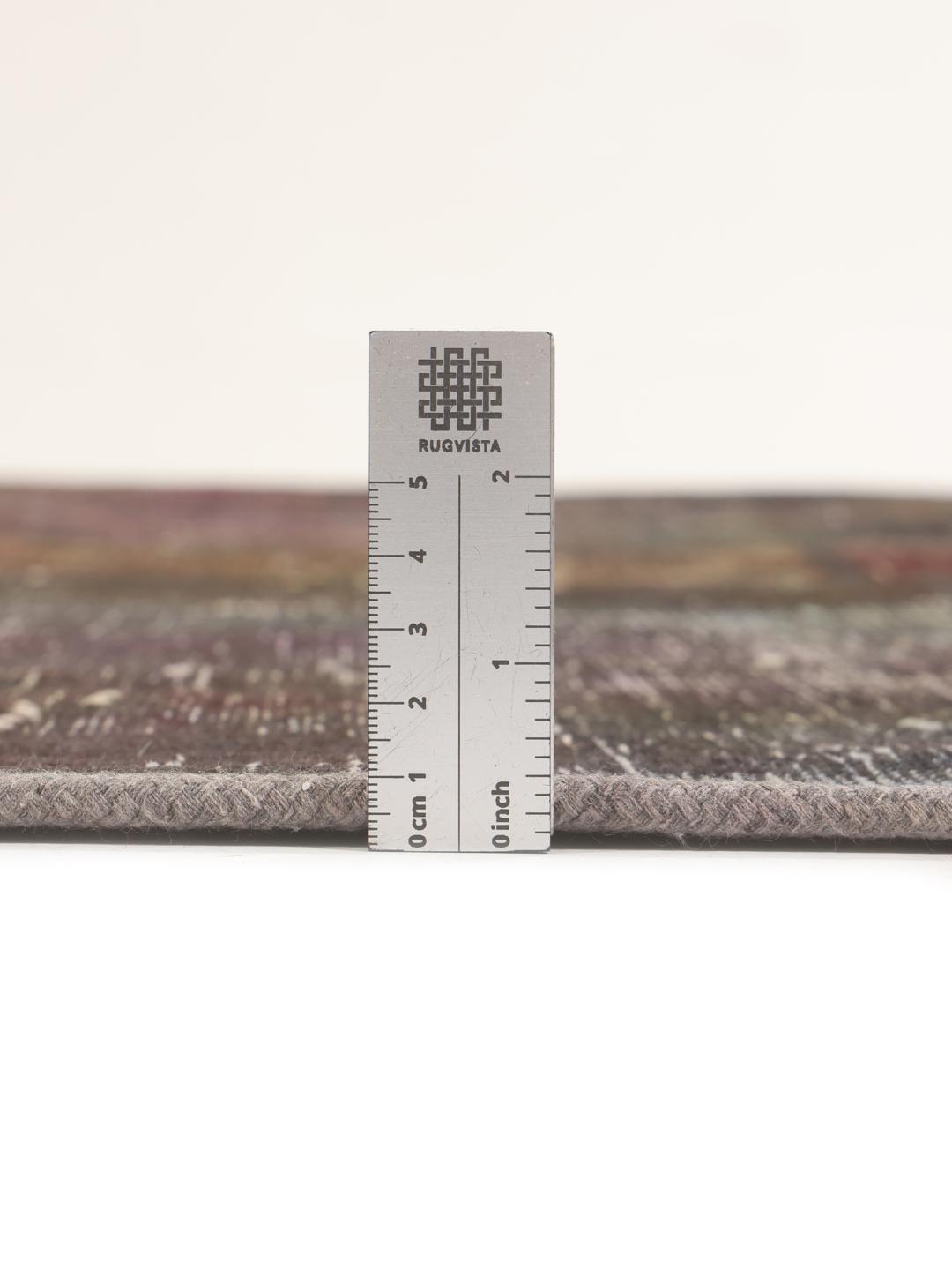
The technical quality of these rugs relies on the expertise of the craftspeople who select and assemble the segments. By combining different Wool sections, the final product benefits from a multi-layered density and a unique, variegated appearance that single-piece rugs cannot replicate. The skill lies in ensuring that the tension and pile height remain consistent across the disparate segments, resulting in a cohesive and durable finished piece.
Visually, these rugs are defined by their complex, mosaic-like appearance. While traditional rugs from this region often feature rigid, symmetrical patterns, the patchwork style introduces a more artistic, abstract, and unpredictable aesthetic. The traditional borders and medallions of original carpets are often deconstructed, allowing the focus to shift toward the interplay of colours and the texture of the Wool itself, creating a dramatic visual impact.
Collecting a patchwork rug is an investment in both tradition and contemporary design. It allows one to own a piece that carries the soul of multiple older rugs, preserving the legacy of traditional weaving while fitting perfectly into a modern home. Owning such a rug is a statement of appreciation for the history of the craft and the value of sustainable, human-led production.