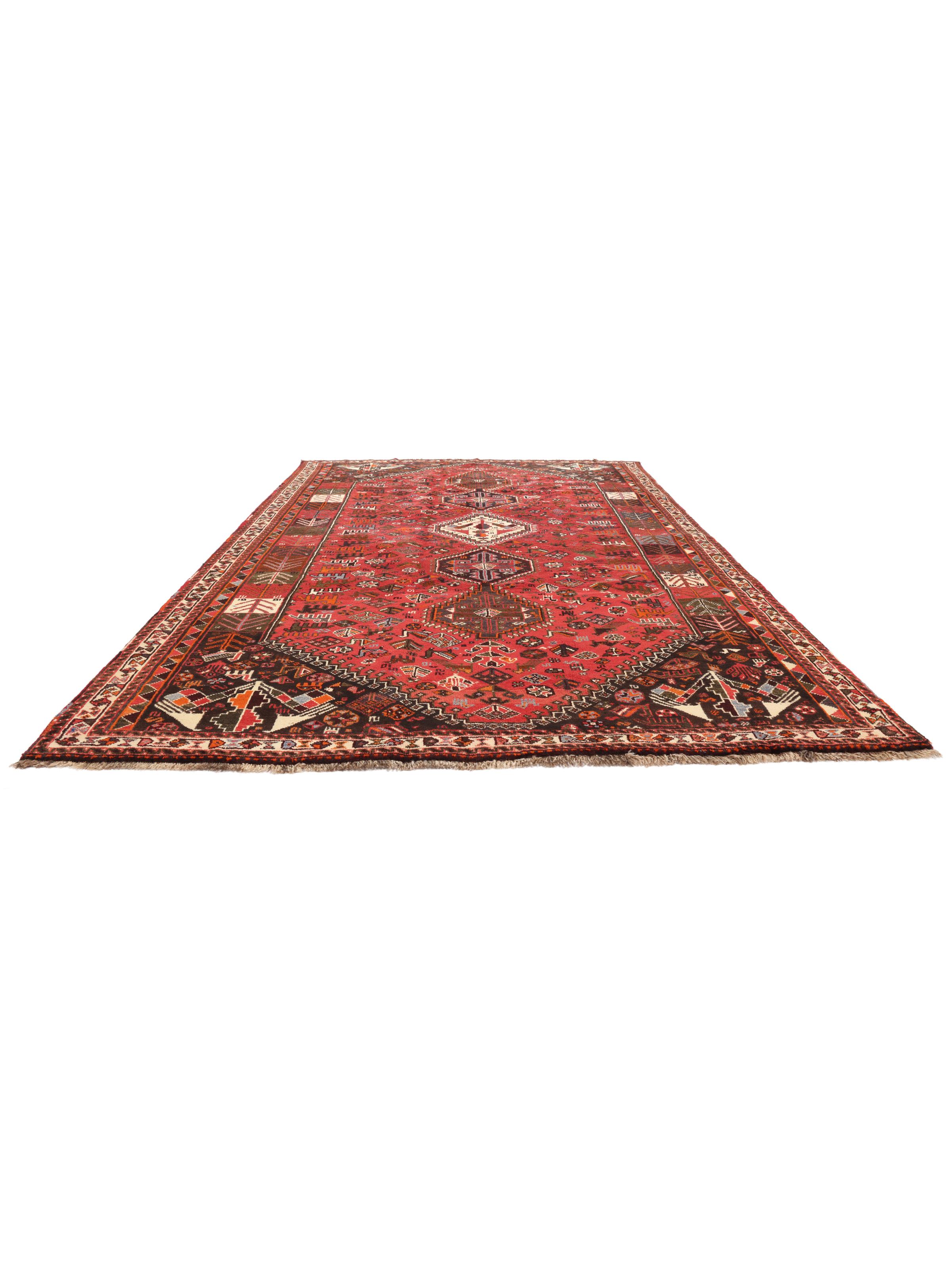
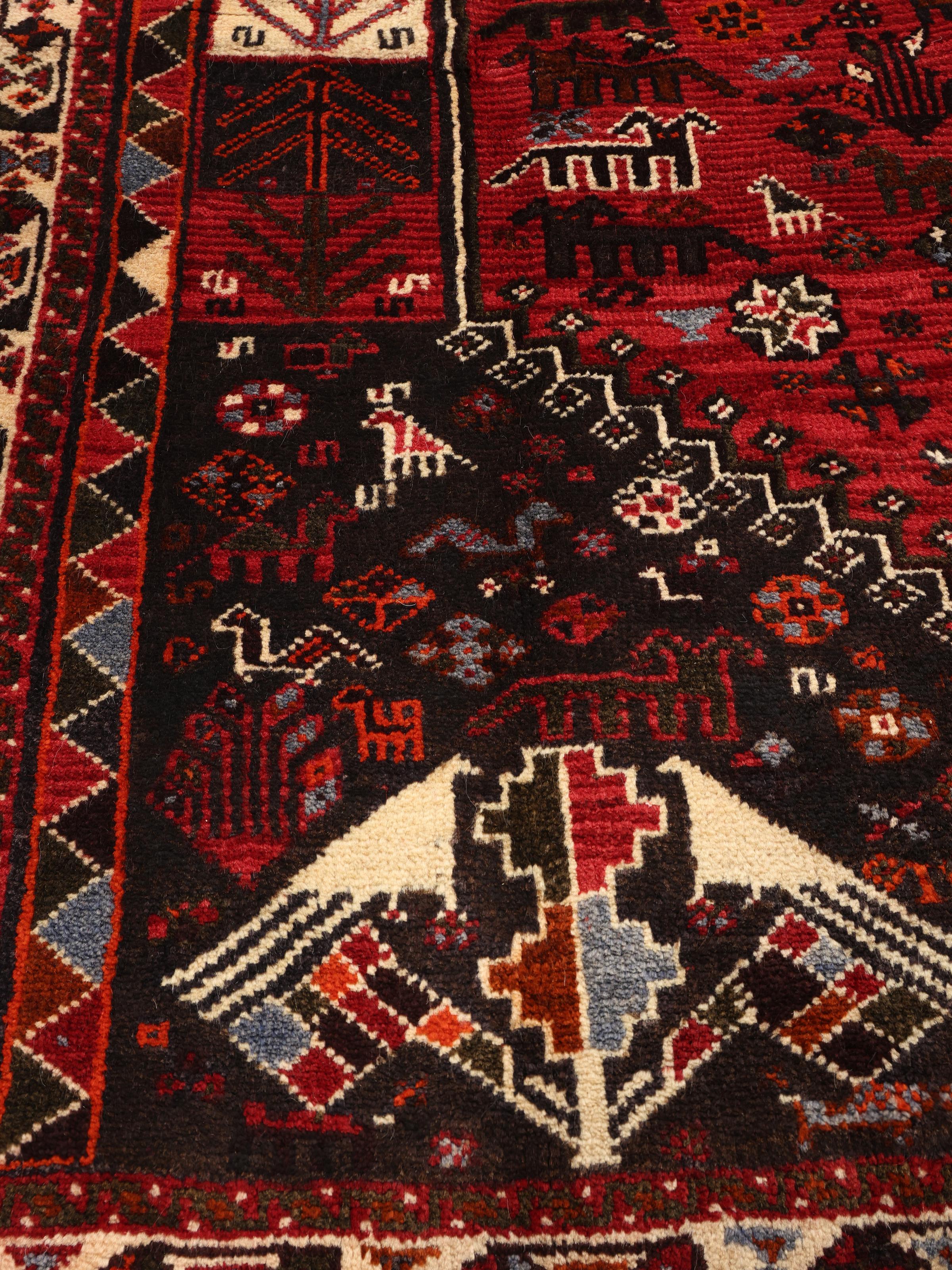
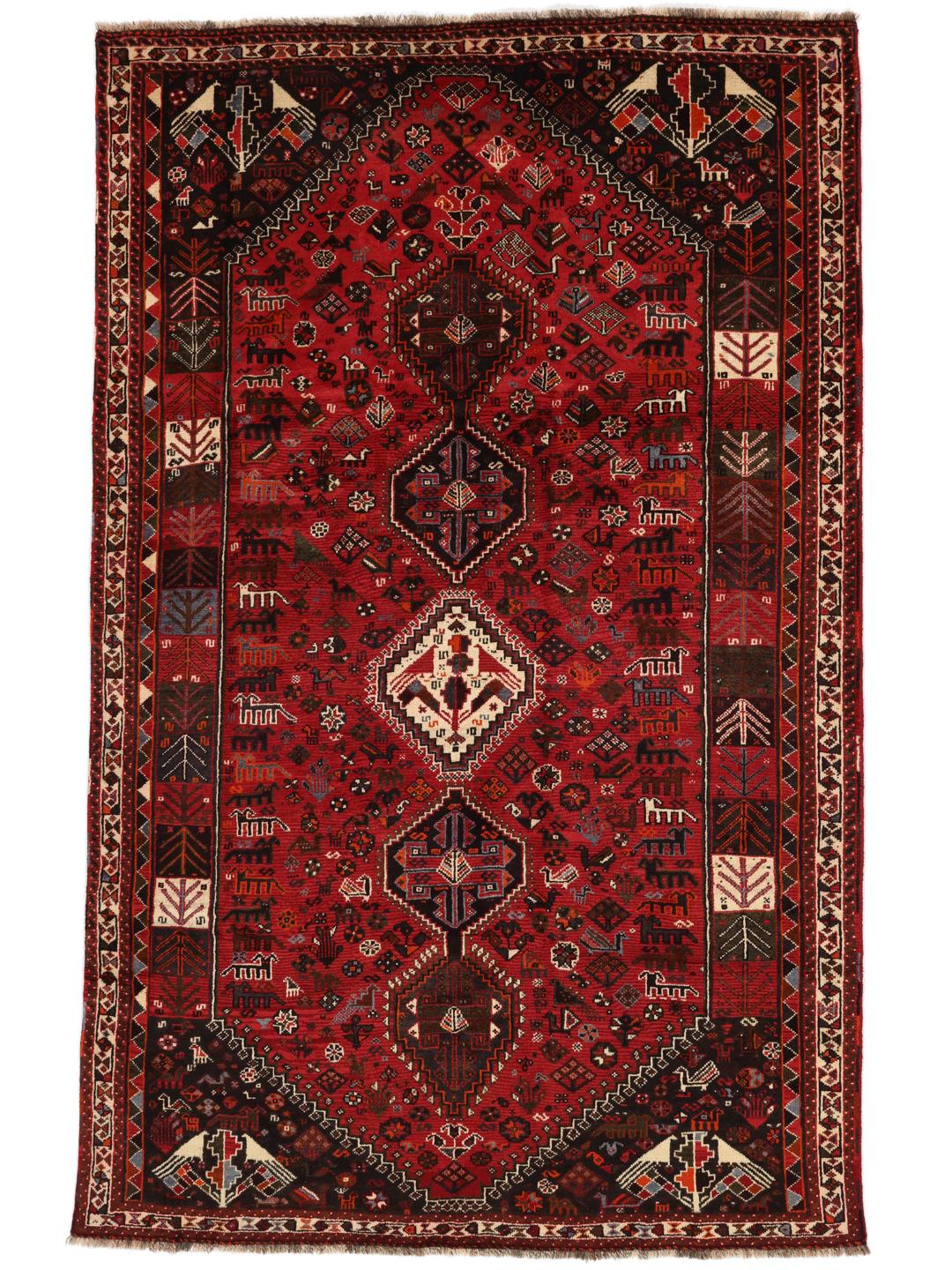
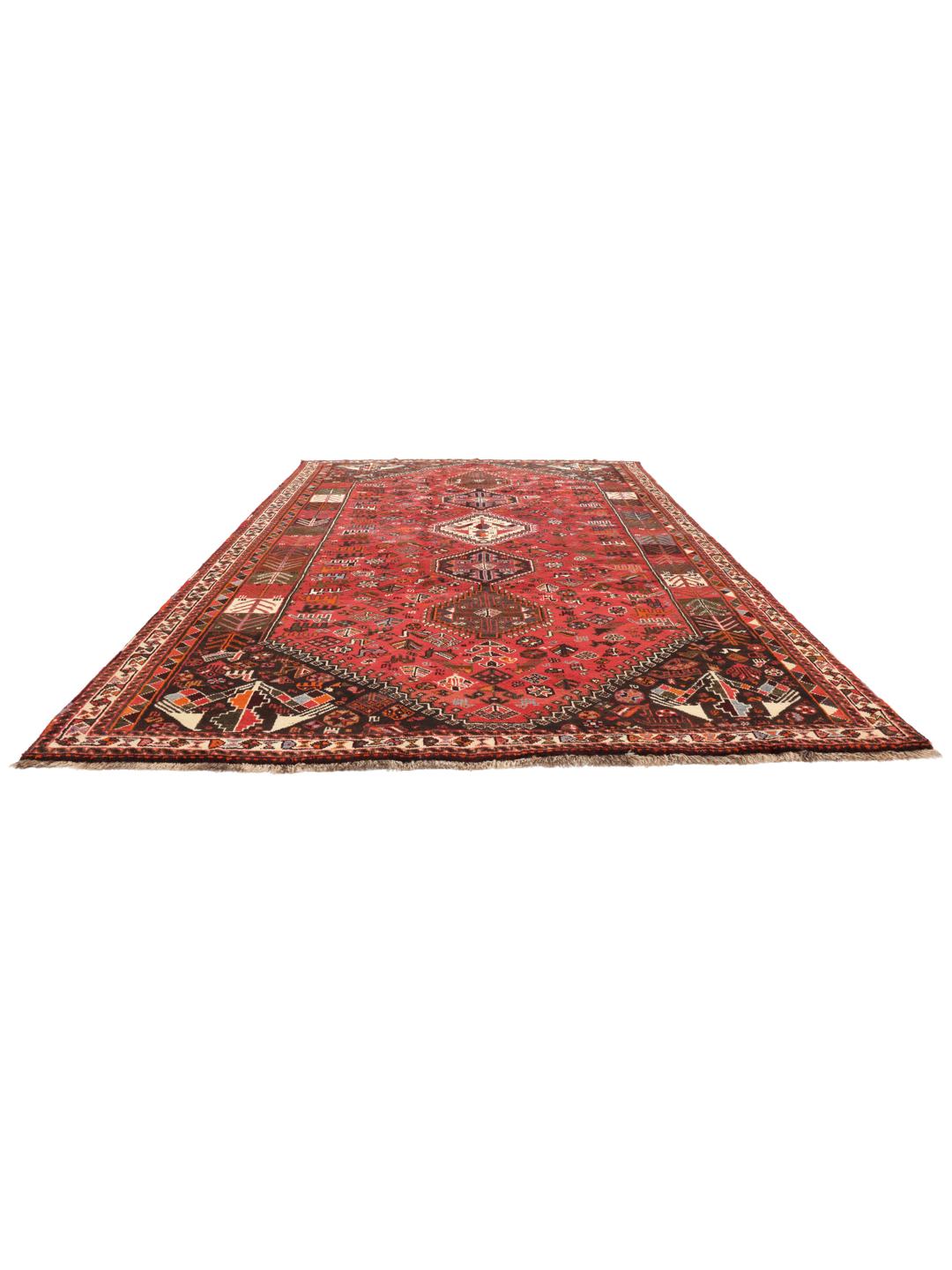
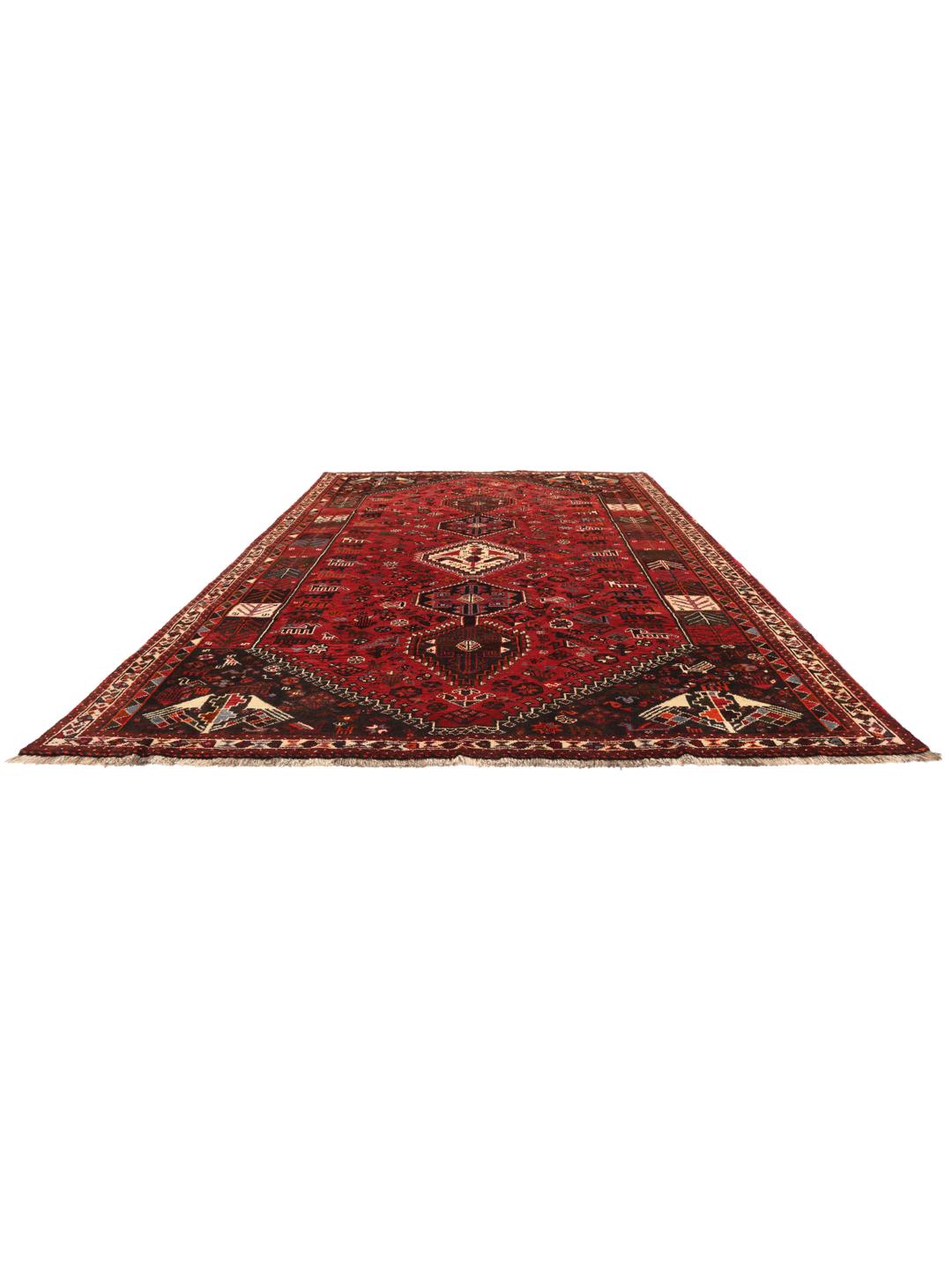
The Qashqai rugs originate from the nomadic tribes of the Middle East, a culture defined by their seasonal migrations and deep connection to the land. These rugs were traditionally woven to serve as functional items for nomadic life, such as storage bags, tent decorations, and floor coverings. The designs are deeply rooted in the environment and history of the tribes, reflecting the flora, fauna, and geometric landscapes they encountered during their travels.
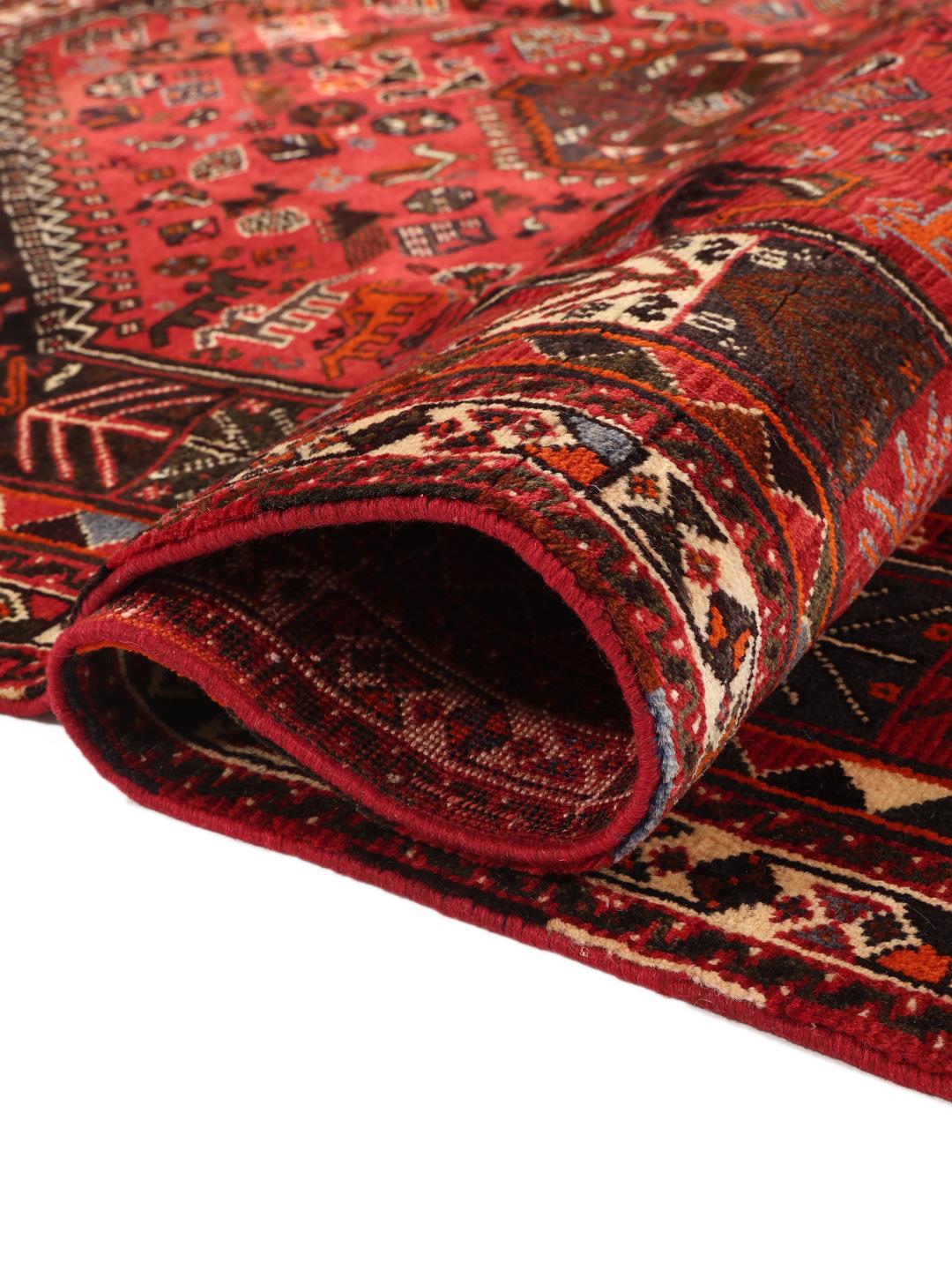
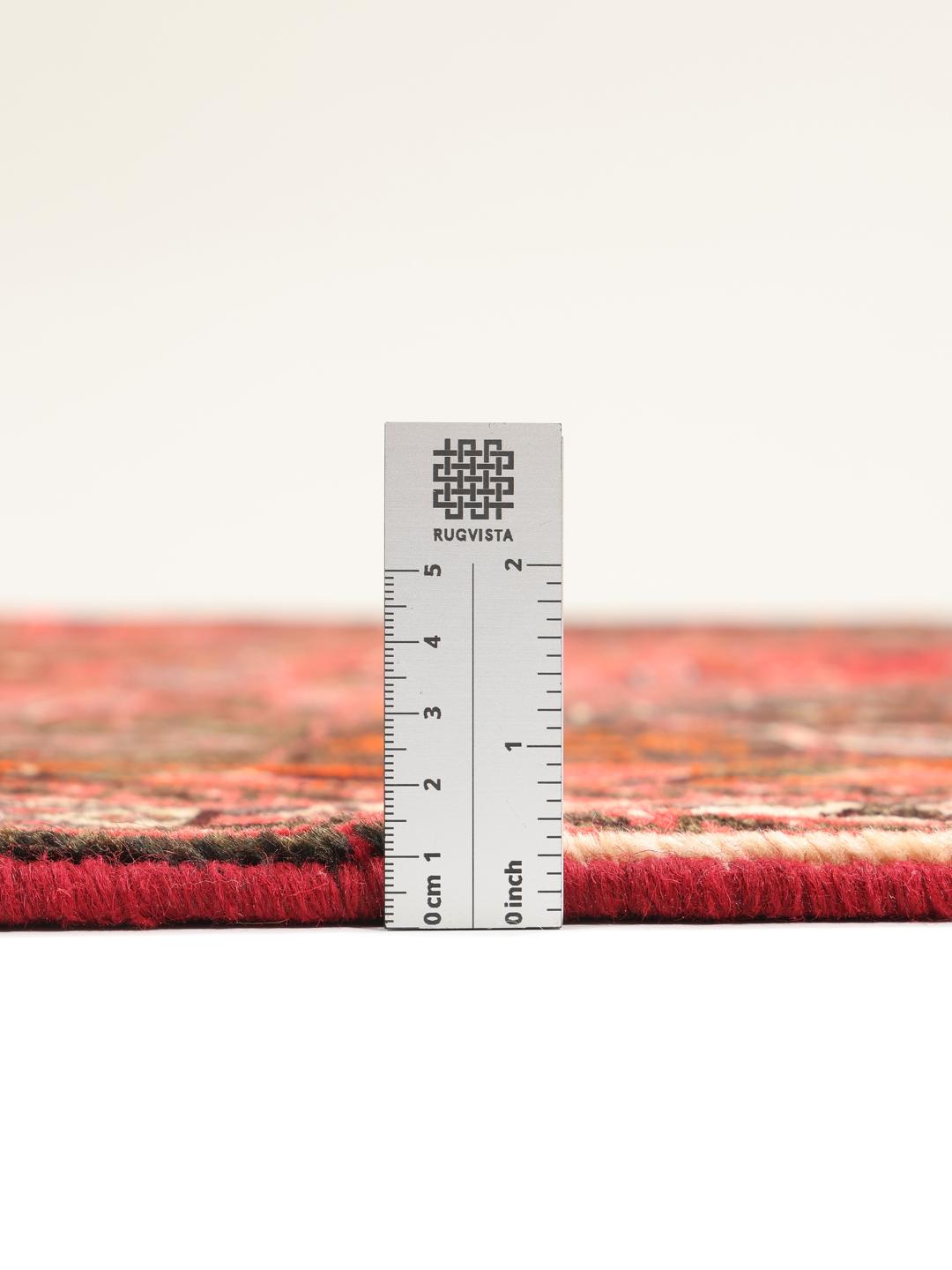
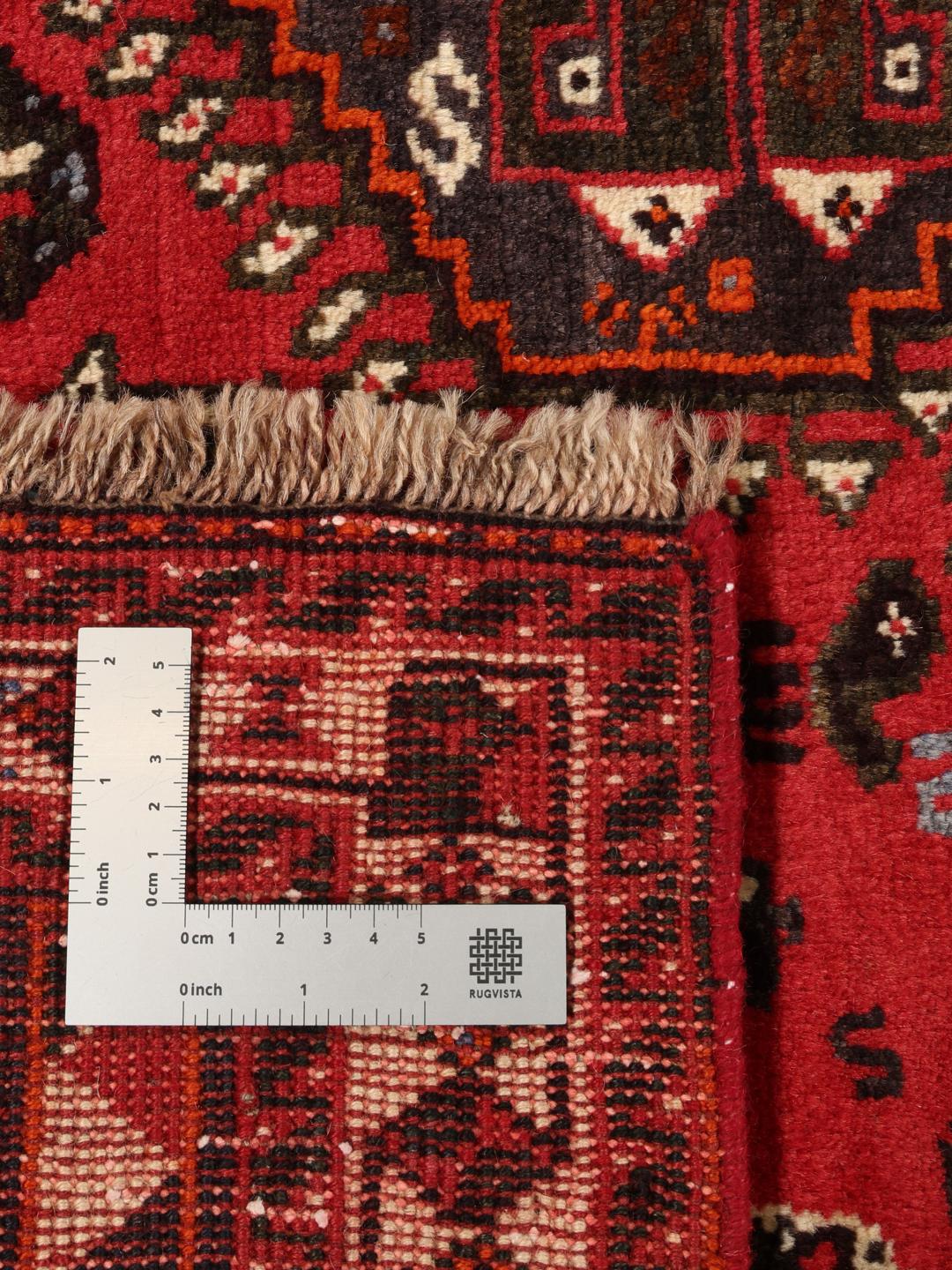
Technically, the quality of a Qashqai rug is found in its construction and the quality of the wool used. The wool is often sourced from the tribes' own flocks, known for its natural lanolin content which gives the finished pile a lustrous, resilient, and soft finish. This material choice is essential for creating a rug that can withstand the rigours of nomadic life while retaining its rich colour and structural integrity for decades.
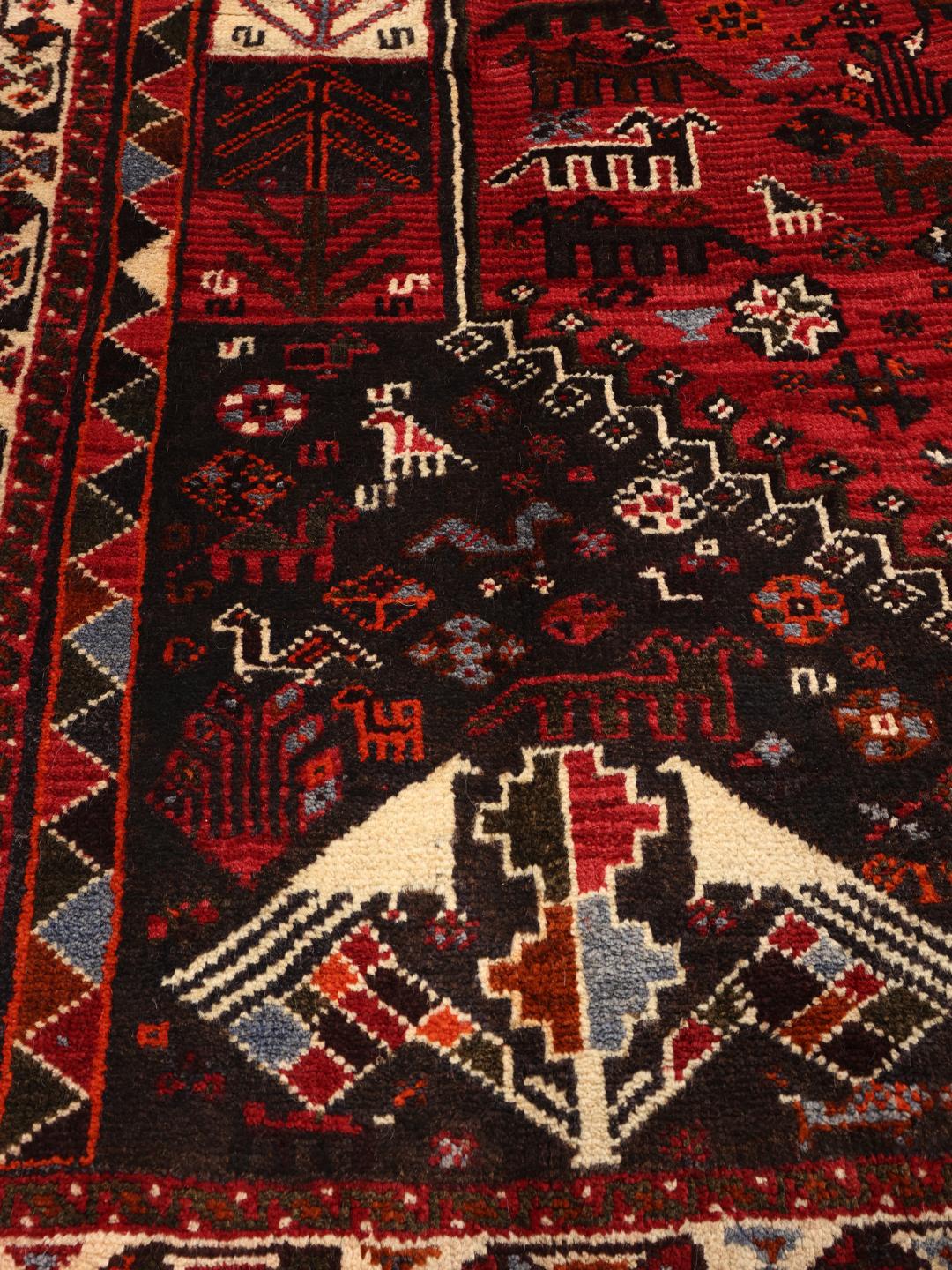
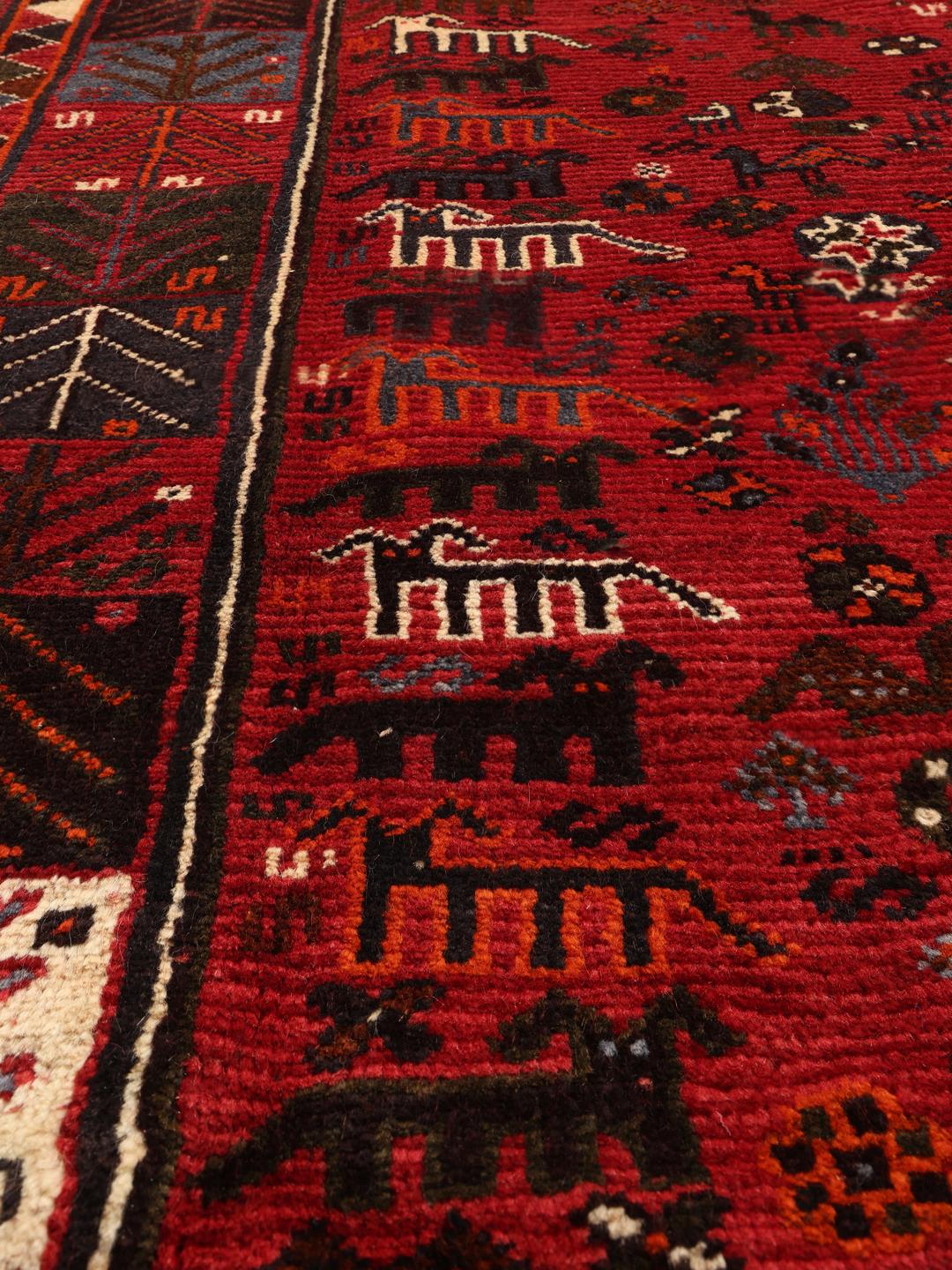
The design language of these rugs is instantly recognisable, often featuring a central medallion or a field populated by smaller, repeating motifs known as 'guls' or tribal symbols. You will frequently find stylized animals, birds, and geometric floral patterns arranged in a way that feels organic and free-flowing. The borders are typically complex, framing the field with repeating geometric forms that provide a sense of structure to the more whimsical, storytelling motifs in the centre.
Collectors value Qashqai rugs for their authenticity and the skill required to produce them without the aid of modern patterns. They are considered pieces of cultural heritage, representing a tangible link to a nomadic way of life that is slowly fading. Owning a Qashqai rug is an act of preserving this history, as each piece is a reflection of the weaver's personal vision, cultural identity, and technical mastery.