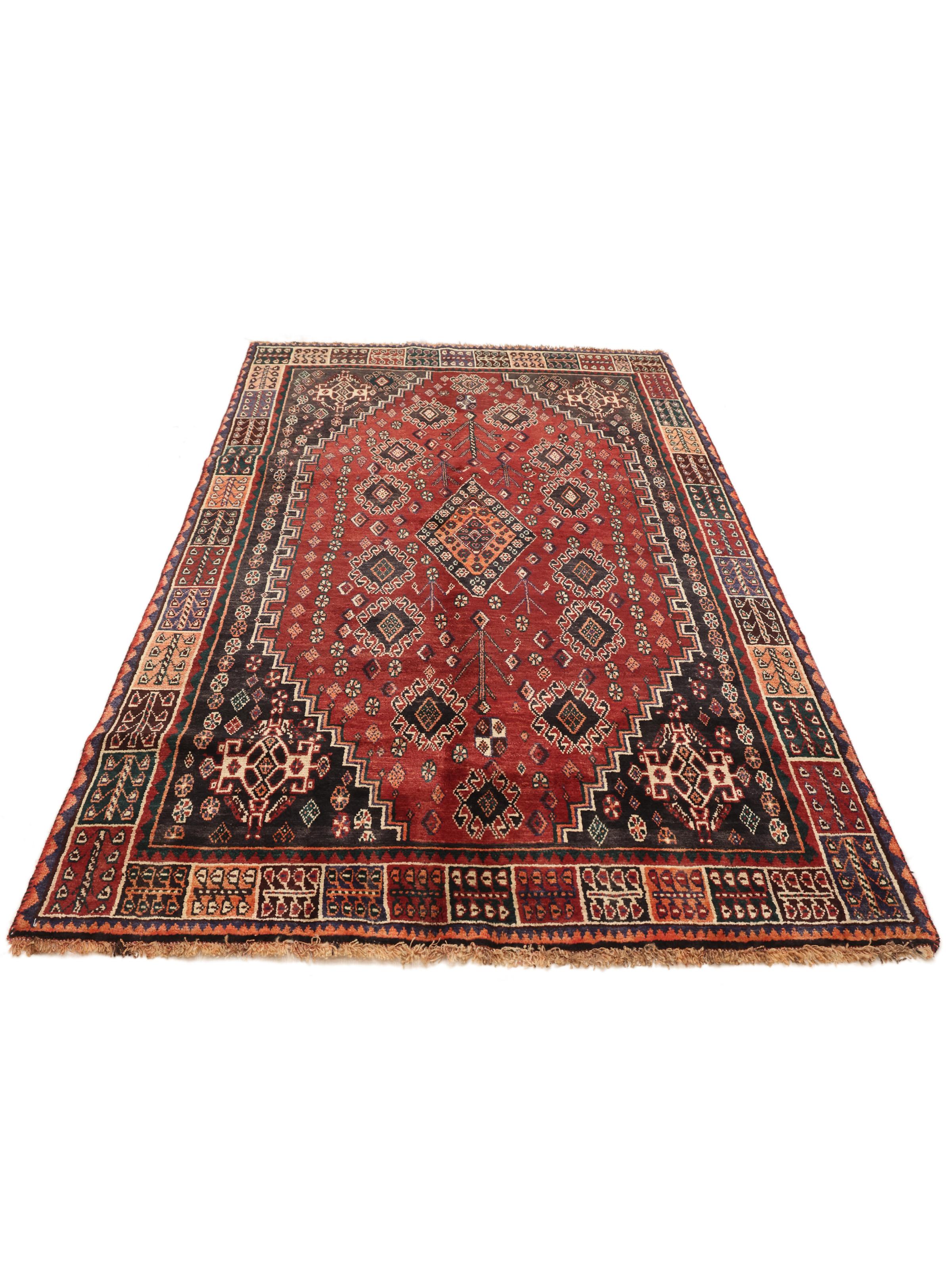
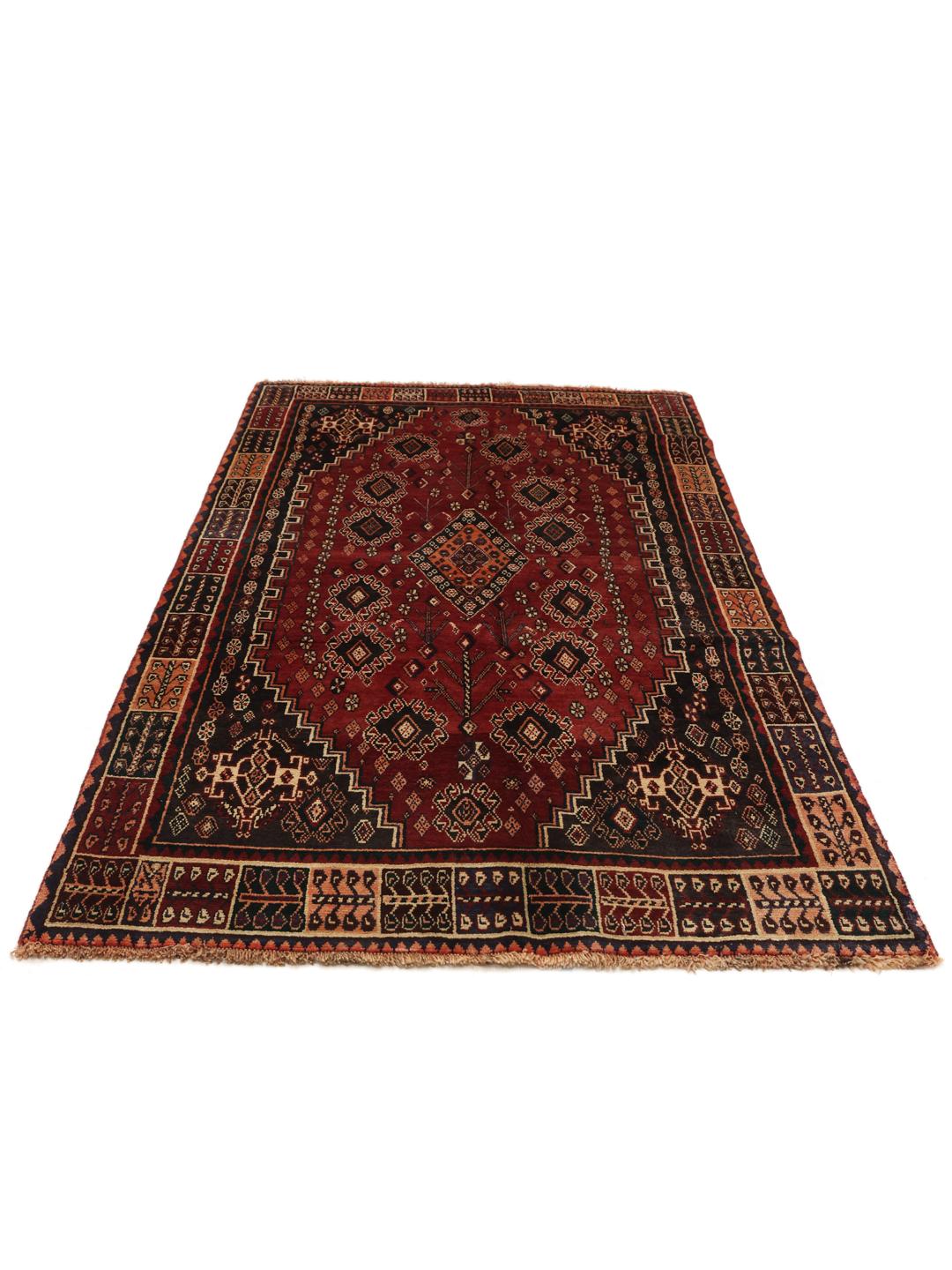
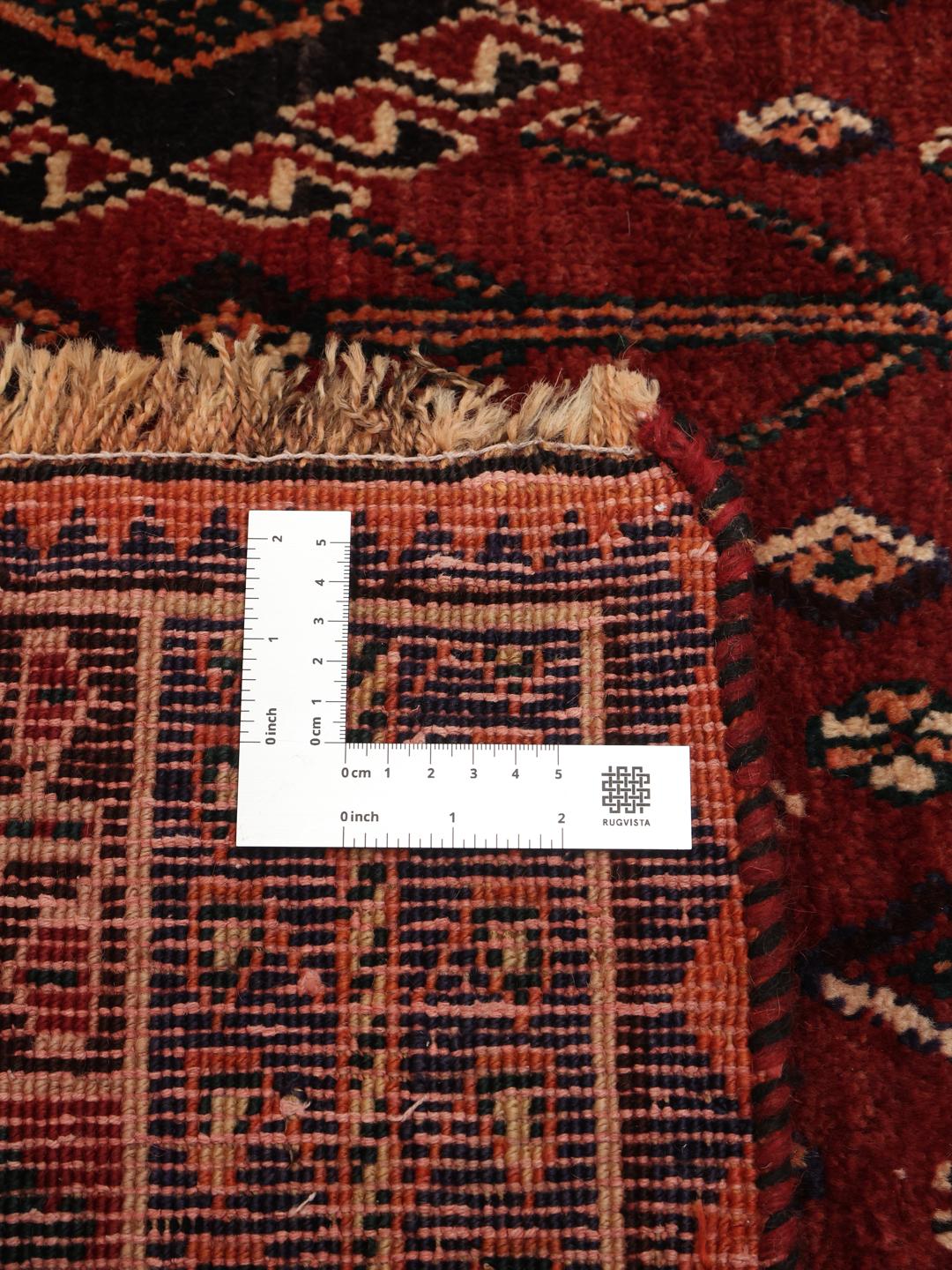
The Ghashghai people are a nomadic confederacy known for their deep-rooted weaving traditions in the Middle East. For centuries, these artisans have travelled across rugged landscapes, carrying their looms with them. This nomadic lifestyle has shaped the distinctive character of their rugs, which are often inspired by the natural environment, local flora, and the geometric symbolism of their cultural heritage.
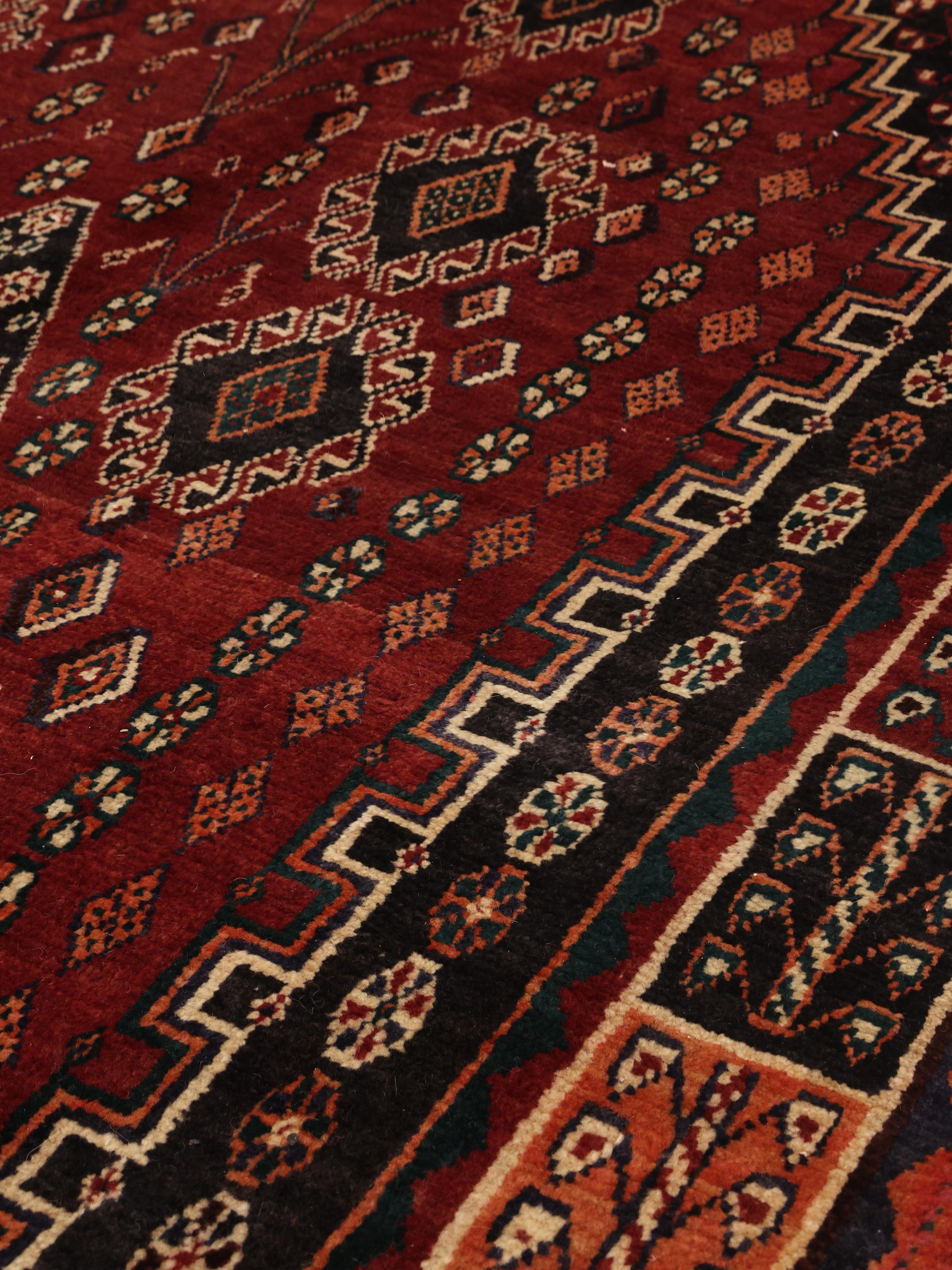
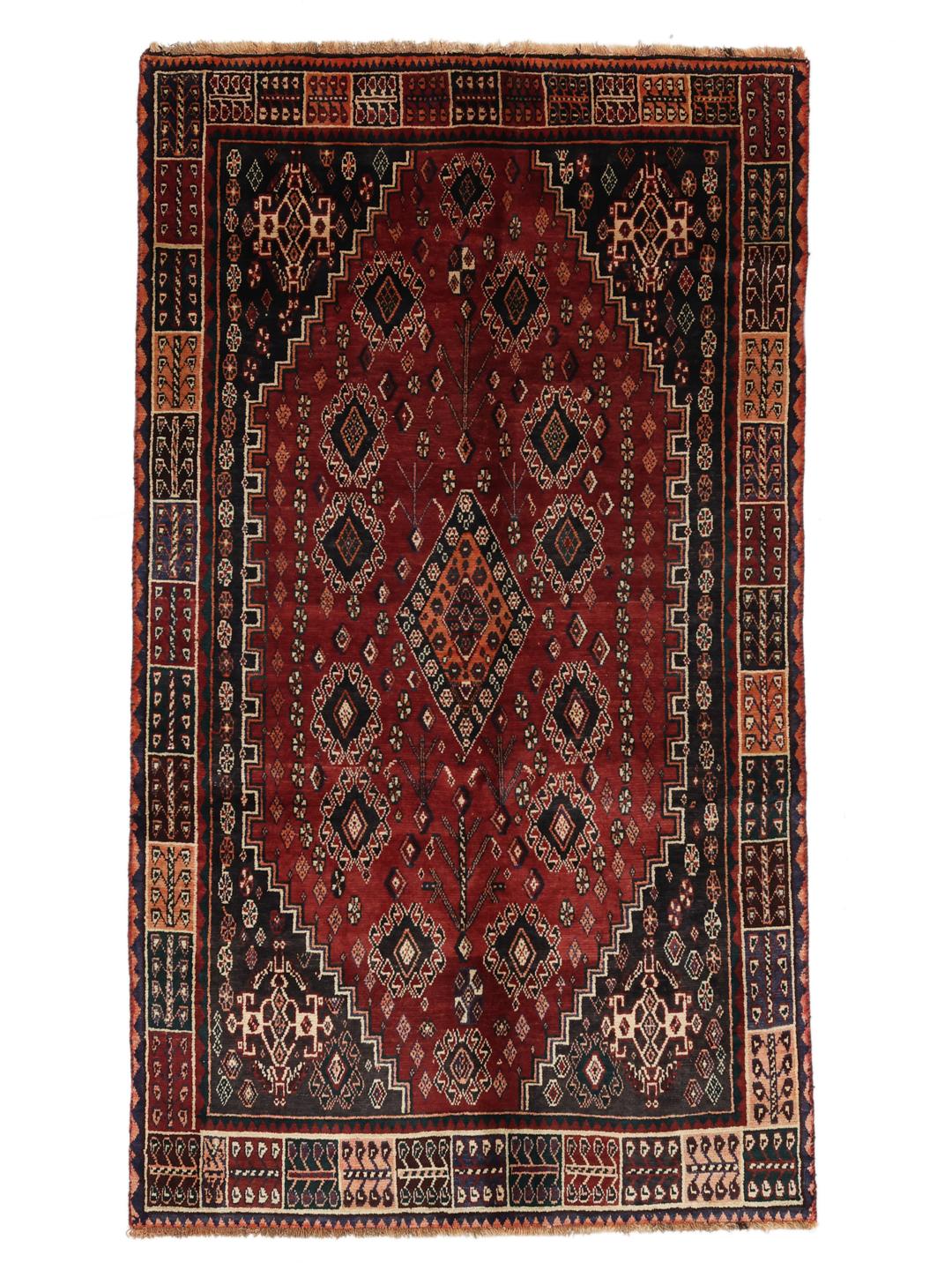
What defines a Ghashghai rug is the reliance on memory and intuition rather than rigid templates. The weavers often incorporate motifs that have been passed down through generations, such as stylised birds, flowers, and geometric medallions. This approach means that each piece is a direct reflection of the artisan's personal history, making them highly prized by collectors who value authentic craftsmanship over mass production.
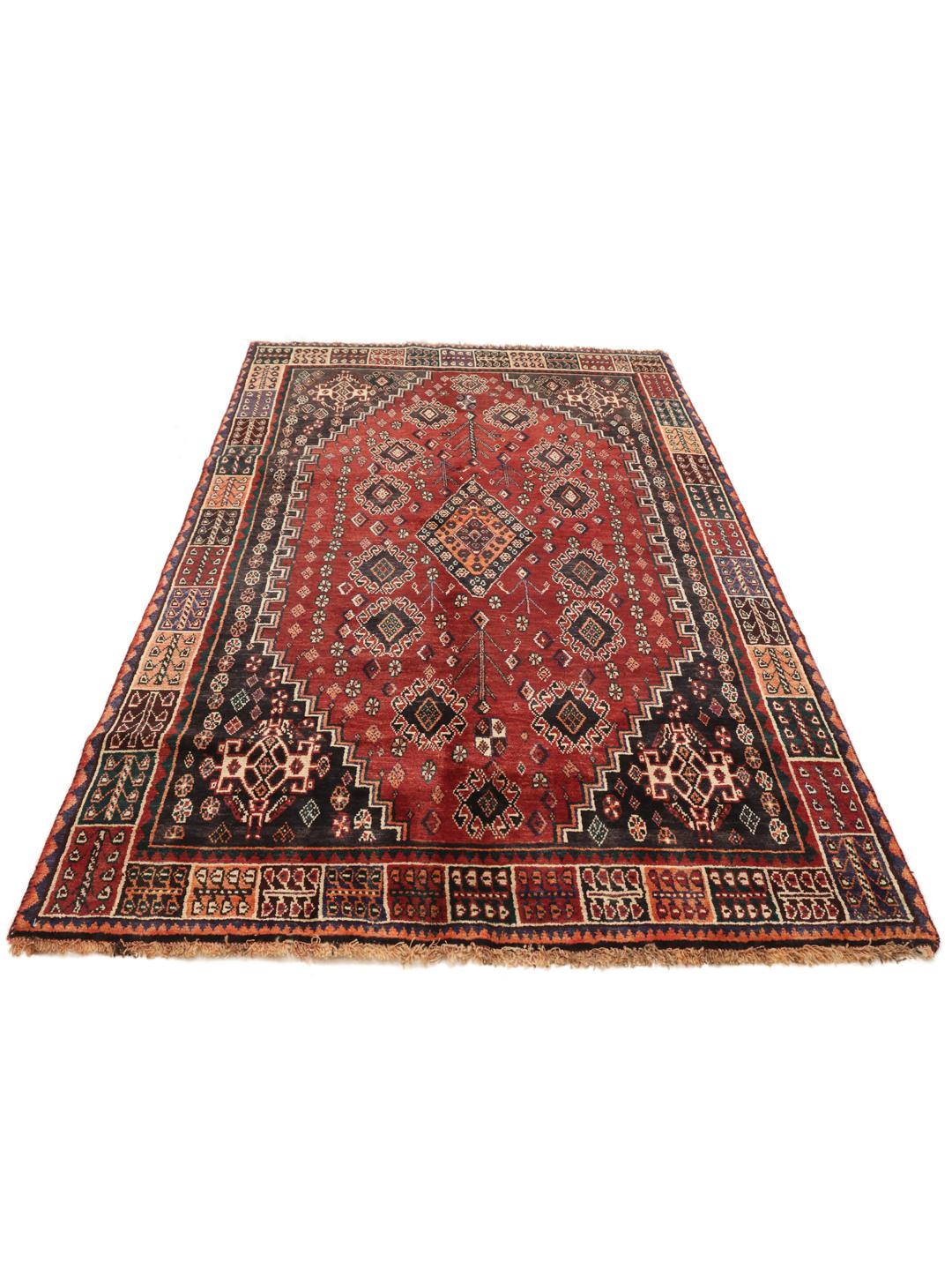
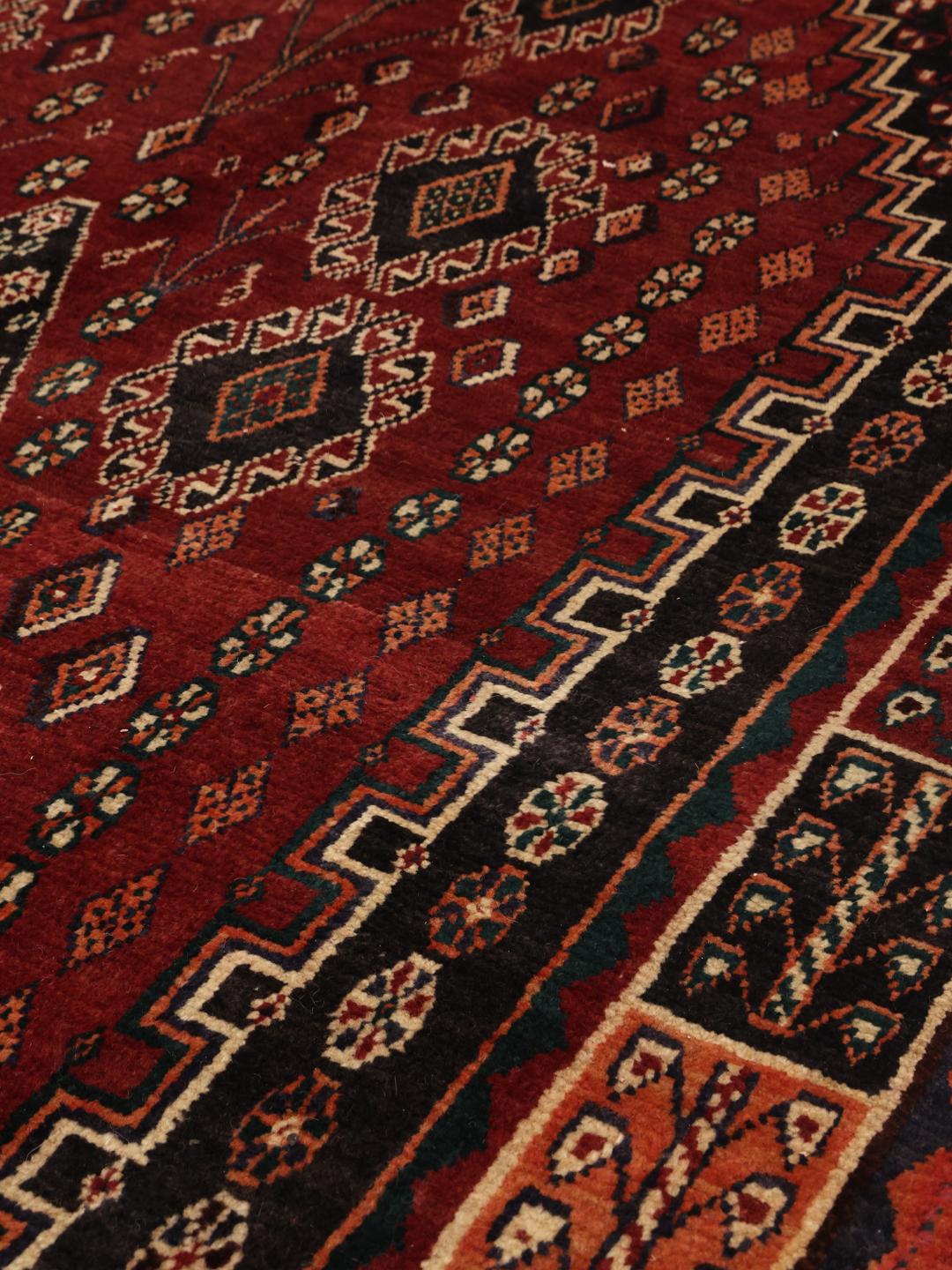
The design elements found in these rugs are deeply symbolic. You will often see the 'gelim' or diamond-shaped medallions, which are thought to protect the weaver and the home. The border patterns are typically intricate and rhythmic, framing the central field in a way that creates a balanced, harmonious look. The use of natural dyes, which provide a rich and varied spectrum of colours, is a hallmark of this tradition.
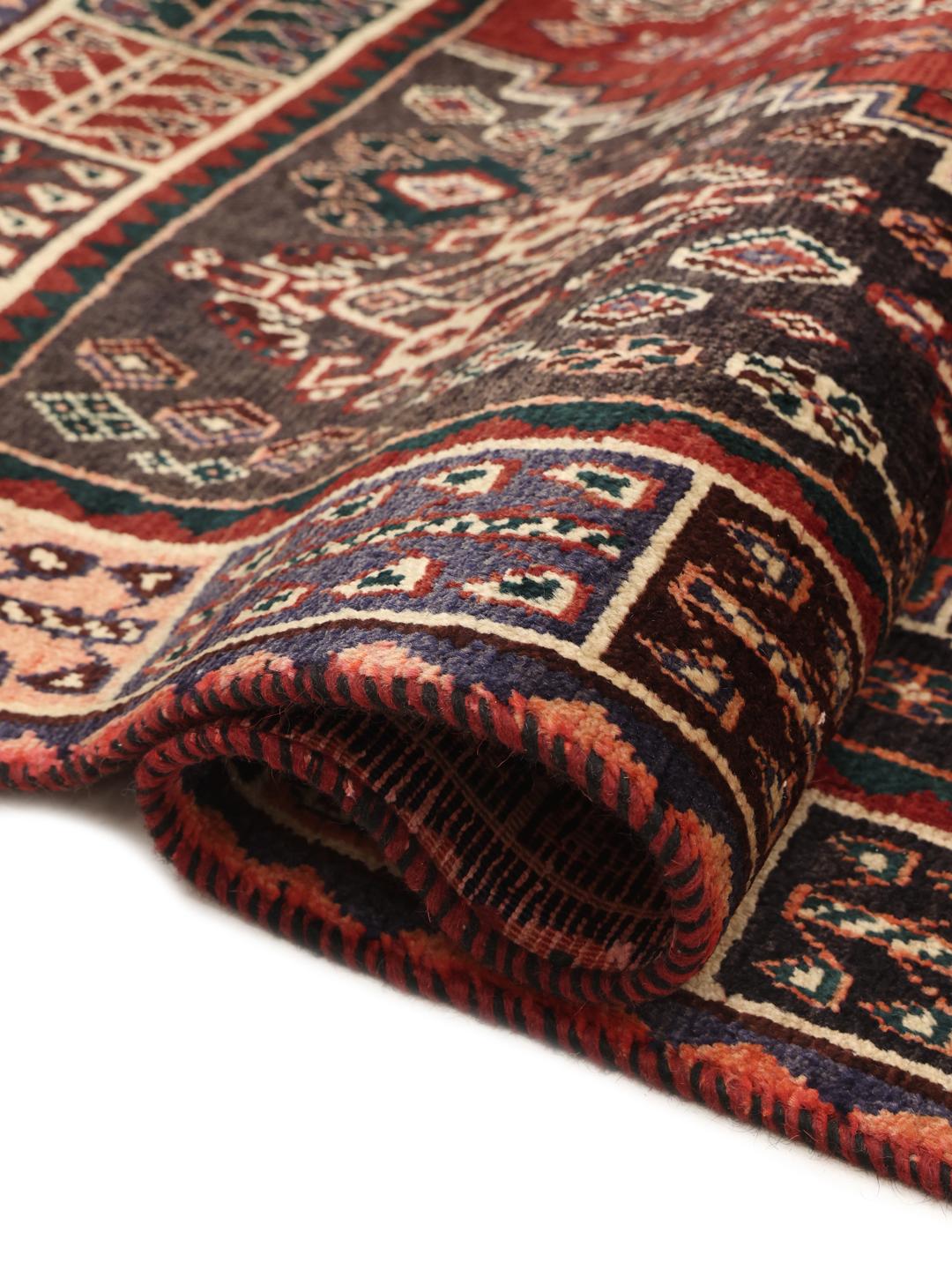
Owning a Ghashghai rug is an opportunity to connect with a lineage of skill that has survived the pressures of modern industrialisation. These rugs are valued not just for their utility, but for the cultural narrative woven into their structure. They represent a commitment to preserving a way of life that prizes patience, artistic freedom, and the enduring beauty of hand-worked materials.