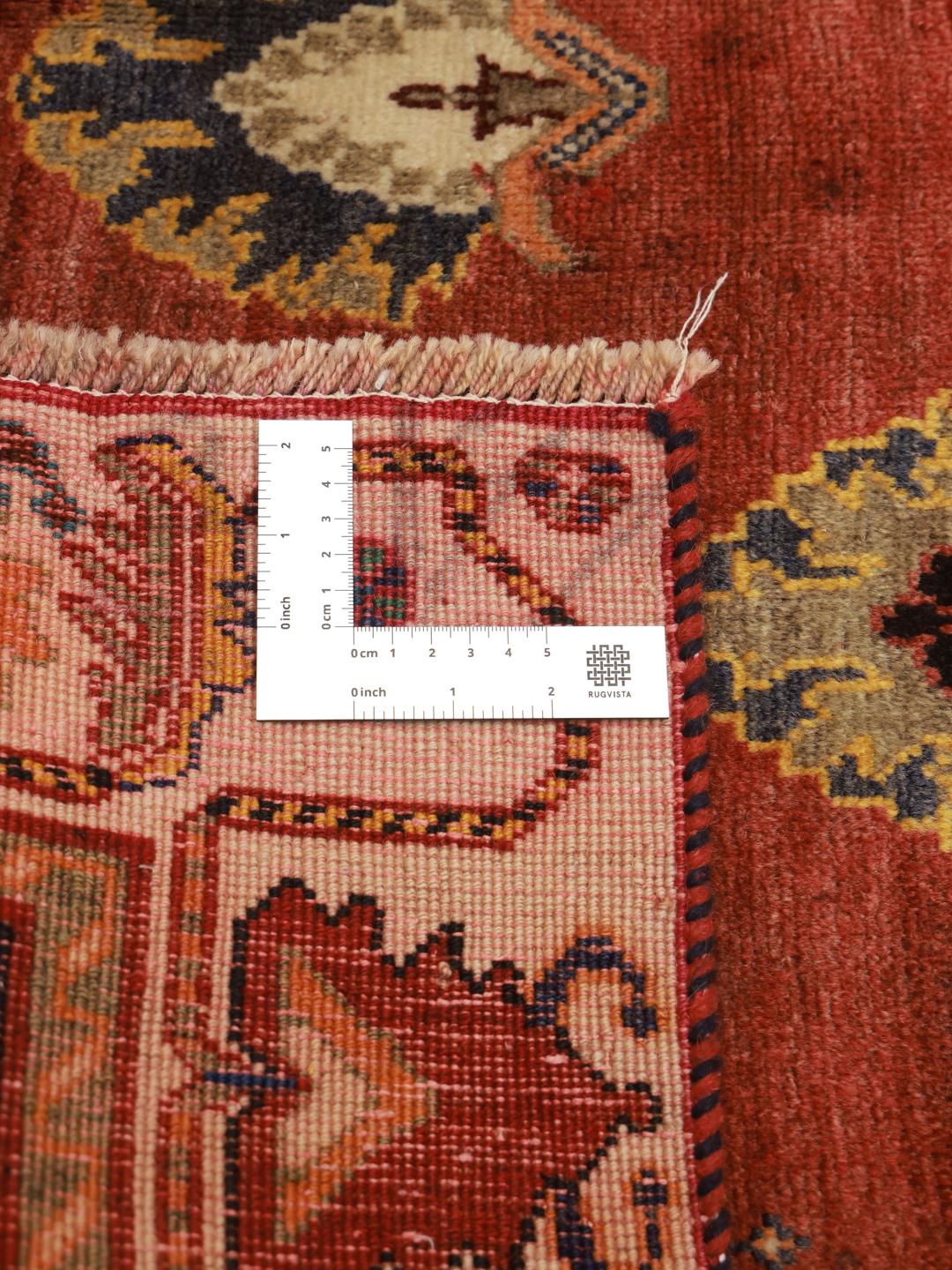
The Ghashghai rugs originate from the nomadic tribes of the Middle Eastern highlands, a region with a long and storied history of textile production. For centuries, these tribes have migrated across diverse landscapes, carrying their looms with them and weaving rugs that reflect their environment and cultural identity. This tradition is not merely functional, but a vital way of preserving the stories and symbols of a nomadic lifestyle that has remained largely unchanged for generations.
The term Ghashghai refers to both the tribal confederation and the distinctive style of rug they produce, which is highly regarded for its creativity and spontaneity. Unlike more formal urban workshops, these rugs are often created from memory or imagination, leading to patterns that are fluid and expressive. The use of natural, locally sourced wool is a staple of this tradition, resulting in a product that is both authentic and incredibly resilient.
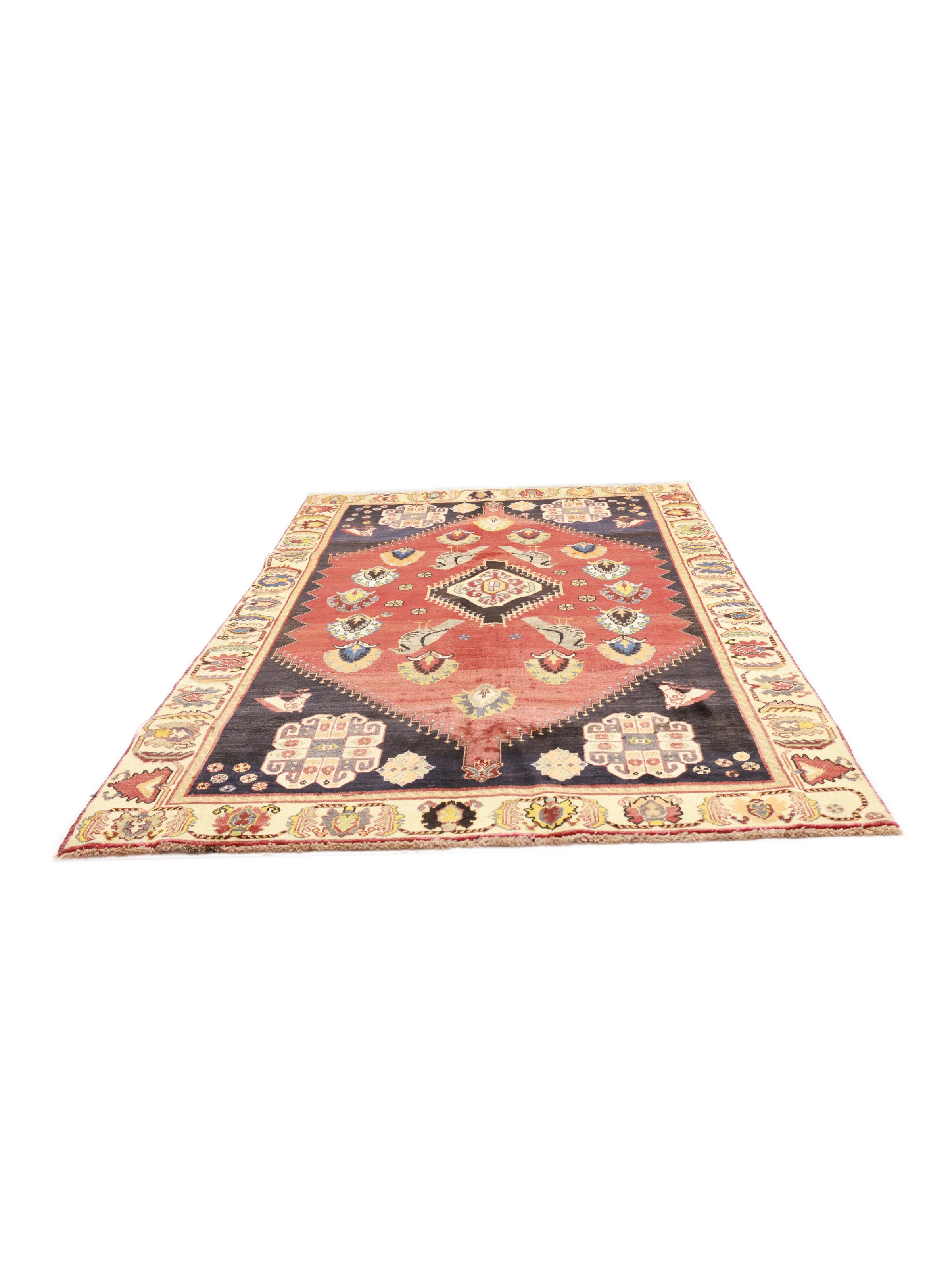
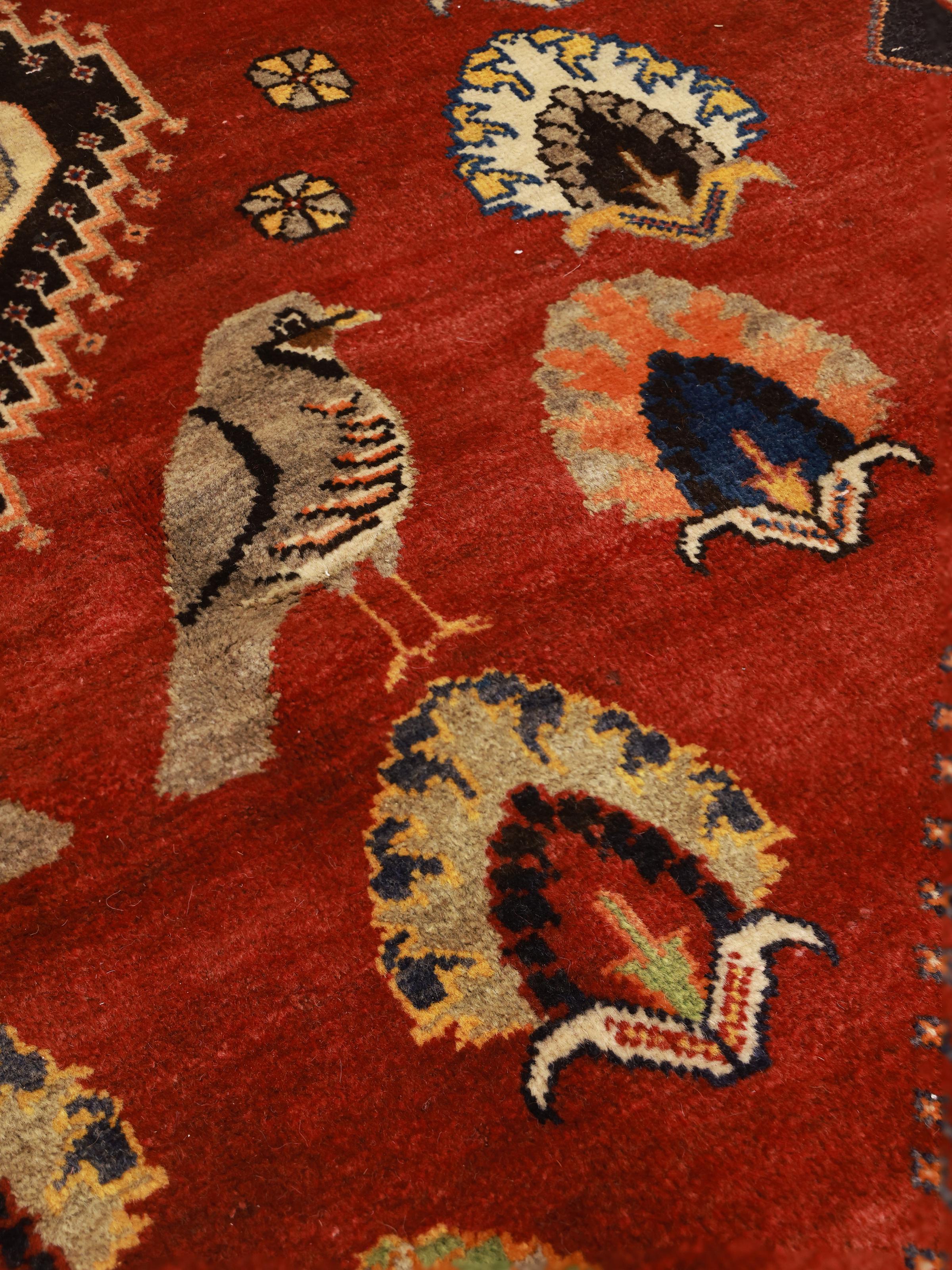
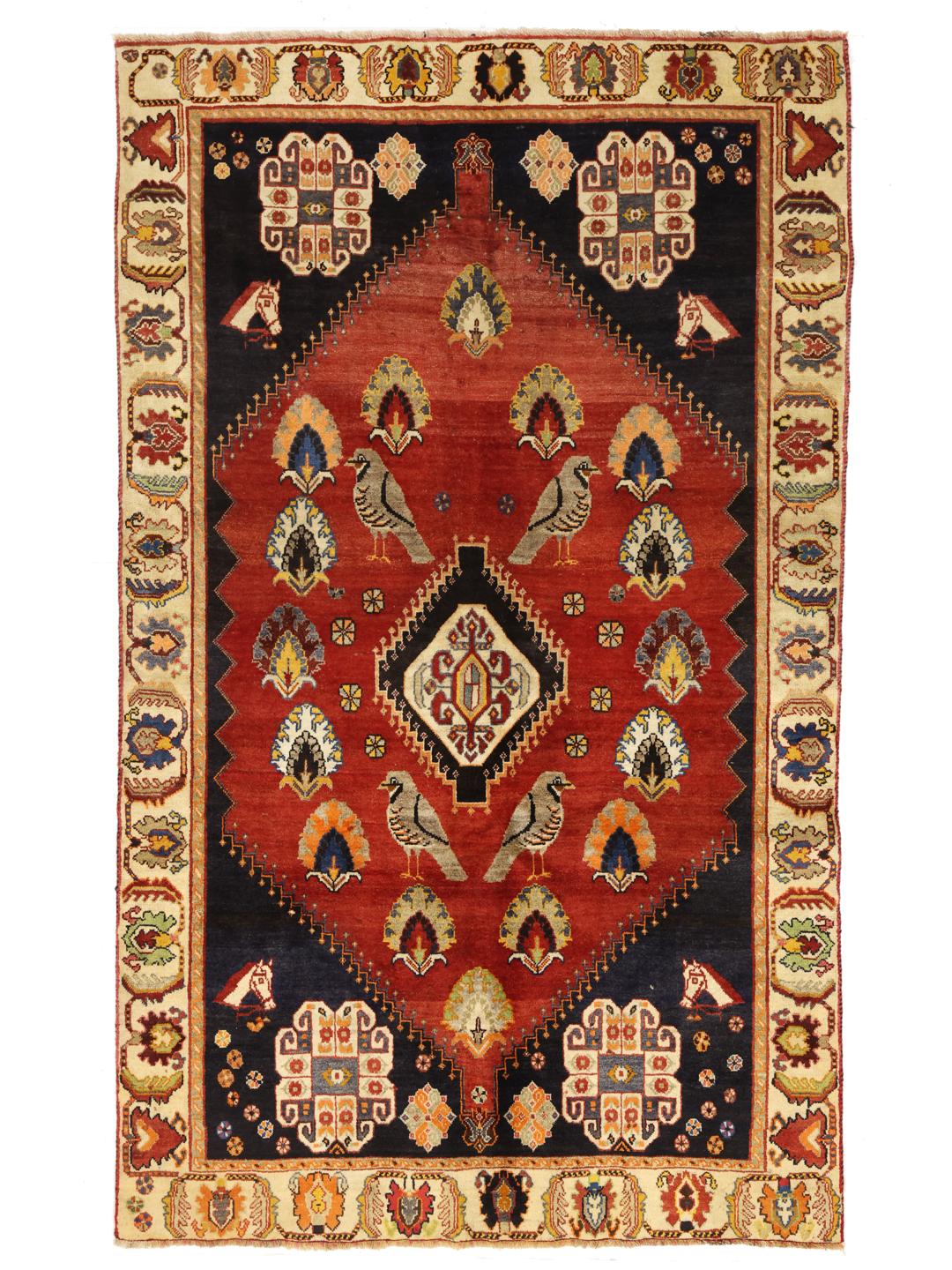
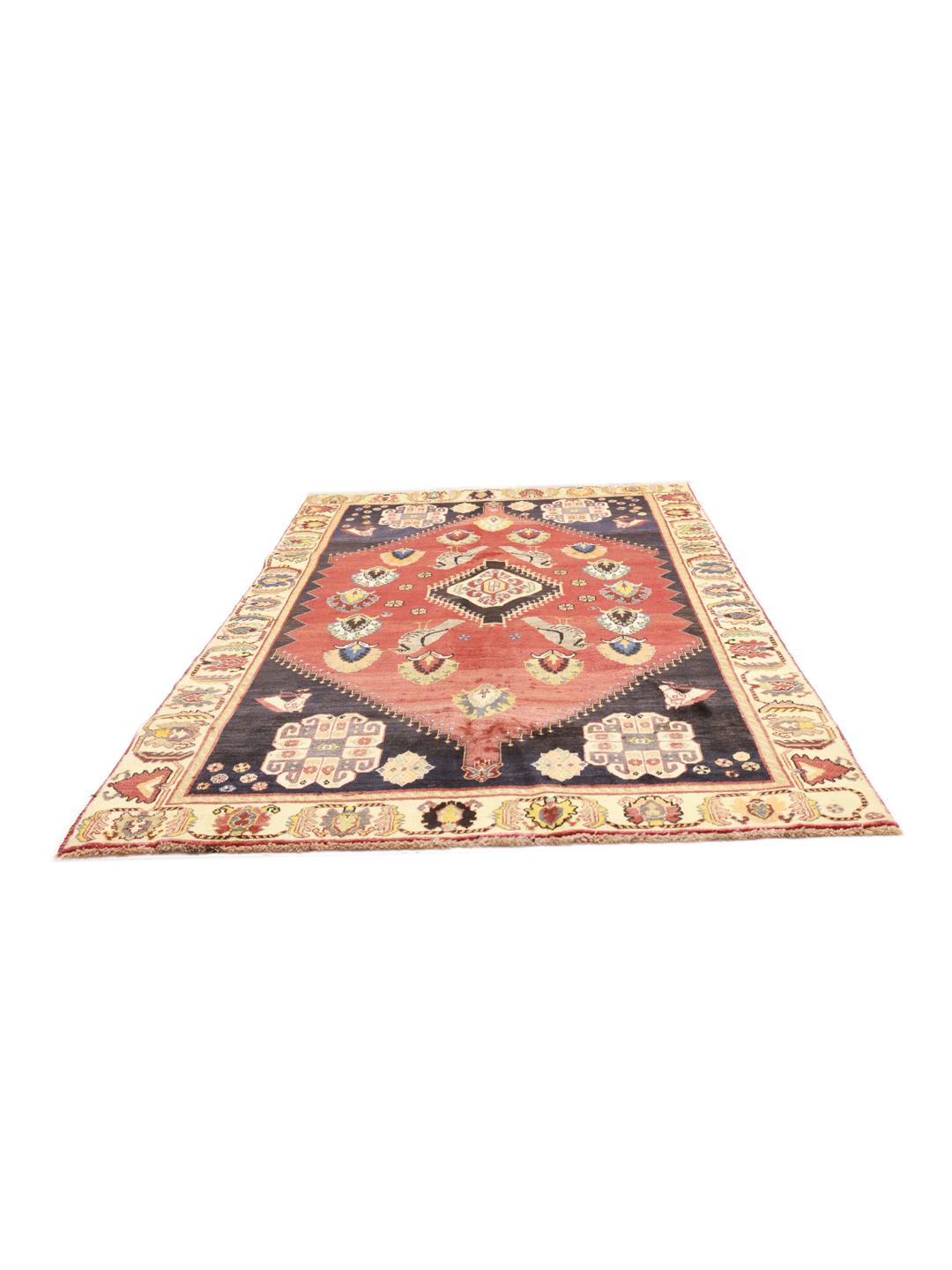
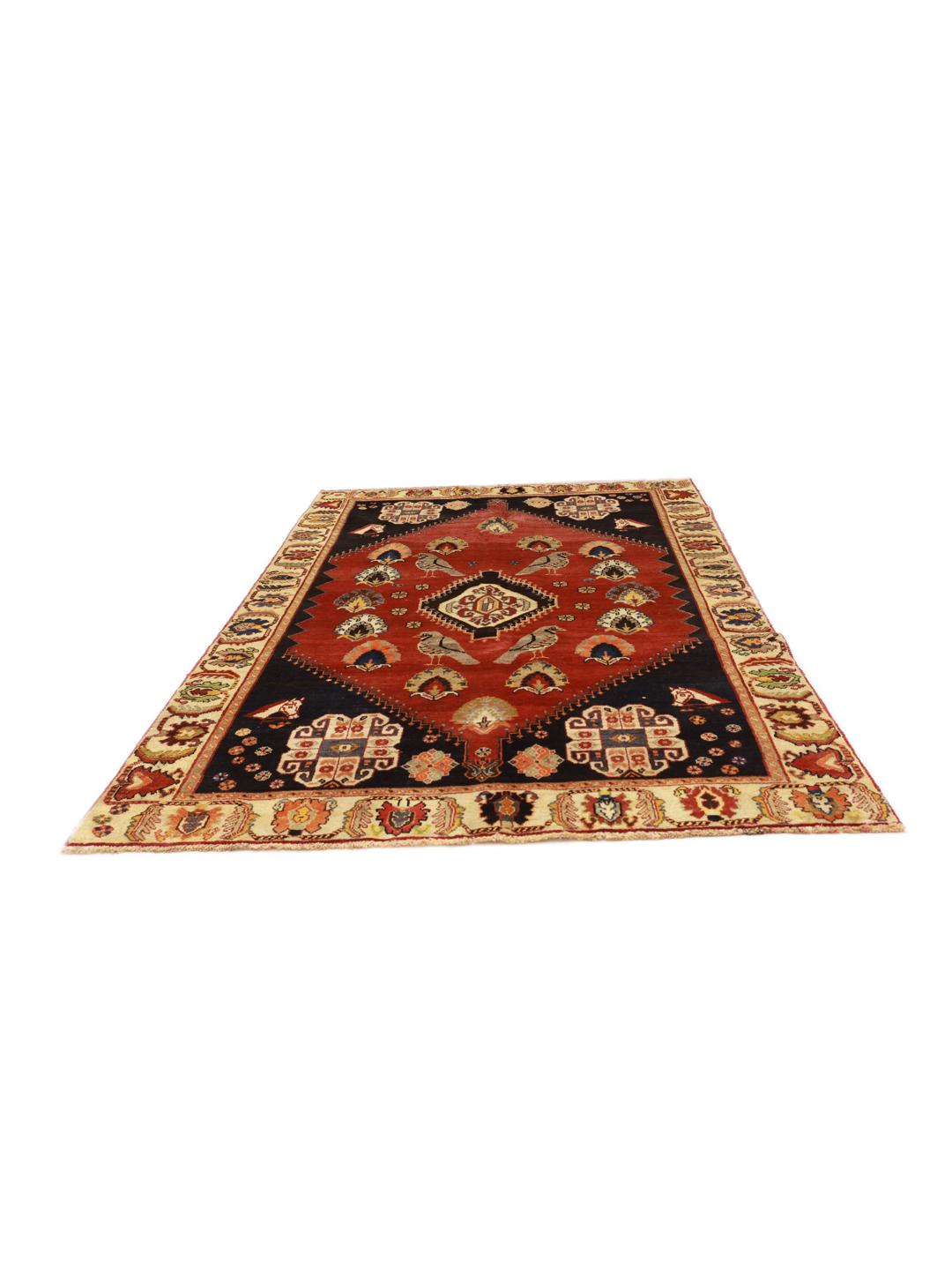
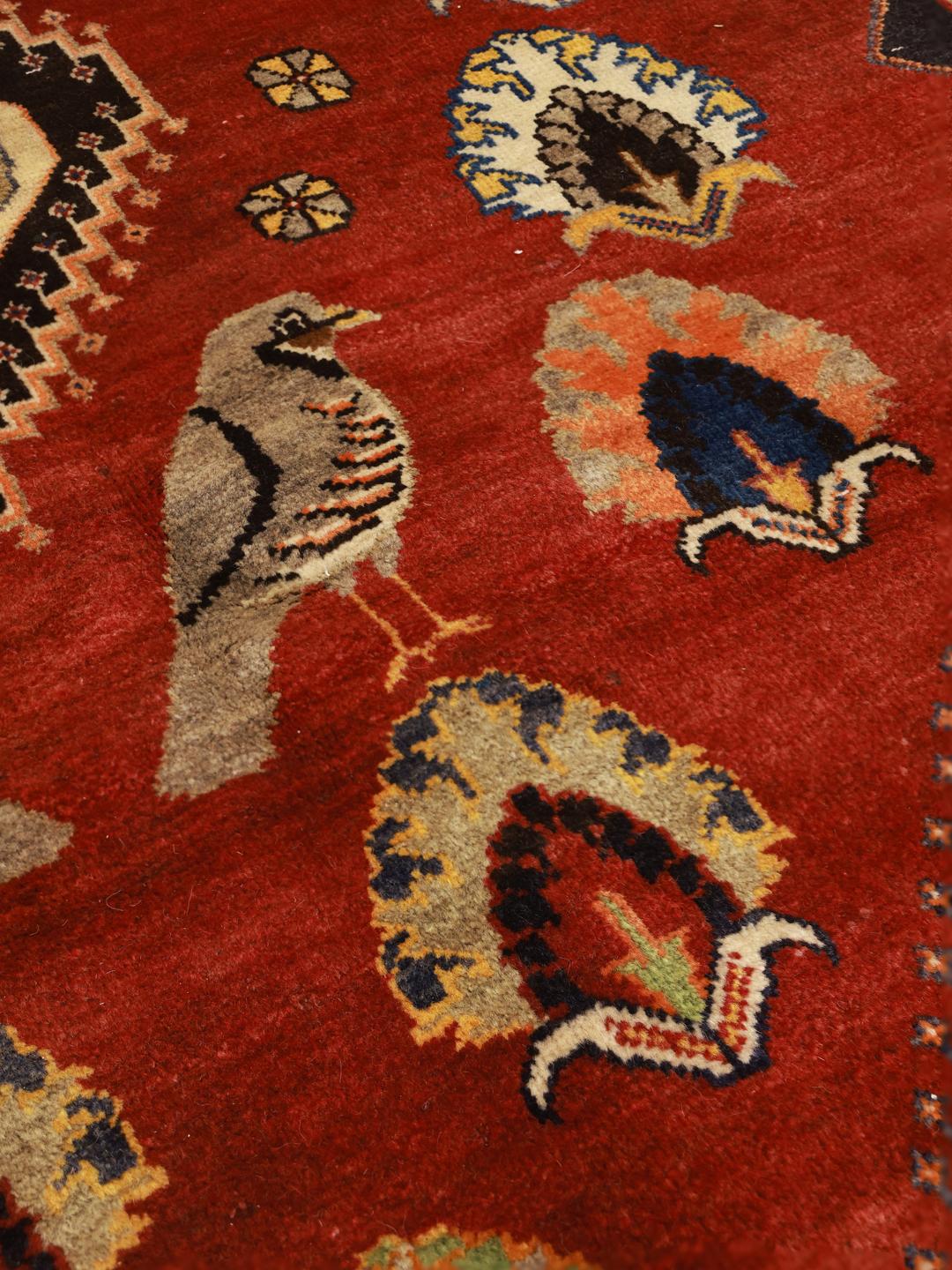
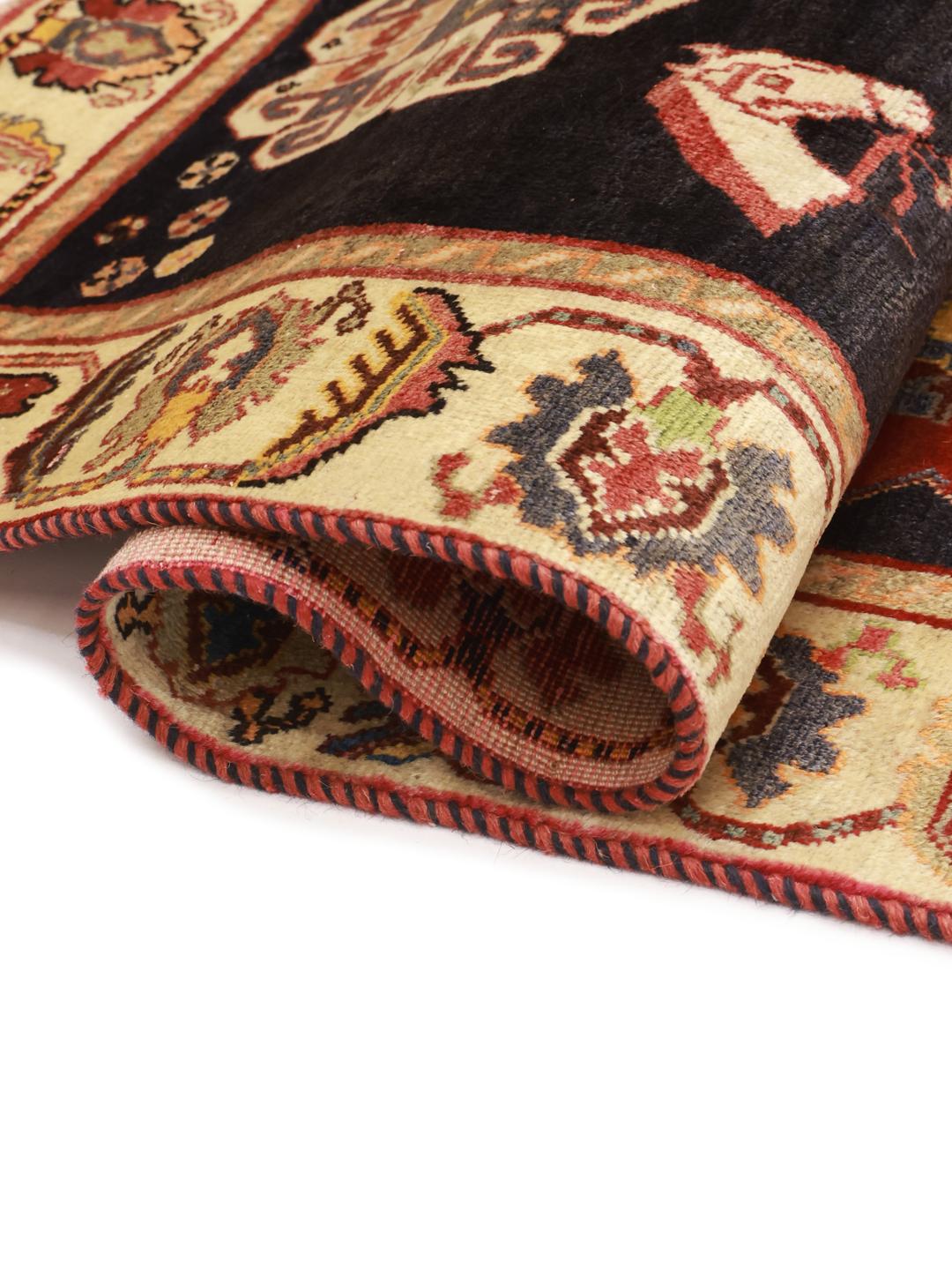
Signature design elements of these rugs often include geometric medallions, stylized animals, and floral patterns that represent the natural world of the tribal weavers. The use of deep red and blue tones, contrasted against lighter borders, is a classic hallmark of the style. These motifs are not just decorative, they are a visual language that communicates the weaver's connection to their land, their family, and their ancestral heritage.
Collecting a Ghashghai rug is an opportunity to own a piece of living history. These rugs are highly sought after by those who value the skill and cultural weight behind hand-crafted objects. By bringing one into your home, you are supporting a legacy of traditional craftsmanship, ensuring that these ancient techniques continue to be celebrated and appreciated in contemporary spaces.