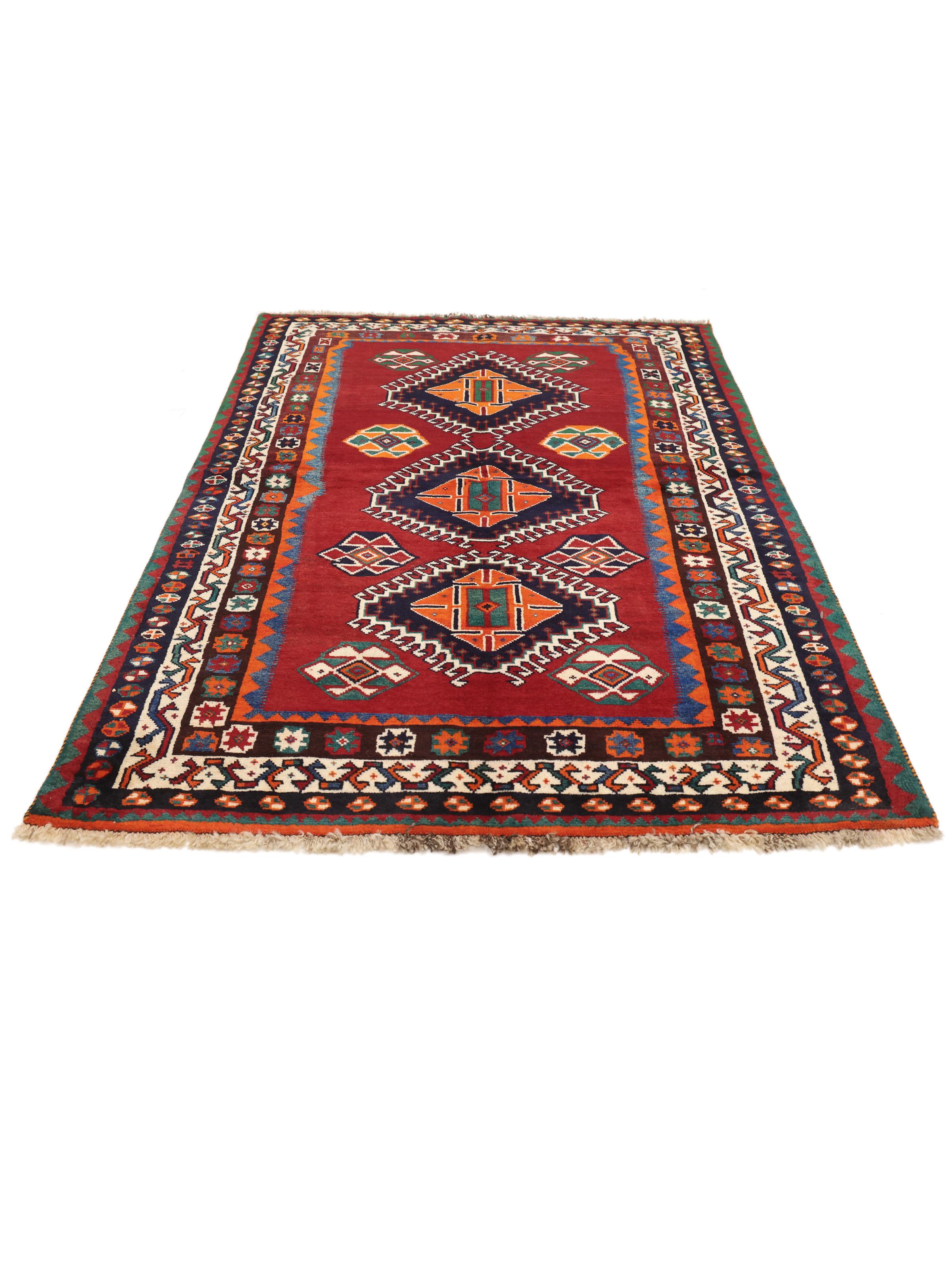
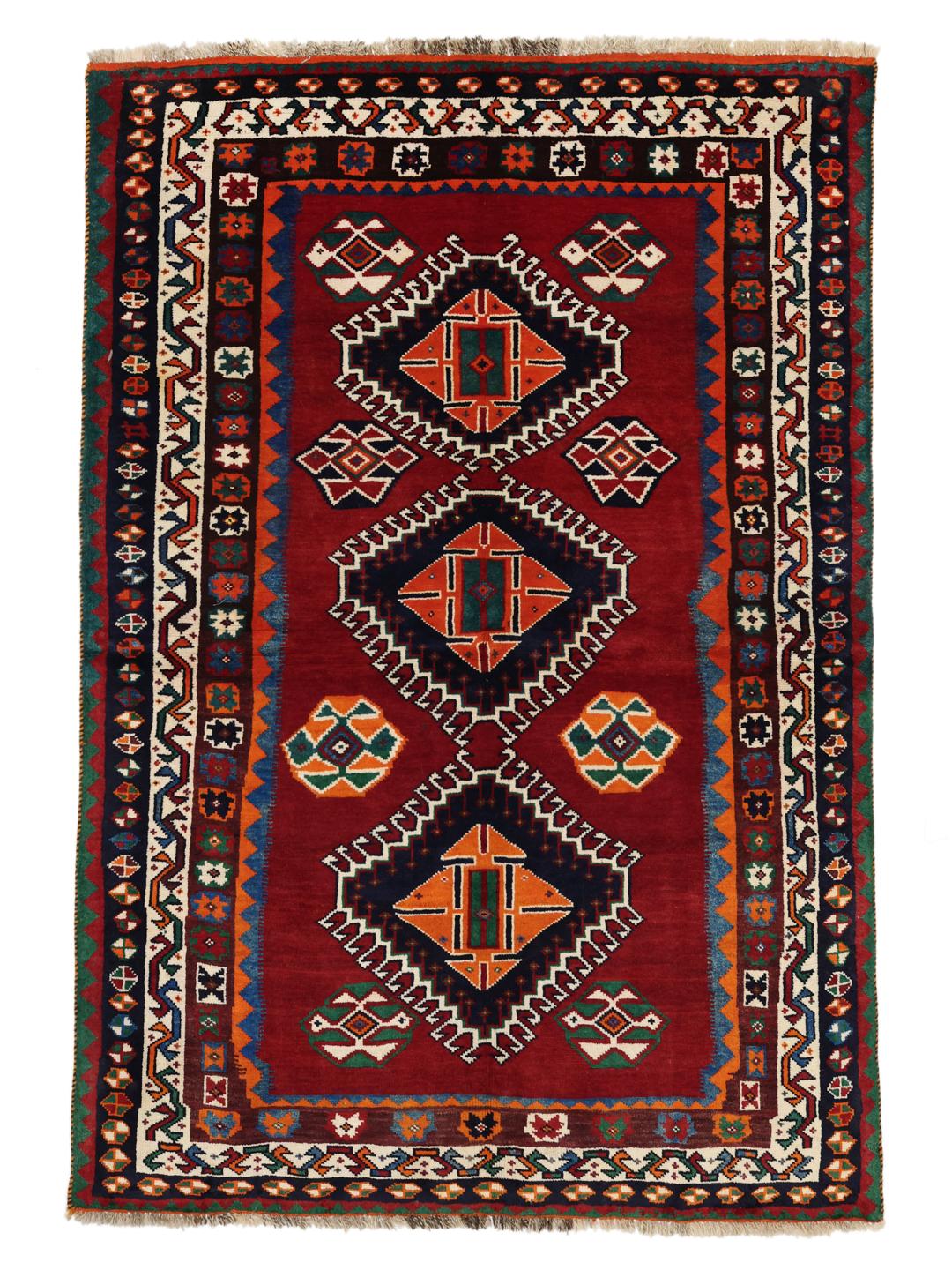
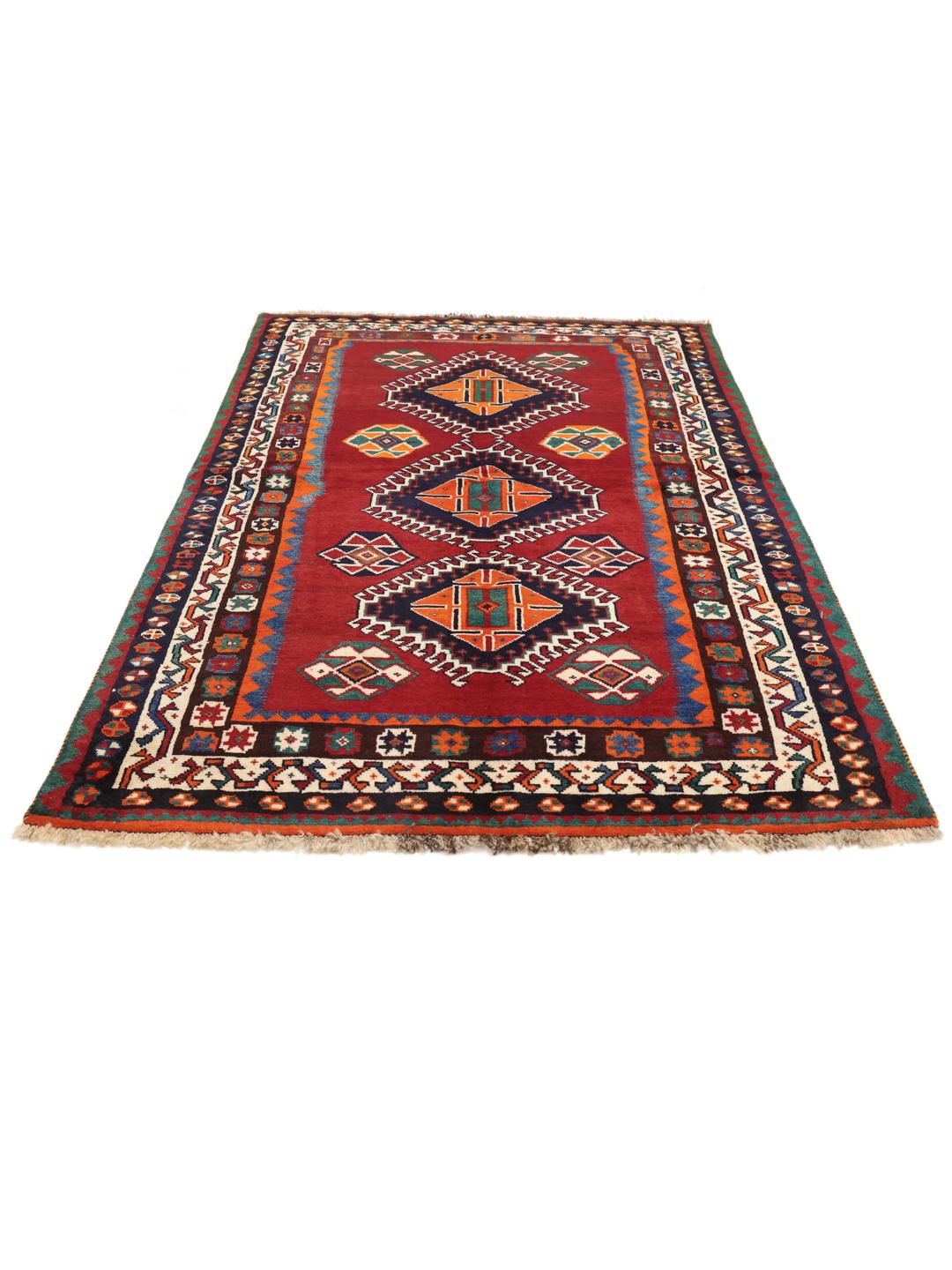
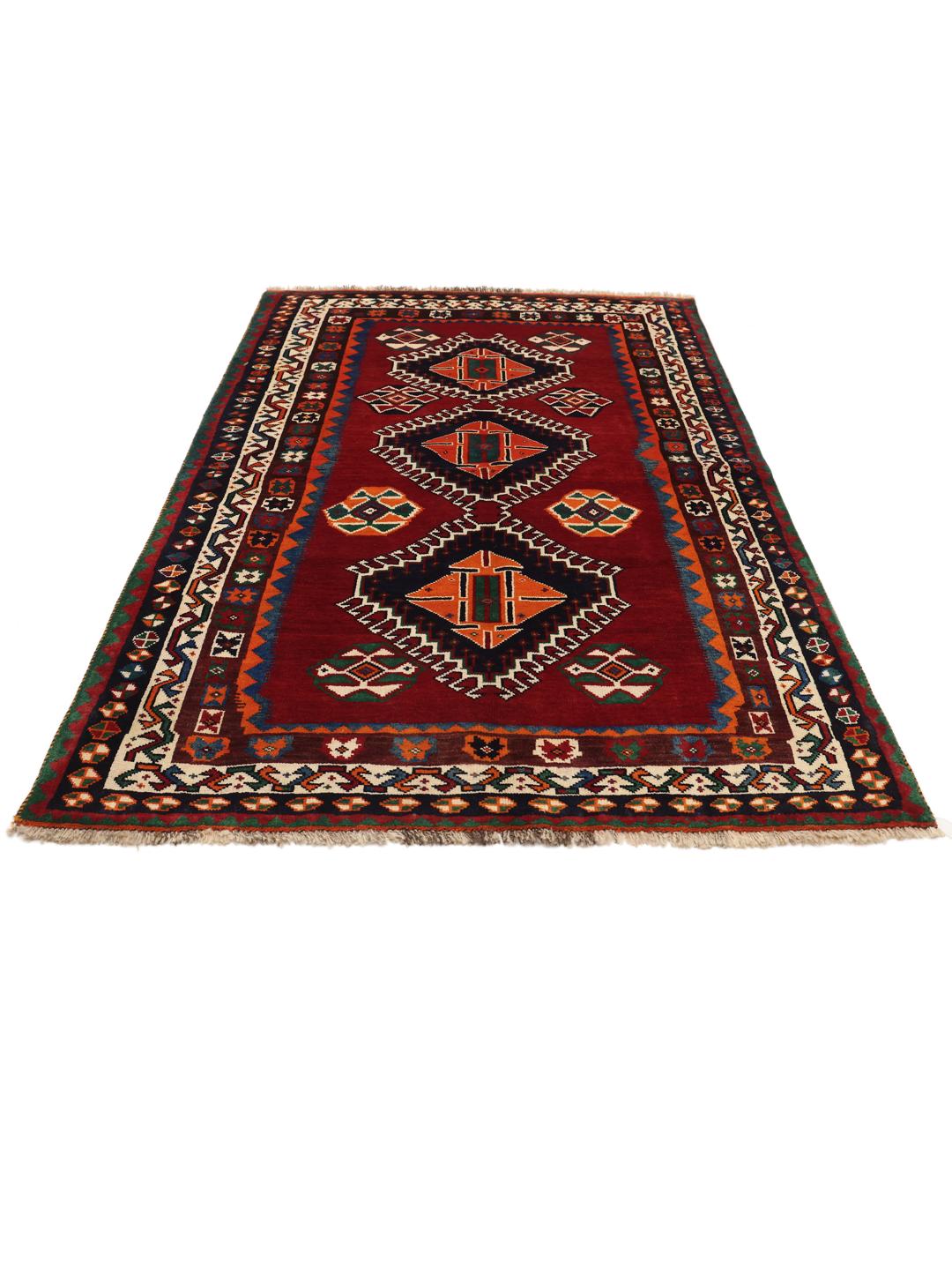
The Ghashghai people are a nomadic confederacy from the Middle East, historically migrating across the Zagros Mountains with the changing seasons. Their rug-weaving tradition is deeply intertwined with this migratory lifestyle, as the rugs were originally designed to serve as functional, portable items for tent living, such as floor coverings, bags, and blankets.
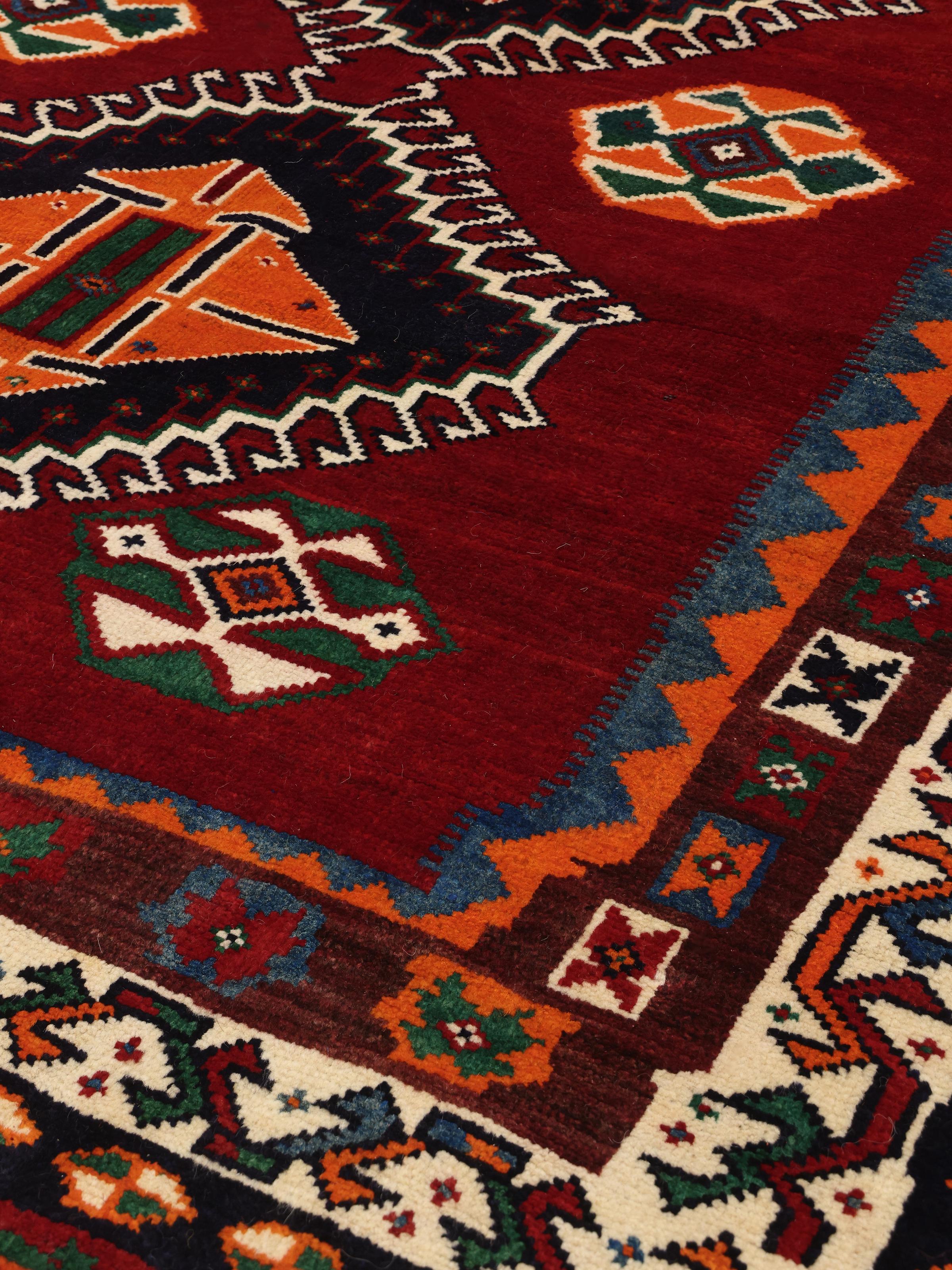
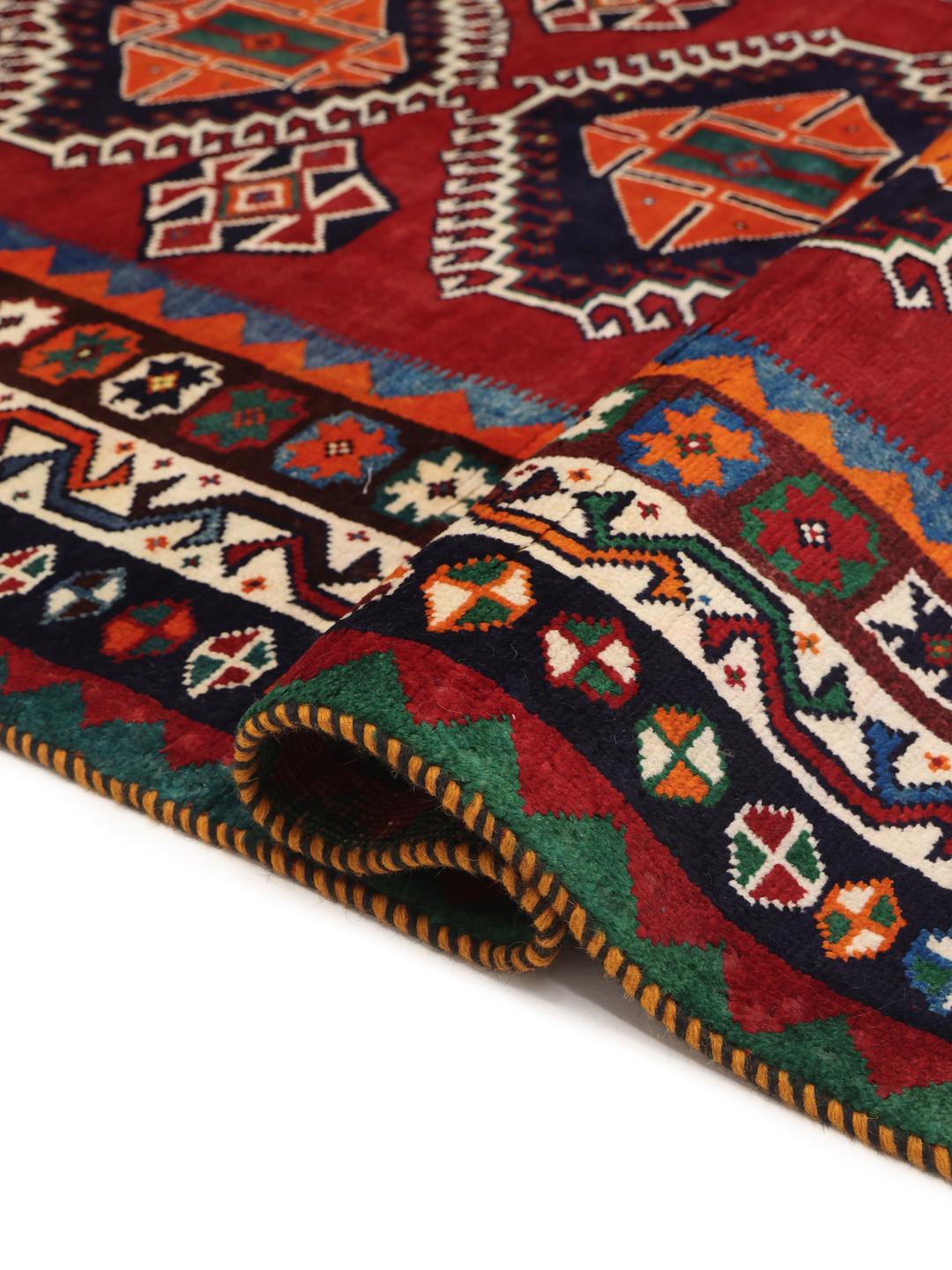
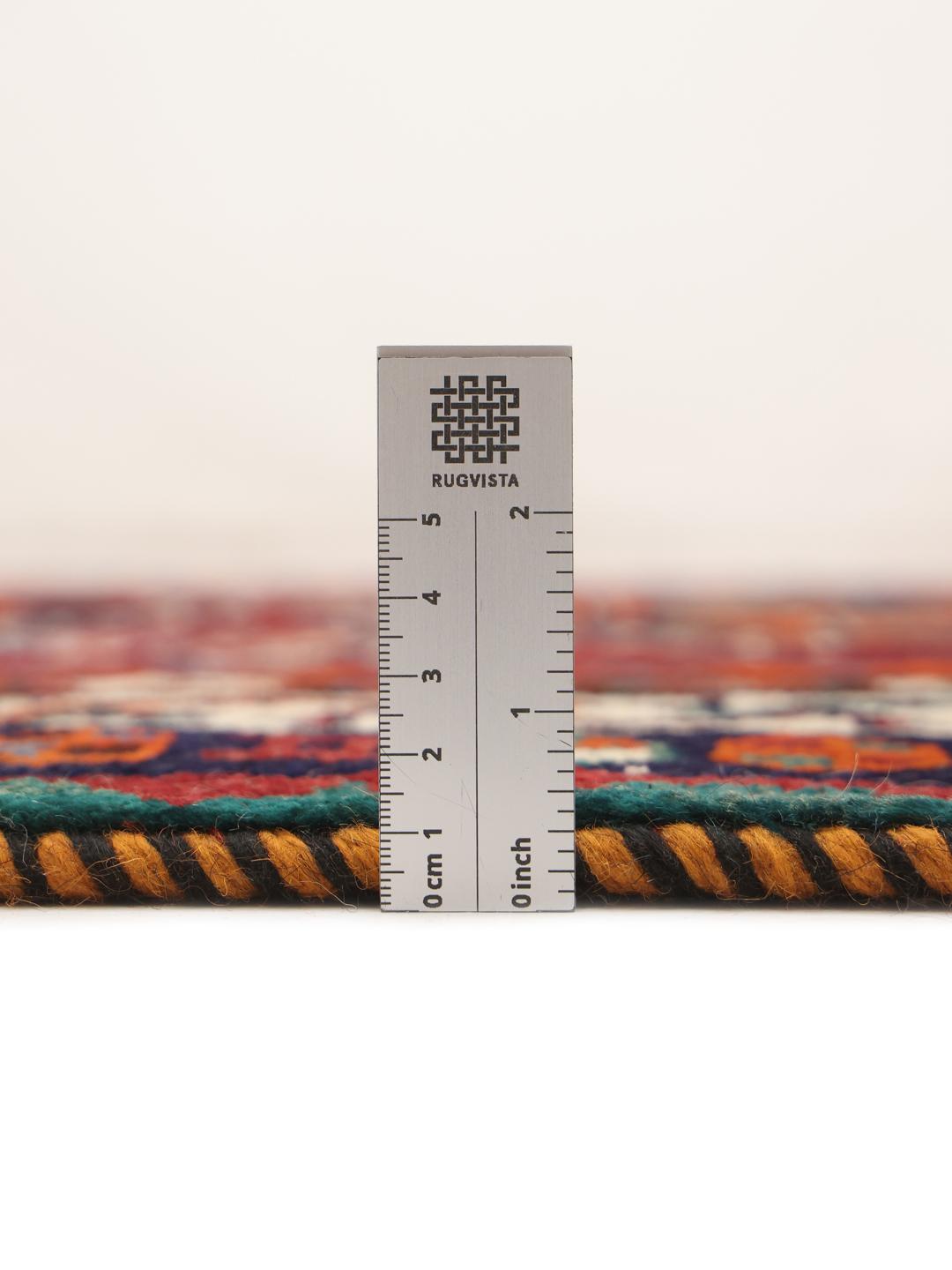
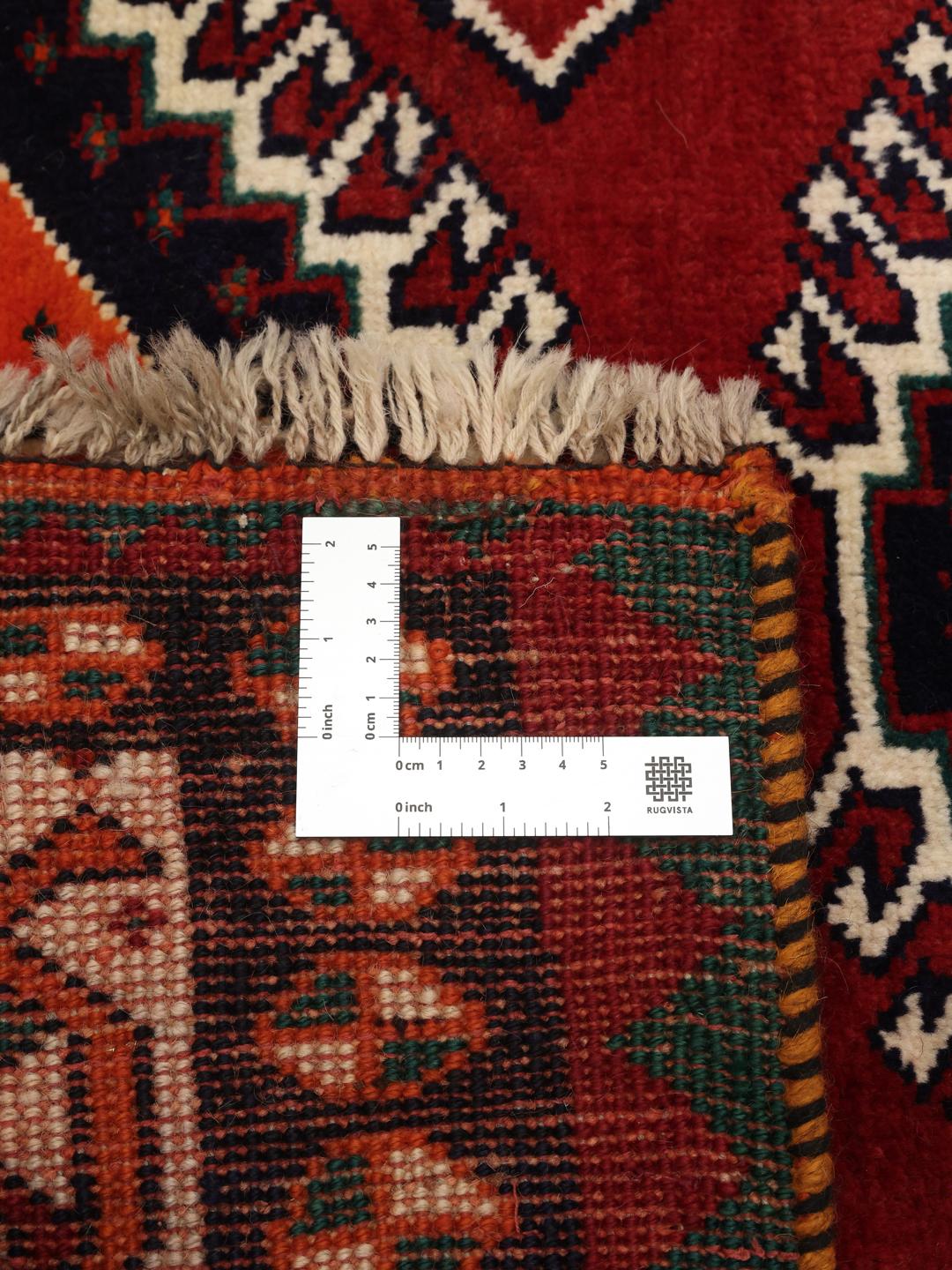
The technical quality of these rugs is defined by their unique weaving approach. Many Qashqai pieces are known for their use of wool that is spun and dyed locally, often using natural pigments that give the rugs their characteristic depth and vibrancy. The construction is typically robust, designed to be carried and used in rugged conditions, which translates to exceptional durability for modern homes.
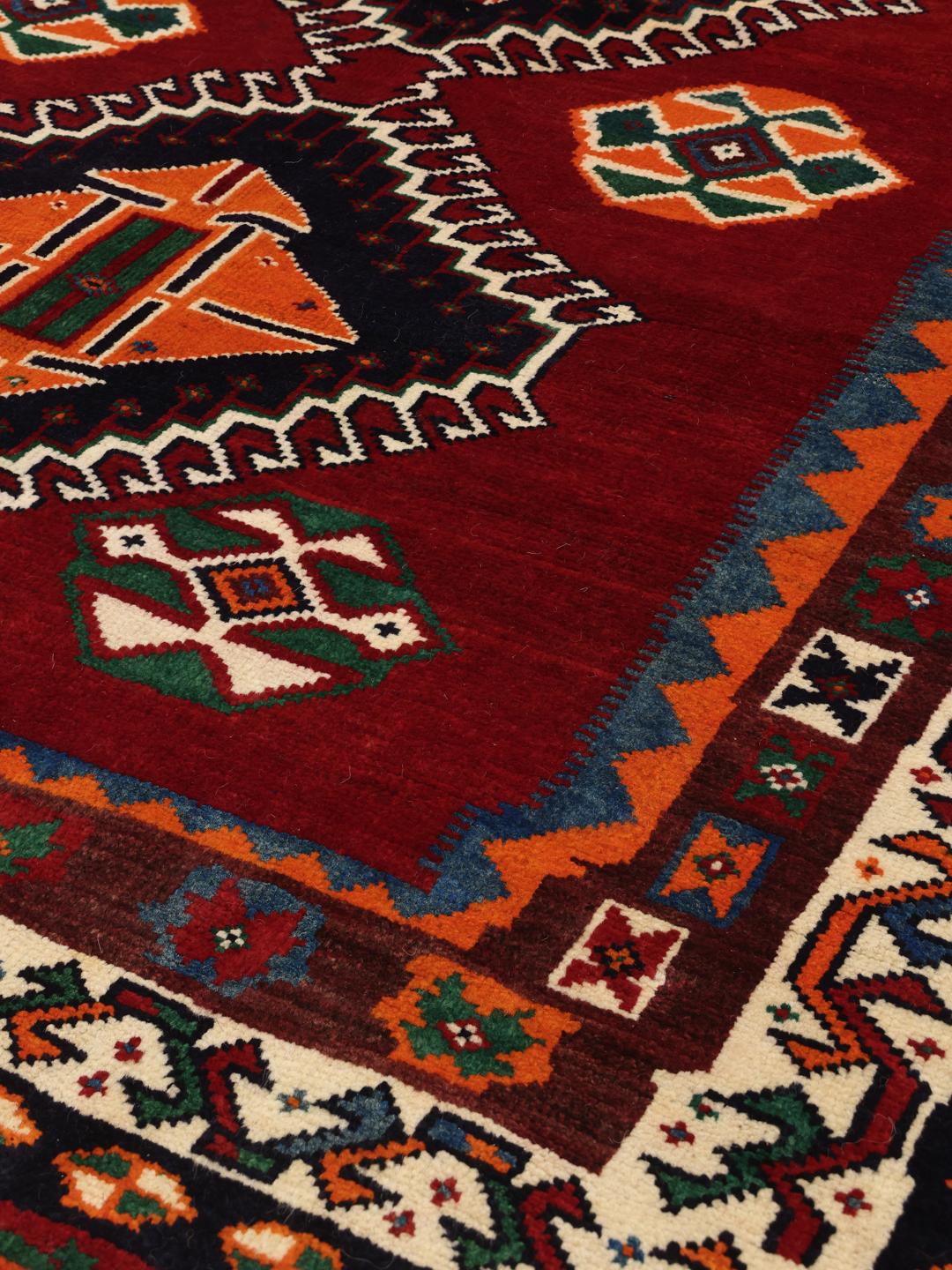
Design-wise, these rugs are famous for their geometric visual language. They often feature repeating tribal motifs such as medallions, stylised animals, and birds, which are woven from memory rather than patterns. The borders are usually intricate, framing the main field with a series of smaller, rhythmic shapes that reflect the weaver's personal interpretation of their surroundings.
Owning a Ghashghai rug is about more than just aesthetics; it is an investment in a storied cultural legacy. These rugs are highly valued by collectors for their authenticity and the human element present in every knot. They represent a bridge to the past, preserving the artistic expressions of a nomadic culture in a form that remains relevant and beautiful in contemporary spaces.