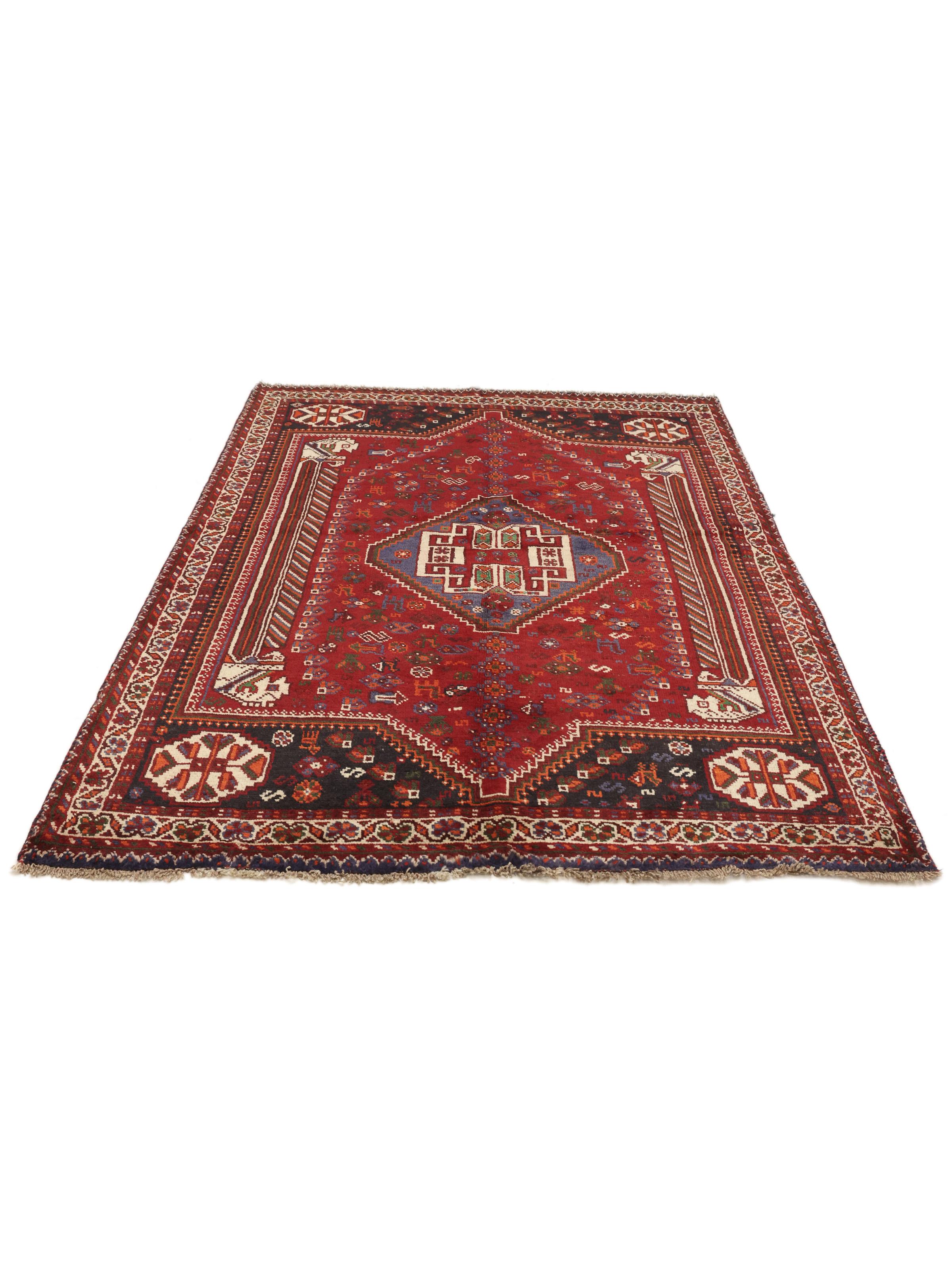
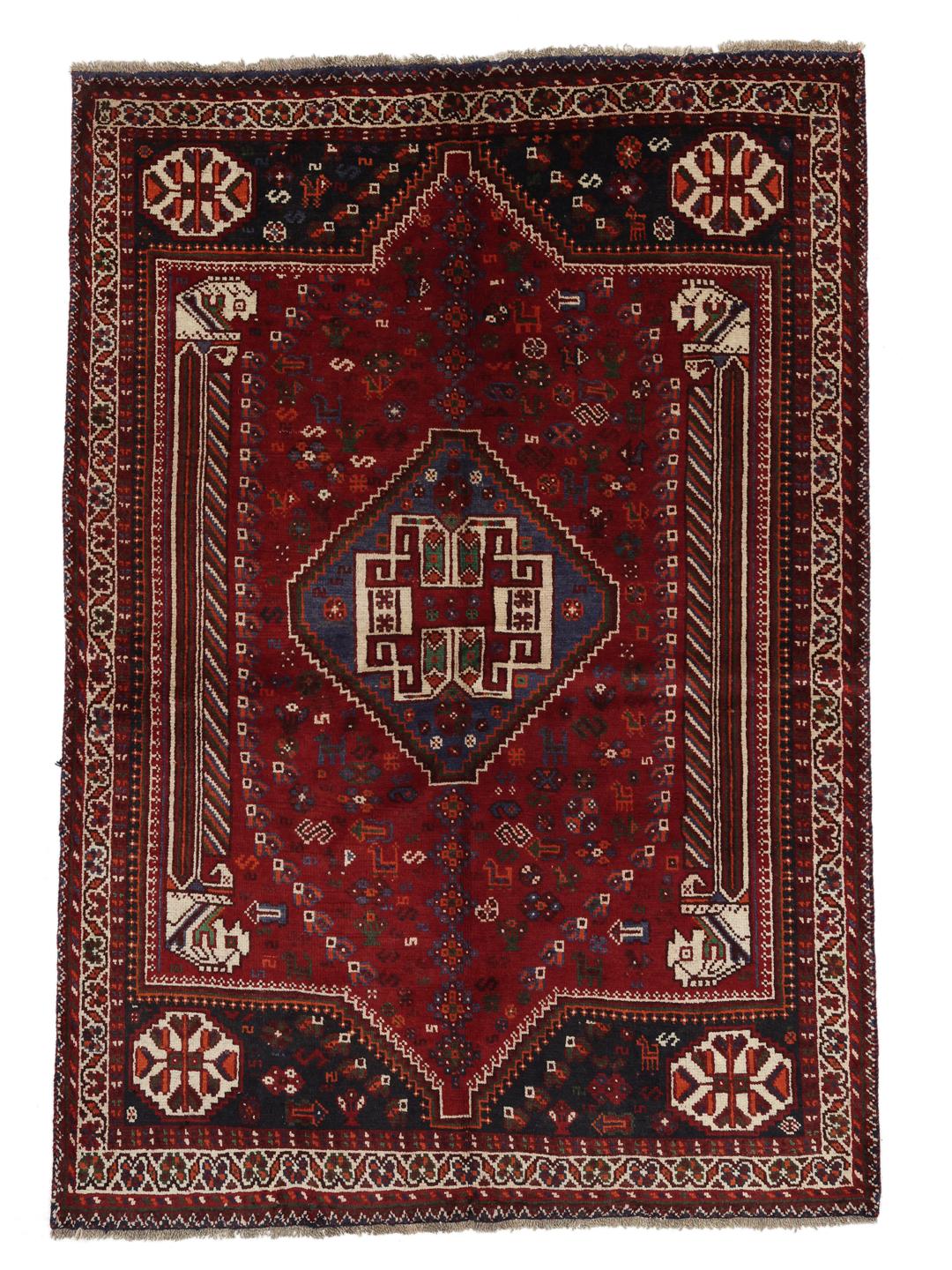
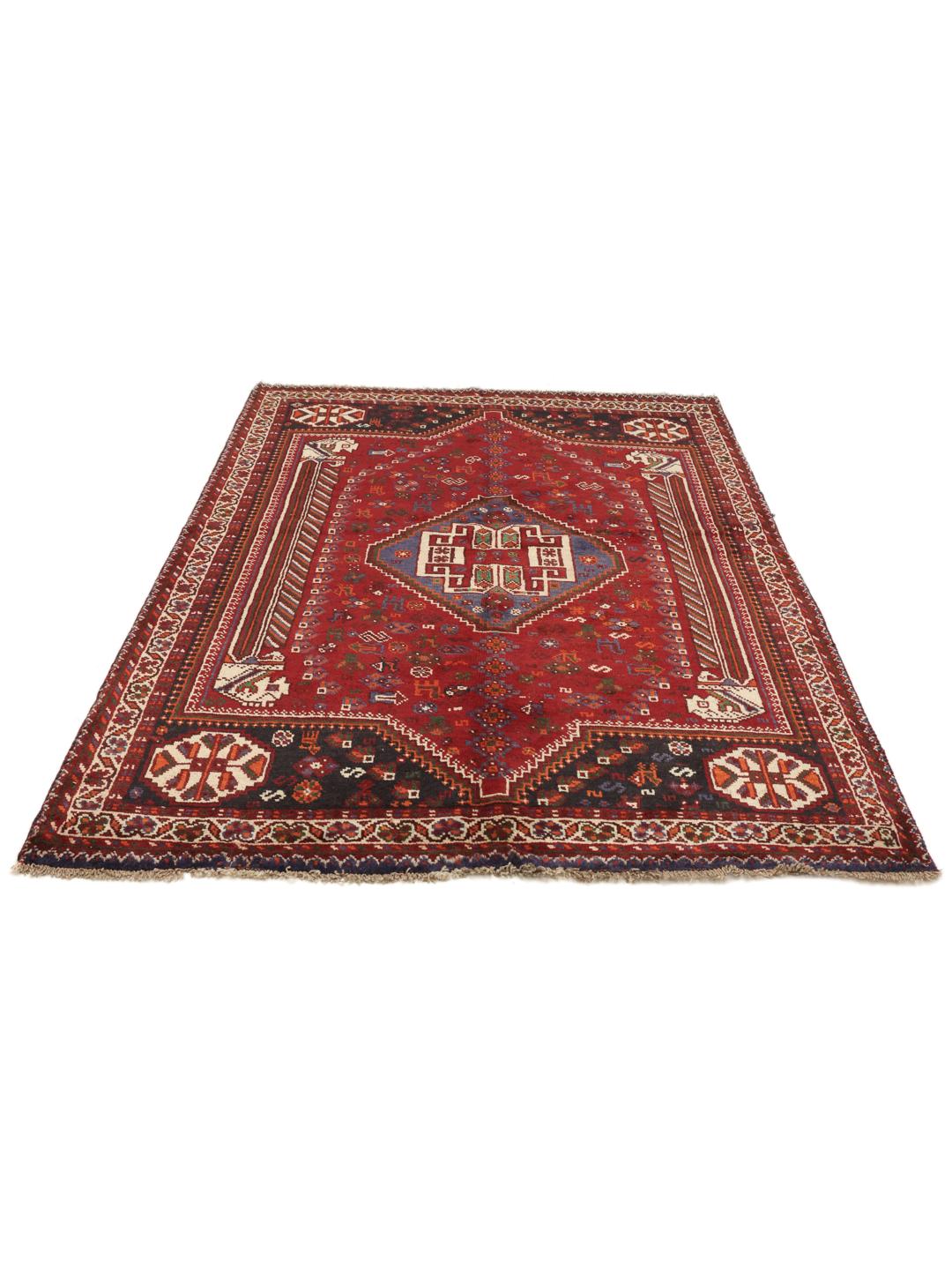
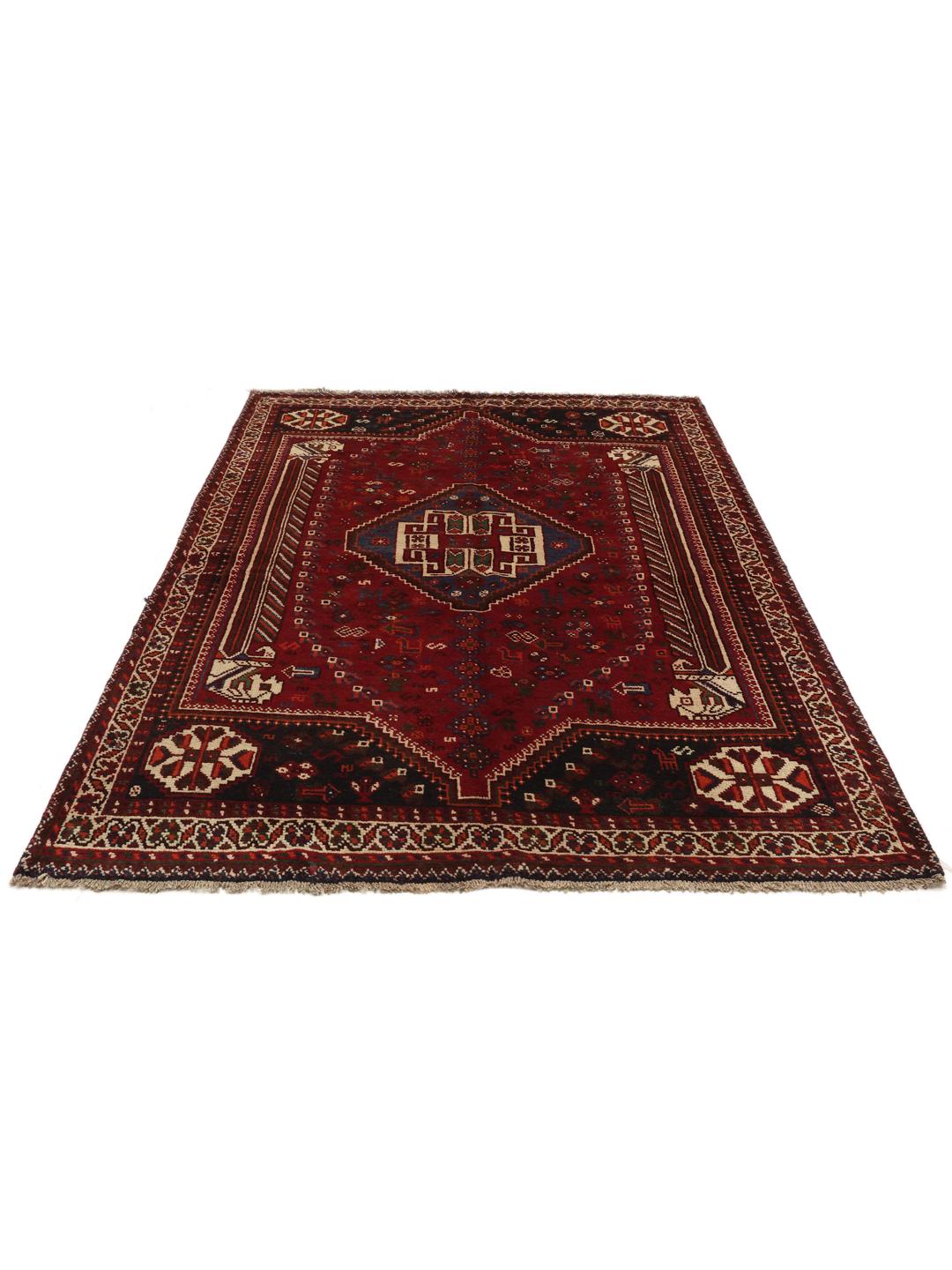
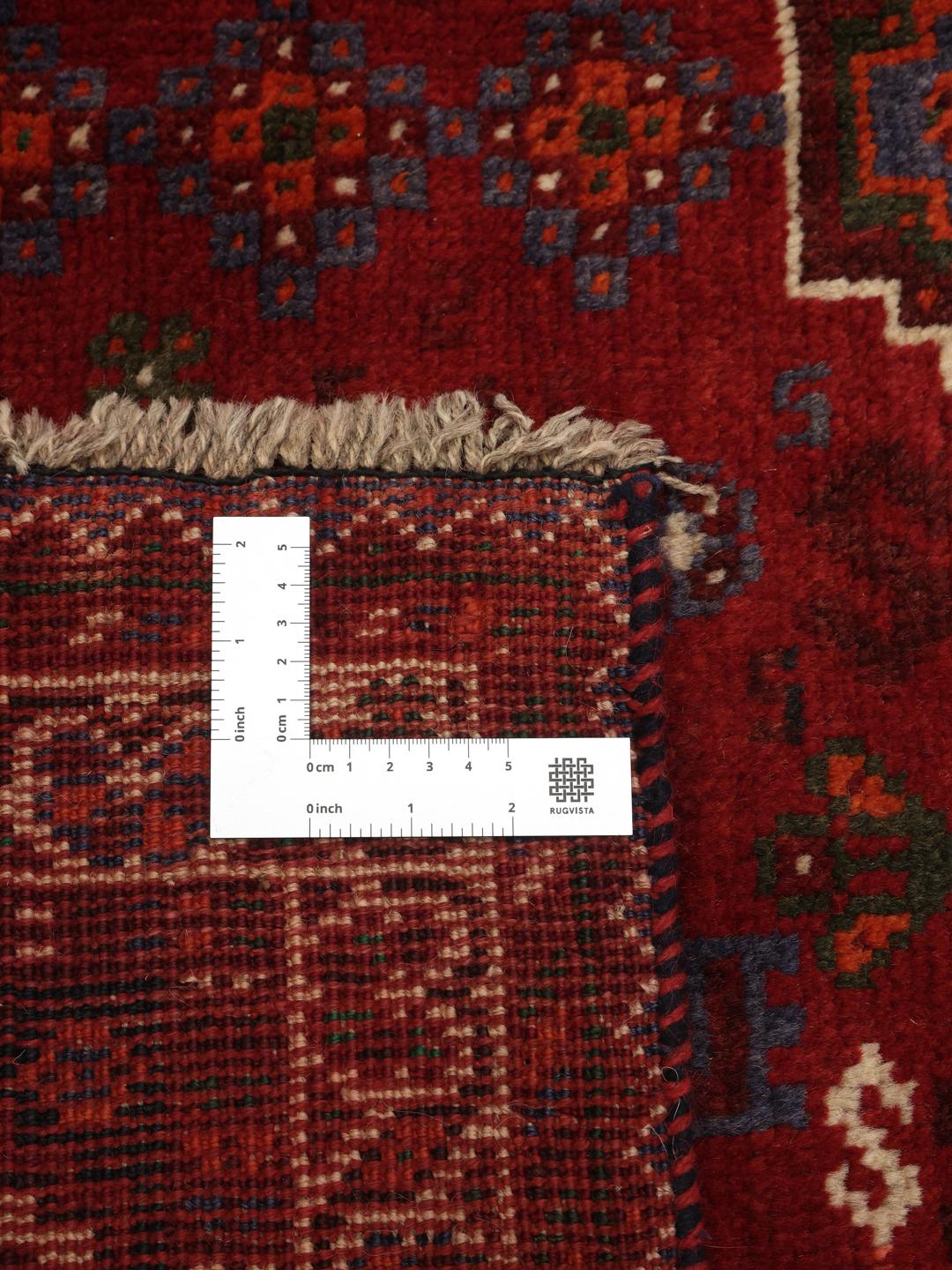
The Ghashghai rugs originate from the nomadic tribes of the Middle East, a region with a deep-seated tradition of weaving that dates back centuries. These tribes, known for their migration through mountainous landscapes, developed a unique style of rug-making that reflects their nomadic lifestyle and the natural world around them. Their rugs are celebrated for their spontaneity and the way they capture the spirit of the desert and mountain terrains.
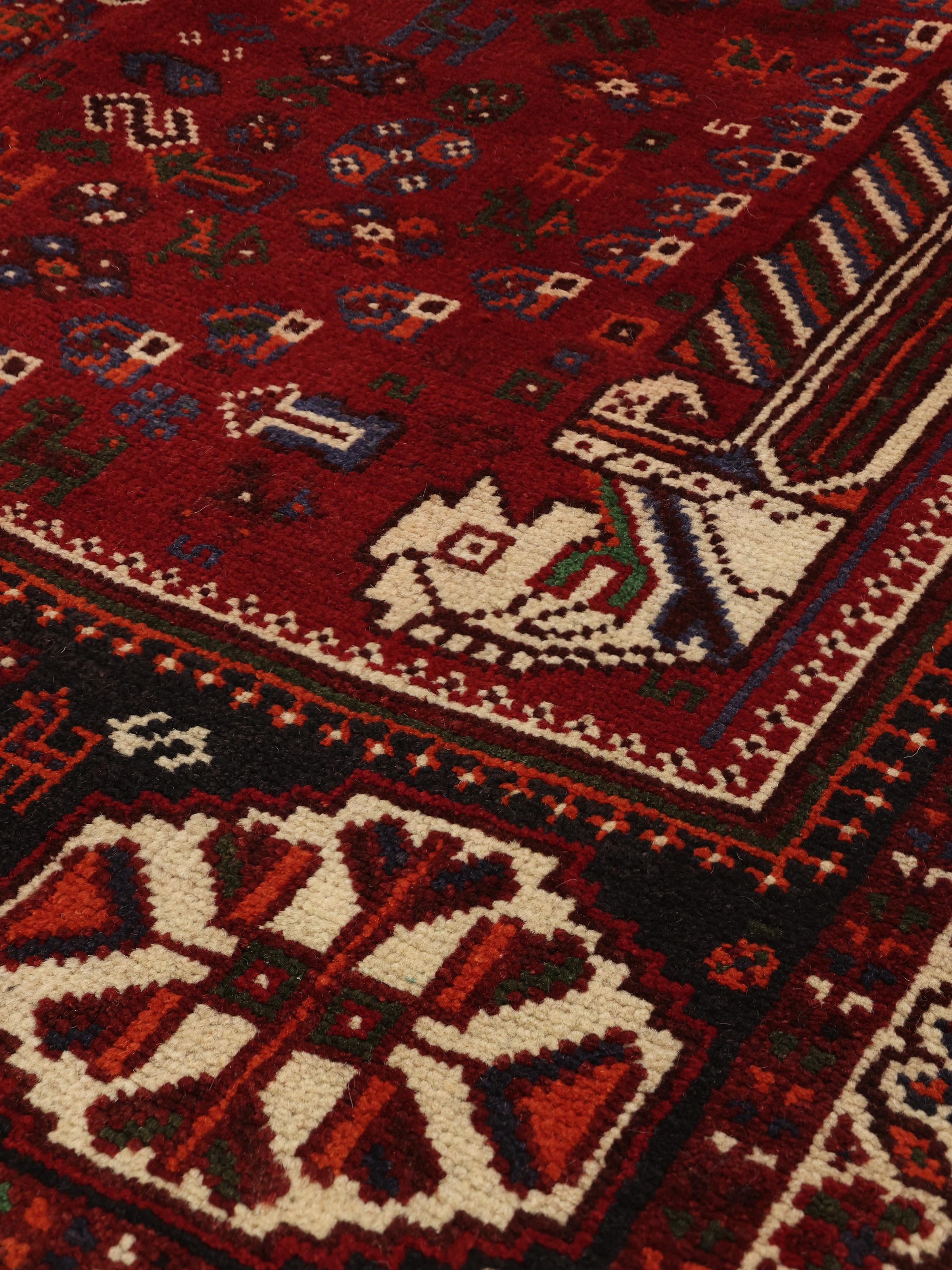
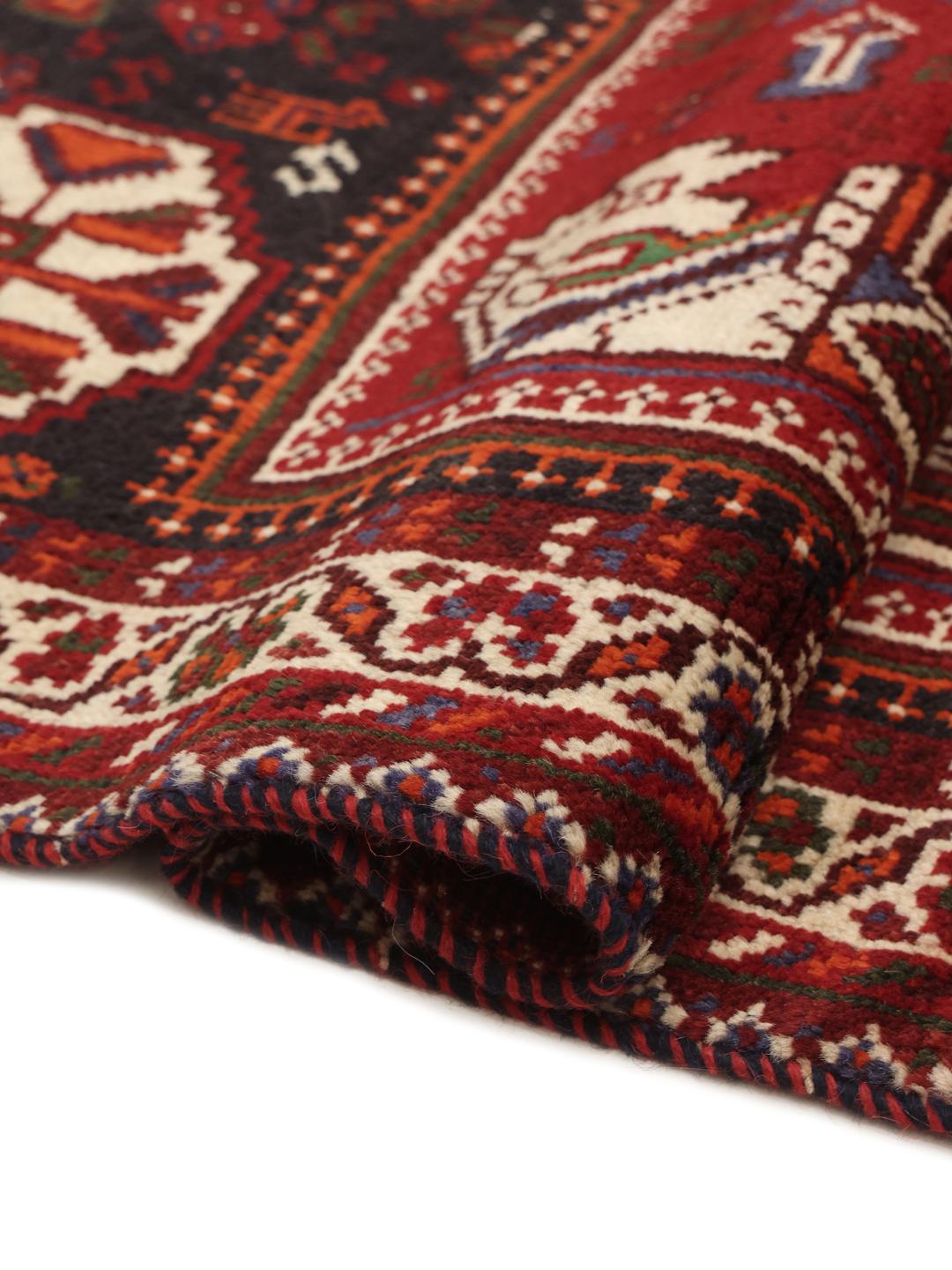
Technically, the weaving of these rugs is a communal effort often performed on horizontal looms, which allows the weavers to carry their work with them during seasonal migrations. The wool used is typically sourced from the tribe's own flocks, often featuring a natural lanolin content that provides a soft, lustrous sheen and impressive resilience. This organic approach to materials ensures that each rug is connected directly to the environment from which it emerged.
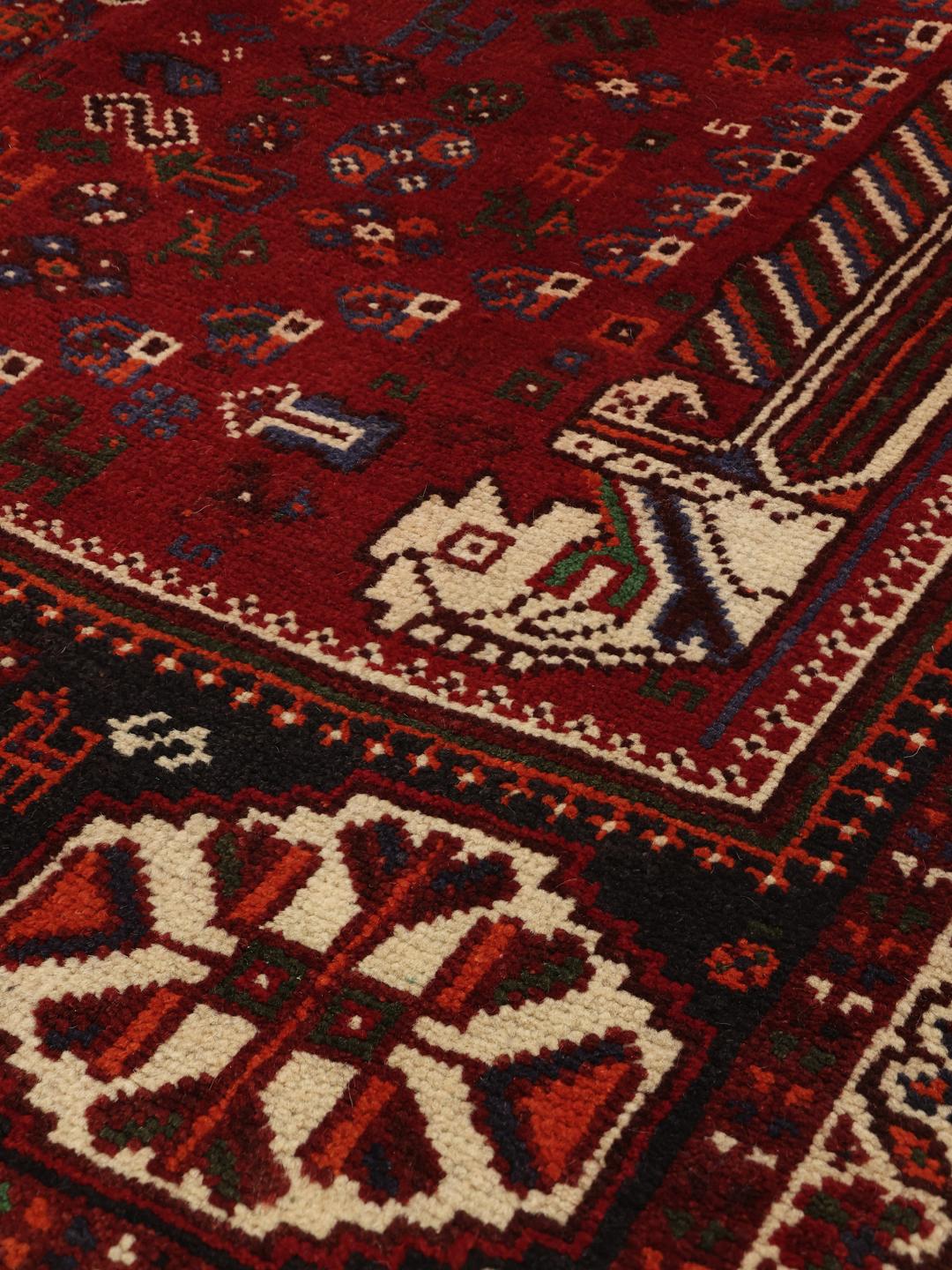
The design vocabulary of Ghashghai rugs is primarily geometric, often featuring iconic medallions, stylized animals, and floral elements that hold symbolic meaning. The use of vibrant, saturated colours—particularly deep reds and blues—is a signature trait, often achieved through the use of natural dyes derived from plants and minerals. These motifs are not just decorative; they are a language of identity and heritage passed down through generations of weavers.
Collecting a Ghashghai rug is an investment in cultural heritage. These pieces are highly valued by collectors for their authenticity and the way they bridge the gap between functional household items and fine art. By bringing such a rug into your home, you are preserving a legacy of skill and creativity, ensuring that these ancient weaving traditions continue to be celebrated and appreciated in the modern era.