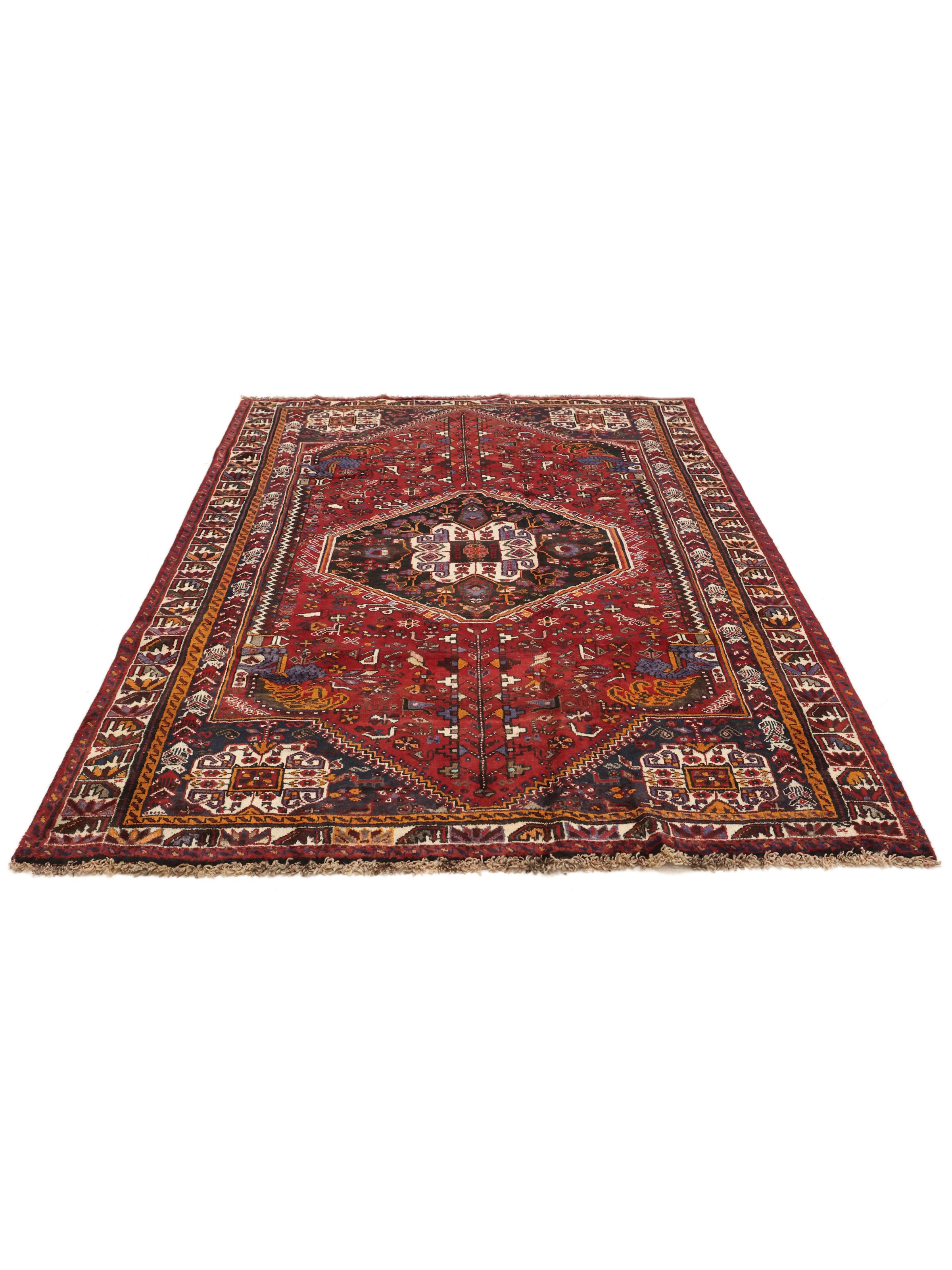
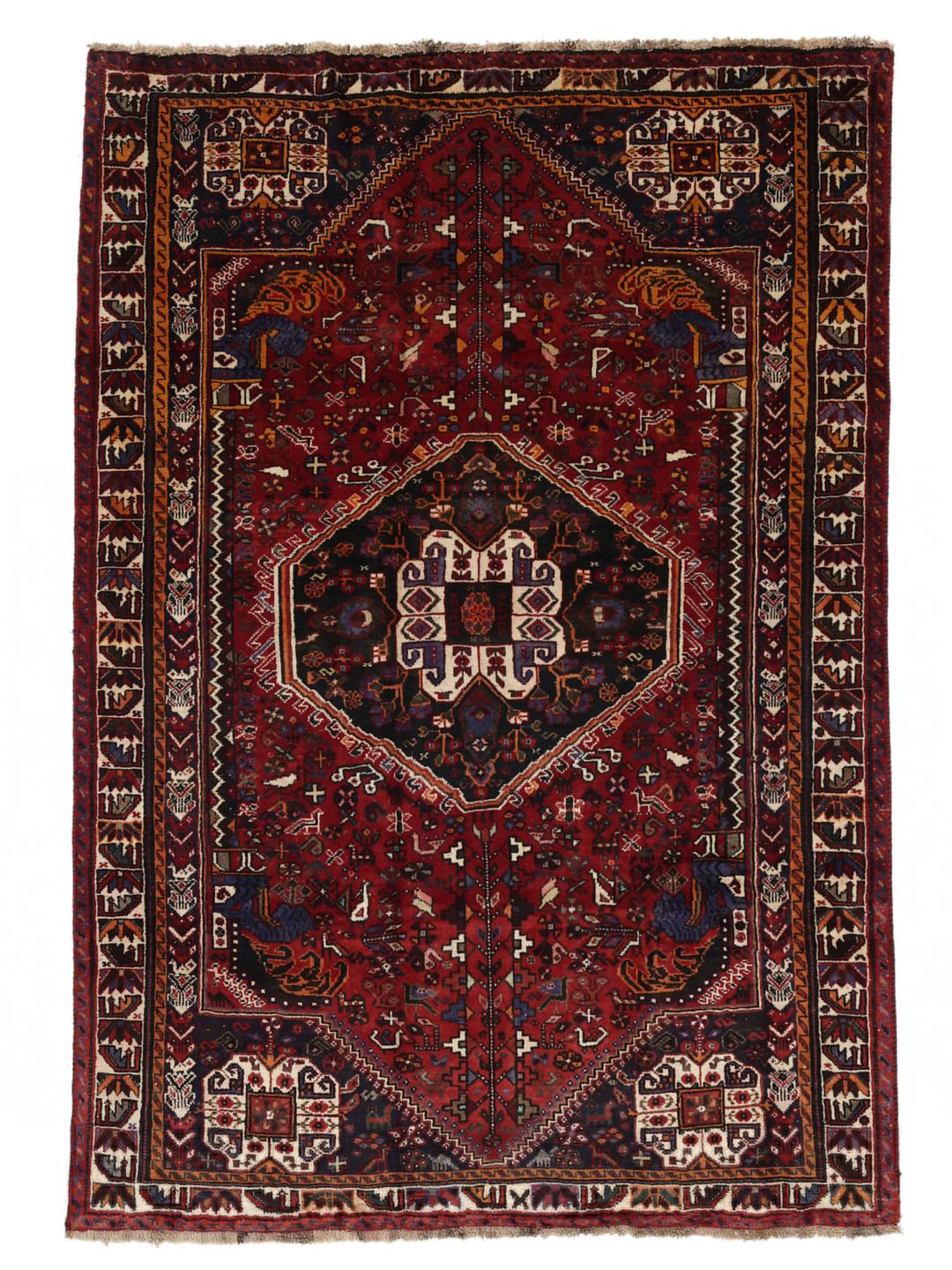
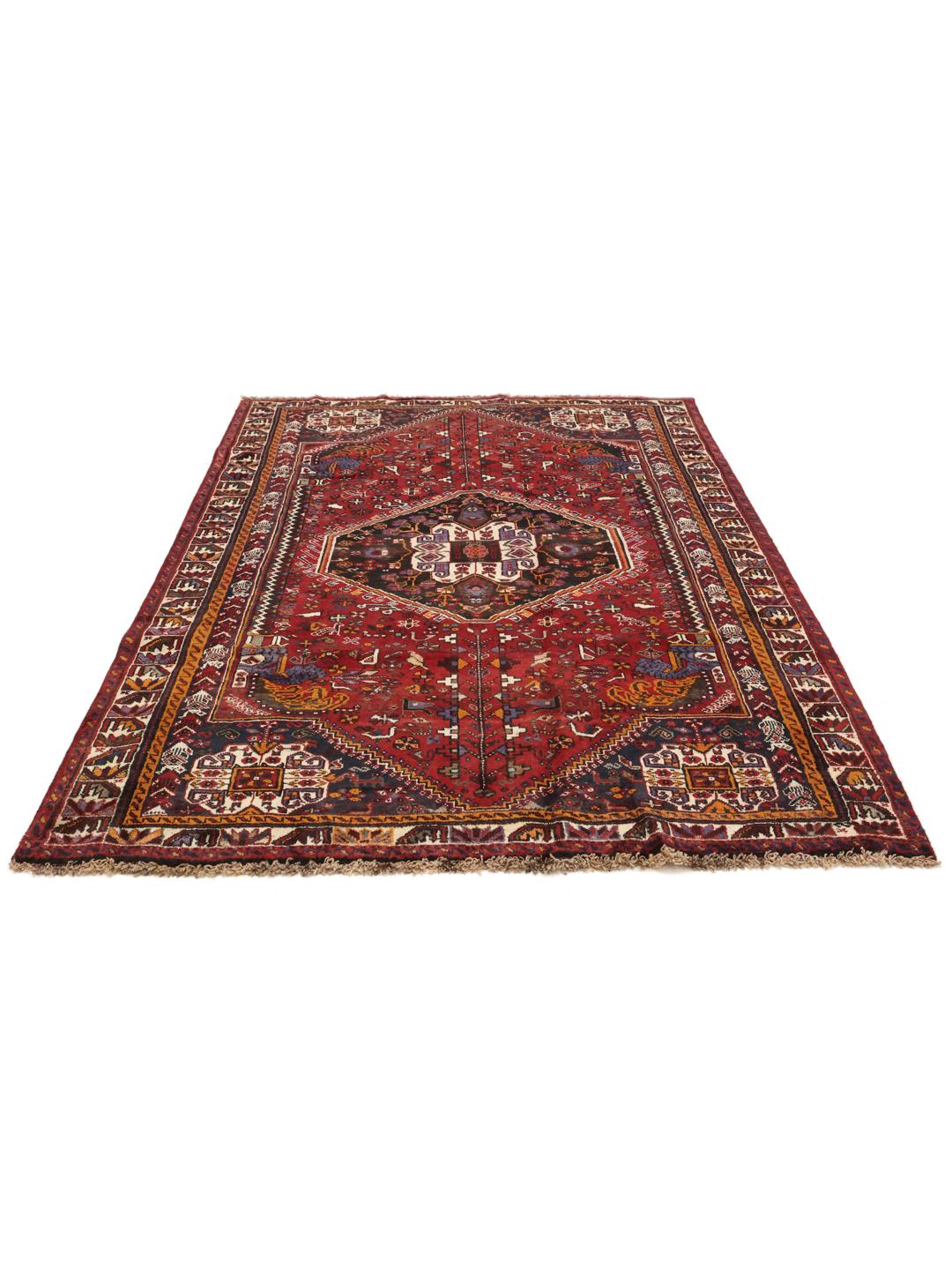
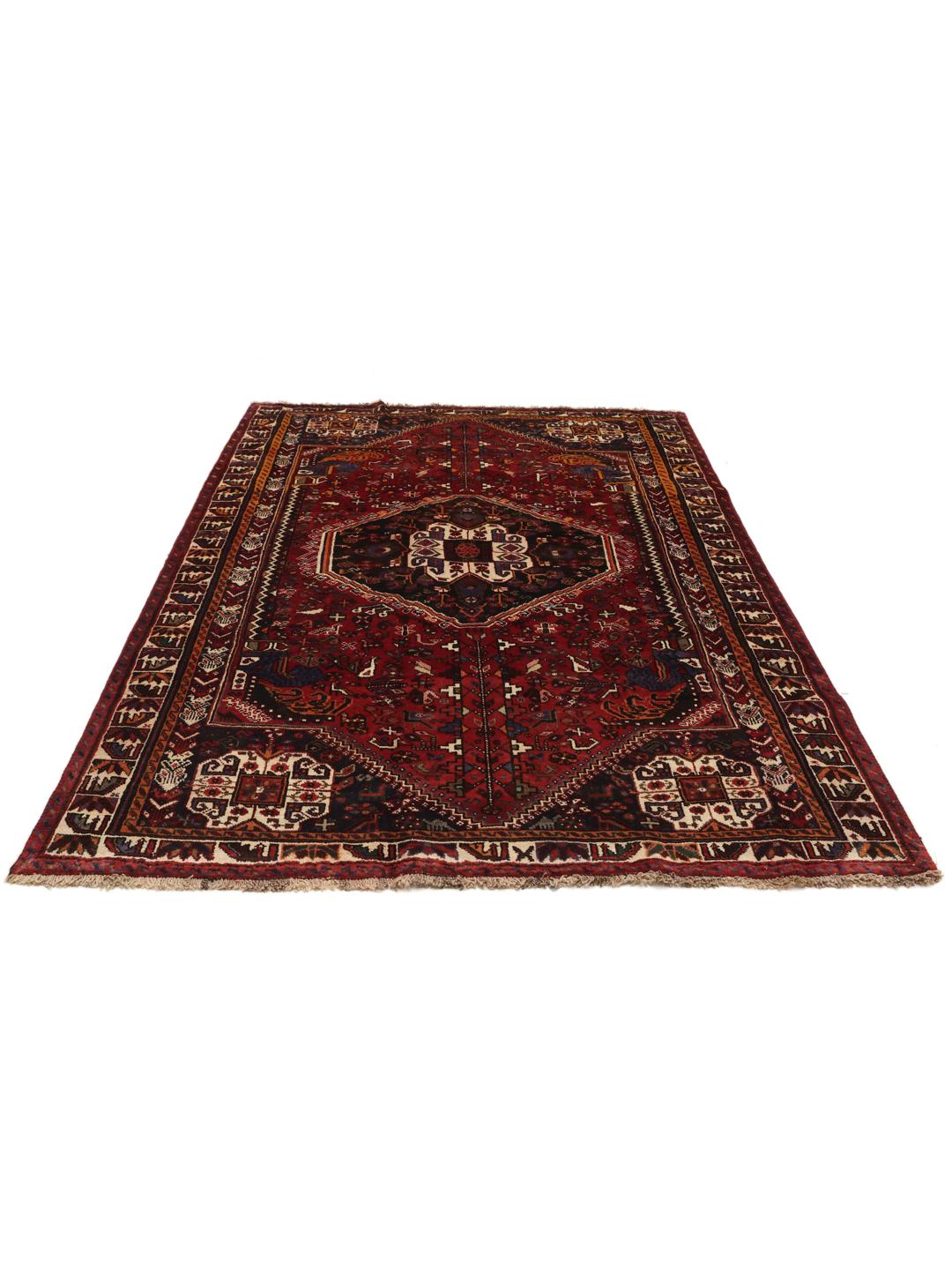
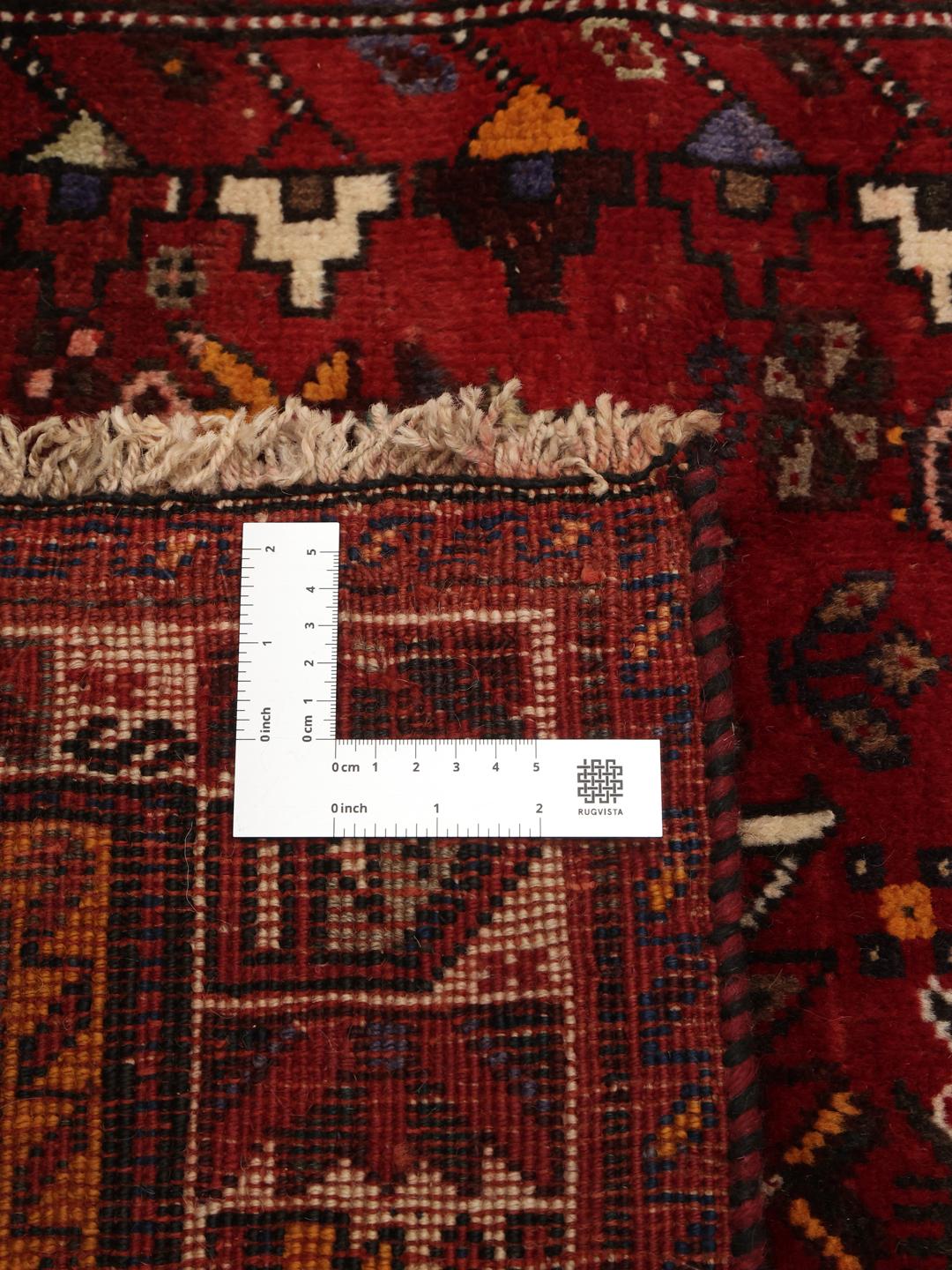
The Ghashghai rugs are named after the nomadic Qashqai confederacy, a group of tribes that historically migrated through the mountainous regions of the Middle East. These rugs are deeply tied to the nomadic lifestyle, traditionally woven on portable horizontal looms that could be packed up and moved during seasonal migrations. This context of movement and tribal identity is woven into the very fabric of every rug they create.
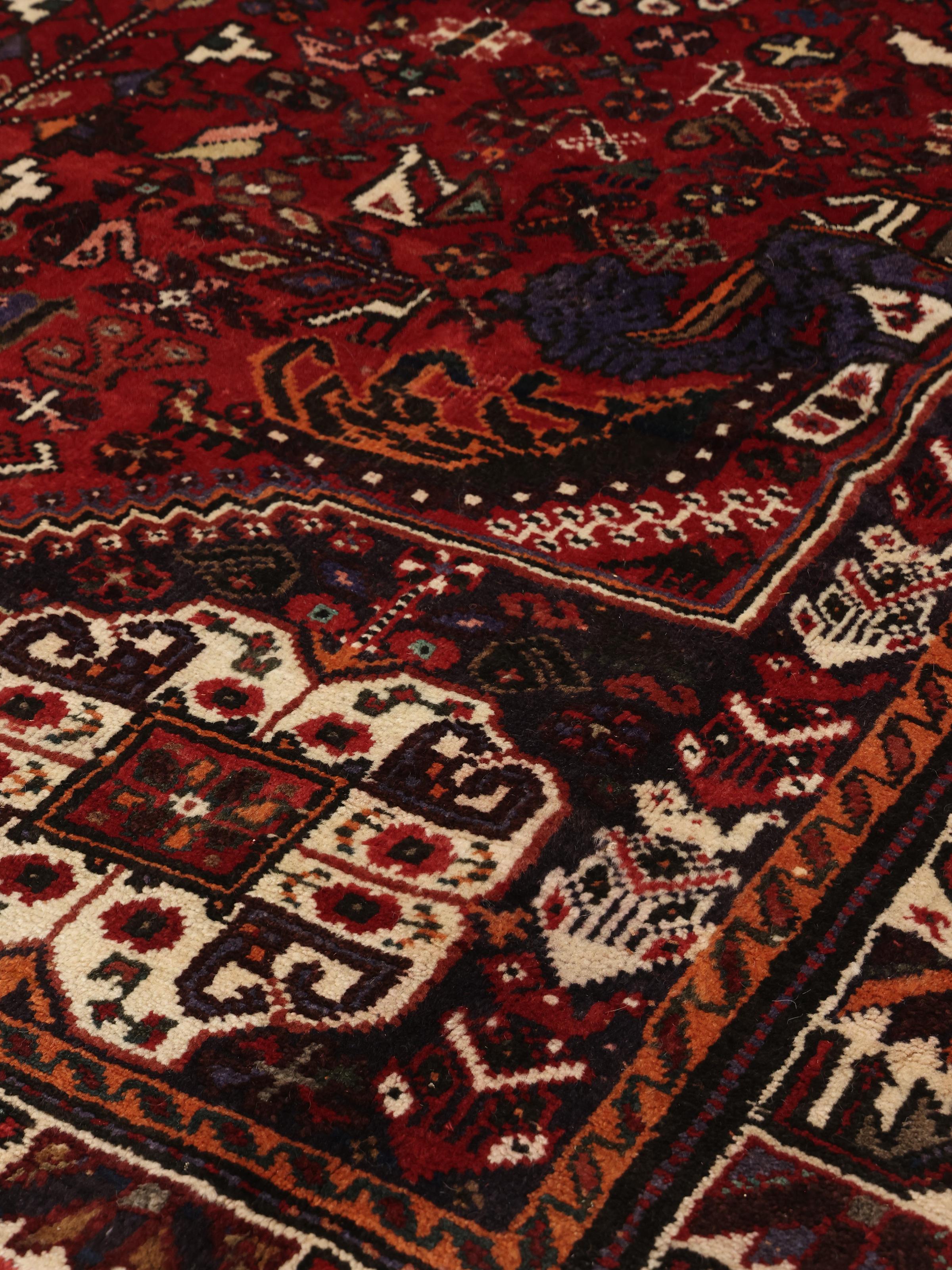
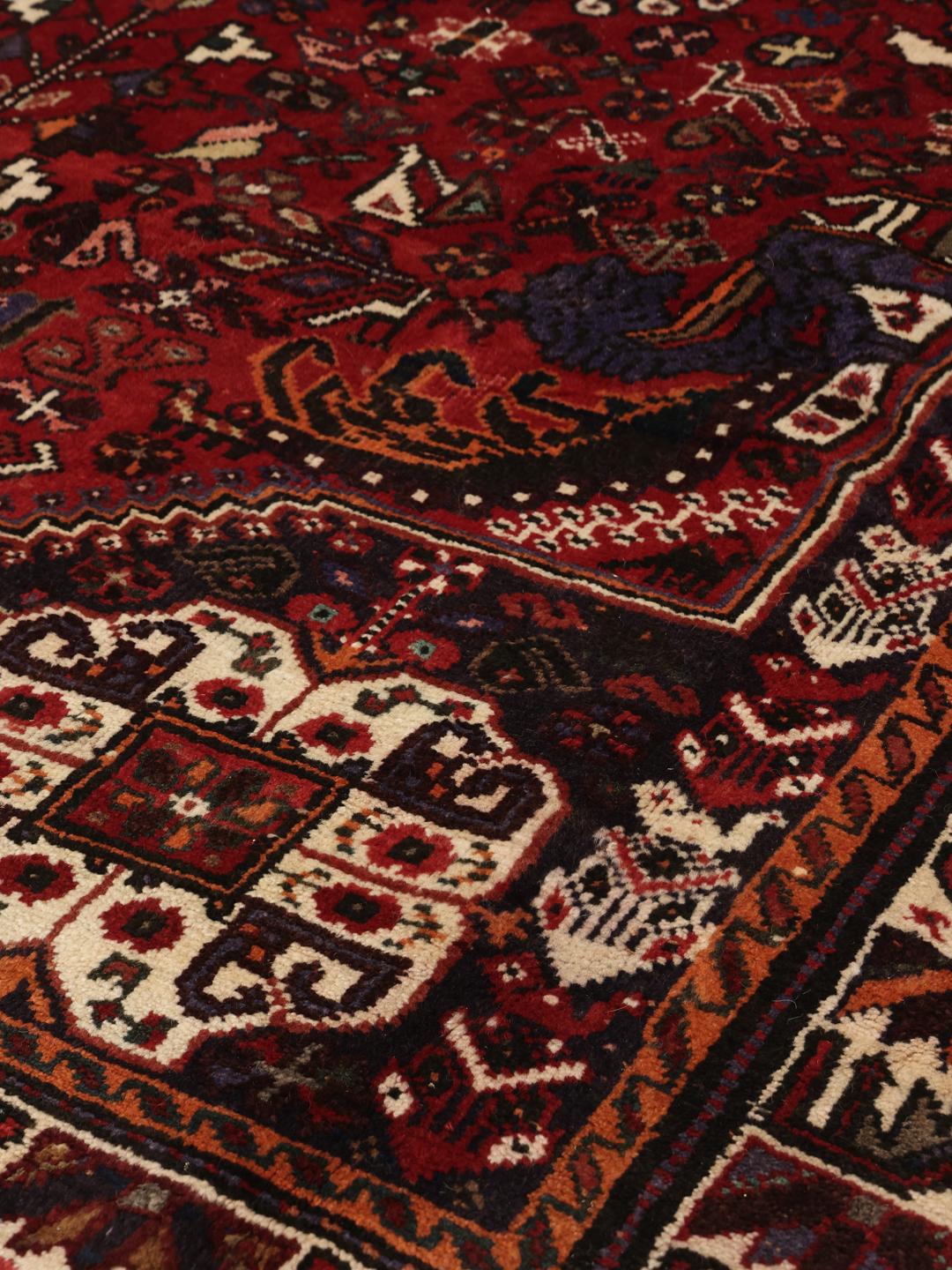
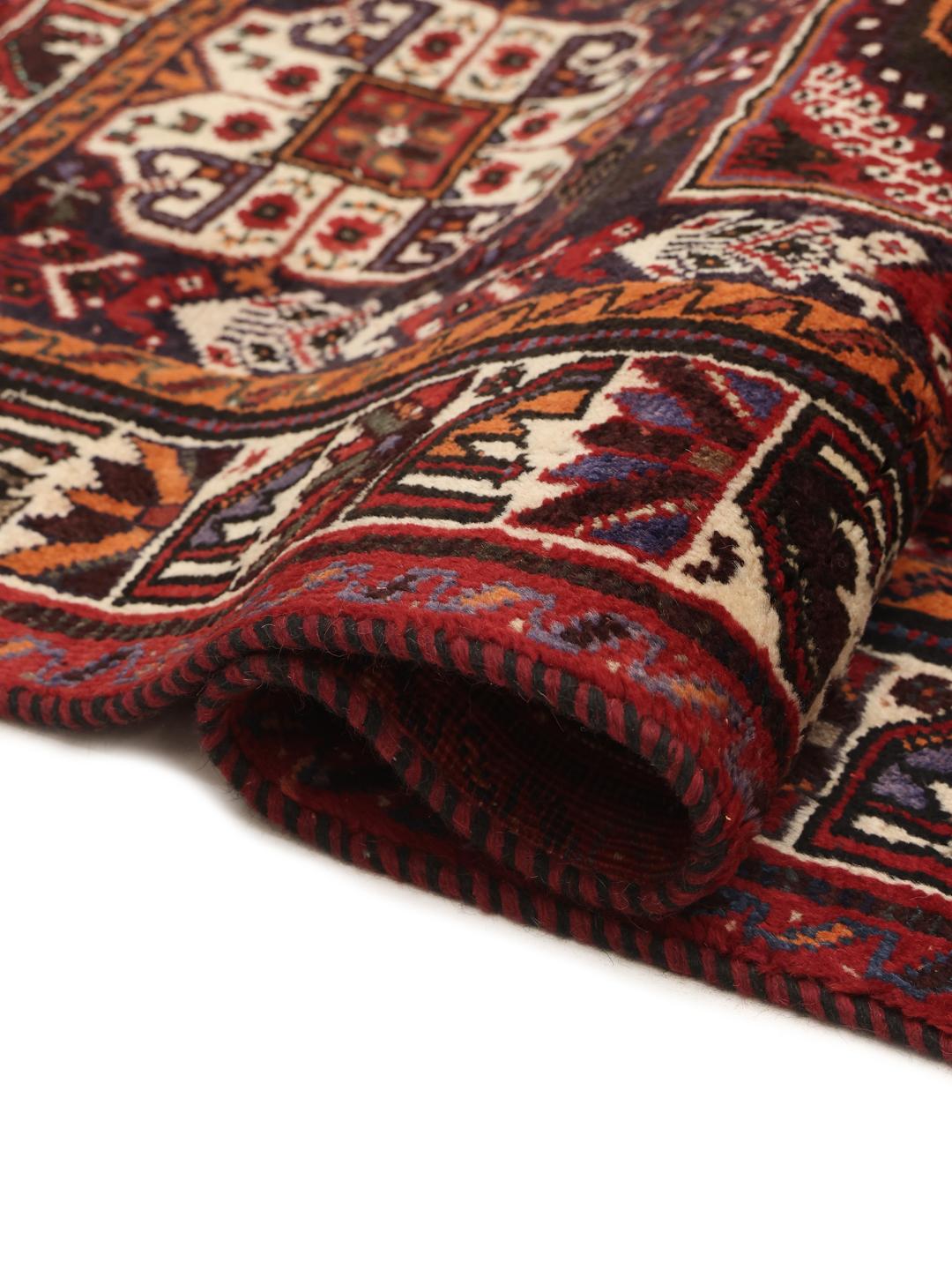
The term hand-knotted refers to the laborious process of looping Wool yarn around the warp threads of the rug's foundation. This method is the hallmark of quality in traditional rug making, as it creates a much more durable and resilient pile than machine-made alternatives. It allows for the intricate, crisp designs that have become synonymous with the Ghashghai aesthetic.
Design-wise, these rugs are famous for their bold geometric motifs, often featuring stylized representations of birds, animals, and plants. The central medallion, often a diamond or hexagonal shape, is a classic feature that draws the eye toward the centre of the rug. The use of deep reds and dark blues is characteristic of the region's natural dyeing traditions, resulting in a palette that is both striking and sophisticated.
Collectors value Ghashghai rugs for their authenticity and the skill required to produce them without the aid of modern technology. Owning a piece from this tradition means supporting a legacy of craftsmanship that has survived for generations. It is an opportunity to own a fragment of history that brings both cultural weight and visual beauty into your contemporary living space.