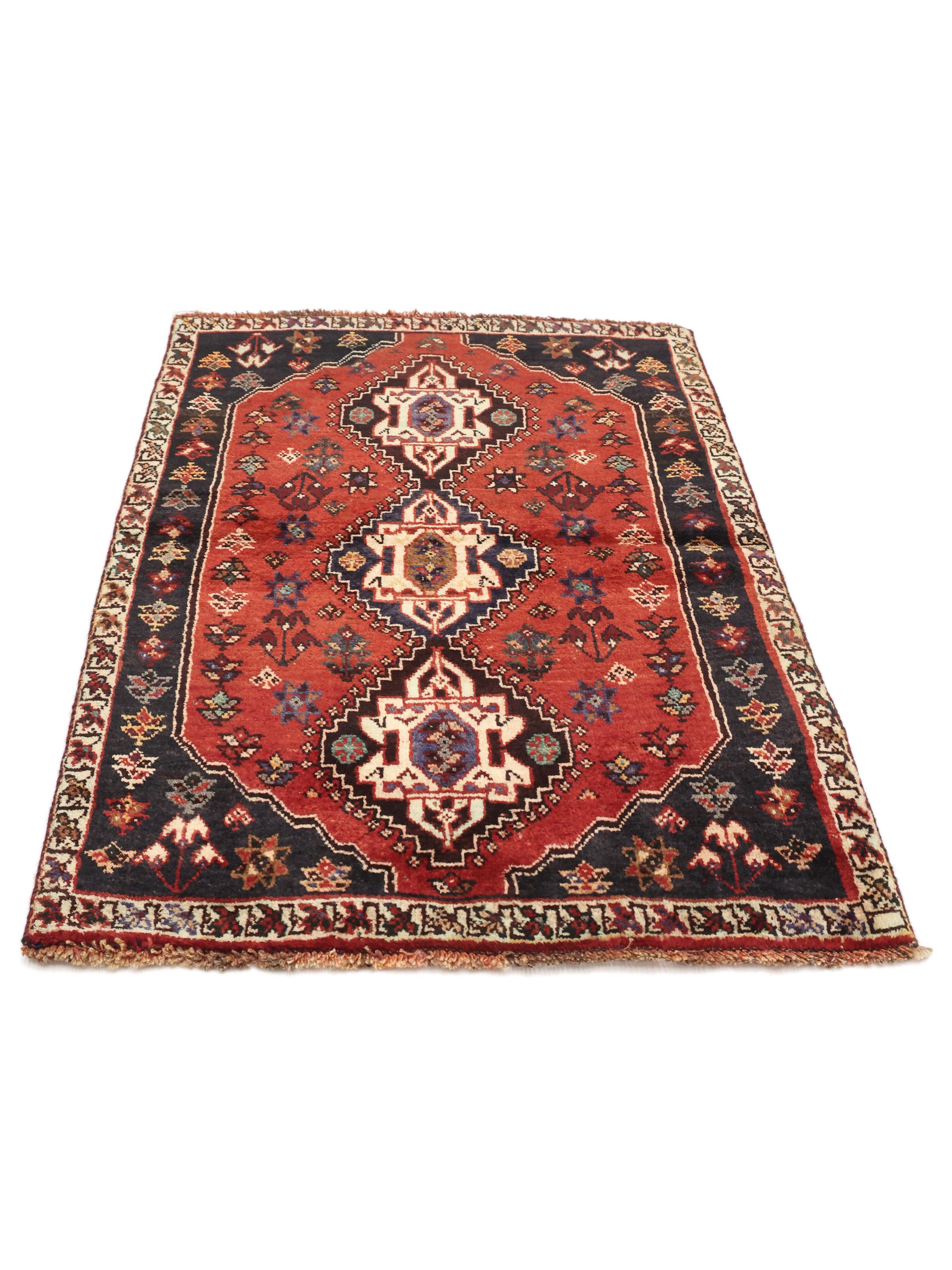
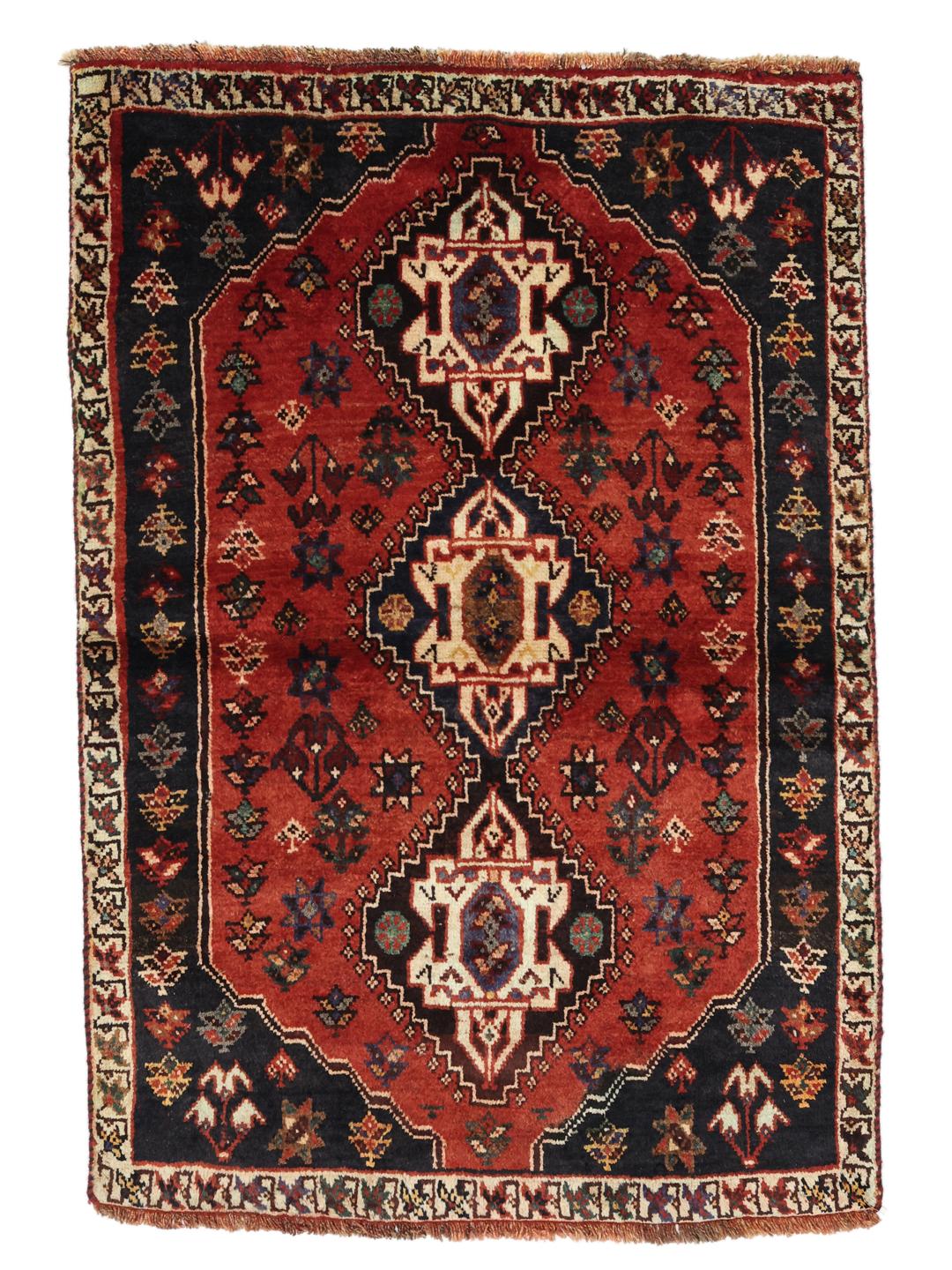
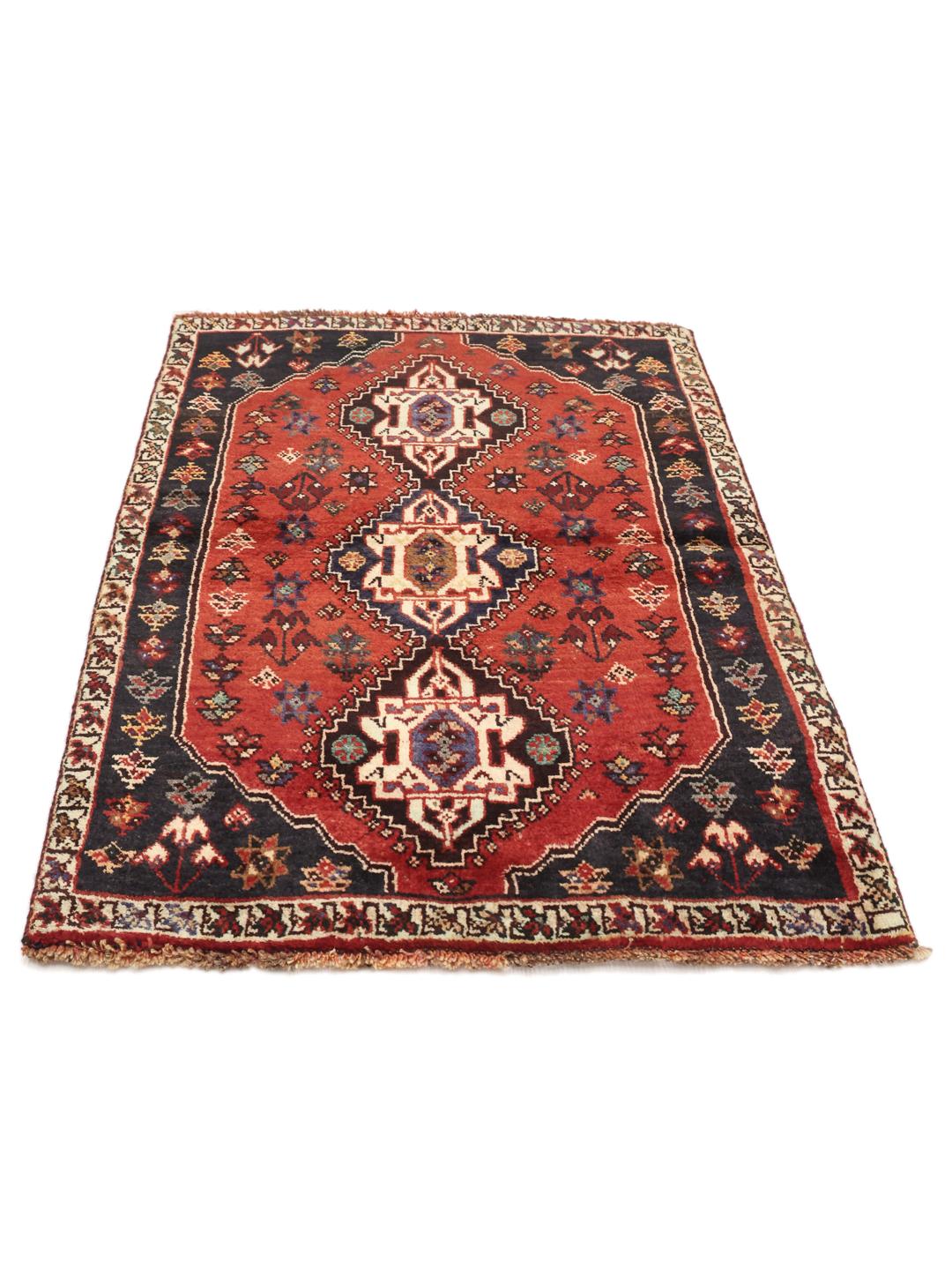
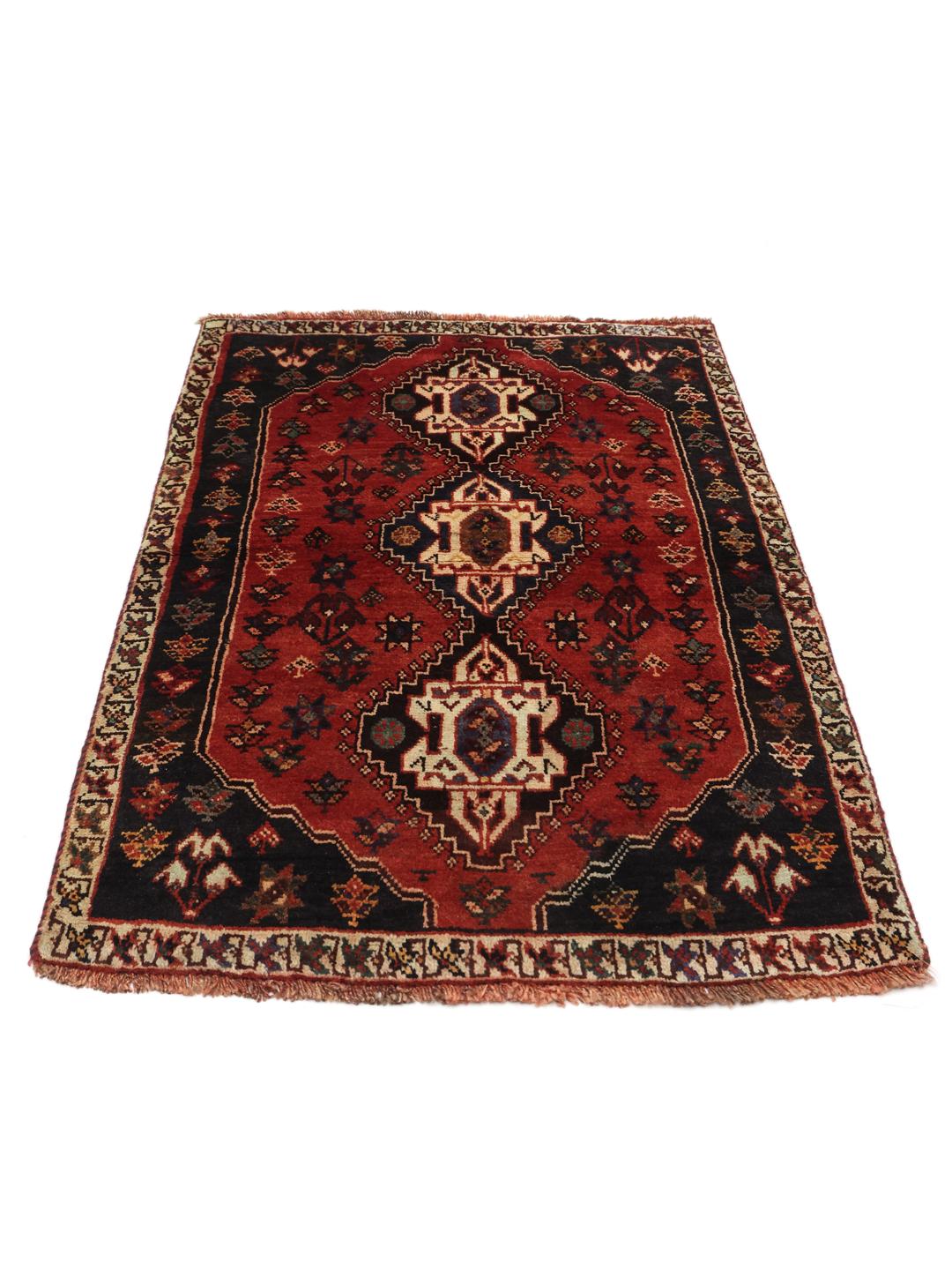
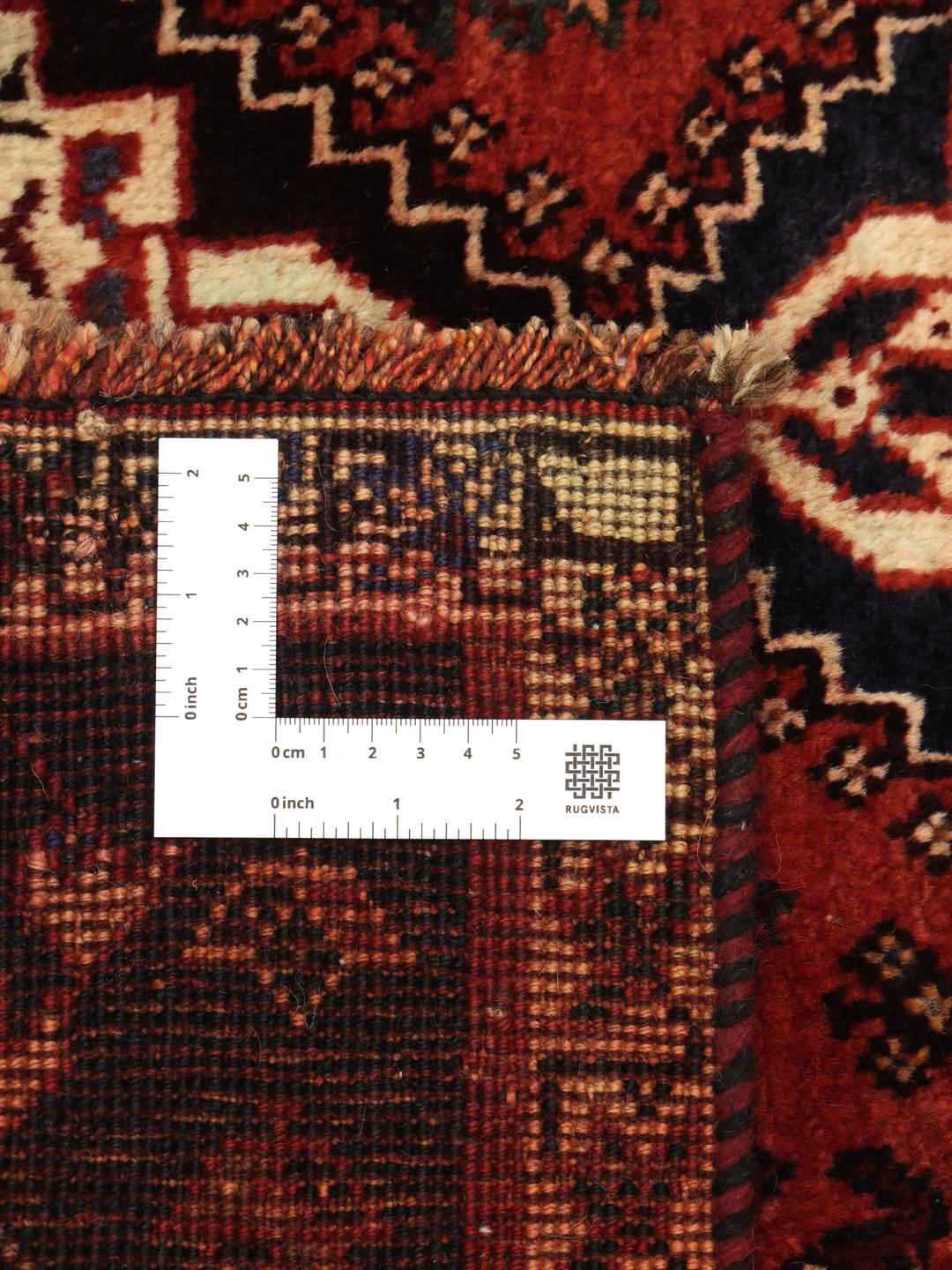
The Ghashghai rugs are born from the nomadic heritage of the Qashqai people, a confederation of tribes who have traversed the rugged landscapes of the Middle East for centuries. These rugs are not merely decorative items but were traditionally functional necessities for nomadic life, designed to provide insulation in harsh climates and to serve as portable art that could be rolled and moved with the seasons.
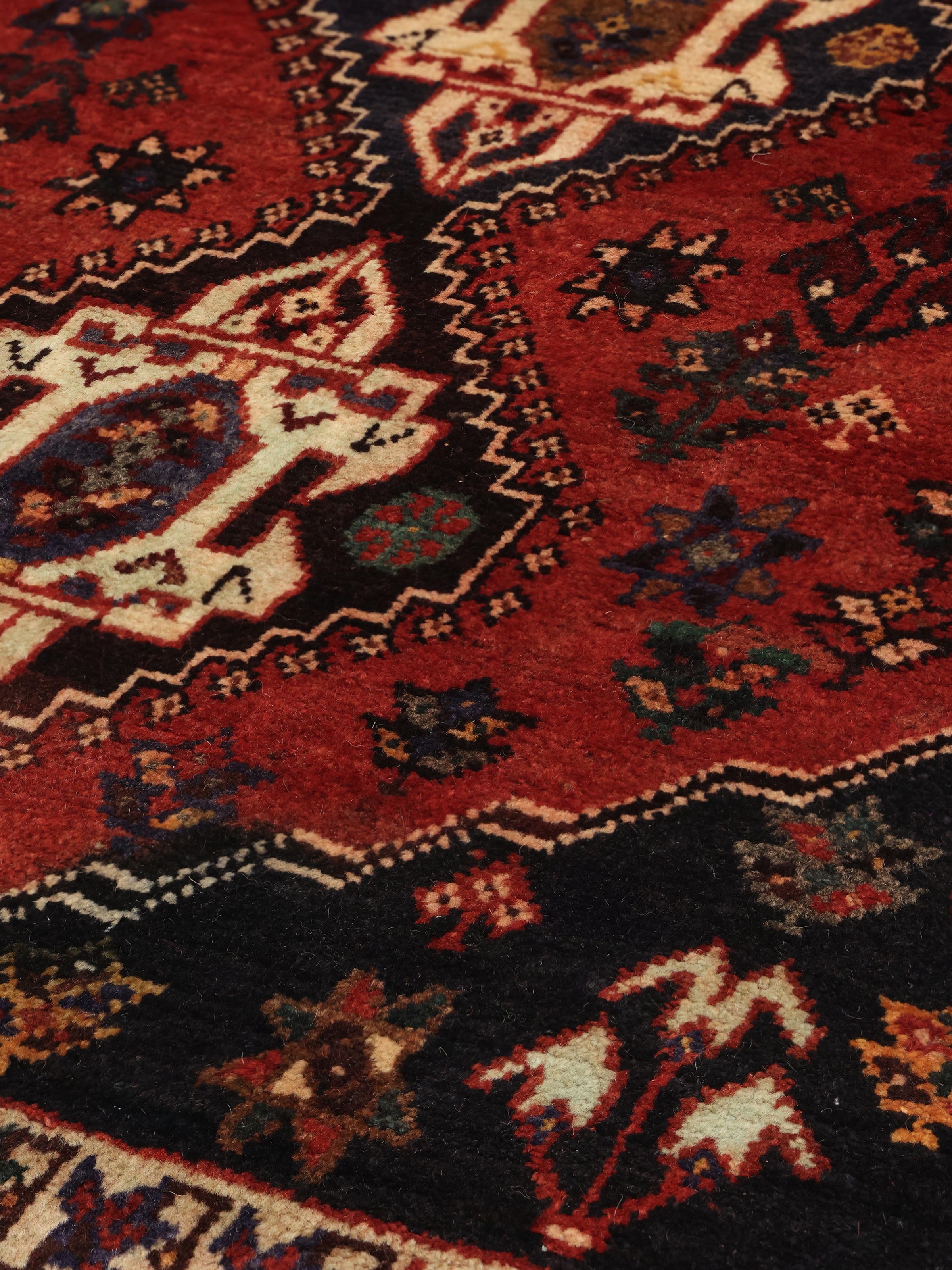
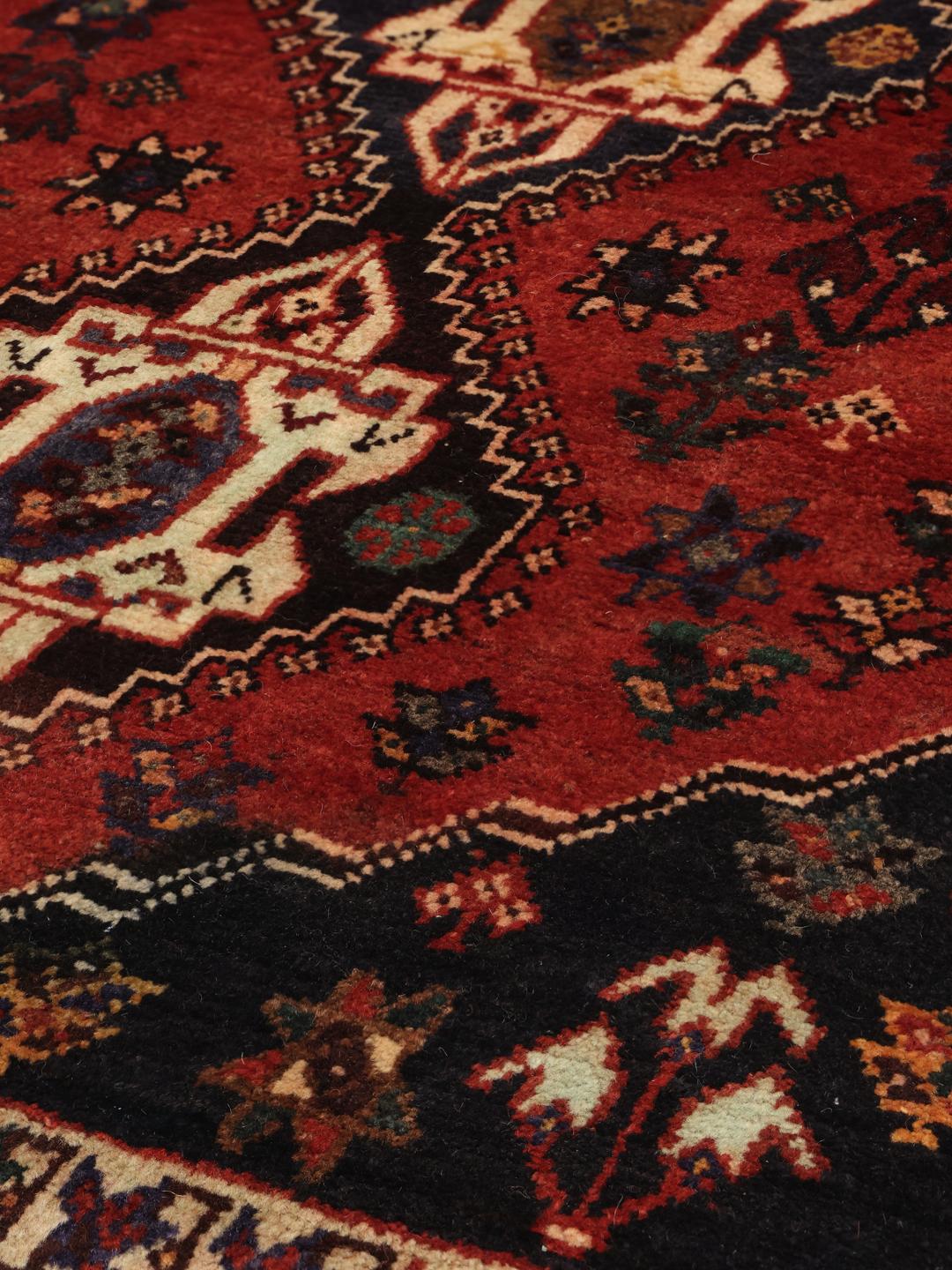
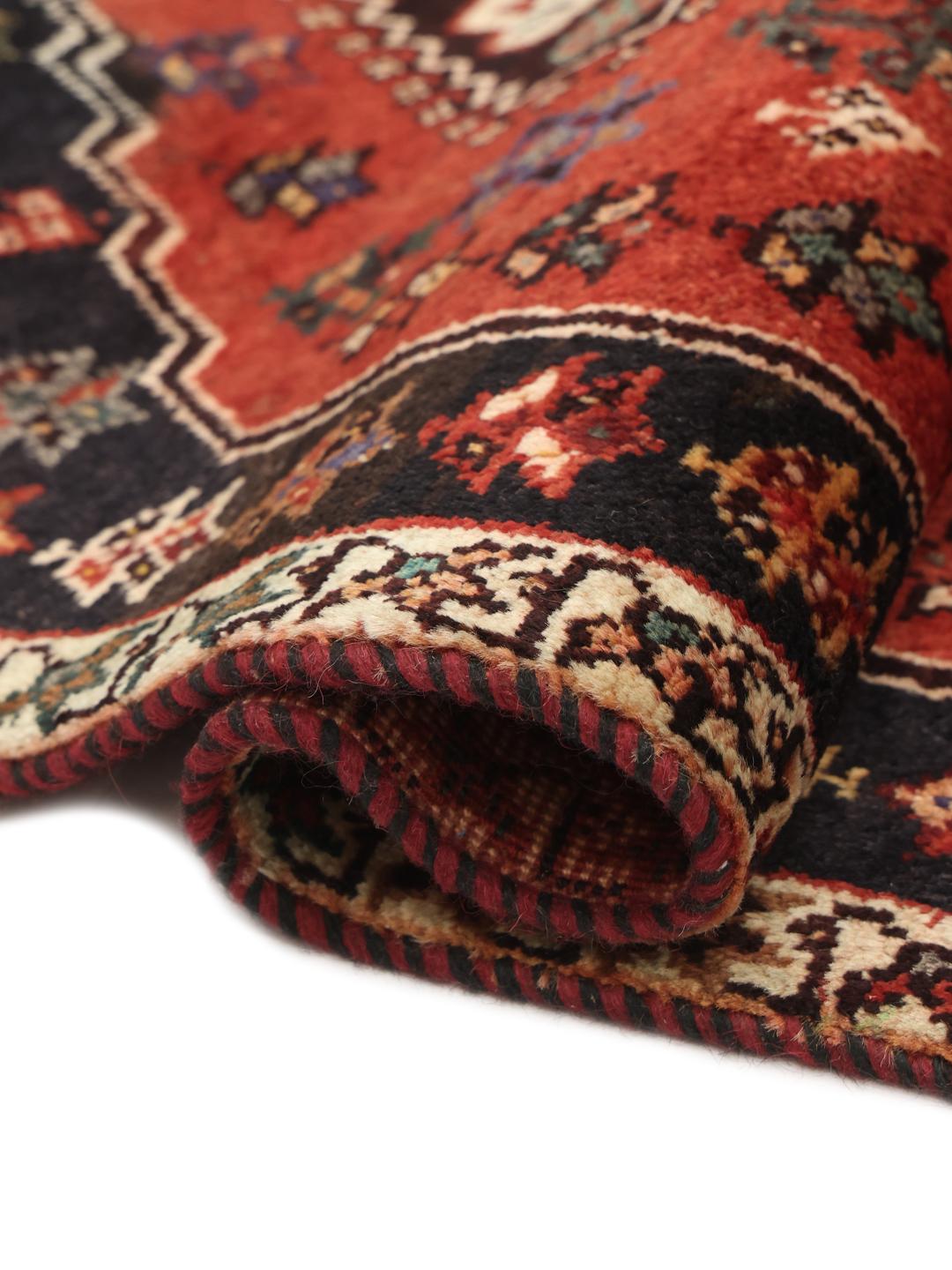
The craft of these rugs is defined by a deep respect for traditional weaving techniques that have been passed down through generations. The pile is typically constructed from high-quality wool, which is known for its natural lanolin content, providing both softness and long-lasting durability. This material choice is intentional, as it allows the rug to withstand the rigours of nomadic travel while maintaining its vibrant colour and structural integrity over time.
Visually, Ghashghai rugs are celebrated for their geometric rigour and symbolic language. The field is often populated by stylised floral motifs, animals, and the iconic stepped medallion, all arranged with a spontaneity that highlights the individual weaver's creative freedom. The borders are usually intricate, framing the central design and providing a formal structure that contrasts beautifully with the organic, tribal nature of the motifs.
Collecting a Ghashghai rug is an investment in cultural preservation. These pieces are highly valued for their authenticity and the sheer human effort required to create them. Owning one means connecting to a lineage of skilled artisans whose work remains a testament to the enduring appeal of traditional craftsmanship in a fast-paced world.