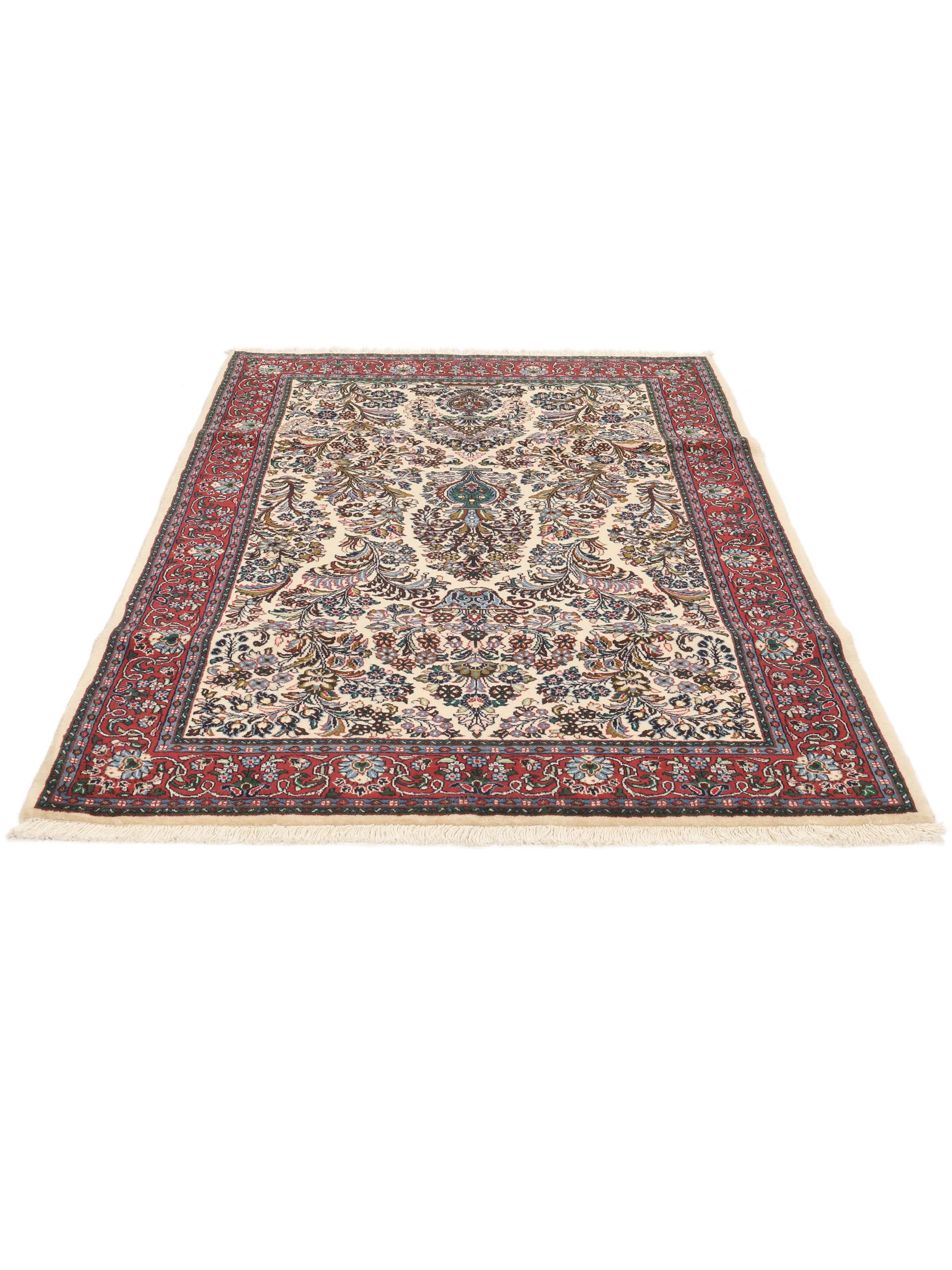
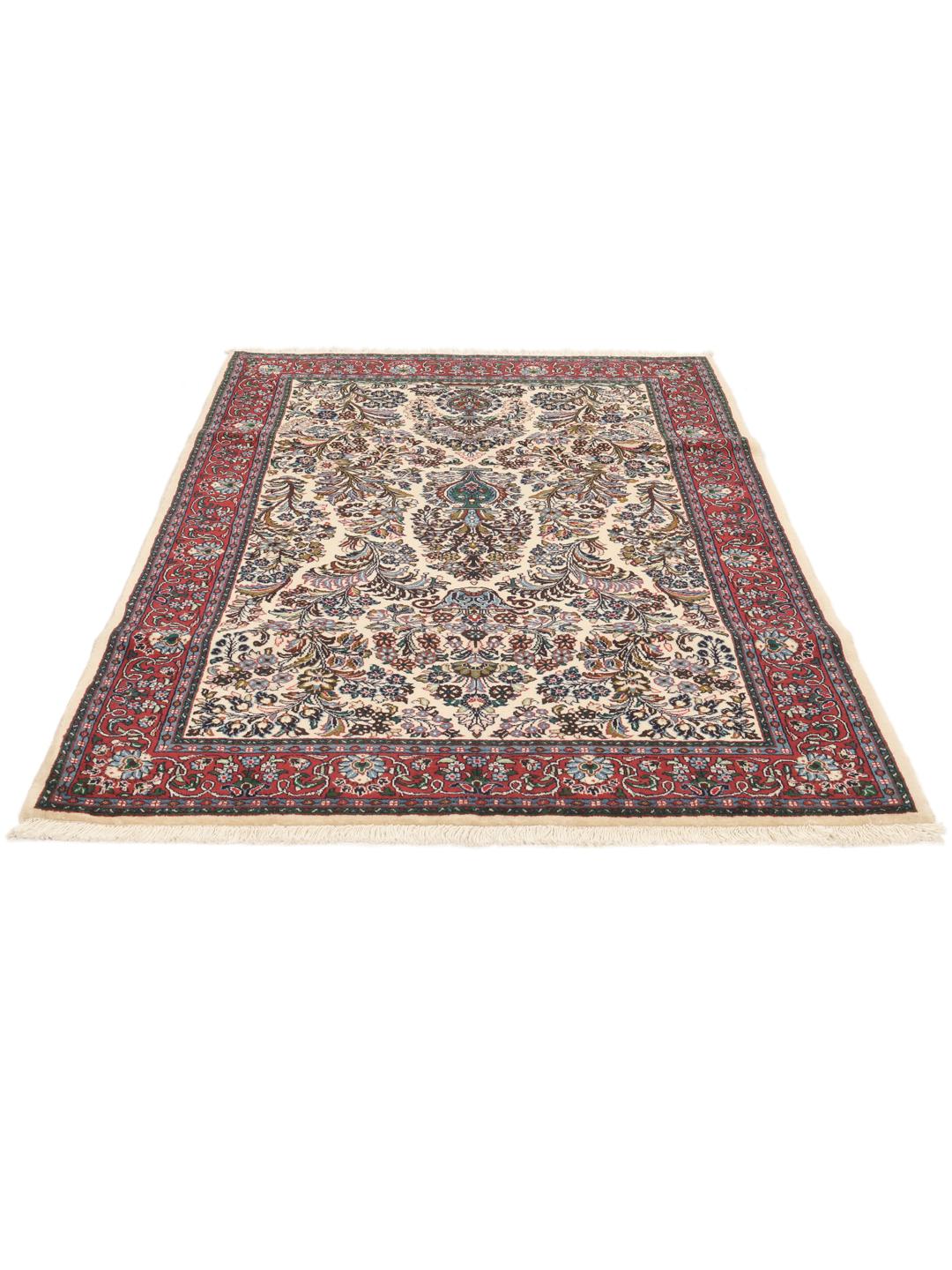
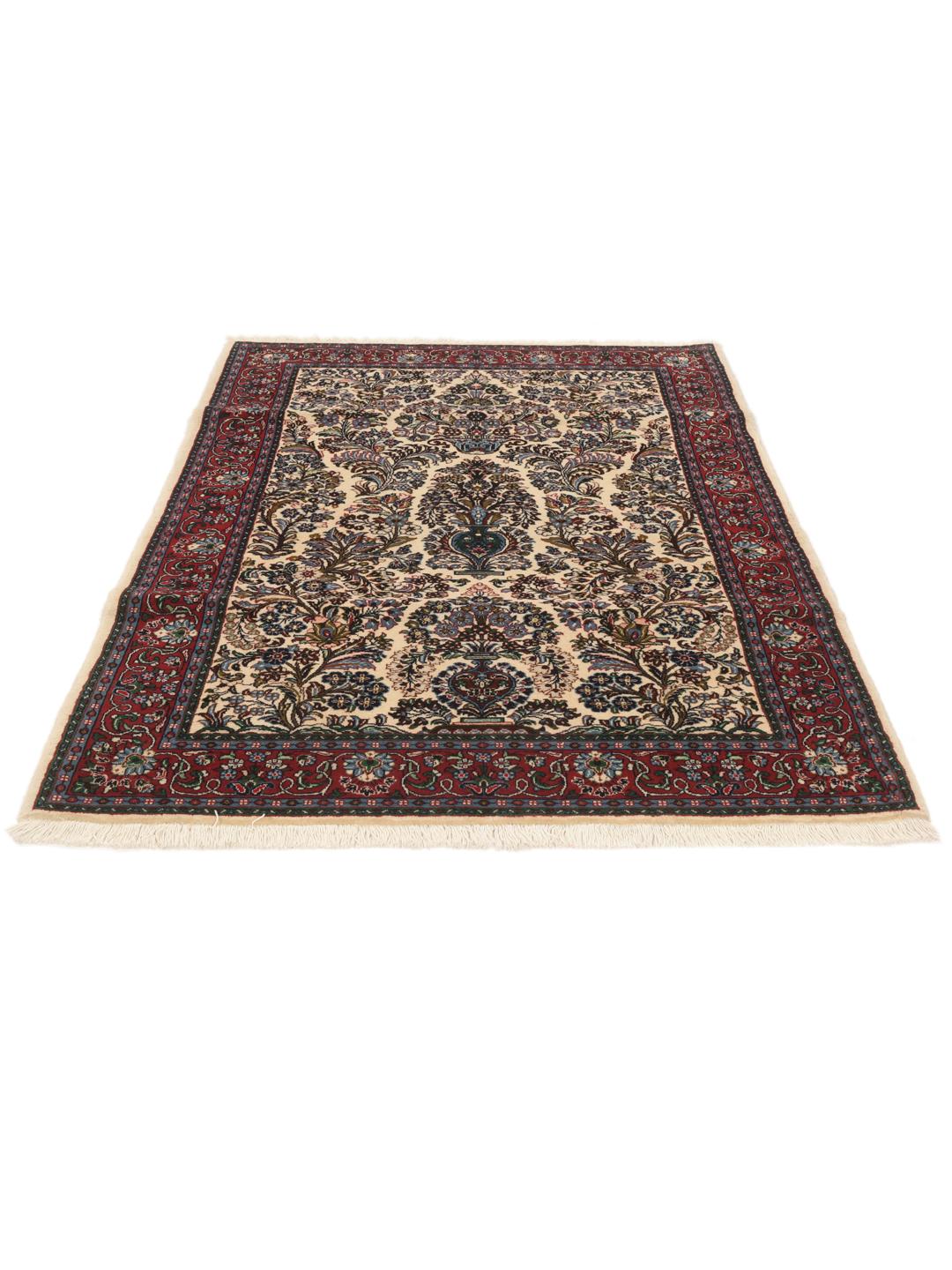
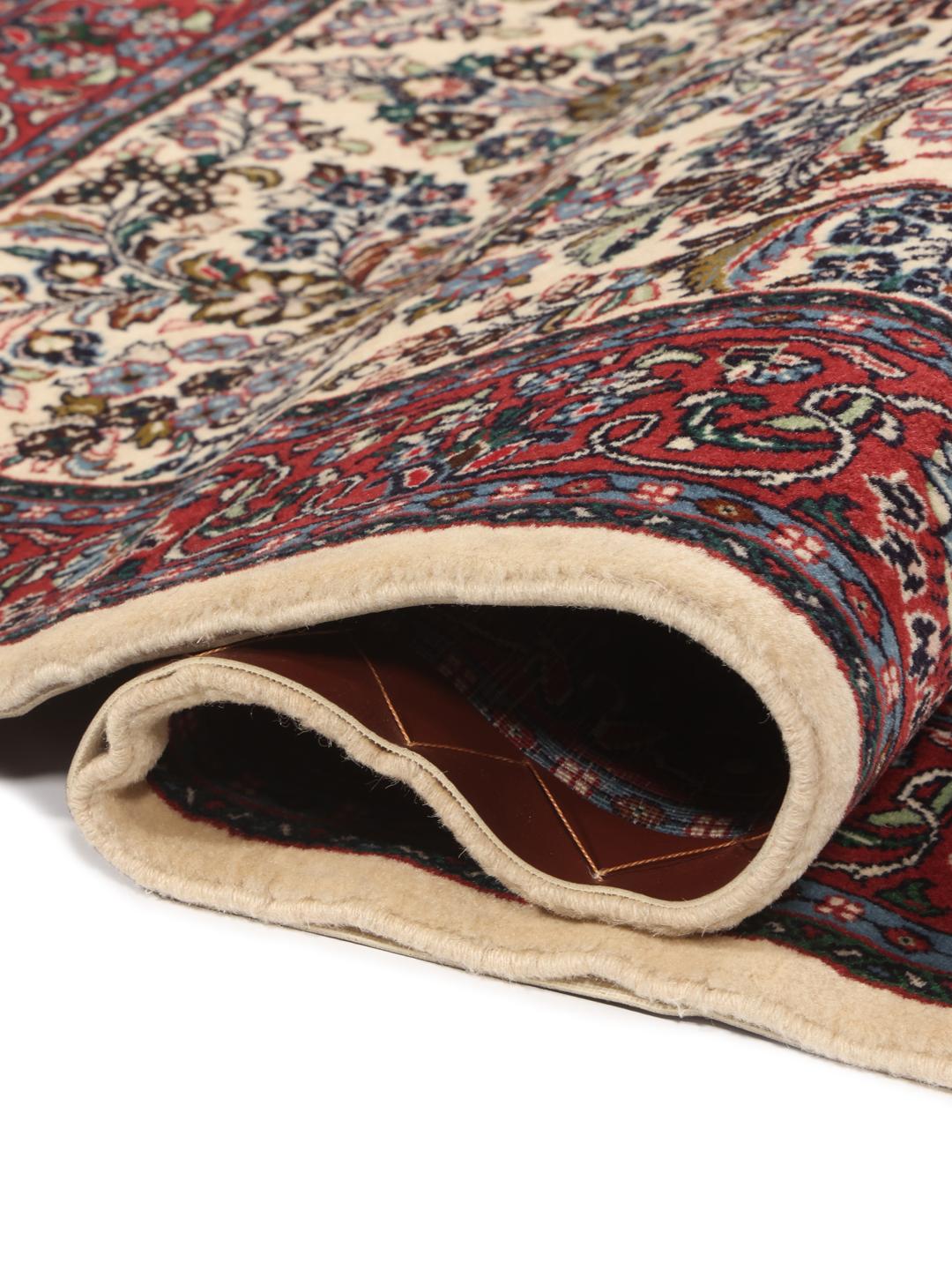
The Sarough rug originates from the village of the same name in the central region of the Middle East, a place that has long been synonymous with high-quality weaving. Historically, these rugs gained international fame in the early 20th century, particularly in the West, where their durability and elegant floral patterns were highly sought after for formal interiors. Today, they remain a benchmark for those who appreciate the intersection of traditional weaving techniques and refined, sophisticated design.
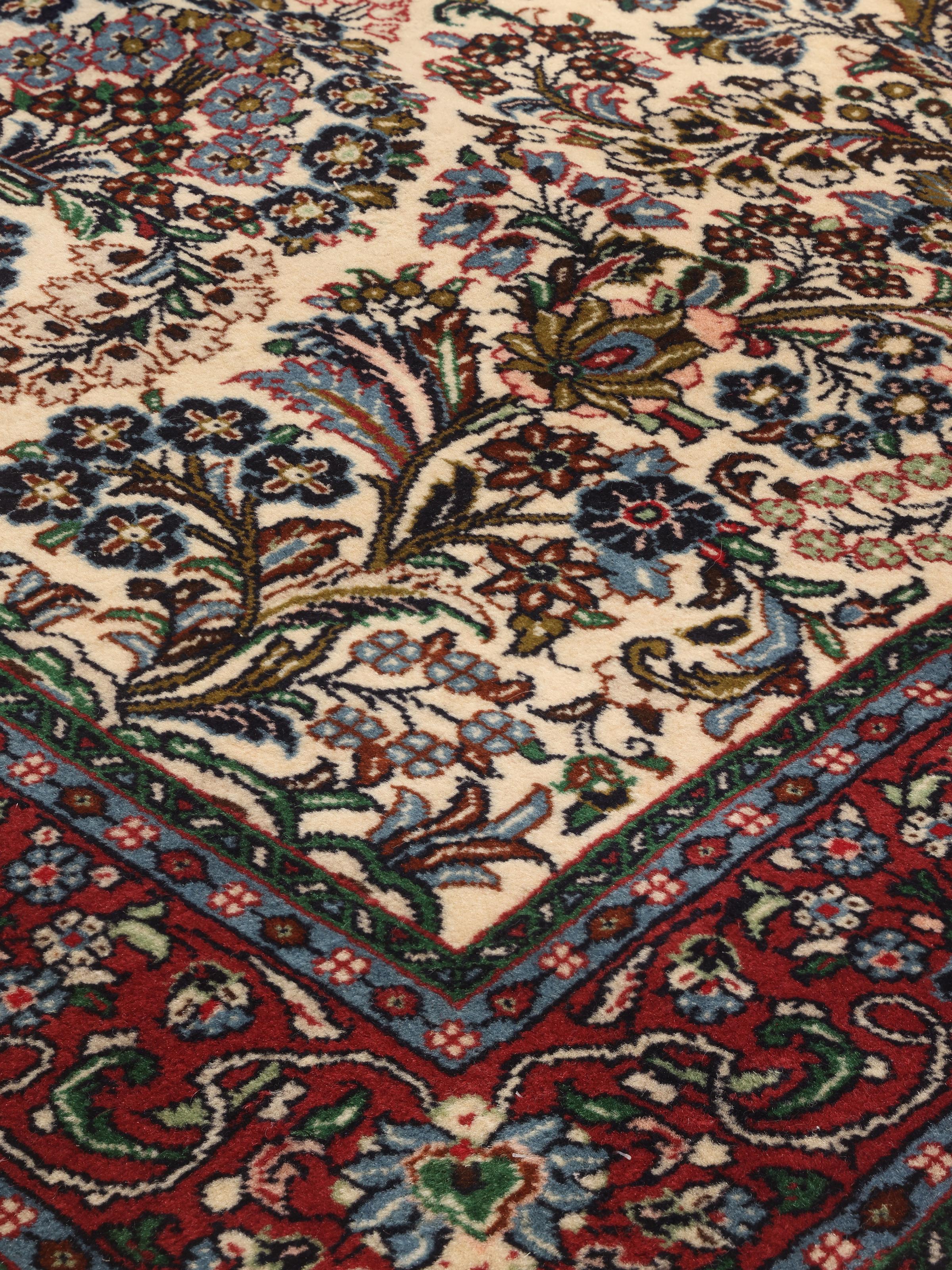
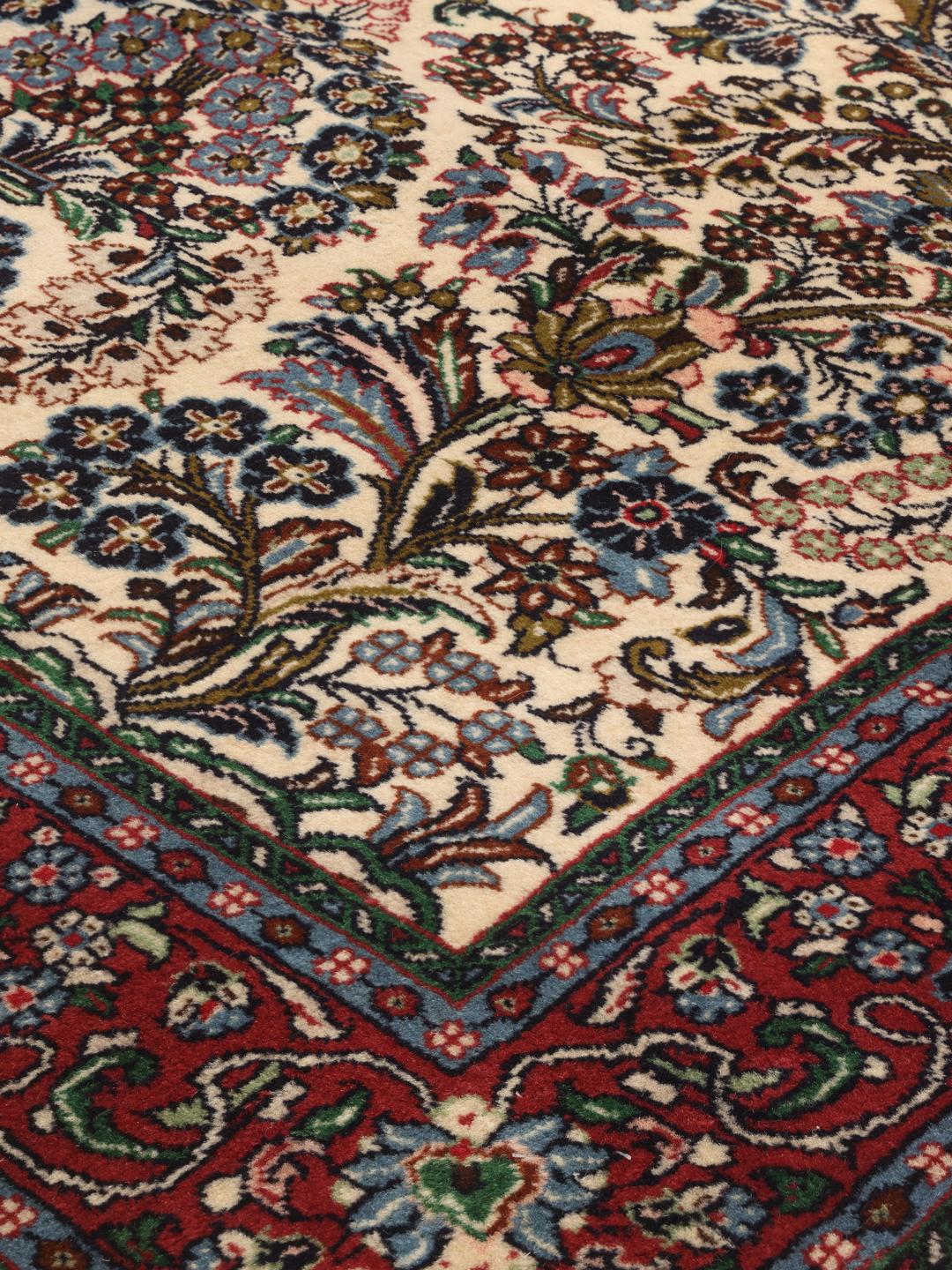
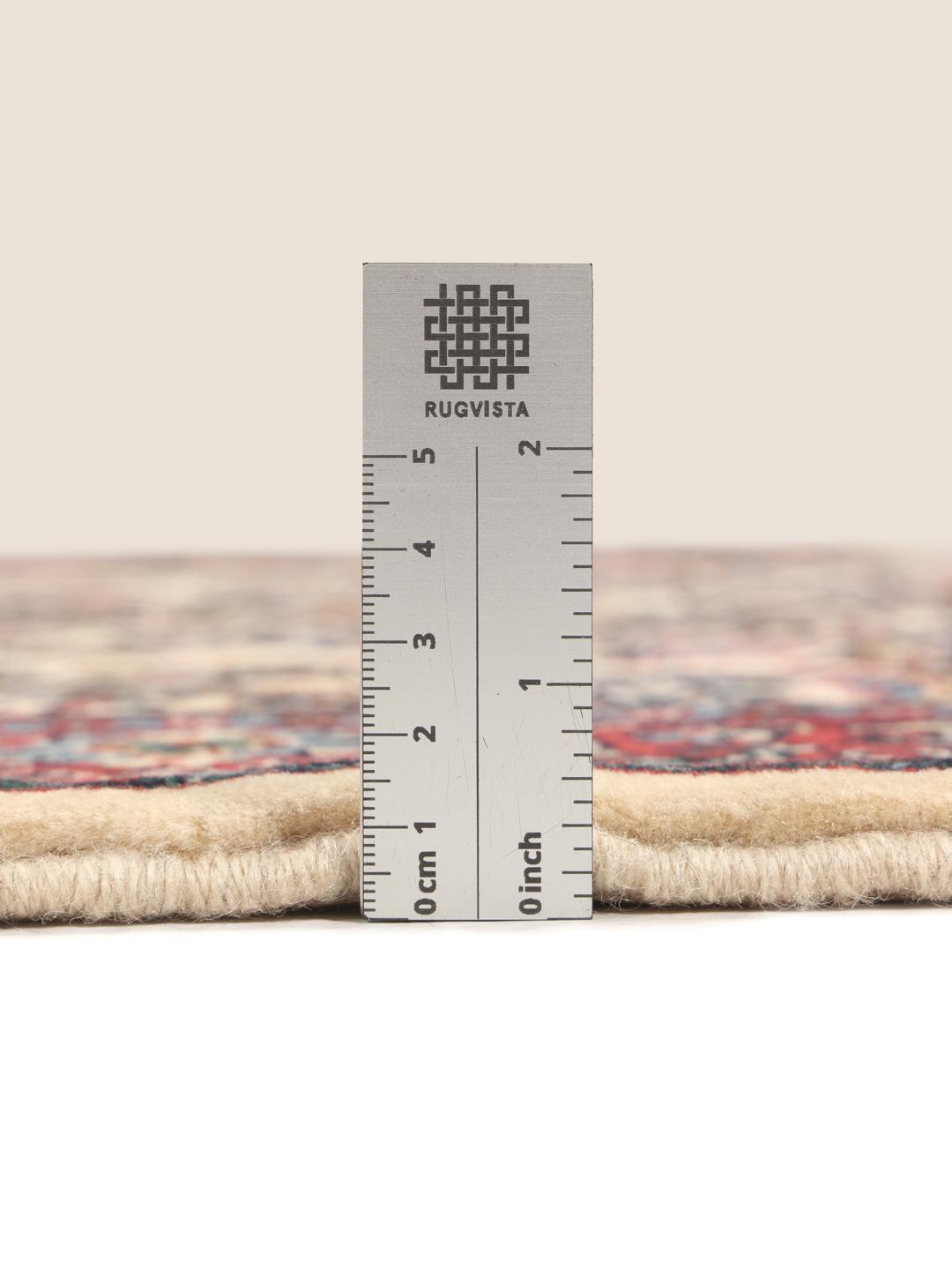
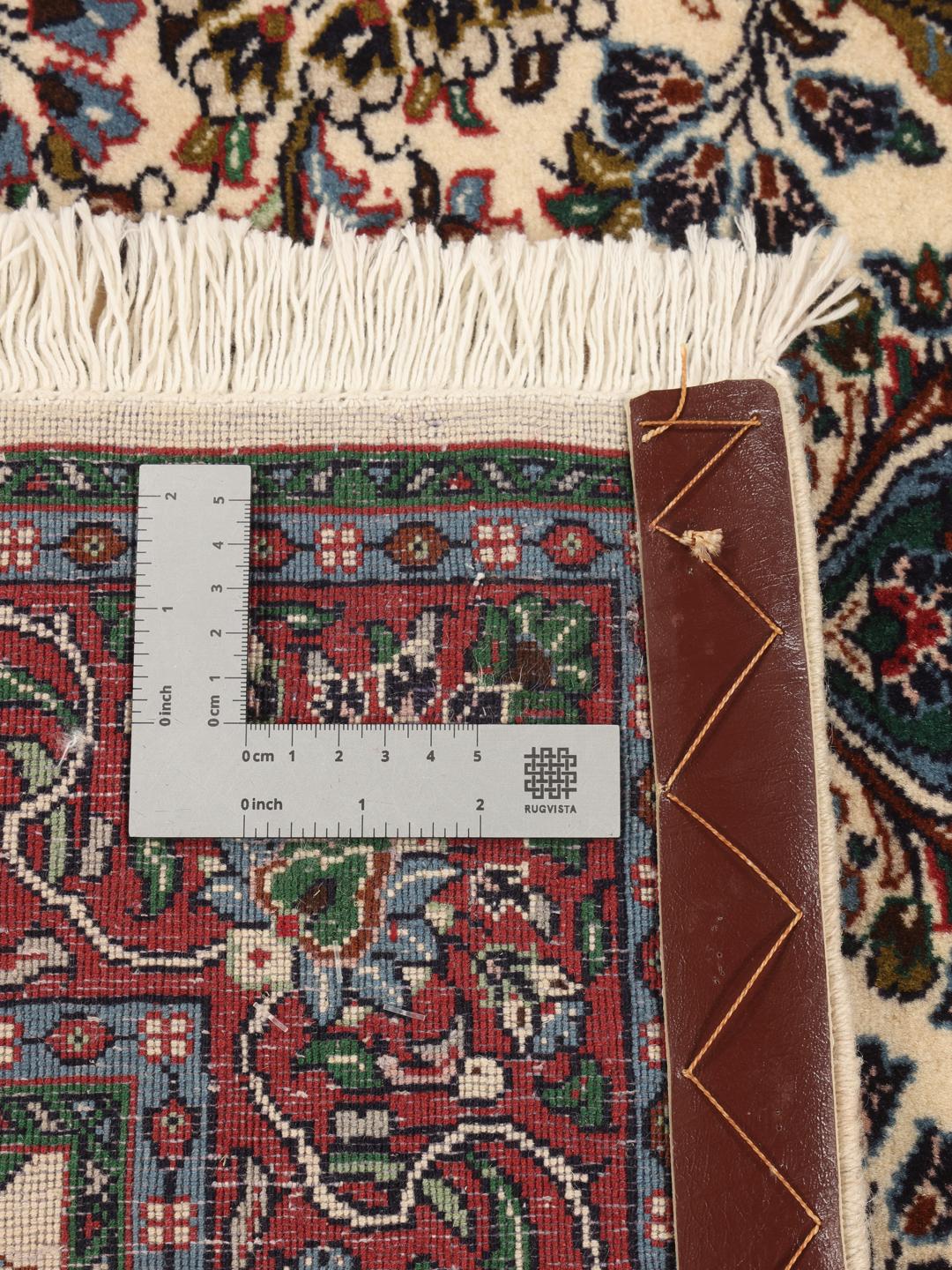
The term 'Sarough' refers not just to the geographical origin, but to a specific, disciplined style of construction. These rugs are known for their sturdy foundation and a dense, high-quality pile that feels substantial and luxurious. The use of traditional weaving methods ensures that the rug is not only visually stunning but also built to withstand the test of time, making it a reliable choice for high-traffic areas where quality cannot be compromised.
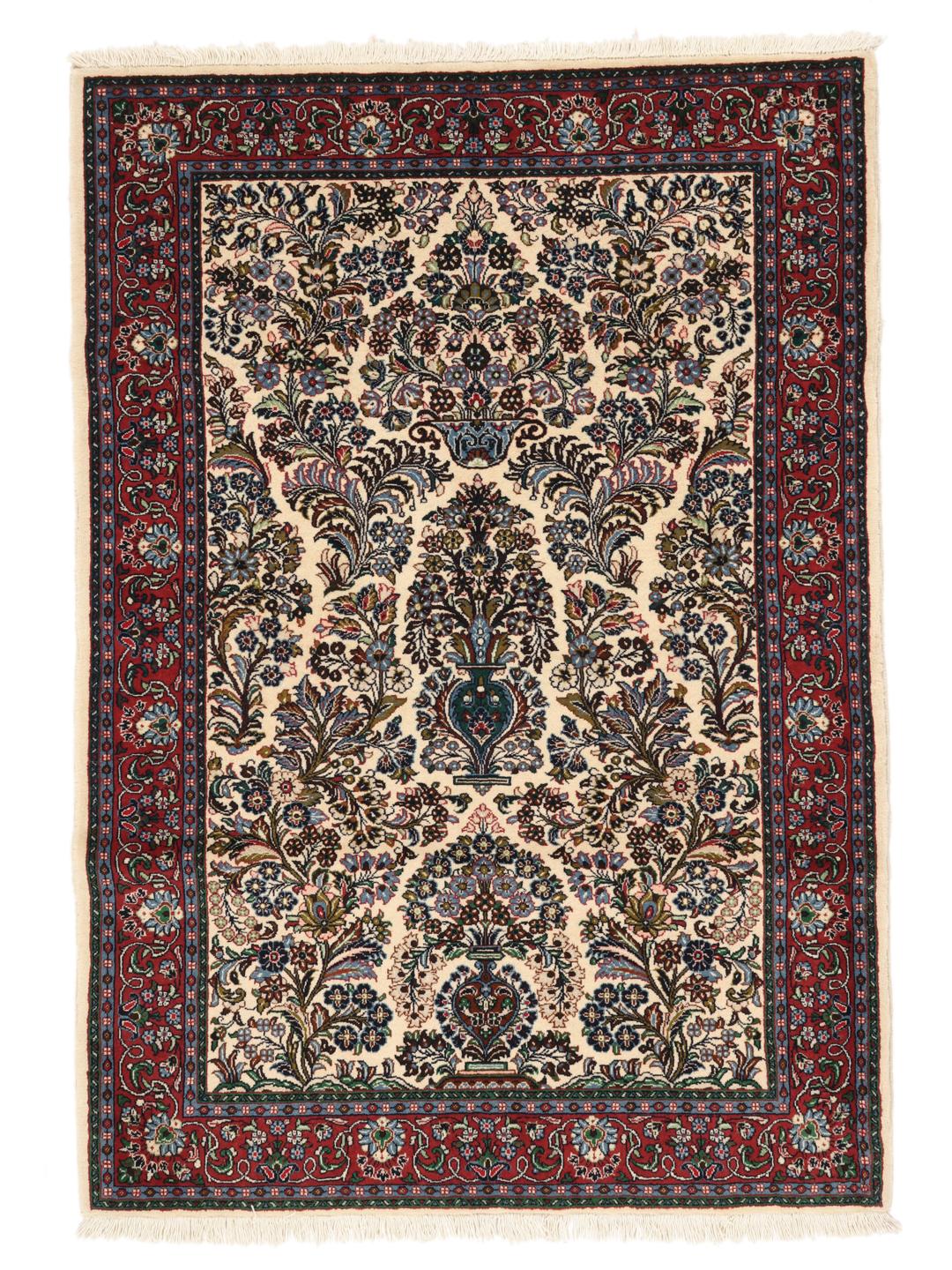
Design-wise, these rugs are celebrated for their elaborate floral arrangements. The classic 'vase' motif, as seen here, is a hallmark of the style, often featuring delicate tendrils, palmettes, and scrolling vines that seem to grow naturally from the central vessel. The formal, balanced composition is typically framed by intricate, multi-layered borders that guide the eye and provide a sense of structure to the overall design.
Collecting a rug from this tradition is an act of preserving a piece of cultural history. Because they are hand-knotted using age-old methods, they carry the spirit of the people and the environment from which they were born. For the collector, owning a Sarough represents a connection to a rich, centuries-old legacy of craftsmanship, offering a sense of heritage that modern, mass-produced items simply cannot match.