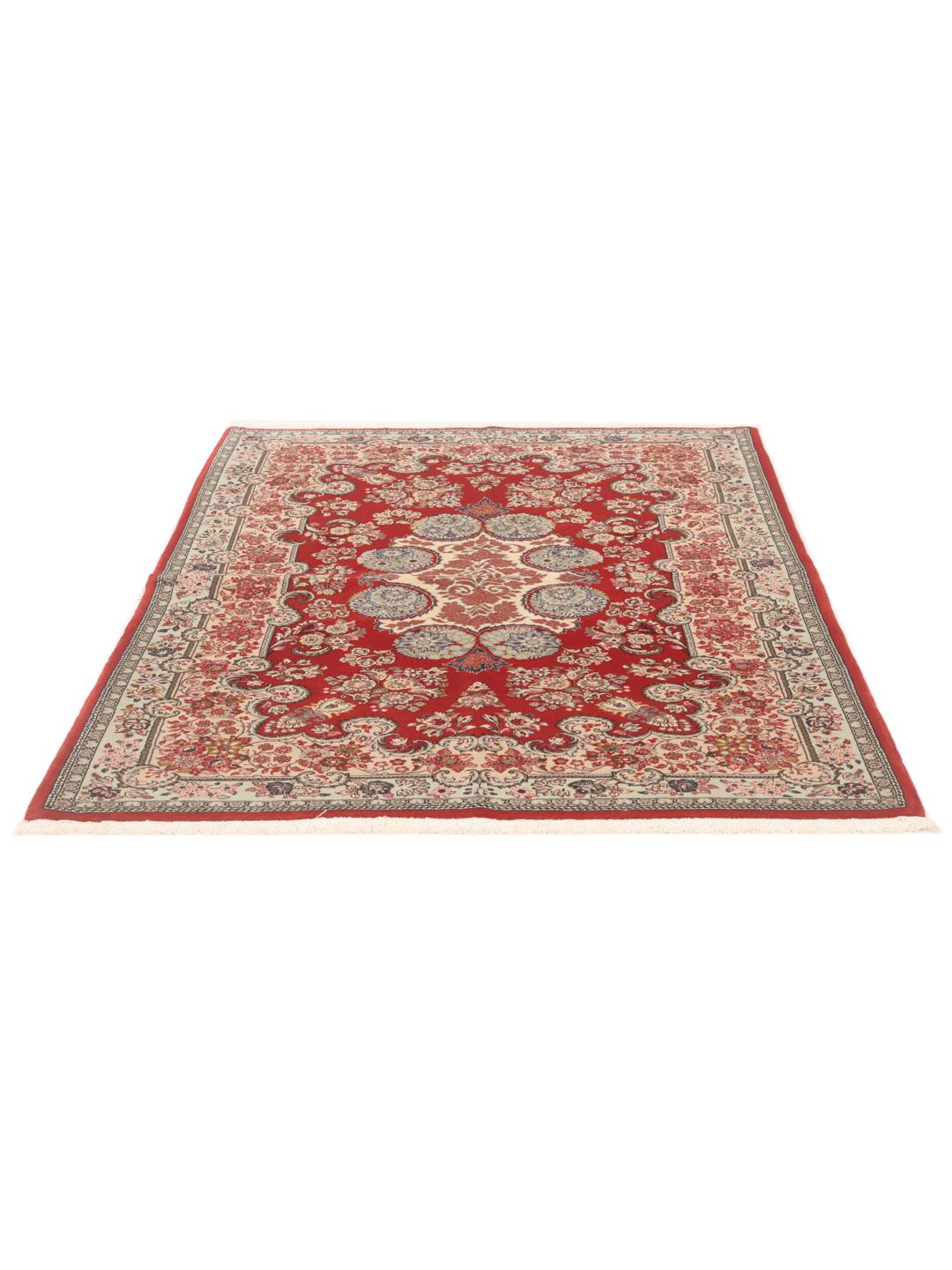
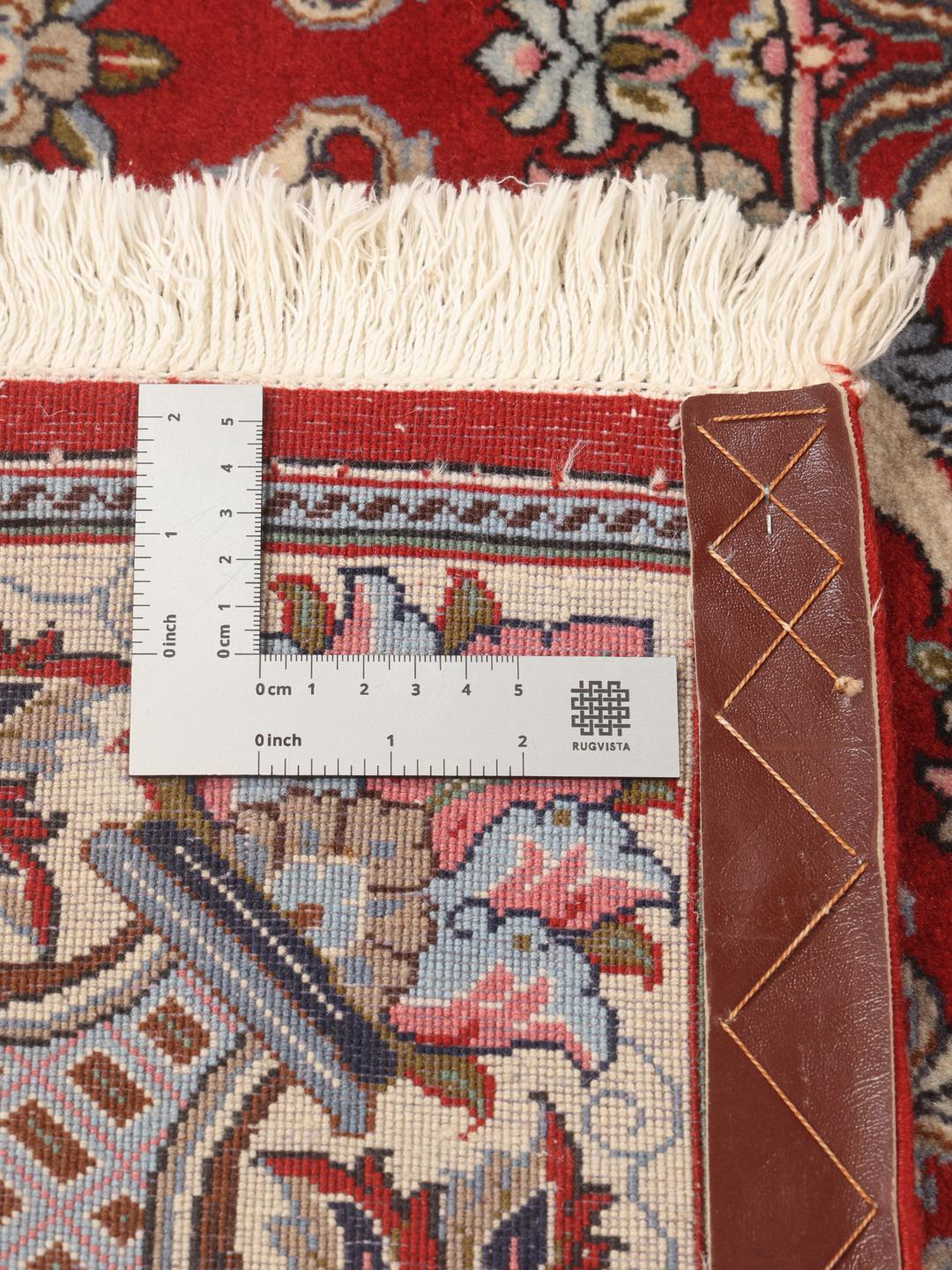
The Sarough rug originates from the village of the same name in the central region of the Middle East. Historically, this area became famous for producing some of the most durable and aesthetically pleasing rugs in the region. By the late 19th and early 20th centuries, these rugs gained significant popularity in Western markets for their exceptional construction and sophisticated floral designs.
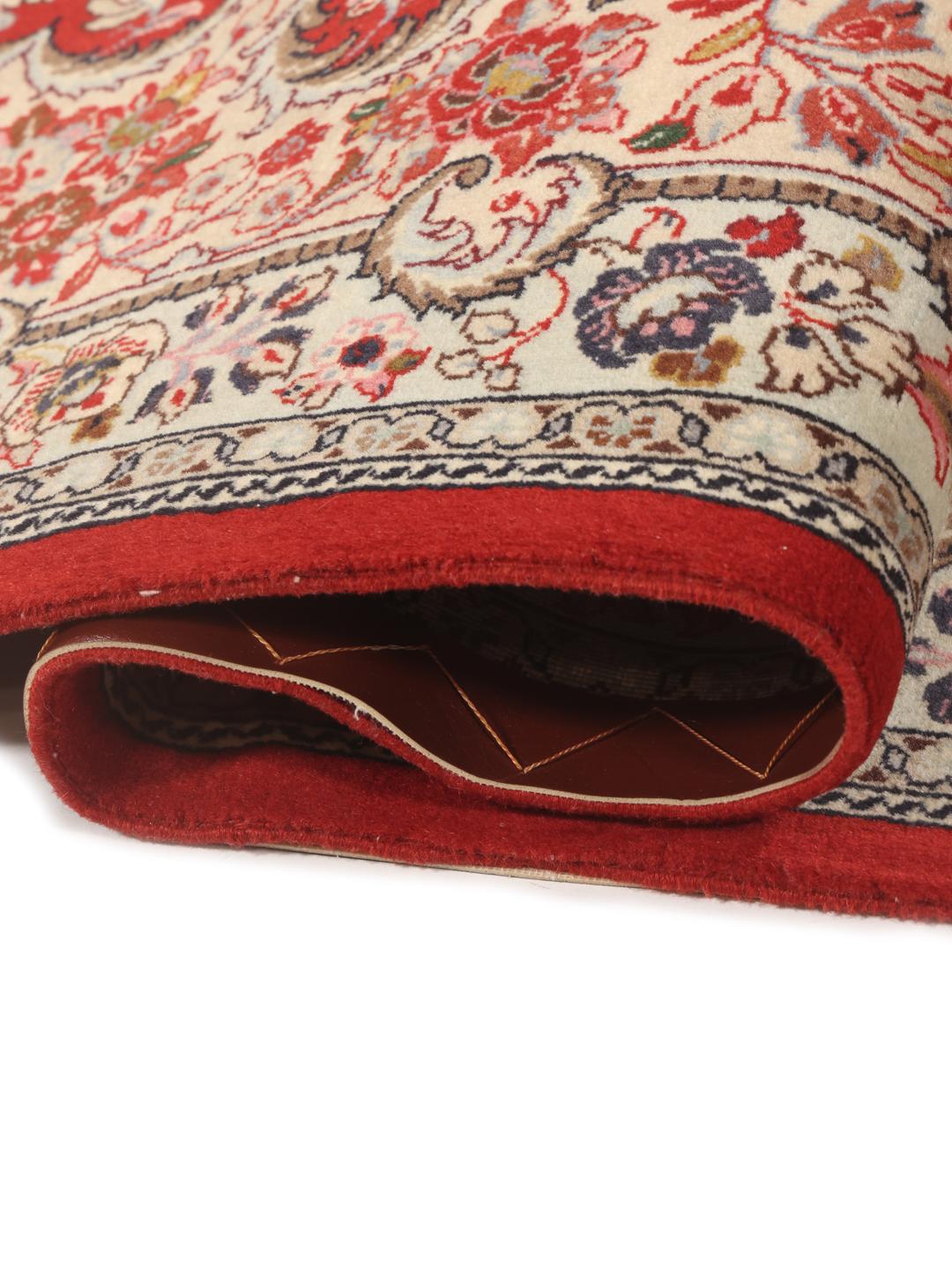
The term 'Sarough' itself has become synonymous with a specific style of construction that emphasises a firm, heavy foundation. The technique involves a particular way of tensioning the foundation to ensure the pile remains dense and upright. This structural approach is what gives these rugs their legendary durability, allowing them to retain their shape and beauty even after decades of use in a busy home.
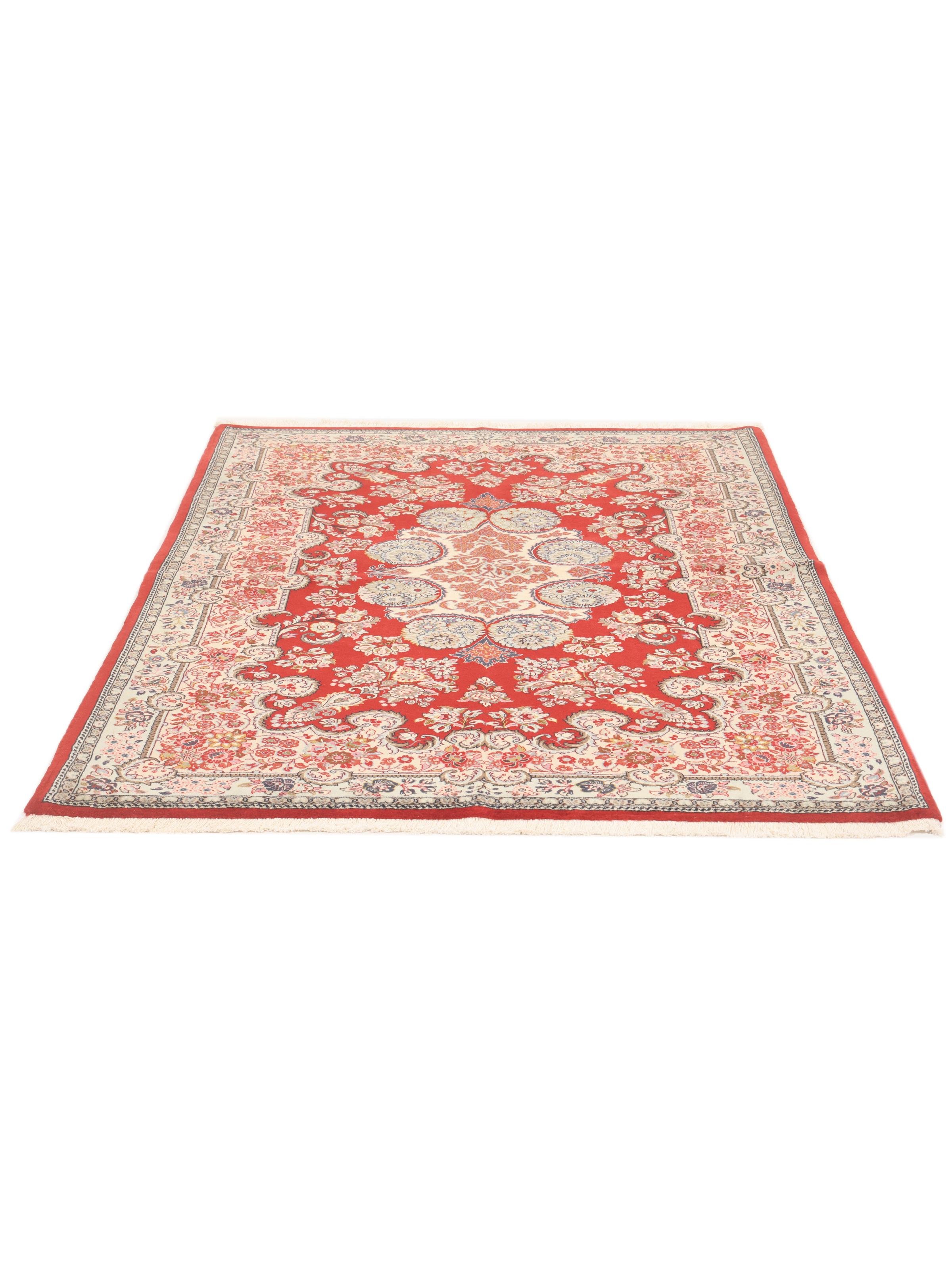
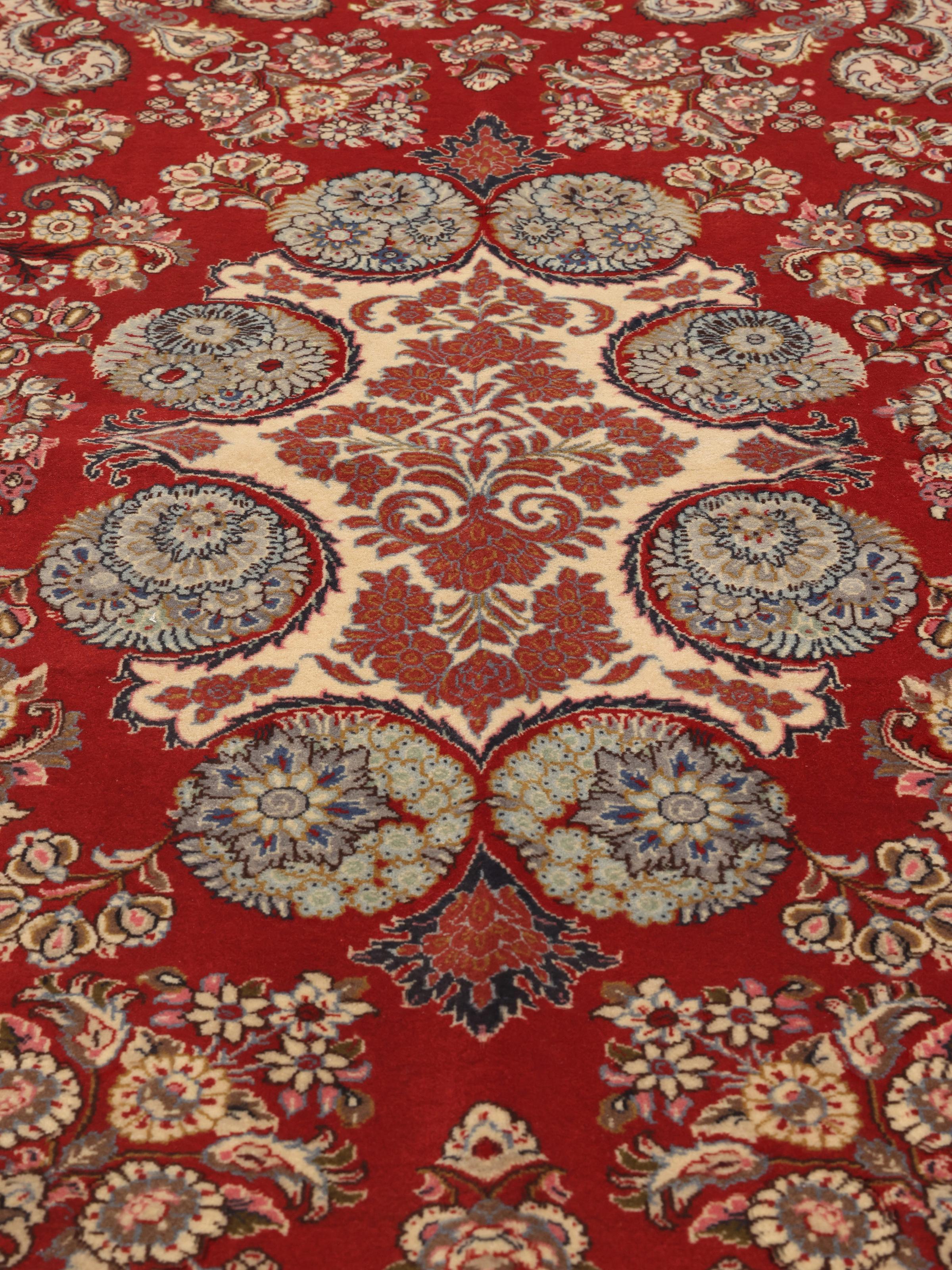
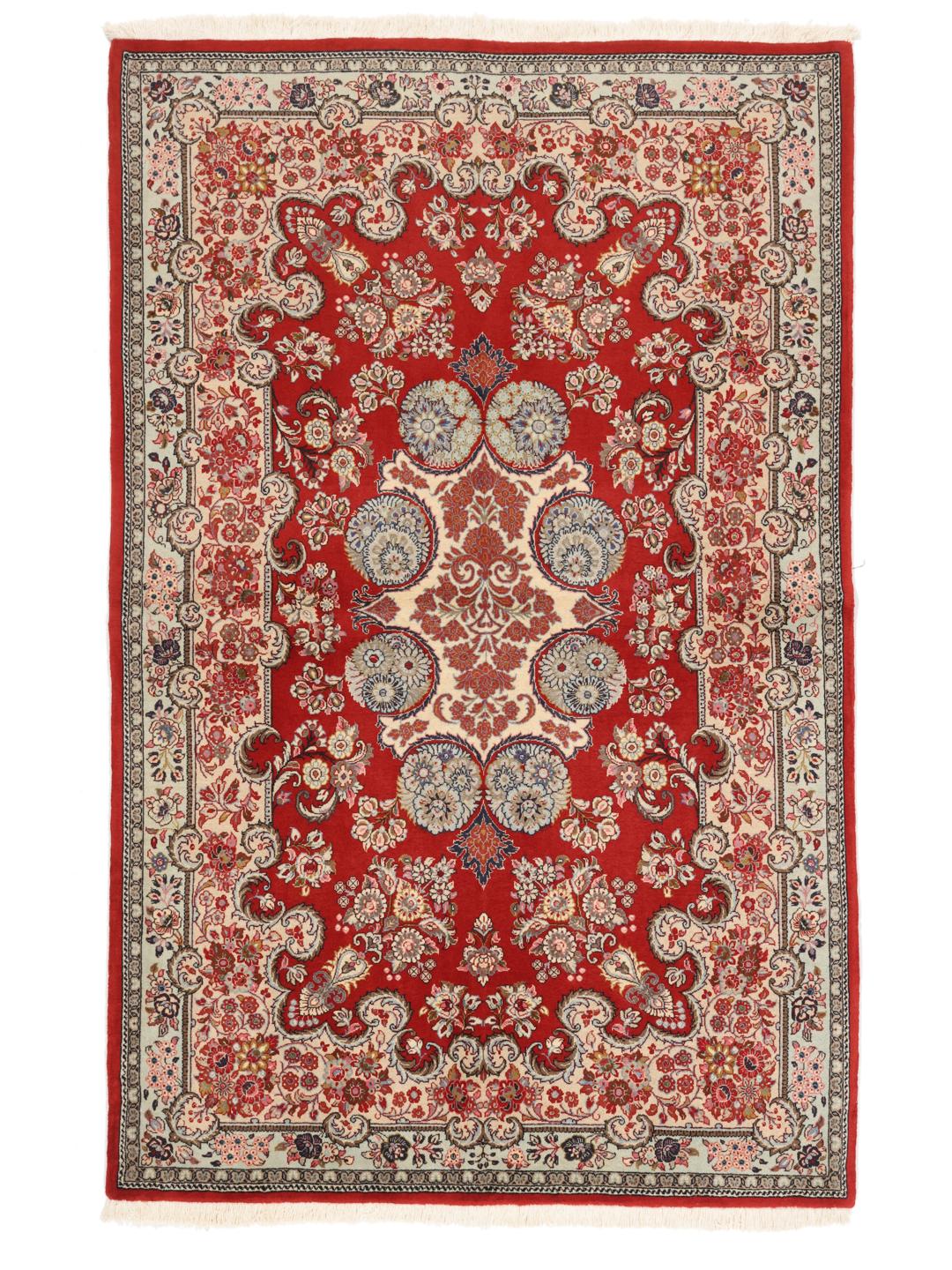
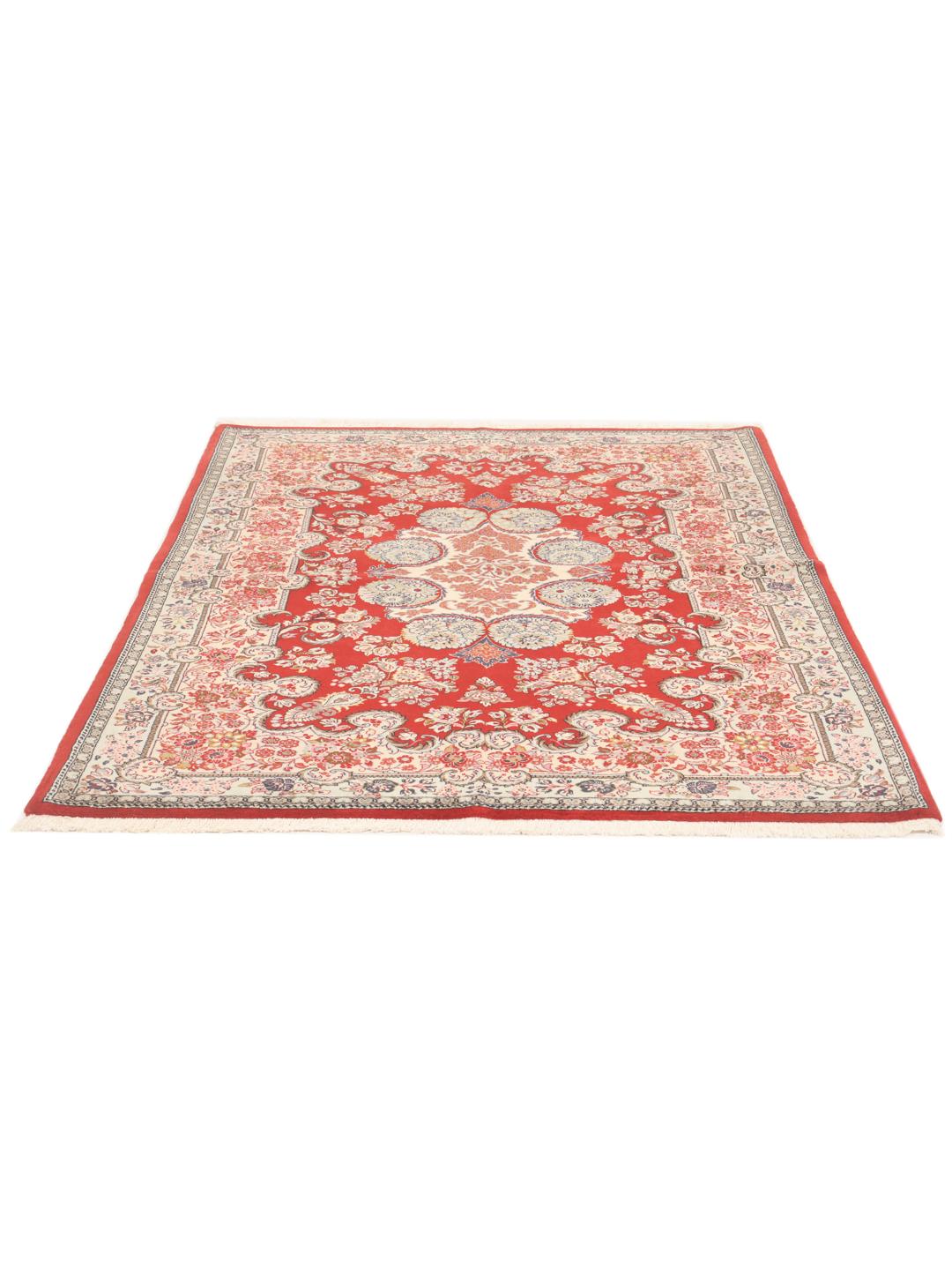
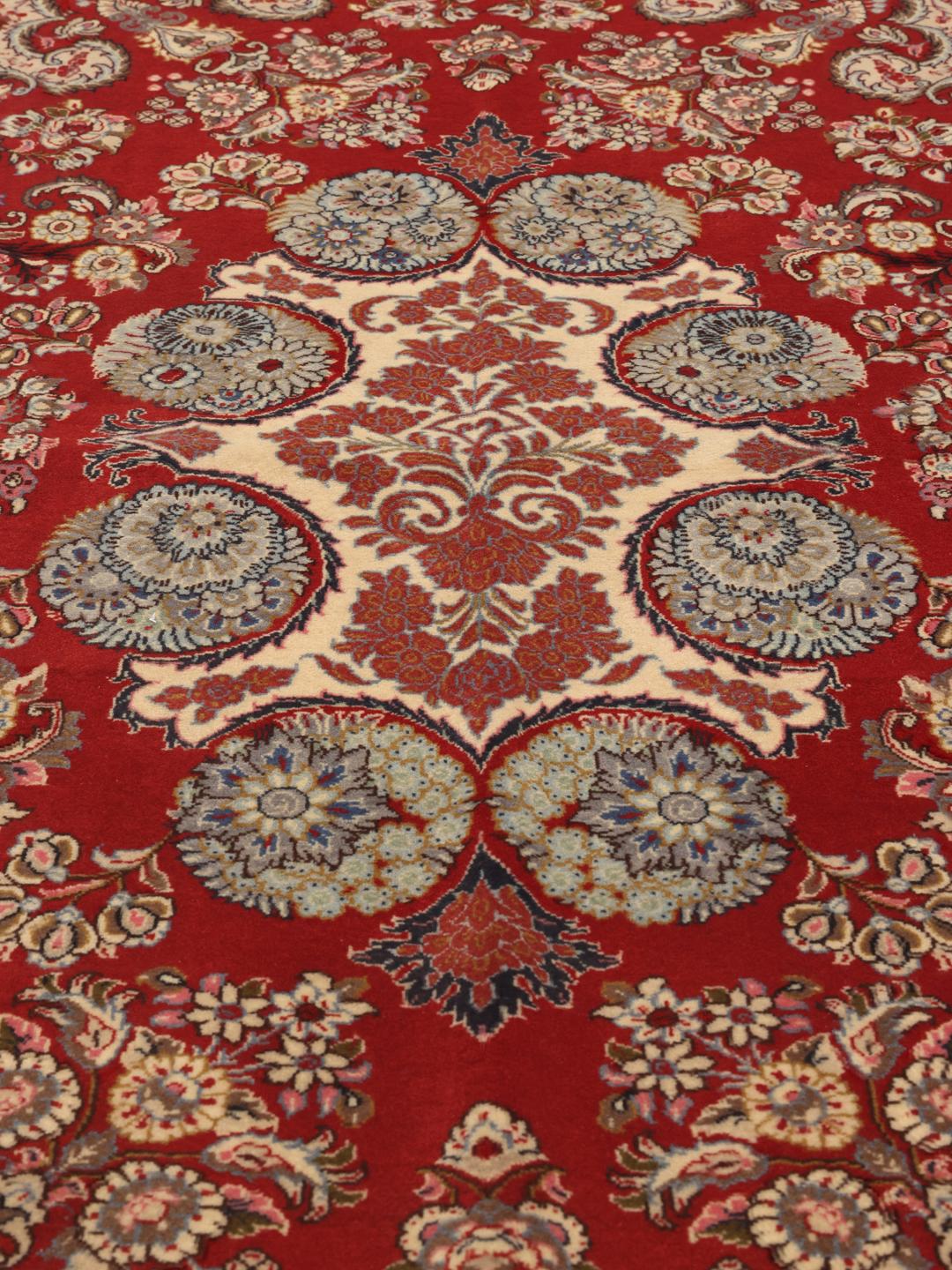
Visually, these rugs are defined by their elegant floral motifs, which often feature scrolling vines, palmettes, and complex central medallions. While the traditional palette often relies on deep reds, blues, and creams, each rug is a creative expression of the weaver. The way the floral elements are distributed across the field creates a sense of movement and harmony that is characteristic of this esteemed tradition.
Collecting a rug from this tradition is an investment in heritage and human ingenuity. These pieces are valued not just for their utility, but for the story of the artisans who crafted them and the cultural history they represent. Owning one means participating in a legacy of skill that has been passed down through generations, ensuring that the art of the knot remains a vibrant part of contemporary interior design.