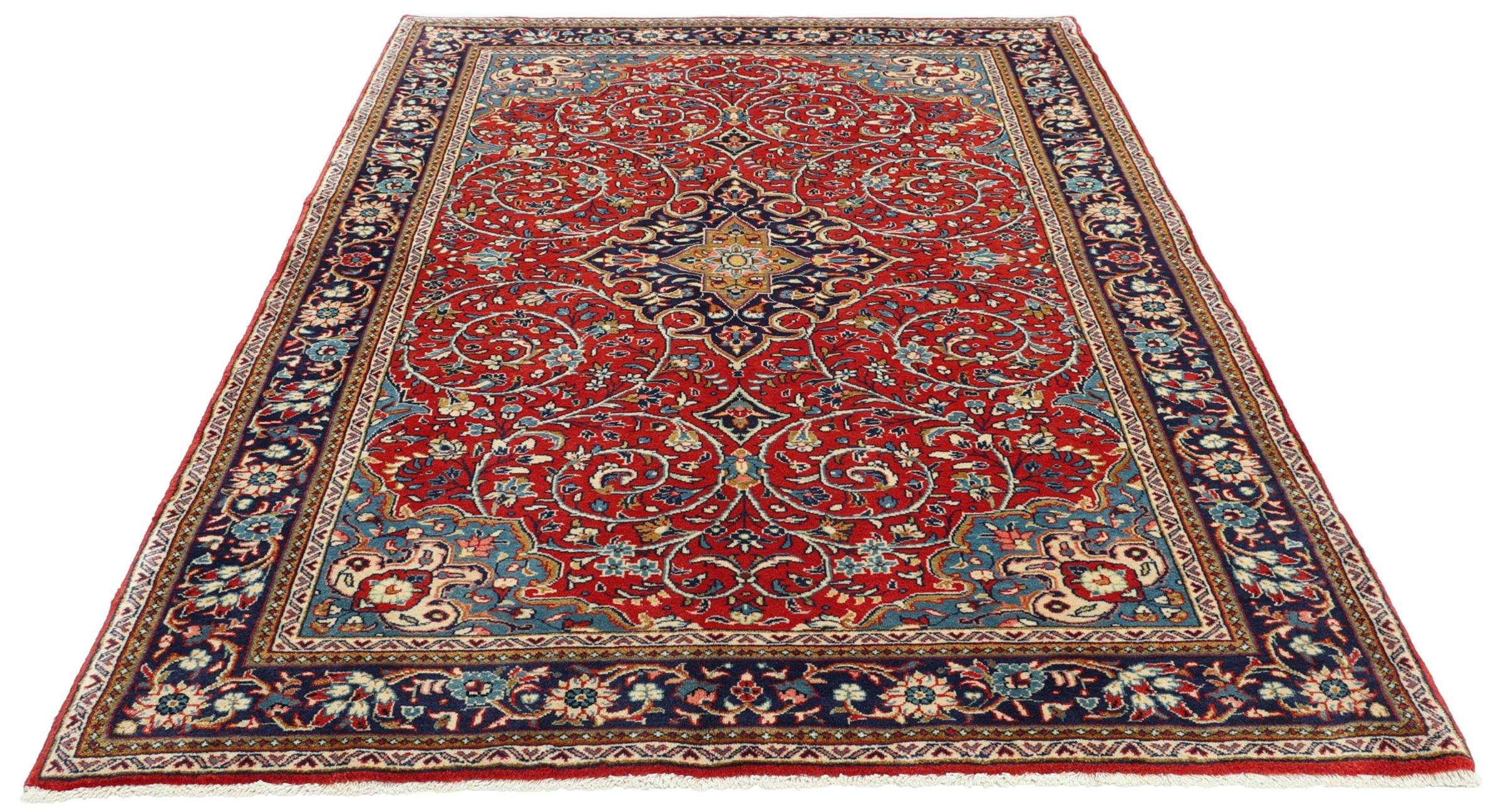
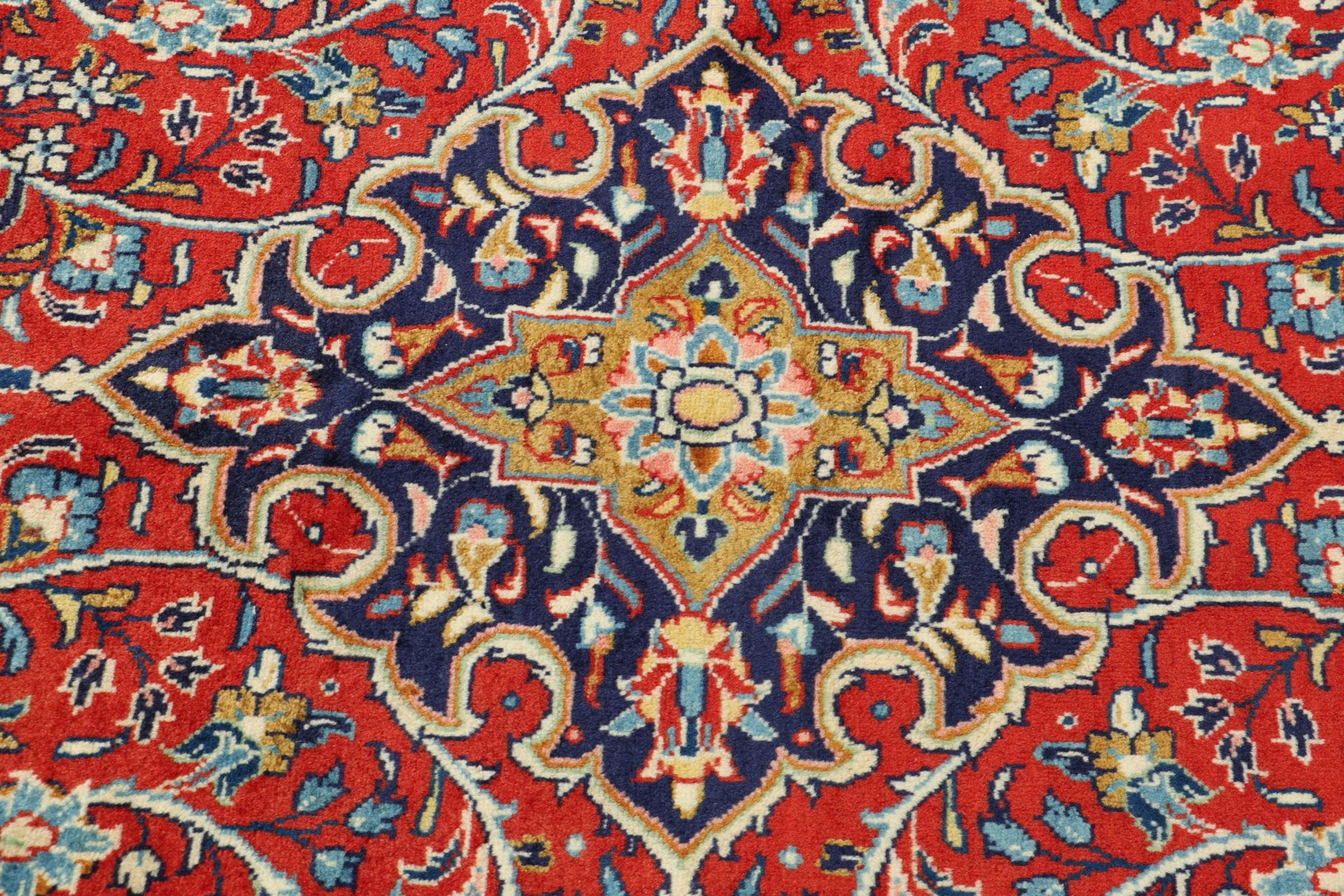
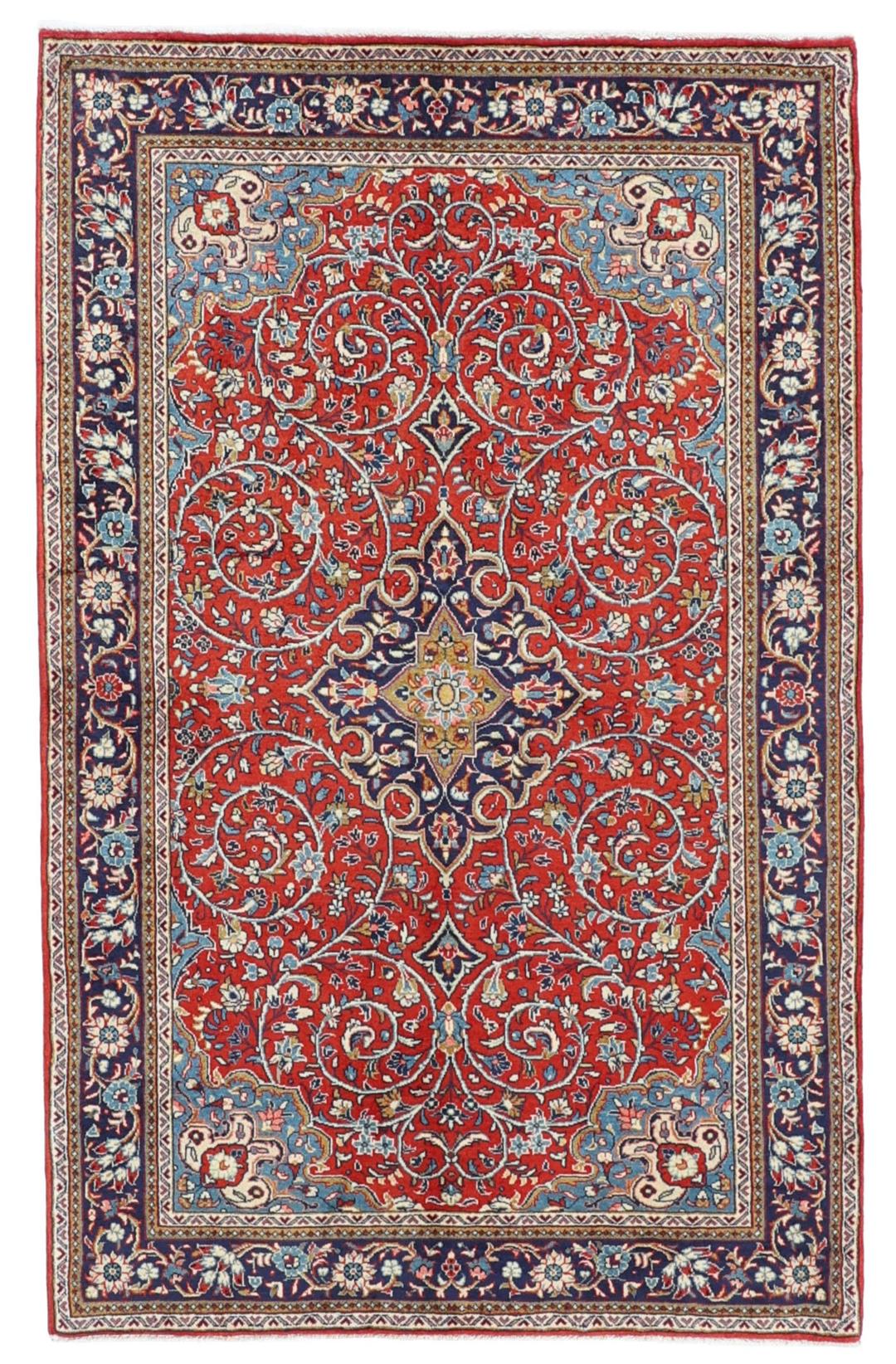
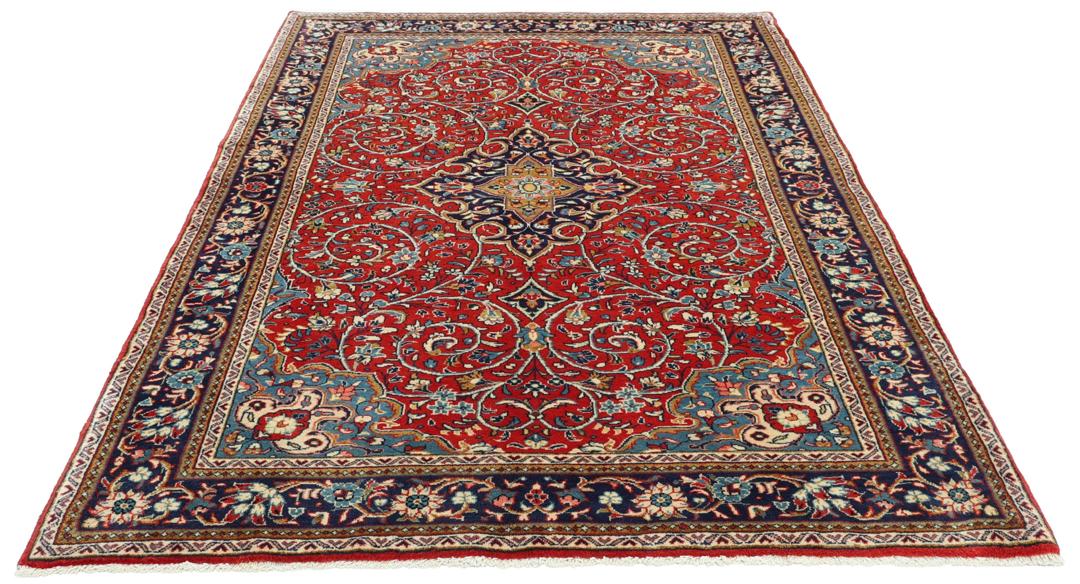
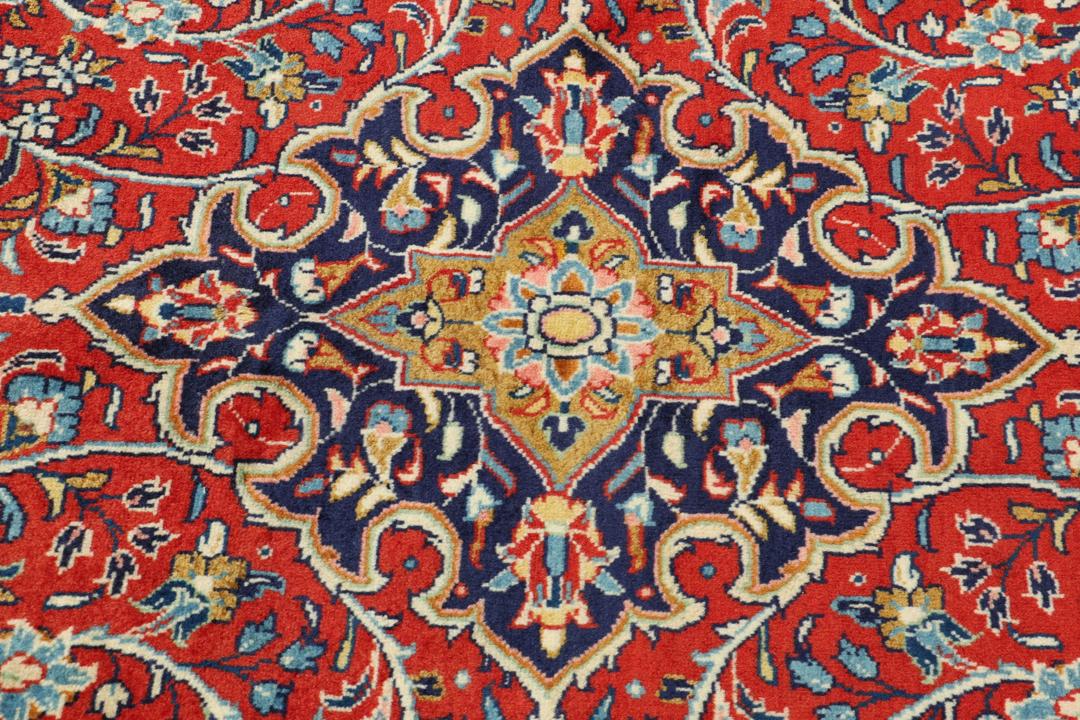
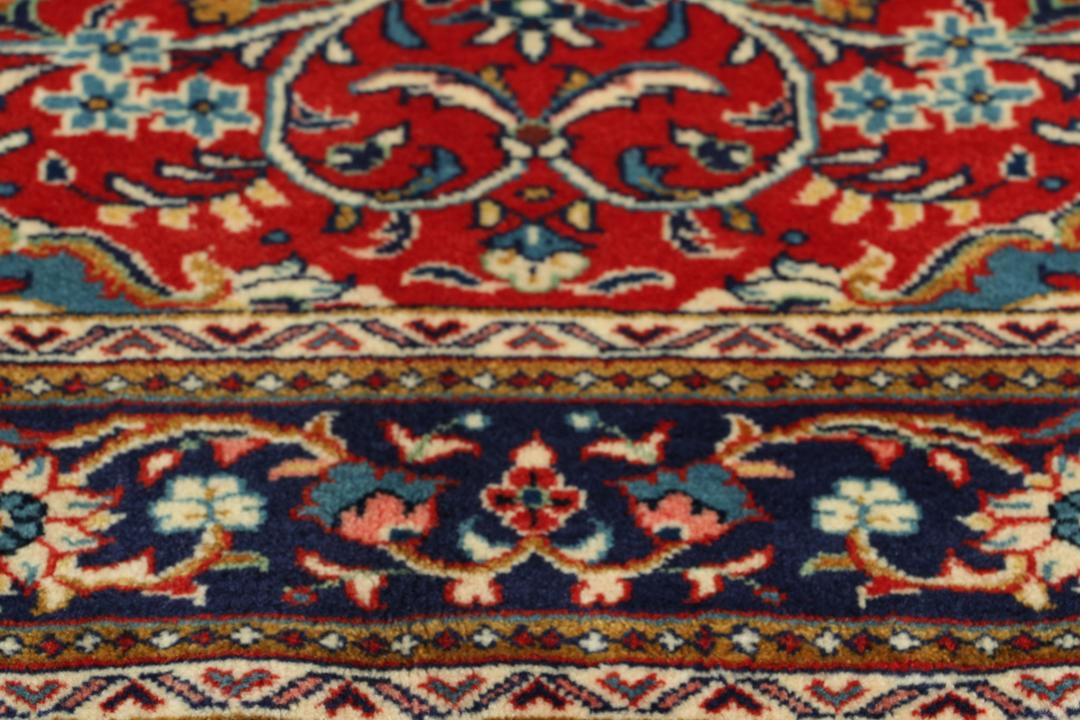
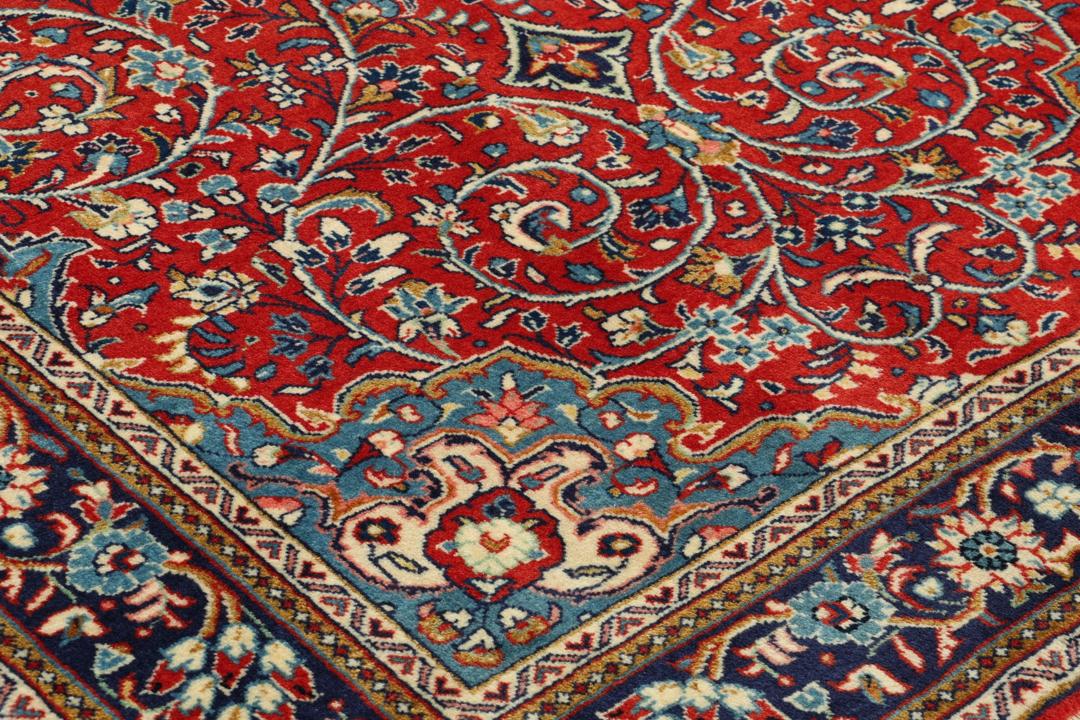
The Sarough rug originates from the small village of Sarough in the central Middle East, a region that has become synonymous with some of the most sought-after weaving traditions. Historically, these rugs gained international fame in the early 20th century for their exceptional durability and their distinct, graceful floral patterns that often feature swirling vines and central medallions.
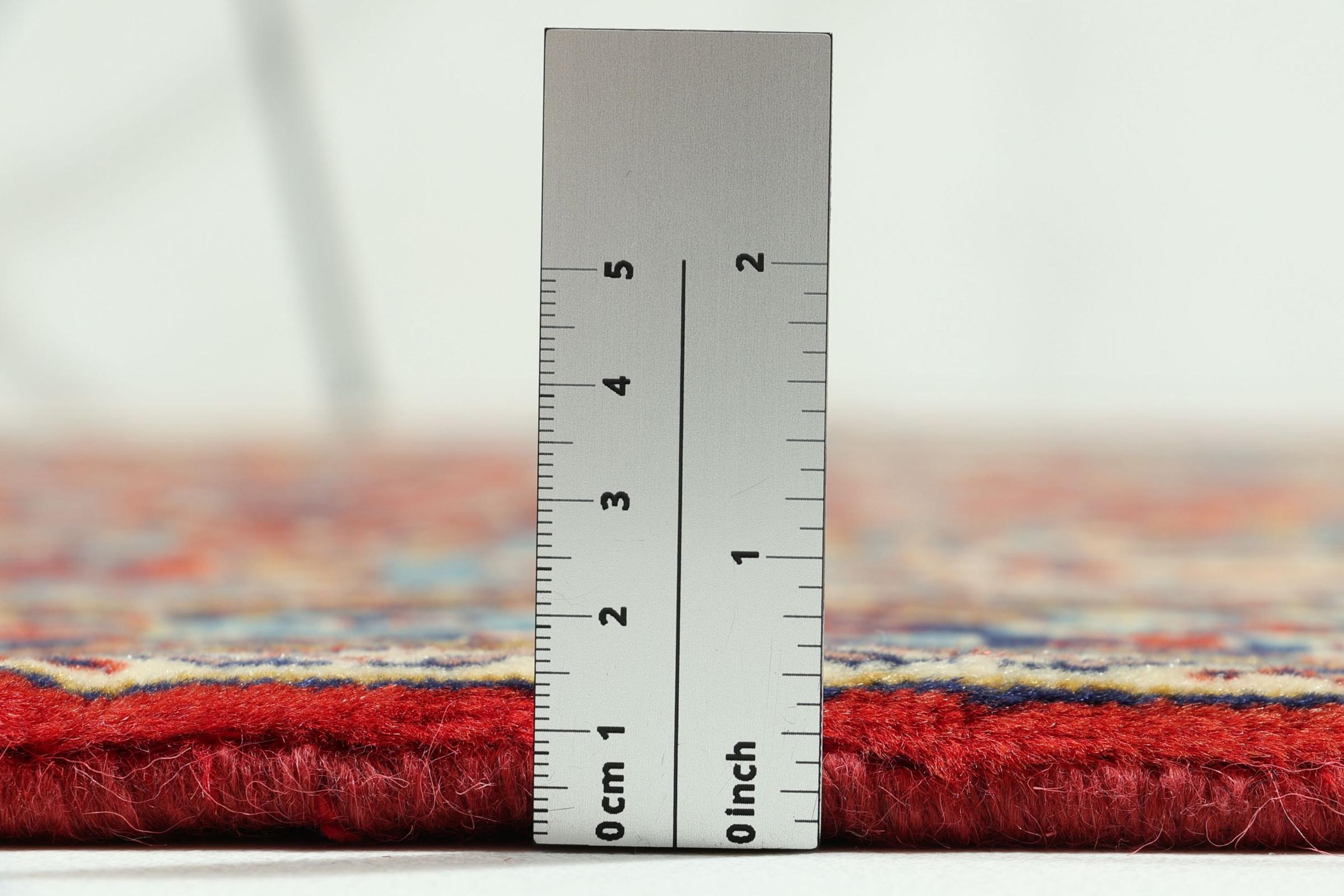
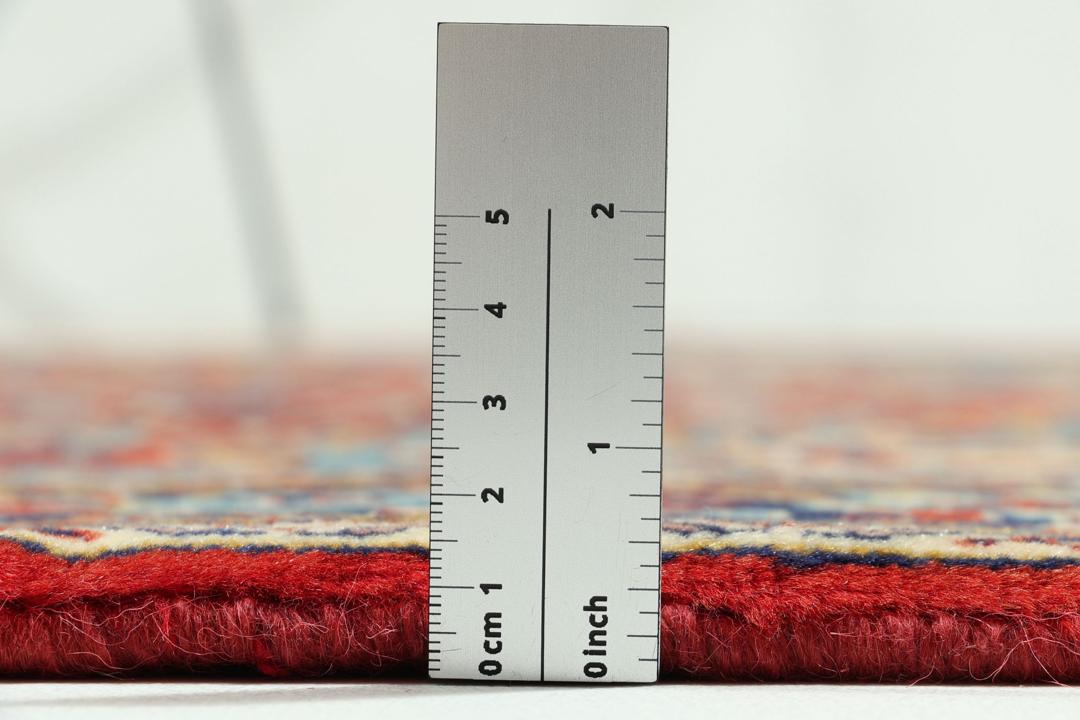
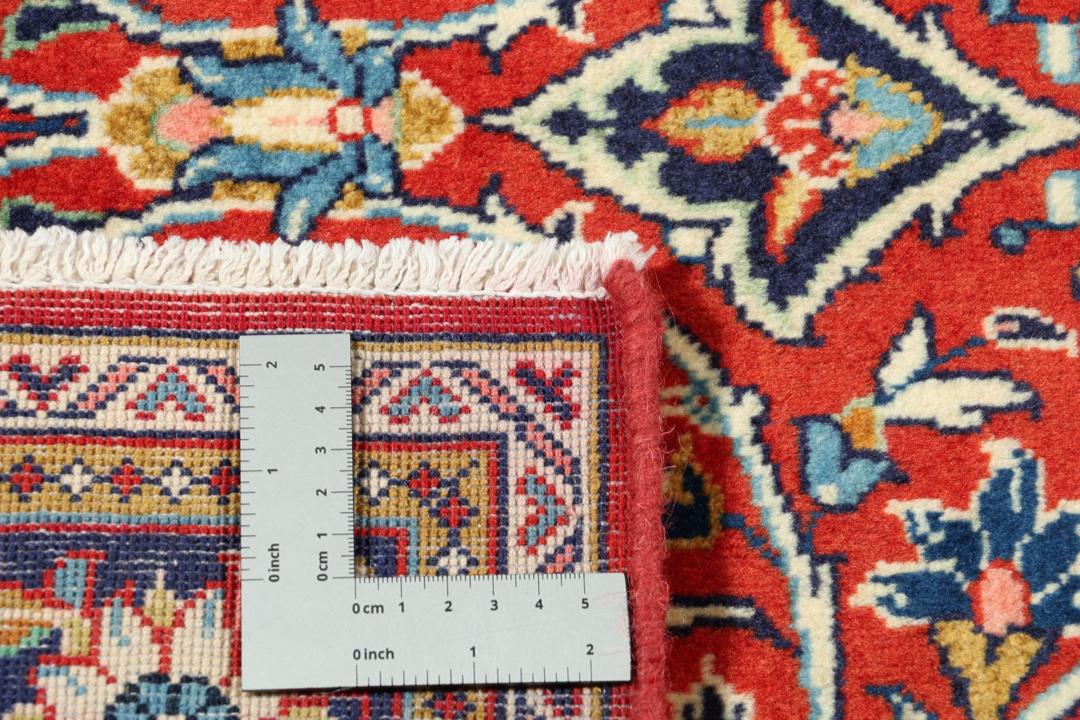
The term Sarough refers to a specific regional style characterised by a firm, sturdy construction. The wool used in these pieces is traditionally known for its high lanolin content, which gives the pile a soft, lustrous sheen and a natural resistance to wear. This quality makes them highly prized by collectors who look for a balance between delicate artistic detail and heavy-duty, long-lasting construction.
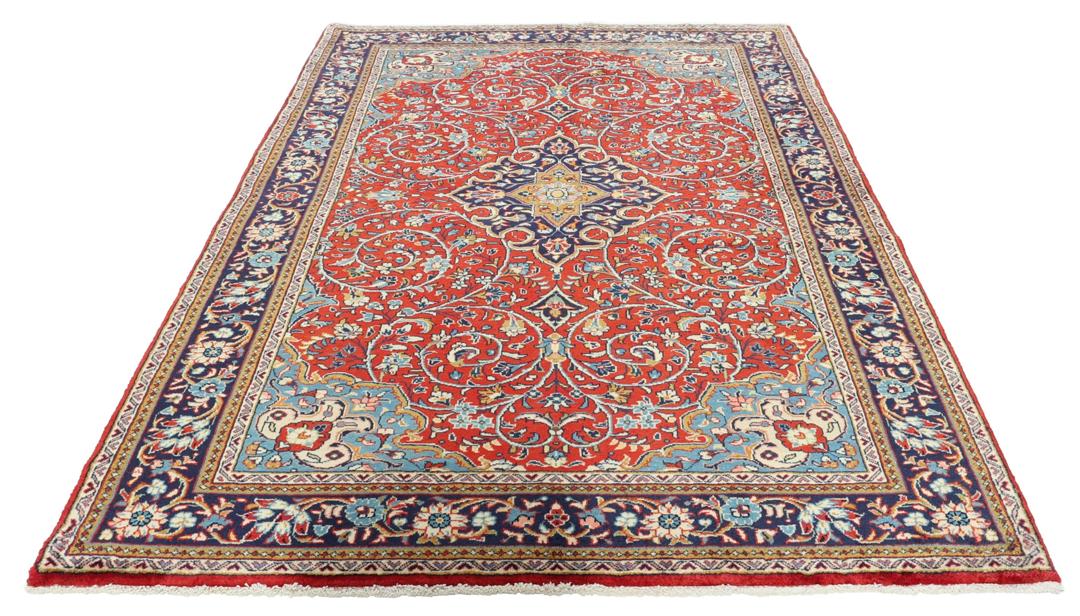
Visually, these rugs are defined by their sophisticated use of space. While they often feature a central medallion, the surrounding field is frequently filled with complex, flowing floral motifs that appear to grow organically across the surface. The borders are typically wide and well-proportioned, framing the intricate central design with geometric or floral guard stripes that maintain a formal, balanced look.
Owning a piece from this tradition is an investment in cultural heritage. Collectors value these rugs not only for their beauty but for the collective knowledge embedded in their creation. They represent a bridge between the ancient traditions of the region and the contemporary home, offering a level of authenticity and craft that stands in stark contrast to the fleeting trends of modern interiors.