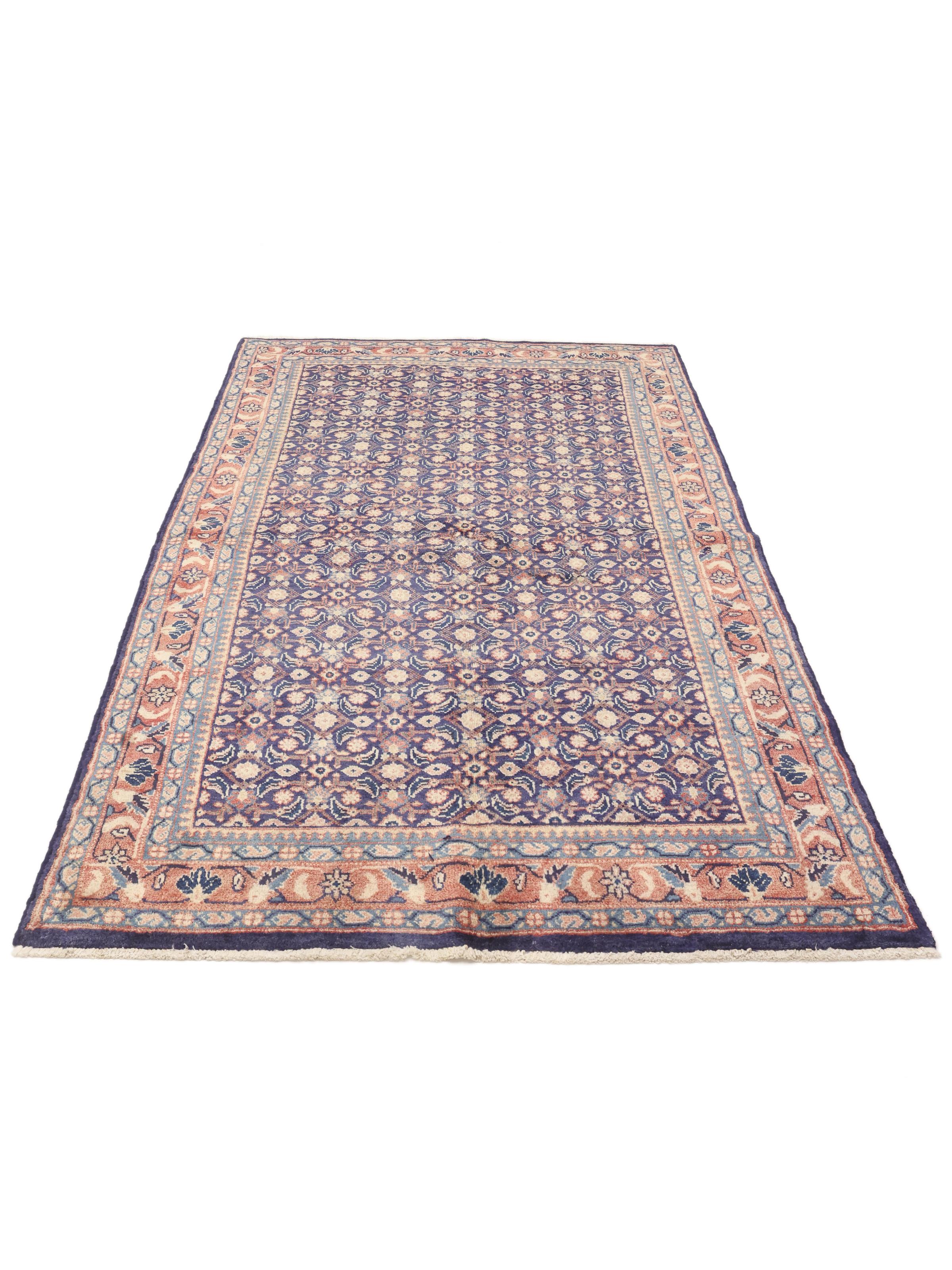
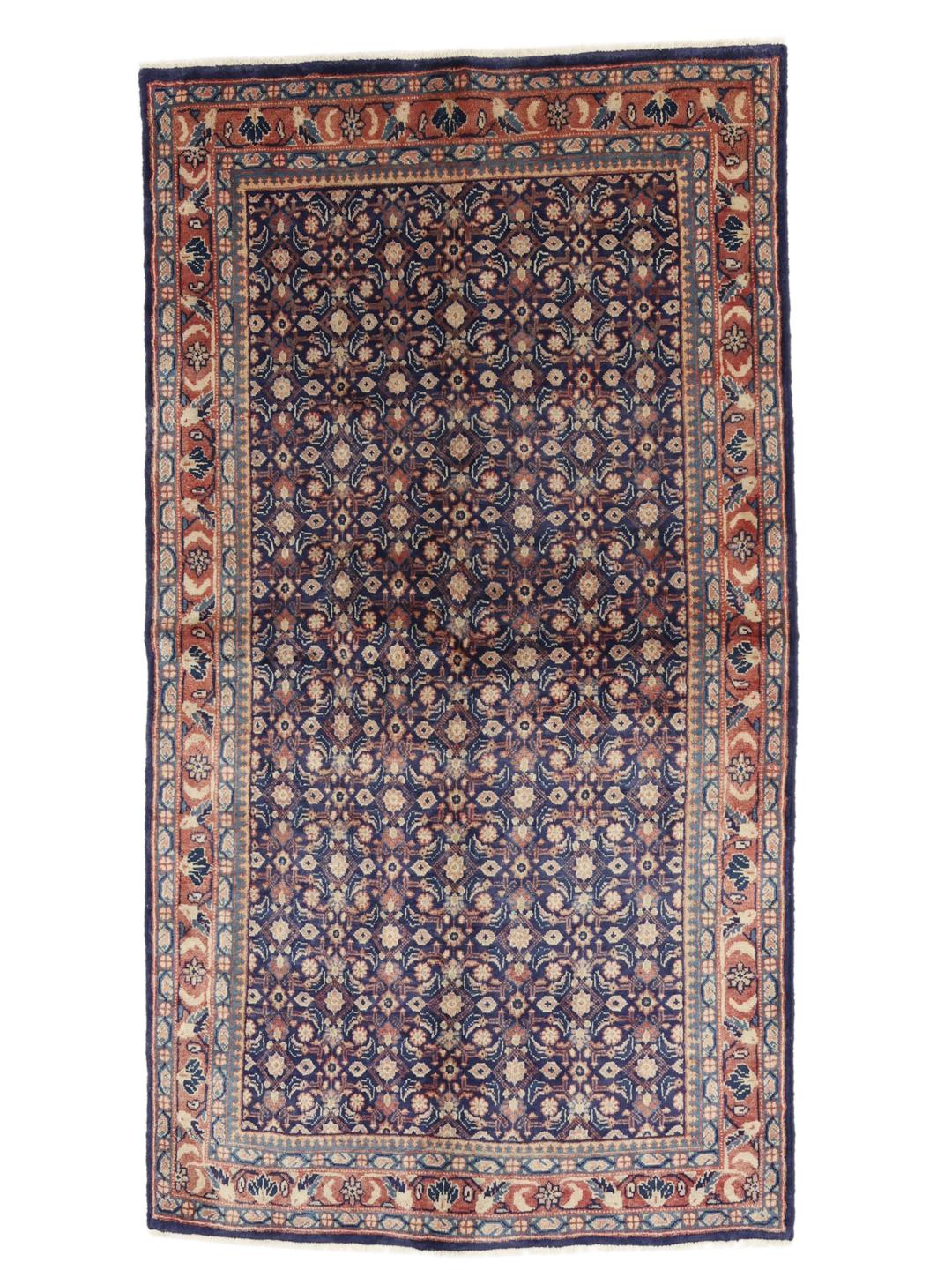
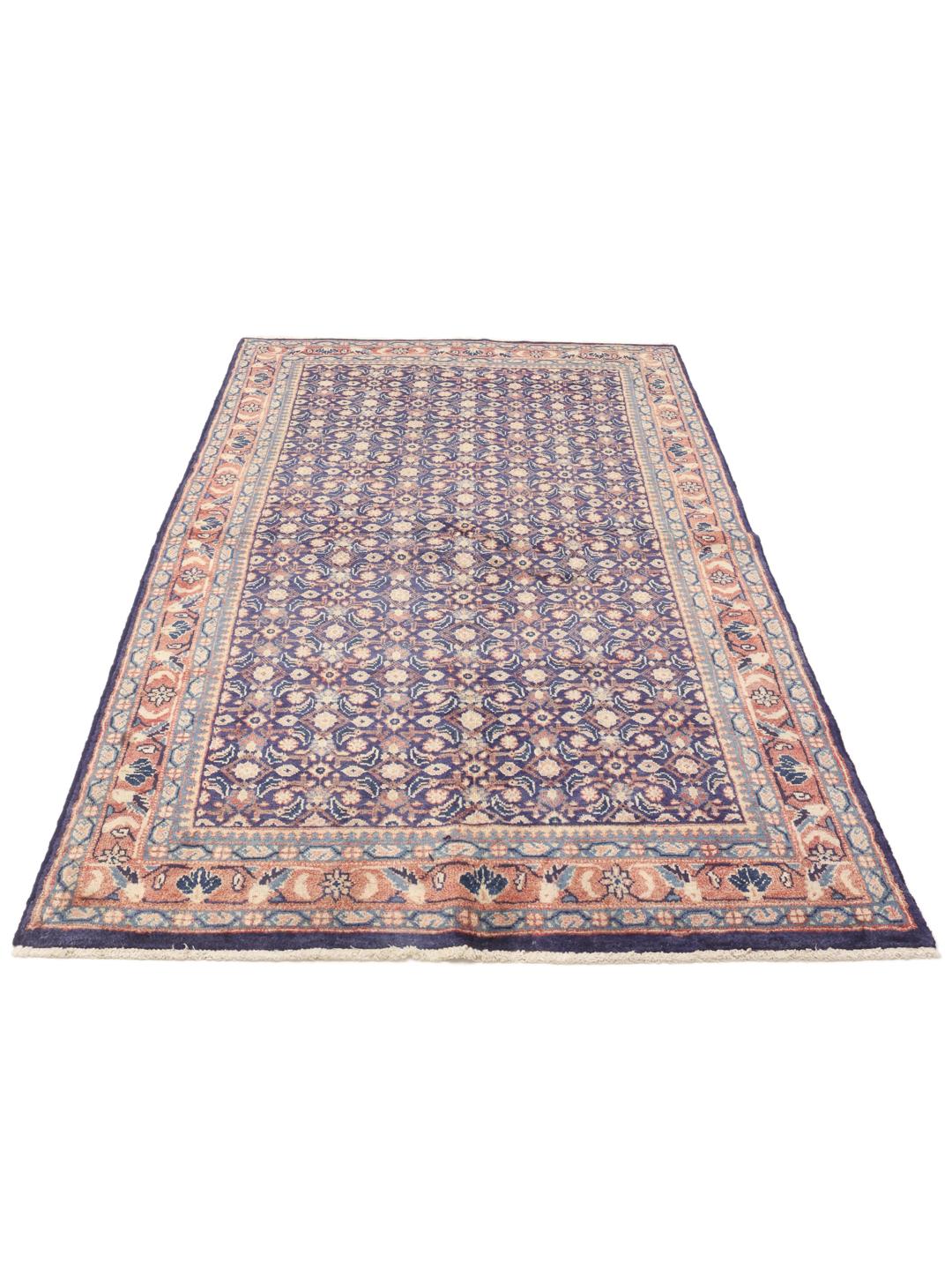
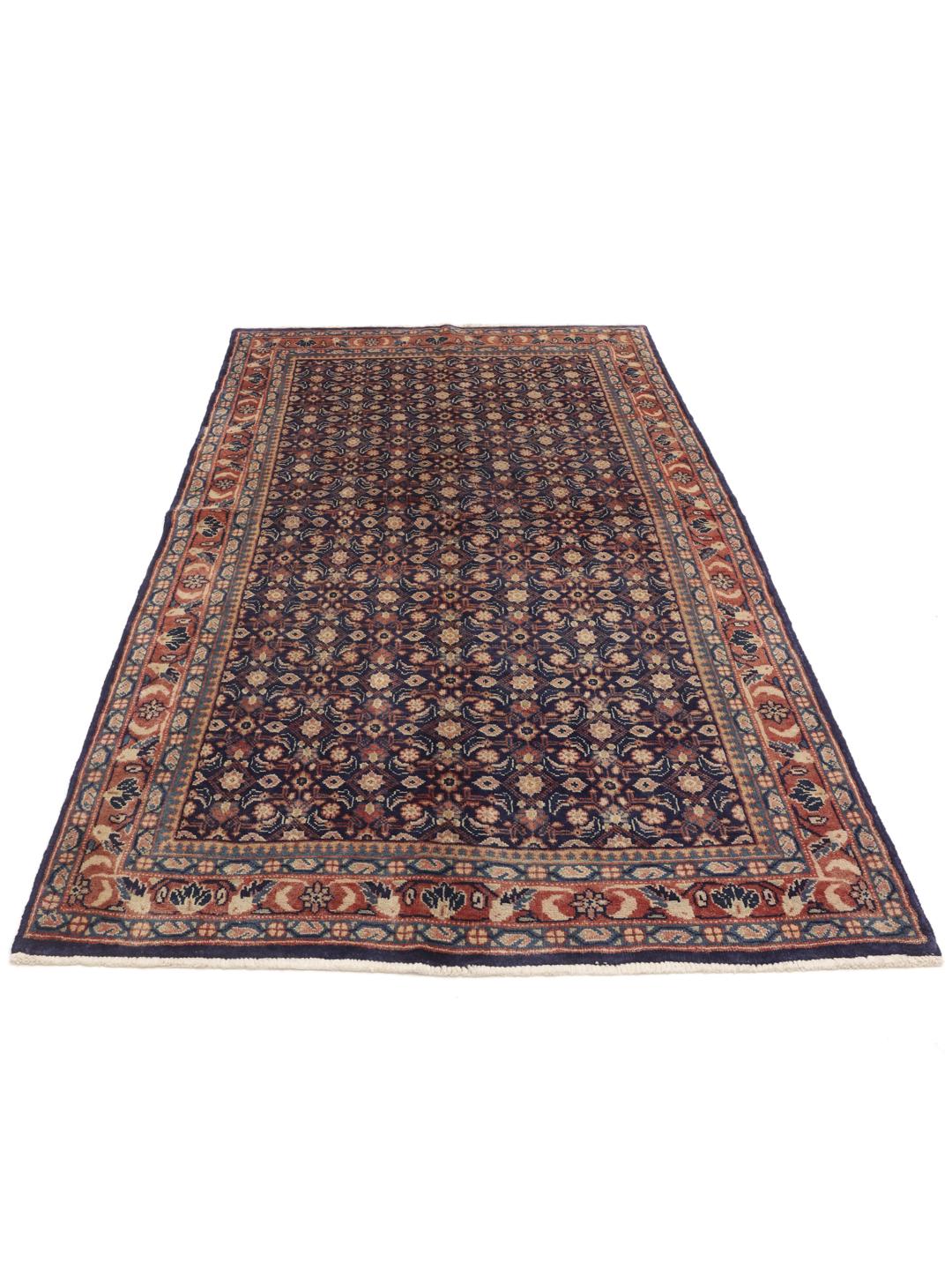
Sarough rugs originate from the small village of Sarough in the central part of the Middle East. Historically, this region has been a significant hub for weaving, known for producing rugs that are both incredibly sturdy and visually captivating. These rugs emerged as a distinct style in the late 19th century, quickly gaining international acclaim for their exceptional durability and fine floral motifs.
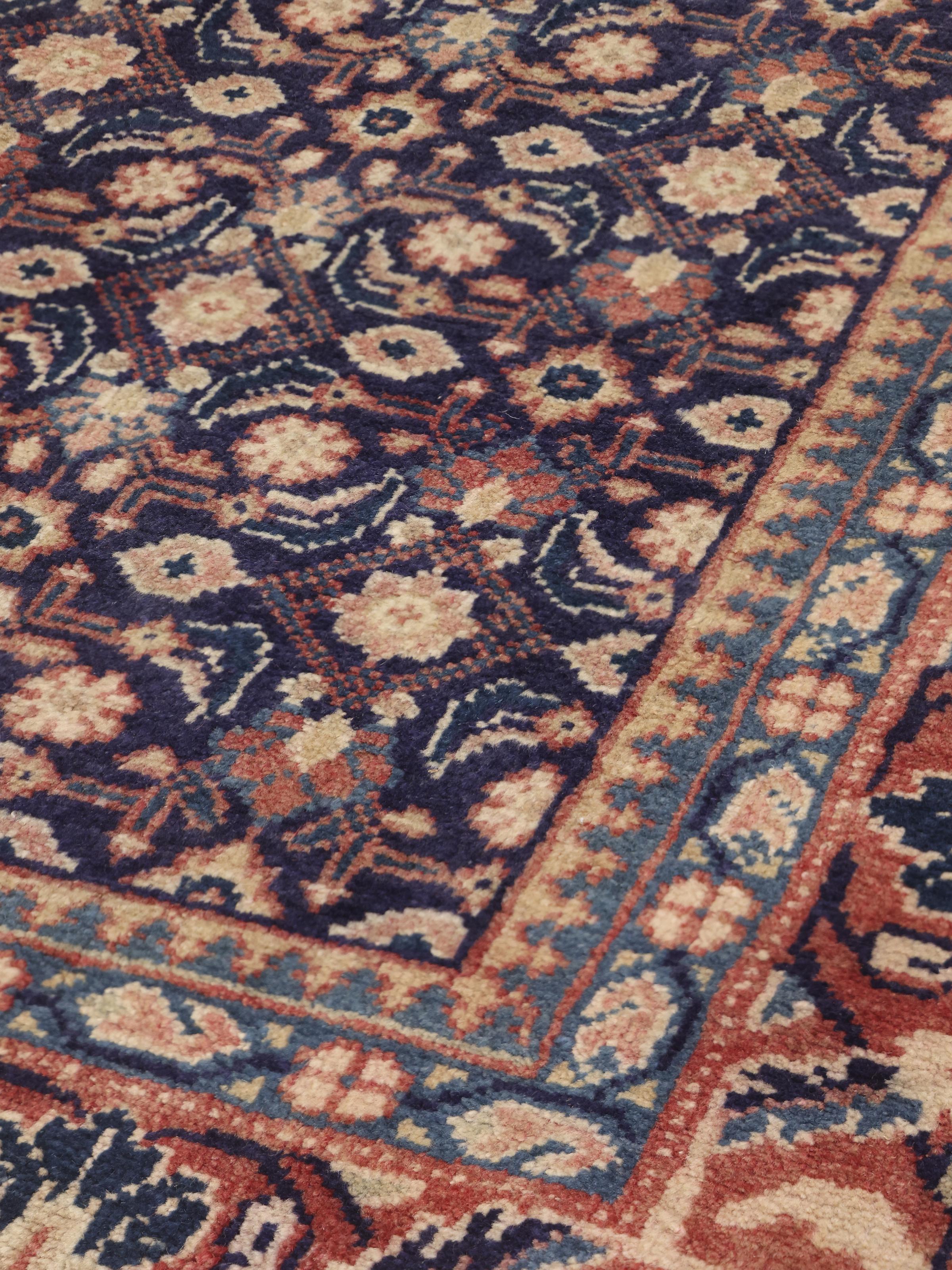
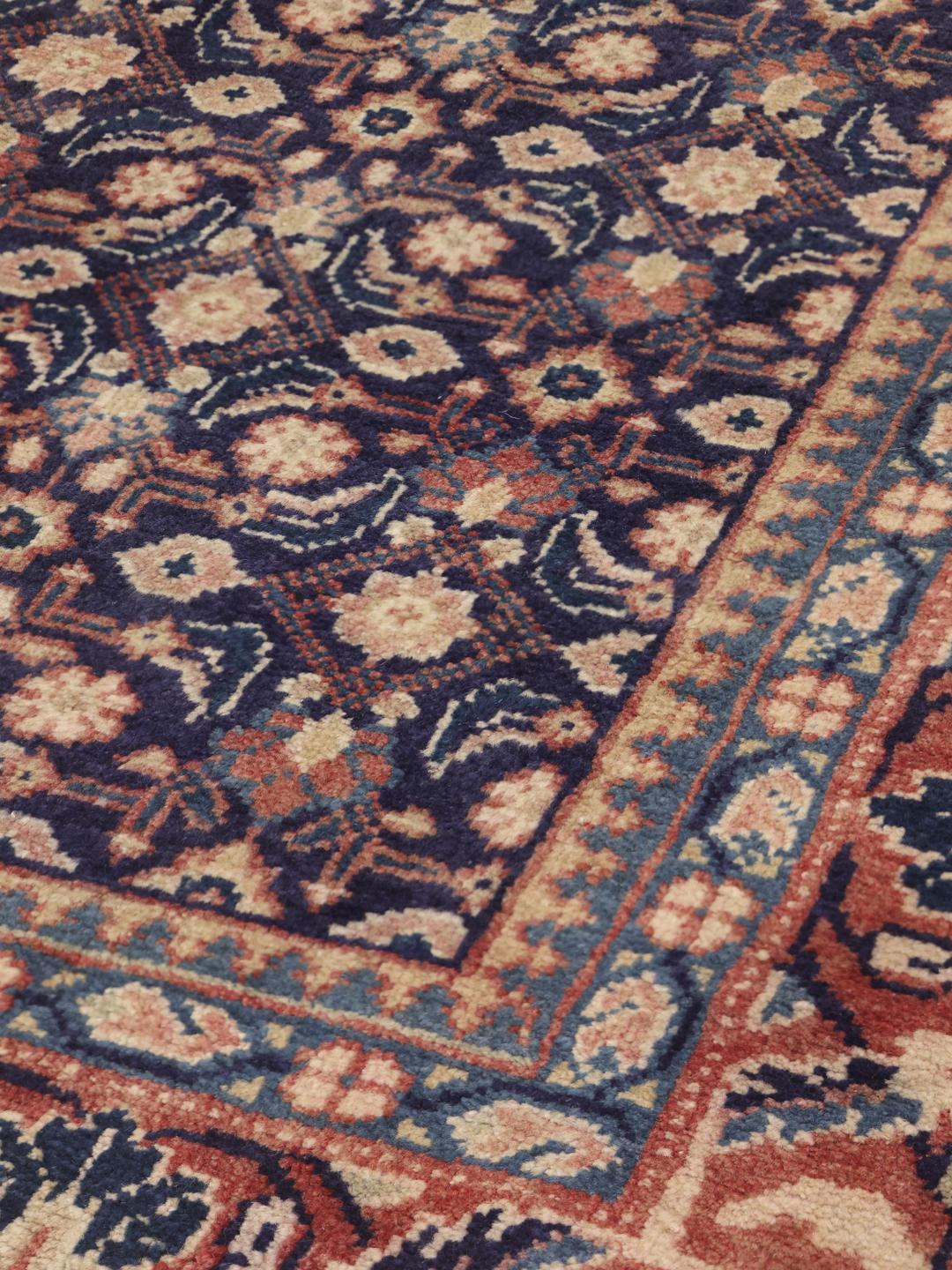
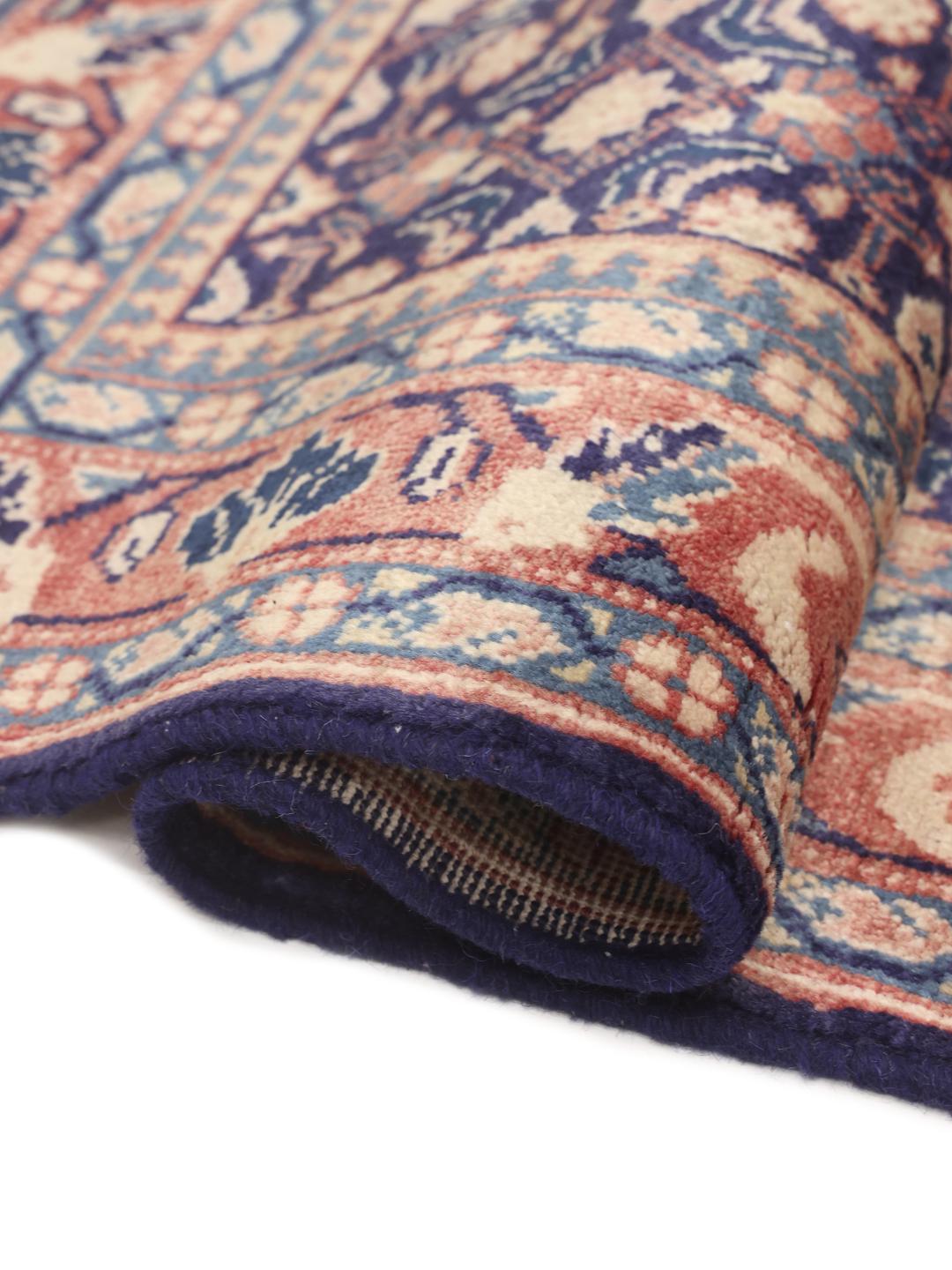
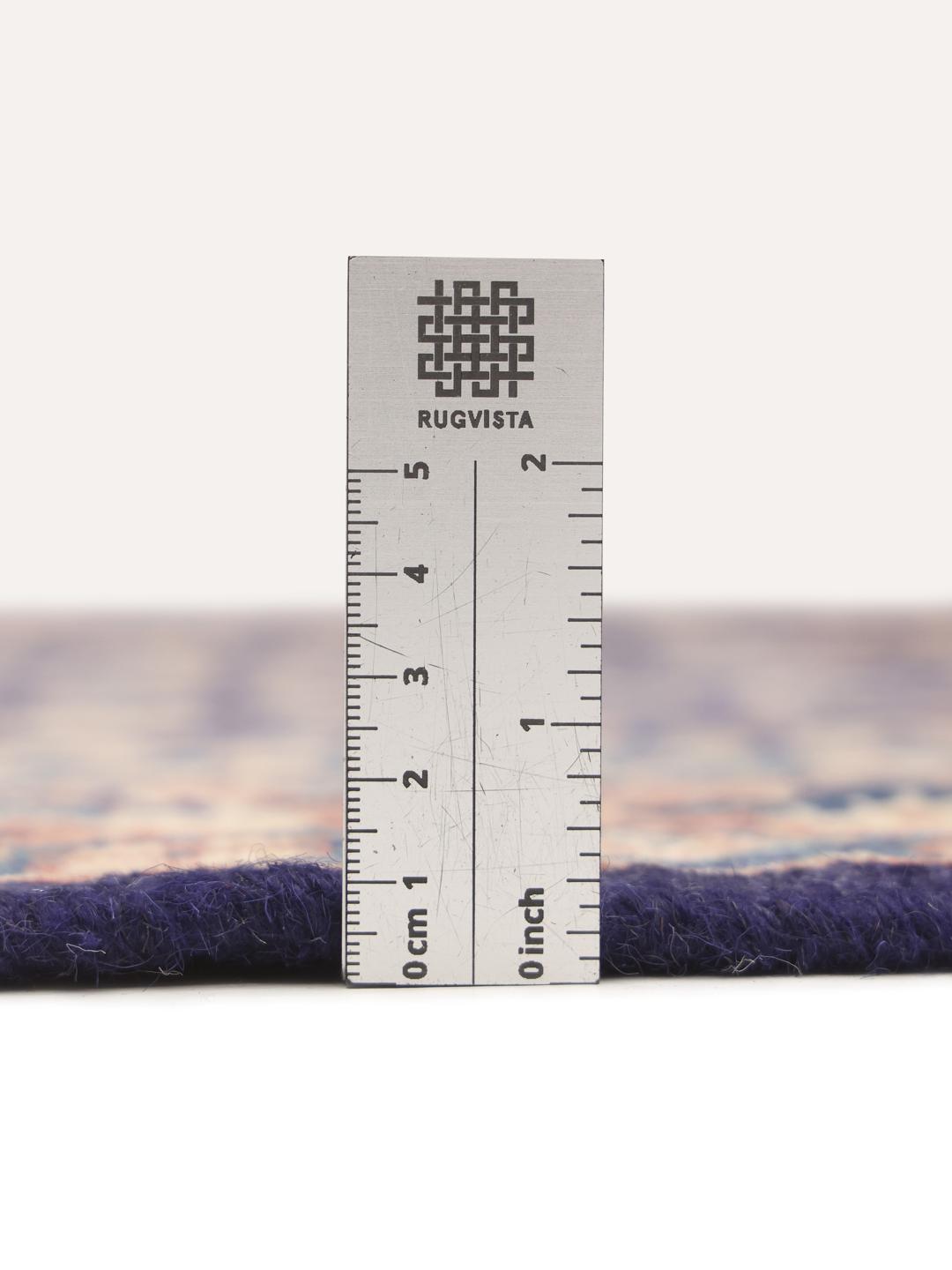
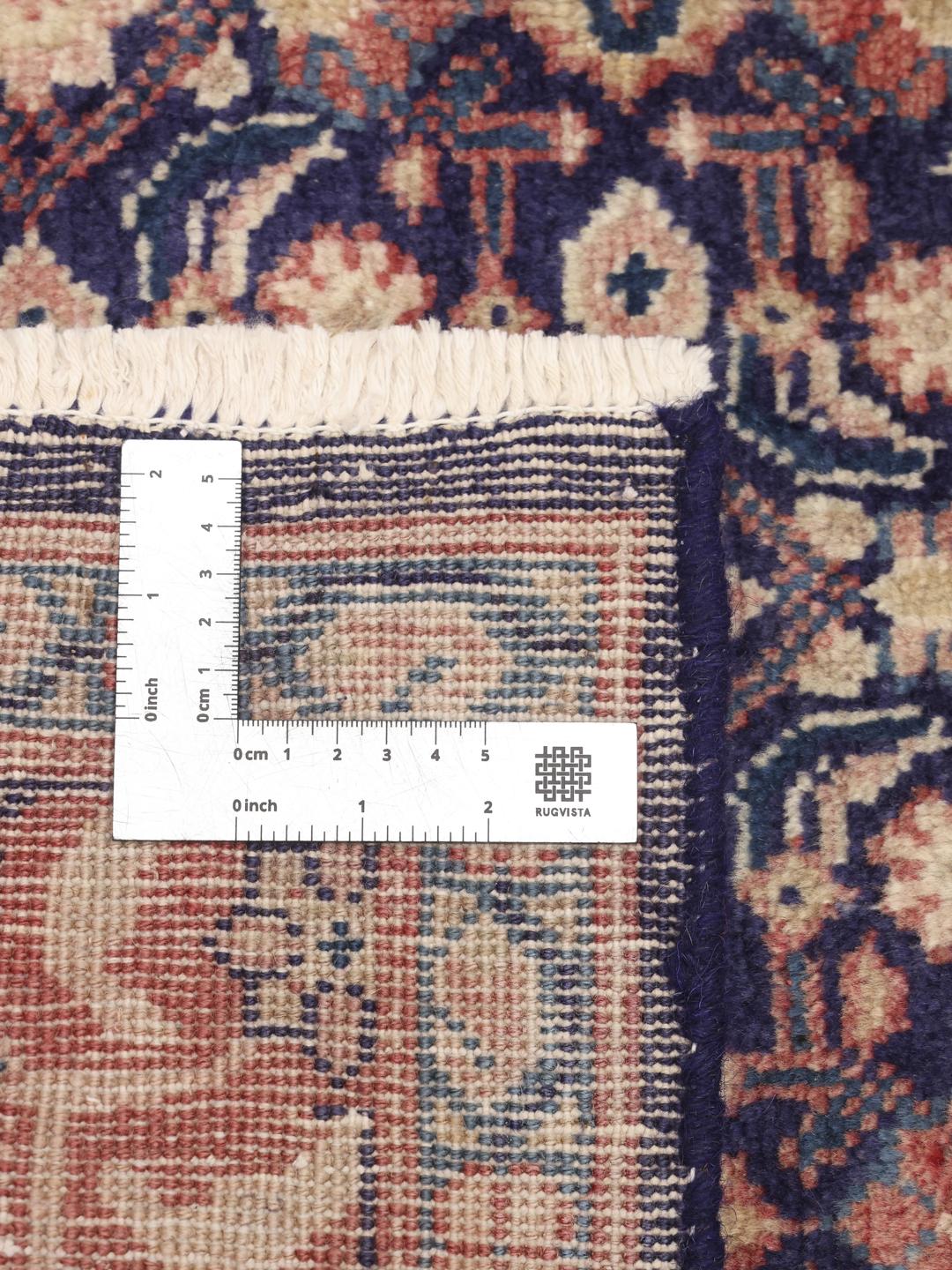
The construction of a Sarough rug is defined by the use of high-quality wool, often sourced from the mountainous regions where sheep produce a longer, more resilient fibre. This wool is typically knotted onto a sturdy foundation, resulting in a firm and heavy pile that feels luxurious yet remains remarkably hard-wearing. This technical approach is what has allowed Sarough rugs to maintain their reputation as some of the most reliable and long-lasting floor coverings in the world.
Visually, these rugs are celebrated for their elaborate floral designs, often featuring scrolling vines, palmettes, and delicate blossoms that fill the field. While traditional examples often showcased deep reds and blues, the artistry lies in how these colours are balanced to create a sense of harmony. The borders are usually broad and formal, anchoring the complex internal patterns with a sense of order and elegance.
Collectors and enthusiasts value Sarough rugs for their blend of artistic expression and practical utility. Owning one is seen as a commitment to maintaining a tradition of craft that prizes patience and precision over speed. These rugs are not just decorative items but are considered important cultural artifacts that connect the modern home to a rich history of Middle Eastern artistry.