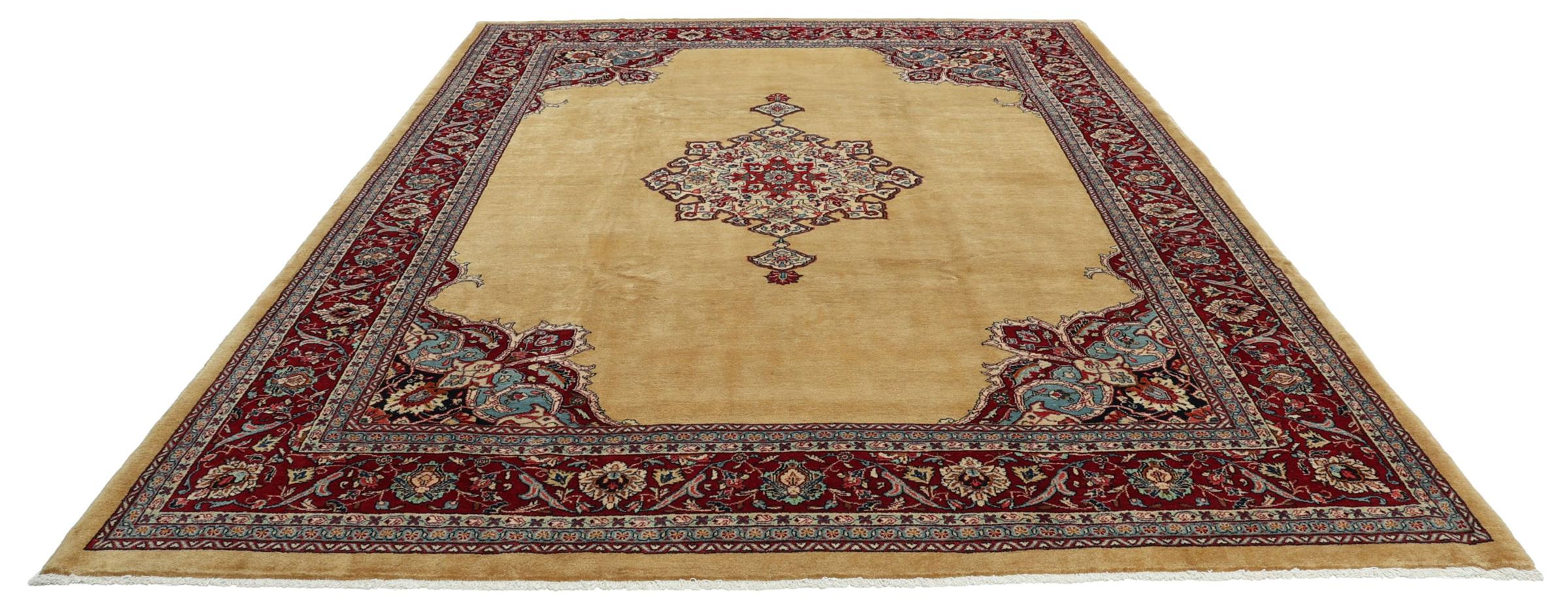
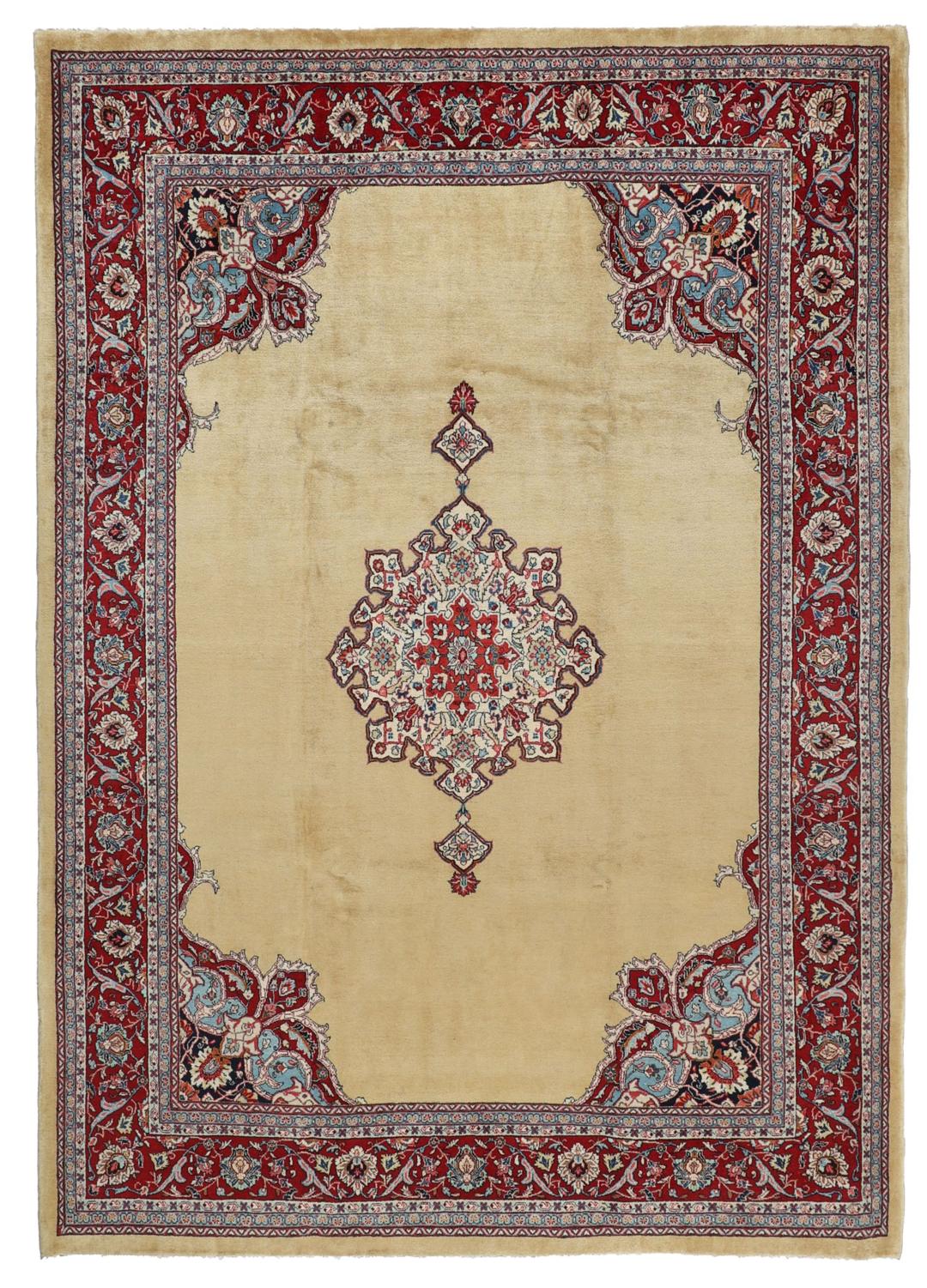
The Sarough rug tradition originates from the village of Sarouk in the Arak region of the Middle East. Historically, this area became a hub for rug weaving in the late 19th and early 20th centuries, gaining international acclaim for the exceptional quality of its Wool and the durability of its construction. These rugs were highly sought after for their robust nature and distinctive artistic flair.
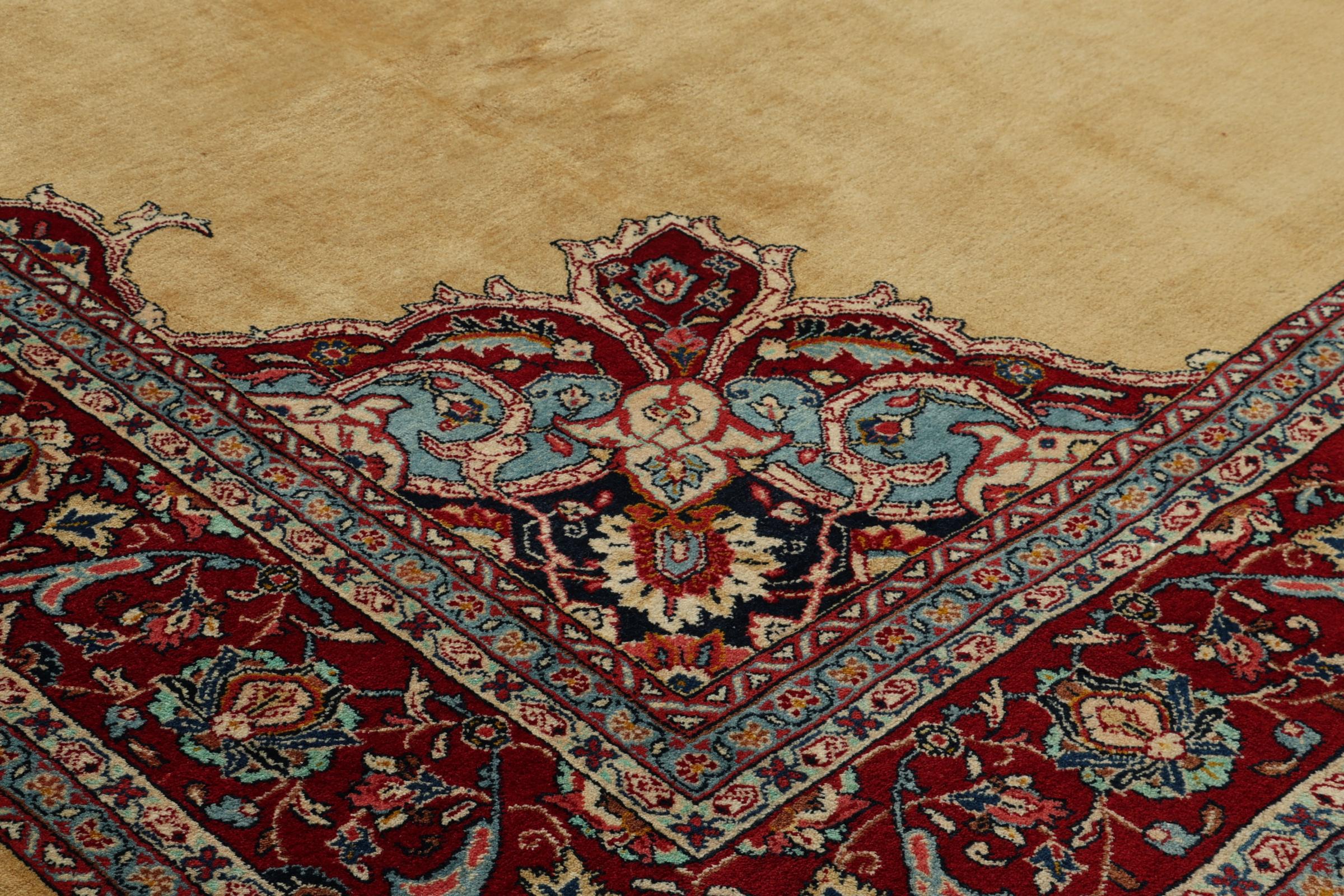
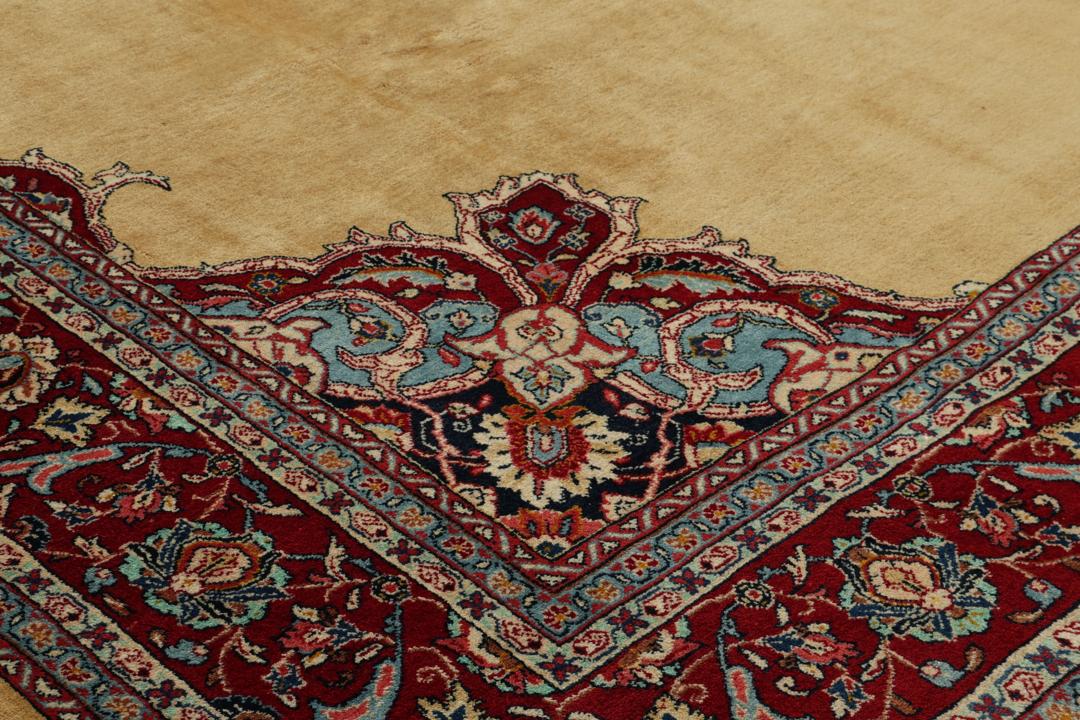
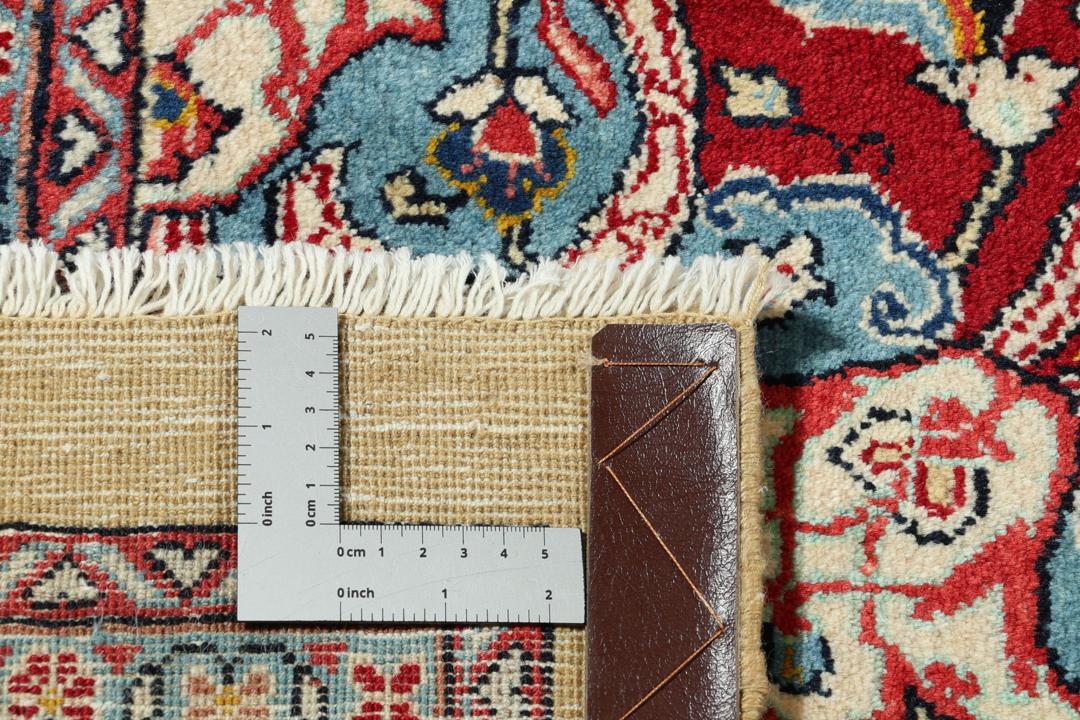
The term Sarough refers to a specific style of weaving that utilises a dense knotting technique on a sturdy cotton foundation. This construction method is essential for achieving the intricate, curvilinear floral patterns that define the style. The use of high-quality Wool, often sourced from local sheep in the mountainous regions, contributes to the lustrous finish and long-term resilience of the pile.
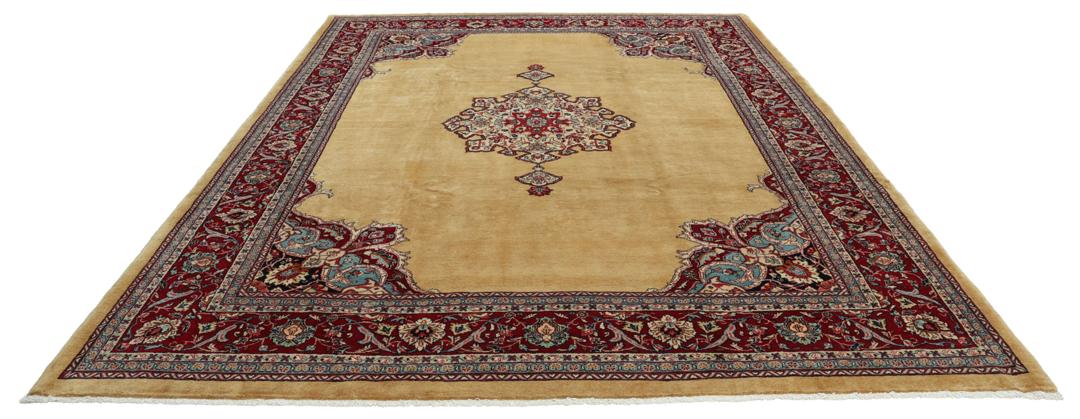
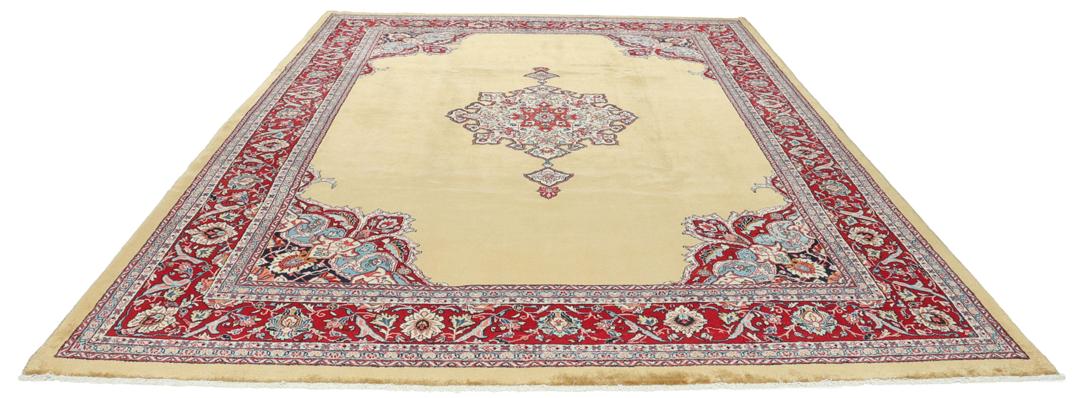
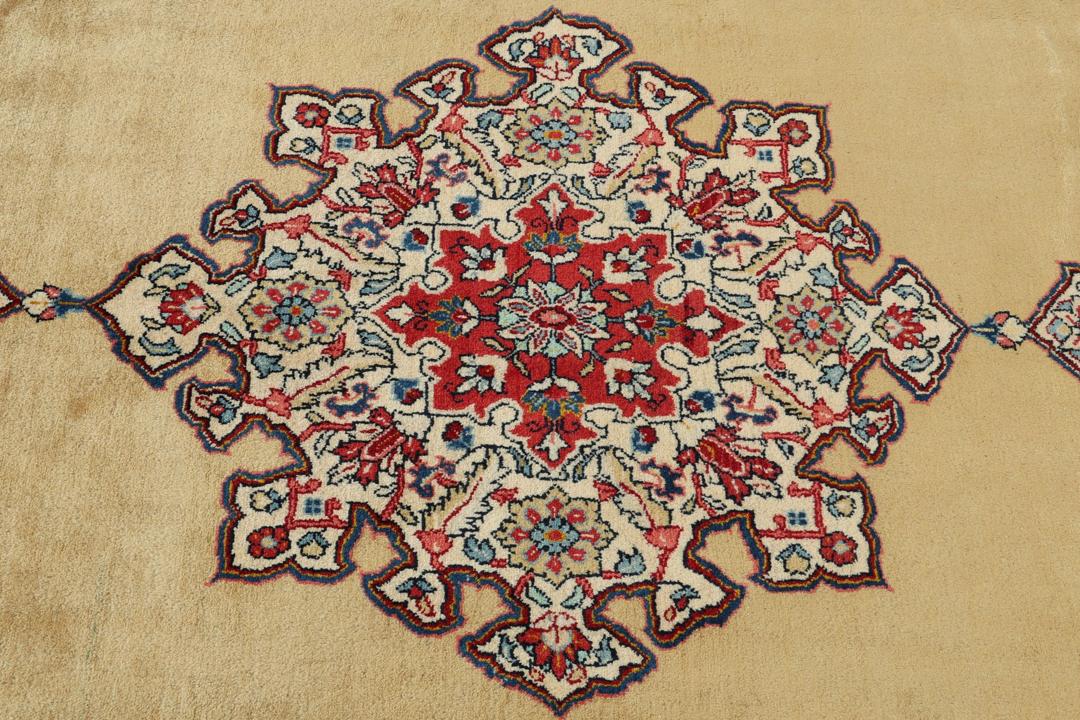
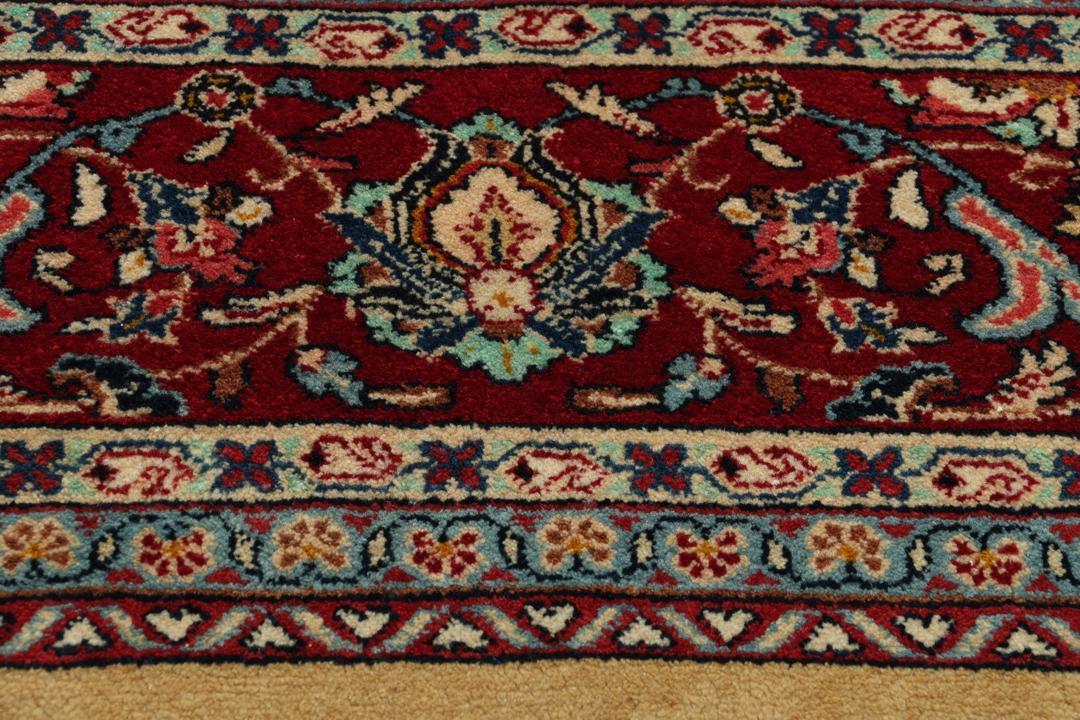
Visually, these rugs are celebrated for their classic medallion designs, which are often surrounded by scrolling vines, palmettes, and floral motifs. While the traditional palette frequently features deep reds and soft beiges, the specific composition of each rug is a unique expression of the weaver's artistic vision. The borders are typically formal and well-proportioned, framing the field with repeating botanical elements.
Owning a piece from this tradition is a way to connect with a long-standing heritage of craftsmanship. These rugs are valued not only for their aesthetic beauty but also for their ability to age with grace, often becoming more beautiful as they are used. By bringing a Sarough into your home, you are preserving a legacy of skill and adding a piece of cultural history to your living space.