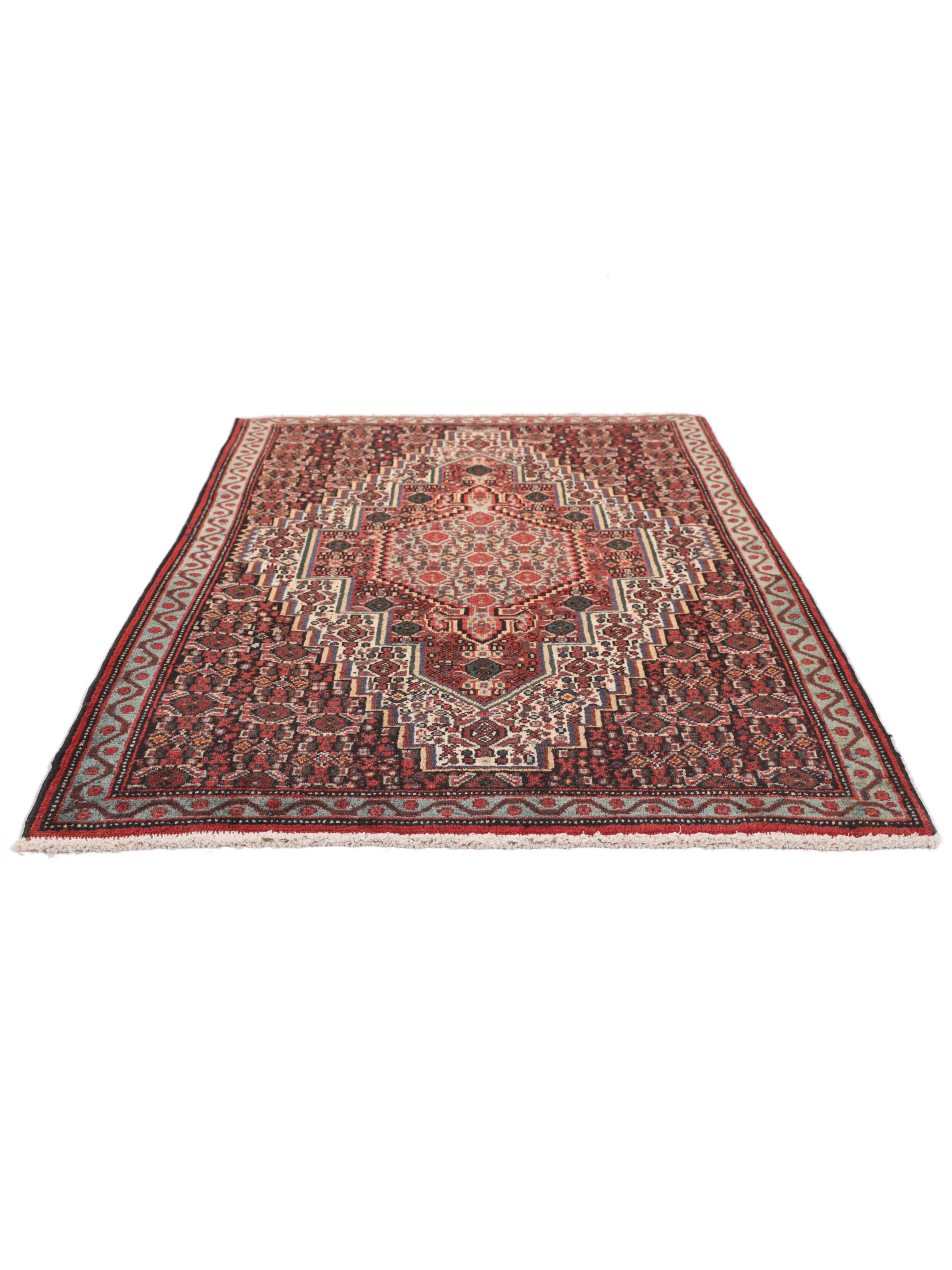
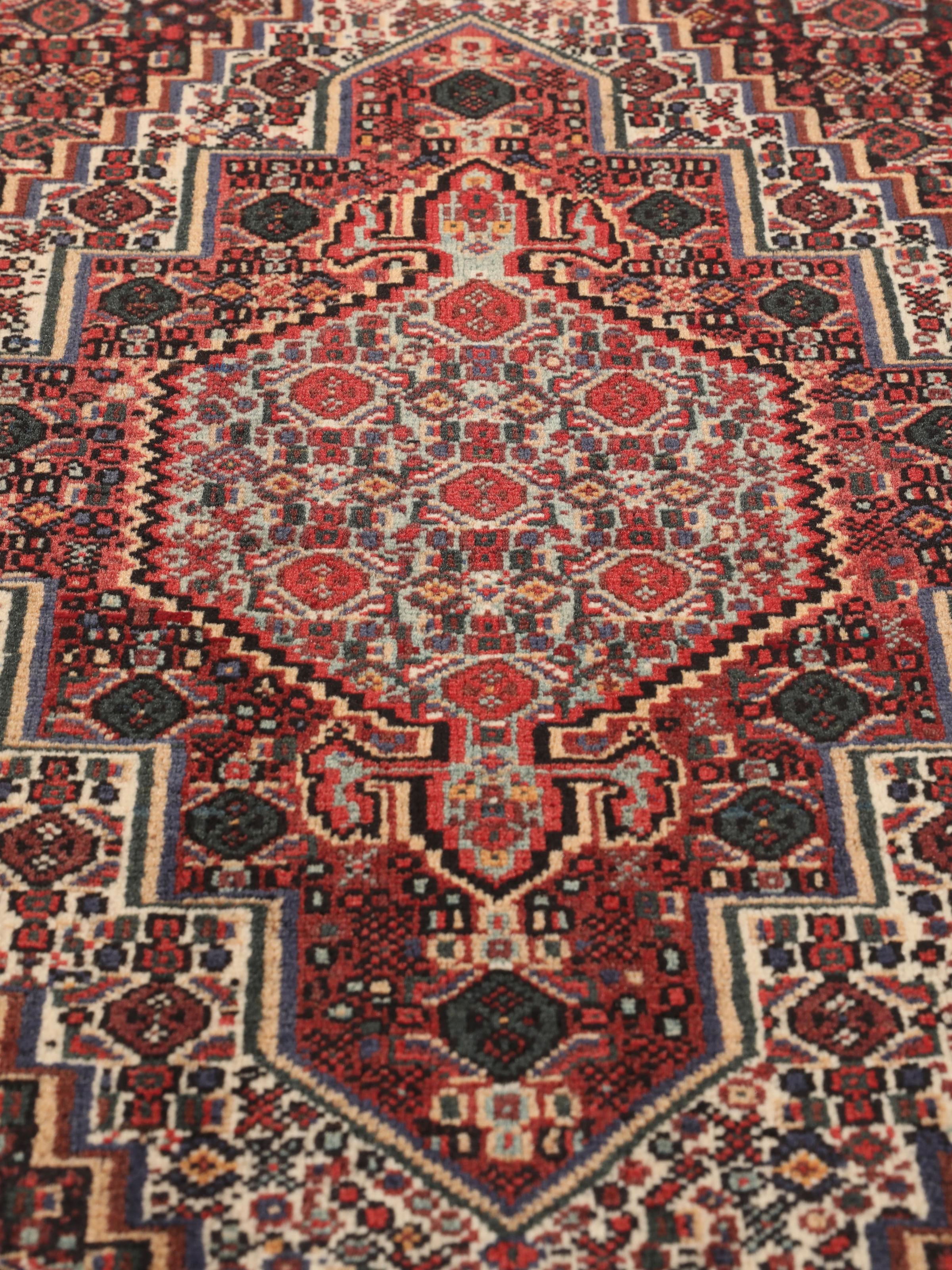
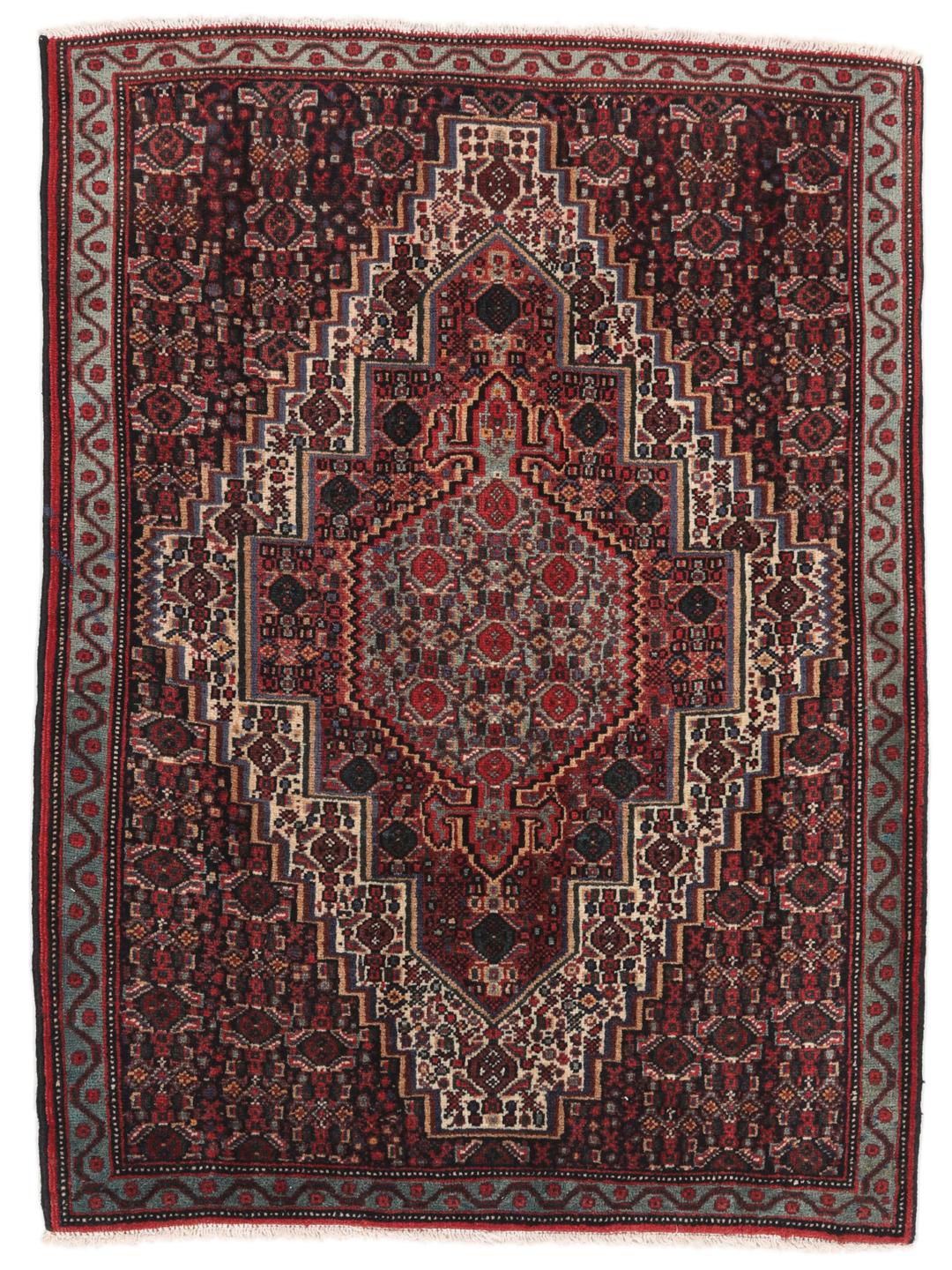
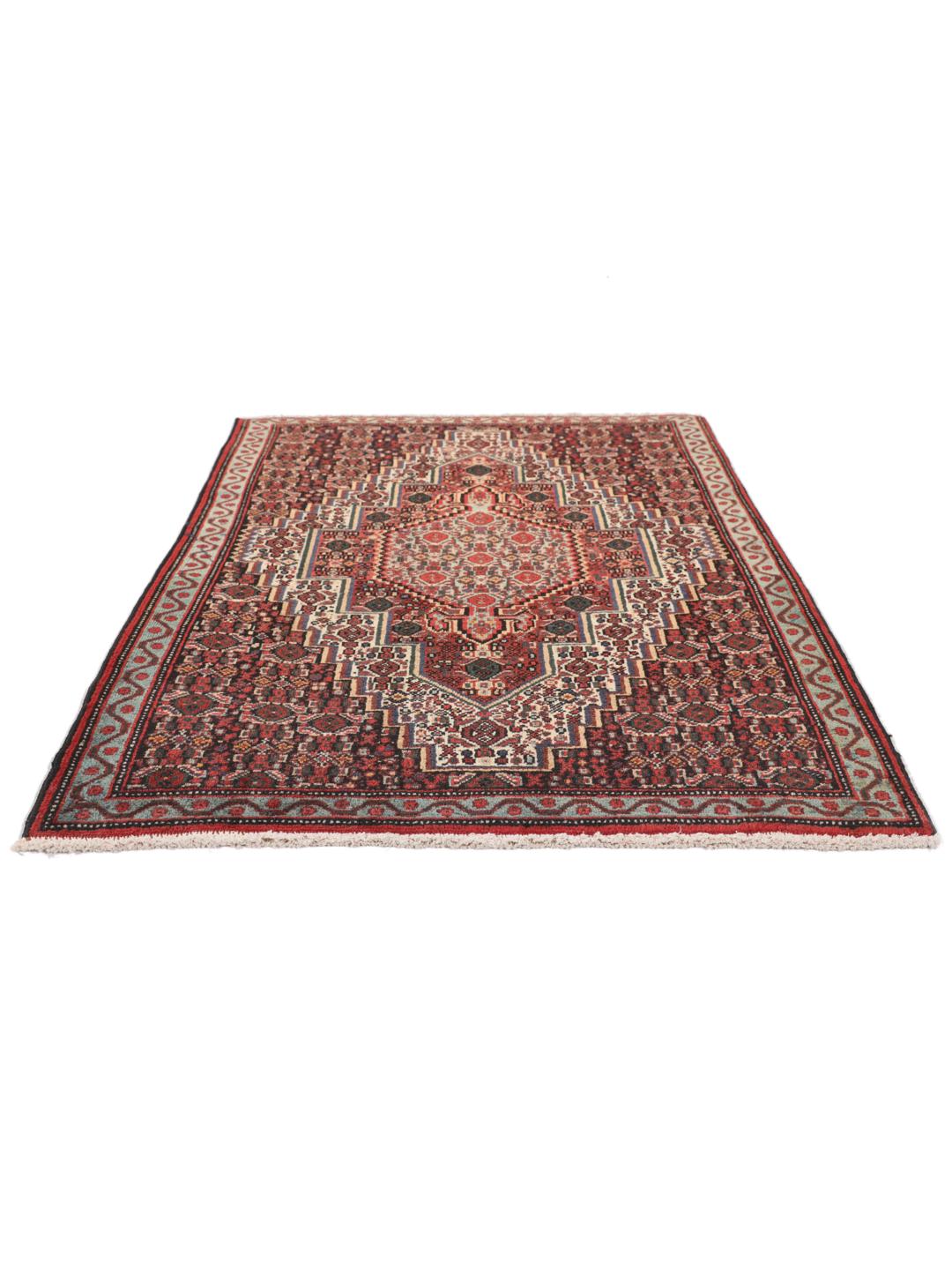
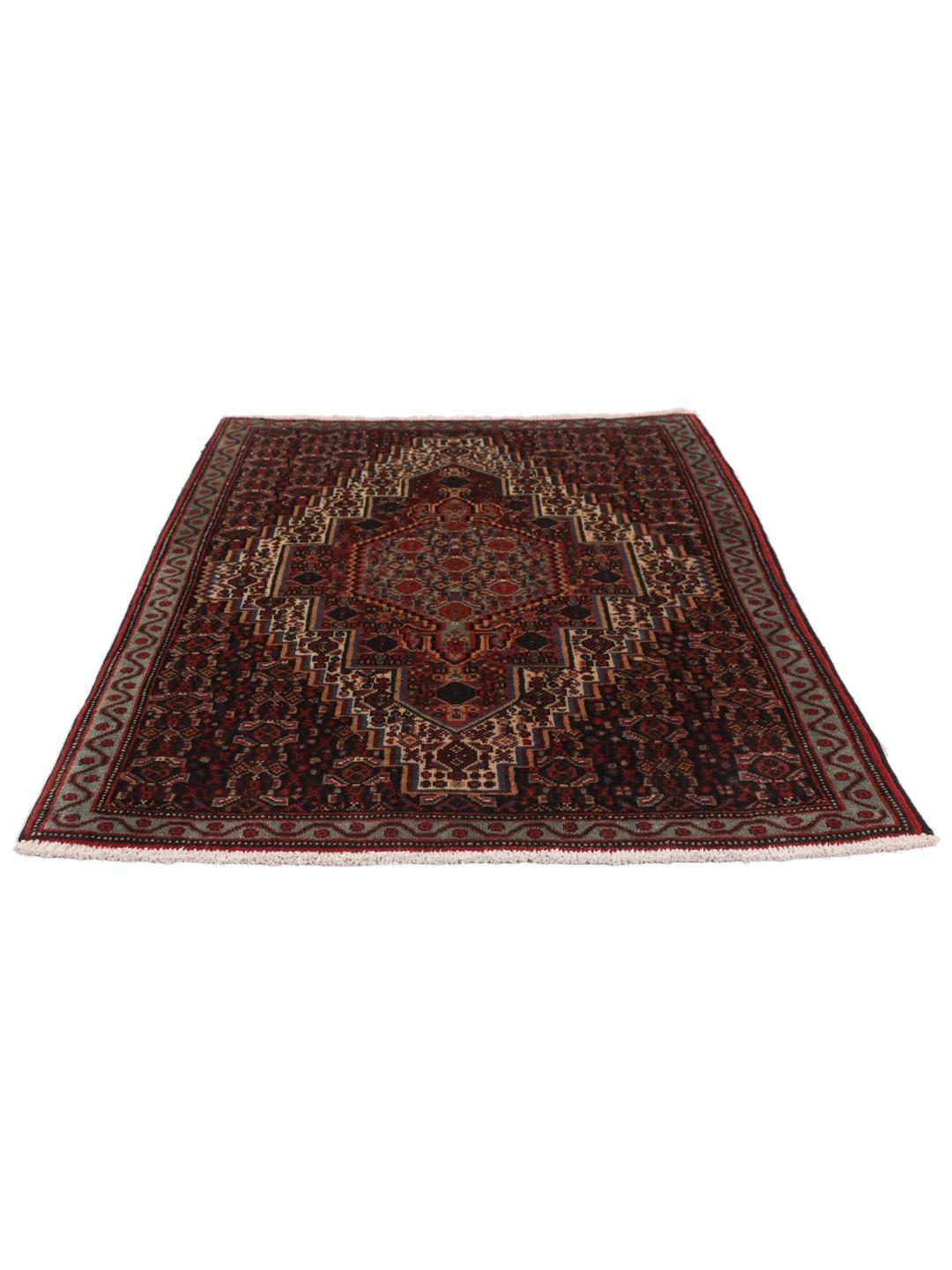
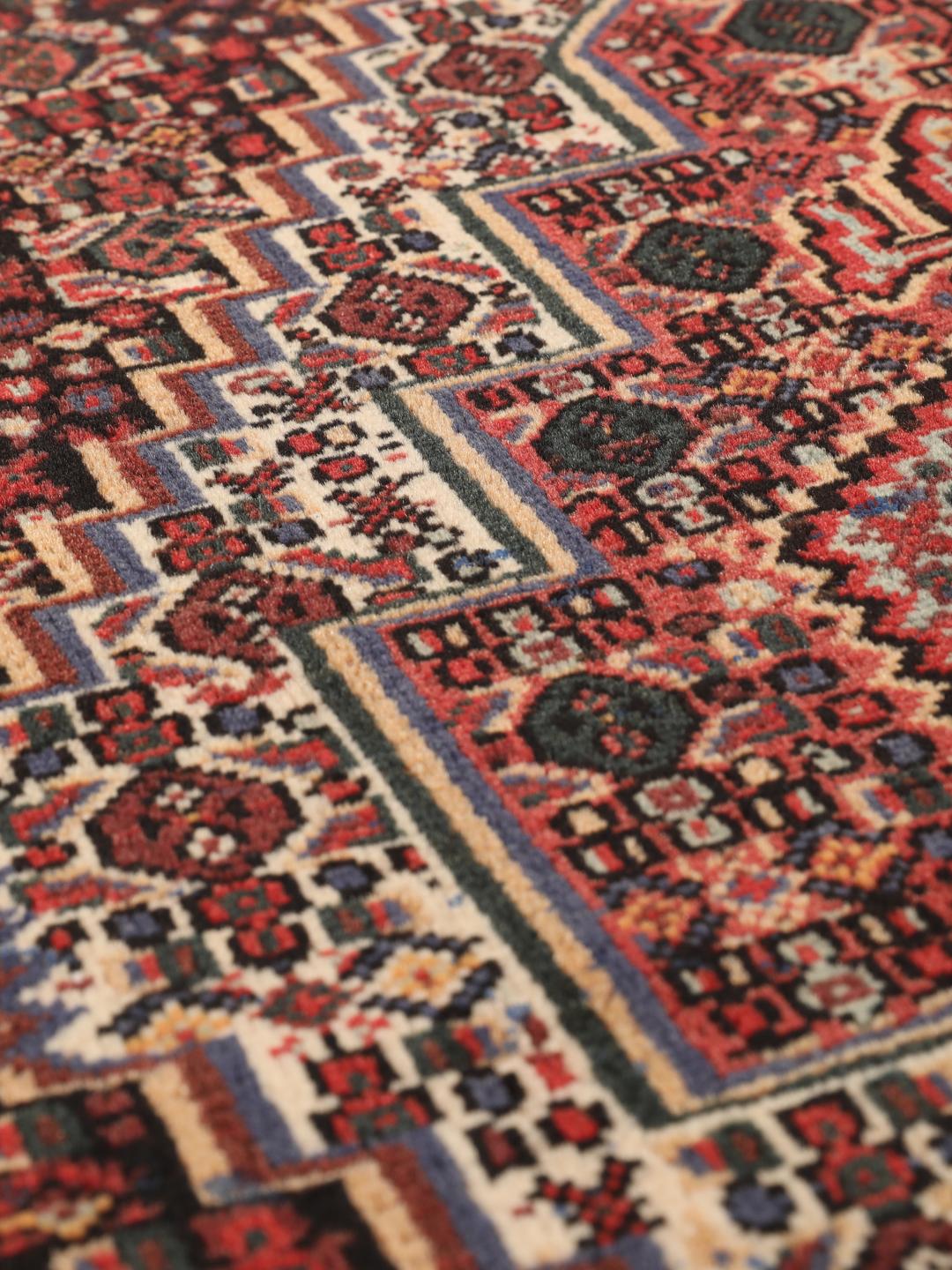
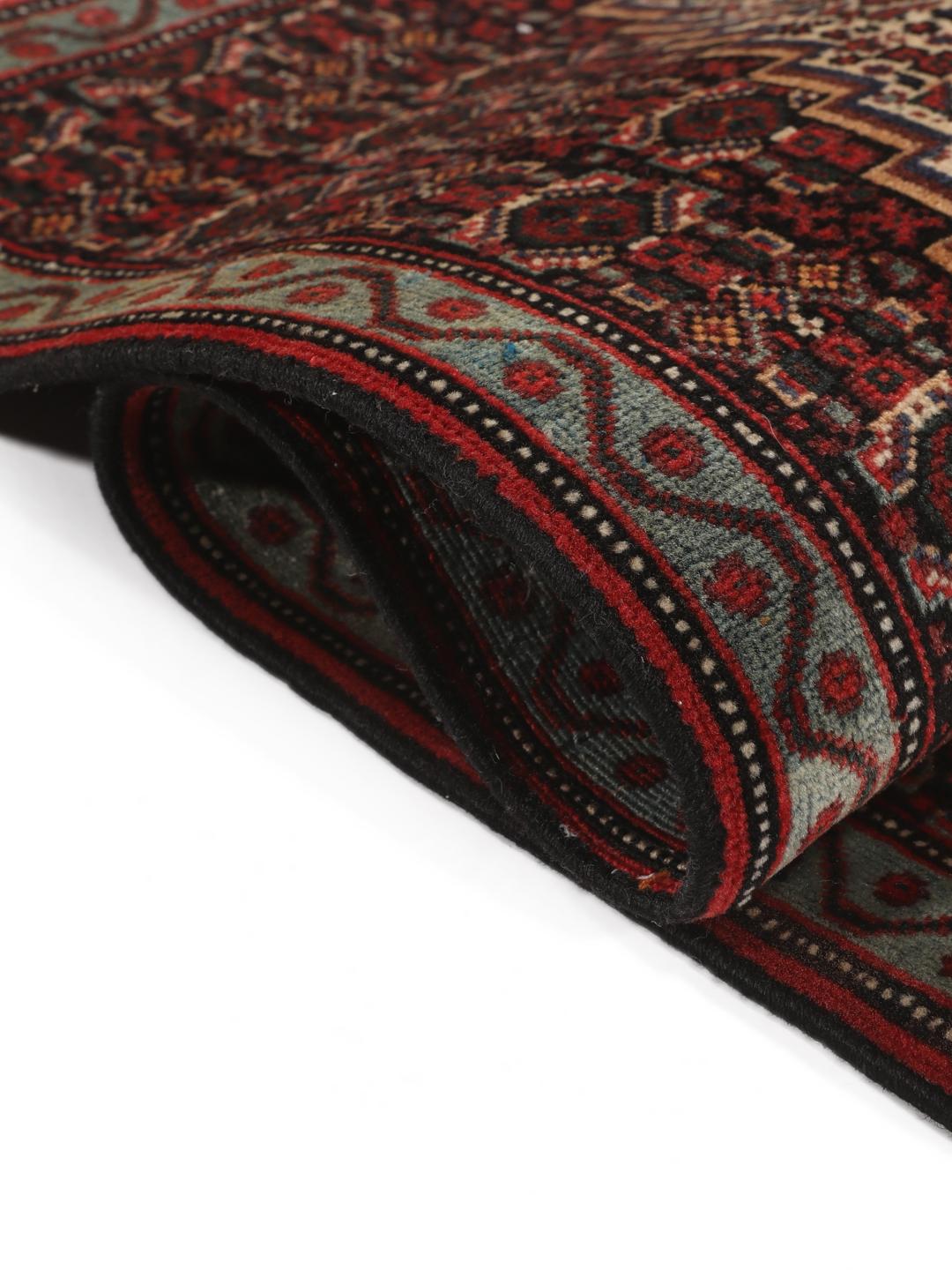
The Senneh rug tradition hails from the Sanandaj region in the western part of the Middle East, a centre known for its sophisticated weaving culture. Historically, these rugs have been celebrated for their refined aesthetic and technical precision, often serving as a hallmark of the high-level artistry associated with the region's long-standing weaving guilds.
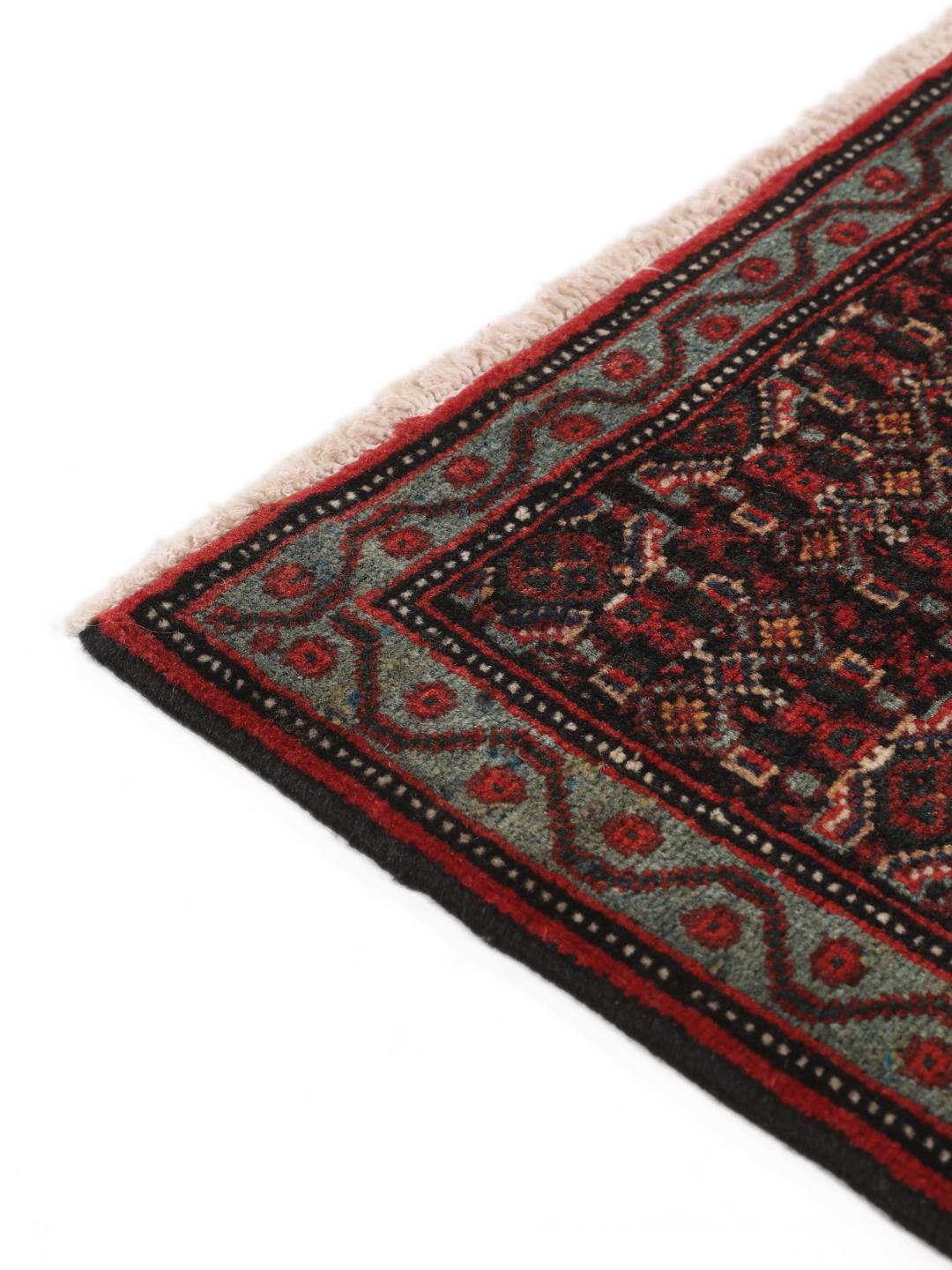
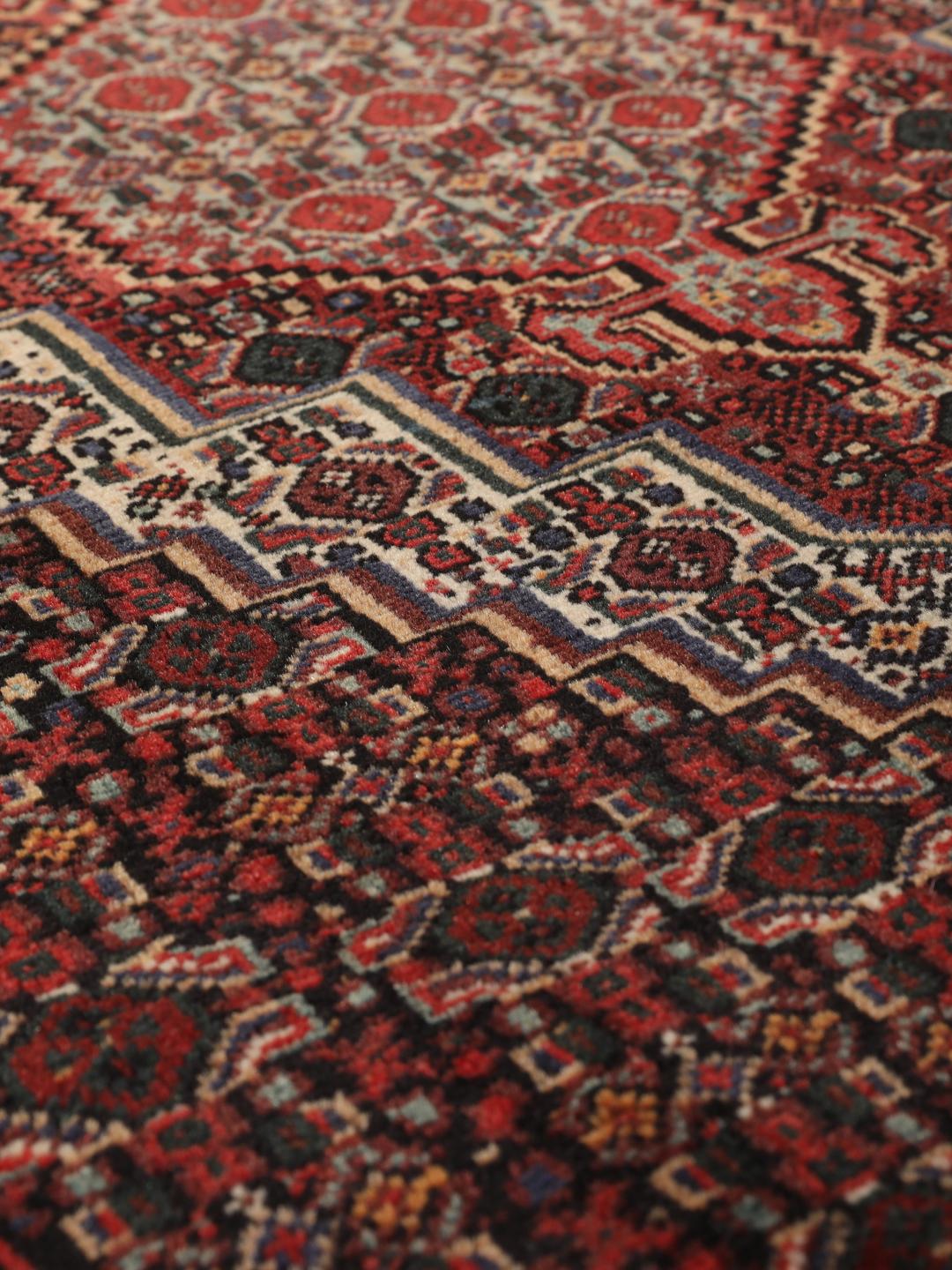
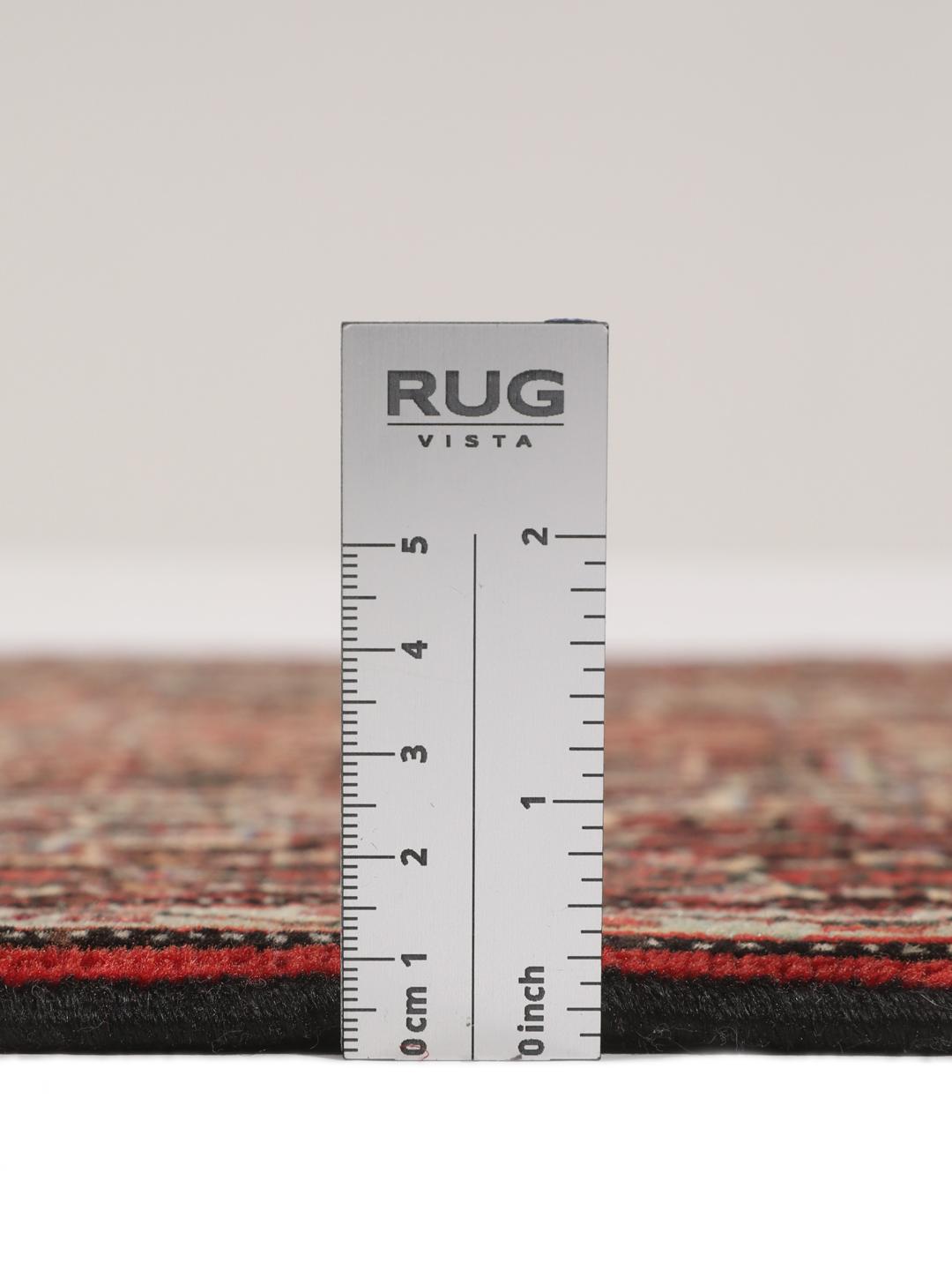
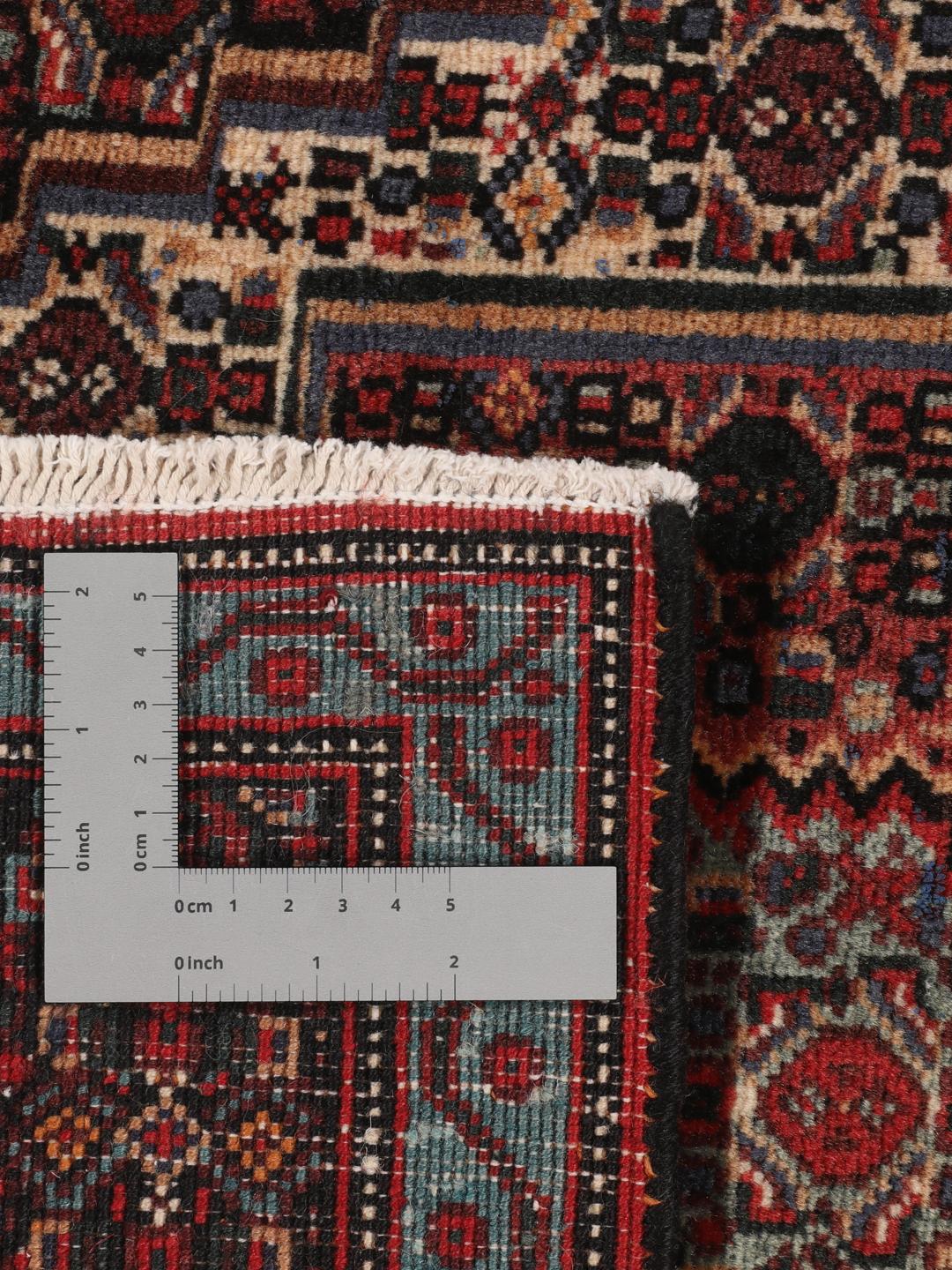
The term Senneh refers to both the origin and the specific, highly disciplined approach to knotting. These rugs are often distinguished by their fine foundation and a dense, tight pile. This technical approach creates a surface that is exceptionally durable yet remains supple, allowing the rug to drape beautifully and withstand the test of time.
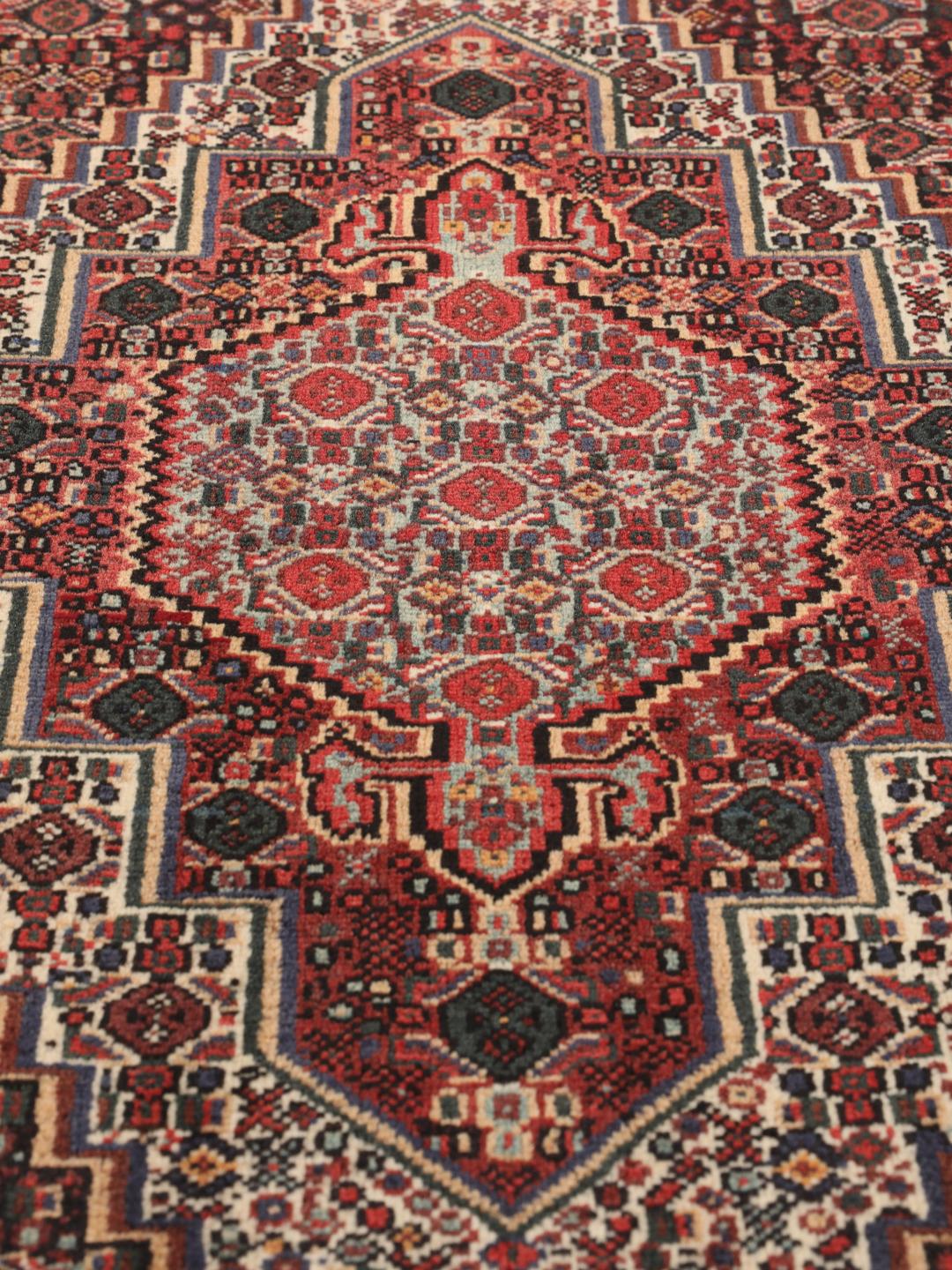
Visually, Senneh rugs are famous for their intricate, often geometric or floral-inspired motifs. The central medallion is a signature element, frequently surrounded by an expansive, richly detailed field. The colour palettes traditionally favour deep, earthy tones, with the contrast between the field and the border creating a balanced, harmonious look that is highly prized by collectors.
Valued for their cultural significance and the extreme skill required to produce them, Senneh rugs are considered significant examples of textile art. Owning one is an investment in heritage, representing a connection to generations of weavers who have kept these traditional techniques alive. They are not merely floor coverings but are regarded as pieces that carry the weight and beauty of their regional history.