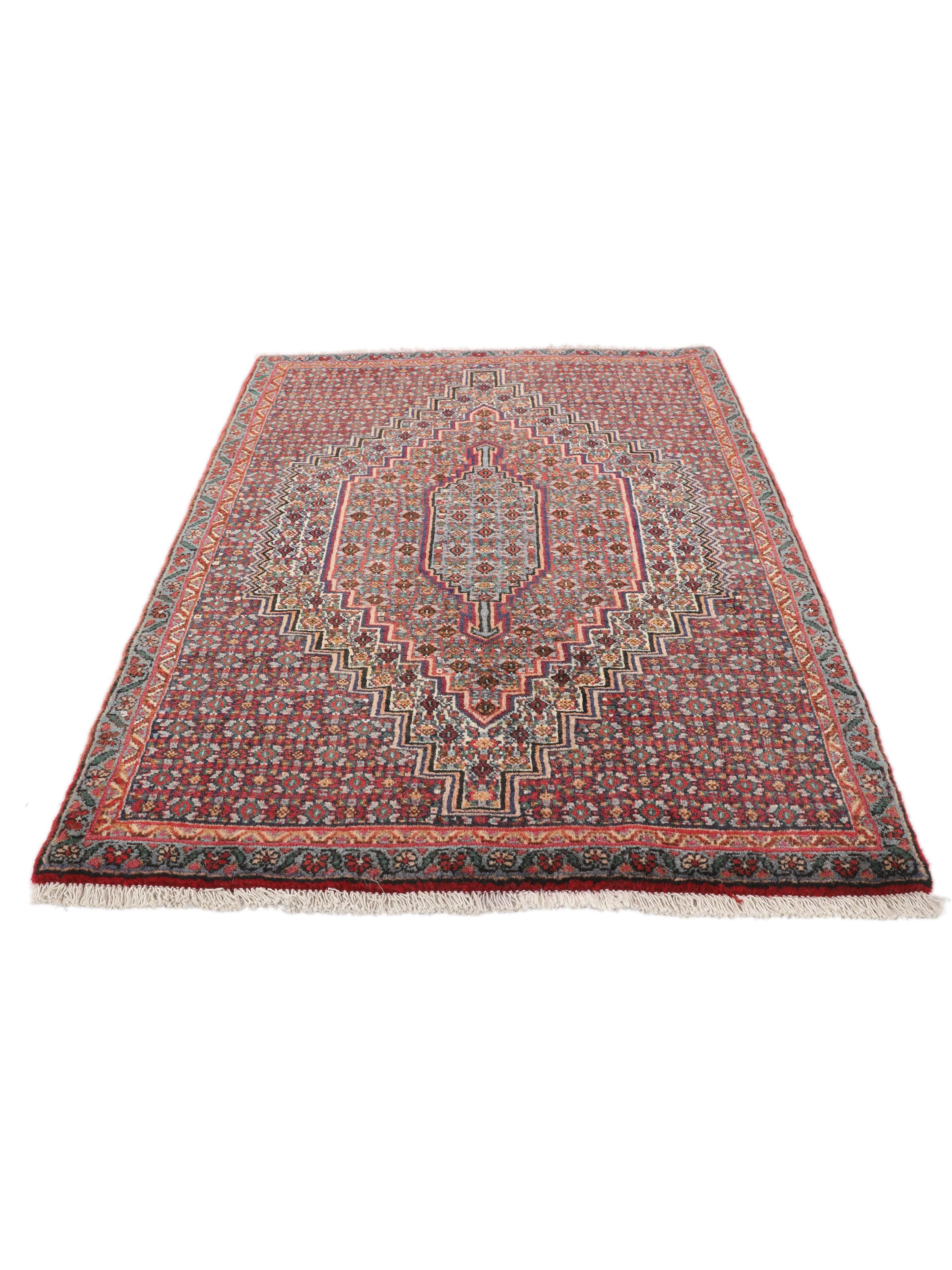
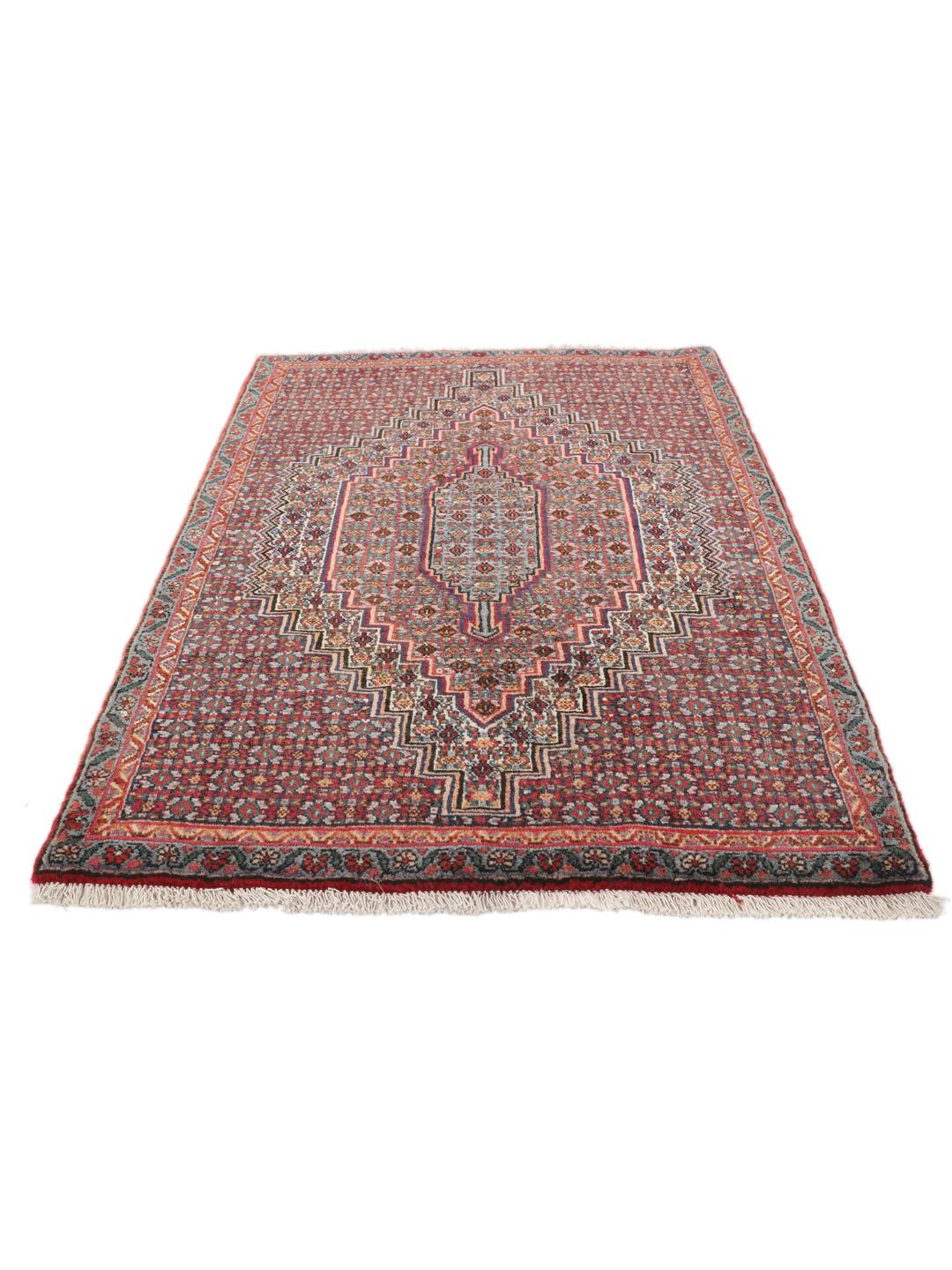
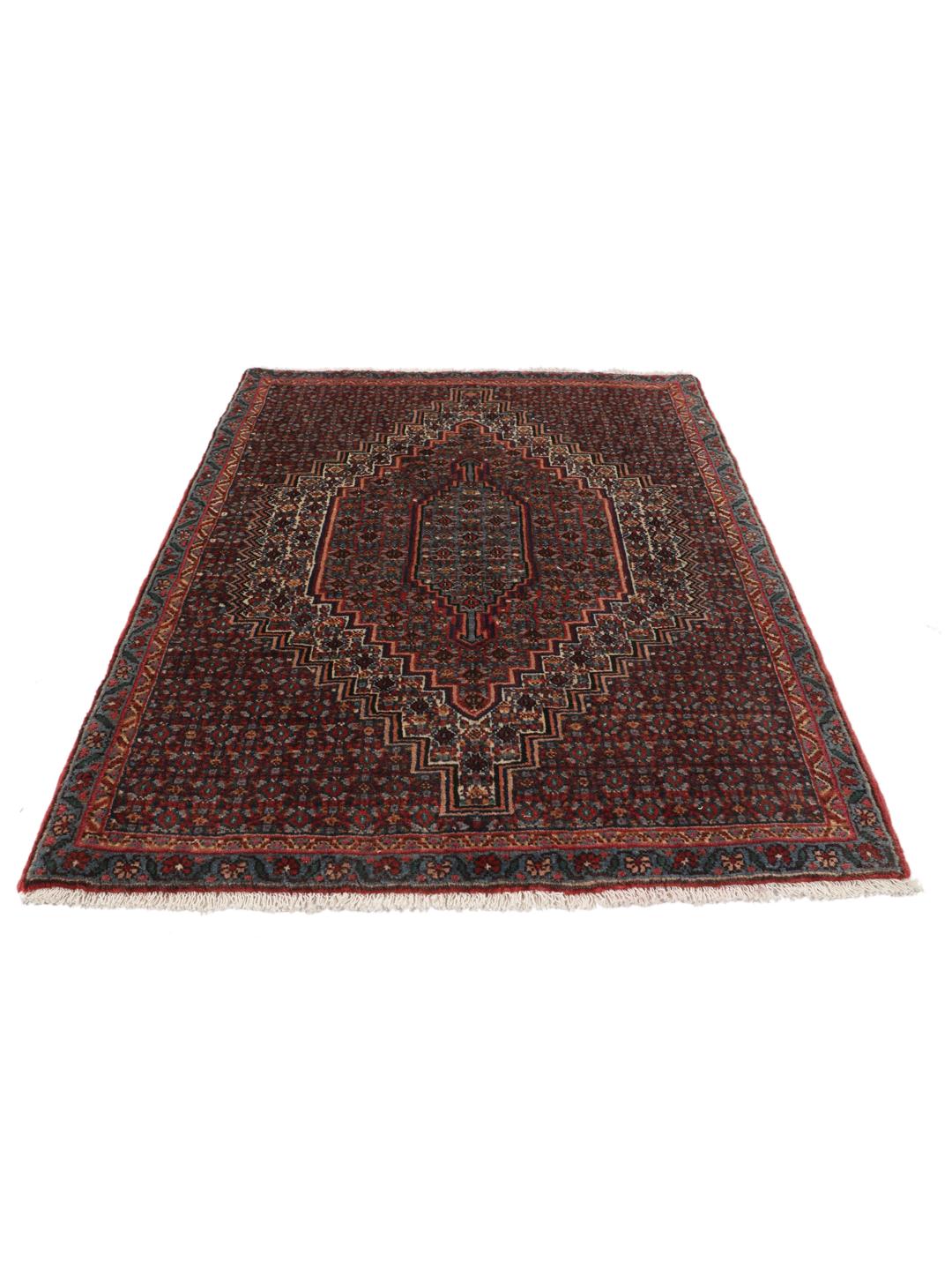
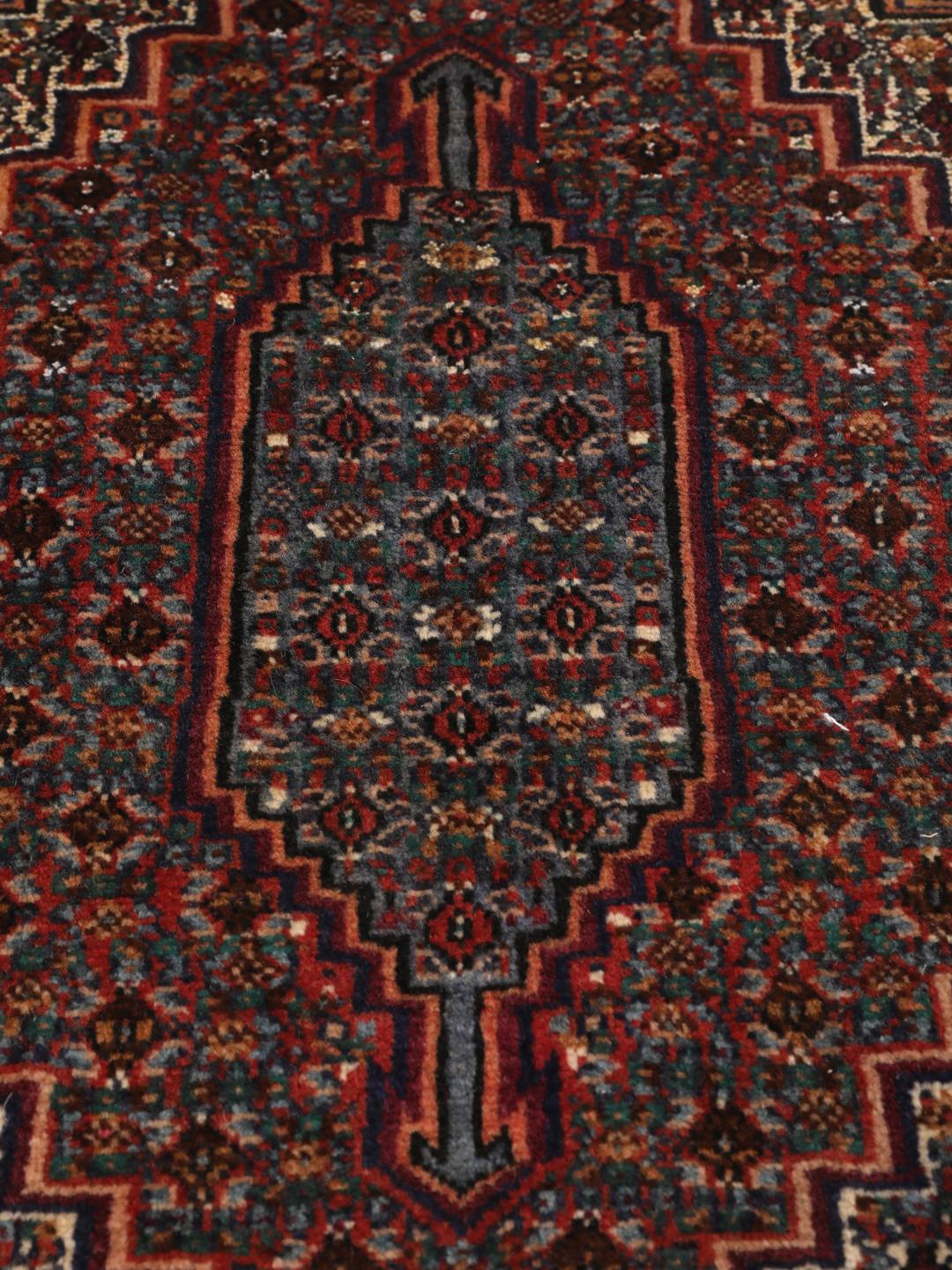
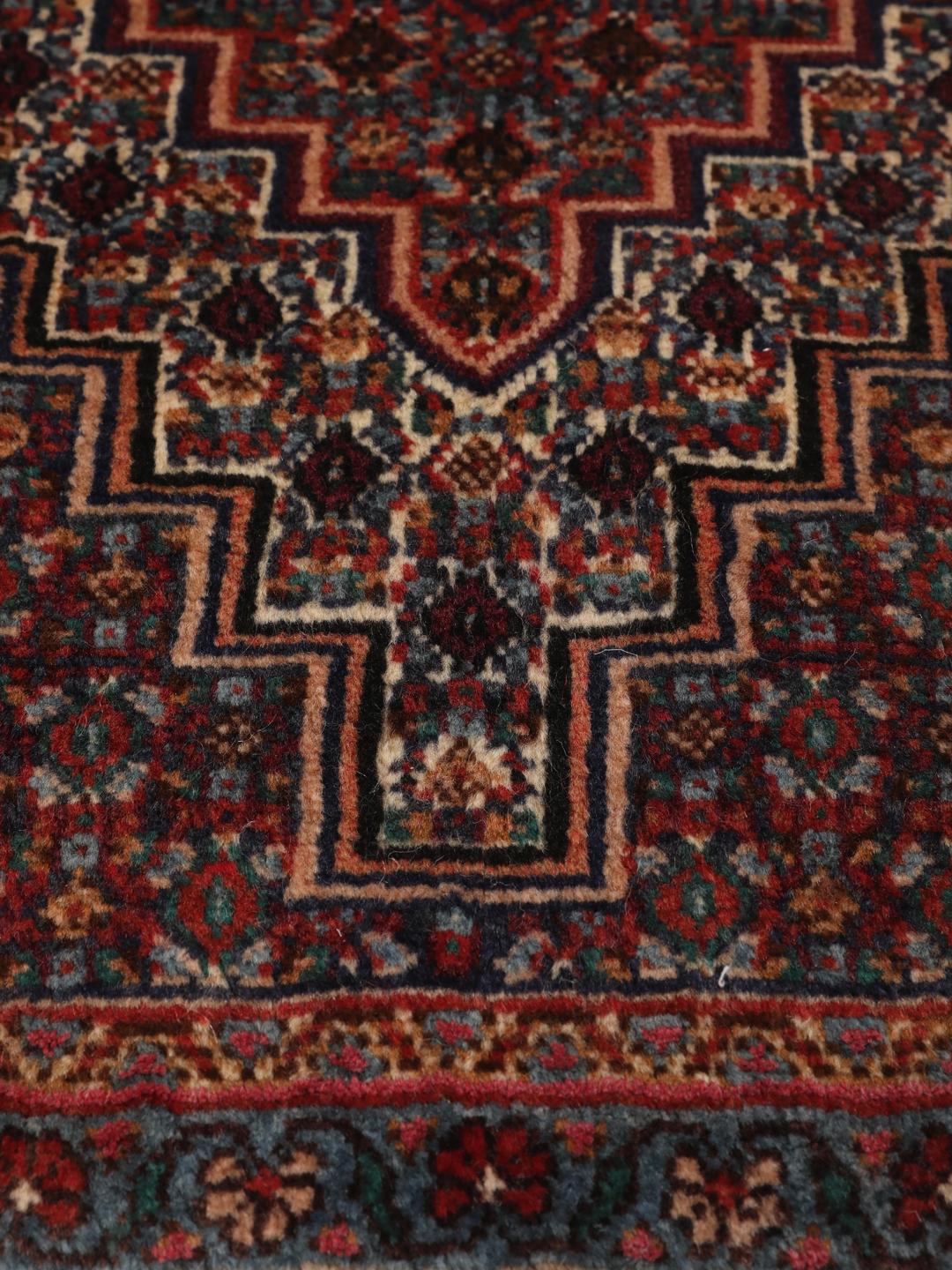
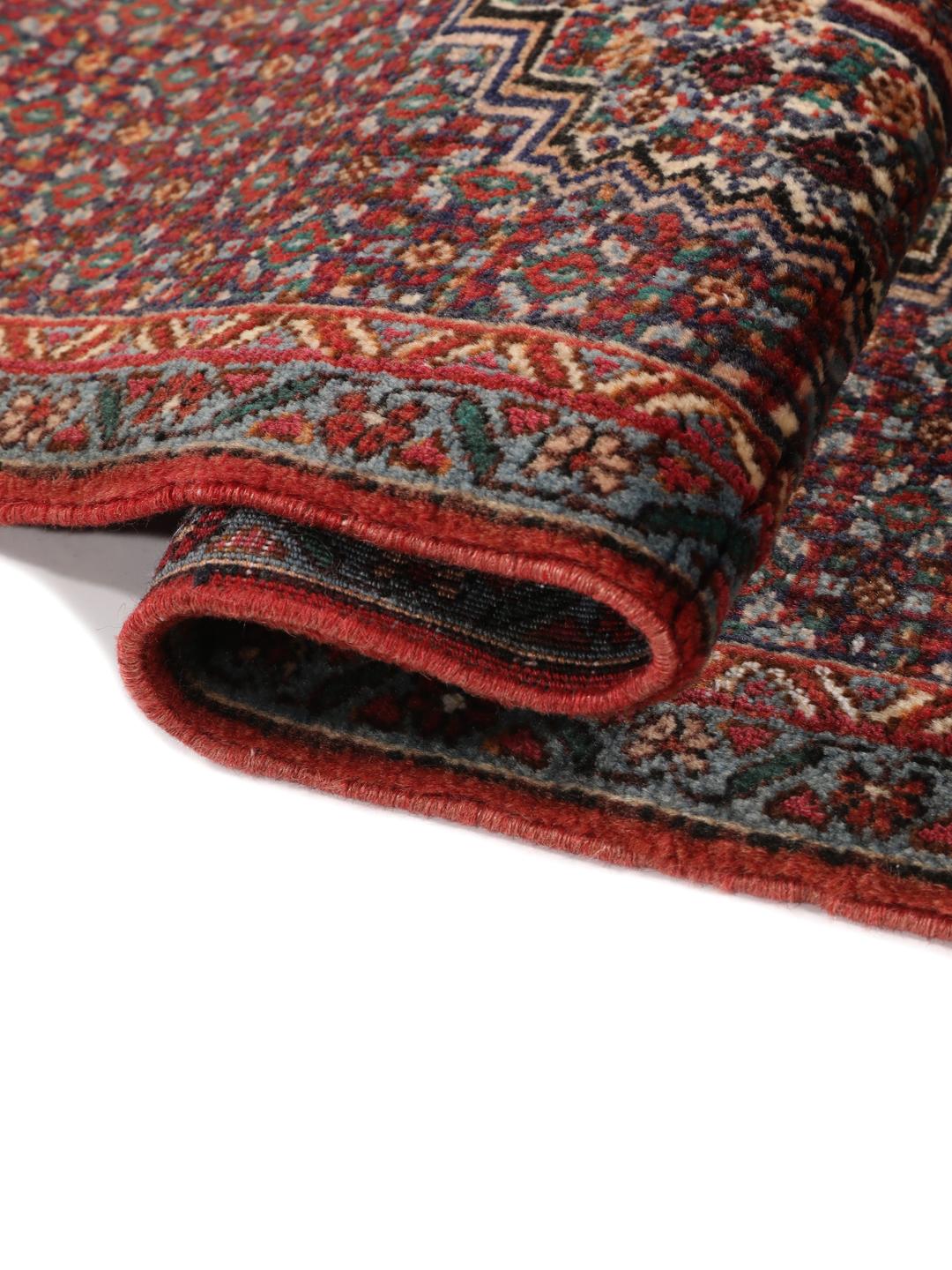
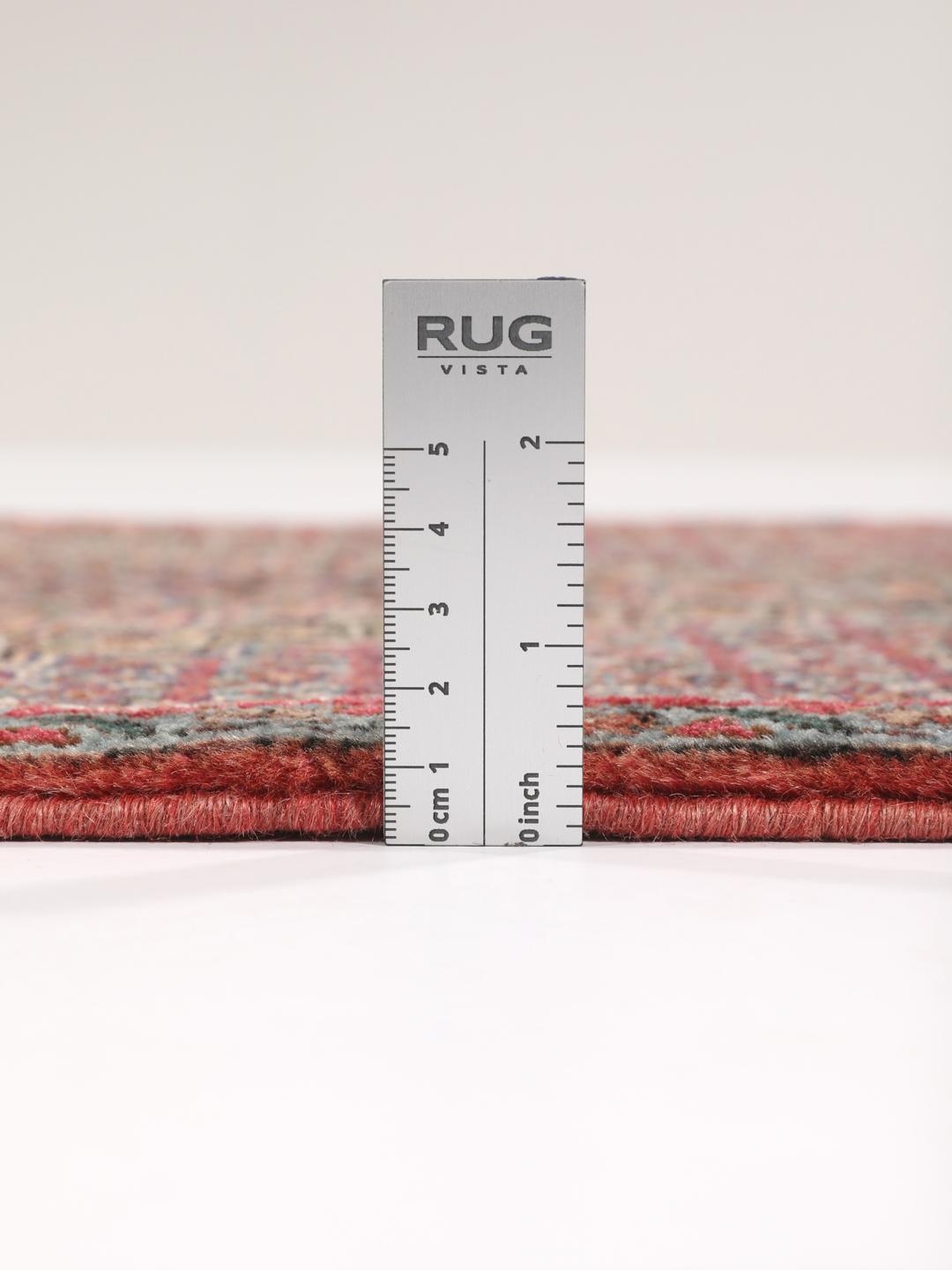
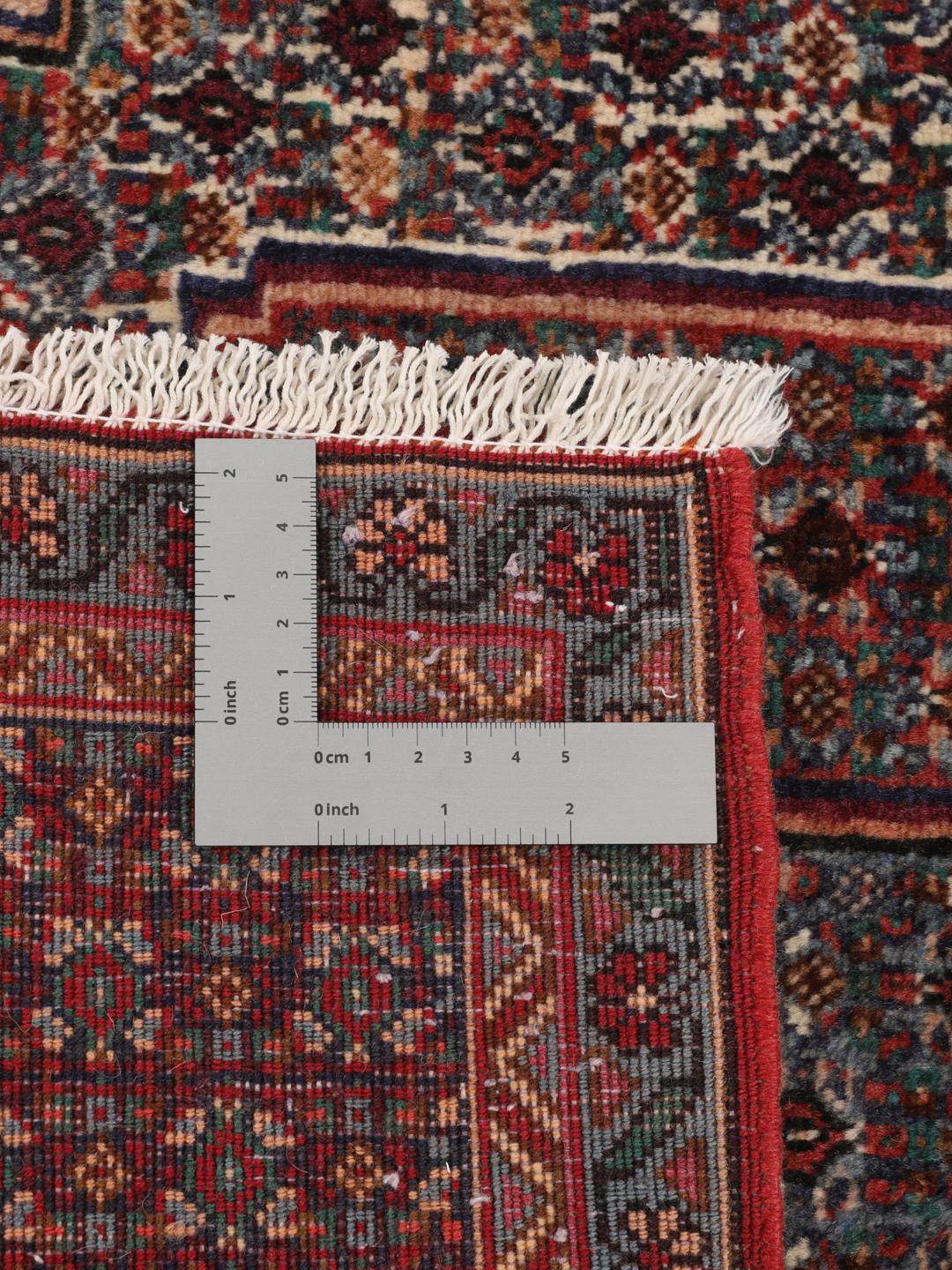
Senneh rugs originate from the city of Sanandaj, historically known as Senneh, located in the mountainous Kurdistan region of the Middle East. This area has long been a hub for refined weaving traditions, known for producing some of the most sophisticated and tightly knotted pieces in the region.
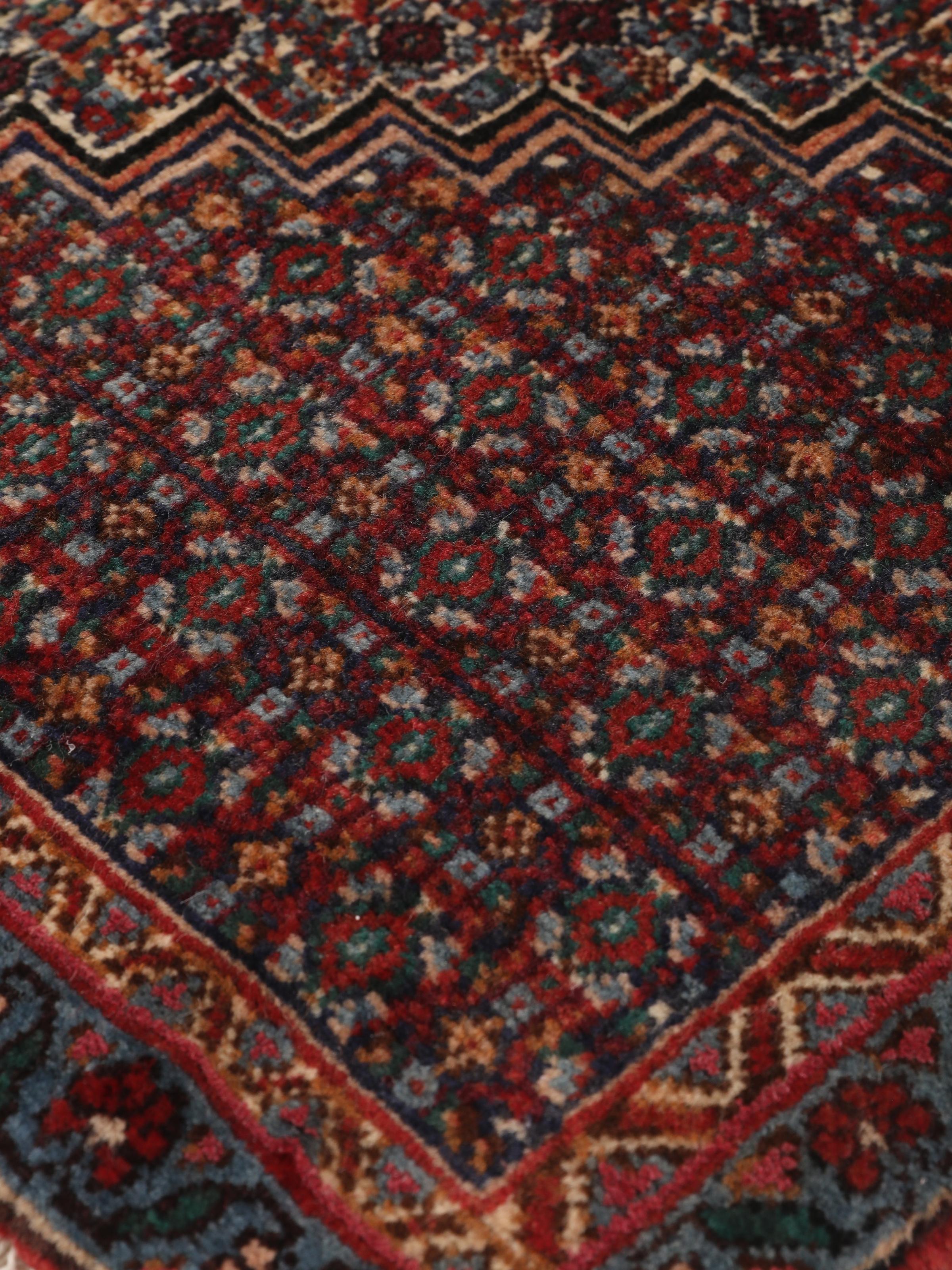
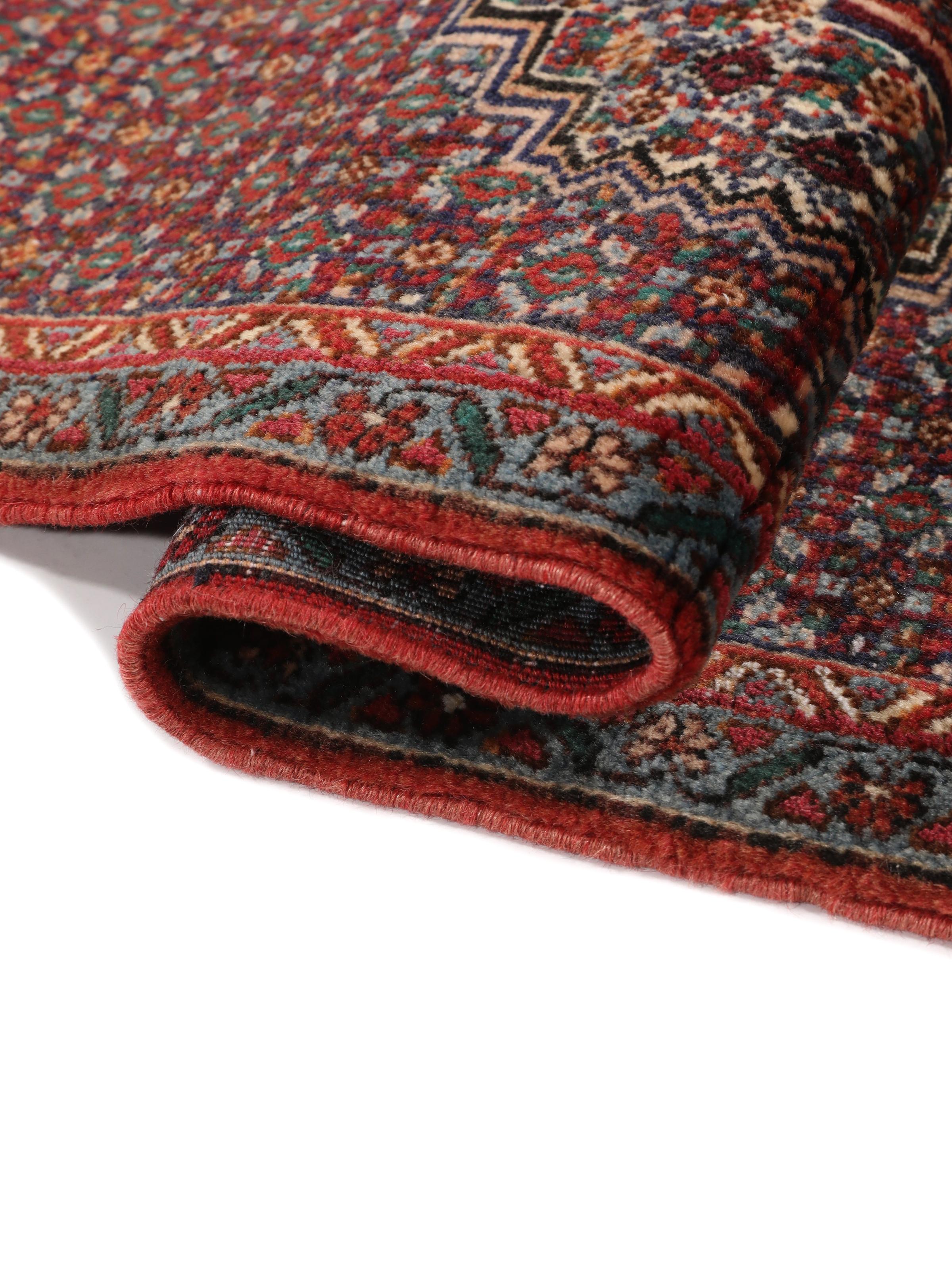
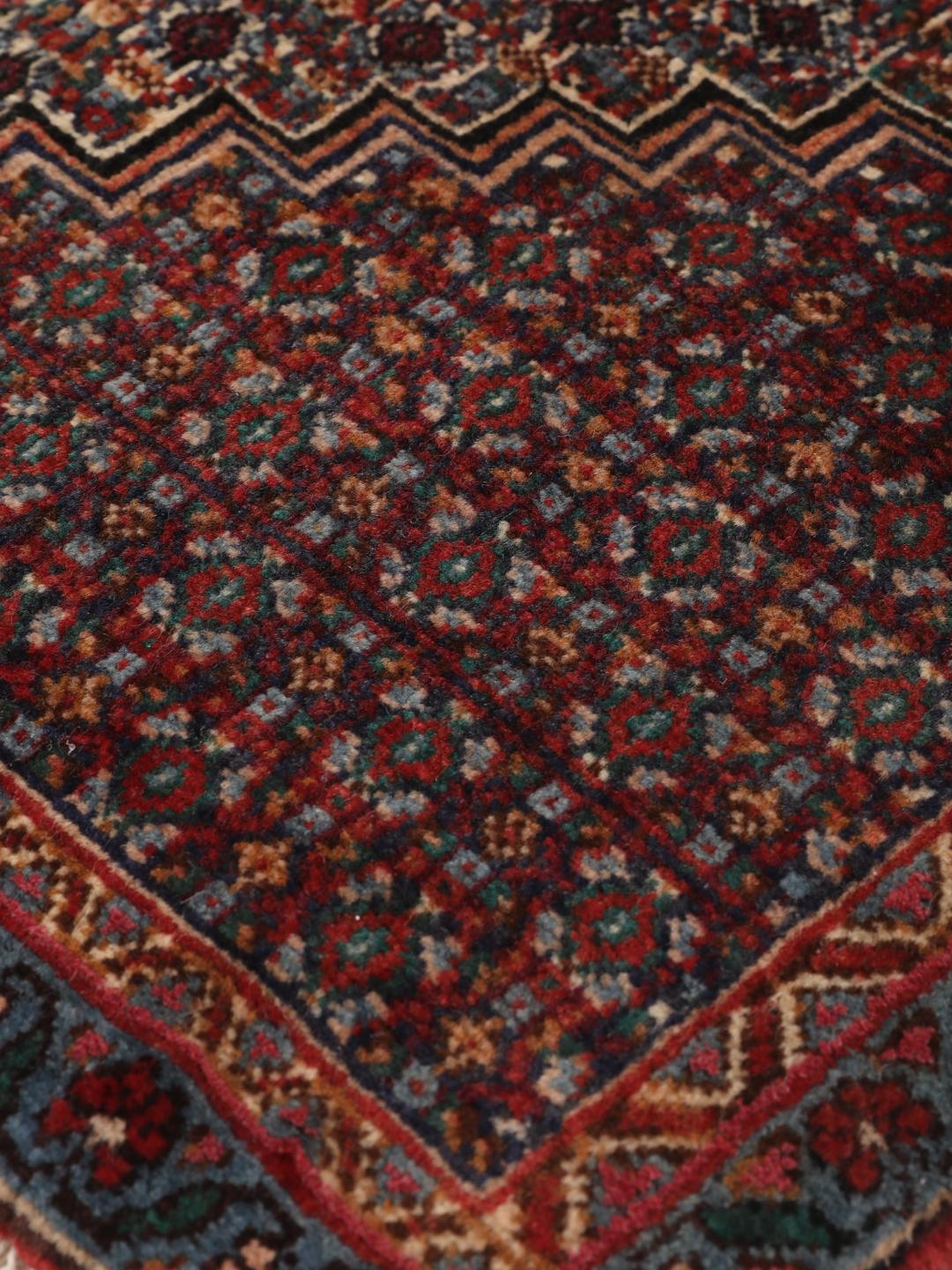
The defining characteristic of this tradition is the use of the asymmetrical knot, which allows for the fluid, detailed designs that define the Senneh style. This technique requires a high level of expertise, as the weaver must manage complex patterns while maintaining a consistent tension across the entire foundation.
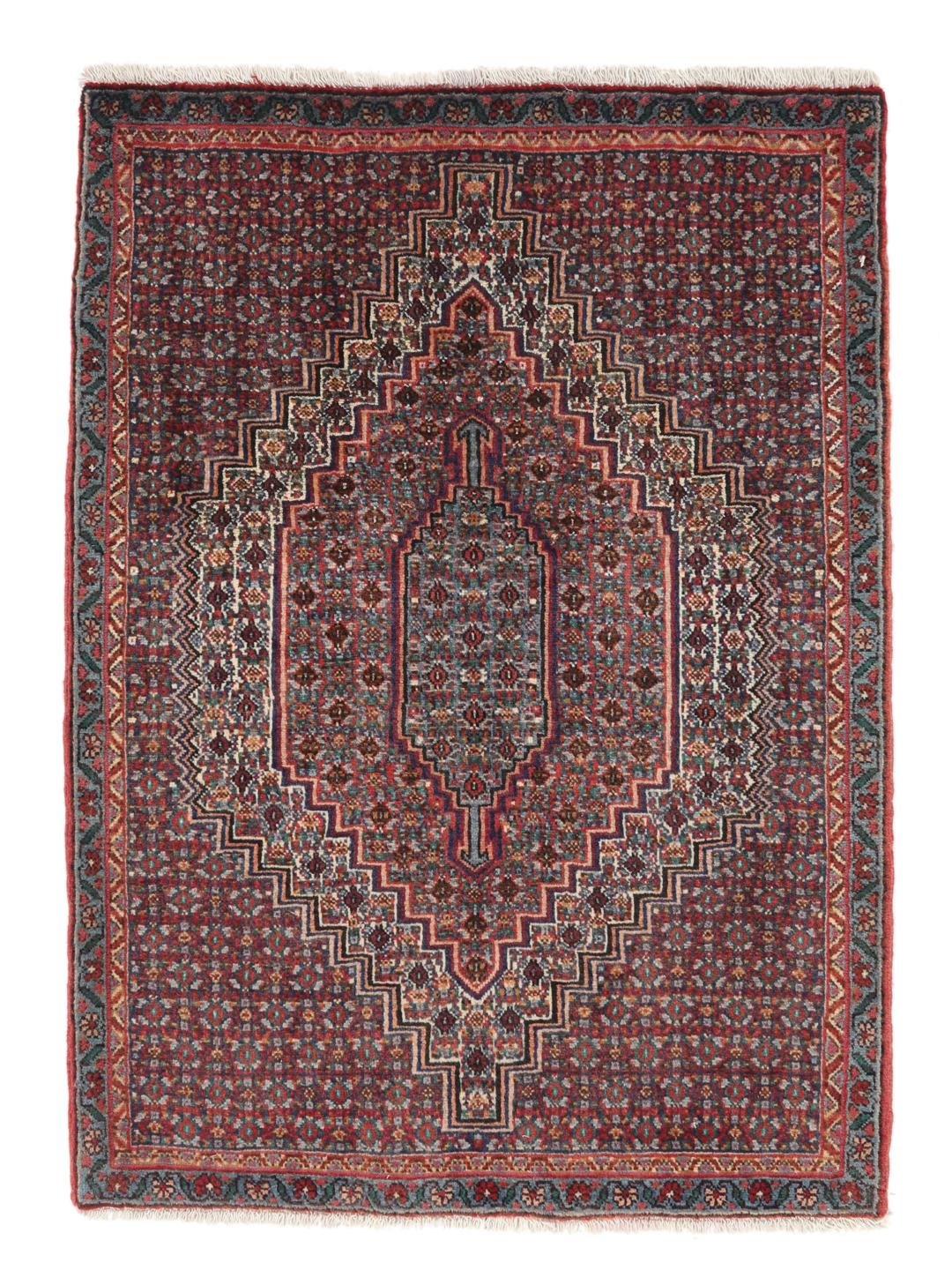
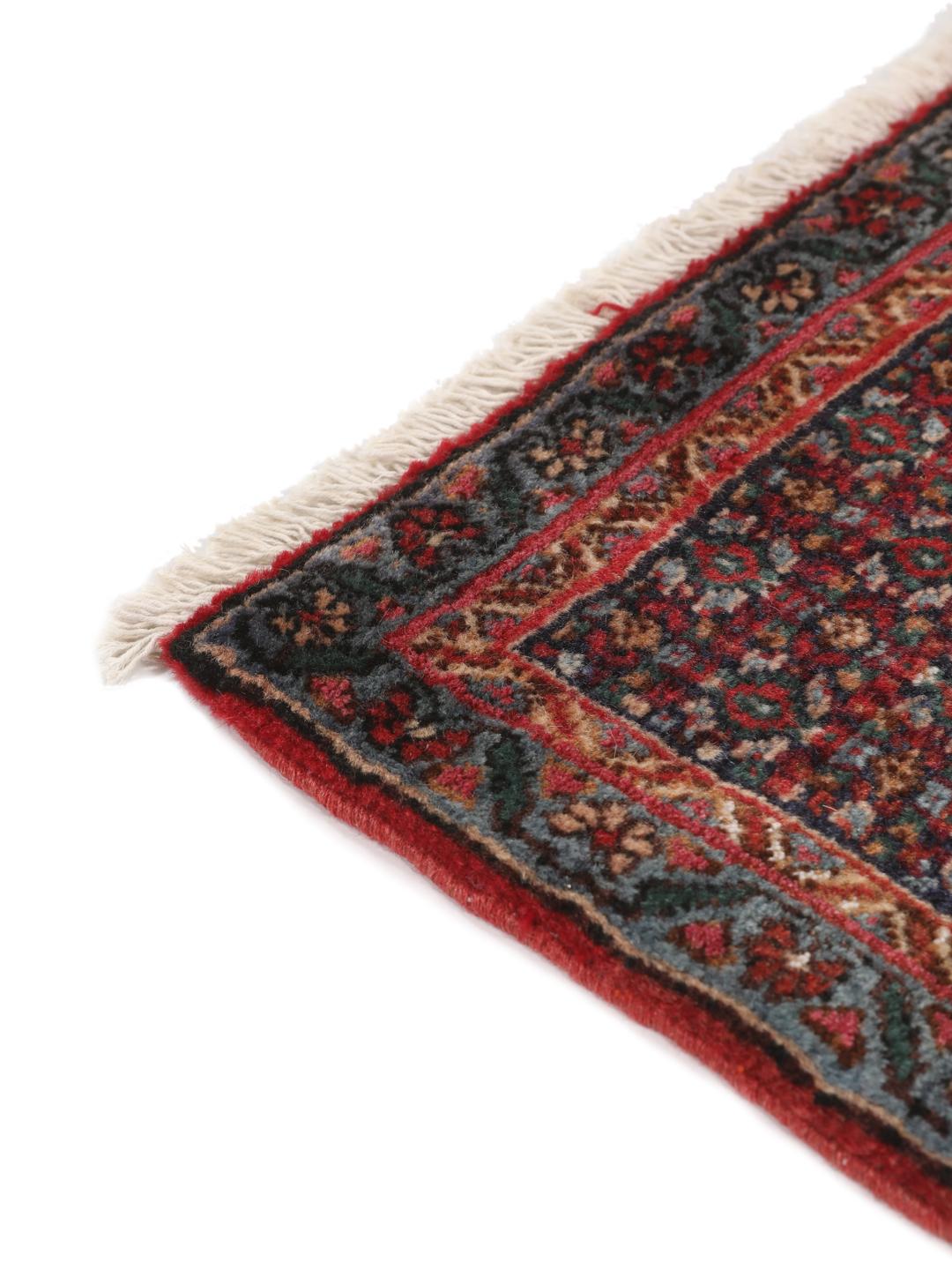
Visually, these rugs are often celebrated for their intricate floral or geometric designs, frequently centred around a prominent medallion. The borders are typically filled with delicate, repeating motifs that frame the central field, showcasing a balance of colour and symmetry that is deeply rooted in the artistic heritage of the Kurdish people.
Collectors value Senneh rugs for their artistic precision and the cultural narrative they carry. Owning one is more than just acquiring a floor covering; it is an investment in a centuries-old craft that has been refined through generations of weavers, ensuring that each piece remains a testament to human skill and creative legacy.