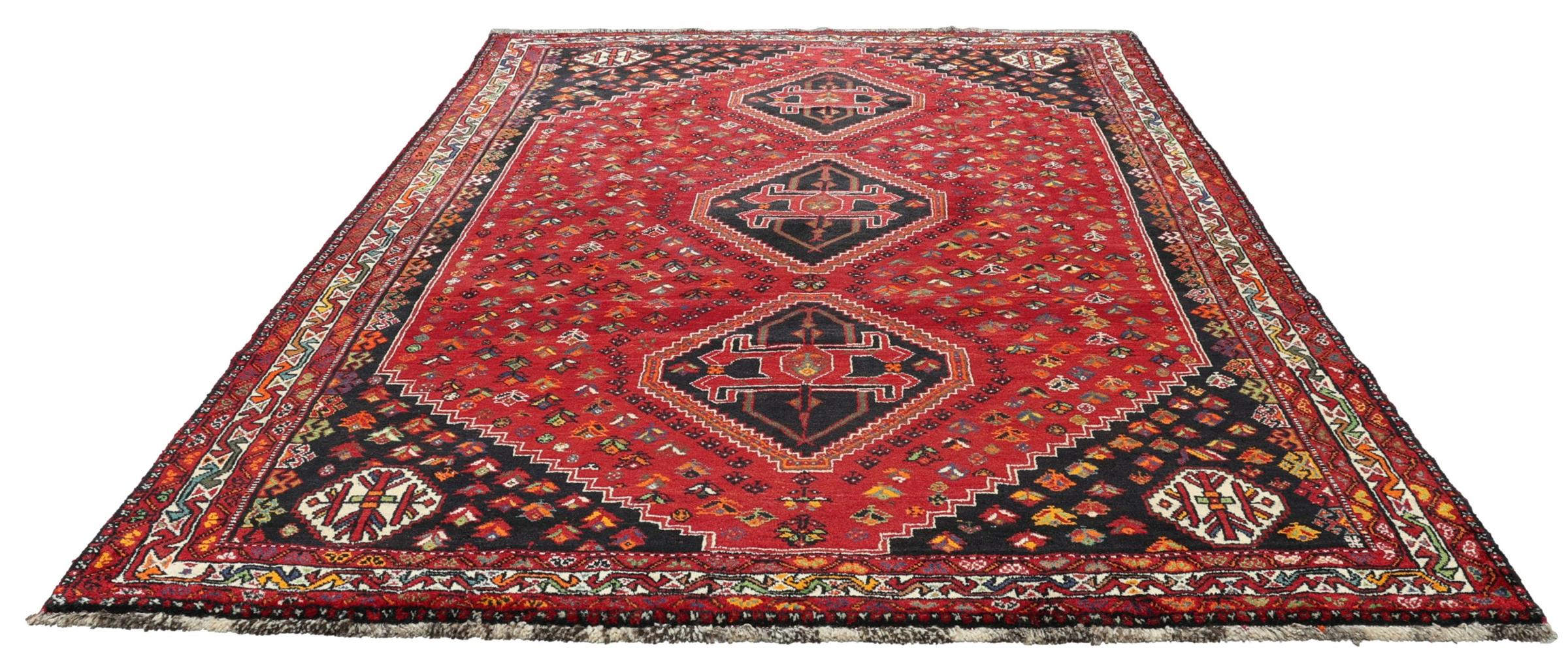
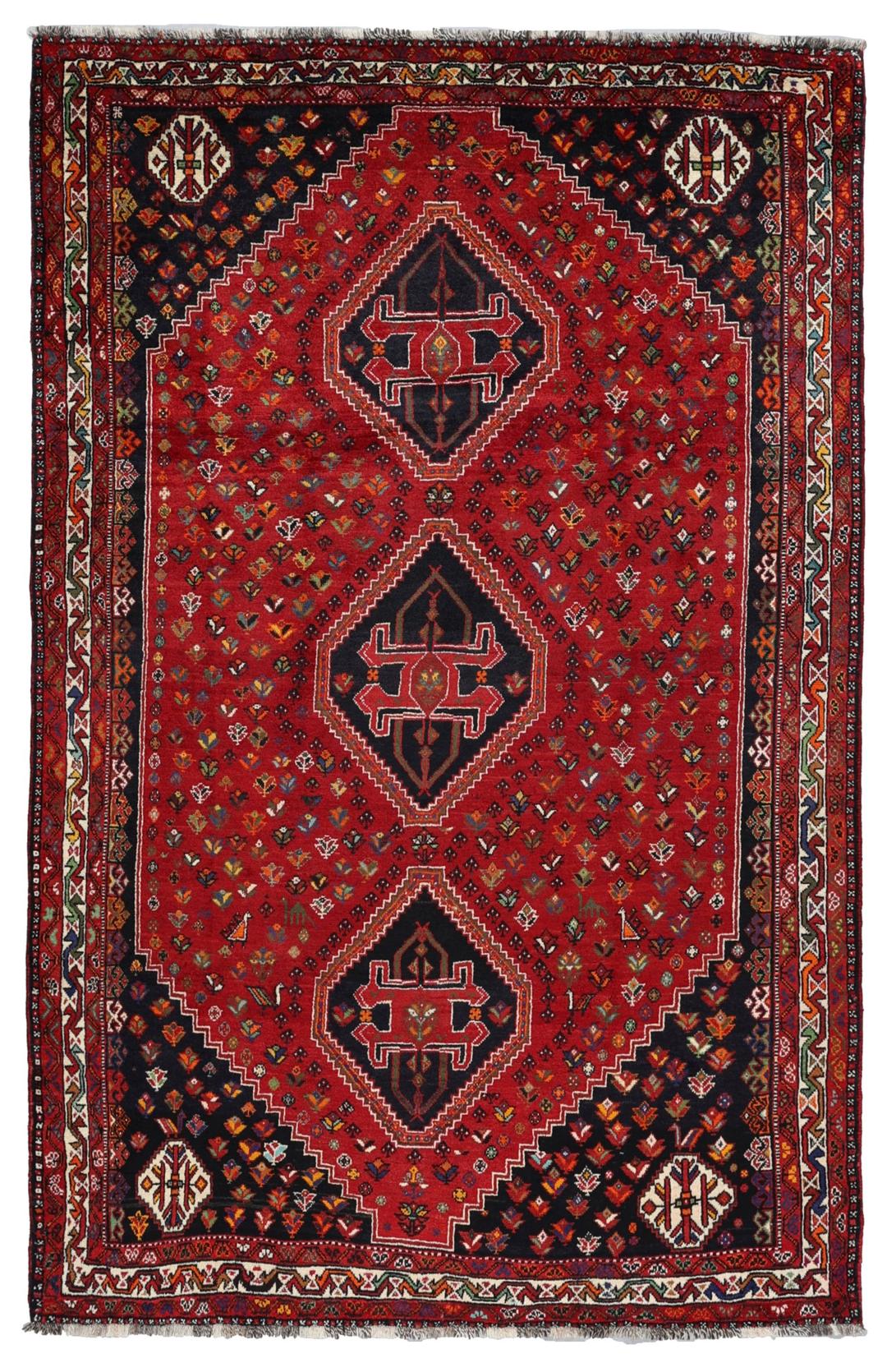
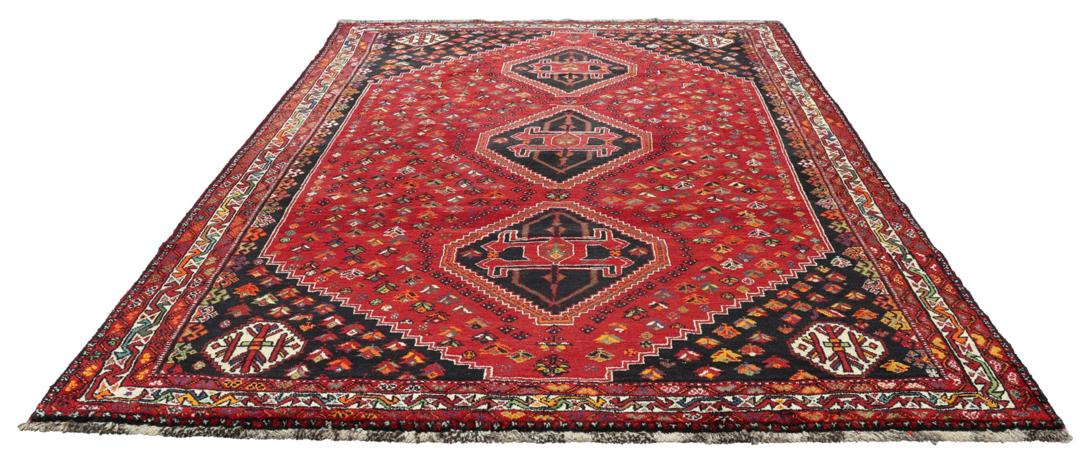
The Shiraz rug tradition originates from the Fars province in the Middle East, a region with a deep-rooted history of nomadic and semi-nomadic weaving. These rugs are traditionally crafted by various tribes, including the Qashqai and Khamseh, who have long translated their cultural narratives into the patterns of their textiles. This specific style is renowned for its authenticity, reflecting the environment and the nomadic lifestyle of the artisans who create them.
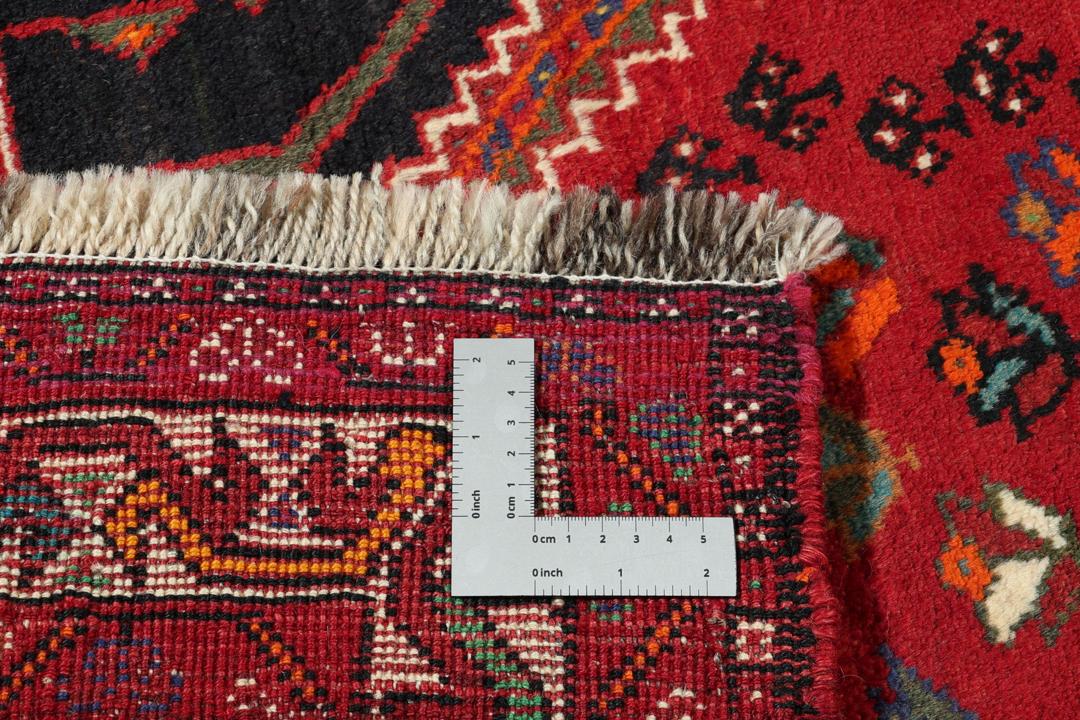
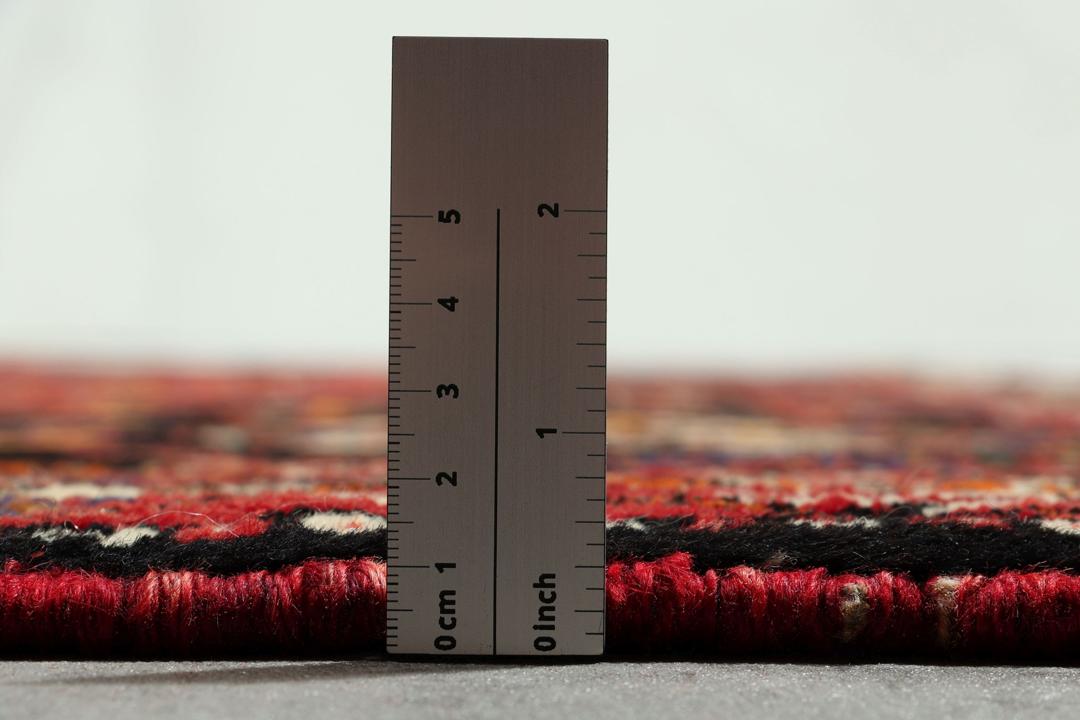
The construction of these rugs is defined by the use of wool, which is carefully sourced and processed to ensure a durable and lustrous finish. In the context of Shiraz rugs, the foundation is typically made from the same high-quality wool as the pile, creating a cohesive and sturdy structure. This construction method is a hallmark of the region, emphasising the longevity of the piece and the practical nature of the woven goods used by nomadic tribes.
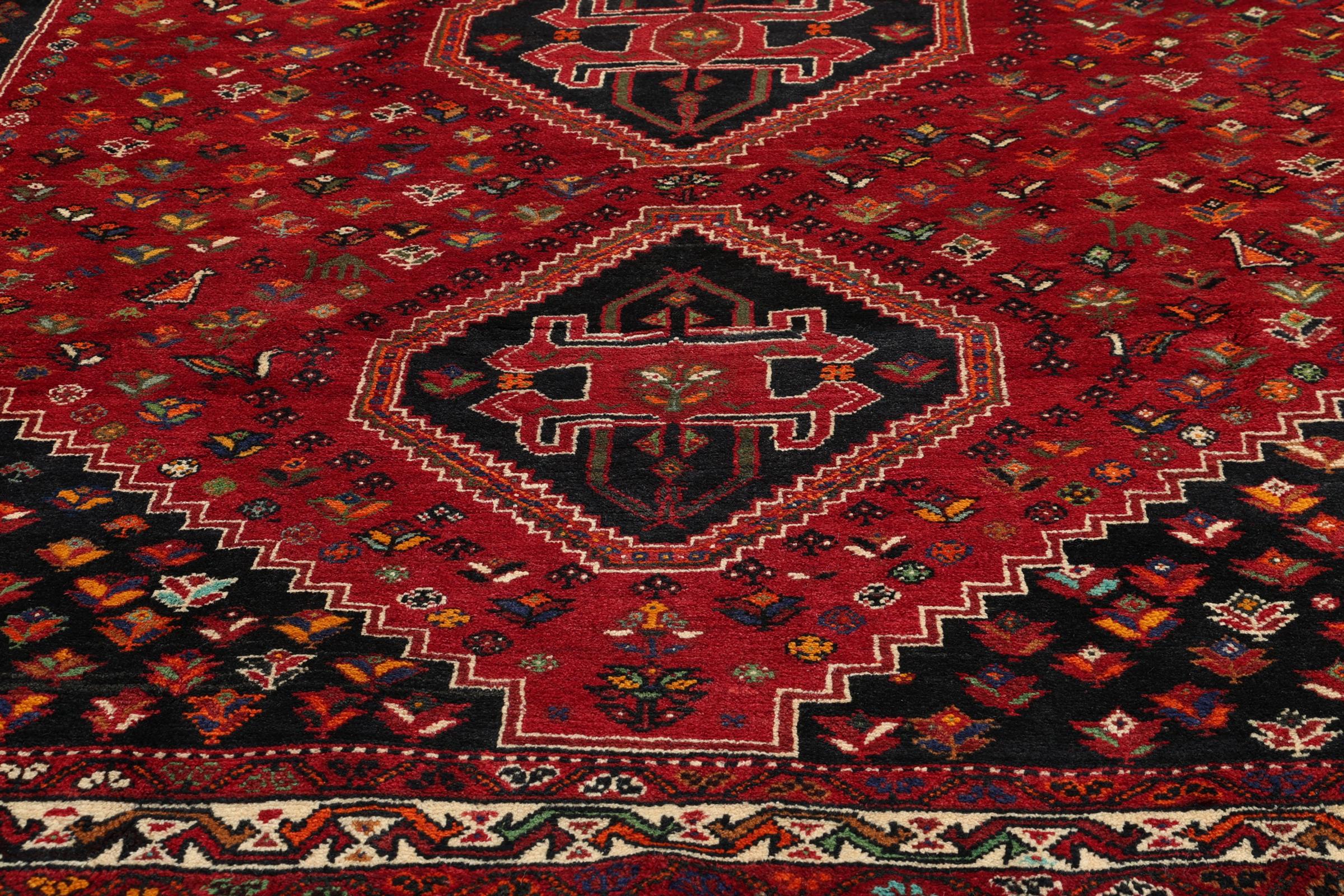
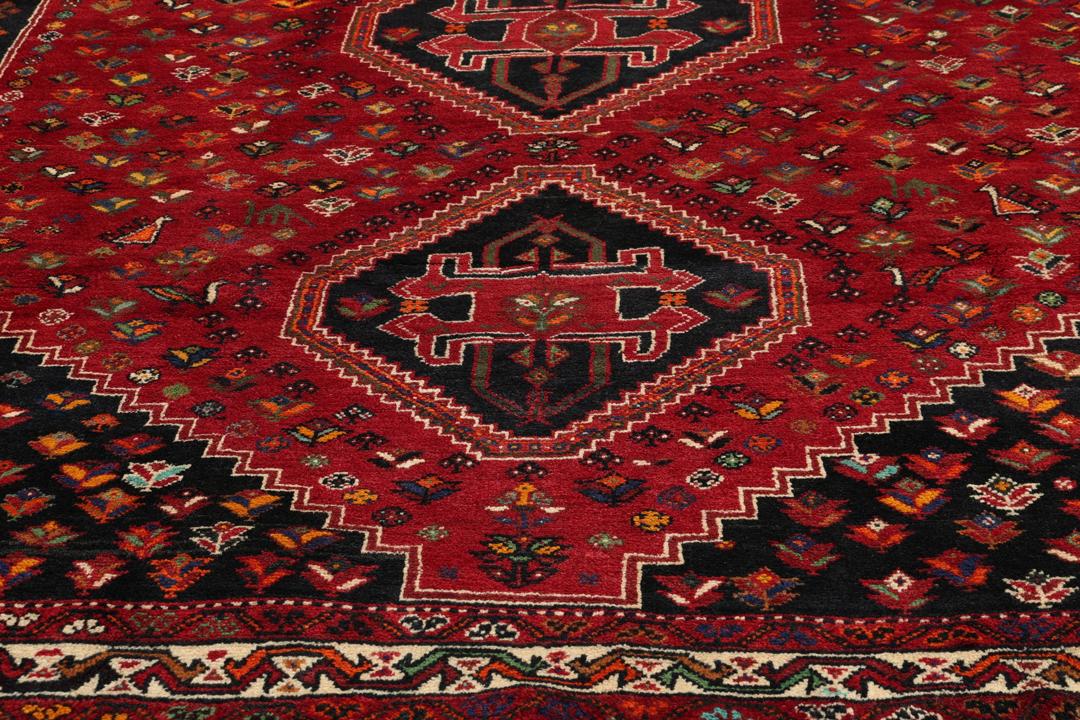
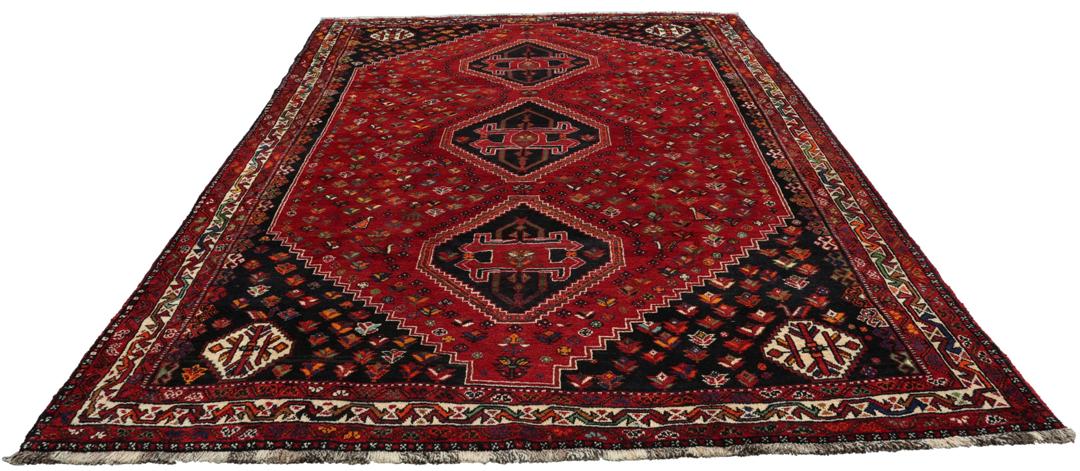
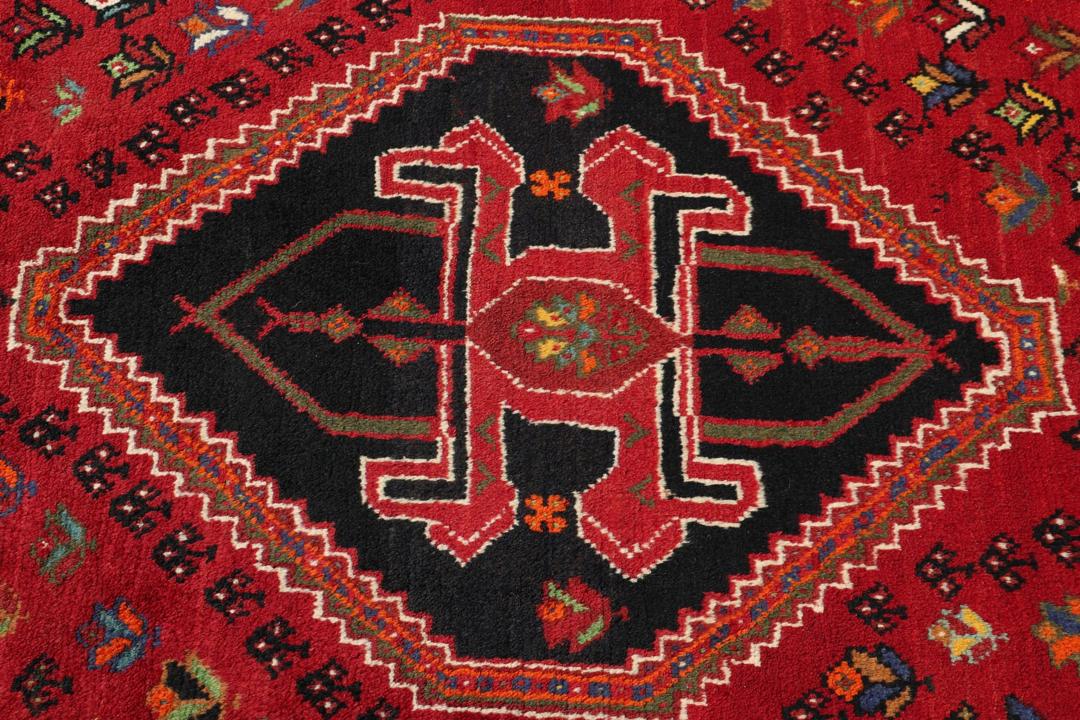
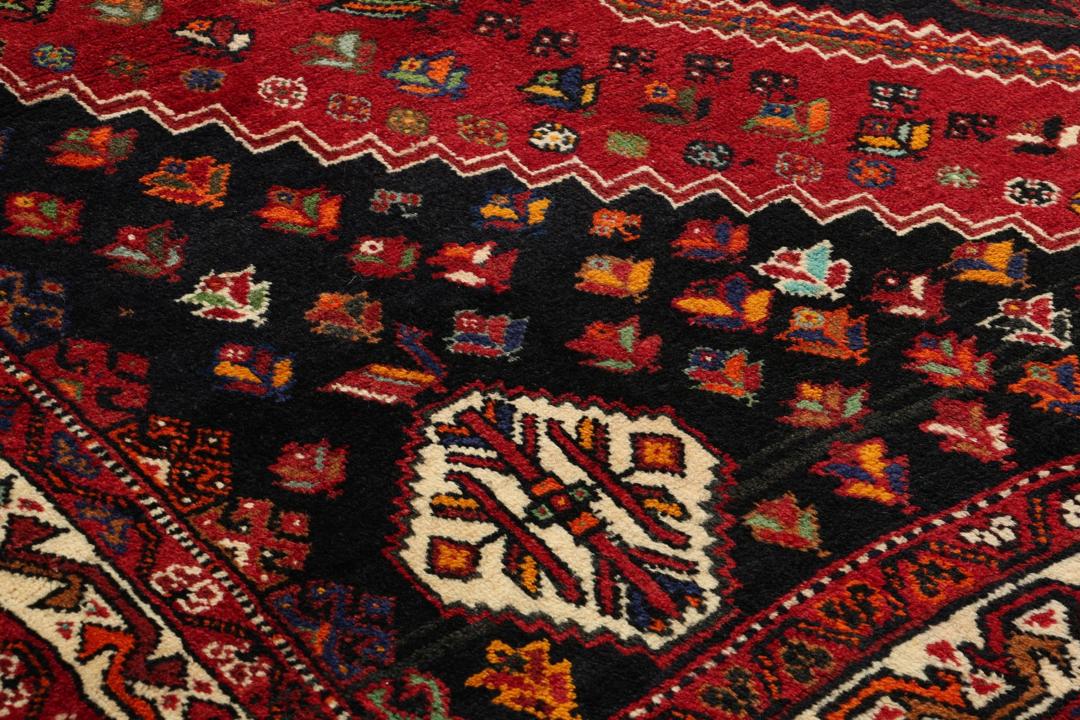
Visually, Shiraz rugs are famous for their bold geometric vocabulary and deep, earthy colour palettes. The field is often populated with recurring motifs such as diamond-shaped medallions, stylised birds, and floral elements that are abstracted into geometric forms. The borders often feature intricate, repeating patterns that frame the composition, providing a formal structure to the more fluid and artistic expression found in the central field.
Collecting a Shiraz rug is an opportunity to acquire a piece of living heritage. These rugs are valued not only for their aesthetic appeal but also for the skill required to produce them without the aid of modern patterns or mechanical tools. Owning one is a testament to the appreciation of traditional craftsmanship and the enduring cultural significance of the weaving traditions that have been passed down through generations in the Middle East.