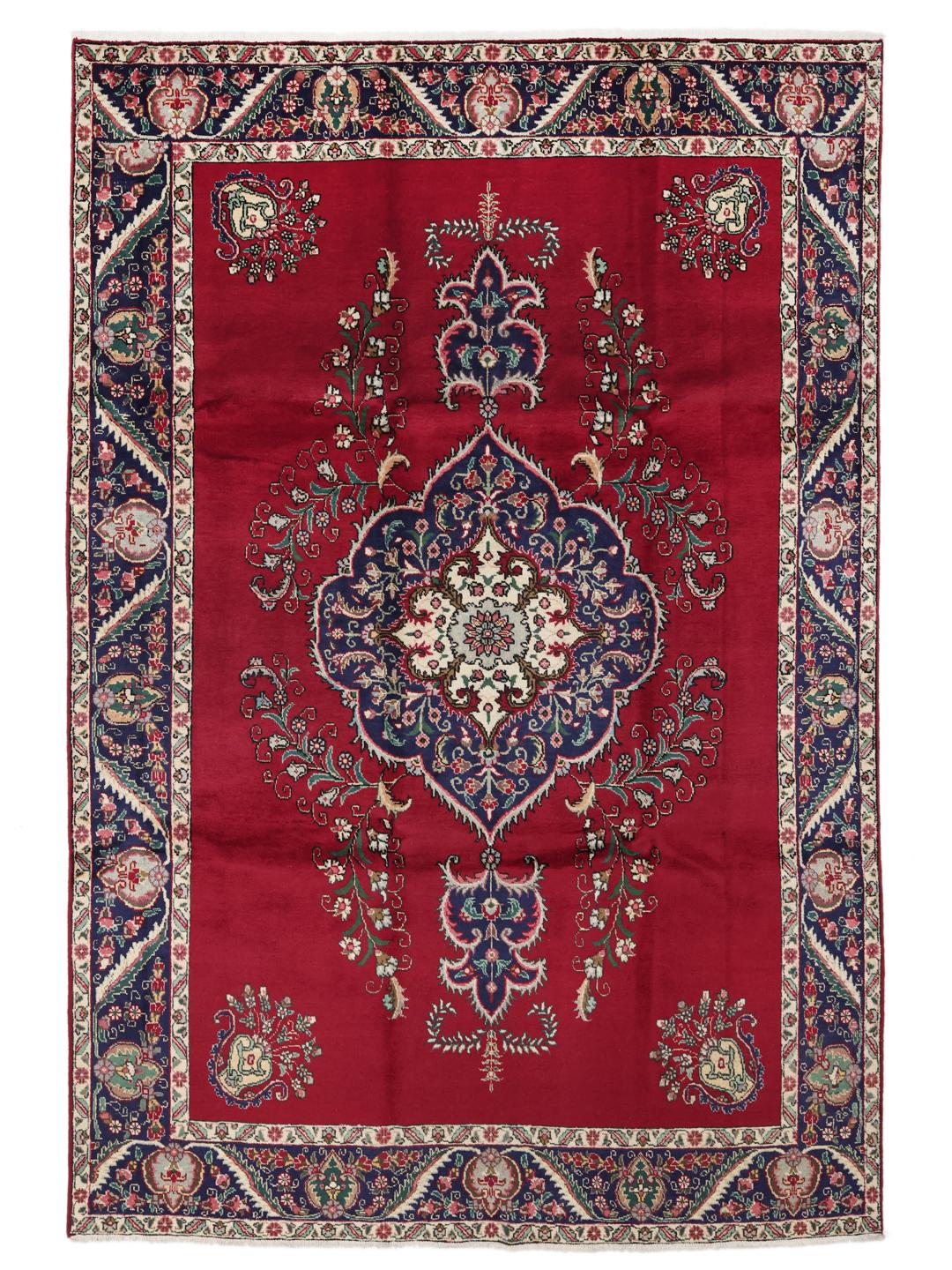
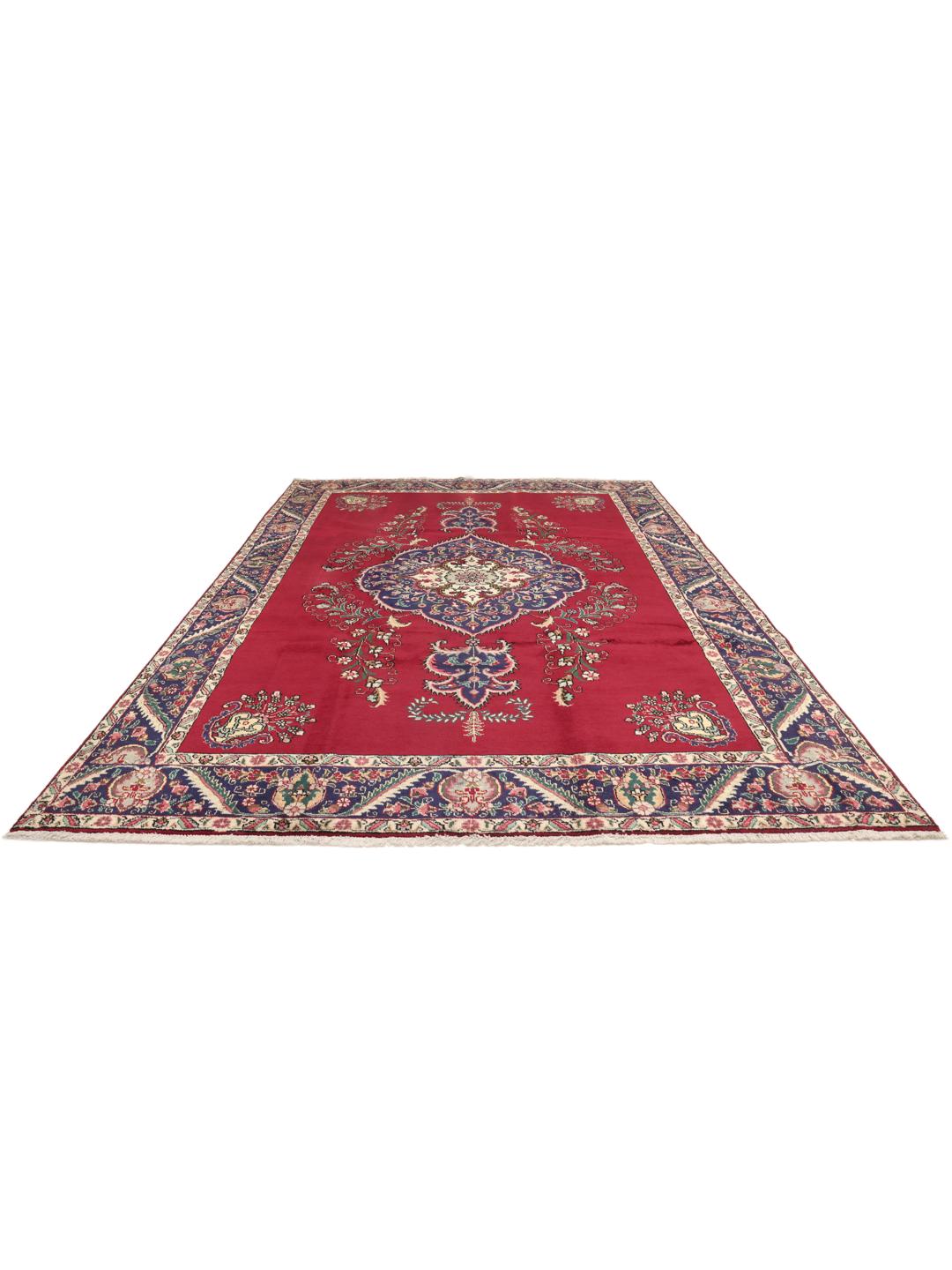
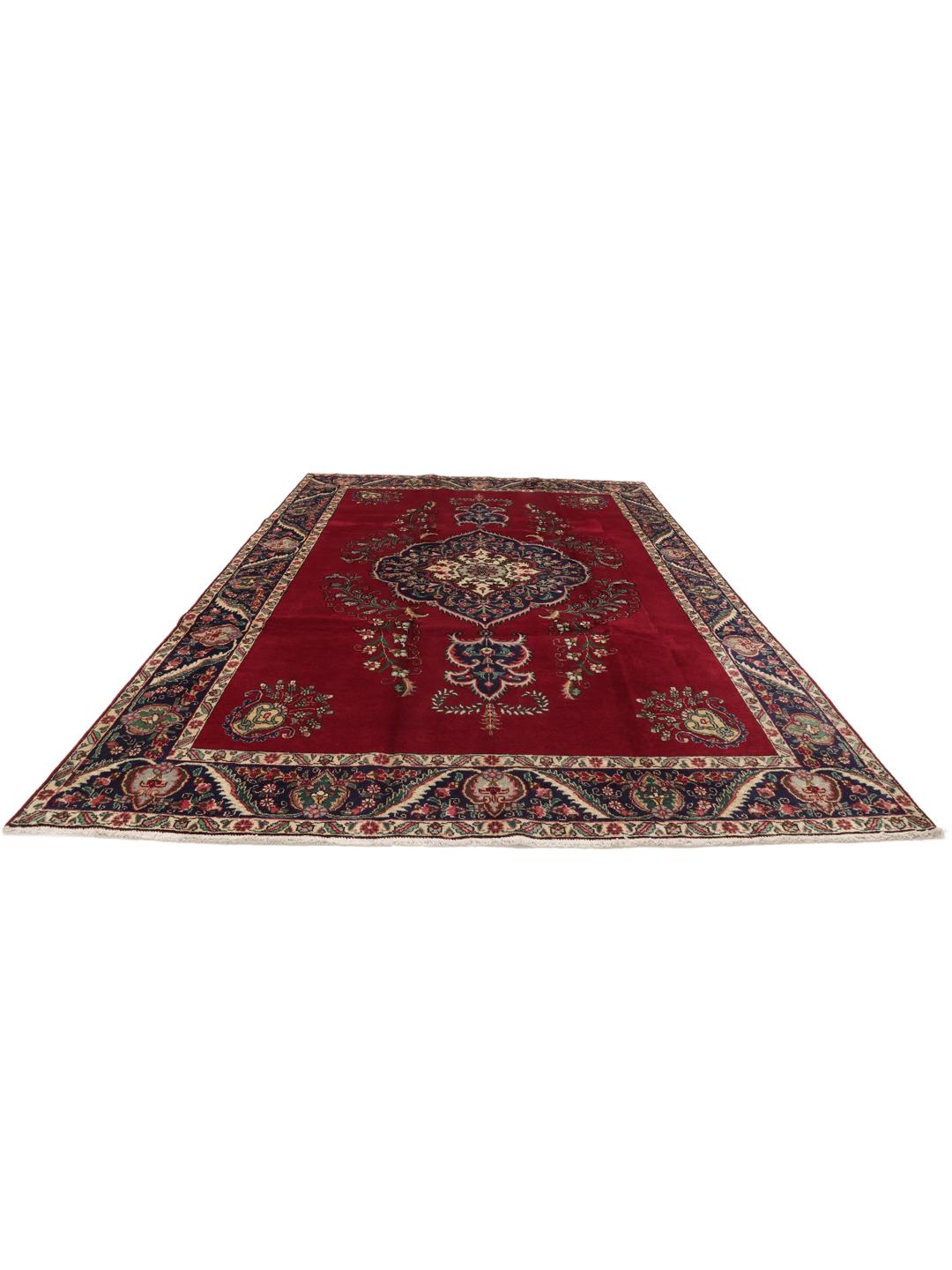
The Tabriz rug tradition hails from the historic city of Tabriz in the Middle East, a former capital that has served as a cultural and artistic crossroads for centuries. Historically, these rugs were produced for royal workshops, and the city remains one of the most significant centres for rug production in the world today.
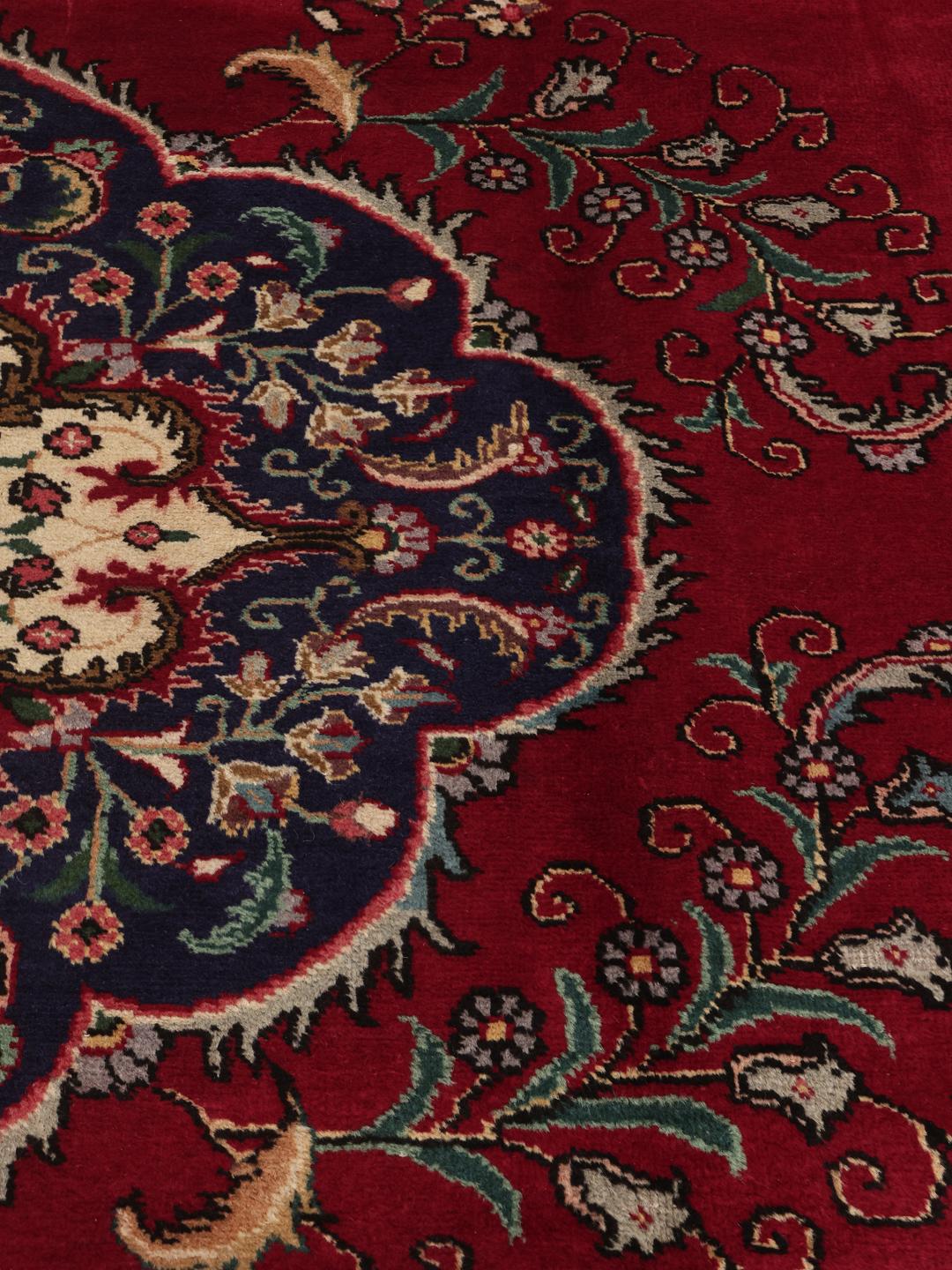
Tabriz rugs are renowned for their incredible variety of designs, often drawing inspiration from classic architecture, poetry, and nature. The term refers specifically to the regional weaving tradition, which is highly regarded for its technical precision and the use of high-quality materials that allow for exceptionally detailed patterns.
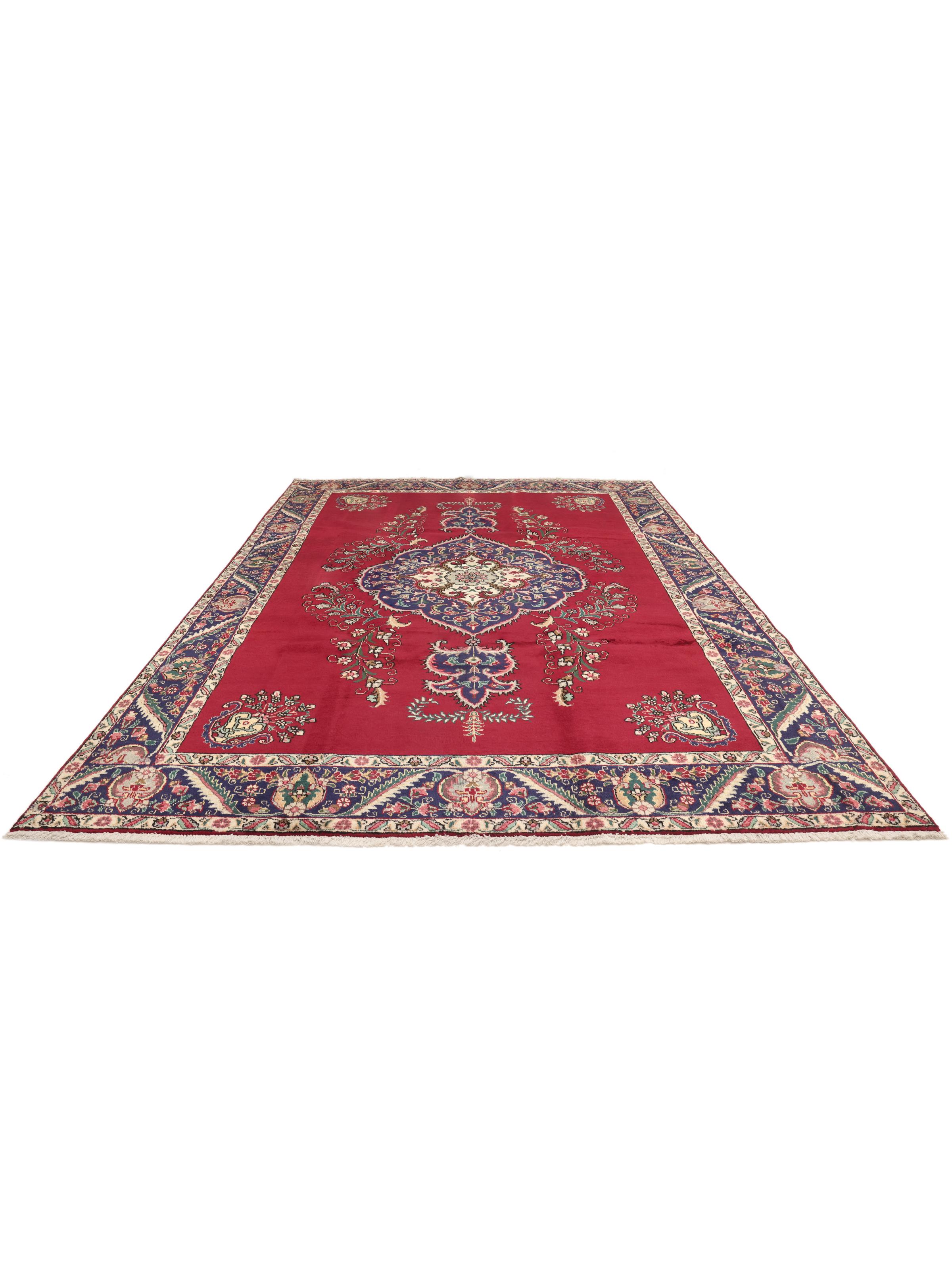
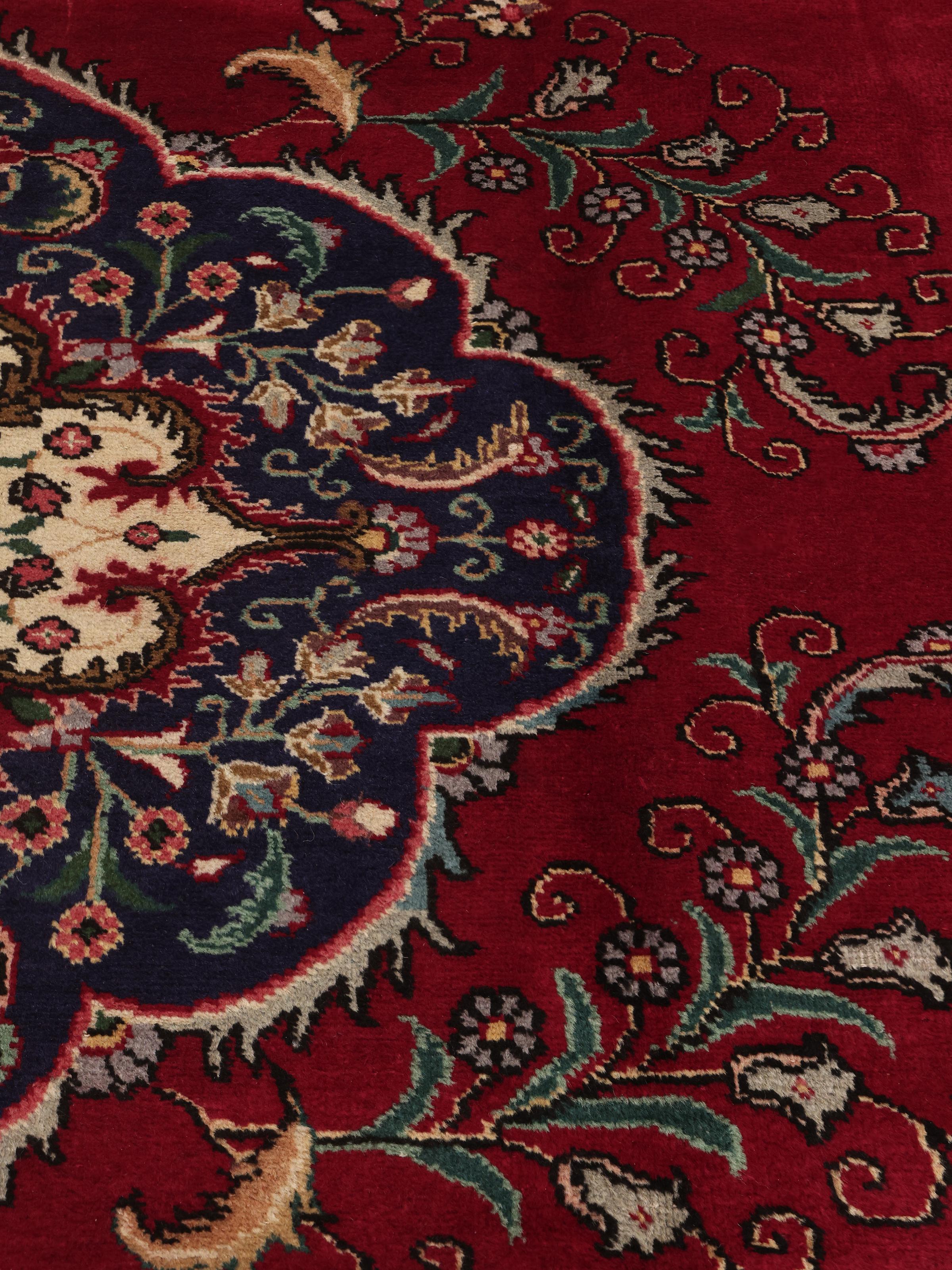
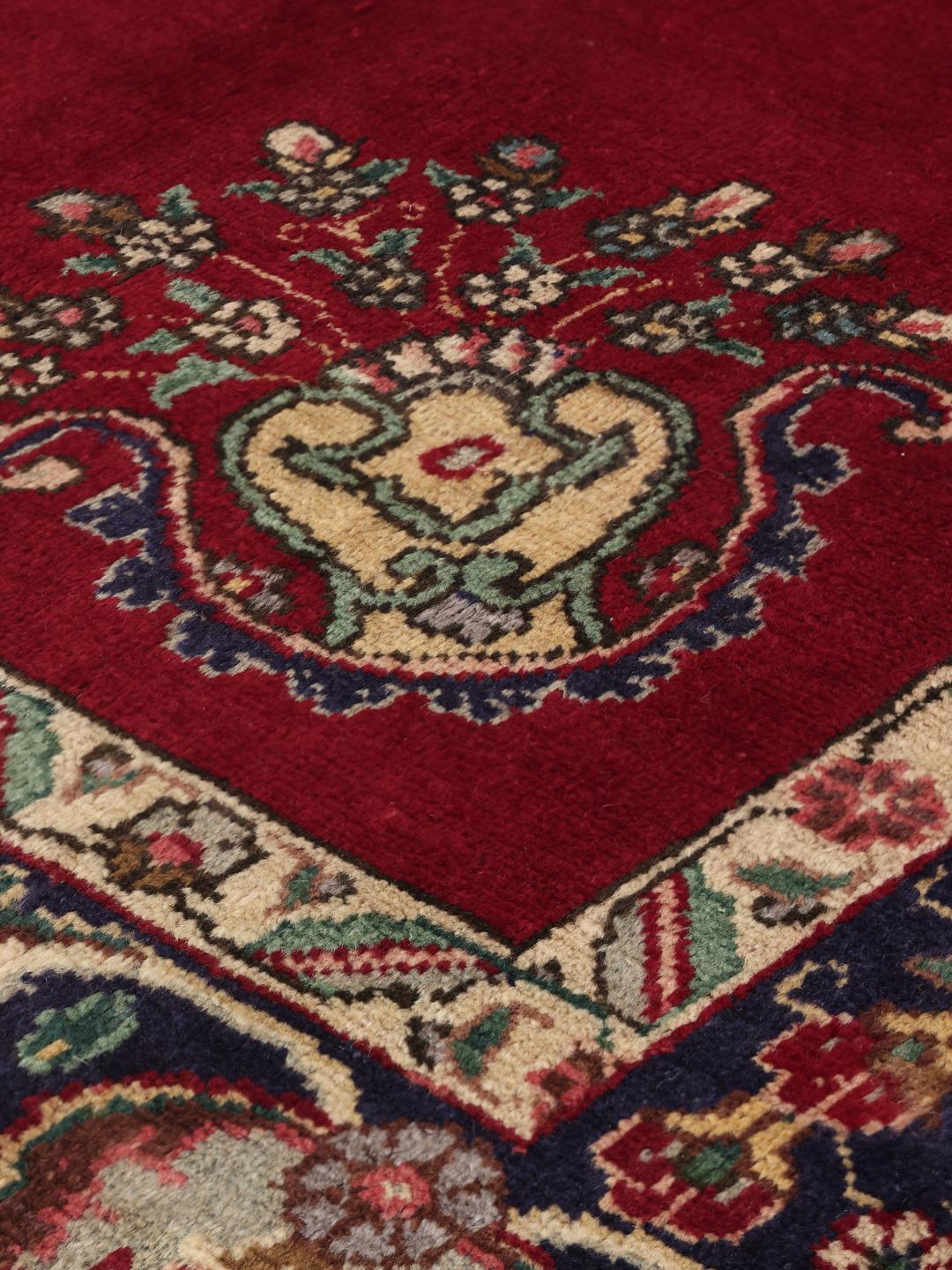
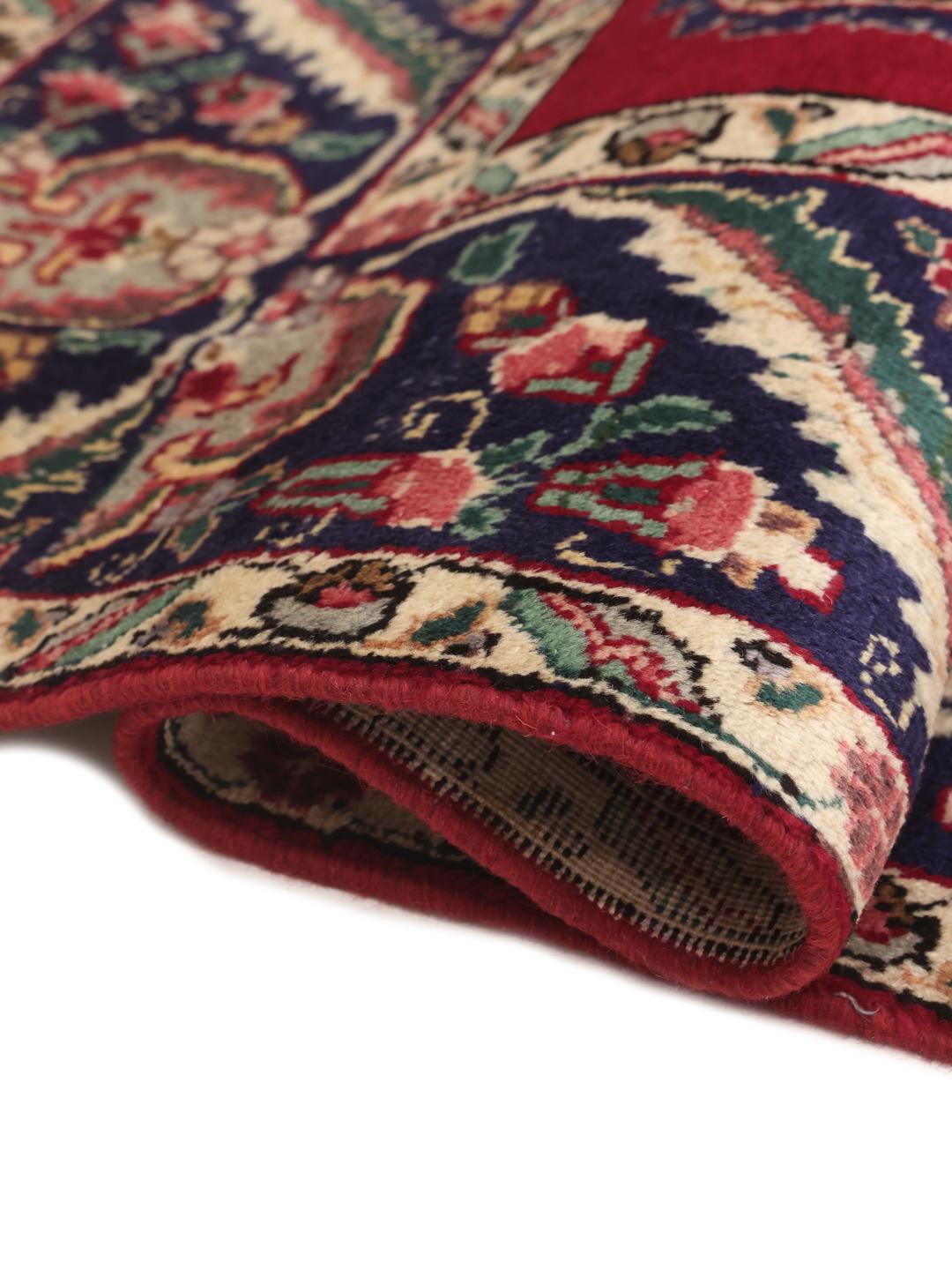
A signature element of this style is the central medallion, which often mirrors the intricate tilework found in historic regional mosques and palaces. The borders are typically just as detailed, featuring complex floral scrolls and vines that frame the central motif, creating a balanced and harmonious aesthetic that is instantly recognisable.
Collectors value Tabriz rugs for their combination of artistic beauty and functional longevity. Owning one is considered an investment in a living tradition, as these rugs are woven with techniques passed down through generations. They are cherished not just for their visual impact, but for the depth of cultural heritage and the immense skill they represent.