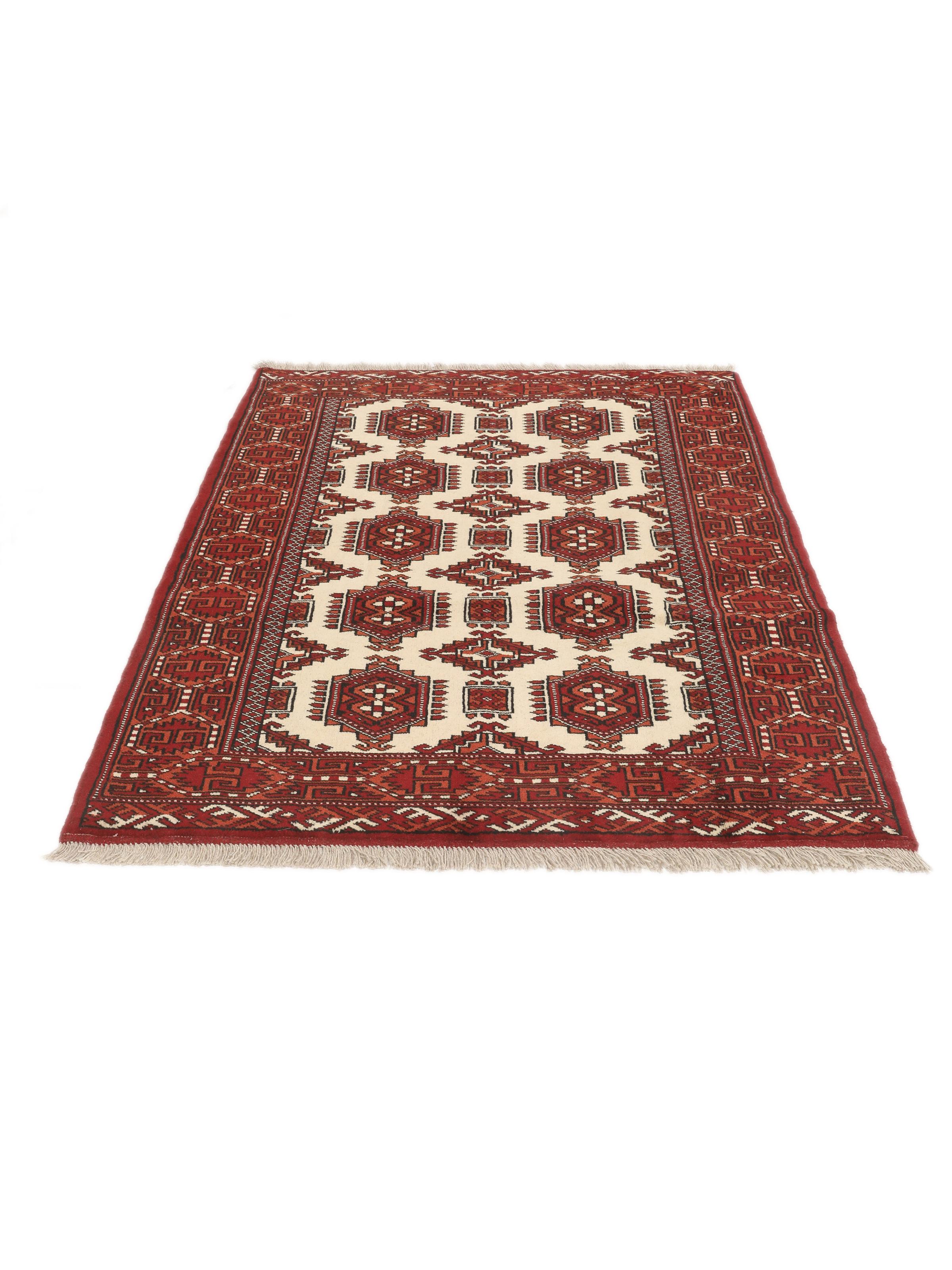
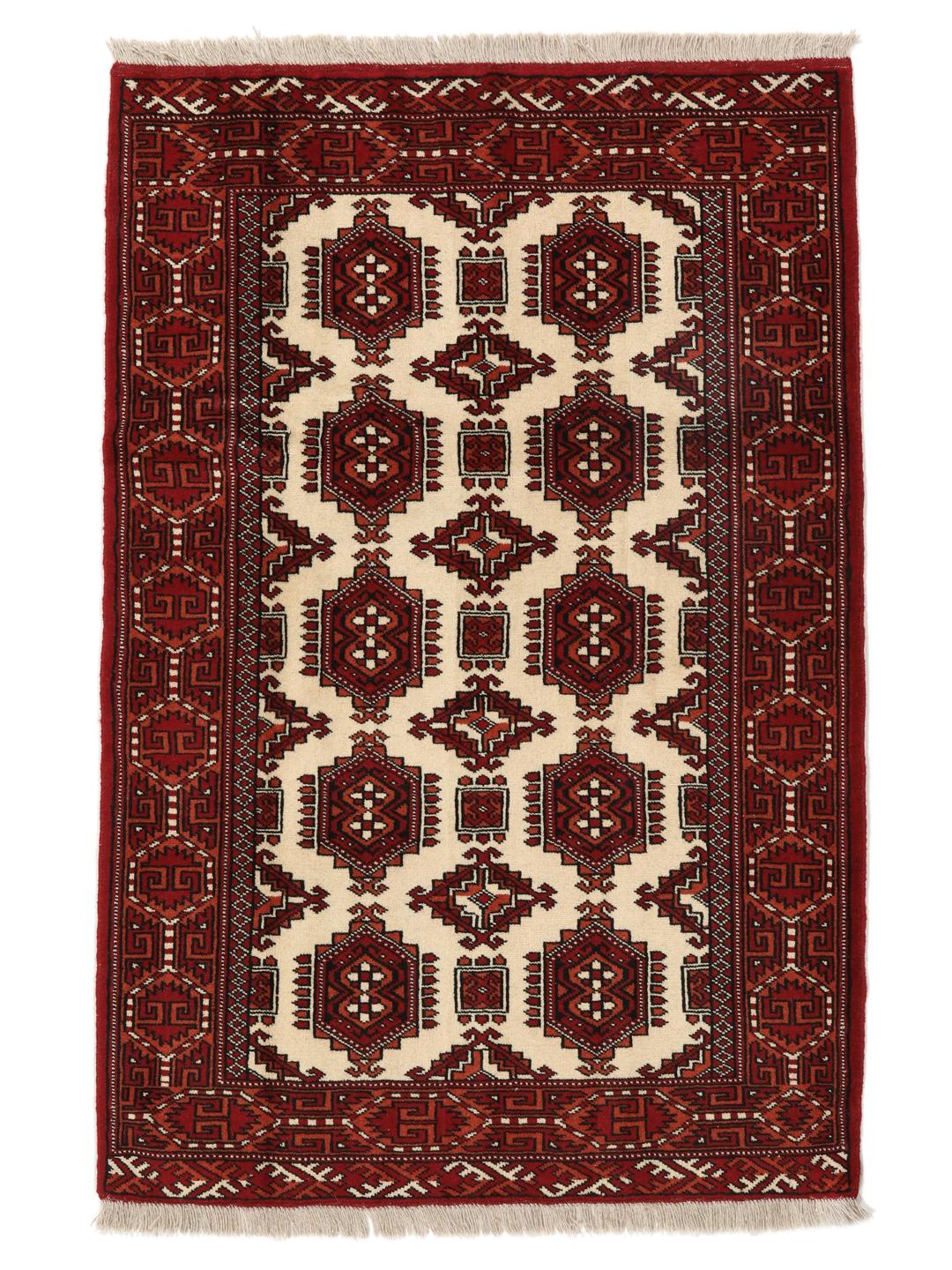
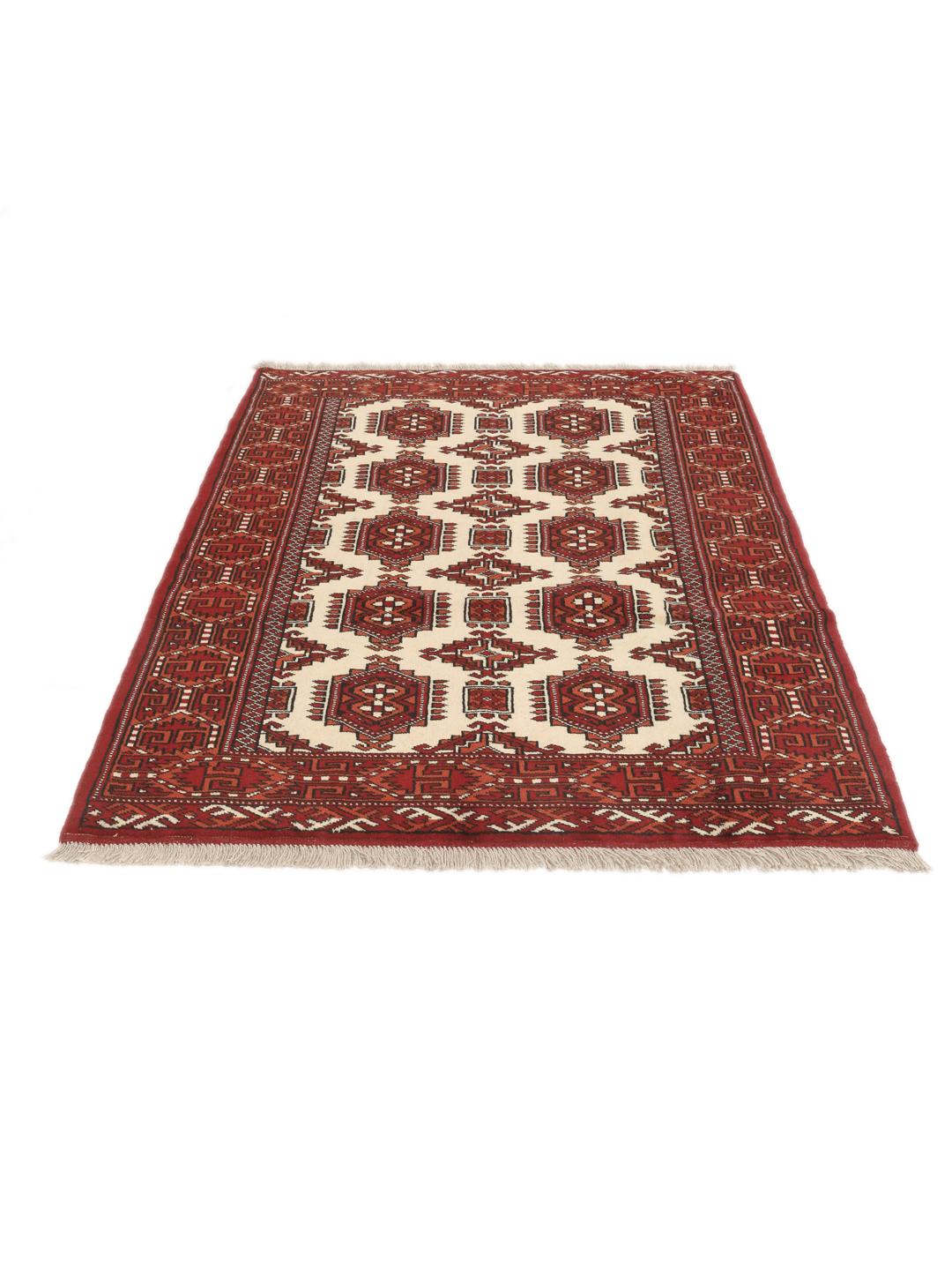
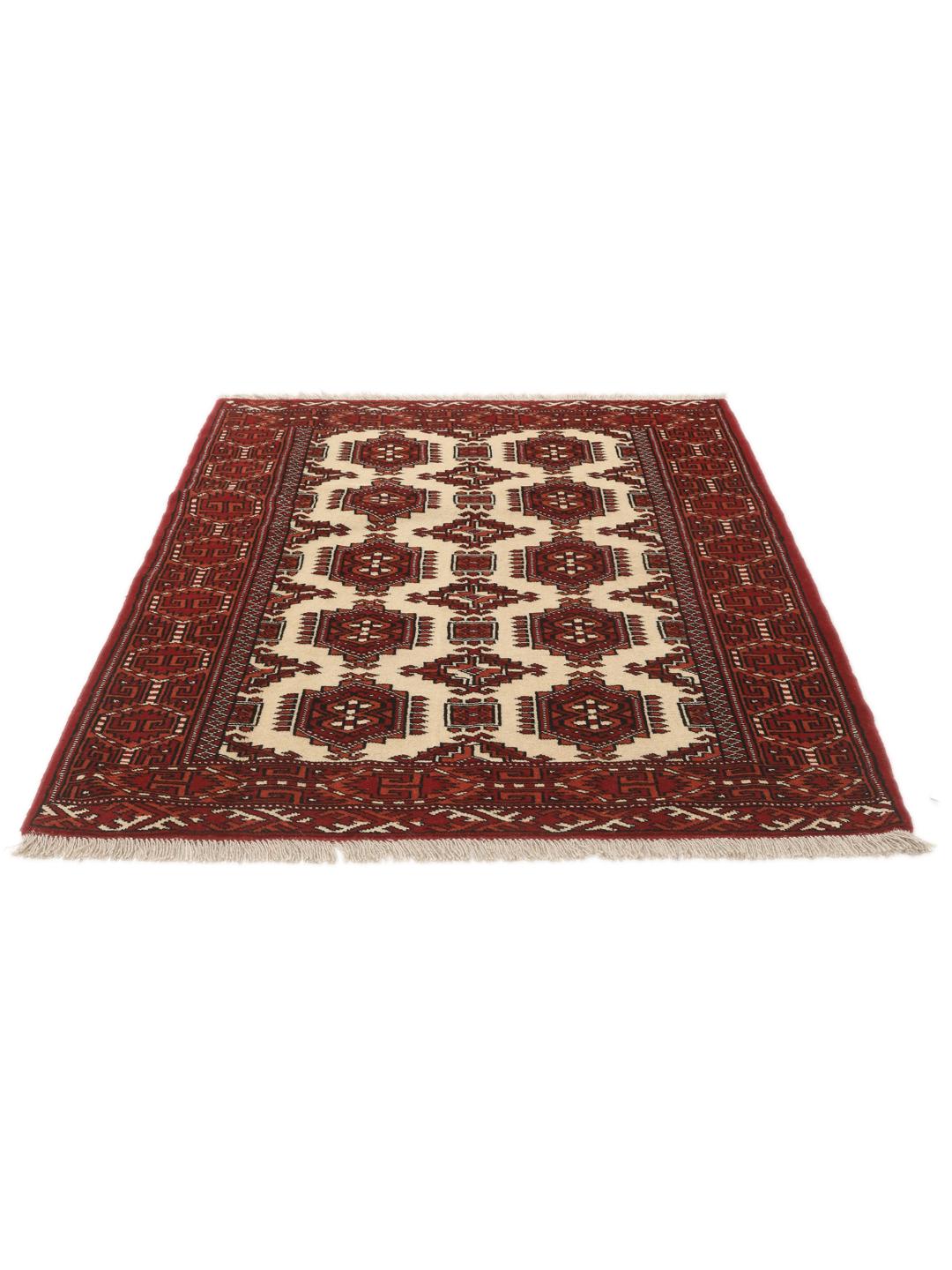
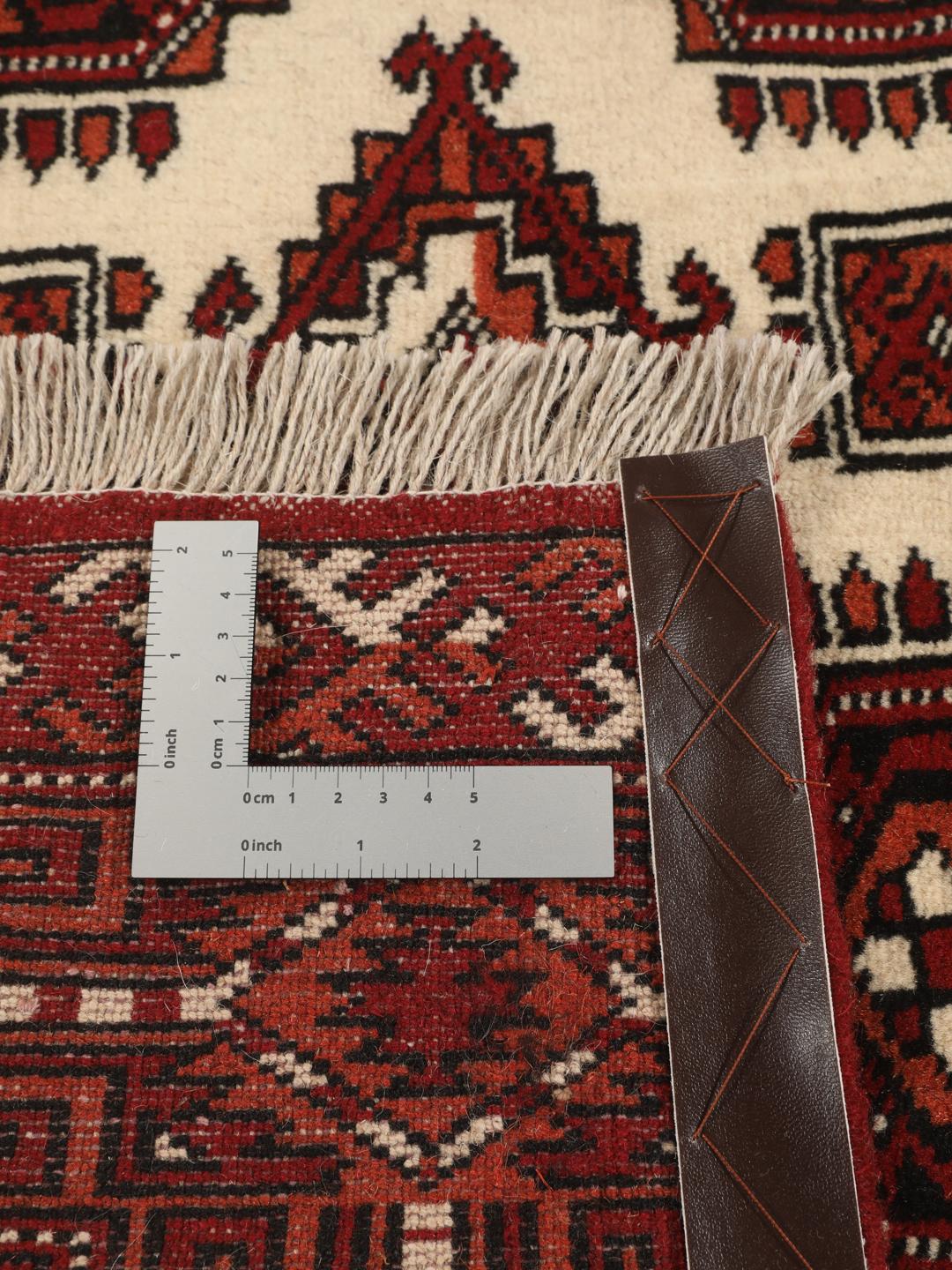
Turkaman rugs originate from the nomadic tribes of Central Asia, a region with a storied history of textile production that has evolved over centuries. While these designs were historically created by various nomadic groups, the tradition eventually migrated and flourished in the Middle East, where weavers adapted these iconic patterns into the high-quality rugs we recognise today.
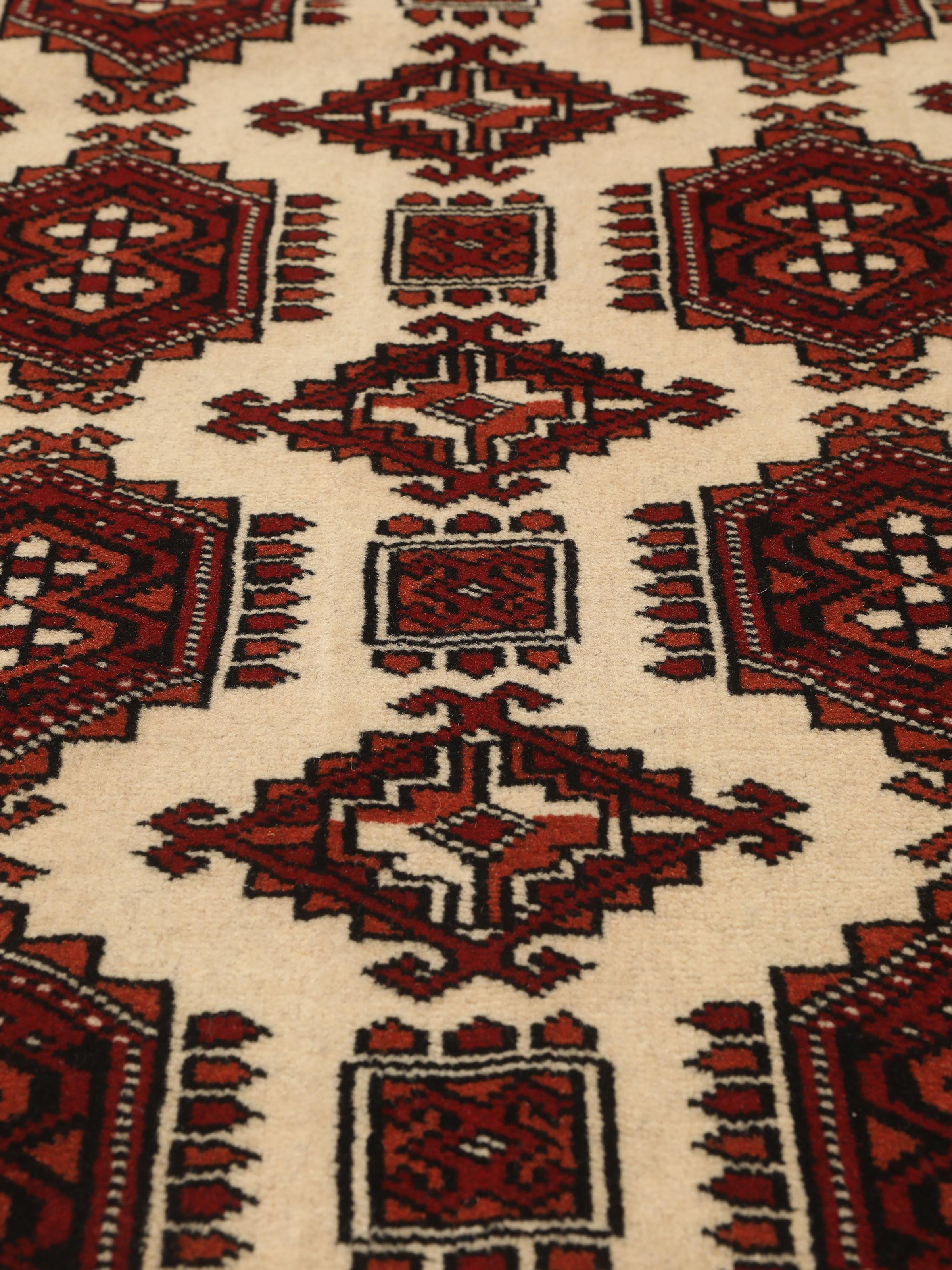
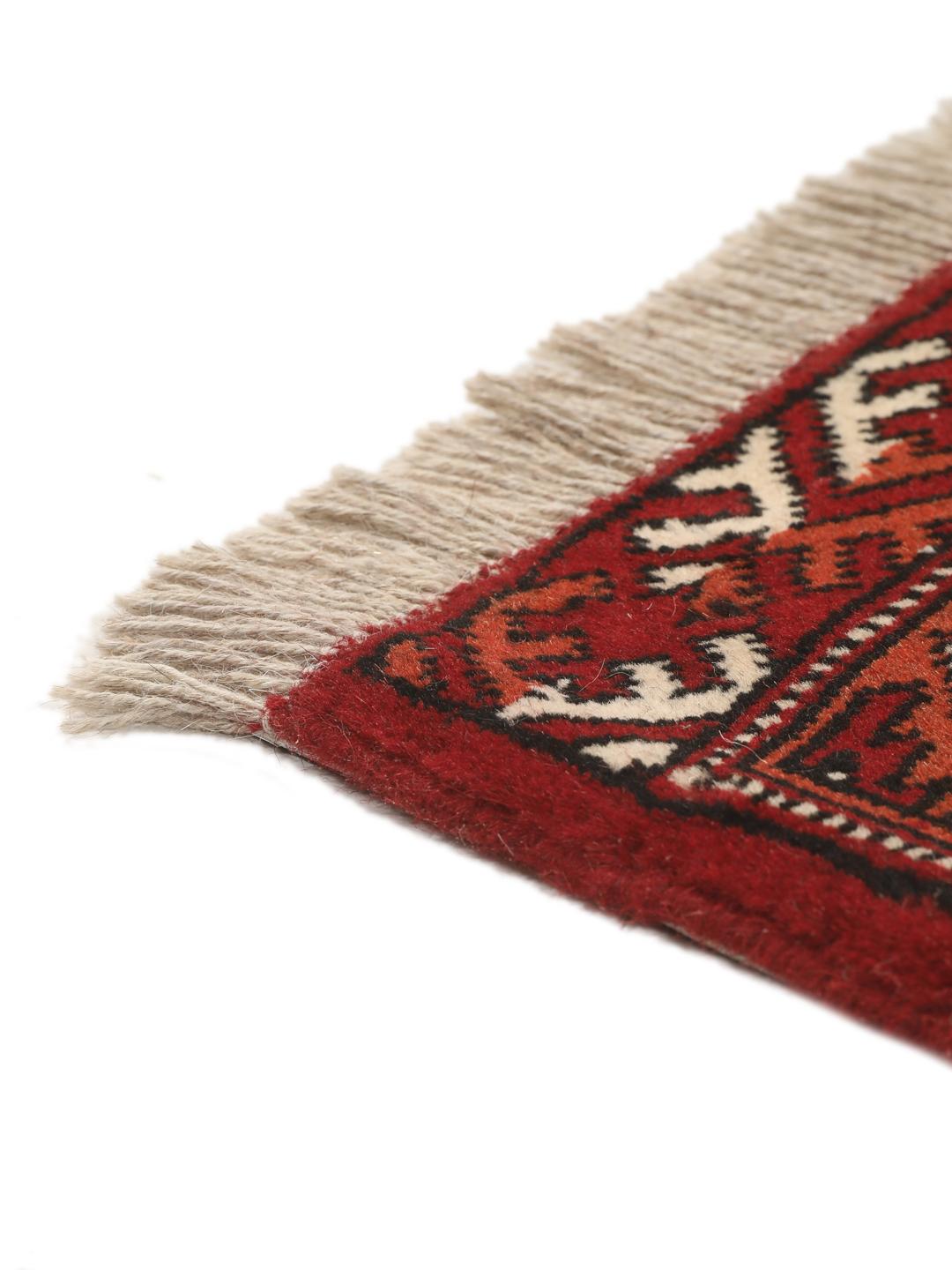
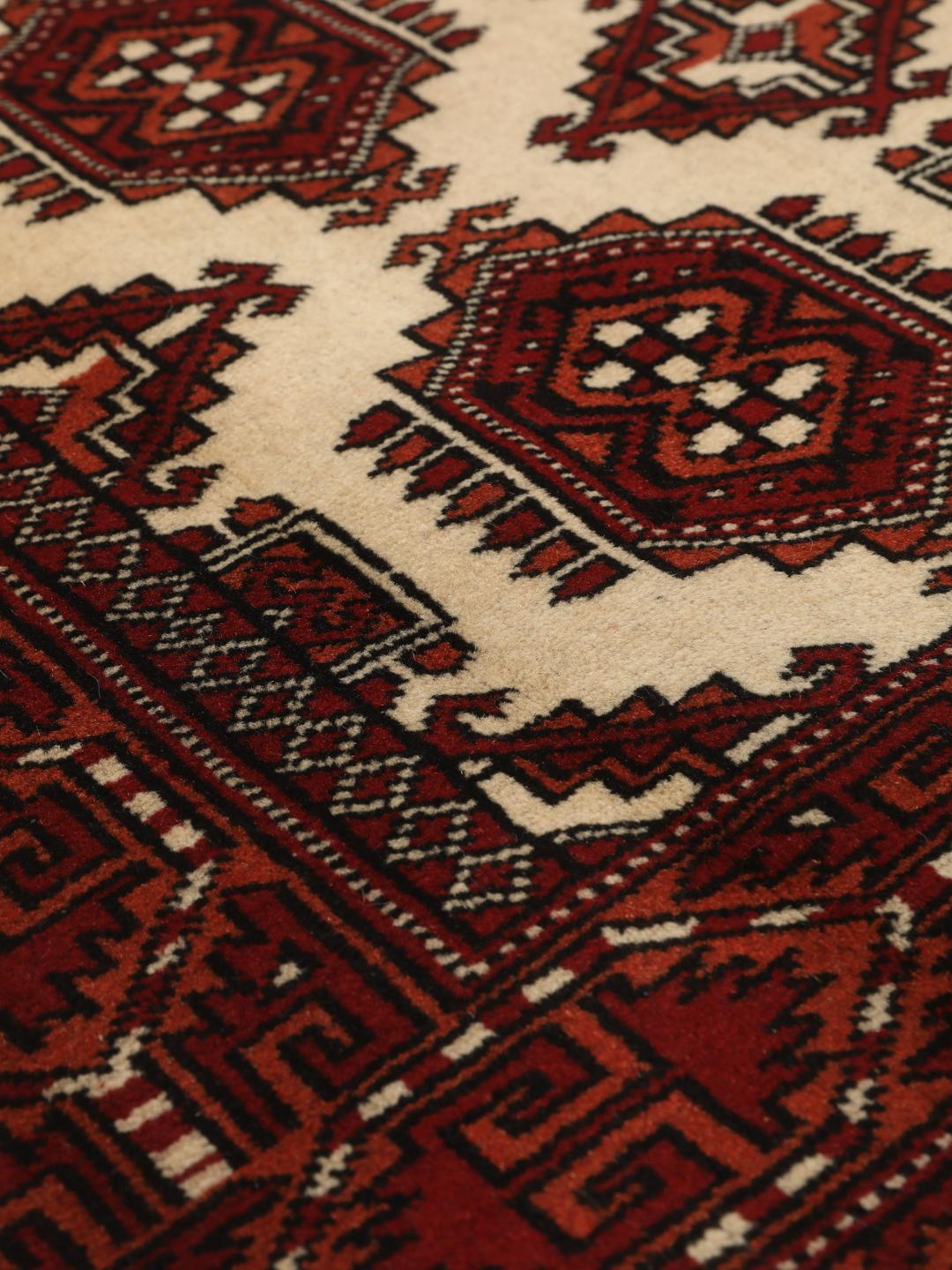
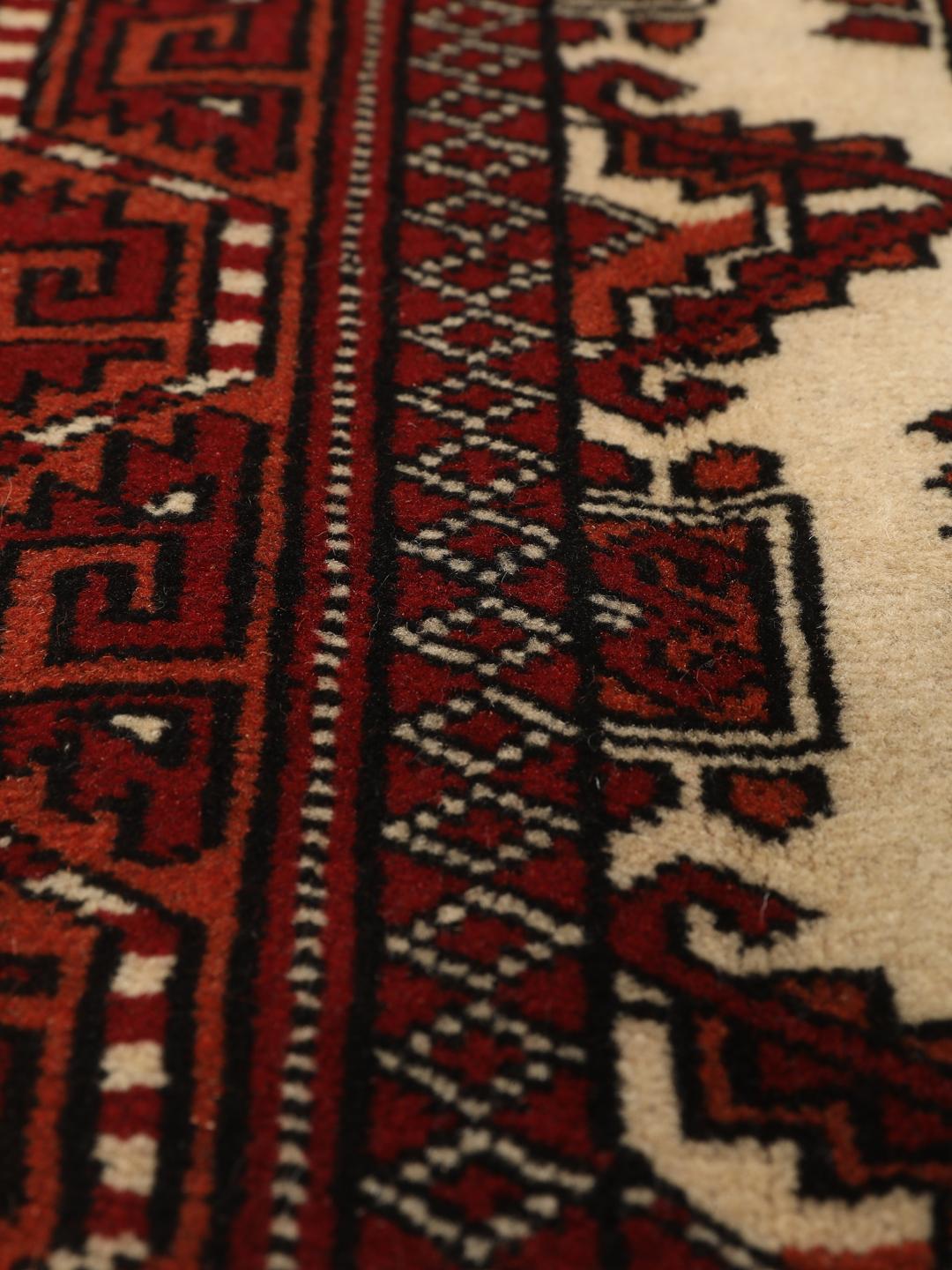
The craft is defined by a rigorous approach to construction, often utilising high-density knotting techniques that ensure both longevity and visual clarity. These methods are passed down through generations, emphasising a commitment to technical precision that produces a dense, lustrous pile capable of withstanding the rigours of time and use.
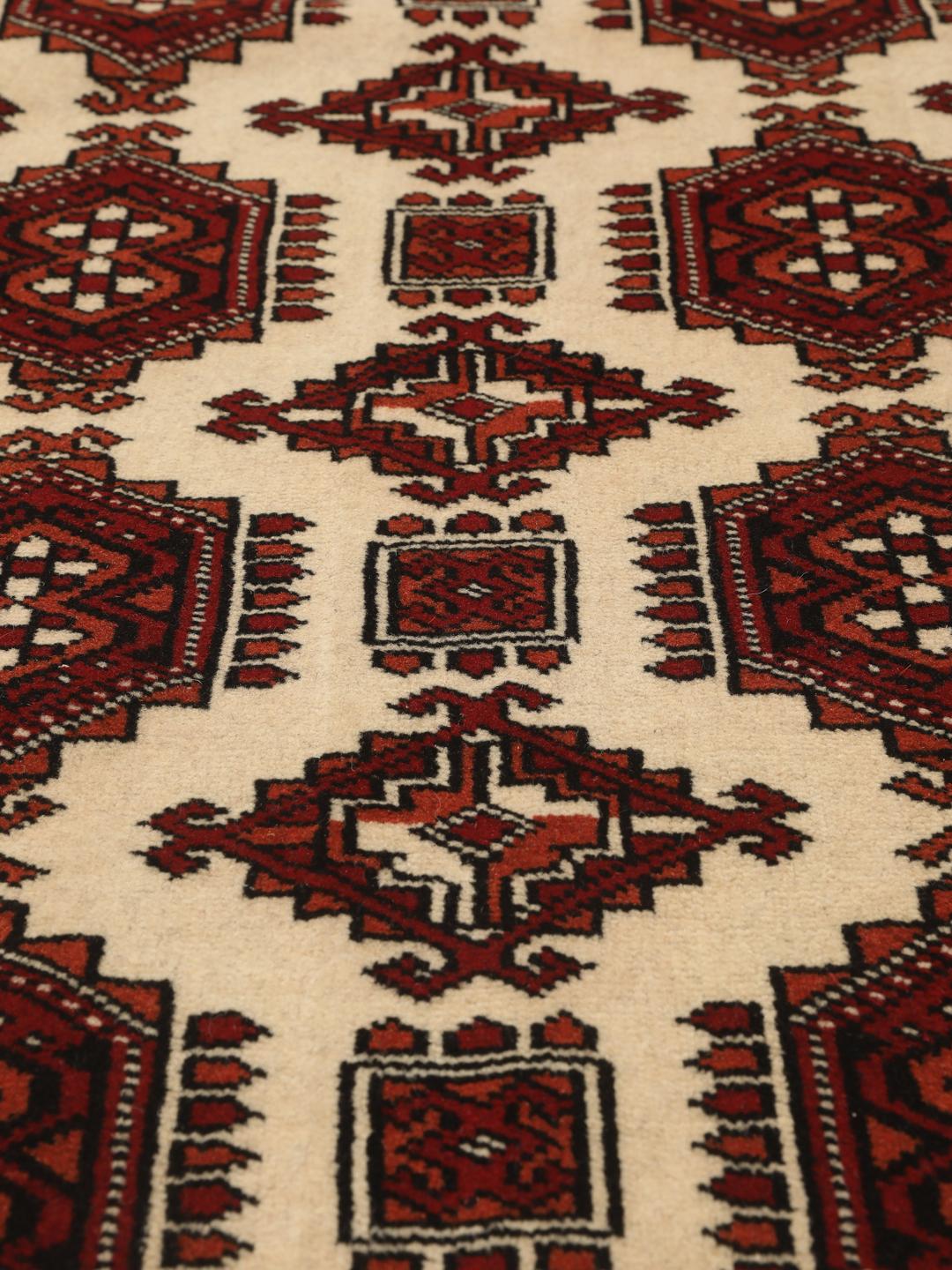
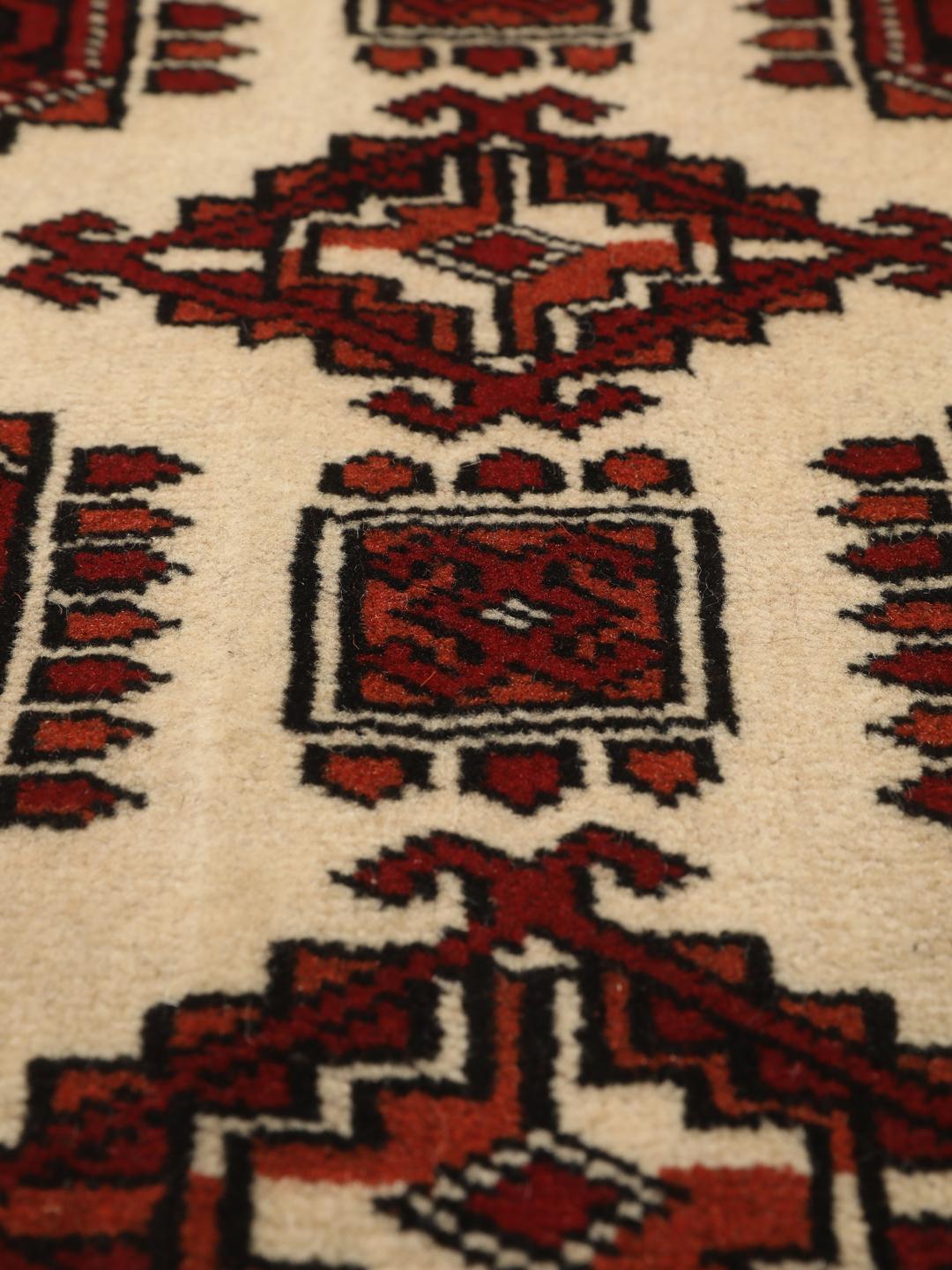
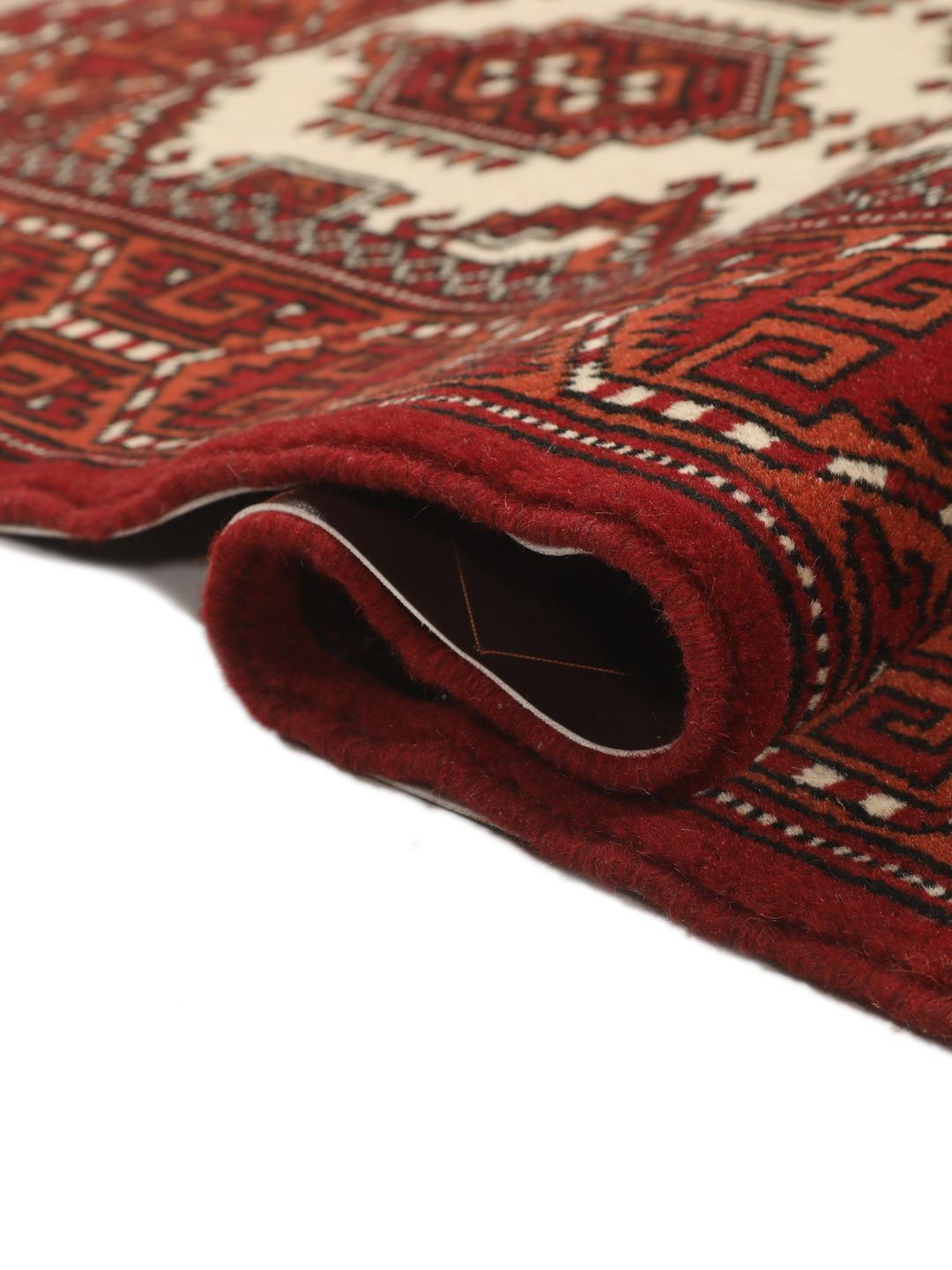
Design-wise, Turkaman rugs are famous for their repeating 'gul' motifs, which are geometric, medallion-like shapes often resembling octagons or flower forms. These symbols are deeply meaningful and serve as a visual language for the tribes, typically arranged in a structured grid across the field and enclosed by complex, ornamental borders.
Collecting these rugs is an investment in cultural continuity and human skill. They are valued not only for their aesthetic appeal but for the way they represent a bridge between ancient traditions and modern homes, offering a sense of depth and authenticity that mass-produced items simply cannot provide.