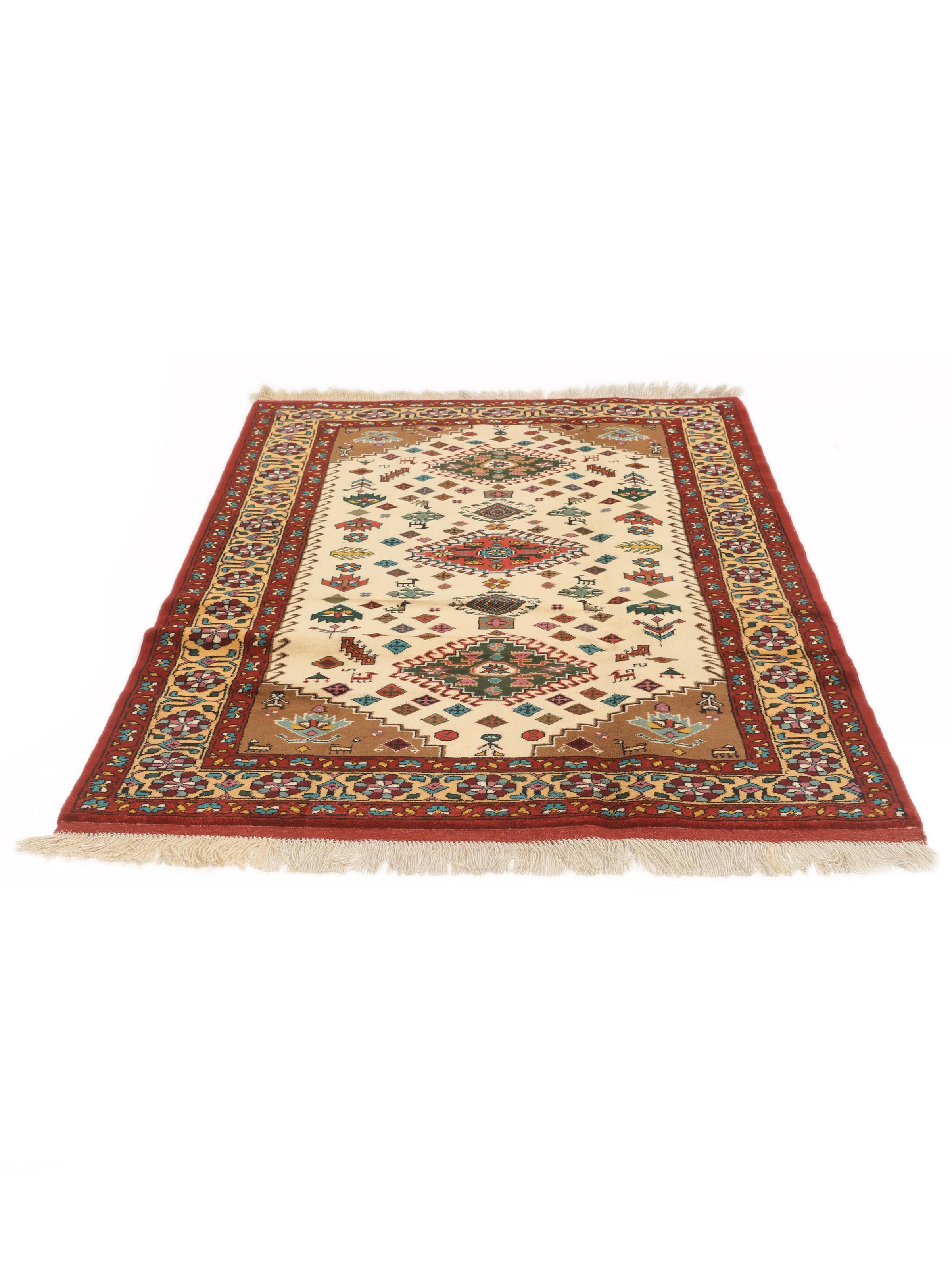
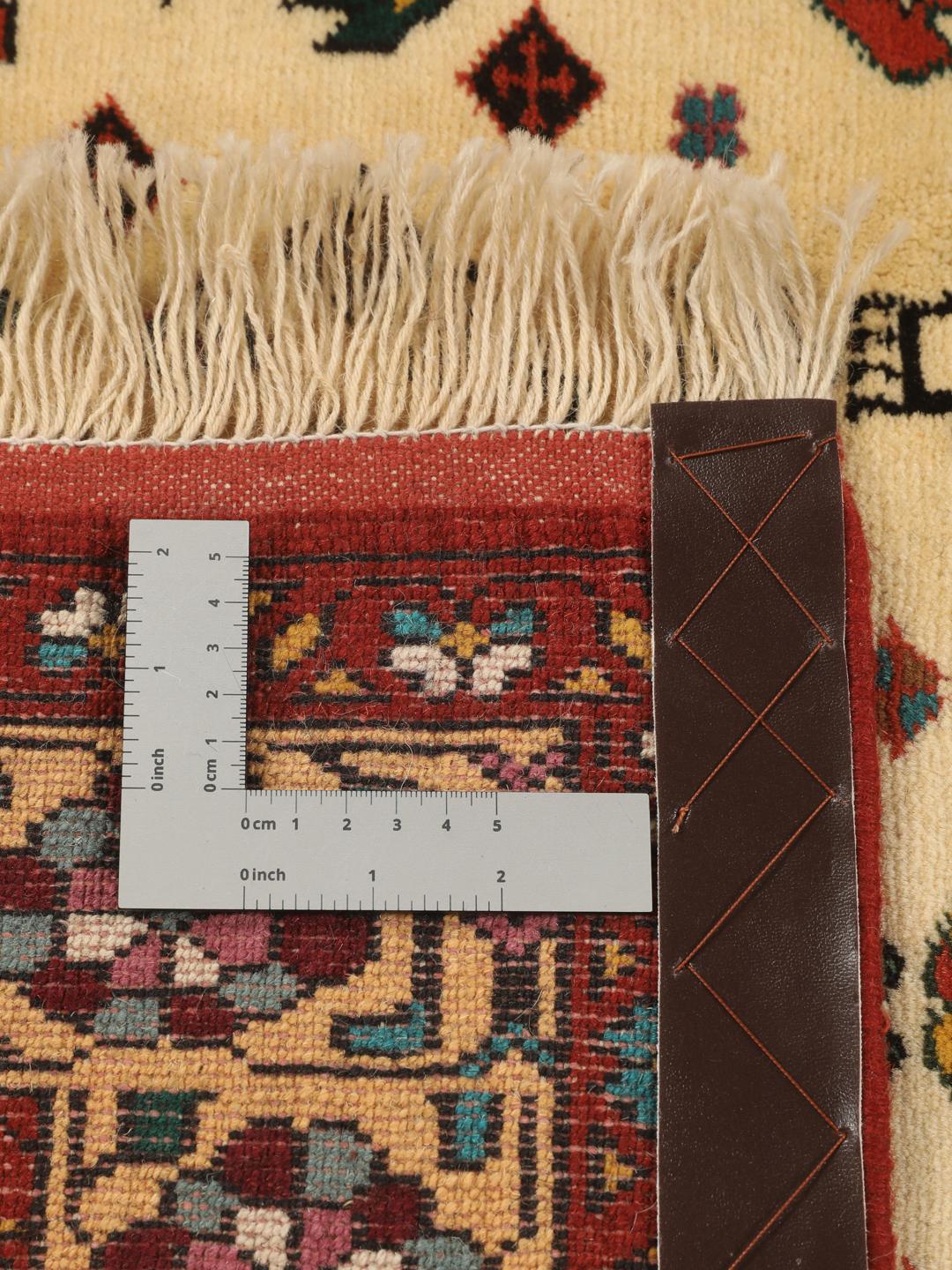
The Turkaman rug tradition finds its roots in the nomadic tribes of Central Asia, whose weaving practices have evolved over centuries. While these designs were historically associated with the nomadic lifestyle of the Turkmen people, they have become synonymous with the finest weaving techniques found across the Middle Eastern region, where they are celebrated for their consistency and aesthetic power.
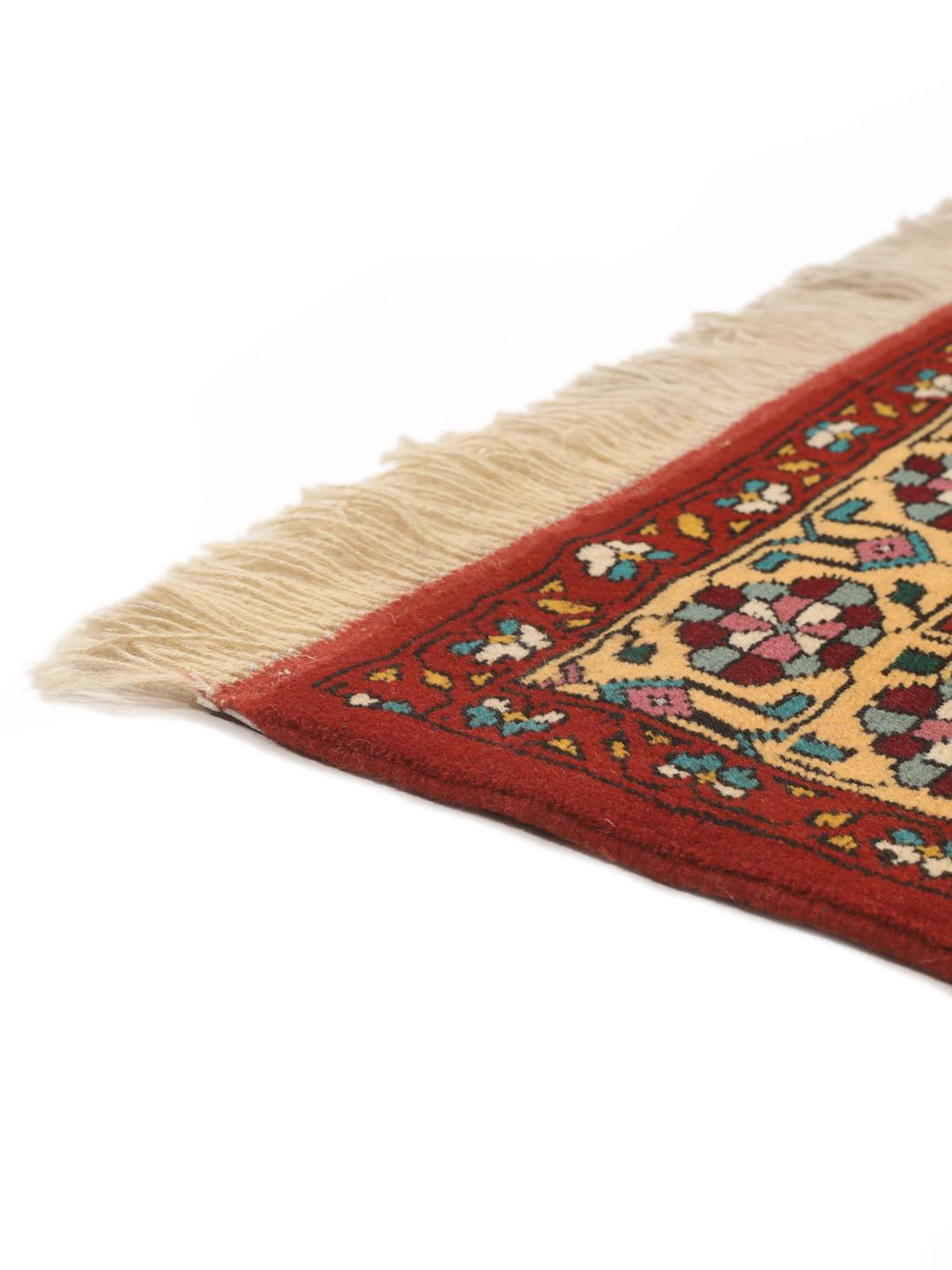
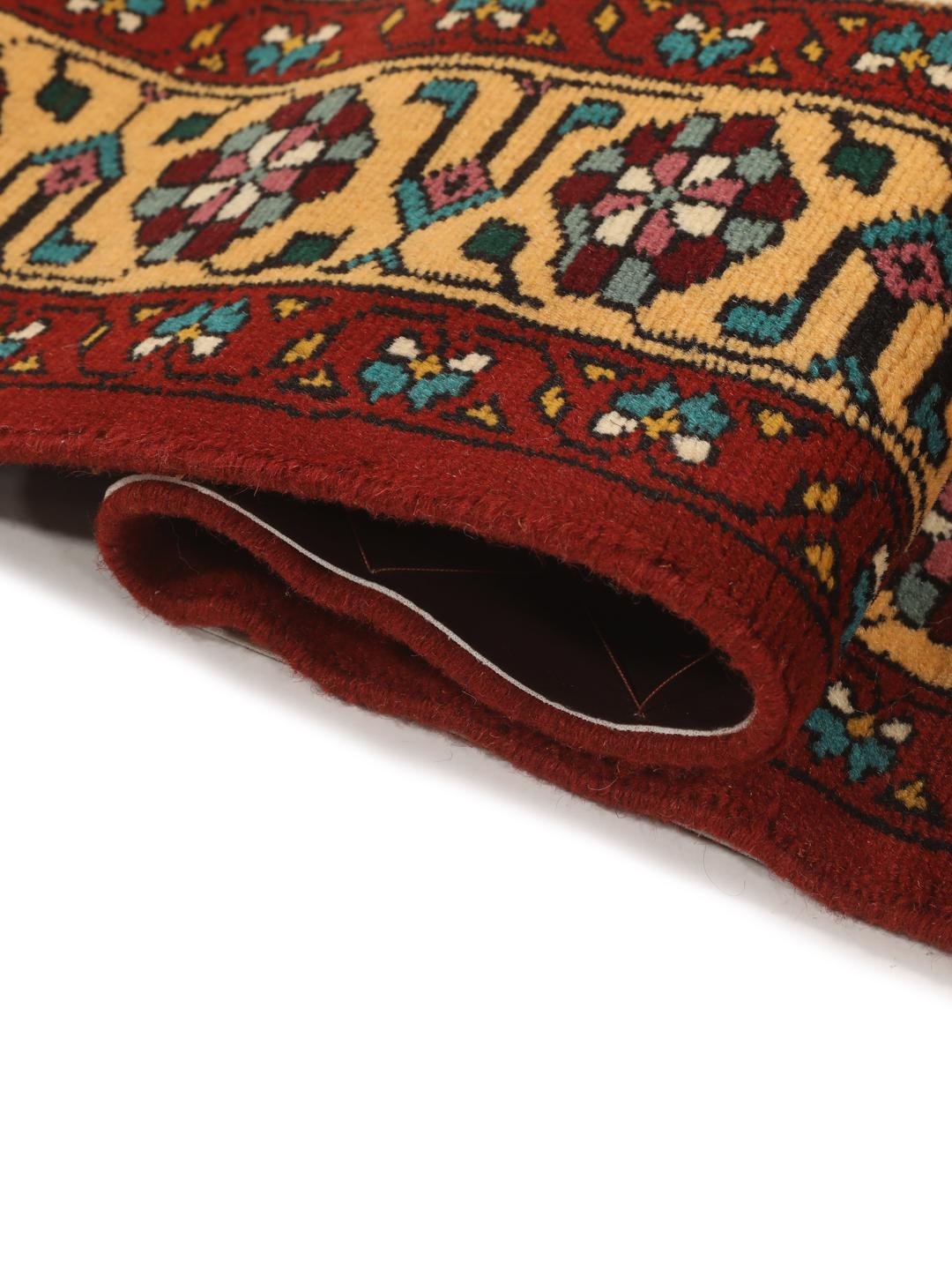
The term 'Turkaman' refers to a specific design language that prioritises symmetry and precision. These rugs often utilise a wool pile on a cotton foundation, a combination that balances softness with structural integrity. The use of high-quality wool is essential to this tradition, as it allows for the deep, saturated colours that define these pieces, while the cotton foundation provides the necessary strength for the intricate knotting process.
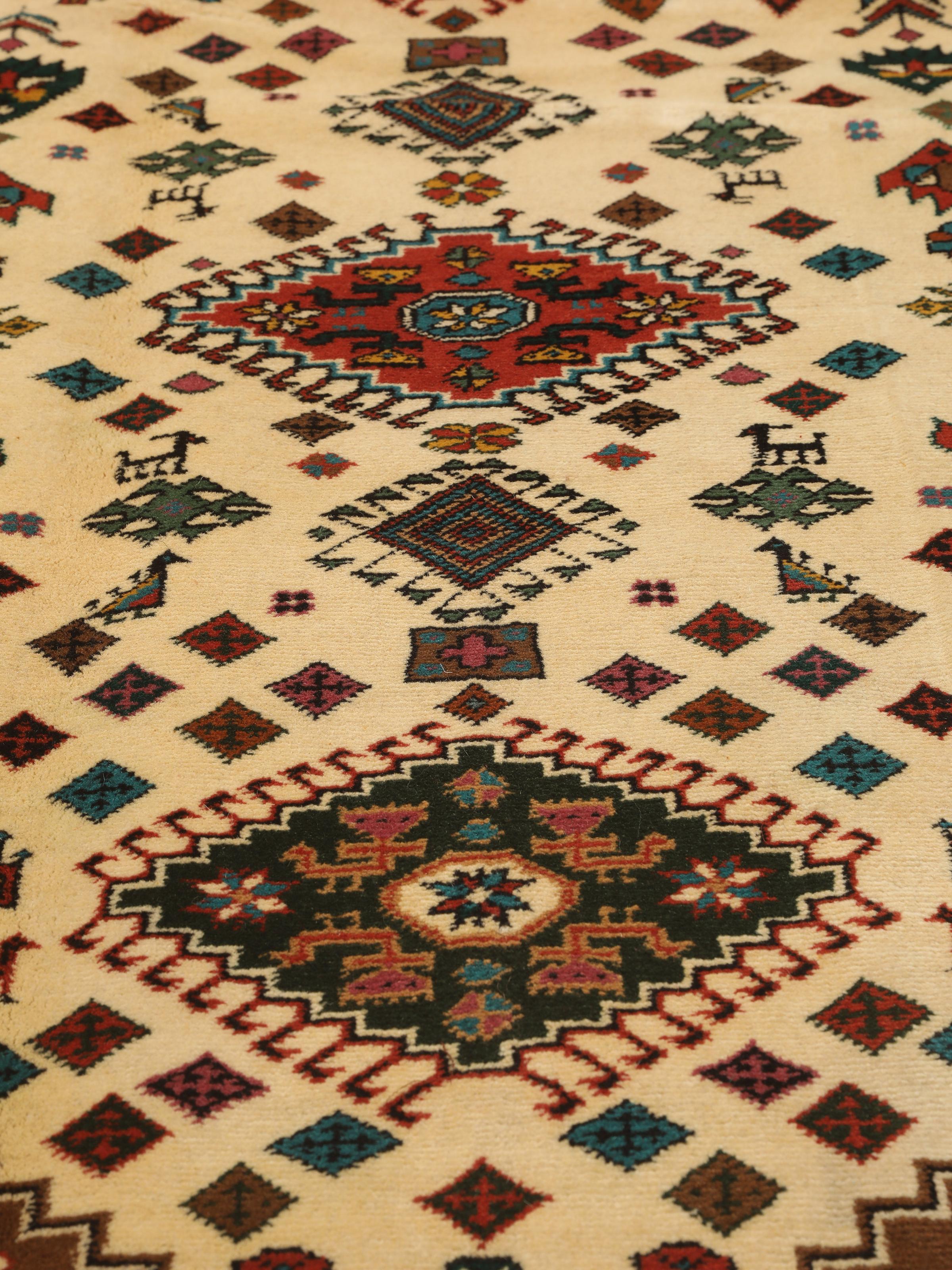
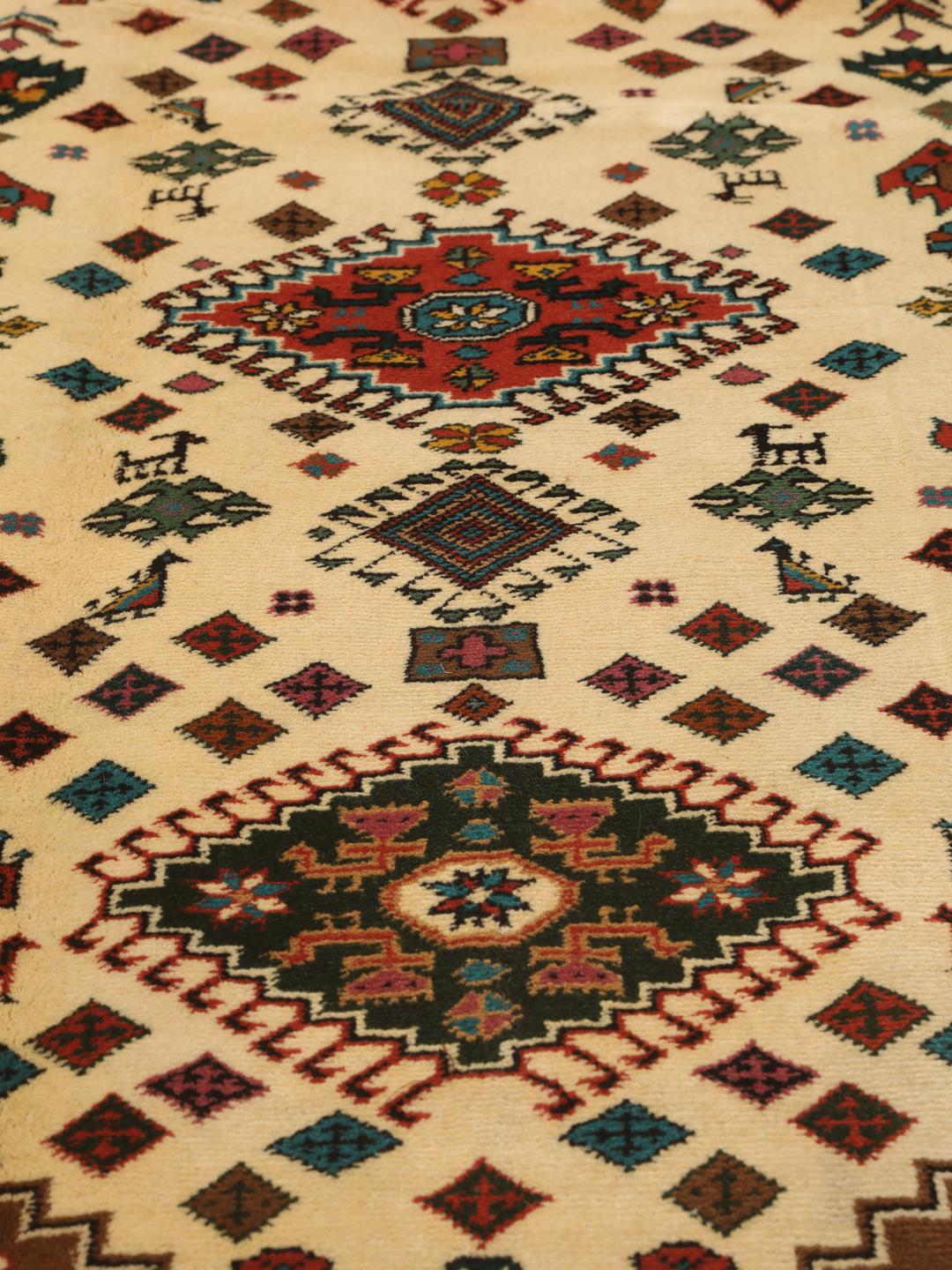
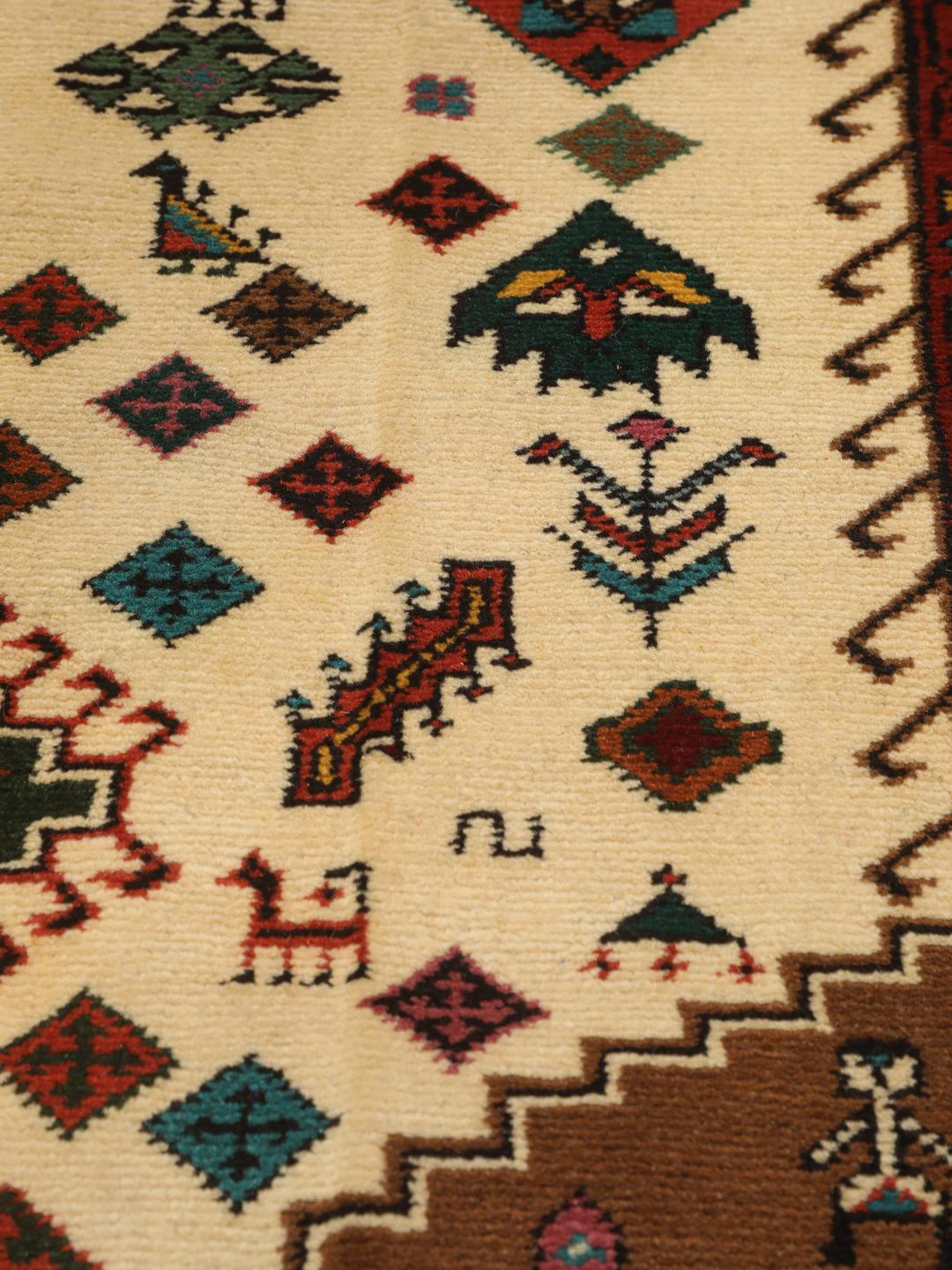
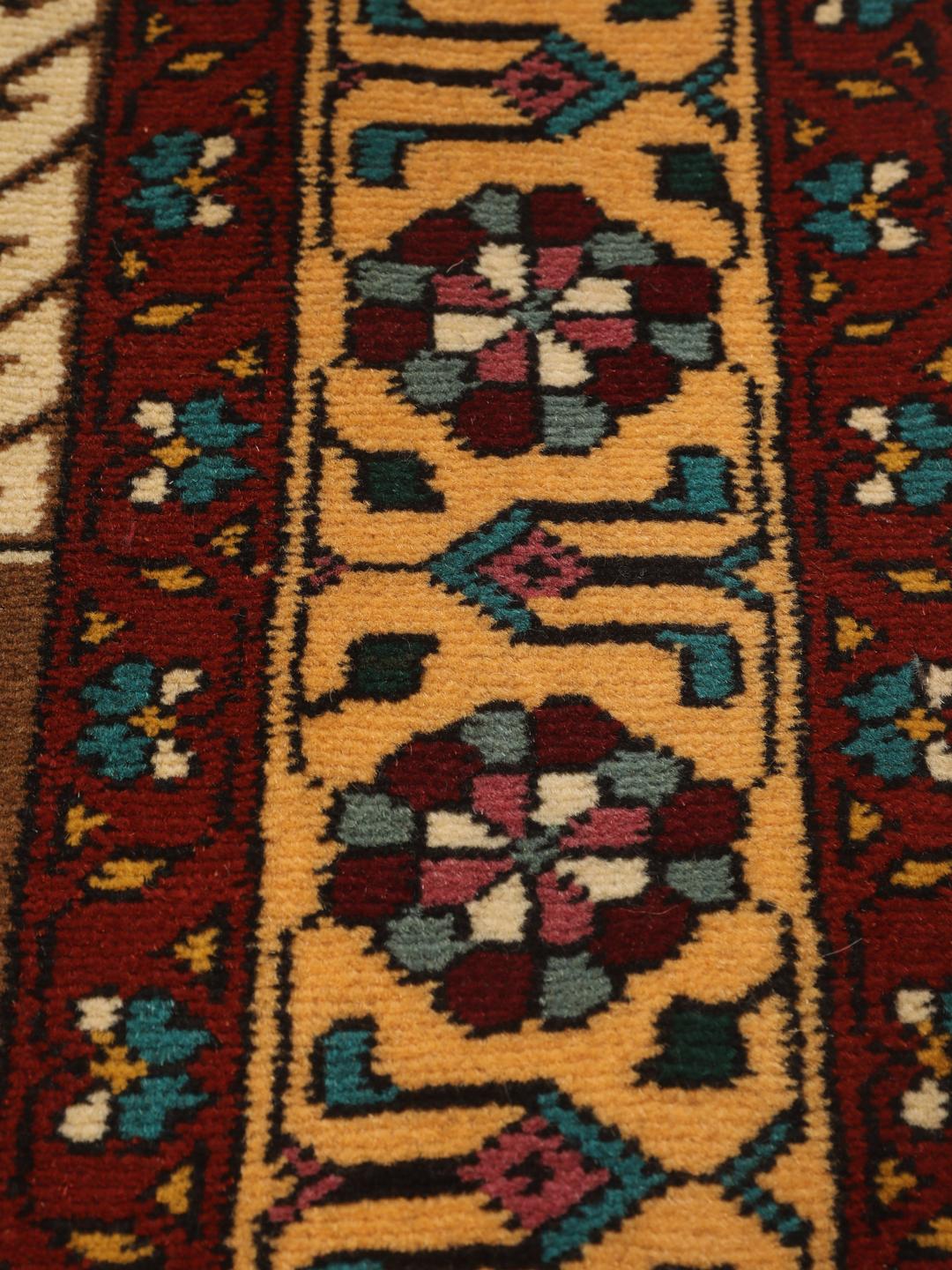
Visually, these rugs are defined by the iconic 'gul' motif, which are repeating octagonal or diamond-shaped medallions that symbolise the lineage and identity of the weaving tribes. The border work is typically elaborate, framing the central field with repeating floral or geometric patterns that create a sense of balance and harmony. This particular piece showcases these signature elements with exceptional clarity, reflecting the historical obsession with pattern balance.
Collecting these rugs is an investment in cultural heritage, as they represent a bridge between ancient nomadic art and modern interior design. They are highly valued for their durability and the way they age, often developing a deeper character over time. Owning a Turkaman piece is more than just purchasing a floor covering; it is about preserving a craft tradition that has been passed down through generations of master weavers.